
Watch a German man in his seventies move through an ordinary day and you will notice something a little bittersweet, especially if you compare him to a lot of American men the same age or younger. He walks, he belongs, he tends things, he keeps up appearances, he stays woven into the fabric of his town and his routines. He is, in a quiet and unremarkable way, still fully engaged with life, and much of what keeps him that way consists of simple daily habits that a great many American men quietly let go of decades earlier, often around fifty. The giving-up is rarely a decision; it is a slow drift, one small routine dropped after another, until a man looks up years later to find his days have gone shapeless and his world has shrunk.
None of these habits is dramatic, and none is a secret longevity hack. They are ordinary, old-fashioned, almost mundane parts of daily living. But taken together, they add up to a life of movement, purpose, structure, and connection, which happens to line up remarkably well with what research associates with aging well, and which many American men abandon far too soon without quite noticing they have done it.
Here are seven of those daily habits, the ordinary things German men over seventy tend to keep up that American men too often give up by fifty. The striking thing about them is how small each one is, and how large they become in combination.
None of this is medical advice or a formula; it is a look at a way of living that keeps men engaged and active late into life, and that anyone could borrow, at any age.
1. They Take a Daily Walk
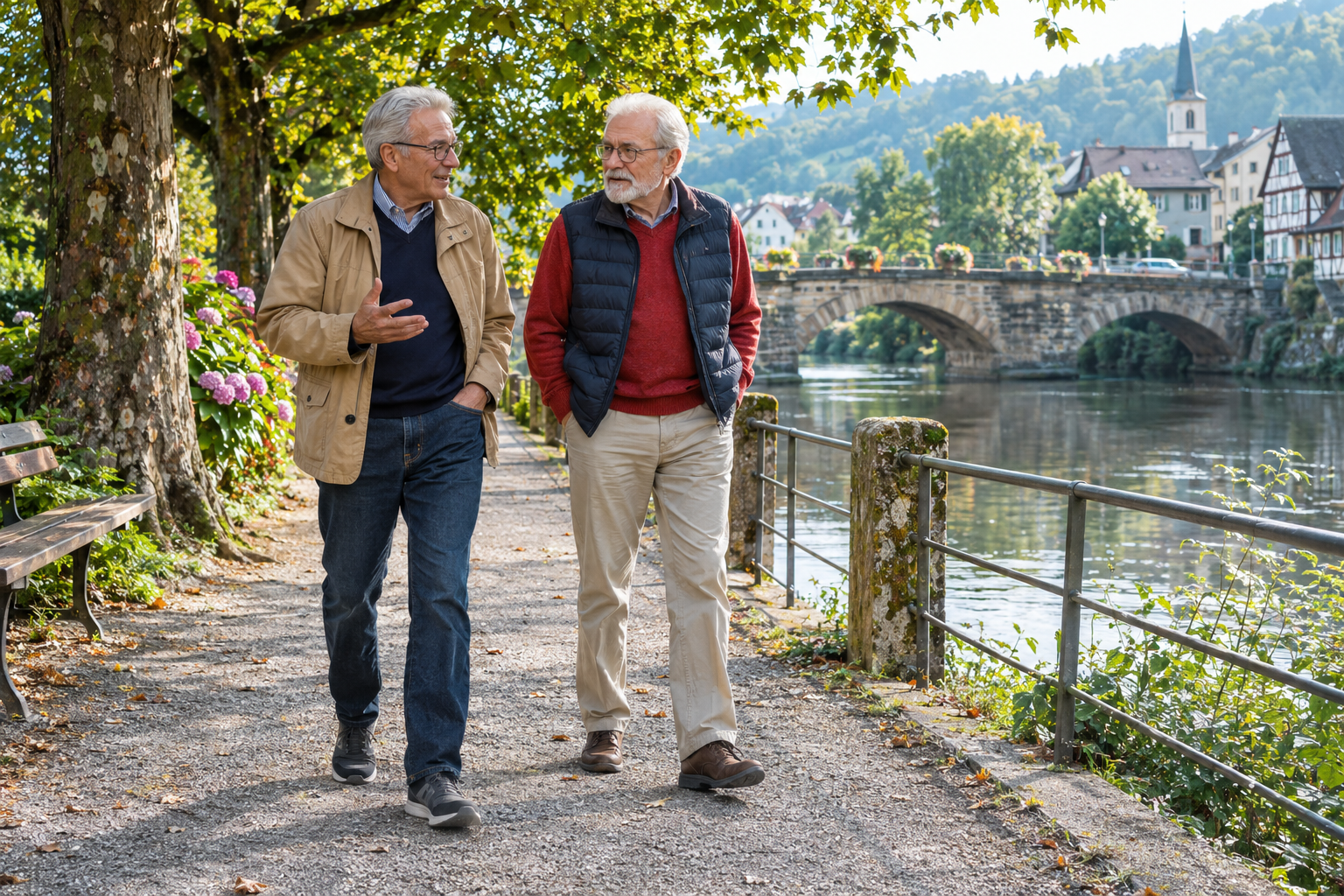
The first and most fundamental habit is the daily walk, the Spaziergang, which remains a genuine fixture of German life at every age. The older German man goes for a walk, often the same walk, pretty much every day, not as exercise exactly but as a normal and expected part of the day, frequently through a park or along the edge of the forest.
This simple habit does an enormous amount of quiet good. It provides regular, gentle, sustainable physical movement, the kind that keeps the body mobile and the heart healthy without any strain or special effort, and it gets him outdoors in the fresh air and natural light every single day.
Crucially, he keeps it up into deep old age because it is woven into his life as a pleasure and a routine rather than imposed as a fitness regime. Many American men, by contrast, stop walking much of anywhere once life becomes car-centered and desk-bound, and the daily walk is often one of the first casualties, quietly abandoned long before it needed to be. The German does not think of his Spaziergang as exercise he must motivate himself to do, which is exactly why he never stops doing it; it is simply part of the day, like coffee, and a day without it would feel incomplete.
2. They Belong to a Club
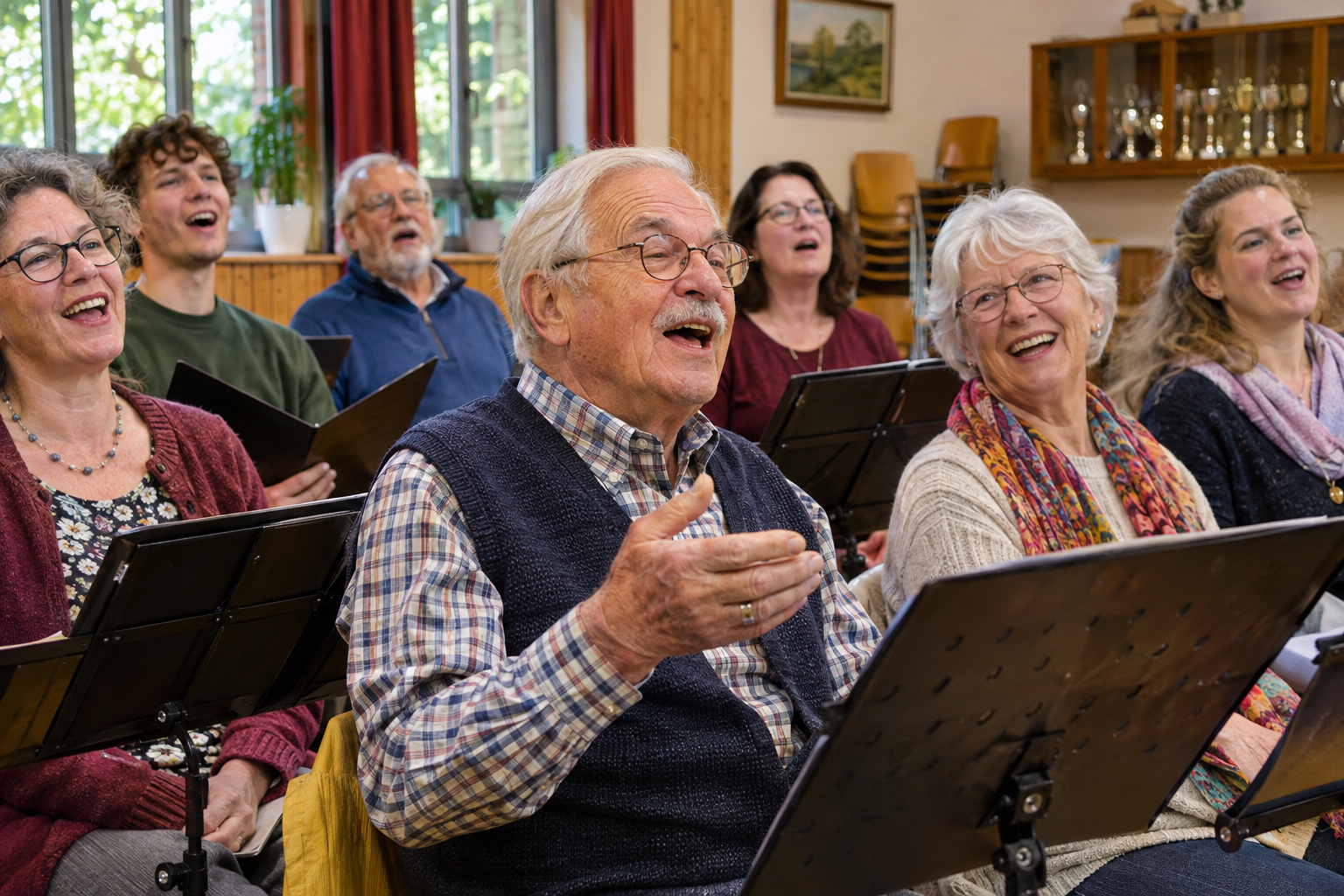
The second habit is belonging, specifically to a Verein, a club or association, which is a cornerstone of German social life. Germans join clubs for everything, from sports and singing to gardening, hiking, history, and countless other interests, and membership in a Verein is a lifelong affair that carries right on into old age.
The value of this is social and psychological as much as anything. The club gives an older man a built-in community, a regular reason to gather with others around a shared interest, and a continuing sense of belonging and purpose long after work has ended.
It supplies the social connection and engagement that research consistently links to healthy aging, delivered through an activity he genuinely enjoys, so he keeps showing up for the pleasure of it rather than out of any sense of duty. American men often lack this entirely; club and civic membership has declined over the decades, and many men find that when work ends, so does most of their social world, with nothing like the Verein to replace it. The German club is a kind of insurance against that collapse, a social world that exists quite separately from work and therefore survives long after a man retires, carrying him into old age still firmly attached to a community.
3. They Keep a Regular Social Table
The third habit is the Stammtisch, the regulars’ table, the standing arrangement by which the same group of friends meets at the same pub or cafe on the same day, week after week, year after year. It is an institution of German male social life, and older men keep it up faithfully.
This is social connection in its most durable and effortless form. The Stammtisch guarantees a man regular contact with his friends, a reliable weekly dose of conversation, companionship, and belonging that requires no planning because it simply happens on schedule, as it always has.
It keeps old friendships alive and gives the week a sociable anchor, both of which matter enormously for wellbeing in later life, when social ties otherwise tend to fray. It is the same quiet medicine found in the Spanish men gathered in their morning bar and the Dalmatian men singing in their taverns: a standing, unforced ritual of togetherness. Too many American men, lacking any such institution, drift into isolation in retirement without ever meaning to.
4. They Tend a Garden or Allotment
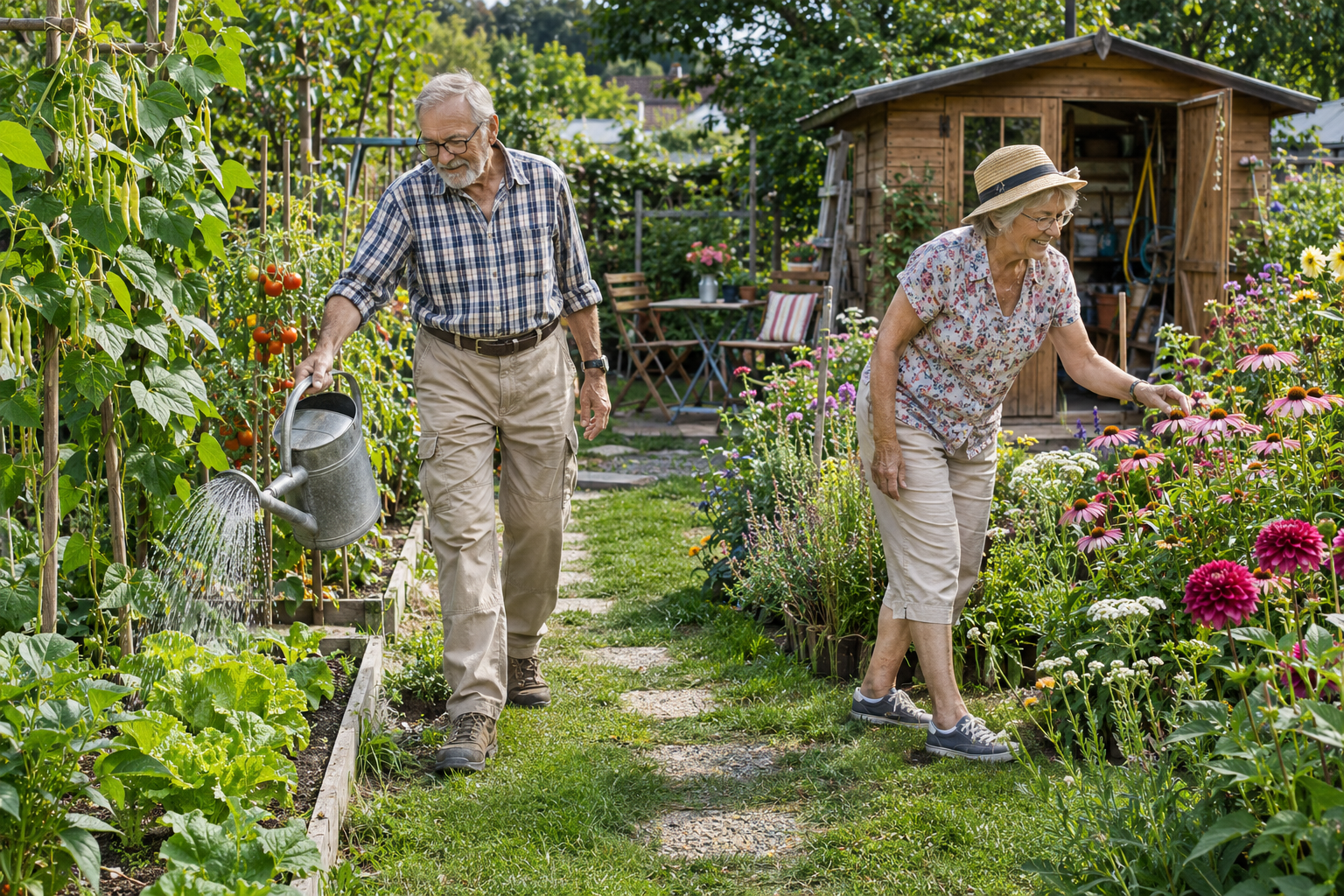
The fourth habit is tending something, often a garden or an allotment, the beloved German Schrebergarten, a small rented garden plot where city dwellers grow flowers and vegetables and potter about. Older German men devote real time to these plots and gardens, working with their hands and watching things grow.
The benefits here are wonderfully varied. Gardening provides gentle physical activity and time outdoors, of course, but it also provides something just as important in old age: purpose, a reason to get up and tend to living things that depend on you, and the deep satisfaction of nurturing and creating. The allotment colonies that ring German cities are full of older men pottering contentedly among their beans and roses, and the contentment is not incidental; it is the whole point. It engages the body, the mind, and the sense of being useful all at once, and it offers a connection to nature and the seasons that is quietly grounding.
There is good reason to think this kind of purposeful activity matters: having a reason to get up in the morning, something that needs you, is one of the things that most reliably distinguishes people who age well. The garden supplies that in the humblest, most tangible way, a small world of living things that genuinely depend on your care. Many American men give up precisely this sort of absorbing, hands-on, purposeful pursuit as they age, losing the purpose along with the pastime.
5. They Get Properly Dressed Every Day
The fifth habit is a matter of self-respect expressed through appearance: the older German man gets properly dressed every day, keeps himself neat and presentable, and goes out into the world looking like a man who still takes himself seriously. He does not let his grooming or his dress slide just because he is old or retired.
This may sound superficial, but it reflects something that runs deeper than vanity. Continuing to dress well and keep up one’s appearance is a daily act of self-respect and engagement, a refusal to give up on oneself.
It is quietly linked to morale, dignity, and a continued sense of participating in public life rather than withdrawing from it. The man who still dresses with care is signaling, to himself as much as anyone, that he is still fully a person in the world, still worth the small daily effort, still participating rather than fading out. It is a tiny thing, putting on a proper shirt to go to the bakery, but it is the outward sign of an inner refusal to retreat from life. A certain number of American men, by contrast, let their appearance go as they age, sliding into a kind of sartorial and social retreat, and the giving-up often starts with the small daily surrender of no longer bothering to get properly dressed.
6. They Eat Real Meals at the Table
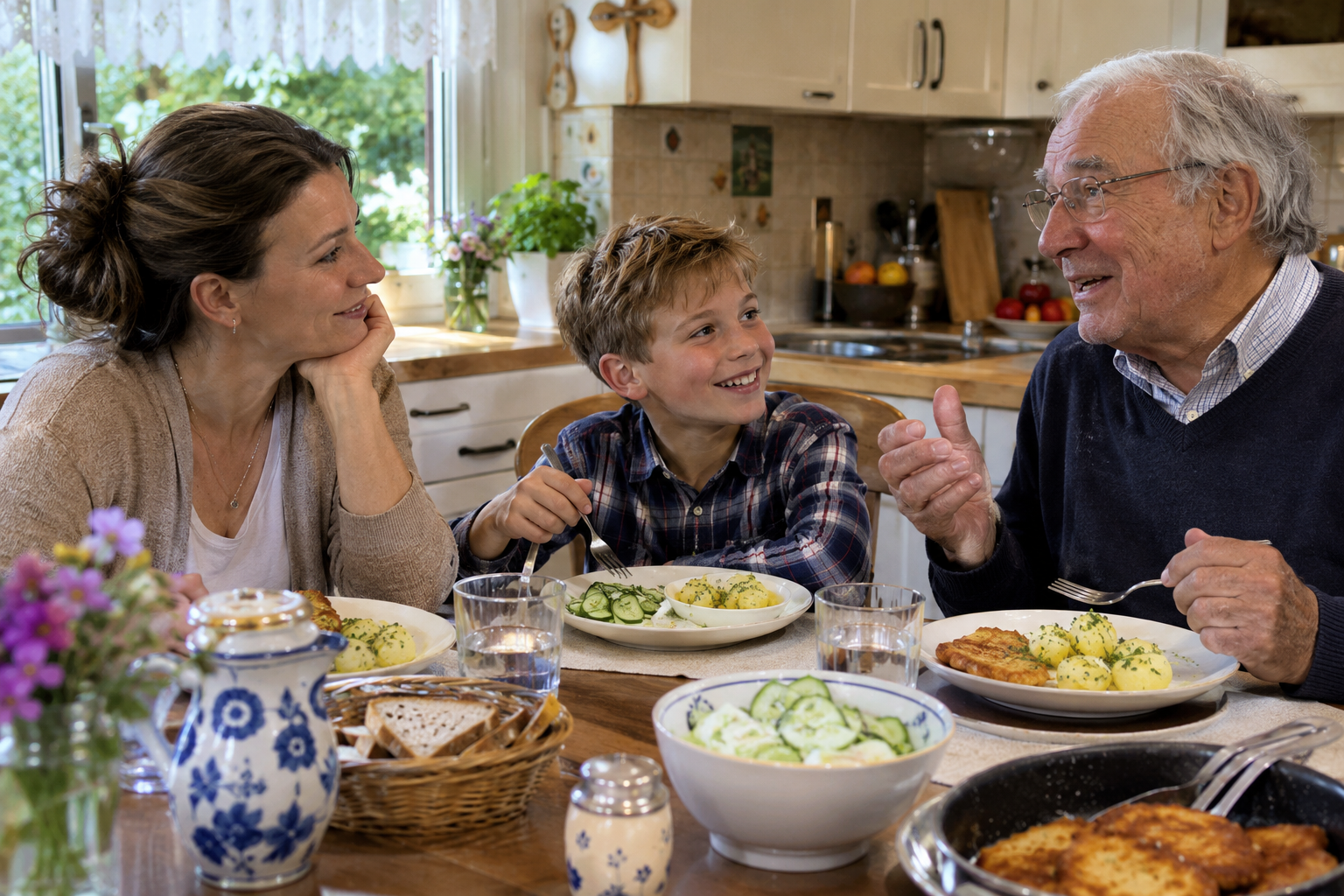
The sixth habit concerns food and its rhythms: the older German man tends to eat real, regular meals, sat down at a table, at proper times, rather than grazing, skipping, or eating haphazardly on the go. Mealtimes keep their shape and their place in the day.
This steady structure matters in several ways. Regular, sit-down meals support better nutrition simply by being actual meals rather than snacks, and they give the day a reliable rhythm and a set of anchoring rituals, which is valuable for anyone whose days might otherwise lose their shape in retirement. Often these meals are shared, adding a social dimension, and even when taken alone they preserve the dignity and routine of proper eating. The habit of treating meals as real occasions, rather than letting them dissolve into disordered grazing, is part of a life that retains its structure and care.
It is another of the small civilized routines that can quietly erode in men who have stopped tending to their daily lives, and its loss, like the loss of the daily walk, tends to go unnoticed until a great deal of the day’s shape has gone with it.
7. They Keep a Structured, Purposeful Routine
The seventh habit ties the others together: the older German man keeps a structured daily routine, a shape to his days built from all these smaller habits, that gives his life order, rhythm, and purpose. His days are not formless; they have a reliable scaffolding of walks, meals, gatherings, tasks, and commitments.
This structure is quietly protective. A day with shape, a reason to rise, places to be, things to tend, and people to see, supports both mental and physical wellbeing, staving off the aimlessness and isolation that can creep into an unstructured retirement.
The routine keeps a man engaged, active, and connected, pulling him out into his life every day rather than letting him drift into passivity. It is the framework on which a good old age is built, and it is assembled from exactly the ordinary daily habits above. Many American men, when work ends, lose the main scaffolding of their days and never fully rebuild it, sliding into a shapeless, more sedentary, more solitary existence, and the loss of structure is one of the quiet costs of giving up the smaller habits that used to fill it.
It Is Not a Formula, and Not Only Germany
Before anyone treats this as a prescription, the honest caveats matter, because it would be easy to romanticize. These seven habits are associated with engaged, active aging, but they are not a proven formula for long life, and they are not unique to Germany; you find versions of the same ordinary routines across much of Europe and beyond. Germany itself is no longevity paradise and carries its own health burdens, and plenty of German men do not live this way at all.
What the habits represent is a pattern rather than a guarantee: a life that keeps movement, purpose, structure, social connection, and self-respect going into old age, all of which research associates with aging well, bundled into ordinary daily living rather than pursued as a program.
The real insight is not that German men have cracked some code but that a life stays fuller and more engaged when these simple threads are not dropped, and that American culture, with its car dependence, its weak civic and club life, and its tendency to treat retirement as a withdrawal, makes them easier to lose. None of this is destiny, and none of it is medical advice; it is a description of a way of living, offered as encouragement, not instruction.
Picking Them Back Up
The good news hidden in all of this is that none of these seven habits is hard, expensive, or out of reach, and any of them can be picked back up at any age by any man who let them slide. You do not need to be German, or seventy, or anything in particular; you need only to reclaim a few ordinary routines. The very ordinariness that makes them easy to drop is also what makes them easy to pick back up, because none of them asks for anything you do not already have.
Start wherever appeals. Take a daily walk, join a club or a group around something you enjoy, set up a standing weekly gathering with friends, take up a garden or a hands-on project, keep getting properly dressed, eat real meals at the table, and build the whole into a daily routine with some shape and purpose. Each one is good on its own, and together they rebuild exactly the engaged, connected, structured life that keeps men vital into old age. You do not have to adopt all seven at once, either; picking up even one or two, a standing walk, a weekly table of friends, begins to restore the shape, and the others tend to follow once the first is in place.
The deepest lesson of the German men over seventy is also the most encouraging one: a good old age is made largely of ordinary daily habits, and it is never too late, at fifty or seventy or any age, to start keeping them up again.

About the Author: Ruben, co-founder of Gamintraveler.com since 2014, is a seasoned traveler from Spain who has explored over 100 countries since 2009. Known for his extensive travel adventures across South America, Europe, the US, Australia, New Zealand, Asia, and Africa, Ruben combines his passion for adventurous yet sustainable living with his love for cycling, highlighted by his remarkable 5-month bicycle journey from Spain to Norway. He currently resides in Spain, where he continues sharing his travel experiences with his partner, Rachel, and their son, Han.