
And why bidets are standard across Europe, but still taboo in the United States
Bathroom habits are one of those cultural differences people rarely talk about until they travel. Food, language, and clothing usually get all the attention, but everyday hygiene routines can create some of the biggest culture shocks because they are deeply personal. What feels completely normal in one country can seem strange, unnecessary, or even unhygienic somewhere else. That is exactly why certain European bathroom habits can surprise American visitors so much.
Many Americans grow up with a very specific idea of what a proper bathroom routine should look like. They are used to certain products, certain cleaning habits, and certain expectations about privacy and hygiene. In parts of Europe, people may approach the same routines differently. The difference is not necessarily about being cleaner or dirtier. It is often about habit, infrastructure, tradition, and what people have considered normal for generations.
The strongest reactions usually happen because bathroom behavior is tied to ideas about cleanliness. People do not just think their own routine is familiar; they often think it is objectively correct. When they see someone doing something differently, the immediate reaction can be disgust rather than curiosity. That reaction says as much about cultural conditioning as it does about the habit itself.
Travel exposes how many supposedly universal rules are actually local customs. Toilets, bidets, showers, towels, cleaning routines, and even how bathrooms are designed can vary dramatically across Europe. Once you spend enough time abroad, you start realizing that many of the habits you considered obvious are simply the version you grew up with.
The point is not to convince Americans that every European bathroom habit is better. It is to understand why people follow them and why the reaction can be so intense when two hygiene cultures collide. Sometimes a habit that initially seems disgusting makes more sense once you understand the logic behind it.
Want More Deep Dives into Everyday European Culture?
– Why Europeans Walk Everywhere (And Americans Should Too)
– How Europeans Actually Afford Living in Cities Without Six-Figure Salaries
– 9 ‘Luxury’ Items in America That Europeans Consider Basic Necessities
Quick Easy Tips
Understand the bidet before judging it it’s about hygiene, not discomfort.
Start with a travel bidet if you’re unsure; it’s an easy way to ease into the habit.
Know the cultural context cleanliness is interpreted differently across the globe.
One controversial truth is that people often confuse familiarity with cleanliness. If a bathroom routine looks different from what someone has always done, they may instinctively label it unhygienic. But cultural habits are usually shaped by long-standing routines, available plumbing, climate, household design, and social expectations. Different does not automatically mean dirty.
Another uncomfortable point is that Americans can be just as strange to Europeans as Europeans are to Americans. Travelers often focus on the habits they find shocking abroad without considering how their own bathroom routines might look from the outside. A behavior that feels completely sensible in the United States may seem wasteful, excessive, or unnecessary elsewhere. Culture shock works in both directions.
There is also a tendency to turn hygiene differences into moral judgments. People quickly move from saying, “I would never do that,” to saying, “That is disgusting.” Those statements are not the same thing. You can dislike a habit without assuming the people who follow it have poor hygiene standards. That distinction matters because many bathroom routines are cultural rather than medical.
Another controversial point is that modern ideas about cleanliness are heavily influenced by marketing. Consumers are constantly told they need specialized products, constant washing, fragrance, antibacterial formulas, disposable wipes, and increasingly complicated routines. Some European habits may look minimalist by comparison, but simpler does not automatically mean less sanitary.
The bigger lesson is that bathroom habits reveal how strongly culture shapes the body. People rarely question the routines they learn at home because those routines feel natural. Travel forces you to recognize that even the most private habits are social habits, and what feels obvious to you may be completely unfamiliar somewhere else.
1. The Bidet Is a Standard Fixture Not a High-End Upgrade

In many American homes, if a bidet exists at all, it’s a recent add-on a techy toilet seat, an attachment from a viral ad, or a “spa upgrade” in a luxury bathroom.
In Europe, it’s just standard plumbing.
Older homes have floor-mounted ceramic bidets, often beside the toilet. Newer homes might install combined bidet-toilet systems or integrated sprayers. But no one makes a big deal about it.
To most Europeans, not having a bidet feels strange. A bathroom without one feels incomplete like a kitchen with no sink.
2. Water Is Considered Cleaner Than Paper Full Stop
The American model of hygiene relies almost entirely on dry wiping. Toilet paper is the default. Wet wipes are optional. Water is reserved for the shower.
Europeans find this baffling.
In European logic, you wouldn’t wipe your hands with a dry napkin after gardening you’d rinse them with water. Why would you treat your body differently?
The bidet provides a way to clean thoroughly, gently, and hygienically. Most Europeans feel cleaner after using it. And once accustomed to it, many consider toilet paper alone to be insufficient.
3. Americans Confuse the Bidet with the Toilet and Then Dismiss It

One of the key cultural barriers is misunderstanding.
Americans often assume the bidet is:
- a second toilet
- a sink
- a device for intimate behavior
- a strange European quirk that requires explanation
This confusion plus the absence of bidets in public restrooms creates a sense of foreignness that Americans resist.
But Europeans don’t treat bidets as exotic. They’re as boring as a soap dispenser. It’s not a discussion point. It’s just part of using the bathroom properly.
4. The American Obsession with “Clean” Doesn’t Extend Below the Waist
Ironically, American hygiene culture is incredibly product-heavy. There are mouthwashes, exfoliants, shower gels, toners, wipes, and deodorants for every body part.
Except, somehow, for the one part most involved in daily bathroom activity.
In European homes, the logic is flipped. Less product. More water. And cleanliness based on feeling, not scent.
The bidet fits this worldview perfectly: it’s low-tech, effective, and efficient. For many Europeans, not using one feels less clean — no matter how much scented paper you use.
5. Toilet Paper Is a Backup Not the Main Event

In American bathrooms, toilet paper is the only tool. In European bathrooms, it’s often just step two.
You rinse first. Then pat dry if needed. Some people skip paper entirely when at home, using towels or air-drying. It’s not considered extreme. It’s just efficient.
Because of this, toilet paper is used more sparingly and not in layers and layers like many Americans are taught to do.
This isn’t just about comfort. It’s about plumbing too. Many European pipes can’t handle thick wads of paper, which is one reason the bidet caught on in the first place.
6. The Taboo in the U.S. Has Nothing to Do with Function and Everything to Do with Control
Americans aren’t grossed out by hand soap. Or shampoo. Or face wash. But somehow, the idea of rinsing the body with water in the bathroom gets treated like a step too far.
Why?
Because American bathroom culture is deeply private and over-sanitized. Anything involving the lower body is treated with embarrassment or over-correction either concealed entirely or covered in euphemism.
Bidets aren’t embarrassing in Europe because the body isn’t considered inherently dirty. It’s considered normal and in need of care, not control.
7. Americans Buy Wipes, Sprays, and Creams Instead of Turning on a Tap
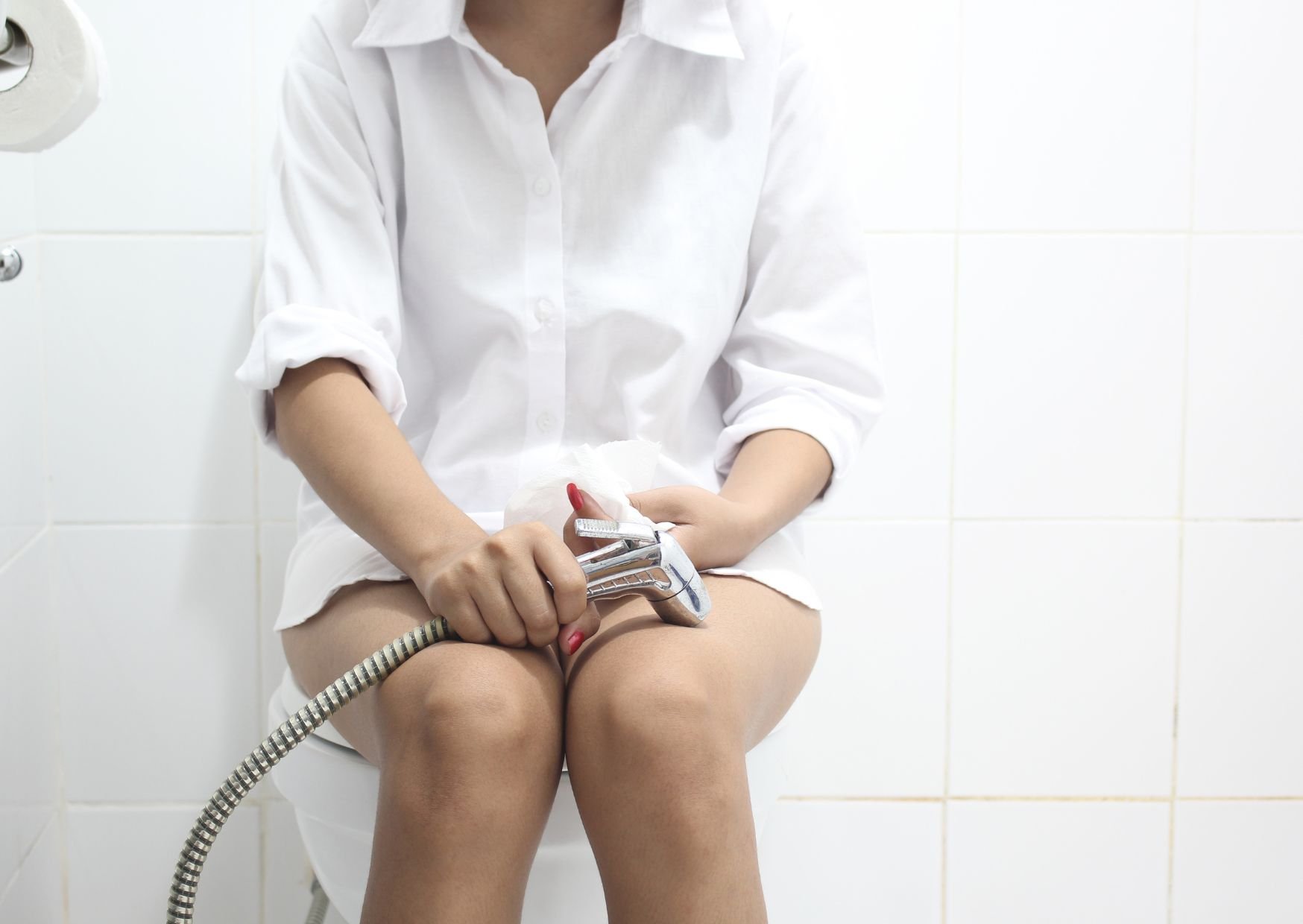
Bidet usage in the U.S. is often dismissed as “European weirdness,” yet the market for wet wipes, scented sprays, and skin-soothing balms is booming.
This contradiction highlights the problem: Americans want the feeling of clean, but without confronting what it actually takes to get there.
Europeans, by contrast, spend less money and use a basic water rinse to achieve better results.
To them, it’s not about luxury or indulgence. It’s just about doing the job properly.
8. Public Restrooms Don’t Offer Bidets But Homes Always Do
Part of the American aversion is practical: you don’t see bidets in public restrooms. So you don’t learn to use them. So you don’t consider them necessary.
In Europe, bidets aren’t expected in public but they’re assumed at home.
It’s understood that thorough hygiene happens privately. And when guests stay over, hosts assume they’ll want that option.
Even in hotels, hostels, and short-term rentals, you’ll often find a bidet, even if it’s old or tucked into a corner.
It’s not for show. It’s because someone expects to use it.
9. Once Europeans Try It They Never Go Back
The strongest cultural proof of the bidet’s value isn’t in theory it’s in practice.
Ask any European who has moved to the U.S., and they’ll often say the same thing: they miss their bidet.
Some install attachments. Some adapt with handheld sprayers. Others adjust reluctantly but feel less clean.
There’s a reason bidets are gaining traction among Americans who try them abroad: they work. And when people experience it firsthand, the taboo starts to fade.
Why You Should Care
You should care because understanding bathroom customs can make travel less stressful. Small differences can feel surprisingly frustrating when you are tired, jet-lagged, or staying somewhere unfamiliar. Knowing that bathrooms may be designed differently or that people may follow different routines helps you adapt without immediately assuming something is wrong.
You should also care because hygiene expectations can affect how you interact with hosts, hotels, roommates, and local households. Something you consider normal may be viewed as wasteful or strange, while something they consider ordinary may surprise you. A little awareness can prevent unnecessary awkwardness.
There is also value in questioning your own habits. Travel gives you a chance to notice which routines are genuinely useful and which ones you follow simply because you always have. You may decide that a European habit makes sense for you, or you may decide you prefer your own method. Either way, the comparison makes you more intentional.
Caring about these differences can also make you a more respectful traveler. Mocking local hygiene practices because they look unfamiliar is an easy way to misunderstand a culture. Curiosity works better than judgment. Asking why a habit exists often reveals practical reasons that are not obvious at first glance.
Most importantly, these small cultural differences are part of what makes travel interesting. The point of going somewhere new is not to find a perfect copy of home. Everyday habits, including bathroom routines, show you how people actually live rather than how a destination is marketed to tourists.
Why You Should Not Care Too Much
At the same time, you should not obsess over every bathroom difference you encounter. Most of these habits are not dramatic, and you do not need to adopt them to enjoy your trip. If something feels uncomfortable or unfamiliar, you can usually continue using the routine that works for you.
You should also avoid assuming one European habit represents the entire continent. Europe is extremely diverse, and bathroom customs can vary by country, region, generation, and household. What is common in one place may be unusual somewhere else. Broad generalizations can quickly become inaccurate.
It is also important not to turn hygiene into a competition between countries. There is no prize for proving that one culture is cleaner than another. Most people simply follow the routines they learned at home and rarely think about them until they meet someone who does things differently.
You should not feel pressured to try something purely because locals do it. Cultural openness does not mean abandoning your own comfort. You can understand the logic behind a habit without deciding it belongs in your daily routine.
Ultimately, the subject is interesting because it reveals cultural differences, not because every traveler needs to change how they use the bathroom. Learn what is useful, respect what is different, and move on without turning a small habit into a major judgment.
One Bathroom, Two Beliefs
To Americans, the bidet is extra.
To Europeans, the absence of one is lacking.
To Americans, the bathroom is a place to conceal and correct.
To Europeans, the bathroom is a place to care for the body with water without shame.
And in that difference lies the full story.
The bidet isn’t just plumbing. It’s a cultural symbol of how much comfort and cleanliness you’re allowed to have without embarrassment.
So the next time you step into a European bathroom and see that low basin beside the toilet, don’t laugh. Don’t panic. Don’t post about it.
Just try it.
You might discover that what Americans call disgusting is actually just being clean.
Bathroom habits may sound trivial, but they reveal a lot about how culture works. The routines people consider private, clean, normal, or disgusting are shaped by upbringing just as much as food preferences or social etiquette. That is why they can trigger such strong reactions.
What Americans find shocking in Europe is often something Europeans have never thought twice about. The reverse is equally true. That contrast is useful because it reminds us that many everyday behaviors are not universal rules.
The best response is curiosity rather than disgust. Before deciding that a habit is unhygienic, it is worth understanding how and why people use it. Sometimes the explanation changes your opinion, and sometimes it does not. Either result is fine.
Travel is full of moments when another culture challenges your assumptions. The bathroom is simply one of the more unexpected places where that happens. Those small surprises can teach you as much about your own culture as they teach you about somewhere else.
Ultimately, you do not need to love every European bathroom habit. You only need to recognize that unfamiliar does not automatically mean wrong. Respect the differences, keep the routines that work for you, and enjoy the fact that even the smallest parts of everyday life can make travel feel completely different.

About the Author: Ruben, co-founder of Gamintraveler.com since 2014, is a seasoned traveler from Spain who has explored over 100 countries since 2009. Known for his extensive travel adventures across South America, Europe, the US, Australia, New Zealand, Asia, and Africa, Ruben combines his passion for adventurous yet sustainable living with his love for cycling, highlighted by his remarkable 5-month bicycle journey from Spain to Norway. He currently resides in Spain, where he continues sharing his travel experiences with his partner, Rachel, and their son, Han.
Stefano
Friday 29th of May 2026
I still remember the time I had a US friend visiting. He thought it was something to water plants with, and after I explained what it was, he vehemently refused to use it and demanded to shower after every bathroom break.