
An American whose parent or friend dies in Spain, or who finds themselves attending a Spanish funeral, often experiences a quiet shock in the middle of their grief. The funeral is tomorrow. Or even today. The speed of it, when they are used to a very different rhythm, can feel almost dizzying, as though they are being hurried through the most important goodbye of their life.
In the United States, a funeral held a week or more after a death is completely normal, with time to embalm the body, gather distant family, and plan a service over many days. In Spain, and across much of Europe, the burial or cremation happens within a day or two, and nobody there finds that rushed at all. It is simply how it is done.
This is one of the more profound cultural differences a person can run into abroad, and it tends to surprise Americans deeply precisely because it touches something so tender. Here is how the European timeline works, why it is so much faster, and what it reveals about two different ways of meeting death. It is a sensitive subject, so it is offered gently, as understanding rather than instruction.
Within a Day or Two
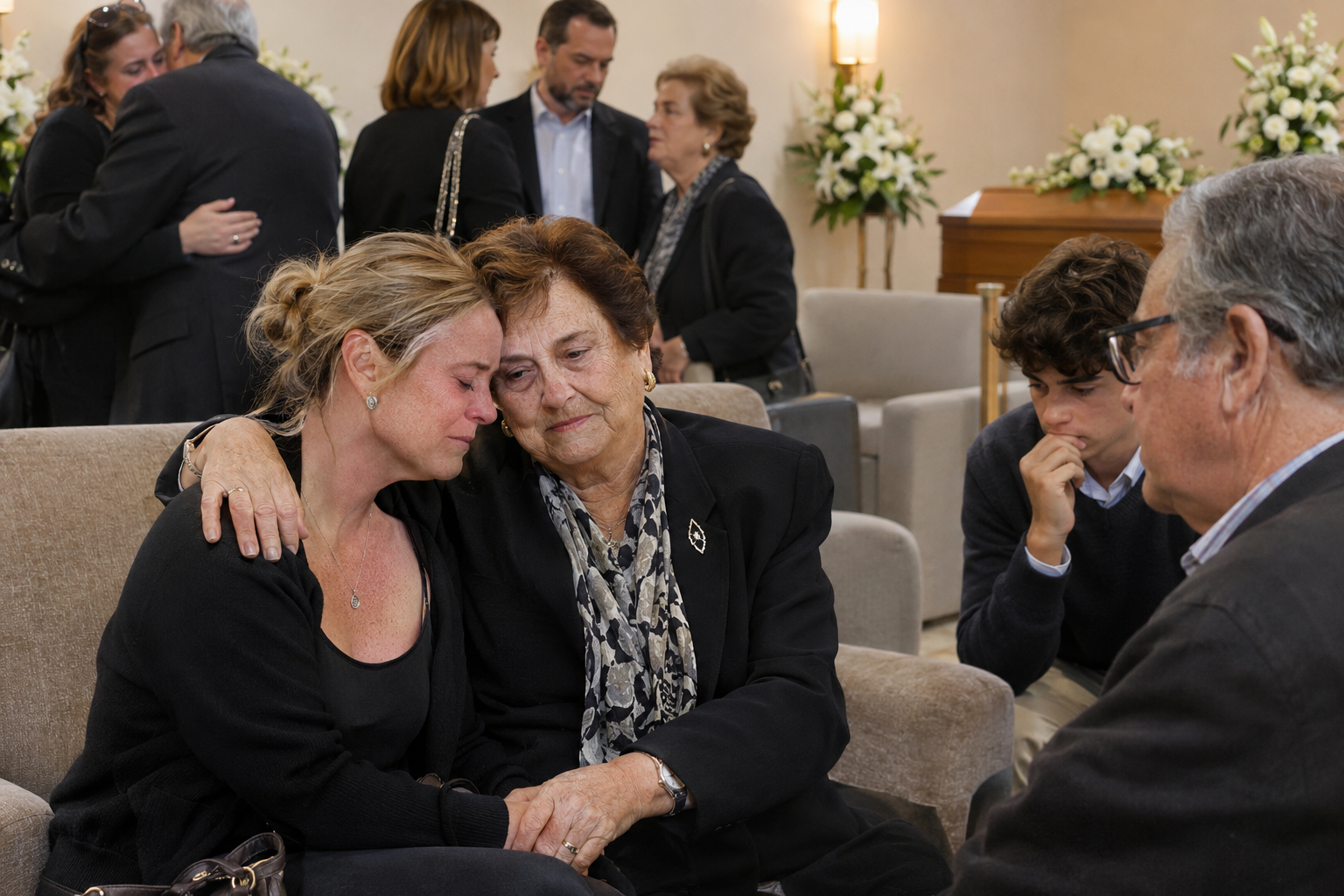
The basic fact is simple and, to American ears, startling: in Spain, a burial or cremation typically takes place within twenty-four to forty-eight hours of death. In some cases it happens the very next day, and occasionally even the same day.
This is not a matter of individual haste but of settled custom and law. Spanish regulations generally call for burial or cremation to happen within about forty-eight hours, and not before twenty-four hours have passed, a window that can be extended somewhat by arrangement when necessary, but that in practice keeps the whole process remarkably compressed. The death is registered quickly, within twenty-four hours, and everything, the paperwork, the gathering, the service, the burial or cremation, follows in swift succession.
To someone raised in the American tradition, where the days between a death and a funeral stretch into a week or more, this pace is genuinely disorienting. There is barely time to absorb the loss before the funeral is upon you, and the long interval that Americans use to prepare, travel, and brace themselves simply does not exist. The goodbye comes almost immediately, which is either a mercy or a shock depending on what you are used to, and often both at once.
No Embalming
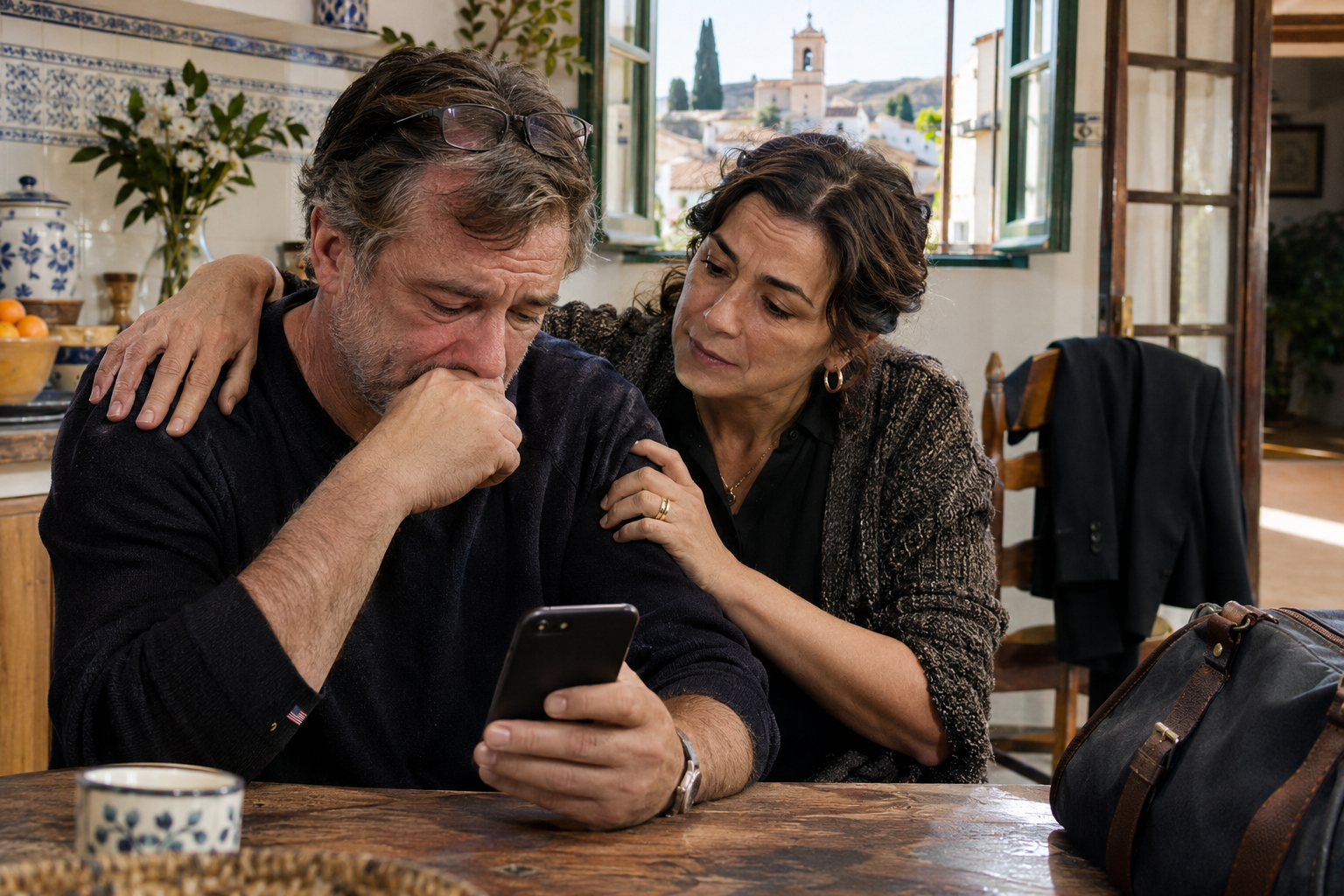
The single biggest reason for the speed is something most Americans never think about, because it is so standard at home: embalming. In the United States, embalming the body is routine, and it is precisely what makes the long American timeline possible, preserving the body so that a funeral can be held a week or more later with an open casket.
In Spain, and much of Europe, embalming is not commonly practiced at all. Without it, a body cannot be kept for long, and so the short timeline is not merely a preference but a practical necessity; the burial or cremation must happen soon because there is nothing to slow the natural course of things. The climate in much of southern Europe reinforces this, and tradition has long accepted it, so that the quick funeral and the absence of embalming are two sides of the same custom.
This also means the whole American apparatus of the embalmed, cosmetically restored body in an open casket, viewed over days, is largely absent. The European approach to the body is simpler and more immediate, which flows naturally from not embalming, and which in turn makes the fast timeline both possible and expected. What looks to an American like rushing is, from the European side, simply what happens when you do not artificially preserve the body: you lay it to rest promptly, as people did for most of human history.
The Velatorio: A Vigil at the Heart of It
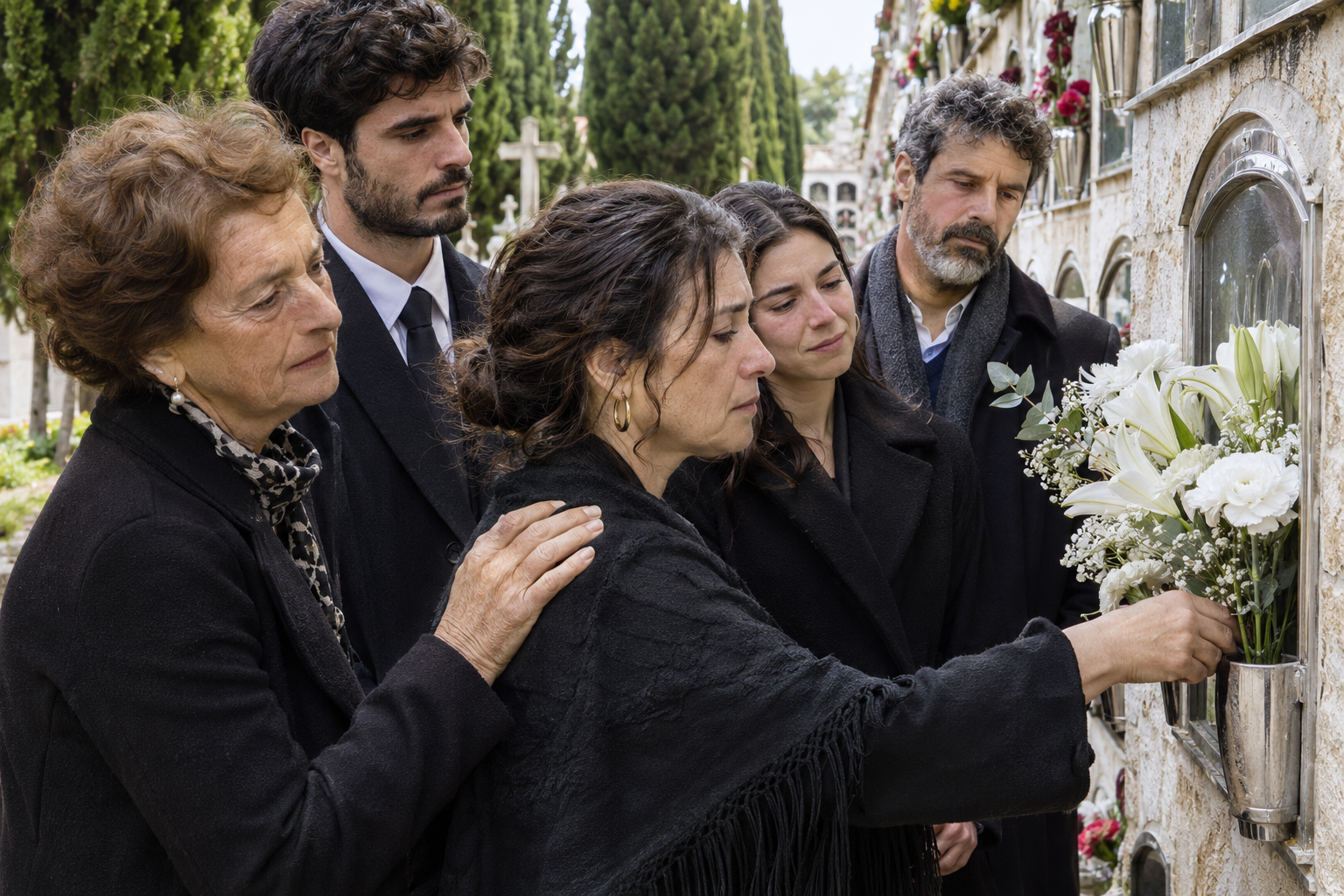
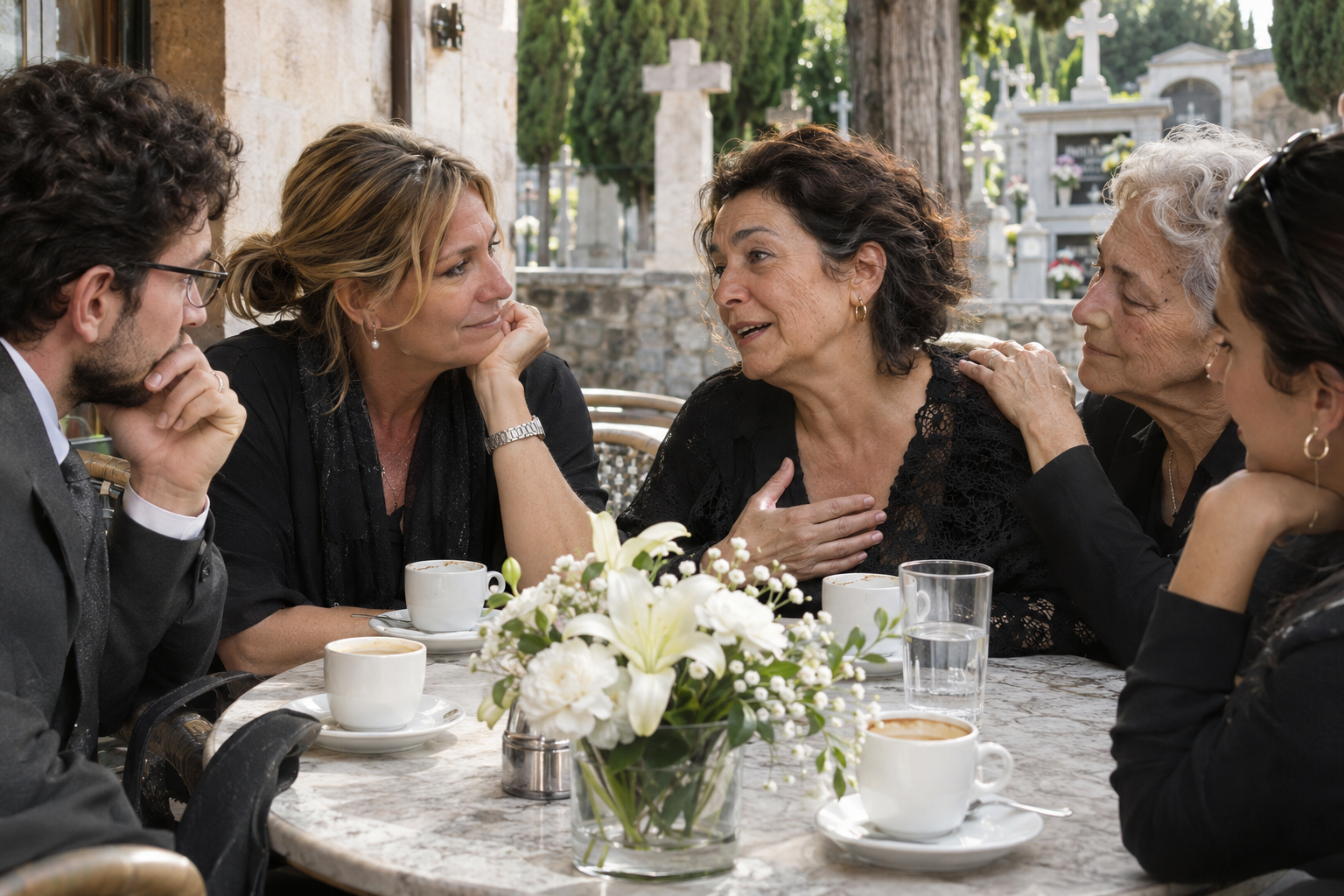
If the timeline is compressed, the gathering within it is intense and deeply human, and this is the part Americans often come to find beautiful. At the center of the Spanish way of death is the velatorio, a vigil held at a tanatorio, the funeral home, where family and friends come together to be with the deceased and with one another before the burial or cremation.
The velatorio is a powerful thing. For a concentrated period, often around twenty-four hours, the bereaved family keeps vigil in a room at the tanatorio, and a steady stream of relatives, friends, neighbors, and colleagues comes to pay their respects, to sit with the family, to share memories, and to offer comfort. It is immediate and communal, a gathering of the whole community around the grieving in the very first hours of their loss, when the need for support is rawest. Rather than being left alone to wait a week for a scheduled service, the family is surrounded almost at once.
There is real wisdom in this, whatever its intensity. The velatorio brings the community’s support to bear exactly when it is most needed, in the first shock of grief, rather than days later once the worst of the initial blow has been weathered alone. It is exhausting and overwhelming, but it is also profoundly supportive, a culture insisting that no one should face the first hours of loss by themselves. For many who experience it, the velatorio is the most moving and the most comforting part of the entire Spanish way of death.
Why So Fast
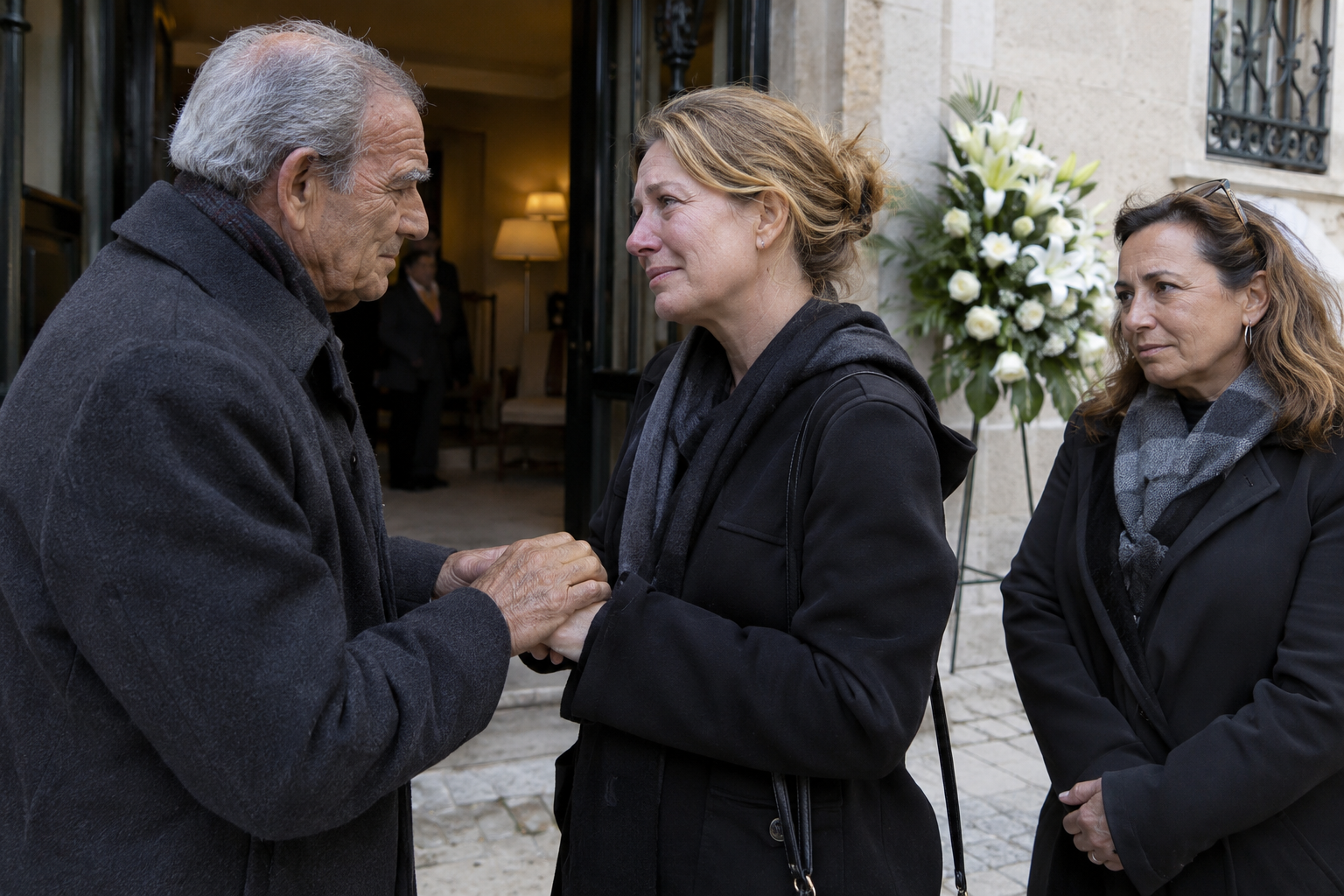
Putting the pieces together, the speed of the European funeral comes from several reasons working in the same direction, practical and cultural at once. The practical ones we have seen: no embalming, and in much of the south a warm climate, both of which make a prompt burial or cremation necessary rather than optional.
Then there is law and long tradition. Spanish regulations encode the short timeline, and behind the regulations lies centuries of custom, shaped by a historically Catholic culture and by the simple, ancient human practice, universal before modern embalming, of laying the dead to rest quickly. For most of history and in most of the world, a body was buried within a day or two because there was no way to do otherwise, and Spain, like much of Europe, never adopted the American innovation of preservation that stretched the timeline out.
Underneath it all there is also a philosophical thread, a sense that the dead should be returned to rest promptly and not held in a kind of suspended animation. The quick funeral treats death as something to be met directly and soon, rather than managed, delayed, and produced over a week. Whether one finds that bracing or harsh, it reflects a particular and very old relationship with mortality, one that much of Europe has simply kept.
What Surprises Americans
For Americans encountering this, whether abroad or when a relative dies in Spain, several things tend to land hard, and it is worth naming them plainly. The first is the sheer speed and the pressure it creates: there is almost no time for distant family to travel and arrive, so relatives scattered across the world may be unable to reach the funeral at all, which is wrenching for people used to everyone gathering.
The absence of embalming and the open-casket tradition surprises many too, as does the Spanish cemetery system itself, where coffins are often placed in a niche, a recess in a wall of the cemetery known as a nicho, rather than buried in the ground, frequently on a time-limited lease rather than in perpetuity. The whole physical and temporal shape of death is different, and each difference can catch a grieving American off guard at an already overwhelming moment.
Perhaps the deepest surprise is emotional: the compression of grief into a day or two, where the American tradition spreads it across a week or more of preparation and ritual. There is no long, slow runway, only the sudden drop. For some this feels unbearably rushed, denying them the time they expected to prepare and say goodbye; for others, in time, it comes to feel like a strange mercy, a way of not prolonging the agony of waiting. Either way, it is not what they knew, and running into it in the middle of loss is its own small shock on top of the larger one.
Two Ways of Grieving
It would be wrong to frame either approach as the correct one, because each carries its own real wisdom, and both are simply different ways of doing the same hard, human thing. The American way, with its longer timeline, gives families time to gather from afar, to plan a considered service, and to move through the early days of grief with the goodbye still ahead of them as something to prepare for.
The European way, fast and immediate, has its own logic and its own kindnesses. It surrounds the bereaved with community support at once, in the first raw hours; it does not force the family to wait a week in limbo for a scheduled event; and it lets the practical business of death be concluded quickly, so that the long work of grieving can begin without a prolonged, suspended interval first. There is an argument that the quick funeral is gentler, not harsher, precisely because it does not stretch the acute phase out.
Neither is better, and it would be presumptuous to say so; they are two different relationships with death, each coherent, each consoling in its own way, each shaped by deep history and belief. What is valuable for a traveler or an expat is simply to understand that the difference exists, so that encountering the other way does not add bewilderment to grief. The Spanish do not find their funerals rushed, any more than Americans find theirs slow; each is simply home.
When It Happens to You Abroad
On a practical level, there are things worth knowing if you live abroad or have family in a country like Spain, because the fast timeline has real consequences. If a death occurs there, things will move quickly, and you may have very little time to make decisions or to travel, so it helps to understand the pace in advance rather than discovering it in the depths of loss.
It is also worth knowing that you are not entirely bound by the local timeline if you would prefer something else. Repatriating a body to a home country for a funeral there is possible, though it takes considerably longer, often a week or more, and costs a good deal, so it is a real but weighty choice for families who want a funeral on home soil in the home tradition. Understanding the options, the quick local funeral or the slower repatriation, before you are in the midst of grief, is a genuine kindness to your future self, however uncomfortable it is to contemplate.
Mostly, though, this is offered not as a how-to but as understanding, so that the customs of death abroad are one less thing to be blindsided by. Death is hard everywhere, and every culture has evolved its own ways of meeting it, each with its own comforts and its own demands.
The European way is faster than the American one, and immediate where the American way is deliberate, but it is no less loving, no less serious, and no less a way of honoring the dead and holding the living. Knowing that, in advance, can let you meet it, if you ever must, with understanding rather than shock.

About the Author: Ruben, co-founder of Gamintraveler.com since 2014, is a seasoned traveler from Spain who has explored over 100 countries since 2009. Known for his extensive travel adventures across South America, Europe, the US, Australia, New Zealand, Asia, and Africa, Ruben combines his passion for adventurous yet sustainable living with his love for cycling, highlighted by his remarkable 5-month bicycle journey from Spain to Norway. He currently resides in Spain, where he continues sharing his travel experiences with his partner, Rachel, and their son, Han.