
For an American with a modest pension or a Social Security check, the dream of retiring abroad often runs into a wall of numbers that feel just out of reach. Many popular destinations ask for more income than an average check provides, or tie residency to investments and deposits that a modest retiree does not have. Ecuador is different, and it is one of the reasons the country keeps turning up near the top of every best-value retirement list.
Ecuador offers residency to pensioners on a pension of roughly fourteen hundred dollars a month, in a country that uses the US dollar as its own currency, at a cost of living low enough that a couple can live comfortably on not much more. The combination, an accessible visa, the dollar, and rock-bottom costs, is why Ecuador is so often called the cheapest good retirement in the Americas.
Here is how Ecuador’s pensioner visa actually works, the one quirk in its income requirement that trips people up, why the dollar matters so much, what the path to permanence looks like, and the honest caveats that the glossy rankings tend to skip. What it is actually like to live there day to day is its own question, told elsewhere; this is the visa and the country behind it. None of this is legal or tax advice, but a starting map for your own questions.
The Pensioner Visa Rule

Ecuador’s pensioner visa, its residency category for retirees living on a pension, is built around a single income requirement that is modest by international standards. To qualify, you must prove a lifetime pension income of roughly fourteen hundred dollars a month, with a bit more required for each dependent you bring.
The qualifying income has to come from a genuine pension source, but the accepted sources are reasonably broad. Social Security counts, as do government pensions, military pensions, private pensions, and annuities, so most retirees drawing a steady retirement income from a recognized source can satisfy it. For each dependent, a spouse or child you include on the application, you generally need to show some additional monthly income on top of the base figure, a few hundred dollars more per person, which is standard for these visas. The essential test is a stable, lifelong pension at or above the threshold.
That threshold, around fourteen hundred dollars, is the headline, and it is genuinely attainable for a large share of retirees. A solid Social Security benefit, a decent pension, or a combination of qualifying sources will often clear it, putting Ecuadorian residency within reach of people for whom pricier destinations are simply out of the question. It is not the very lowest bar in the hemisphere, but paired with what that income buys on the ground in Ecuador, it may be the best value of any of them, which is the whole point.
Tied to the Basic Salary
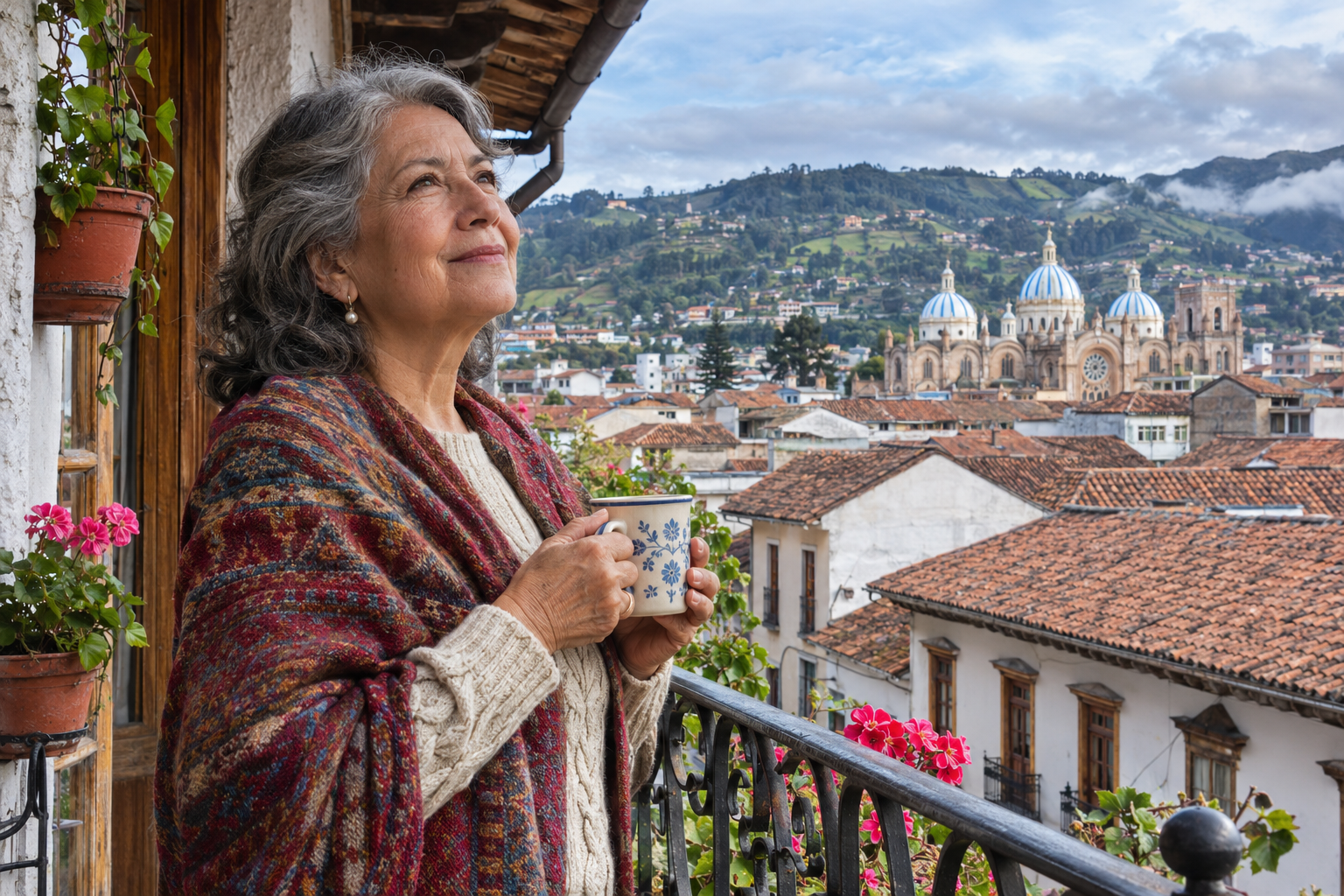
Here is the quirk that catches people out, and it is worth understanding clearly because it means the number is not fixed. The pensioner visa’s income requirement is not a flat dollar figure set once and left alone; it is pegged to a multiple of Ecuador’s own minimum wage, and it therefore moves.
The requirement is defined as three times Ecuador’s Basic Unified Salary, the country’s official minimum monthly wage. Because that basic salary is set anew each year and tends to rise over time, the pension requirement rises with it. With the basic salary sitting a little under five hundred dollars in 2026, three times that works out to roughly fourteen hundred and fifty dollars, which is where the current figure comes from. In an earlier year, when the basic salary was lower, the requirement was lower too, which is why older guides sometimes quote smaller numbers that no longer apply.
The practical lesson is simply to check the current figure rather than trusting any single quoted number, including this one. Because the threshold is tied to a wage that changes annually, the exact amount you need will depend on the year you apply, and it has a gentle upward drift built into it. This is not a reason for alarm, the increases are modest, but it is a reason to confirm the present requirement with a current source or an Ecuadorian immigration professional before you plan around a specific figure. The number is a moving target, even if it moves slowly.
The Dollar Changes Everything
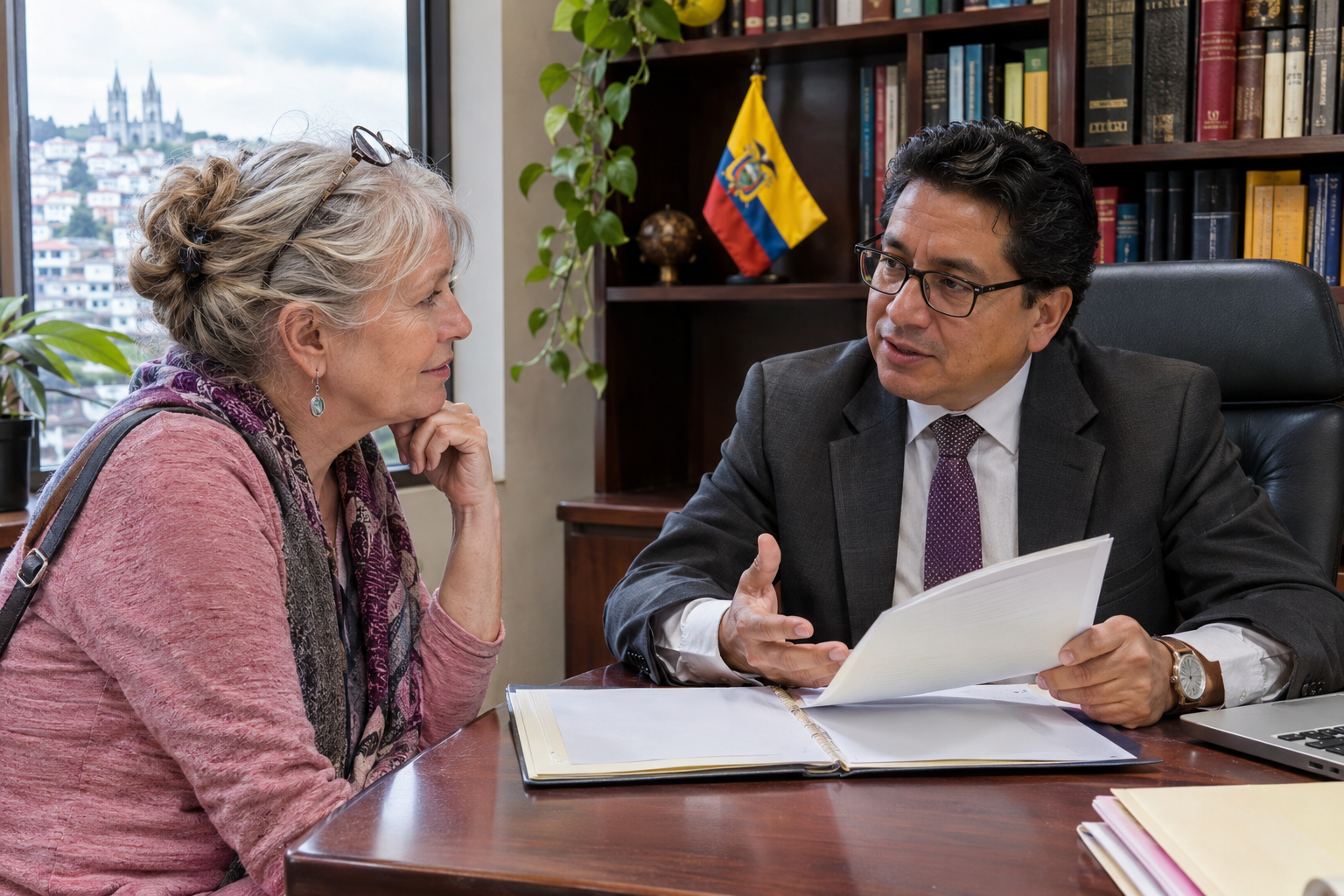
Of all the reasons Ecuador stands out for American retirees, one is quietly the most important, and it has nothing to do with the visa rules at all: Ecuador uses the US dollar as its official currency. The country dollarized its economy years ago, and the greenback is simply the money of the land.
For an American, this is an enormous and underappreciated advantage. It means your Social Security check or your pension, paid in dollars, is already in the local currency the moment it arrives; there is no exchange rate to watch, no conversion fees to pay, no currency risk gnawing at the value of your retirement income. In most foreign retirement destinations, a retiree lives at the mercy of the exchange rate, their dollars worth more some months and less others, their budgeting complicated by a variable they cannot control. In Ecuador, that whole dimension of worry simply vanishes, because the dollars never have to become anything else.
This stability is worth more than it first appears, especially to someone living on a fixed income where predictability is everything. A retiree in a country with its own currency can see their effective income swing by a meaningful percentage as exchange rates move, which can turn a comfortable budget into a tight one through no fault of their own. The dollarized retiree is insulated from all of that; a dollar is a dollar, at home and in Ecuador alike. For anyone nervous about the financial uncertainties of retiring abroad, Ecuador’s use of the dollar removes one of the biggest ones entirely, and it is a quiet but powerful part of the country’s appeal.
The Cheapest Retirement in the Americas
Put the accessible visa and the dollar together with Ecuador’s cost of living, and you arrive at the claim in the title, which is not mere marketing: Ecuador consistently ranks among the cheapest places in the world to retire well, and arguably the cheapest good option in the Americas. The cost of living is genuinely low.
The numbers that circulate are striking. In Ecuador, and especially in its popular highland cities, a couple can live a comfortable, dignified life, renting a decent apartment, eating well, covering their basics and some pleasures, on a budget that would be impossible in the United States and low even by the standards of other Latin American retirement havens. Fresh food from the markets is cheap, housing is affordable, domestic help and services cost a fraction of what they do back home, and the modest pension that clears the visa threshold stretches remarkably far. This is the heart of Ecuador’s value proposition: not just that you can get a visa, but that the life it unlocks is so inexpensive.
It is the combination that makes Ecuador exceptional rather than any single factor. Plenty of countries are cheap, plenty offer accessible visas, and a few use the dollar, but Ecuador brings all three together, low costs, an attainable pension visa, and the stability of the dollar, in a way few places match. That is why it perennially tops the value-focused retirement rankings and why it draws a steady stream of American retirees looking to make a modest income go as far as it possibly can. For the retiree whose priority is stretching a limited budget into a full life, Ecuador is very hard to beat.
From Visa to Permanence
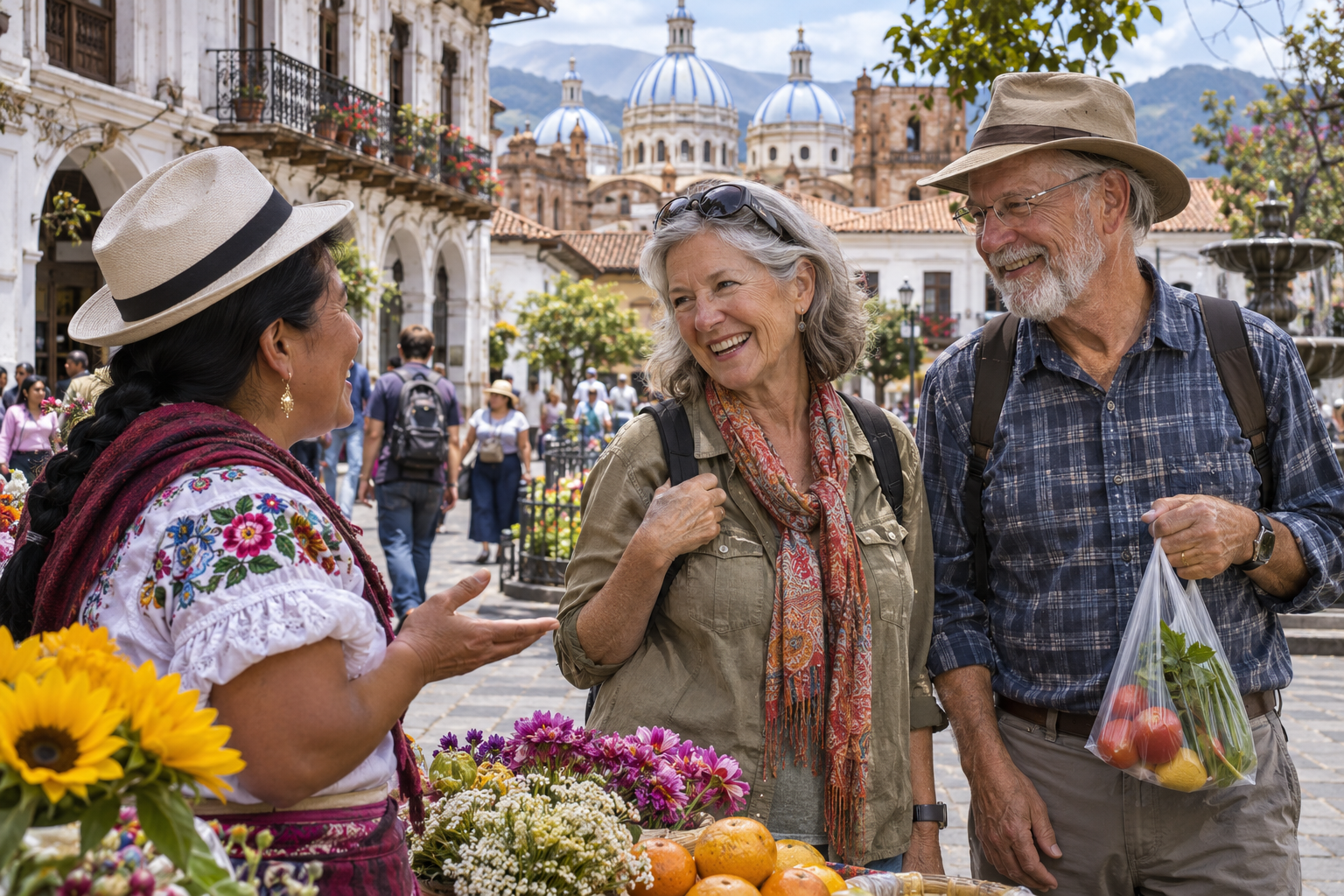
The pensioner visa is not just a temporary toehold; it sits at the bottom of a reasonably quick ladder to permanence and even citizenship, which matters for anyone thinking about a genuine move rather than an extended stay. Ecuador’s path is faster than many.
The progression is straightforward. The pensioner visa is first granted as a temporary residency, valid for a couple of years, during which you live in the country as a legal resident. From there it converts to permanent residency, giving you a secure, indefinite right to remain, and Ecuador allows residents to apply for citizenship after a relatively short period, around three years, which is quick by global standards where many countries require five, seven, or ten. For a retiree who wants not just to visit but to put down real roots, that comparatively fast route to permanence and a second passport is a meaningful draw.
This security is part of what separates a real retirement destination from a mere long holiday. Knowing that your residency can become permanent, and that citizenship is attainable within a few years, lets you plan a genuine future rather than living visa renewal to visa renewal. It means buying a home, building a life, and settling in with confidence that you will be allowed to stay. The pensioner visa, in other words, is the on-ramp to something durable, not a temporary permit you must constantly re-earn, and that permanence is a quiet but important part of why people commit to Ecuador for the long term.
The Honest Caveats
All of this sounds close to idyllic, and the value is real, but honesty requires balancing the glowing picture with the genuine drawbacks, because Ecuador is a developing country with real challenges, and the rankings tend to gloss over them. Going in with open eyes is essential.
The most serious caveat is security and political stability. Ecuador has faced significant security challenges and political turbulence in recent years, with real concerns in some areas that a prospective retiree must research honestly and weigh carefully rather than dismiss, and conditions can vary a great deal from one place and time to another. Beyond that, geography brings its own issues: Ecuador’s most popular retirement cities sit at high altitude in the Andes, and that altitude is a genuine health consideration for some people, particularly those with heart or respiratory conditions, who should take it seriously before committing. Healthcare, while affordable and good in the major cities, is more variable elsewhere, and the country is a long way from the United States, with Spanish very much the language of daily life.
None of these drawbacks is necessarily disqualifying, but together they mean Ecuador is not a frictionless tropical paradise, and anyone drawn by the low costs owes it to themselves to weigh the tradeoffs soberly. The cheapness is real, but so are the challenges, and the right decision depends on how a particular person balances the two: a lower budget and the dollar’s stability against security concerns, altitude, distance, and the adjustments of life in a developing country. This is precisely the kind of thing that cannot be judged from a ranking or an article, which is why visiting first and spending real time on the ground, before committing, is the single most important piece of advice anyone can give. This piece is general information, not legal or tax advice; visa rules and amounts change and are tied to a shifting basic salary, so confirm the current requirements with Ecuador’s authorities or a qualified Ecuadorian immigration attorney before relying on any of it.
Is Ecuador Your Retirement?
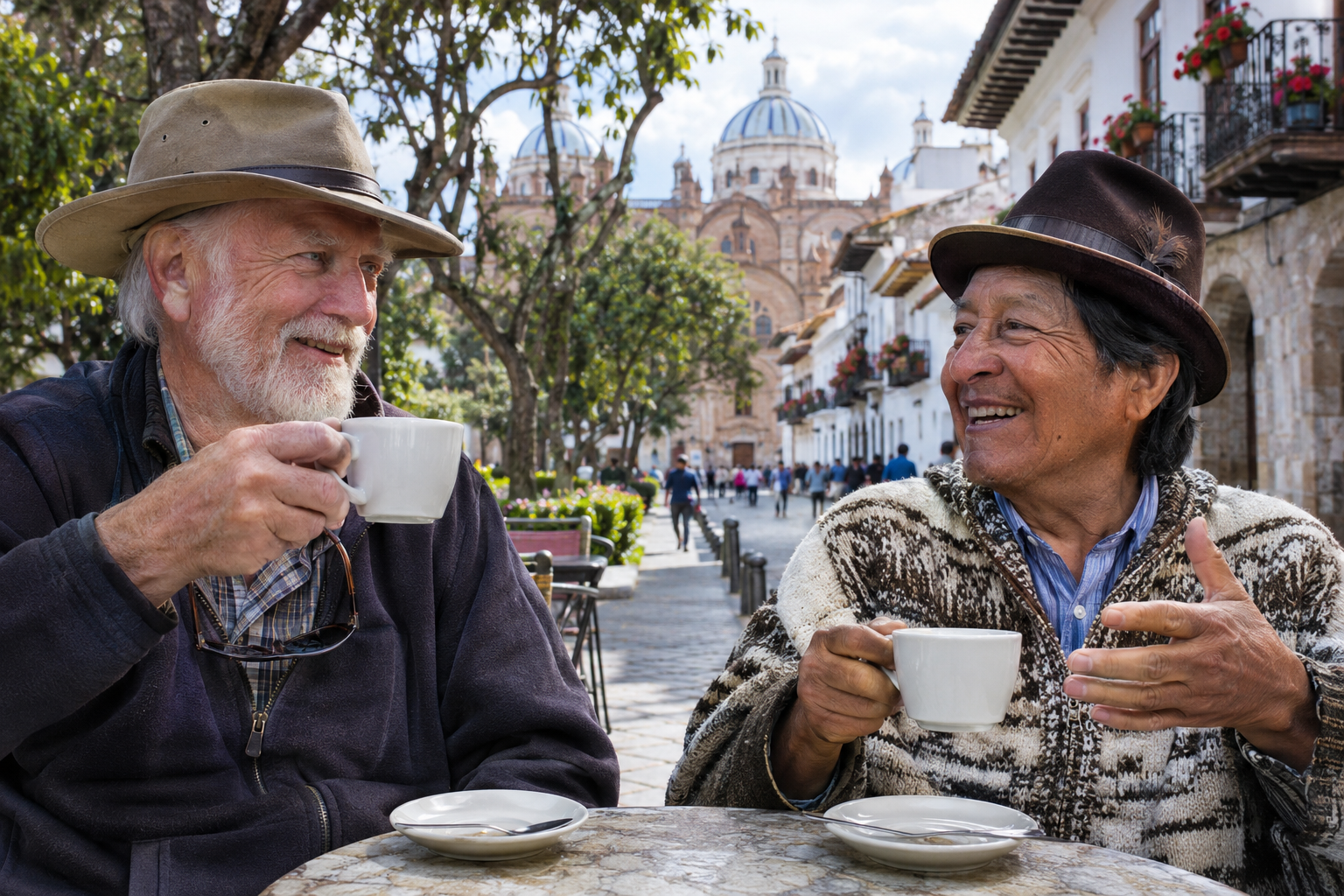
So who is Ecuador’s pensioner visa really for? It suits the retiree with a modest but steady pension of around fourteen hundred dollars a month or more, who wants to make that income stretch as far as humanly possible, who values the security of living in a dollar economy, and who is genuinely comfortable with the realities of life in a developing Andean country, the language, the altitude, the distance, and the need to research safety carefully. For that person, Ecuador offers a quality of retired life that their income simply could not buy almost anywhere else.
For others, the calculation may land differently, and that is worth saying plainly. A retiree who prioritizes stability, familiarity, or proximity to family over absolute cost might prefer a pricier but easier destination; one nervous about security or unable to tolerate altitude might rule Ecuador out despite the value. The visa’s attainable income bar and the country’s low costs are powerful draws, but they are not the whole story, and the honest downsides deserve equal weight in the decision. Value is only worth it if you can actually live happily with what comes attached to it.
The number on the visa, in the end, is the easy part; the real question is whether Ecuador is a place you could genuinely be happy calling home, and that is not something any threshold can answer. The wise approach is to treat the accessible pension requirement as an invitation to investigate seriously rather than a reason to leap, to spend real time in the country before committing, to speak with a qualified Ecuadorian immigration attorney about the current rules and the shifting income figure, and to weigh the extraordinary value honestly against the genuine challenges. Do that, and you will know whether the cheapest good retirement in the Americas is the right one for you, which is a question only you can finally answer.

About the Author: Ruben, co-founder of Gamintraveler.com since 2014, is a seasoned traveler from Spain who has explored over 100 countries since 2009. Known for his extensive travel adventures across South America, Europe, the US, Australia, New Zealand, Asia, and Africa, Ruben combines his passion for adventurous yet sustainable living with his love for cycling, highlighted by his remarkable 5-month bicycle journey from Spain to Norway. He currently resides in Spain, where he continues sharing his travel experiences with his partner, Rachel, and their son, Han.