
In much of Northern Europe, winter does something that unsettles a lot of newcomers. The sun gives up early. By four or five in the afternoon it is gone, and in the far north it barely bothers to rise at all, leaving weeks of deep blue twilight where a proper day should be.
To an American arriving for their first northern winter, this can feel genuinely alarming, like living inside a permanent evening. The instinct is to brace for months of gloom, to assume the season will be, in that word people always reach for, depressing.
And yet the people who actually live there do not seem to be falling apart. The Danes, the Norwegians, the Swedes, the Finns, they get through the dark months, year after year, often with something that looks suspiciously like contentment. They have not escaped the darkness. They have learned how to live inside it, and the way they do it is worth understanding.
Here is what the long northern dark is really like, why it does not break the people who live in it, and the habits and the mindset that turn a season Americans dread into one locals quietly treasure. It turns out the difference between a depressing winter and a cozy one has less to do with the latitude than you would ever guess.
First, the Darkness Is Real
It is worth being honest at the start, because this is not a case of pretending the dark is no big deal. In the north of Scandinavia, the winter days are genuinely tiny. In the southern cities the sun might set around half past three in the afternoon; go far enough north and you reach the polar night, where the sun does not clear the horizon for weeks on end.
That is a real thing for the body and the mind to cope with. Seasonal affective disorder, the winter depression that comes with short, dark days, is a genuine medical condition, and it is more common at these high latitudes for obvious reasons. Nobody who lives there would tell you the darkness is nothing.
The lack of daylight affects sleep, mood, and energy in ways that are well documented. The body’s internal clock runs on light, and when the light all but vanishes for months, that clock has to work hard to keep its bearings. This is biology, not weakness, and the northern cultures take it seriously rather than waving it away.
So the point is not that the dark is easy. The point is that an entire culture has grown up around making it bearable, and more than bearable, and that there is a great deal the rest of us can learn from how they do it. If you are someone for whom winter is genuinely hard, these habits help, but they are not a substitute for real care, and talking to a doctor matters.
The Secret Is Coziness, Not Endurance
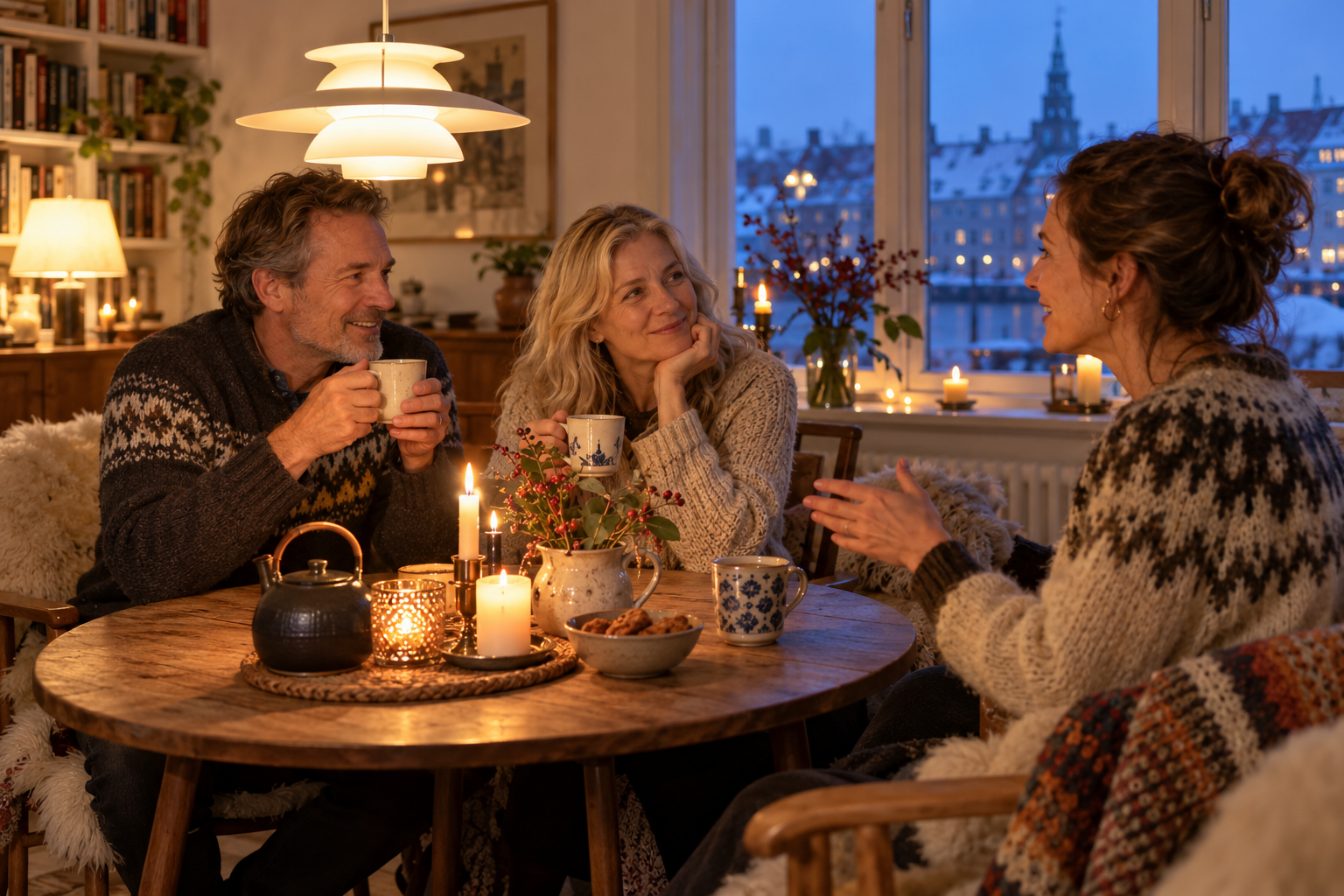
The first thing to understand is that Northern Europeans do not grit their teeth through winter so much as lean into it. The Danes have a word that has gone global for exactly this: hygge, the art of cozy, warm, candlelit togetherness, and the Norwegians have their own, koselig, and the Swedes mys. The words differ, but the idea is the same.
Rather than treating the dark as an enemy to be survived, these cultures treat it as an invitation to make everything indoors as snug and warm and inviting as possible. The darkness outside becomes the reason for the warmth inside, not an excuse for misery. A long dark evening is not something to endure until spring; it is a chance to light the candles, pour something hot, pull a blanket over your knees, and settle in with people you like.
Food and drink are a big part of it too. The season fills with warm, comforting things: mulled wine, hot chocolate, slow-cooked stews, fresh baking, the kind of food that tastes best when it is cold and dark outside. Sharing it with others is the point as much as the warmth itself, because the coziness the north prizes is rarely a solitary thing.
It sounds almost too simple to matter, but it changes everything about how the season feels. When winter means warmth, light, good food, and closeness rather than just cold and dark, the long nights stop being a sentence and start being a comfort. The weather outside makes the coziness inside feel earned.
There is a reason hygge became such a global obsession a few years ago. People in sunnier, easier climates looked at how the Danes handle their brutal winters and realized they had figured out something the rest of us had missed. The trick was never to beat the dark. It was to make a home so warm and welcoming that the dark outside only deepened the pleasure of being in.
Candles, Light, and the Art of Warmth
You see this philosophy most clearly in how Northern Europeans light their homes. Scandinavians burn more candles per person than almost anyone on earth, and it is not for decoration alone. Soft, warm, flickering light is a deliberate antidote to the hard dark outside.
Walk into a Danish home on a December afternoon and you will likely find lamps glowing in corners, candles on the table, warm pools of light rather than one harsh overhead bulb. The whole effect is engineered, consciously or not, to make the indoors feel like a refuge from the night. Light becomes something you create and curate rather than something the sky owes you.
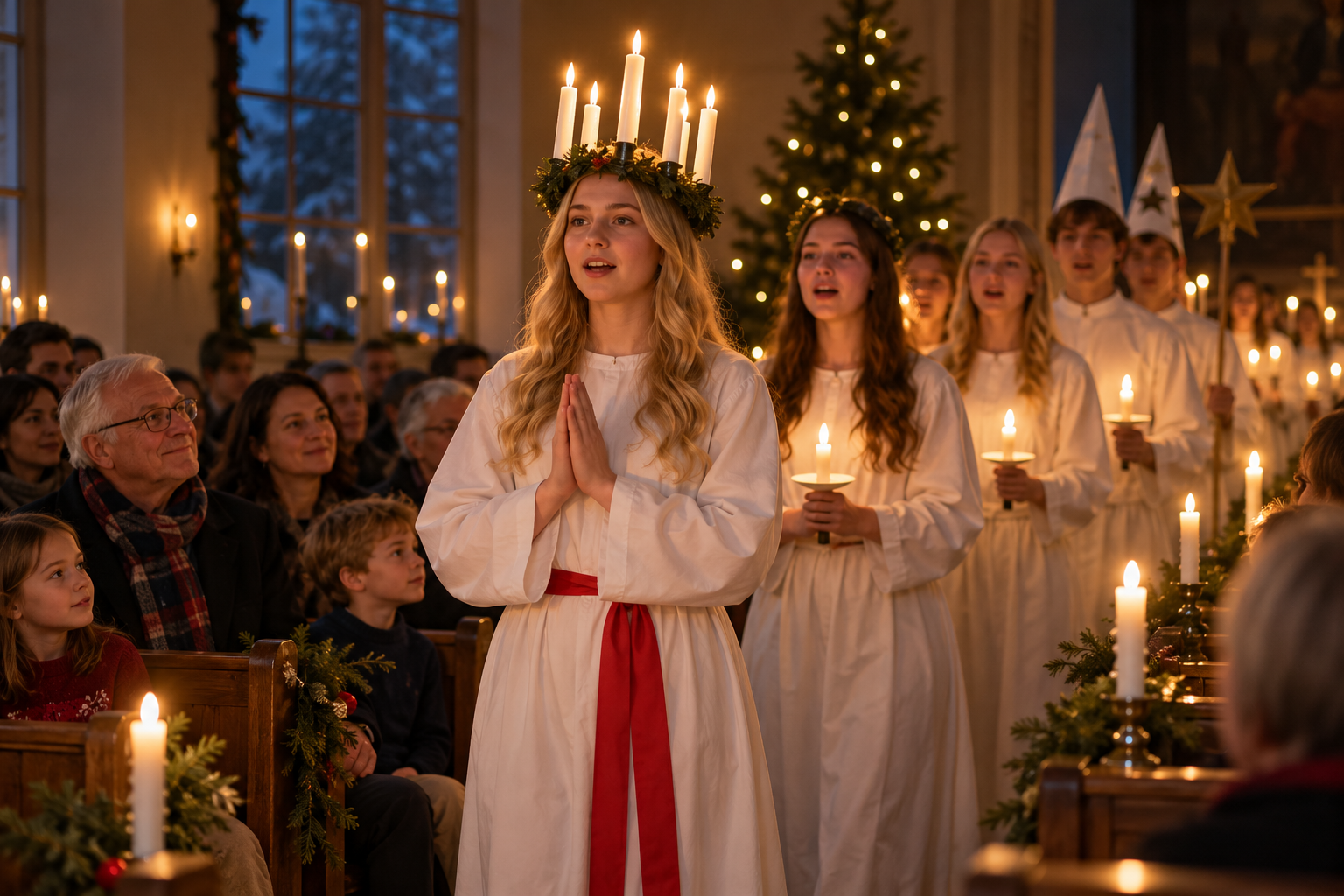
The same impulse runs through the season’s festivals. Sweden’s Santa Lucia, celebrated in mid-December with candles and white robes and song, is quite literally a festival of light in the darkest part of the year. The Christmas lights that fill northern cities are not just holiday cheer; they are a collective pushing-back against the dark, a way of insisting on brightness precisely when nature offers the least.
Many people also lean on more practical forms of light. Bright light lamps and light therapy boxes are common in homes and even some workplaces, used to make up for the daylight the sky will not provide. Vitamin D, which the body normally makes from sunlight, is widely supplemented through the dark months. The whole culture, in other words, treats light as something to be actively supplied rather than passively missed.
Going Outside Anyway
Here is the part that surprises newcomers most. You might expect people in a land of endless winter dark to hibernate indoors, and there is plenty of cozy indoor life. But Northern Europeans also go outside, deliberately and often, right through the darkest and coldest months.
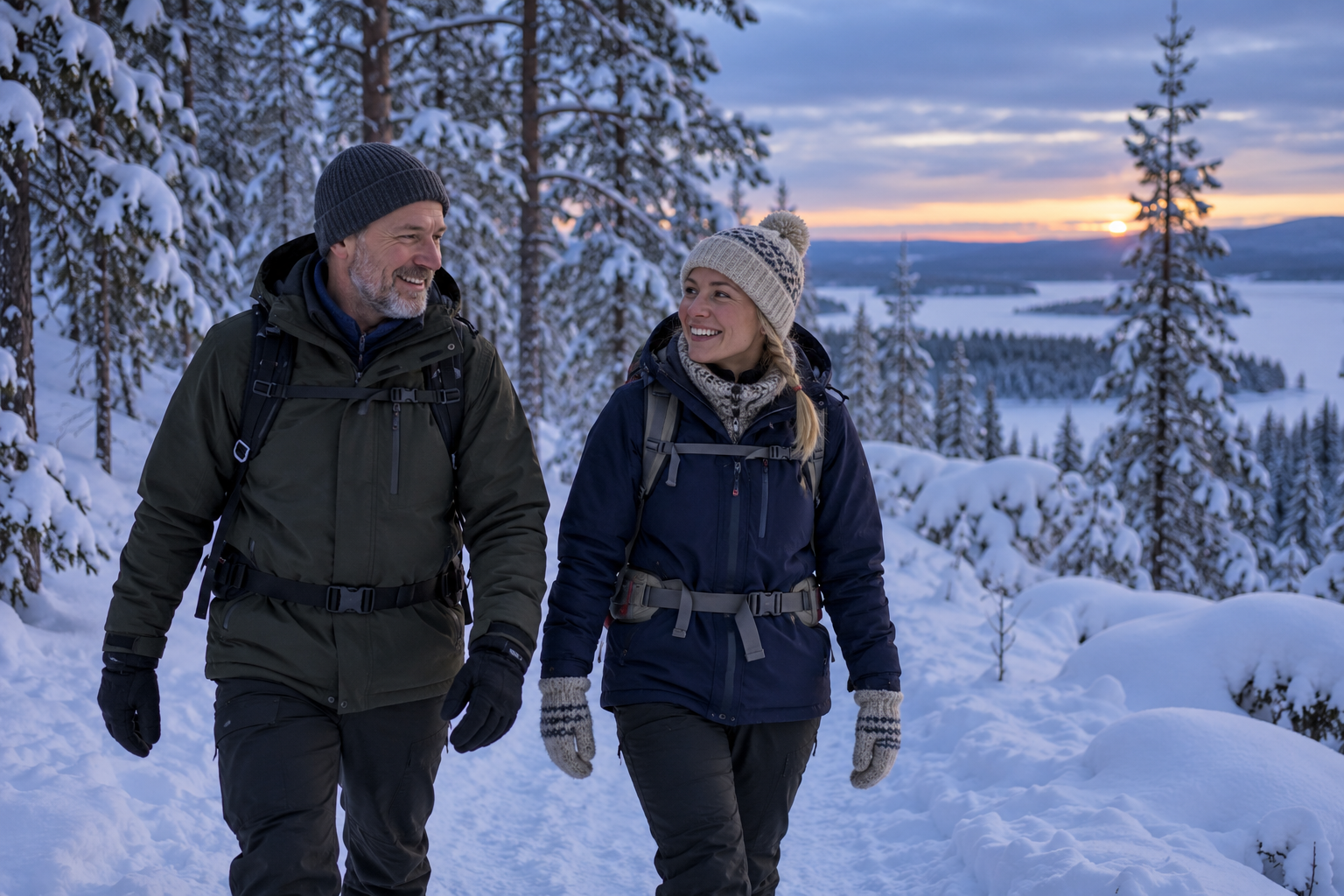
There is a Norwegian idea, friluftsliv, that translates roughly as open-air living, the conviction that being outdoors is good for you no matter the season or the weather. Paired with it is the famous saying that there is no bad weather, only bad clothing. The response to a cold, dark winter is not to wait it out inside but to bundle up properly and get out into it, to walk, to ski, to sled, to simply be in the fresh air even when the light is thin and brief.
This matters more than it sounds. Getting outside, catching what little daylight there is, and moving the body are among the most effective things anyone can do against the winter blues, and the northern cultures build them into ordinary life rather than treating them as a chore. A dark afternoon is still an afternoon to go for a walk.
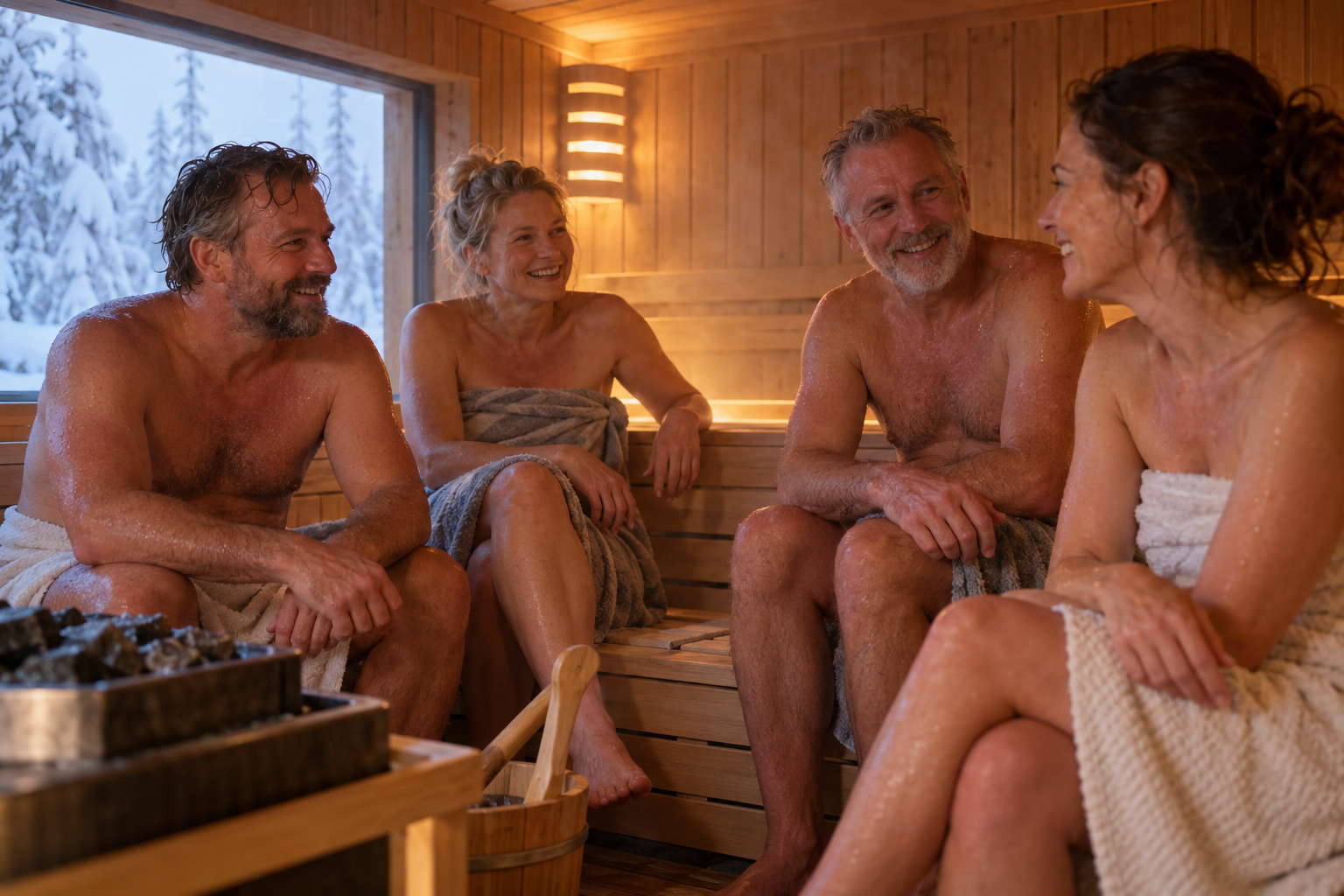
Then there is the water. The Nordic tradition of the sauna followed by a plunge into icy water, or winter swimming on its own, is a beloved cold-season ritual, bracing and invigorating and deeply social, another way of meeting the harsh season head-on rather than hiding from it.
What unites all of this outdoor life is a refusal to let the dark shrink the world down to the inside of the house. The days may be short, but they are still days, and there is still a life to be lived in them. Treating winter as a season to be active in, not just waited out, keeps both body and spirit far steadier than hibernation ever could.
The Mindset That Changes the Season
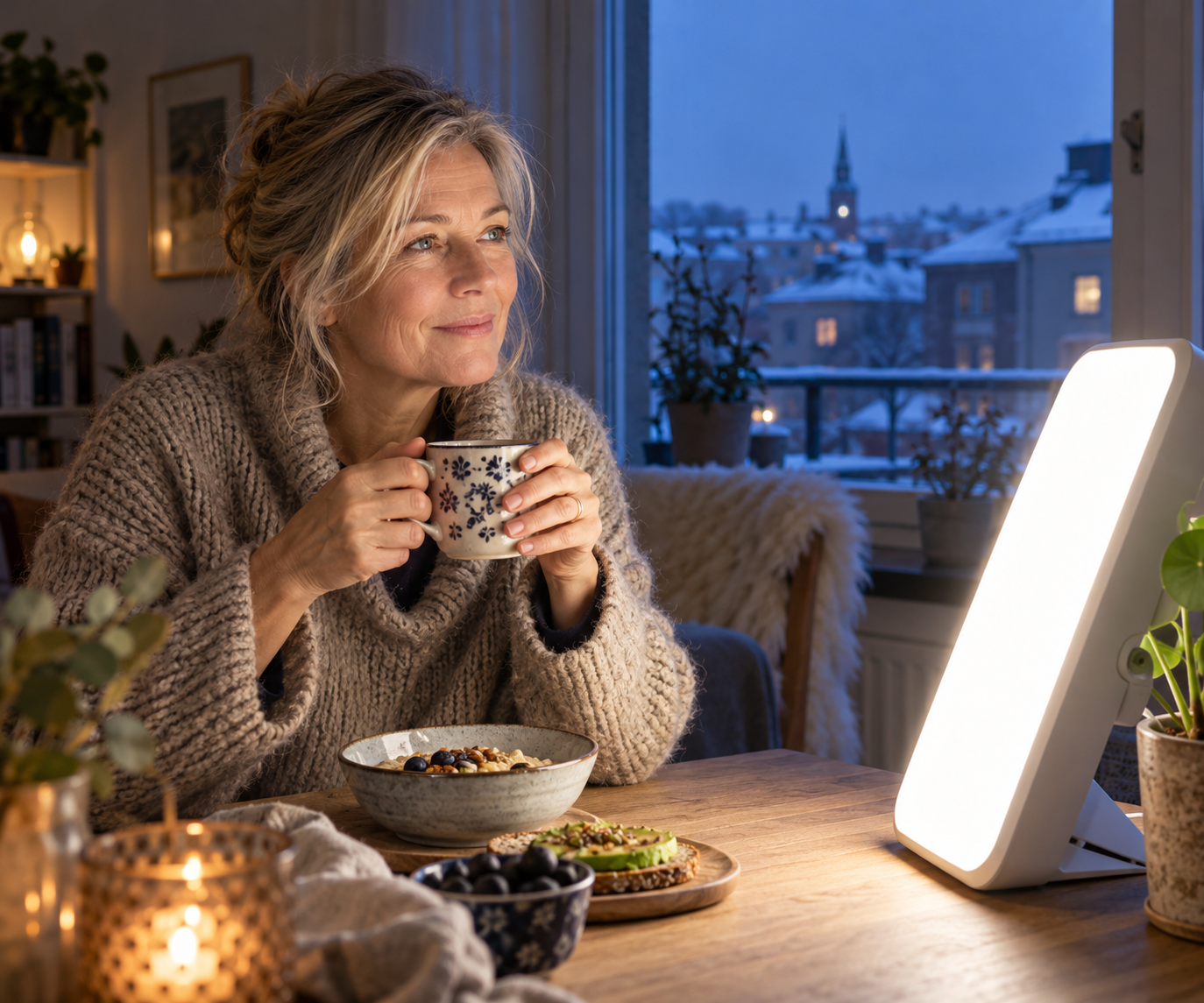
Underneath all of these habits sits something less tangible but perhaps most important of all: attitude. Researchers who have studied far-northern communities have found that how people think about winter genuinely shapes how much it affects them.
In places where people view winter not as a grim ordeal to be survived but as a special, cozy, even beautiful time of year, with its own pleasures of snow and candlelight and closeness, they tend to weather the dark far better than you would predict from the latitude alone. The mindset is not wishful thinking; it changes the lived experience. A person who sees a long dark evening as an opportunity for coziness simply has a different winter than one who sees it as months of deprivation.
This is the deepest lesson the north has to offer, and the most portable one. The darkness is a fact you cannot change. The story you tell yourself about it is not.
Learning to see winter as a season with its own gifts rather than a dreary gap between autumn and spring is something anyone, anywhere, can practice. It costs nothing, and it may be the single most powerful tool the northern cultures have. An American dreading the early dark and a Norwegian looking forward to it are often living through the very same sunset.
What the North Can Teach the Rest of Us
So the answer to why Northern Europeans do not panic when it is dark by five is not that they feel the darkness less. It is that they have built, over generations, a whole way of meeting it, and that way is not endurance but embrace.
They make the indoors warm and bright and cozy. They light candles against the dark and hold festivals of light in its deepest hour. They bundle up and go outside anyway, catching the thin daylight and moving their bodies. And above all, they choose to think of winter as a season to savor rather than survive.
None of this erases the genuine difficulty of the dark, and for anyone struggling seriously with the winter, proper support and a doctor’s help matter more than any amount of candlelight. But for the ordinary dread that the short days bring, the northern approach is a quiet revelation. The season Americans so often call depressing turns out, in the hands of the people who know it best, to be one of the coziest and most treasured times of the year, and the difference lies almost entirely in how you choose to live inside the dark.

About the Author: Ruben, co-founder of Gamintraveler.com since 2014, is a seasoned traveler from Spain who has explored over 100 countries since 2009. Known for his extensive travel adventures across South America, Europe, the US, Australia, New Zealand, Asia, and Africa, Ruben combines his passion for adventurous yet sustainable living with his love for cycling, highlighted by his remarkable 5-month bicycle journey from Spain to Norway. He currently resides in Spain, where he continues sharing his travel experiences with his partner, Rachel, and their son, Han.