
The Philippines has a retirement visa that lets a foreigner settle there more or less permanently, and the real out-of-pocket cost is less than you would pay for a decent used car. For an American daydreaming about retiring somewhere warm, affordable, and English-speaking, that is a genuinely startling door, and as someone who grew up in the Philippines, I can tell you it opens onto a country that a lot of Western retirees end up loving far more than they expected. The visa is called the SRRV, the Special Resident Retiree’s Visa, and it is one of the most accessible long-term residency programs in all of Southeast Asia. But it was quietly overhauled in 2025, which means most of the articles you will find about it are now wrong, so here is a clear, current explanation of what the SRRV actually is, what changed, what it really costs, the perks that come with it, and what retiring in the Philippines is honestly like.
What follows is what the SRRV is, the 2025 reset that rewrote the rules, the current deposit tiers, what it genuinely costs you, the perks, and what living there is really like.
What the SRRV Actually Is
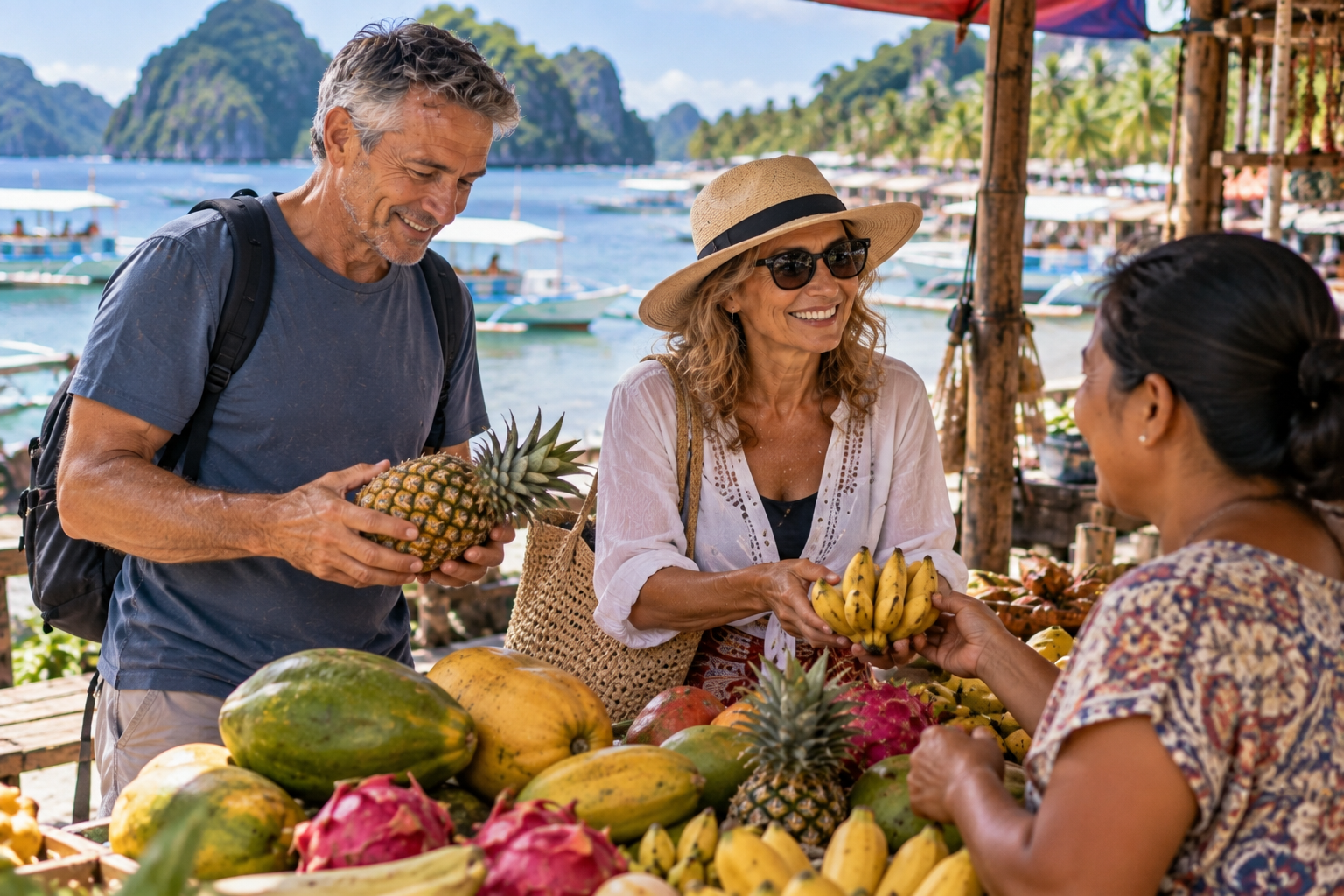
The SRRV is the Philippines’ dedicated retirement residency program, run not by the Bureau of Immigration but by the Philippine Retirement Authority, the PRA, which exists specifically to attract foreign retirees and former Filipinos to settle in the country. In exchange for meeting an age requirement and placing a refundable deposit in a Philippine bank, you receive an indefinite, multiple-entry residence visa, the right to live in the Philippines permanently, to come and go as you please, and to skip entirely the endless visa runs, extensions, and border hops that plague the other long-stay options across the region, where many foreigners spend their retirements perpetually renewing tourist visas. The SRRV simply ends that whole tiresome dance in one move.
The crucial thing to understand, and the thing that makes the whole program so much cheaper than it looks, is the nature of that deposit. It is not a fee you pay and never see again. It is your own money, placed as a time deposit in a PRA-accredited Philippine bank in your own name, where it sits and remains your property, and it is fully refundable to you if you ever cancel the visa and leave. In other words, the big headline number is not a cost at all; it is parked savings. That single fact reframes the entire program, because once you truly understand that the deposit is yours and comes back to you, the real cost of the SRRV shrinks to a modest set of one-time and annual fees, and the whole thing stops looking like an expensive investor visa and starts looking like the quiet bargain it genuinely is. Nearly everyone overestimates what it costs, because nearly everyone misreads the deposit as a fee.
The 2025 Reset That Rewrote the Rules
Before going further, a warning that will save you from bad information, because the SRRV was significantly restructured in September 2025, and the internet has not caught up. If you read an older guide, or talk to an agent still working from one, you will hear confidently about visa categories and deposit amounts that no longer exist for new applicants, and applications assembled against the old rules simply get bounced at the PRA. This is not a small discrepancy to shrug off; it is the difference between an application that works and months of wasted effort and fees. So here is what actually changed and what the program looks like now.
In the 2025 overhaul, the PRA abolished two of the old categories for new applicants, the entry-level SRRV Smile and the assisted-care SRRV Human Touch, leaving just two options going forward: SRRV Classic, for ordinary retirees, and SRRV Courtesy, for special groups. The minimum age was also lowered, so that anyone aged forty and above can now apply, where the main threshold used to be fifty, opening the program to younger early-retirees. And the deposit amounts were revised, generally upward for the Classic category. If you already hold an older SRRV, including a Smile or Human Touch visa, you keep it and simply pay your annual fees as normal; the changes apply only to new applications. The practical lesson is simple and important: trust only current, post-September-2025 information, ideally straight from the PRA, and be deeply skeptical of any guide or agent still selling you the old categories, because that is a sure sign their information is out of date.
The Current Deposit Tiers
Here are the deposit requirements as they actually stand now, under the two surviving categories, with the reminder that these should always be confirmed against current PRA figures since the program has proven it can change. The main route for most foreigners is SRRV Classic, and its deposit scales by your age and whether you can show a qualifying pension. For applicants aged fifty and above who can show a pension of at least eight hundred dollars a month, the deposit is around fifteen thousand dollars, the lowest of the Classic tiers, which rewards exactly the pensioned retiree the program is designed to attract. For those fifty and above without a pension, it rises to roughly thirty thousand. For younger applicants aged forty to forty-nine, it is about twenty-five thousand with a pension and around fifty thousand without one.
A genuinely useful feature of the Classic category is that the deposit can, after the visa is issued and subject to the current rules, be converted into an approved investment such as buying a condominium, which turns your parked, idle deposit into an actual home you live in. For someone planning to settle properly, that transforms the deposit from dead money into the roof over your head, which is a far better use of it.
Then there is the far cheaper SRRV Courtesy, a deposit of just fifteen hundred dollars, and this is where the used-car comparison becomes almost an understatement. Courtesy is not open to everyone, though; it is reserved for specific groups, most notably former Filipino citizens who have naturalized elsewhere, along with retired diplomats, officers of recognized international organizations, and retired foreign military from countries with ties to the Philippines. For the enormous Filipino diaspora, the millions of Filipinos who became American or Canadian or Australian citizens over the decades and now dream of retiring back home to the islands they left, this Courtesy tier is quietly a gift, granting permanent residency for a refundable fifteen-hundred-dollar deposit and lower fees. It is the country saying, in effect, welcome home, to the people who once had to leave it. If you have Filipino roots, this is very likely your route, and it is extraordinarily affordable.
So What Does It Really Cost You?
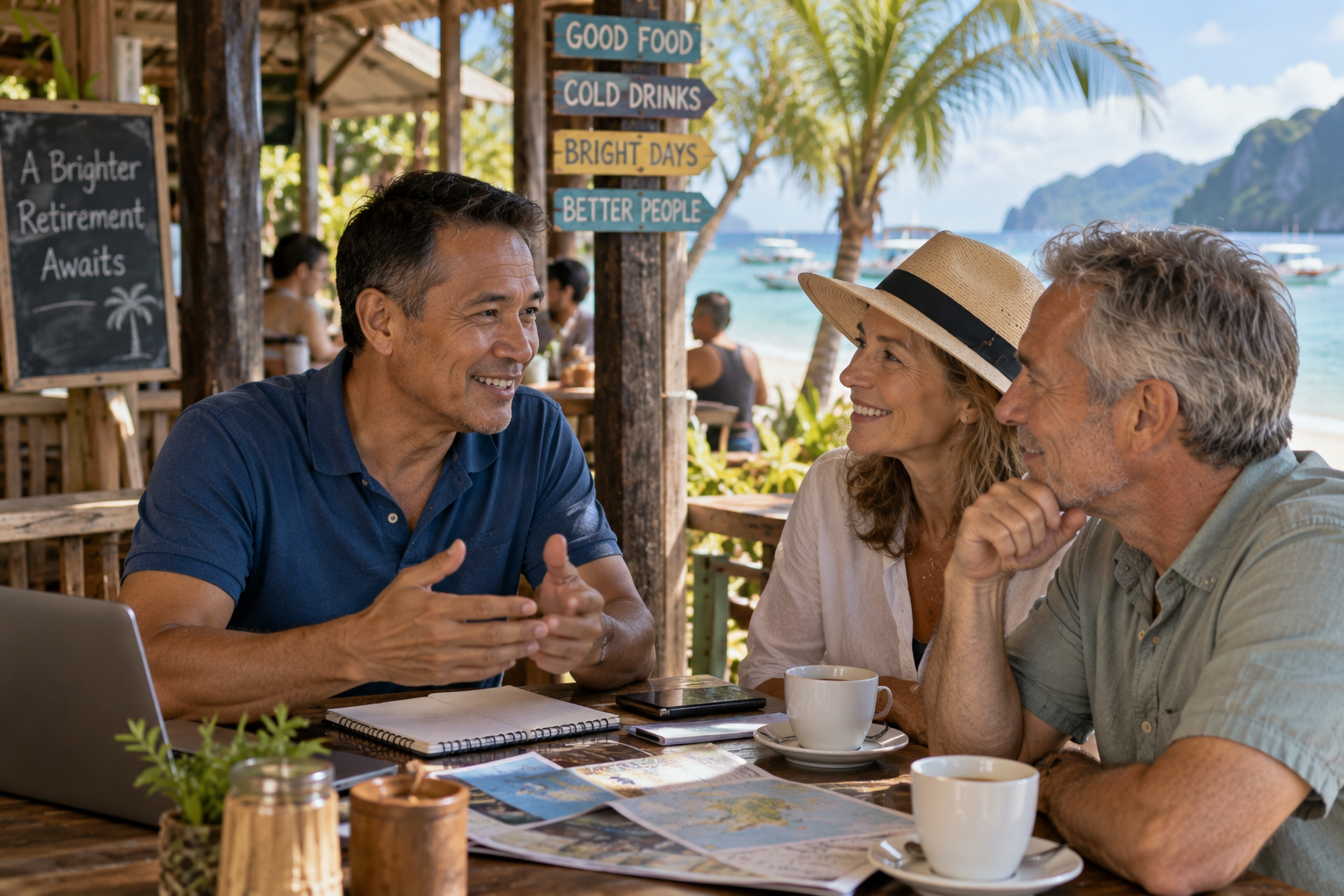
Now the honest accounting, which is the whole point of the headline. Because the deposit is refundable, your own money held in your own name and returned when you leave, it is not really a cost at all in the way a fee is; it is capital you temporarily park. The actual money that leaves your pocket for good is the fees, and those are genuinely modest. Expect a one-time application and processing fee in the region of fifteen hundred dollars, paid to the PRA, separate from the deposit, plus a recurring annual fee of roughly three hundred and sixty dollars for the Classic category, which typically covers you and a couple of dependents.
Add it up and the true cost of entering the program, the portion you never get back, is on the order of a couple of thousand dollars upfront and a few hundred a year, which is indeed comfortably less than a used car, exactly as the headline promises. For a former Filipino going the Courtesy route, even the refundable deposit is only fifteen hundred dollars, making the whole thing almost absurdly cheap for permanent residency in a beautiful country. The one real consideration is that, for the Classic tiers, you do need to actually have the deposit money available to park in the first place, fifteen thousand dollars or more sitting idle in a Philippine bank, which is not nothing to tie up even knowing you get it back someday. It is a liquidity requirement rather than a true expense, but it is still money you need to have, and that is a meaningful distinction for someone on a tight budget. But framed correctly, the SRRV is not an expensive visa with a huge price tag; it is a cheap visa attached to a refundable savings requirement, and understanding that distinction is the key to seeing what a deal it actually is.
The Perks Beyond the Right to Stay
The SRRV is more than just permission to live in the country; it comes bundled with a set of practical privileges that make daily life smoother, which is part of why retirees favor it over other long-stay options. The headline benefit is simply permanence and freedom of movement: an indefinite stay with multiple entry, so you never again have to worry about visa extensions or being forced to leave, and you can fly in and out of the Philippines as often as you like, which matters enormously for a retiree who wants to travel or visit family abroad.
Beyond that, SRRV holders enjoy a set of exemptions that ordinary foreign residents simply do not get, and these quietly remove many of the small administrative headaches of being a long-term foreigner in the country. The SRRV generally frees you from the annual immigration reporting and the exit clearances and travel taxes that other foreign residents must deal with, since the PRA handles your status, and it typically allows a one-time duty-free import of a reasonable quantity of household goods and personal effects when you move. SRRV holders carry a PRA identification card rather than the standard foreigner registration card. And the program permits you to study, invest, and, with the appropriate permit, even work or run a business, so it is not a gilded cage that confines you to idle retirement but a flexible base from which to actually live. These are not life-changing perks individually, but together they smooth out exactly the frictions that make living abroad as a foreigner tiresome, and they are a real part of the SRRV’s appeal.
What Retiring There Is Actually Like
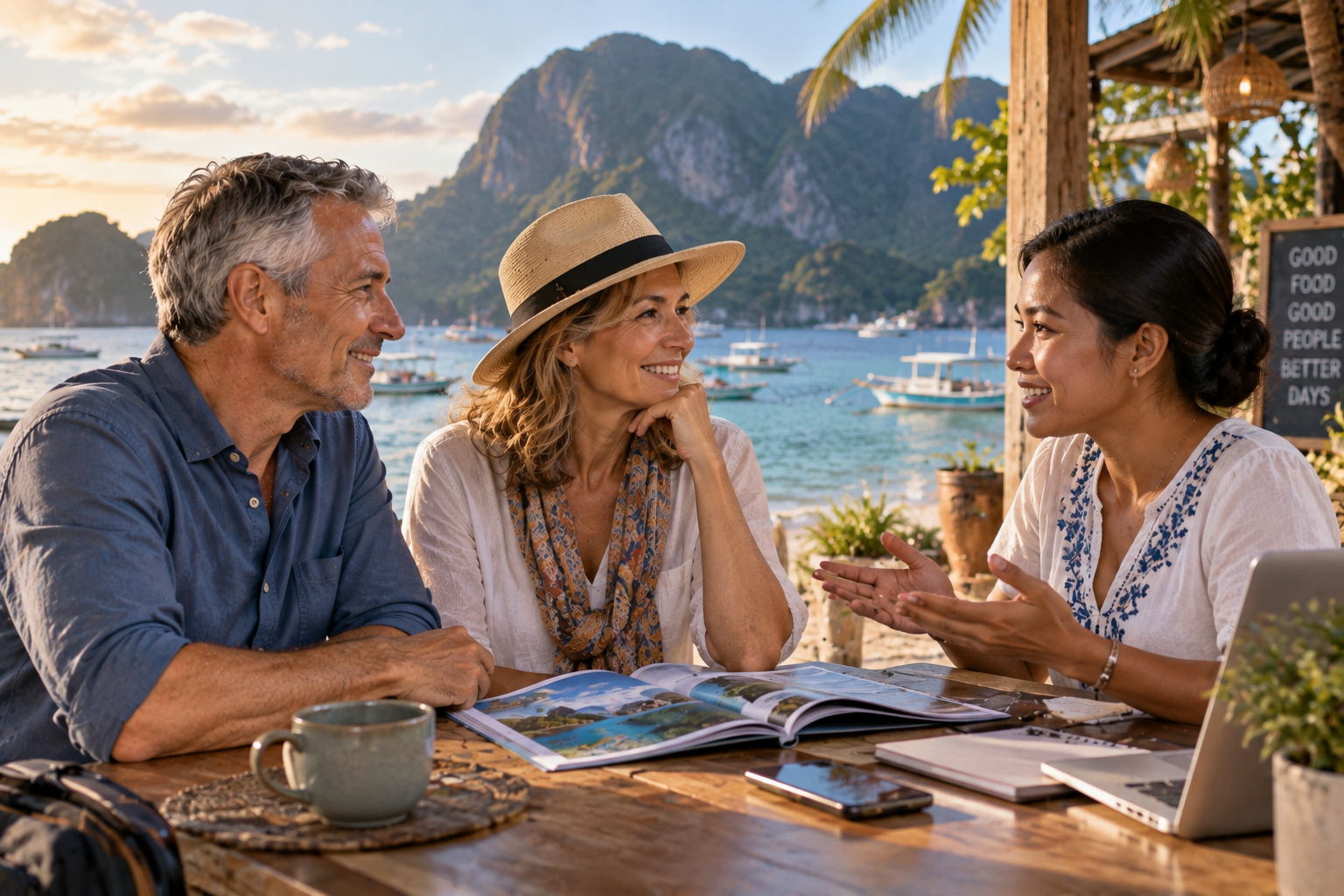
Since I grew up in the Philippines, let me be honest about the thing the visa guides never tell you, which is what living there is genuinely like, the good and the real. The good is very good. English is widely spoken, more so than almost anywhere else in Asia, which removes the single biggest barrier that intimidates Western retirees elsewhere; the cost of living is low enough that a modest Western pension affords a genuinely comfortable life, complete with the kind of regular household help, a cleaner, a cook, a driver, that would be an unthinkable luxury for a middle-income retiree back home; the weather is warm year-round; the beaches and islands are genuinely among the most beautiful in the world; and the culture is famously warm, family-centered, and welcoming to foreigners, so you are unlikely to feel like an outsider for long. For a lot of retirees, it is not the beaches or the low prices that ultimately make them stay, lovely as those are, but the human warmth, the easy friendliness, the way strangers become neighbors and neighbors become something like family. That is harder to find than sunshine, and the Philippines has it in abundance.
But I would be doing you no favors to pretend it is paradise without caveats. The infrastructure outside the main cities can be genuinely patchy, with power and water less reliable than a Western retiree is used to, and the traffic in Manila is so legendarily, soul-sappingly bad that it shapes where sensible people choose to live. These are daily realities, not occasional inconveniences, and they are worth taking seriously in deciding where to settle. Healthcare is genuinely excellent in the top private hospitals of Manila, Cebu, and the other big cities, often at a fraction of US prices, but it thins out quickly in rural and provincial areas, so where you choose to settle matters enormously for medical access, and you will absolutely want good private health insurance. A retiree who settles far from a strong hospital is making a decision they may regret the first time something goes seriously wrong.
The country sits in the path of typhoons, and the rainy season is serious. Bureaucracy can be slow, and things often run on their own unhurried schedule. None of this is a reason not to go; millions of people, foreign and Filipino, live happy lives there every day. It is simply the honest other side, the practical realities to weigh against the sunshine and the affordability. For the right person, someone drawn to warmth and water and warm people, who settles somewhere with good healthcare access and goes in clear-eyed, the Philippines on an SRRV can be one of the great retirements available anywhere, at a cost that genuinely is less than a used car.

About the Author: Ruben, co-founder of Gamintraveler.com since 2014, is a seasoned traveler from Spain who has explored over 100 countries since 2009. Known for his extensive travel adventures across South America, Europe, the US, Australia, New Zealand, Asia, and Africa, Ruben combines his passion for adventurous yet sustainable living with his love for cycling, highlighted by his remarkable 5-month bicycle journey from Spain to Norway. He currently resides in Spain, where he continues sharing his travel experiences with his partner, Rachel, and their son, Han.