
There is honestly no faster way to start a fight across a dinner table, or a comment section, or an entire continent, than to rank the national dishes of Europe, and we are about to do exactly that with the heavy artillery of the food world: the fall comfort foods, the stews and bakes and melted-cheese affairs that each country hauls out the moment the weather turns. Every one of these dishes is somebody’s grandmother’s masterpiece, somebody’s definition of home, somebody’s reason their country is clearly the best, which is precisely why ranking them is such a gloriously bad idea, and such an irresistible one. To rank a nation’s comfort food is to poke a finger directly into its heart, and we have poked twelve of them.
So consider this a provocation offered with love, and with a cardigan on, and with full awareness that we are about to be very wrong, very publicly, and on purpose. We have ranked Europe’s great autumn comfort foods from the merely wonderful to the undisputed champion, and we fully expect several nations to take to the streets over it. Here is the ranking, the reasoning, the inevitable snubs, and the dish we dared to crown over all the others. Sharpen your outrage; you will need it.
What follows is how we judged them, the lower rungs that are still glorious, the serious contenders, the podium, the champion, and your cue to begin arguing.
How We Judged Them
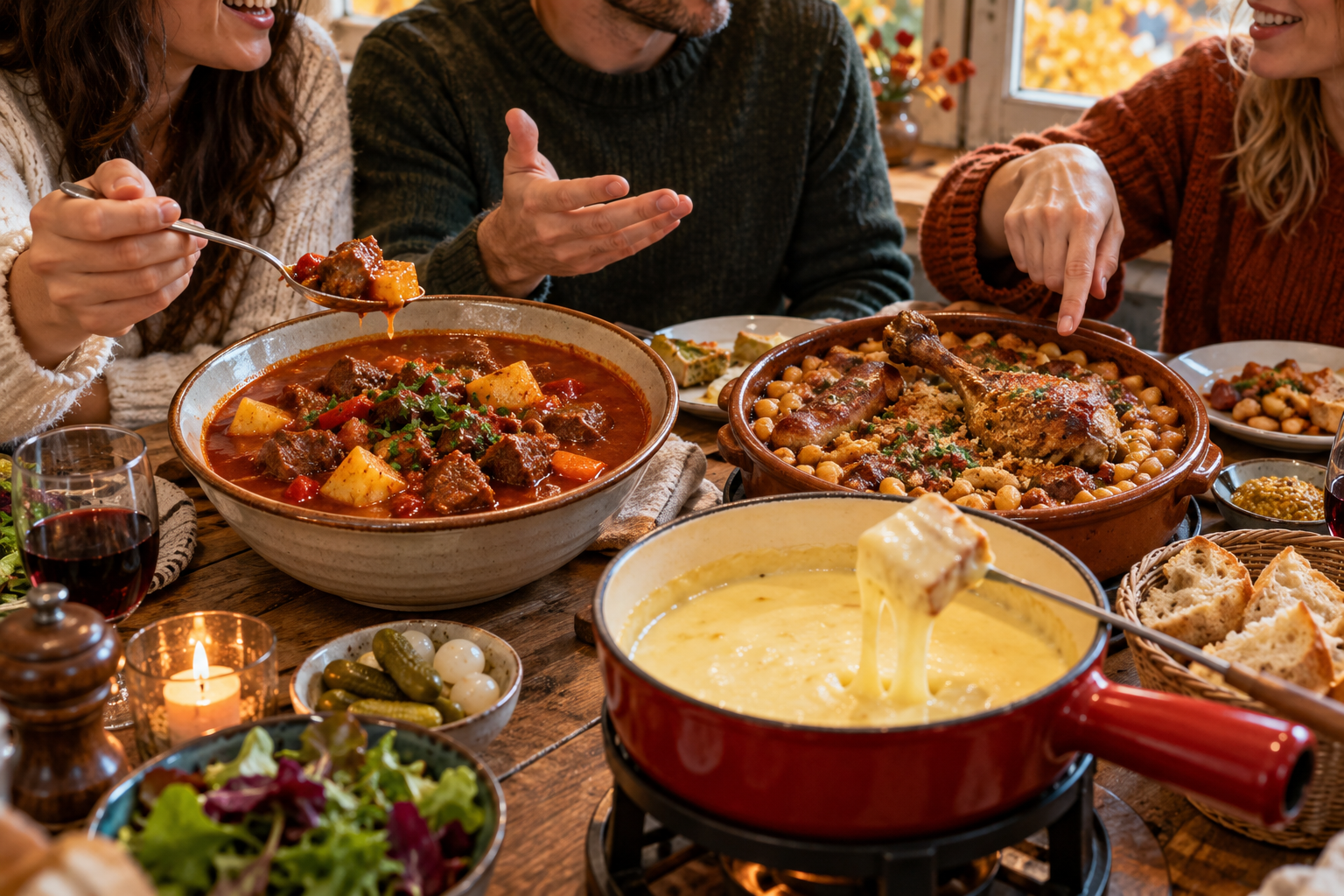
Before the outrage, the criteria, because a ranking without rules is just chaos. We judged each dish on the things that actually matter for a fall comfort food, which is to say, not refinement or prestige but pure cold-weather soul. The first test is warmth: does it genuinely thaw you from the inside on a grey, dark afternoon? The second is comfort: does eating it feel like being wrapped in a blanket and told everything will be fine? The third is what we might call the grandmother factor: does it carry the weight of generations, the sense of a dish made the same way in the same pot for a hundred years, by people who would be baffled that anyone thought it needed improving?
And the fourth, unofficial but decisive, is riot potential: how furious will the rest of Europe be that this dish placed where it did?
We have weighted these in favor of the honest, humble, soul-warming end of the spectrum, which means some fancy dishes rank lower than their reputations and some peasant classics rank higher, because a fall comfort food is not about impressing anyone; it is about surviving winter with your spirits intact. The dish that saves a cold evening beats the dish that photographs well, every time, on this list. We make no claim to objectivity, scientific rigor, or diplomatic sensitivity, and we have deliberately favored heart over technique at every turn.
This is one ranking, offered in the full knowledge that yours is different and that you are already composing an angry comment somewhere around the third paragraph. We can feel it, and we encourage it. Good. That is the point. Now, to the food, and to the trouble. We have divided the field into tiers, from the lower rungs up to the single crowned champion, and we will defend each placement right up until a Hungarian or a Frenchman corrects us.
The Lower Rungs, Still Utterly Glorious
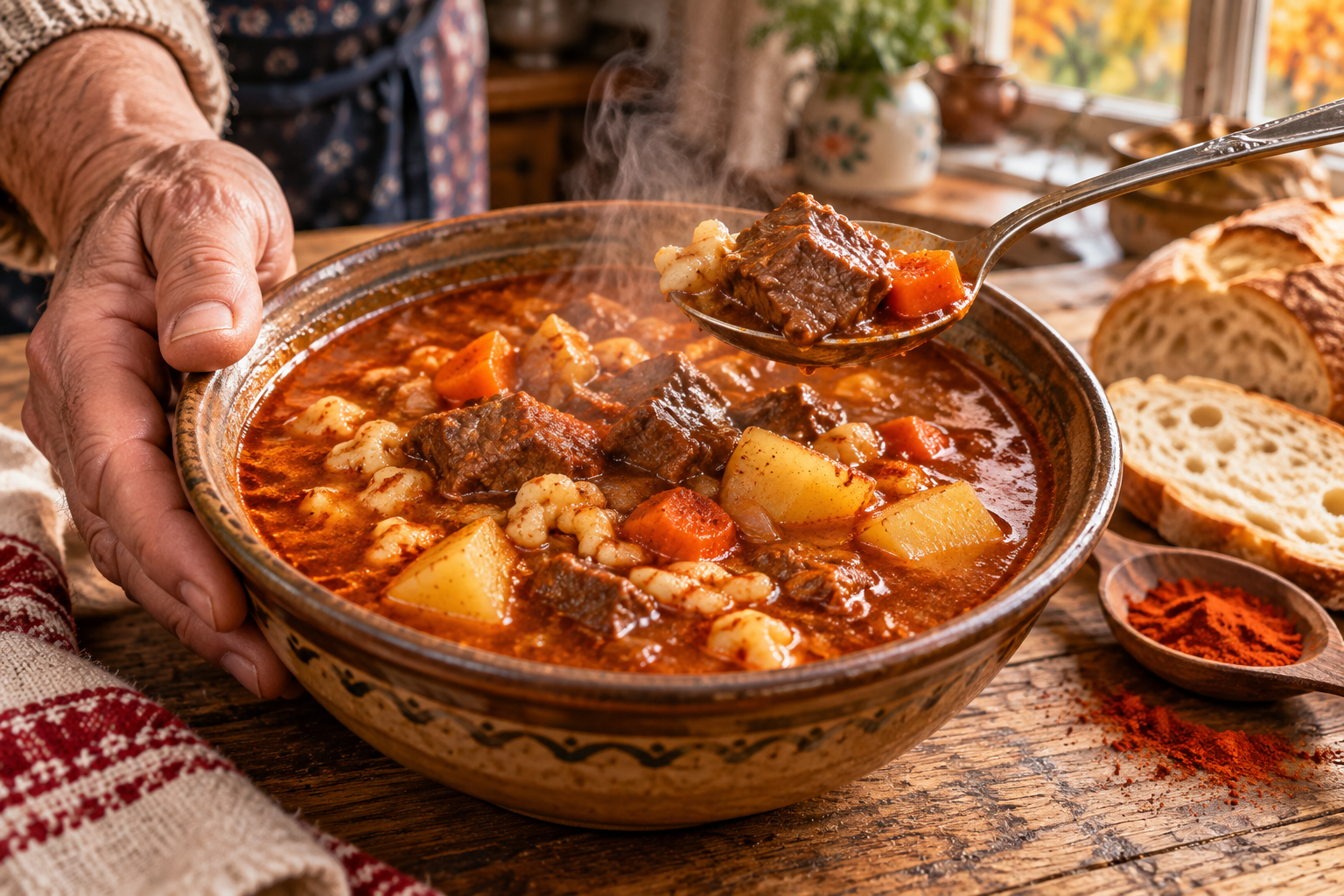
Let us begin where the fights start earliest, at the bottom of a list on which every single entry is, to be clear, delicious. Landing on the lower rungs is no insult; it is like finishing tenth in a race of champions, or placing out of the medals at an Olympics where every athlete is a world record holder. Someone has to come tenth, and on this list, tenth is still extraordinary. Here we find Portugal’s caldo verde, that elegant green soup of kale, potato, and a coin or two of smoky sausage, which is beautiful and beloved but, we will be told furiously, perhaps a touch too light to top a comfort-food list. Here too is Greece’s fasolada, the humble bean soup that Greeks will passionately defend as their true national dish, warming and ancient and unshowy, placed lower only because the competition at the top is armed with cheese and red meat. In a fairer world fasolada ranks higher; in this one, it had the misfortune of being pitted against goulash.
Nearby sits Norway’s farikal, the autumn mutton-and-cabbage pot, layered with peppercorns and simmered for hours, that is comfort itself to a Norwegian and a cheerful mystery to nearly everyone else, a dish whose placement will enrage precisely one country, which is somehow the most Norwegian outcome imaginable. Norway will not riot loudly, but it will be quietly, deeply disappointed in us, which is worse. And here is Belgium’s carbonnade flamande, beef braised slowly in dark beer, which is genuinely superb and ranks lower than it deserves purely because Belgium, as ever, is quietly excellent and loudly overlooked. Every dish in this tier would be the pride of a lesser continent. On this one, in this season, they are merely the warm-up act, and the fact that soups and stews this good are only the opening salvo tells you everything about what is coming.
The Serious Contenders
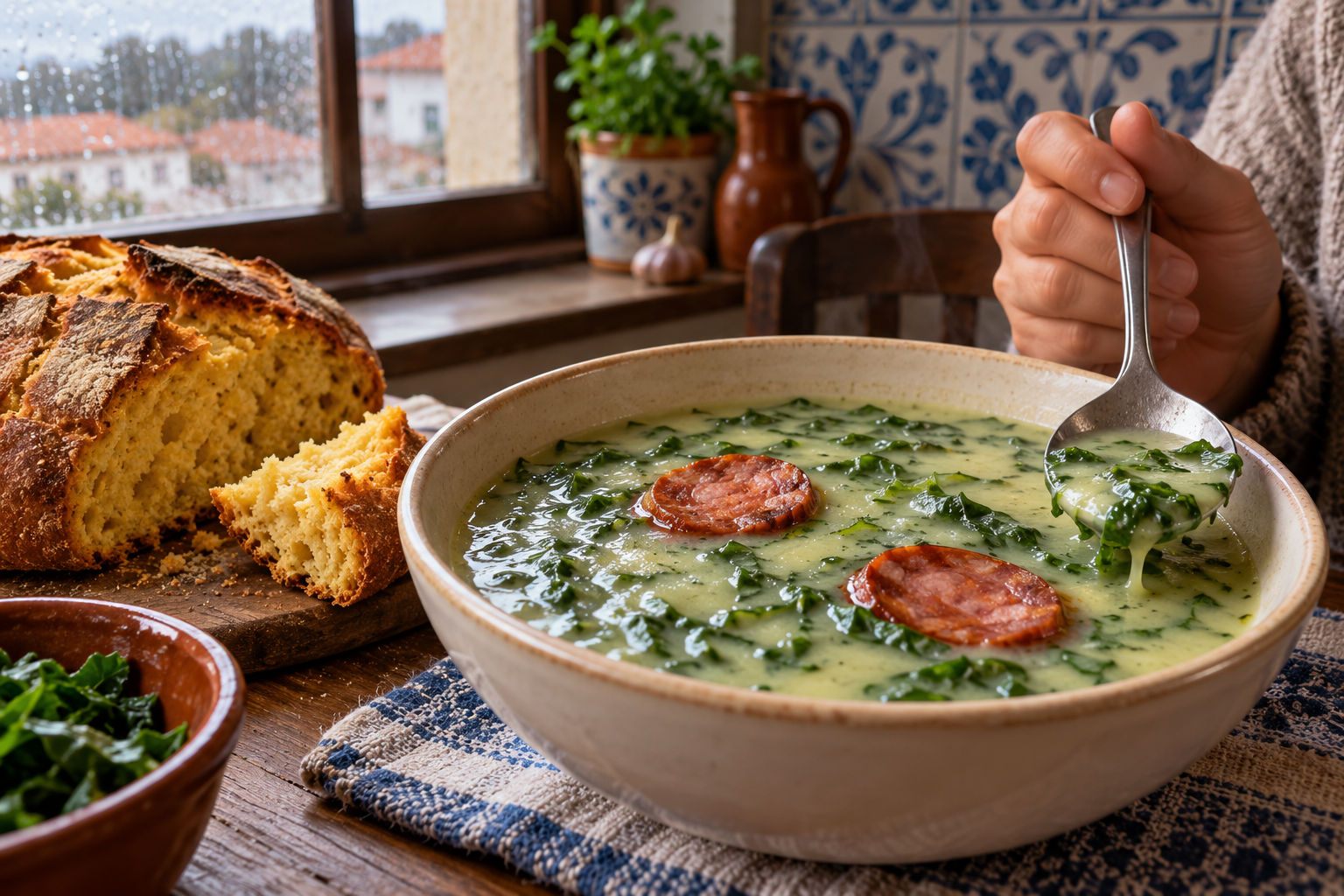
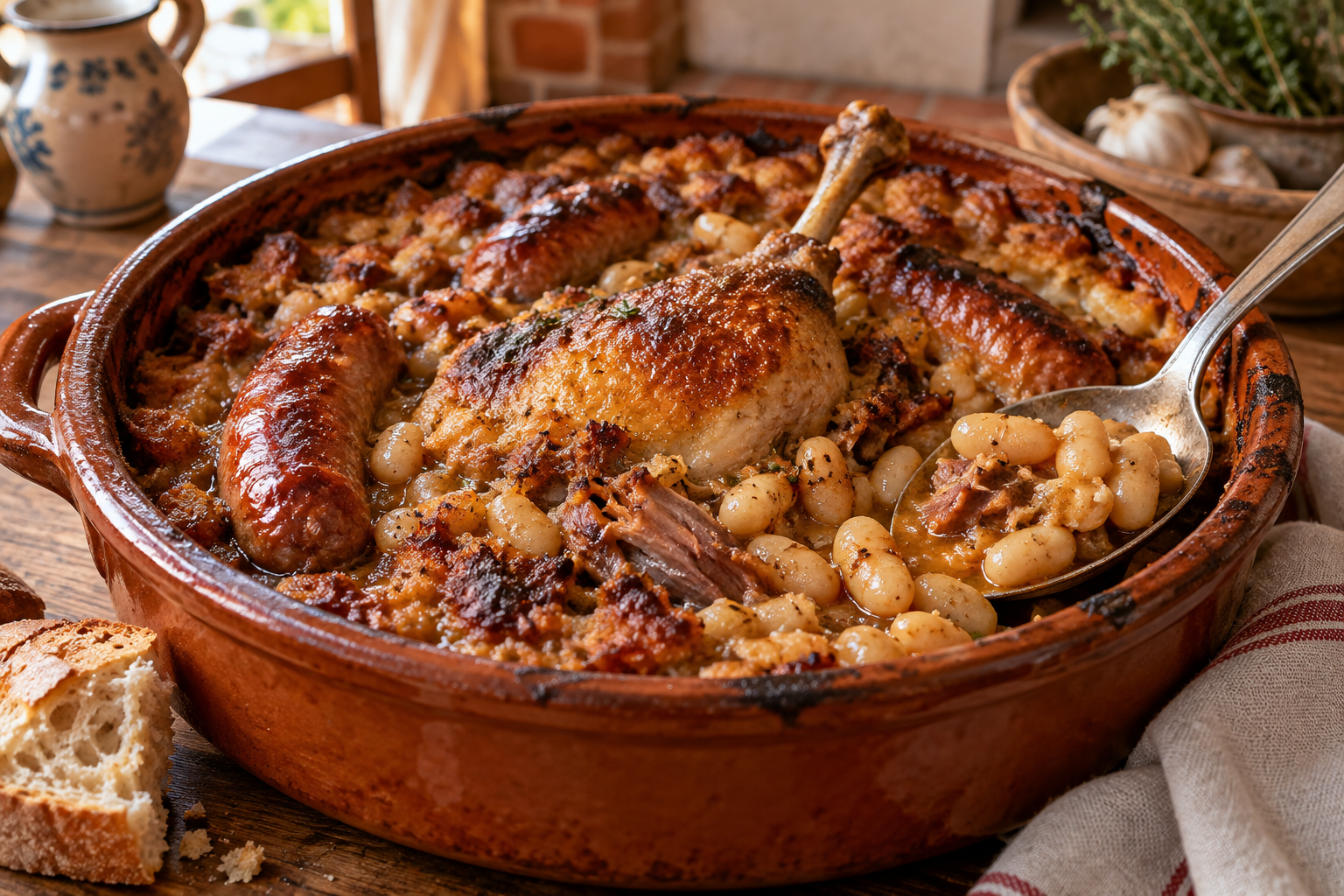
Now the stakes rise, and so will the tempers. In the contenders’ circle we place the dishes that genuinely threaten for the crown, each with a nation prepared to go to war for it. Italy arrives with ribollita, the Tuscan bread-and-bean soup that locals insist belongs with the first cold weather, a dish of such rustic perfection, built from yesterday’s bread and good beans and the last of the garden and nothing wasted, that ranking it anywhere but first will be treated in Florence as a personal affront, possibly a diplomatic incident. France, naturally, fields a whole battalion, led by cassoulet, the slow-cooked white-bean, sausage, and duck extravaganza of the southwest, crowned with a crust you break and fold back under for hours, that may be the ultimate one-pot meal, and backed by soupe a l’oignon and boeuf bourguignon, because France does not enter one dish when it can enter three and expect to sweep the podium. The sheer confidence of the French culinary delegation is a ranking problem all its own.
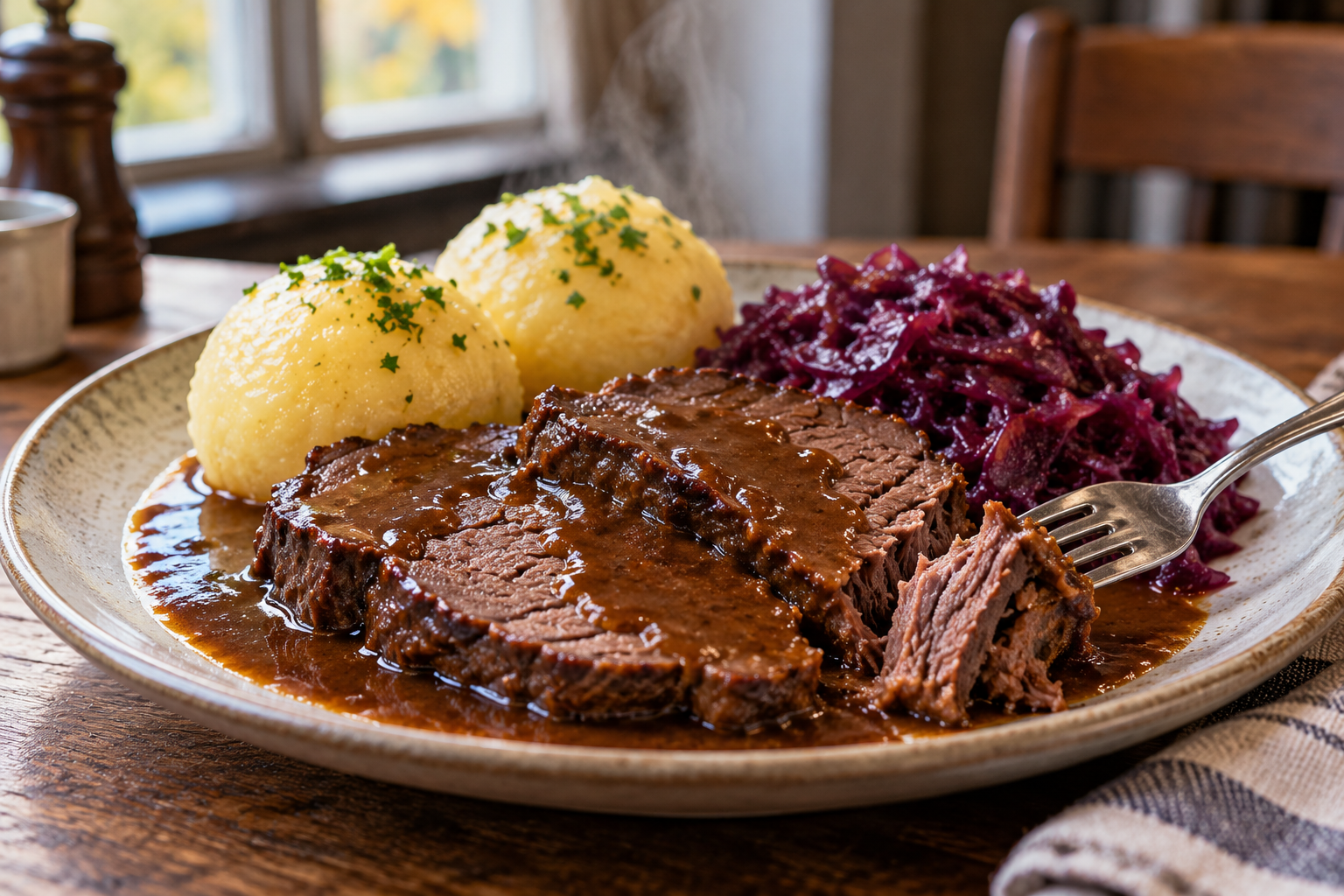
Germany sends sauerbraten, the sweet-sour slow-braised beef with red cabbage and dumplings that one traveler memorably called autumn in a bowl, a serious and seriously underrated contender, the kind of dish that would win a lot more rankings if more people outside Germany had ever tasted it. Switzerland and its Alpine neighbors arrive with a bubbling pot of fondue, the communal melted-cheese ritual that is less a meal than an event, impossible to rank dispassionately because eating it is so much fun, a dish that turns a meal into an evening and a table of strangers into friends, forks crossing over the pot, which is worth a great deal on a cold night even if it slightly bends the definition of a stew. And Austria presses its case with Wiener Schnitzel and a dark, paprika-rich Viennese goulash of its own, insisting, as Austria and Hungary will forever insist, that it does the dish better. Any of these could win on another day, judged by another hand, in another mood, on another kind of cold evening. They lost the top spot by the narrowest and most arguable of margins, the kind of margins that exist mainly to be disputed, which is exactly the kind of result that keeps a comment section alive for weeks.
The Podium
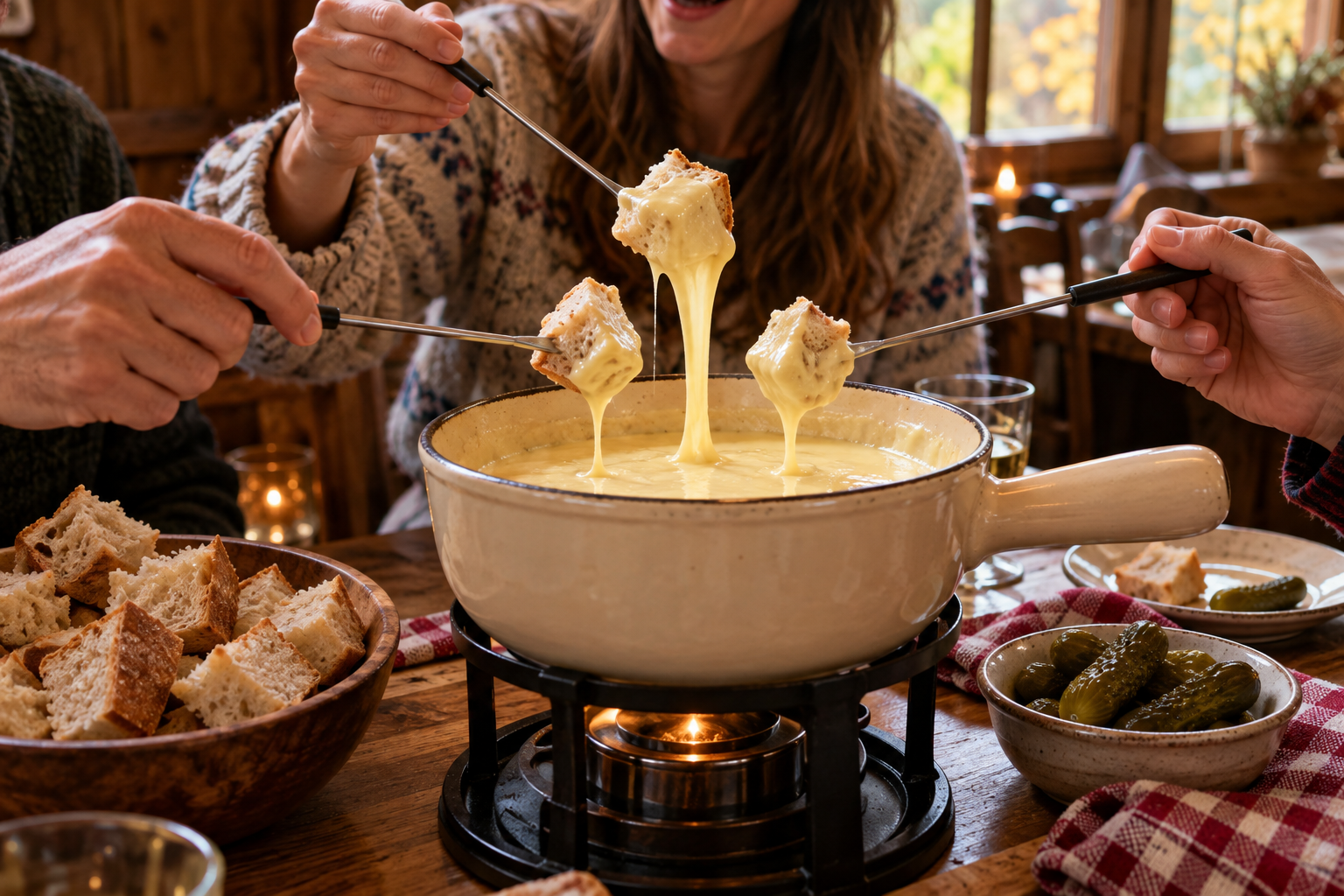
And so to the medals, where the real screaming begins. In third place, we award the bronze to Switzerland’s fondue, because no dish on this list delivers more pure joy per bite or does more to turn a cold night into a celebration, and because melted cheese is, scientifically, impossible to argue with, and a dish built entirely around it starts any contest with an unfair advantage. It ranks third only because it is arguably more of a party than a meal, which is a compliment disguised as a demotion. In second place, the silver goes to France’s cassoulet, the magnificent, laborious, bean-and-meat monument to patience that represents comfort food at its most ambitious, a dish that takes the better part of a day and rewards every minute of it, and whose placement at number two rather than number one will be received in France as a national insult of historic proportions, which, again, is the point.
Which leaves the gold, and leaves France seething, which feels appropriate for any European ranking. The silver medal for cassoulet is our way of acknowledging that France makes perhaps the most impressive comfort food on the continent, while quietly insisting that impressive is not quite the same as comforting. France cooks to astonish; the champion cooks to console, and on a dark November night, consolation wins. The dish that beat it did so not by being grander but by being warmer, humbler, and more universally, instantly understood as the thing you want when the cold sets in. Cassoulet impresses you; the champion simply comforts you, and comfort is the whole event. The gold goes to a bowl of pure, paprika-red soul.
The Champion
The champion of Europe’s fall comfort foods is, by our reckoning and to the fury of several other nations, Hungary’s goulash. We crown it not because it is the fanciest dish on the list, it is emphatically not, but because it is the most complete comfort food in Europe, the one that scores highest on every test that matters, and the one we would most want in front of us on the first truly cold night of the year. It is warm to its core, a deep, paprika-stained stew of tender beef and vegetables that heats you from the inside out. It is comfort in its purest form, the dish Hungarians will tell you is their heart in a bowl, and they are not exaggerating in the slightest. Few foods on earth deliver so much warmth for so little fuss.
It carries the full weight of the grandmother factor, simmered in Hungarian pots since medieval shepherds first made it over open fires. And it has conquered the continent, eaten in German and Austrian and Czech kitchens too, each certain their version is best and each slightly wrong about it, which is the surest sign of a true champion: everyone wants to claim it.
Goulash wins because it is the dish that most completely does the one job a fall comfort food exists to do: it makes a cold, dark day feel survivable and even good, with nothing but a pot, some paprika, and a few hours of patience. It asks little and gives everything, which is the whole definition of comfort food, and it does it in every kitchen from Budapest to Prague to Vienna. It is peasant food elevated by sheer soulfulness to the top of a continent’s table, the proof that the warmest food is rarely the fanciest. And if you want to make the champion yourself and taste why it took the crown, the good news is that authentic Hungarian goulash is well within any home cook’s reach, needing little more than beef, onions, good paprika, and time, and we have the full recipe for it ready for you elsewhere on the site. Crown your own pot, taste the paprika-dark broth, and judge for yourself whether we got it right, or whether your own country’s stew should have taken the gold instead. We suspect you will say the latter, loudly, and we would not have it any other way.
Now Let the Arguing Begin
There it is, the ranking, laid out in full and bracing for impact. We are aware that we have committed numerous crimes against national pride. We ranked Portugal’s beloved caldo verde in the cheap seats, we told France its cassoulet is merely second best, we left Spain’s cocido and fabada off the podium entirely, which Spanish readers are right now preparing to never forgive, drafting furious comments about cocido madrileno that we fully deserve, and we handed the gold to Hungary while a dozen other countries insist their stew is the real king of autumn. We regret none of it, and we invite all of it. The angrier you are, the more right we were to publish this.
Because here is the truth underneath the provocation: there is no correct answer, and that is the glory of European comfort food. Every one of these dishes is a champion in its own kitchen, the undisputed winner on its own cold night, in its own family, in its own country, and the real prize is that a continent this small holds this many perfect ways to be warm and fed when the weather turns. No ranking can diminish that; it can only, gloriously, start the argument about it.
Our ranking is an opinion wearing the costume of a verdict, and the only thing we are genuinely certain of is that yours is different. So tell us how wrong we are. Tell us that goulash is overrated, that cassoulet was robbed, that fondue is not even a meal, that we snubbed your grandmother’s stew, that an American blog has no business ranking the soul food of your homeland. You will be right, and we will have had exactly the argument worth having, over the best and warmest food in the world, as the leaves come down. Let the riot begin.
Make the Champion: Hungarian Goulash
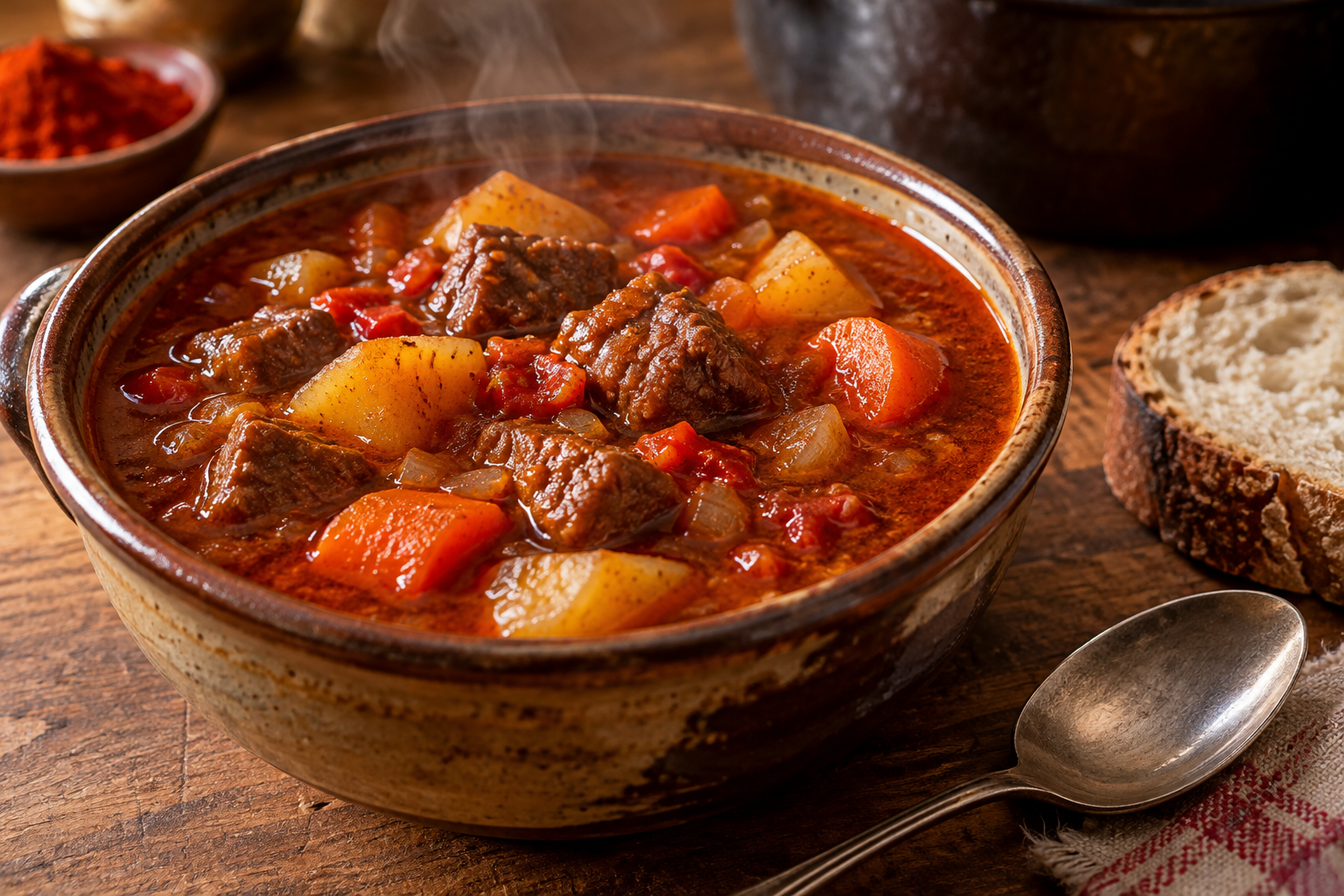
You cannot crown a dish and then not tell people how to make it, so here is authentic Hungarian goulash, the gulyas, the real thing rather than the thick, floury stew that often passes for it abroad. Traditional goulash is really a hearty soup, brothy and deeply red, and the whole secret is a lot of onions, a lot of good Hungarian paprika, and enough patience to let cheap beef turn meltingly tender. There is no browning in batches and no fuss; it is peasant food, and it is forgiving.
Serves 6. About 20 minutes of prep and 2 to 2 and a half hours of mostly hands-off simmering.
Ingredients:
- 1 kg (about 2 lb) beef chuck or shin, cut into bite-sized cubes
- 3 tablespoons lard or oil
- 3 large onions, finely chopped (roughly the same volume as the meat)
- 3 cloves garlic, chopped
- 3 to 4 tablespoons sweet Hungarian paprika
- 1 teaspoon caraway seeds, lightly crushed
- 2 tomatoes, chopped, or a tablespoon of tomato paste
- 1 green pepper, chopped
- 2 carrots and 2 to 3 potatoes, cut into chunks
- About 1.5 liters (6 cups) beef broth or water
- Salt and pepper, and a pinch of hot paprika if you like heat
Instructions
- Heat the lard or oil in a large, heavy pot over medium heat and cook the onions slowly, stirring often, until soft and golden, around 10 minutes. This generous base of onions is the soul of the dish, so do not rush it.
- Add the garlic and the caraway and stir for a minute, then turn the heat right down and stir in the paprika quickly, letting it bloom in the warm fat for just a few seconds without burning, because scorched paprika turns bitter and would spoil the pot.
- Immediately add the beef and stir to coat it in the paprika and onions. Add the tomatoes, a good pinch of salt, and just enough broth or water to barely cover the meat.
- Bring to a gentle simmer, cover, and cook quietly for about an hour and a half, stirring now and then and adding a little more liquid if it gets too dry, until the beef is beginning to turn tender.
- Add the green pepper, carrots, and potatoes and the rest of the broth, and simmer uncovered for another 30 to 45 minutes, until the vegetables and meat are fully tender and the broth is rich and red. Taste and adjust the salt and pepper.
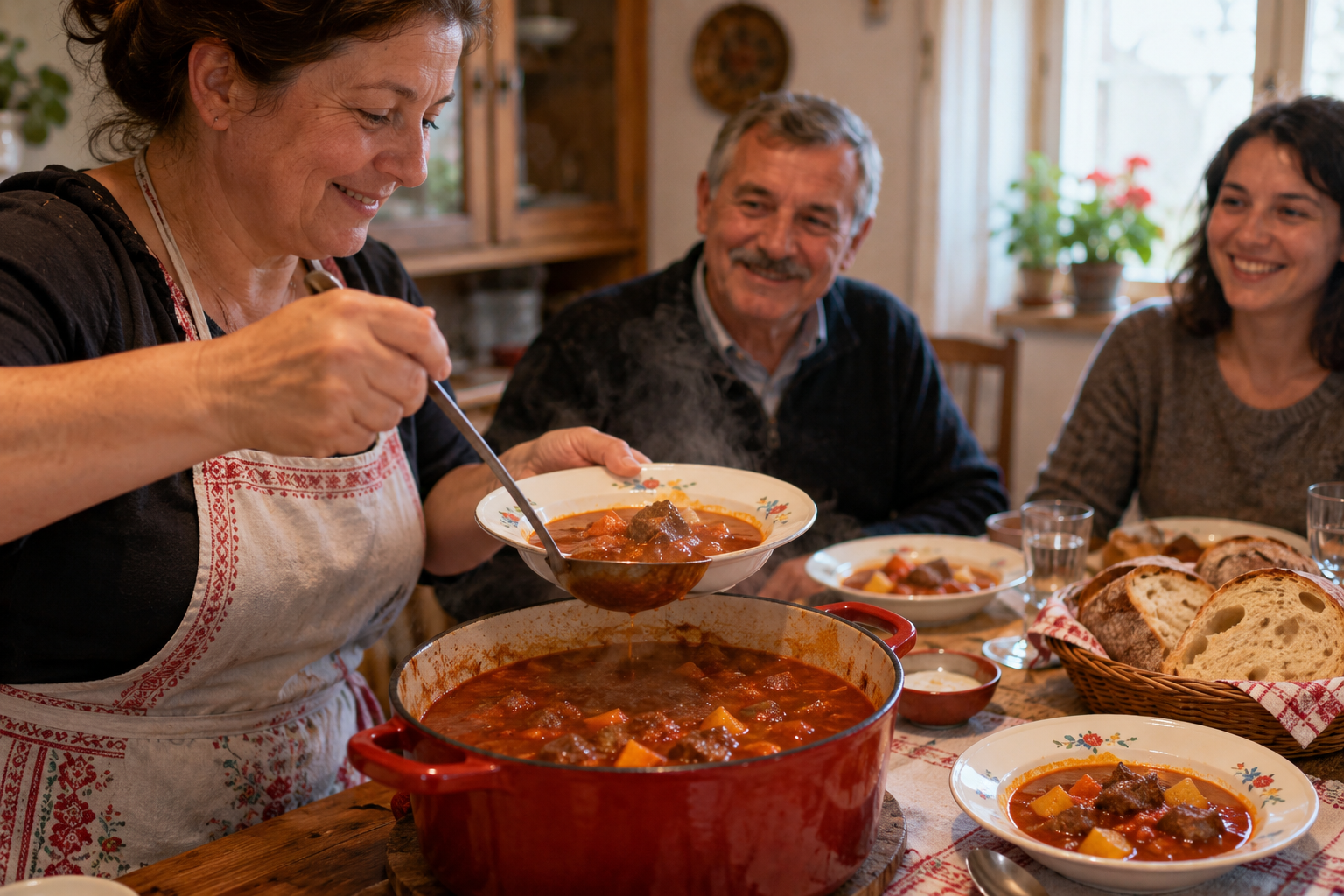
- Let it rest a few minutes, then serve very hot in deep bowls, with crusty bread. Like most stews, it is even better the next day.
A note on the paprika: it genuinely matters here, so use fresh, good-quality sweet Hungarian paprika if you possibly can, because it is doing most of the flavoring. And resist the urge to thicken it with flour; real goulash is meant to be a brothy soup-stew, not a gravy.

About the Author: Ruben, co-founder of Gamintraveler.com since 2014, is a seasoned traveler from Spain who has explored over 100 countries since 2009. Known for his extensive travel adventures across South America, Europe, the US, Australia, New Zealand, Asia, and Africa, Ruben combines his passion for adventurous yet sustainable living with his love for cycling, highlighted by his remarkable 5-month bicycle journey from Spain to Norway. He currently resides in Spain, where he continues sharing his travel experiences with his partner, Rachel, and their son, Han.