
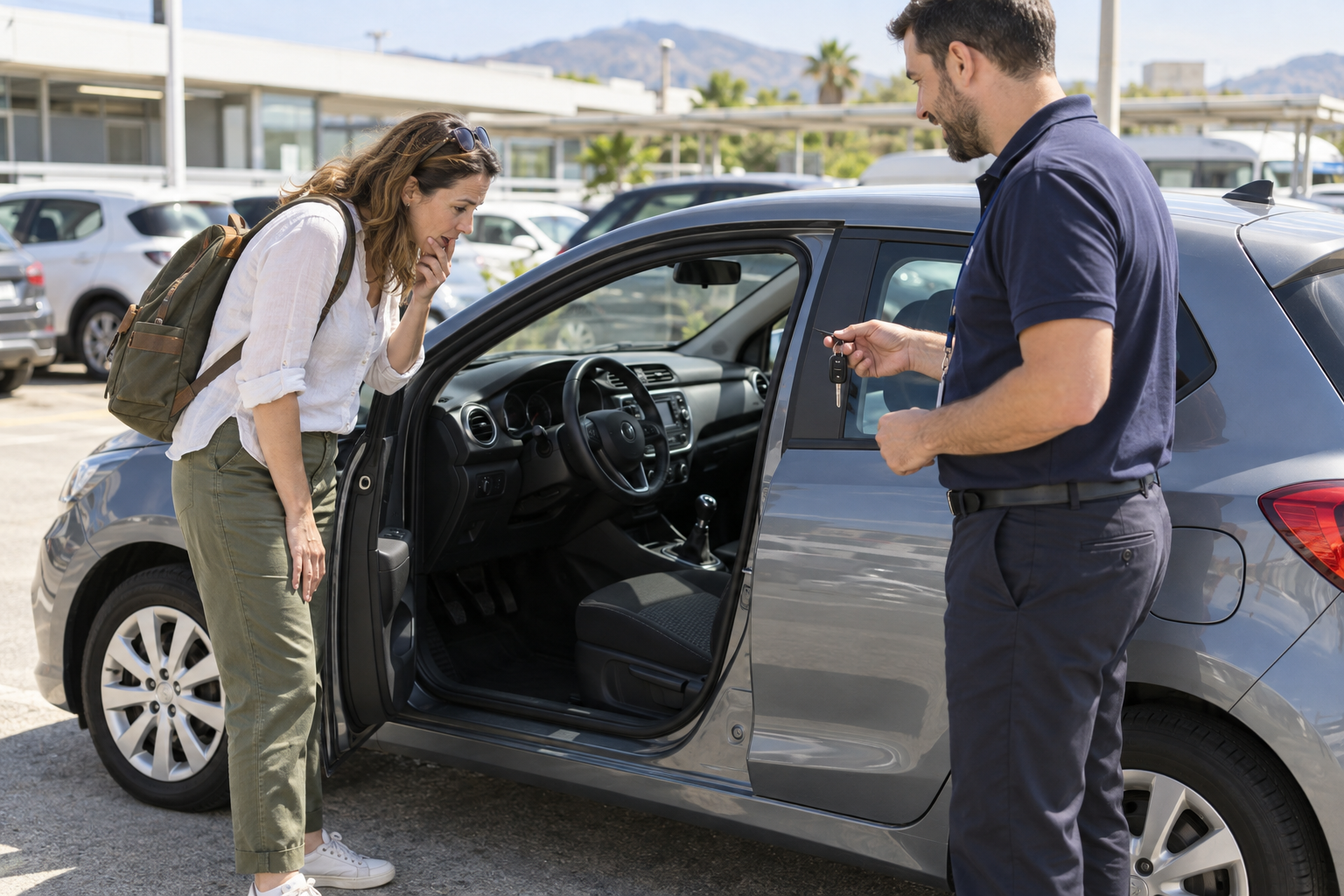
An American arrives at a car rental counter in Spain or Italy, having booked the very cheapest car on the site, and discovers a problem they had never once thought to consider: the car has three pedals and a stick, and they have never driven a manual in their life. It is one of the most common and yet most avoidable travel mishaps in all of Europe, because while very nearly every car in America is an automatic these days, Europe has stayed stubbornly loyal to the manual transmission for generations, and its rental fleets are built around that fact. The gap can turn a long-planned dream road trip into a panicked first lesson in a parking lot, or into a frantic scramble to find one of the few automatics left on the lot, at a much higher price. Understanding why Europe drives stick, and what the rental counter often does not spell out, is one of those small pieces of trip planning that saves a great deal of stress. It is the kind of thing nobody thinks to warn you about precisely because to Europeans it is too obvious to mention, which is exactly why so many Americans meet it as a surprise. Here is the whole picture, and how to stay on the right side of it.
What follows is just how manual Europe still is, why the continent kept the stick shift, the rental trap that catches Americans out, how to make sure you are not stranded, and why the whole issue is slowly fading.
A Continent of Stick Shifts
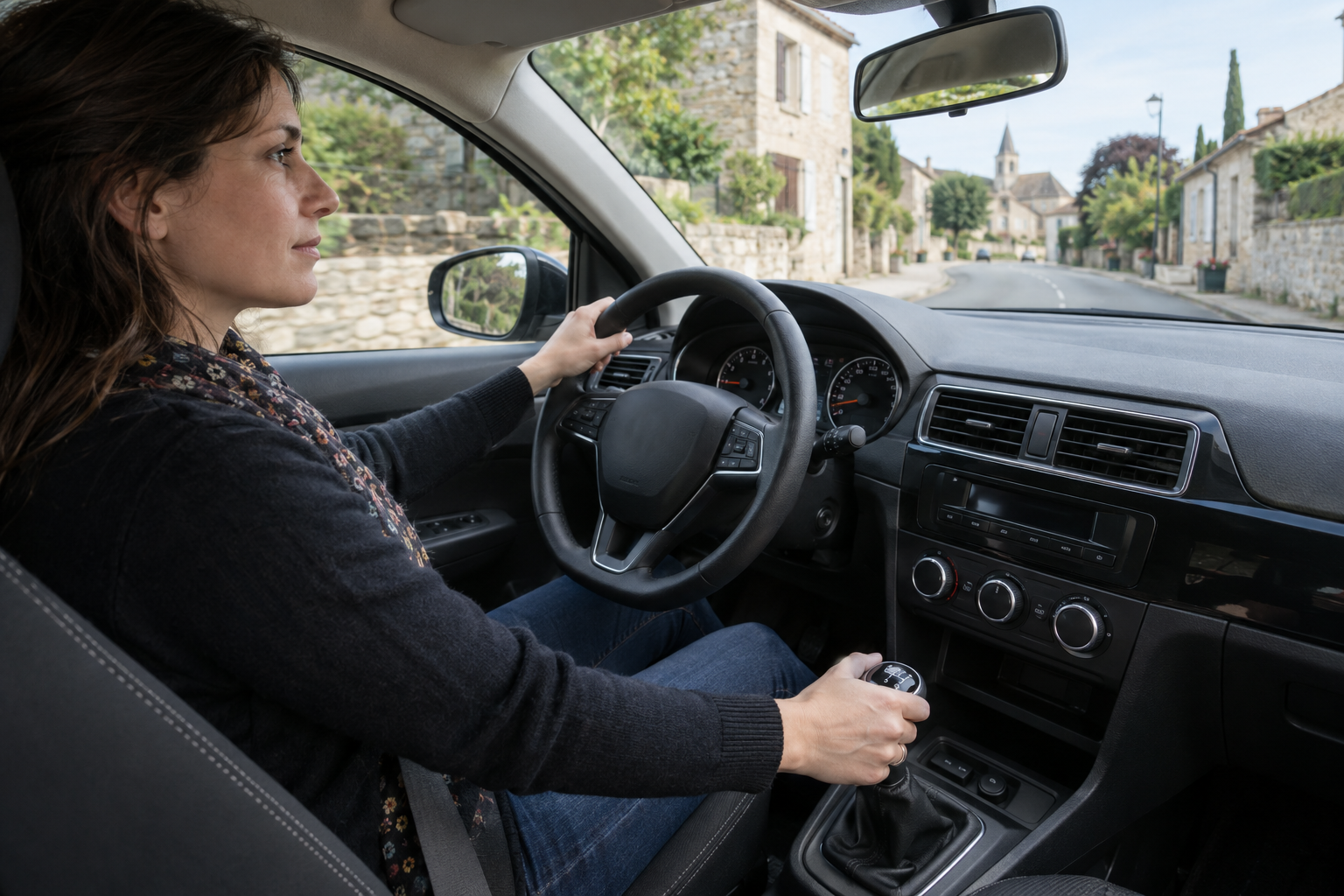
The scale of the difference between American and European driving is genuinely striking. In the United States, the automatic transmission won so completely that only a tiny sliver of new cars sold, one or two percent, now come with a manual gearbox, and most American drivers have never once operated one and never will. Europe went the other way and stayed there for decades, with manuals long making up the great majority of cars on the road, historically around eighty percent of new sales in many markets, so the stick shift is not a niche enthusiast’s choice there but simply the default car.
That long dominance is why the rental fleets look the way they do. Because most Europeans drive manual and manual cars are cheaper to buy, the rental companies stocked their lots accordingly, filling them with stick shifts and keeping only a smaller number of automatics. For an American, this inverts the assumption you carry from home, where every rental is automatic unless you go out of your way for something exotic.
The mental default is so ingrained that it never occurs to most travelers to check, in the same way you would not think to confirm that a rental car has four wheels, and that unexamined assumption is exactly where the trouble starts. In Europe it is the automatic that is the special order and the manual that is the norm, so the car you get by default, especially at the cheaper end, is very likely to be one you may not know how to drive. It is precisely the reverse of the situation you are used to, and reversed assumptions are exactly the kind that trip travelers up. The sheer prevalence of the manual is the root of the whole problem, and it is the first thing to understand before you book anything. Once you know that the manual is the default rather than the exception, the whole rental process starts to make sense, and the surcharge for an automatic stops looking like a rip-off and starts looking like the simple price of scarcity.
Why Europe Kept the Stick Shift
Europe’s loyalty to the manual is not stubbornness but the product of several real forces, and the most powerful of them is money at the pump. Fuel has always been far more expensive in Europe than in America, often two or three times the price, and for most of automotive history a manual transmission was meaningfully more fuel-efficient than an automatic, so choosing a stick shift was choosing to spend less on petrol over the life of the car. On top of that, manual cars are simply cheaper to buy in the first place, which matters in a place where cars are already dearer, so the manual was the economical choice twice over.
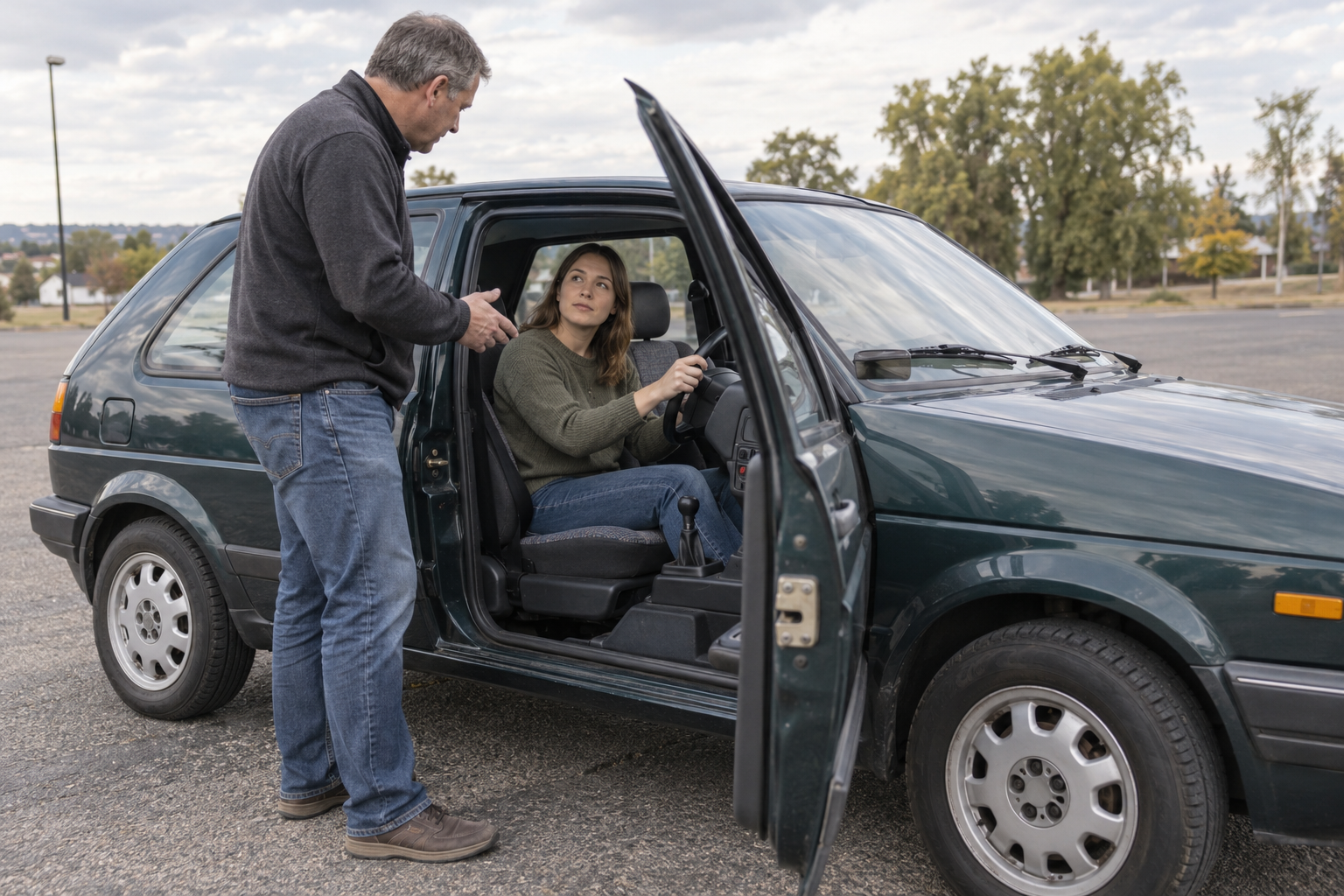
Then there is a quirk of European licensing that quietly locks the habit in, and it surprises many Americans. In a number of European countries, if you take your driving test in an automatic car, your license is restricted to automatics only, and you are not legally allowed to drive a manual, whereas passing your test in a manual earns you a full license that covers both. Faced with that, most learners simply learn on a manual to keep their options open, which means generation after generation grows up driving stick as a matter of course. A young European learning to drive today still, more often than not, learns on a manual, so the habit renews itself even as the cars themselves slowly change, which is part of why the shift away has been so gradual. Add to that a genuine driving culture, a love of the engagement and control a manual offers on Europe’s narrow, winding, hilly roads, and you have a continent that kept the stick shift not by accident but for reasons that made real sense. It is worth understanding these reasons, because they explain why the manual has hung on so long even as the rest of the world moved on.
The Rental Trap Nobody Warns You About
Here is where all of this becomes a practical problem, and it is the part that catches unwary travelers every year. When you book a rental car in Europe, the default and cheapest options are overwhelmingly manual, and if you simply pick the low price without checking the transmission, you can arrive at the counter to collect a car you physically cannot drive. Rental sites and counters do not always make the transmission prominent, so it is entirely possible to book in good faith, turn up excited for your road trip, and only then discover the stick shift waiting for you.
The automatic alternative comes with two catches of its own. The first is cost, because automatics are scarcer and therefore command a real premium, sometimes a modest one and sometimes an enormous one, with the automatic version of a booking occasionally costing double or more than the manual, a difference that can run into hundreds or even thousands of dollars over a longer rental. The second is availability, because the number of automatics on any given lot is limited, so even reserving one is not always an ironclad guarantee, and travelers have been known to arrive at a booked automatic only to be told none is available. The trap, in short, is assuming European rentals work like American ones, booking on price alone, and not treating the transmission as the critical decision it is. The mistake is almost always one of omission rather than error, not a wrong choice but a choice never consciously made, which is why simply knowing to look is most of the battle. For anyone who cannot confidently drive a manual, it is genuinely the single most important thing to get right about renting a car in Europe.
How to Not Get Stuck
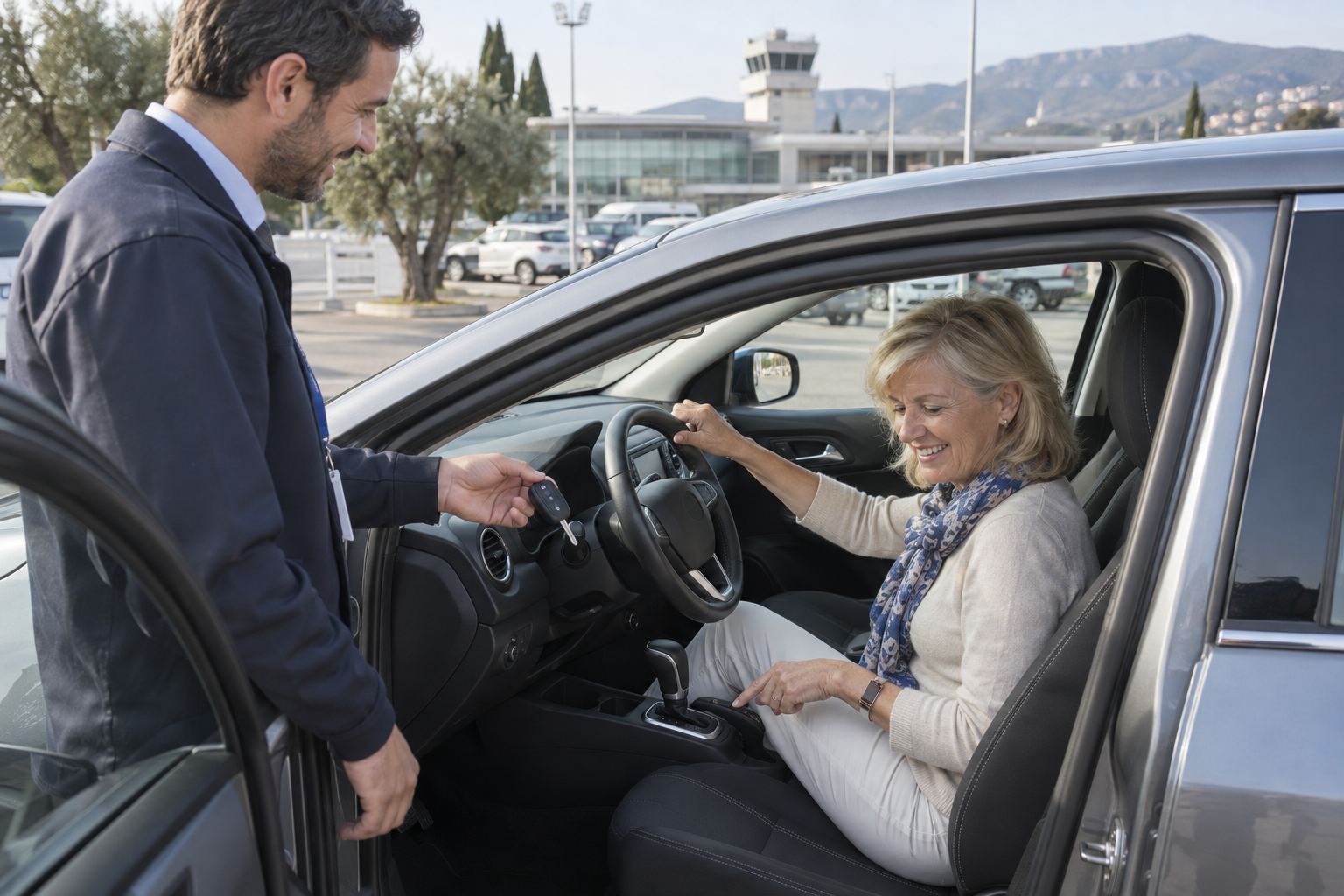
Avoiding the whole mess is straightforward once you know to think about it, and it comes down to a few deliberate steps. If you cannot drive a manual, the essential move is to reserve an automatic specifically, well in advance rather than at the last minute, since the limited supply means the automatics go first and early booking is your best protection. Do not assume, do not book on price alone, and check the transmission on every quote, because the word automatic must be something you actively chose rather than hoped for. It is also worth confirming the reservation ahead of pickup and arriving early, so that if there is any problem with availability you have time and leverage to sort it out. A quick screenshot of the booking that clearly shows automatic transmission is a small insurance policy worth having in hand at the counter, since it turns a hopeful conversation into a simple matter of the record.
There are good alternatives worth weighing too. An electric car is one clever answer, since EVs have no gearbox at all and are therefore all automatic, so renting electric sidesteps the manual problem entirely, though you will need to factor in charging time and planning your route around chargers. It is also worth asking whether you need a car at all for parts of your trip, since Europe’s cities are often better and more cheaply navigated by train and public transport than by car, with driving really coming into its own for rural regions and scenic road trips rather than city hopping. And for the confident, there is a happy inversion of the whole problem: if you genuinely can drive a stick, booking the manual is the cheapest option on the lot and can save you a great deal, so a skill that feels rusty back home becomes a real money-saver in Europe. The same trait that traps the unprepared traveler rewards the prepared one, which is a neat little lesson in how much of travel comes down to knowing the local rules before you arrive.
Should You Just Learn to Drive One
Faced with the surcharge and the scarcity of automatics, some travelers wonder whether they should simply learn to drive a manual before the trip, and it is a fair question with an honest, two-sided answer. On the side of yes, the savings are real and sometimes large, since the manual is the cheapest car on every European lot, and the skill unlocks not just cheaper rentals but a certain freedom, the ability to grab any car anywhere without worrying about the transmission. Driving a stick is also genuinely satisfying, and many people who learn it come to prefer it, especially on the winding country roads where a European road trip is at its best. There is a reason so many Europeans are fond of the manual rather than merely resigned to it, a sense of driving the car rather than steering it, and some Americans discover on a European trip that they rather like it too.
On the side of caution, though, a foreign holiday is not the ideal classroom. Learning to drive a manual takes practice, and the early stage is full of stalls, jerky starts, and crunching gears, none of which you want to be discovering for the first time on an unfamiliar road, possibly on the opposite side, with signs in another language and your family in the car.
If you are going to learn, learn at home, well before the trip, on quiet roads with someone patient beside you, until starting on a hill and shifting through traffic feel automatic rather than terrifying. The hill start is the part that undoes most beginners, the moment of holding the car on a slope with clutch and handbrake while it wants to roll back, and it is the last thing you want to be attempting for the first time at a busy junction abroad. Turning up in Europe having practiced once in a parking lot is a recipe for a miserable first day. The honest verdict is that learning to drive a manual is a genuinely worthwhile skill for anyone who travels in Europe regularly, and well worth acquiring in advance, but it is not something to attempt for the first time from the driver’s seat of a rental car in a foreign country. Learn it properly beforehand or book the automatic, but do not split the difference.
Why It Is All Slowly Fading
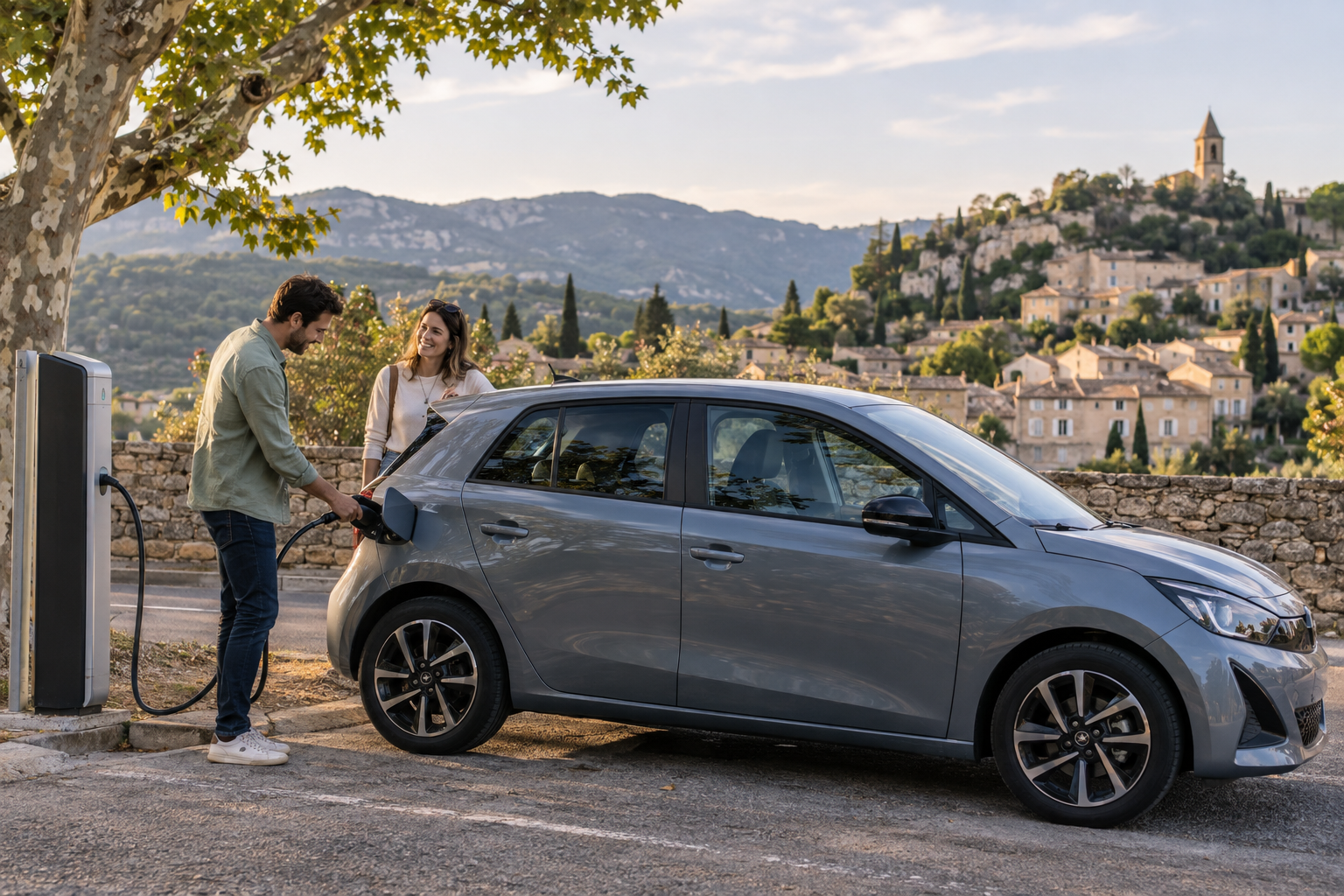
It is worth ending on an honest note about the future, because the manual’s grip on Europe, though still real, is loosening quickly, and the trap is easing year by year. The old advantages that kept the stick shift on top have largely eroded, since modern automatic transmissions have become just as fuel-efficient as manuals, erasing the economy argument, and the price gap between the two has narrowed to almost nothing. Younger European drivers, faced with a choice their parents never really had, increasingly pick the automatic for the ease of it in traffic, and the cultural momentum that once ran entirely toward the manual has started, slowly, to turn. As a result, automatic sales have been climbing steadily across Europe, and the share of new cars sold with a manual gearbox has fallen dramatically from its old dominance, a long slide that shows no sign of reversing.
The biggest force accelerating the change is the electric car. Europe is adopting EVs at a remarkable pace, with electric models now making up a large and fast-growing share of new sales, and because every one of them is automatic by nature, each EV sold nudges the whole fleet further toward automatic. Over time this means the classic scenario of the stranded American facing an unexpected stick shift will grow rarer, as rental fleets gradually fill with automatics and electrics. A decade or two from now, this article may read as a historical curiosity, a warning about a problem that has quietly solved itself, in much the way manual transmissions themselves are drifting toward the status of a vintage skill. For now, though, the manual still dominates the roads and especially the cheaper rental fleets, so the advice holds firmly for any trip you are planning in the near future: check the transmission, book the automatic early if you need it, and do not let the cheapest car on the site turn into the one you cannot drive away. It is a small thing to get right and a genuinely bad one to get wrong, and a minute of attention at the booking screen spares you a very stressful morning at the counter.

About the Author: Ruben, co-founder of Gamintraveler.com since 2014, is a seasoned traveler from Spain who has explored over 100 countries since 2009. Known for his extensive travel adventures across South America, Europe, the US, Australia, New Zealand, Asia, and Africa, Ruben combines his passion for adventurous yet sustainable living with his love for cycling, highlighted by his remarkable 5-month bicycle journey from Spain to Norway. He currently resides in Spain, where he continues sharing his travel experiences with his partner, Rachel, and their son, Han.