
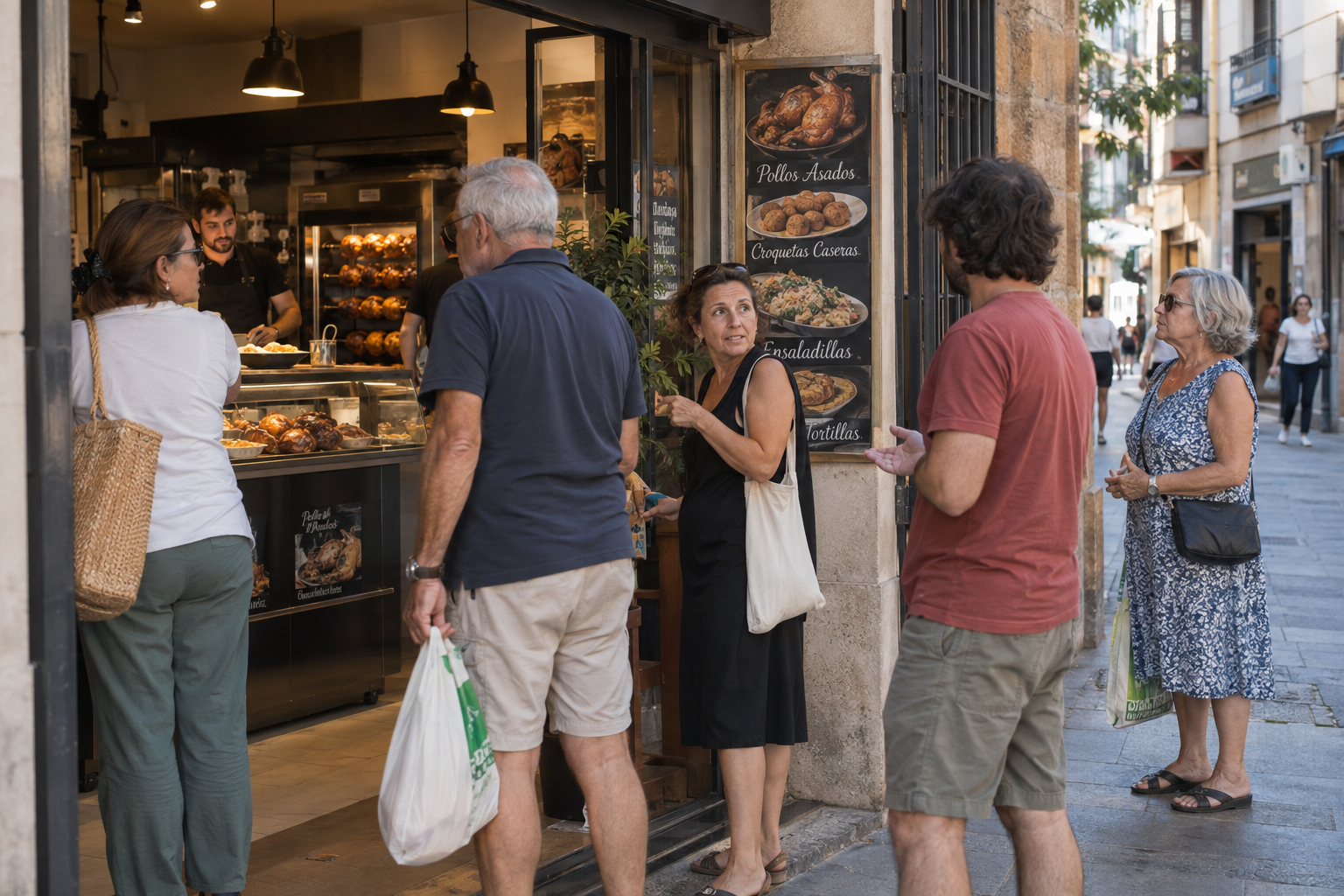
You walk into a Spanish bakery, or a pharmacy, or the deli counter at the market, and it can look at first like pure chaos. There is no line, no rope, no orderly single file, just a loose scatter of people standing around, leaning on the wall, browsing the shelves, chatting to one another. To an American or a Brit, raised from childhood to spot a queue and join the back of it, the instinct is either to panic or to assume that nobody is really waiting at all.
Then someone new comes in, says a few words to the room, someone else nods, and the newcomer relaxes and waits their turn. What looks like disorder is nothing of the kind. Spain has one of the most quietly sophisticated queuing systems anywhere, an invisible line held together not by a physical row but by a single question, and once you know it, you will never be lost at a Spanish counter again. It is the sort of thing that looks like a problem until someone explains it, at which point it becomes one of the small daily pleasures of understanding how a place really works.
What follows is how the invisible queue actually works, the one question that runs it, the surprising freedom it gives you, where you will run into it, and how to use it without embarrassing yourself.
The Queue You Cannot See
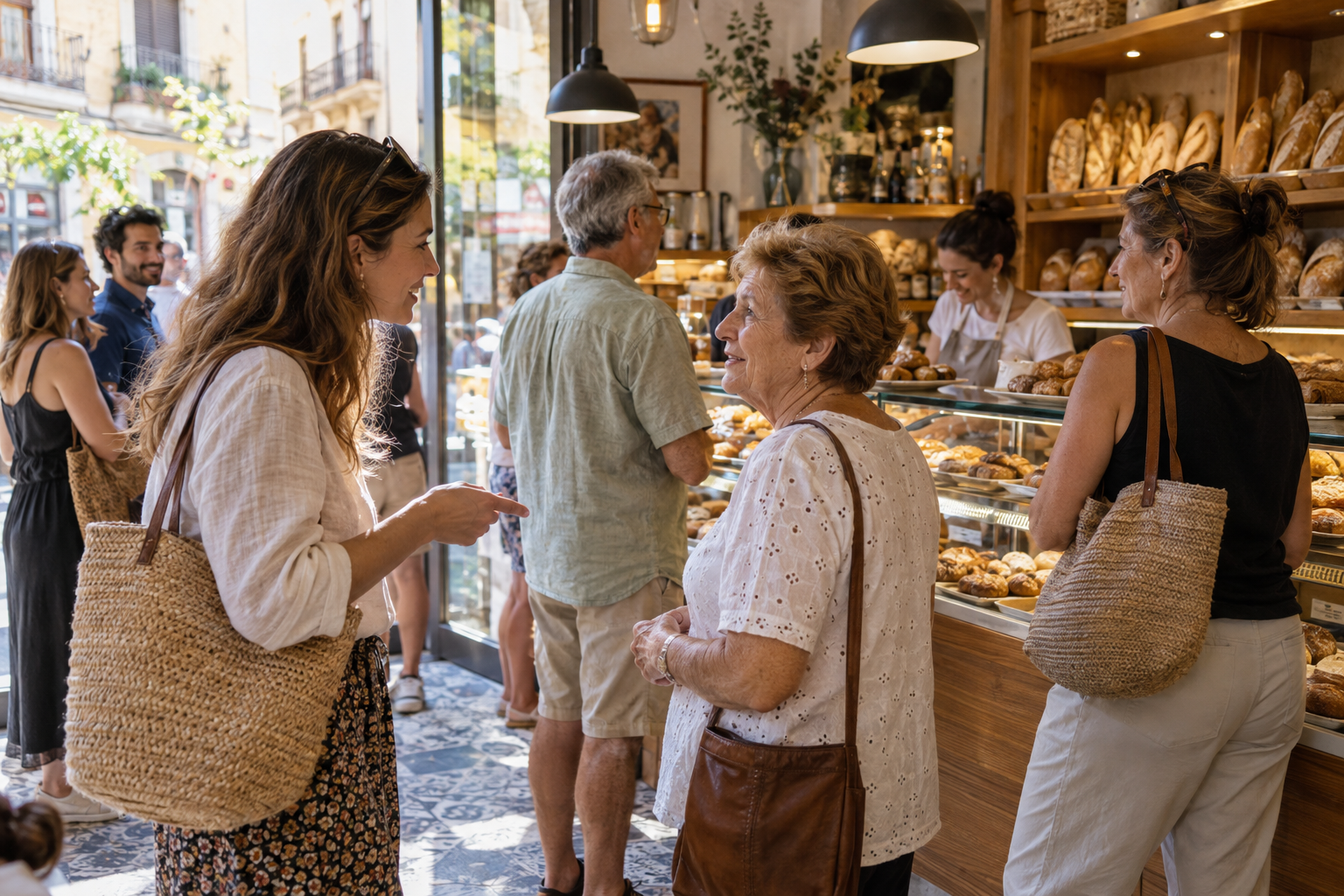
The first thing to understand is that Spain absolutely does have queues, they are simply invisible. Where the British form a neat physical line as a point of near-religious principle, Spaniards form what you might call a virtual queue, an agreed order that exists in everyone’s heads rather than in a row on the floor. Nobody needs to stand nose to tail, because everyone already knows exactly who arrived before them and who came after, and that shared mental map is the queue. It is every bit as fair and orderly as a physical line, just held together by memory and trust instead of by bodies in a row.
This is why a Spanish waiting area can look, to the untrained eye, like a disorganized cluster of people paying no attention to one another, when in fact a precise order is quietly in force. Each person knows their place in the sequence, knows who they are following, and will step up at exactly the right moment, no earlier and no later. Watch closely and you can even see it working, the small glances, the way one person defers to another with barely a gesture, the quiet choreography of a dozen people who all know precisely where they stand. The apparent looseness is not a lack of a system but a different and rather clever one, and the Spaniards moving through it are not ignoring the queue but participating in it perfectly.
What reads as indifference to a visitor is in fact quiet attentiveness, everyone keeping loose track of everyone else while appearing to do nothing of the sort. Once you see that the order is there, held in the minds of everyone present, the whole scene reorganizes itself in front of you and stops looking like chaos at all. It is a genuinely pleasant moment, the click of understanding when the apparent muddle resolves into a calm, fair sequence, and it changes how you see a great many Spanish spaces at once.
The One Question That Runs It
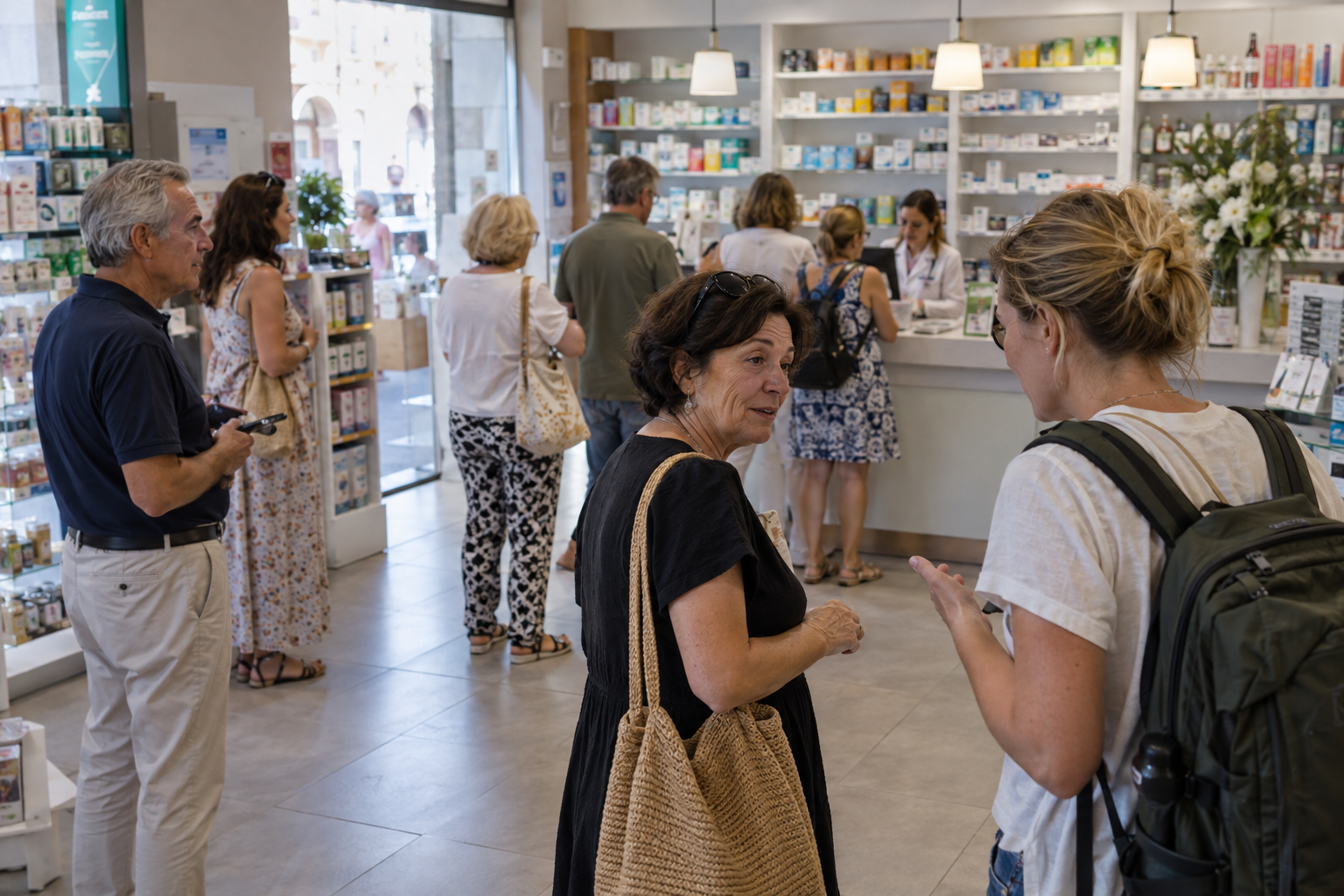
The entire system turns on a single question, and learning it is the key that unlocks the whole thing: when you arrive, you ask the room, “Quien es el ultimo?”, which means “Who is the last one?” Whoever arrived just before you answers, with a word, a raised hand, a nod, and that is it. You now know that you go after that person, and your place in the invisible queue is set. That is the whole transaction, a two-second exchange that does the work an entire physical line would otherwise do, and it asks nothing more of you than a little attention. You do not need to stand behind them or hover, you simply need to remember who they are and wait until they have been served, and then it is your turn.
There are a few regional variations on the exact phrase, and it is worth knowing them, since in some places people ask “Quien da la vez?” or “Quien tiene la vez?”, both roughly meaning “Who has the turn?” All of them do the same job, establishing who you follow.
And there is a crucial second half to the ritual that newcomers often miss: once you have asked and taken your place, you become the last person, so when the next person walks in and asks “Quien es el ultimo?”, you must answer and identify yourself. That is your obligation in return for the place you were given, and it is what keeps the whole chain intact. Forget to answer and you leave the next person stranded, unsure who they follow, so the small courtesy of replying is not optional politeness but the very mechanism that holds the queue together. Ask when you arrive, answer when the next person does, and you are a fully functioning part of the system, indistinguishable from a local. It really is that simple, two small acts that bookend your wait, and between them you are free to do as you please.
The Freedom It Gives You
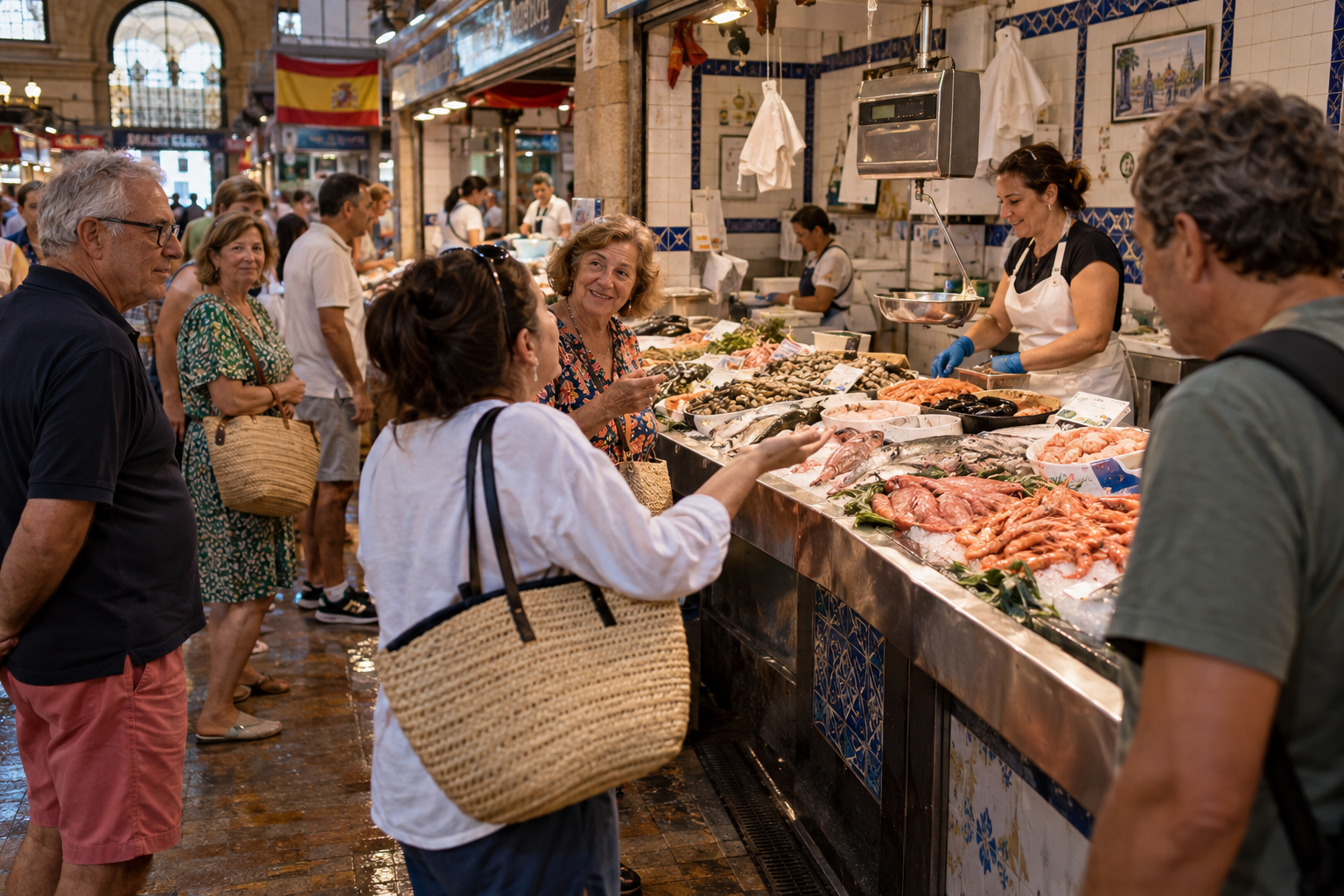
Here is where the invisible queue reveals itself as genuinely superior to the rigid line, because it offers something a physical queue never can: freedom to move. Since your place is held in other people’s memory rather than by your body occupying a spot, you do not have to stand there at all. Once you have asked who is last and fixed your place, you are free to step away, to sit down on a bench if your feet hurt, to browse the rest of the shop, to look at the magazines, even to step outside for a phone call or a quick errand, all without losing your turn.
This is a real kindness built into the system, and it is especially generous to anyone who finds standing in line difficult. The elderly, the tired, the person with a heavy bag or a restless child, none of them has to endure standing rigidly in a row, because the queue will hold their place while they rest. In a country that still builds a good deal of daily life around looking after one another, that small mercy feels entirely in character, a system quietly designed around real human bodies rather than abstract fairness alone. When the person they are following gets called, they simply step back up. Nobody minds, nobody has lost their place, and the order absorbs the movement without a ripple, which is exactly what a rigid line can never do.
There is a lovely trust in this, the assumption that people will keep track honestly and honor the order even when it would be easy to cheat, and for the most part they do. It turns waiting from a tedious ordeal of shuffling forward into something far more humane, where you simply claim your place and then get on with your life until your moment finally comes. Once you have experienced it, the grim endurance of a long physical line starts to seem faintly absurd.
Why, you begin to wonder, does anyone stand pressed in a row for twenty minutes when they could simply note their place and sit down, and it becomes hard to unsee the small daily indignity of the system you grew up with.
Where You Will Meet It
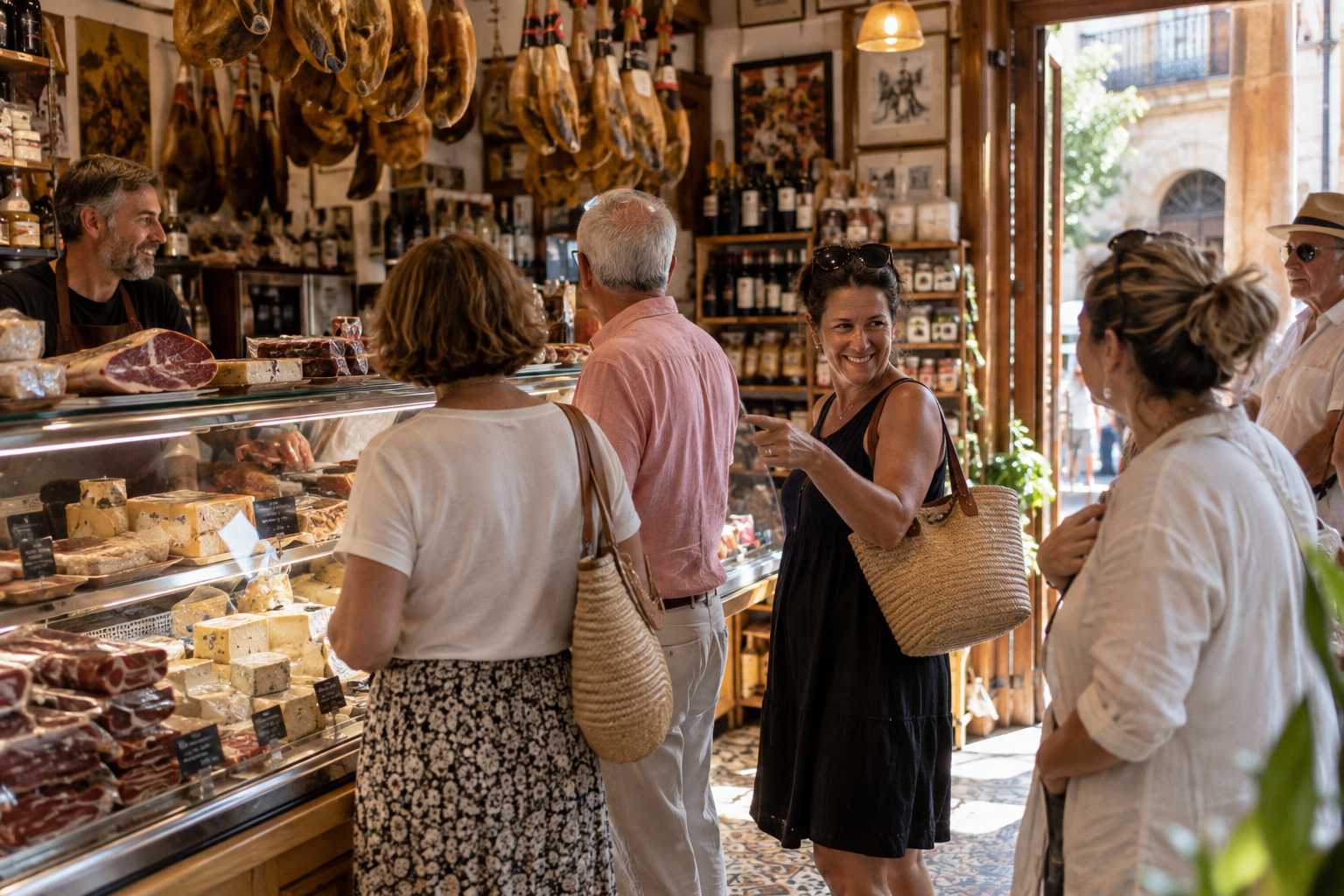
You will encounter the invisible queue almost everywhere in Spain that people wait to be served, so it pays to be ready for it. It reigns at the small food shops and market stalls, the bakery, the butcher, the fishmonger, the deli counter where you wait for cheese and cured ham, and it governs pharmacies, banks, post offices, and the waiting rooms of doctors and government offices. Essentially anywhere a line might form in another country, the Spanish virtual queue is quietly operating instead, so the moment you arrive anywhere with people waiting, your first move should be to ask who is last. Make it a reflex, the very first thing you do on walking in, and you will never again have that stranded feeling of standing in a Spanish shop wondering whether you are in a queue or in the way.
There are a couple of variations on the theme worth knowing too. In busier or more official places, the spoken system is often replaced or supplemented by a number machine, a little red dispenser where you take a paper ticket with a number and wait for it to appear on a screen, which is simply a physical version of the same idea, your invisible place made concrete on a slip of paper. When you see one of those dispensers, take a number rather than asking, and keep half an eye on the screen that shows which number is being served.
The machine does the remembering for you, which is why the busiest and most bureaucratic places tend to prefer it, but the underlying idea is exactly the same as the spoken version. And then there is the Spanish bar, which runs on yet another principle entirely, since you generally do not queue there at all but let the waiter come to you, keeping a mental note of who was there before you. But at any counter with a machine, grab a ticket, and at any counter without one, ask the question. Between those two moves you are covered for almost any waiting situation Spain can present, from the sleepiest village bakery to the busiest city pharmacy.
Why Spain Does It This Way
It is tempting to see the invisible queue as simply a looser, more relaxed version of a proper line, but it is worth appreciating it as a system with its own quiet logic, one that fits the wider rhythm of Spanish life. Spain runs on a certain easy sociability, an assumption that people will be around, will chat, will not be in a desperate hurry, and the virtual queue suits that perfectly. It lets a shop full of waiting people remain a loose, human gathering rather than a stiff, silent row, and it treats waiting as something you fit around your life rather than something that traps you in place.
There is also a deep vein of trust running through it that says a good deal about the culture. The whole system works only because people genuinely honor the order they cannot see, remembering who came before them and stepping up in turn even when it would be easy to slip ahead. That such a system functions smoothly, day after day, in every bakery and pharmacy in the country, is a small standing testament to a society that assumes decency in strangers and mostly gets it. Outsiders sometimes arrive expecting the apparent disorder to mean a free-for-all where the pushiest win, and are quietly surprised to find the opposite, a fair and patient order that needs no enforcement because everyone simply agrees to keep it. Understanding that trust is at the heart of it makes the whole thing far easier to join, because you realize your only real job is to be as honest about your place as everyone around you is being about theirs.
How to Use It Without Fumbling
Putting it into practice is easier than it sounds, and a little confidence goes a long way. When you walk into a shop or a waiting area, resist your trained instinct to look for a line to stand in, and instead say clearly to the room, “Quien es el ultimo?” Do not worry about your accent or feeling foolish, since this is exactly what everyone does and no one will think anything of it, and even a hesitant attempt marks you as someone who knows how things work. If anything, a visitor who asks the question correctly earns a small flicker of approval, since it shows you have taken the trouble to learn how the place actually runs. Listen for who answers, fix that person in your mind, and then relax. Note something about them if the room is busy, the red coat, the man with the newspaper, so you do not lose them among the comings and goings, and then you are free to wait however you like.
From there, the rest takes care of itself. Keep a loose eye on the person you are following so you know when your turn is coming, answer when the next arrival asks who is last, and step up when your moment arrives.
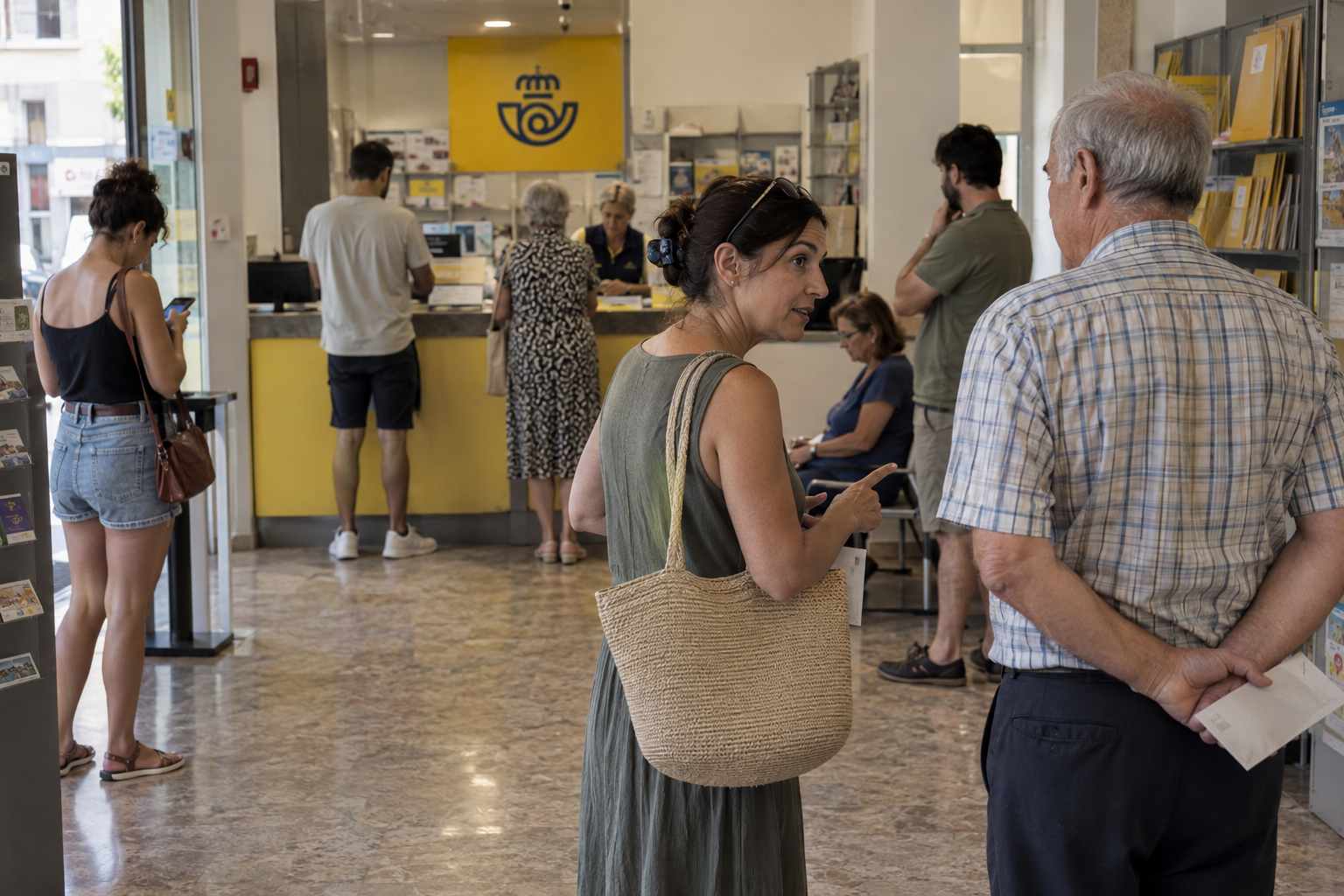
The two mistakes to avoid are the ones born of not knowing the system at all: silently standing somewhere assuming your mere presence holds a place, which it does not, or worse, walking up to the counter ahead of people who were there before you, which reads as brazen queue-jumping even though there was no visible queue to jump. Both are avoided entirely by the simple act of asking the question on arrival. The single phrase does two jobs at once, claiming your rightful place and announcing that you know the rules, which quietly heads off any suspicion that you might be trying to jump ahead. Master that one small phrase and the habit around it, and you turn what looks like baffling chaos into one of the most civilized waiting systems you will ever use, and you move through Spanish daily life like someone who genuinely belongs. It is a tiny thing, four words and a bit of attention, but it is exactly the kind of small competence that turns a visitor into something closer to a local, and it makes every bakery and pharmacy and market counter feel like a place you know how to be.

About the Author: Ruben, co-founder of Gamintraveler.com since 2014, is a seasoned traveler from Spain who has explored over 100 countries since 2009. Known for his extensive travel adventures across South America, Europe, the US, Australia, New Zealand, Asia, and Africa, Ruben combines his passion for adventurous yet sustainable living with his love for cycling, highlighted by his remarkable 5-month bicycle journey from Spain to Norway. He currently resides in Spain, where he continues sharing his travel experiences with his partner, Rachel, and their son, Han.