
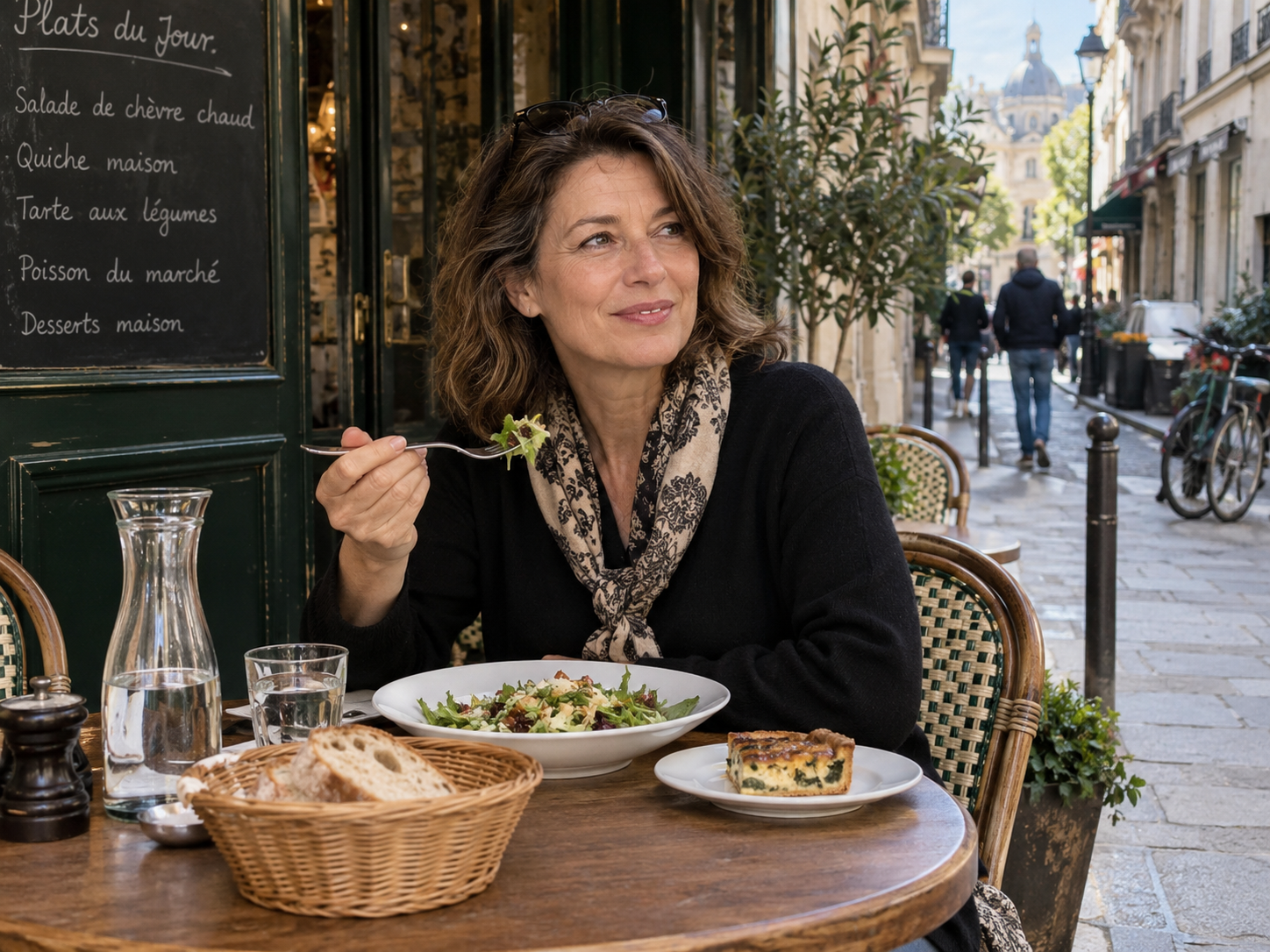
A year ago, I wrote about adopting what I came to call France’s two-meal rule: the very French habit of eating two proper, unhurried meals a day, a real sit-down lunch and a real dinner, and simply not grazing in between. It was inspired by watching how the French actually eat, structured meals at set times, food treated as something to sit down and enjoy rather than shovel in on the go, and a near-total absence of the constant snacking that fills the American day. A lot of people asked me, in the months after that first piece, whether I had actually stuck with it, and whether it had really done anything, so here is the honest anniversary report, a full year on: what stuck, what quietly fell away, and, since everyone asks, what the bathroom scale says today. A year is long enough that novelty has worn off entirely and only the real habits remain, which makes it the fairest possible moment to judge the whole thing. The short version is that the parts that genuinely mattered stuck, the rigid and fussy parts did not, and the scale was never really the point. If you were hoping for a dramatic transformation, this is a quieter and, I think, more useful story than that.
What follows is what the rule actually is, why it was never about restriction, the habits that lasted, the ones that slipped, an honest word on the weight, and who this way of eating is genuinely not for.
What the Rule Actually Is
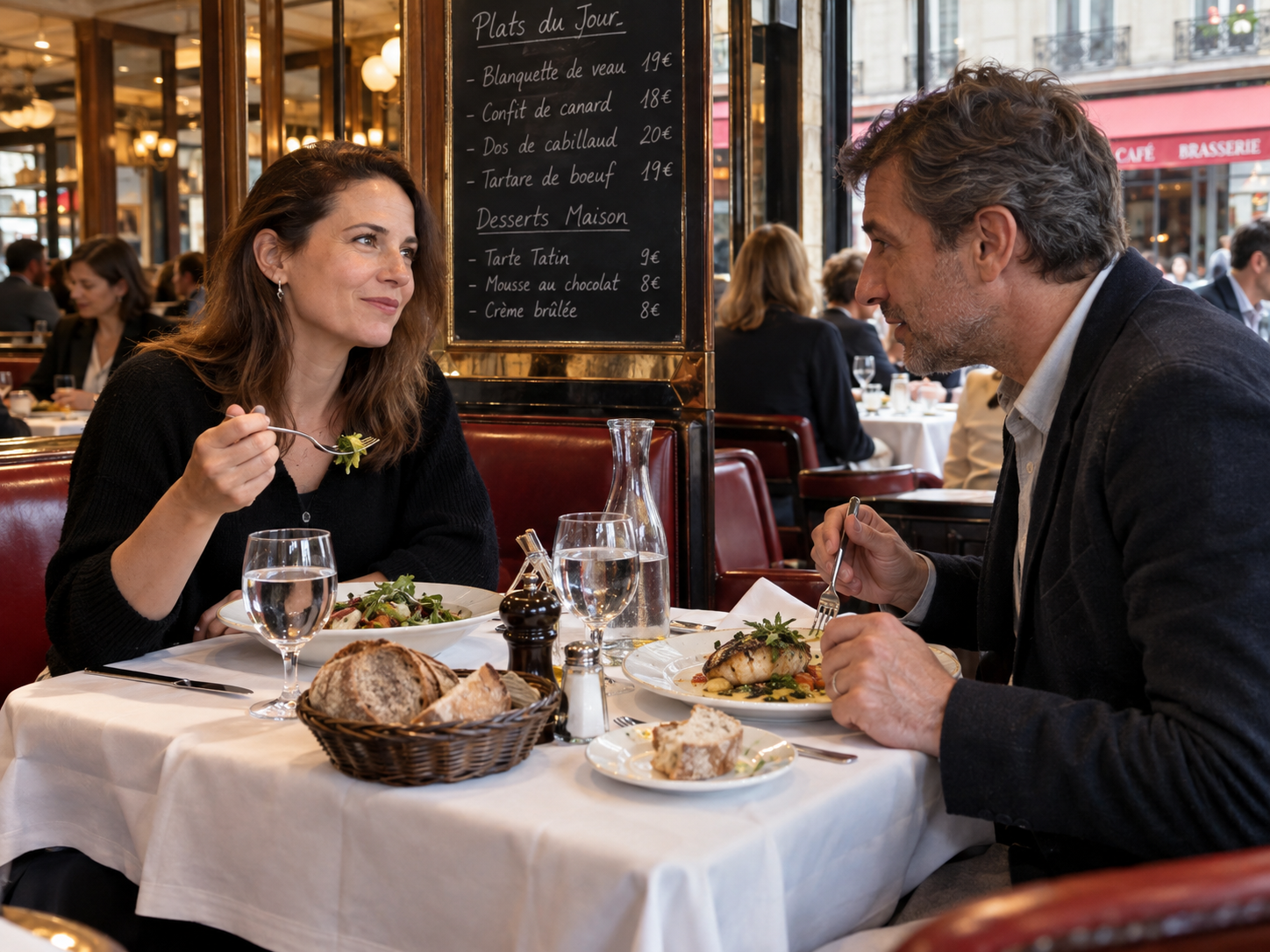
To be clear about what I mean, the two-meal rule is not some dramatic diet with a name and a book deal, it is simply the ordinary French rhythm of eating, which I adopted deliberately. The French build their day around proper meals, a light breakfast, a substantial lunch that is often the main meal, and a dinner later in the evening, all eaten at the table and at fairly set times, with snacking between them culturally frowned upon for adults. My own version leaned into the two big meals, a real lunch and a real dinner, and let breakfast stay minimal, but the heart of it was the same: two proper meals, and no grazing in between. I called it the two-meal rule for simplicity, and because the two substantial meals were where the real eating happened, with everything else falling away around them.
The French even have a slightly disapproving word for the mindless snacking, grignoter, the rule pushes against, grignoter, to nibble, the covert between-meals eating that they regard as a minor failing rather than a normal way to get through the day. What struck me most, watching it up close, was how unremarkable it all was to the people doing it, not a regimen they were following but simply how one eats. Nobody around me framed it as discipline or health strategy; it was just the ordinary shape of a day, as unremarkable as when the shops open, and that ordinariness was exactly its strength. There was no counting, no tracking, no sense of denial, just a structure so ingrained it needed no willpower at all. That, more than any single rule, was what I was trying to borrow. Not a diet to endure for a while and then abandon, but a way of eating so ordinary and unforced that it could simply become how I live, the way it is for the people I was learning it from.
Why It Was Never About Restriction
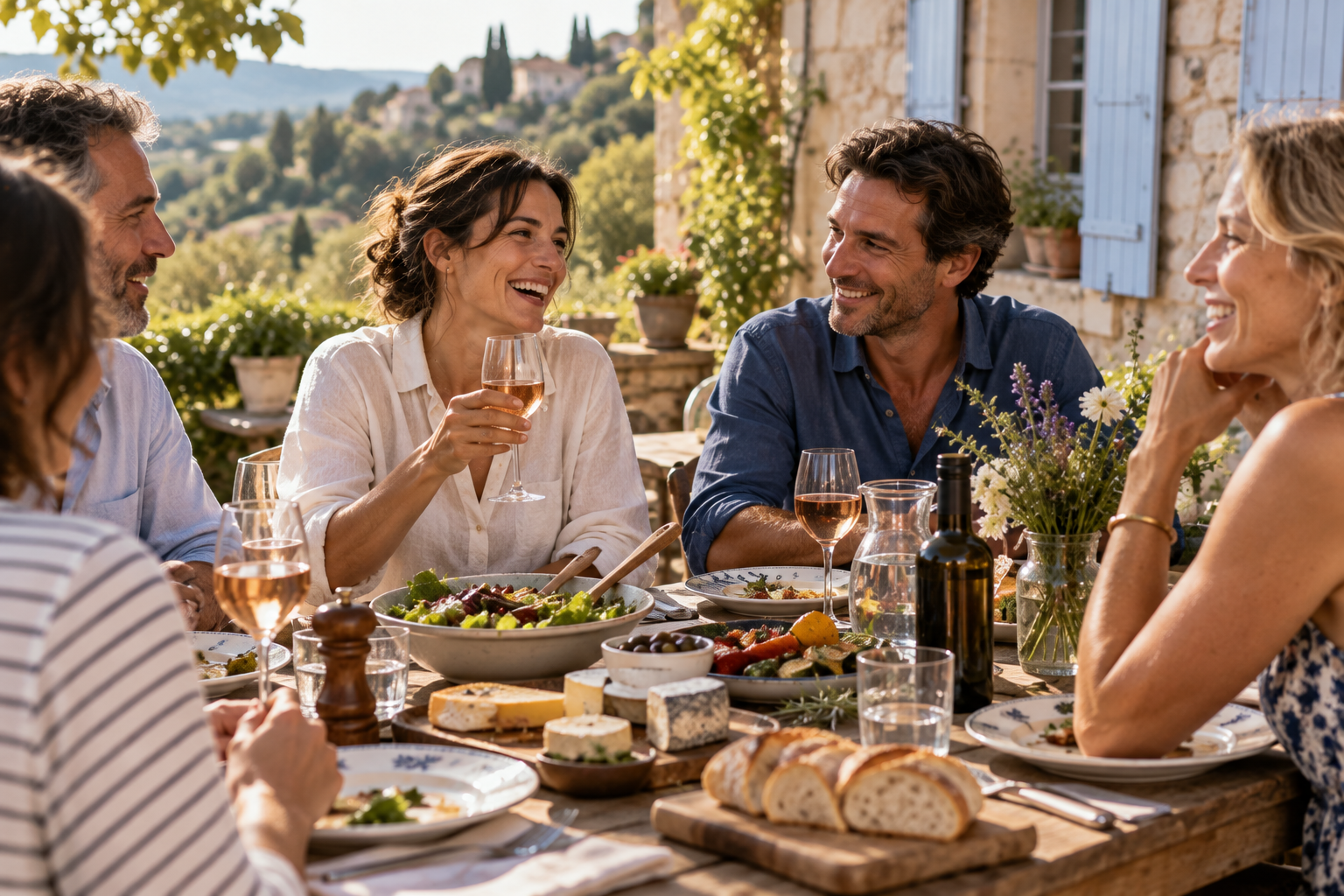
This is the most important thing to understand, and the thing that makes the French approach so different from the diet culture it is often mistaken for: it is not about eating less, and it is certainly not about hunger or willpower. The French eat well and eat fully at their two or three proper meals, with real food, multiple courses, bread and cheese and wine and dessert, none of it treated as forbidden. The point is not restriction but structure, the idea that if you eat properly and satisfyingly at mealtimes, you simply do not need to snack, because you are not hungry between meals in the first place.
That reframe changed everything about how the year felt. I was not white-knuckling my way past the snack cupboard, resisting temptation through sheer discipline, because I was not hungry, having eaten a genuine lunch. The absence of snacking was a consequence of eating properly, not a sacrifice imposed on top of it, which is the exact opposite of how most diets work.
Most diets ask you to eat less and then fight the hunger that follows through willpower, which is exhausting and usually doomed; this asked me to eat properly at two meals and let the lack of hunger take care of the rest, which required no fighting at all.
Just as importantly, there was no guilt attached to food, no good foods and bad foods, no moral weight on a slice of bread or a square of chocolate, just meals enjoyed and then finished. If there is one thing I would want anyone to take from this, it is that the French relationship with food is defined by ease and structure, not by restriction and shame, and that distinction is the whole game. Diets fail so often precisely because they run on denial and guilt, and this ran on neither, which is the single biggest reason it lasted a year when so many of my past attempts to eat differently lasted a fortnight.
What Stuck
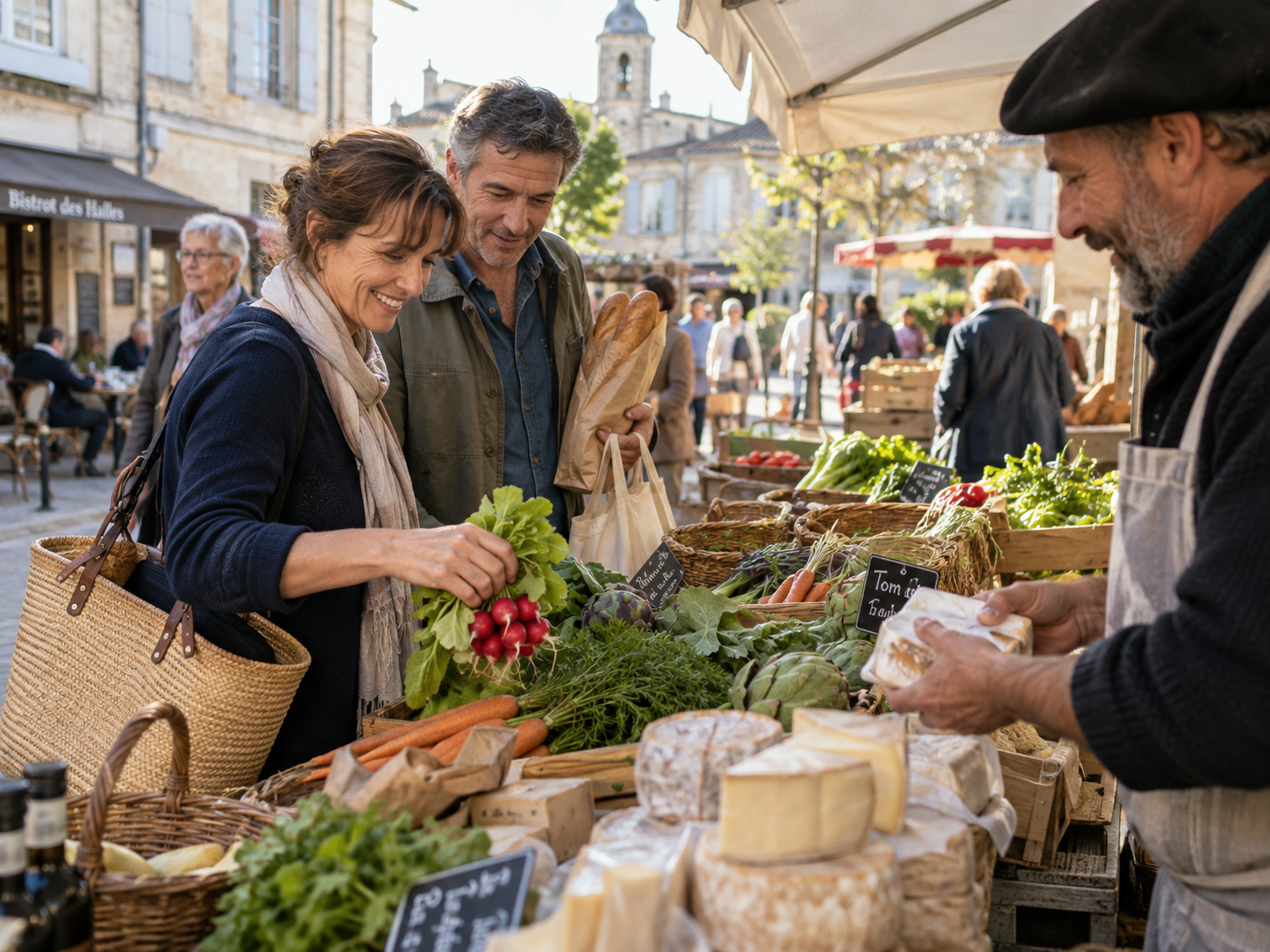
A year on, the core of it has genuinely stuck, and it is the structure that survived. I no longer graze, and the change is so complete that the old habit of drifting to the kitchen out of boredom or habit rather than hunger now feels alien to me.
Eating a proper lunch rather than something grabbed and half-eaten at my desk became permanent, and the simple rhythm of two real meals bookending the day, each actually sat down for and enjoyed, is now just how I eat, requiring no effort or thought at all. The desk lunch, eaten distractedly over a keyboard, now strikes me as a genuinely sad way to treat both the food and myself, and abandoning it was one of the small quiet upgrades of the whole year. The structure that took conscious adoption a year ago has become invisible, which is exactly what I had hoped for. The truest sign that a habit has taken hold is when you stop noticing you have it, and somewhere in the middle of the year the two-meal rhythm quietly crossed that line from something I was doing into simply how I eat. A habit that has dissolved into instinct asks nothing of you, and that effortlessness is the only reliable sign that a change will actually last.
The deeper thing that stuck was the calmer relationship with food underneath the mechanics. Not snacking constantly meant I stopped thinking about food constantly, since the endless low-grade question of what to nibble next simply vanished, replaced by two proper meals to look forward to and nothing in between to negotiate.
Grazing, I came to see, keeps food perpetually on the mind, each snack both scratching an itch and creating the next one, and stepping off that loop was quietly liberating. Food occupies less of my mental space than it did, and paradoxically I enjoy it more, because the two meals I do eat get my full attention rather than being blurred into an all-day drizzle of snacking. There is a real pleasure in arriving at a meal genuinely hungry and giving it your full attention, a pleasure that constant grazing quietly erodes, since nothing tastes as good to a stomach that is never quite empty. That mental quiet around food, more than anything on a plate, is the change I would least want to give back. I had not realized, until it lifted, how much low-level attention food had been quietly demanding all day, and getting that attention back for other things was an unexpected gift.
What Didn’t
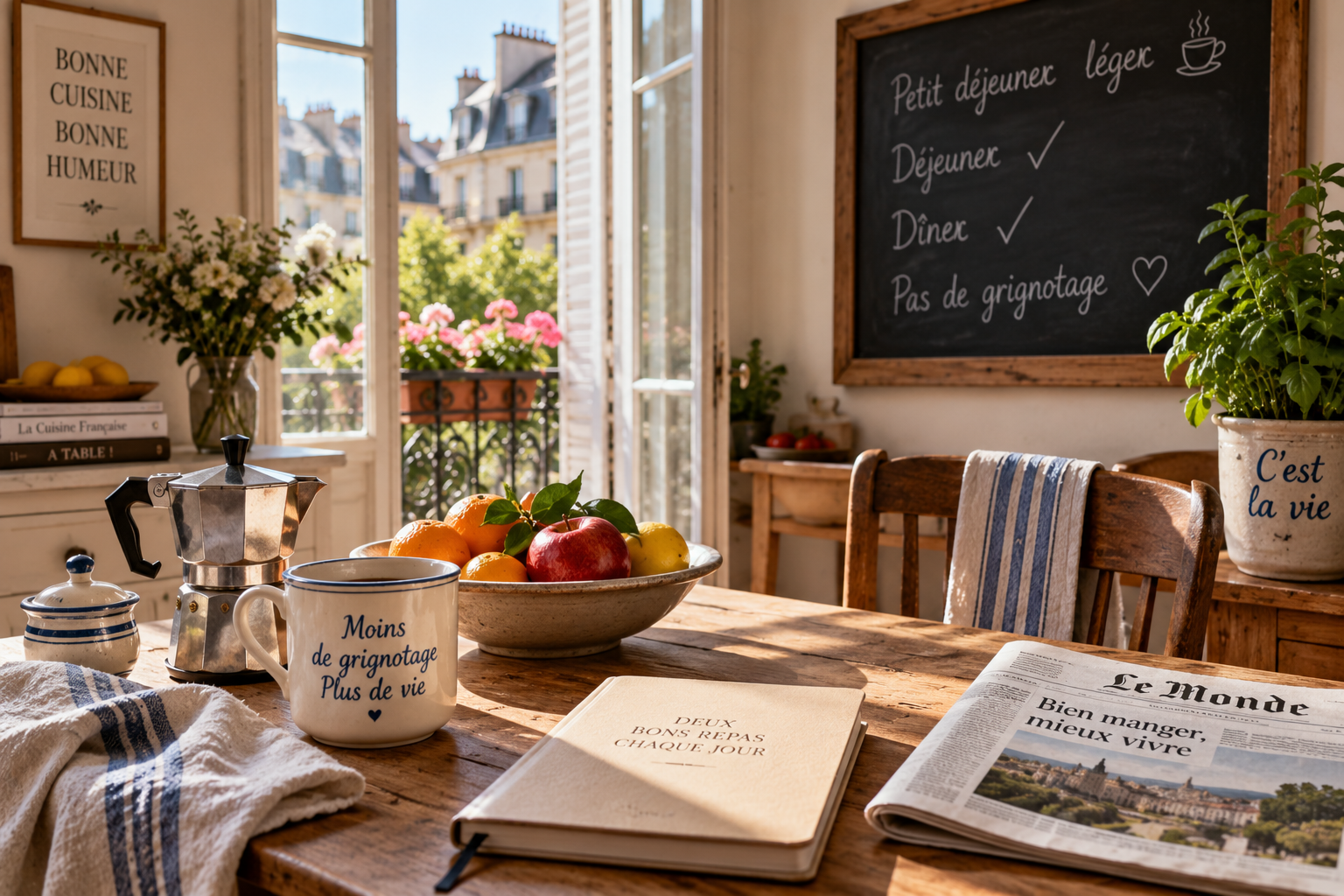
Honesty requires the other column too, because plenty of the stricter parts of the rule quietly fell away over the year, and I am glad they did. The rigid timing was the first to go, since the romantic idea of a leisurely two-hour lunch at exactly the same hour every day simply does not survive contact with a real working life, and my meals drift around the day far more than the French ideal would allow. The structure of two proper meals survived, but the clockwork precision did not, and that is fine. Trying to hold to French mealtimes in a non-French life is a losing battle, and the useful part was never the exact hour anyway but the shape, two real meals and no constant grazing, which travels perfectly well without the clock.
Snacking, too, made a partial return, and I stopped treating its total absence as a rule to be obeyed. On a long travel day, on a hike, at a social gathering built around nibbles, or simply on an afternoon when lunch was too small and dinner too far off, I eat something in between without a flicker of guilt, because turning a sensible structure into a rigid prohibition would betray the very ease that made it worth adopting. The French themselves are not fanatics about it either; they have their afternoon goute and their aperitif nibbles, and the rule was always a strong default rather than an absolute, which is precisely why it bends without breaking. The lesson of the year was that the rule works best held loosely, as a default rhythm rather than an iron law, and the moments I forced it rigidly were the only moments it felt like a diet rather than a way of living. A rhythm you return to naturally is sustainable in a way that a rule you obey grimly never is, and the whole point was to find something I could keep for good rather than endure for a while.
The Weight Today
Since it is the first thing many people ask, let me address it plainly and then set it aside, because it honestly matters least. Over the year, my weight stayed essentially stable, drifting a little but nothing dramatic, and I want to be clear that this was never a weight-loss project and I did not undertake it to change the number on the scale. If you are looking for a before-and-after transformation story, this is not one, and I would be suspicious of anyone selling the two-meal rule as a reliable way to lose weight, since it is a way of eating, not a diet.
What I will say is that a structured, snack-free rhythm made it easier to eat a sensible amount without ever thinking about amounts, simply because eating well at two meals and not grazing all day tends, on its own, to settle the body somewhere comfortable. But that is a side effect, not a goal, and it happened without any counting or effort on my part, which is rather the opposite of a diet. But the value was never in the scale, and I would genuinely rather you took nothing about weight from this at all. There is already far too much writing that turns every way of eating into a weight-loss pitch, and I have no interest in adding to it, because the moment this becomes about the scale it stops being the calm, sustainable thing that made it worth a year of my life. The real returns were the calmer relationship with food and the mental quiet, which no scale can measure, and framing the whole thing around weight would miss almost everything that made the year worthwhile.
Who It’s Not For
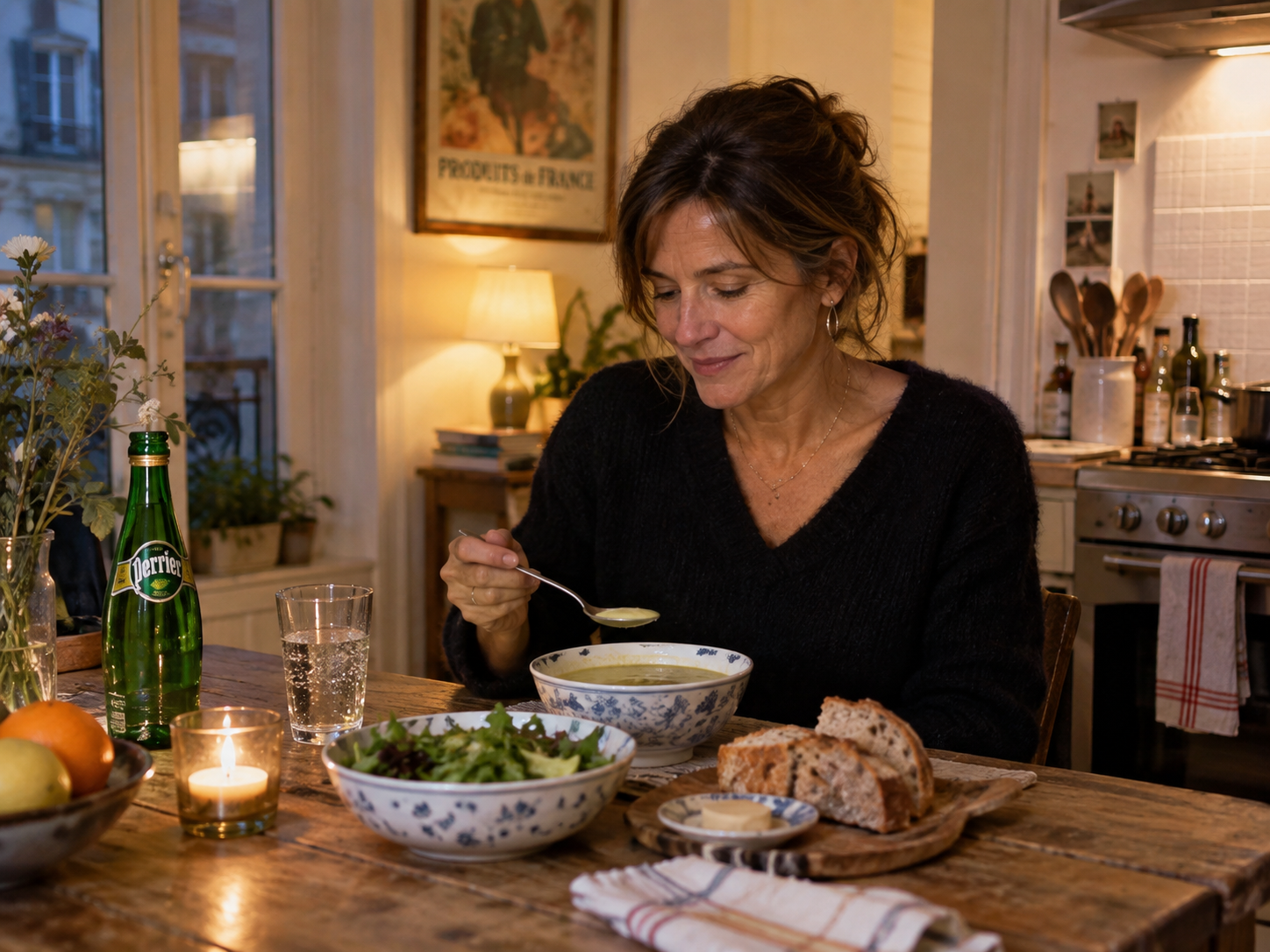
Finally, the honest caveat, because this way of eating is emphatically not right for everyone, and I would not want anyone to force it against their own body. Plenty of people feel and function far better eating smaller, more frequent meals, and for many that is exactly the right pattern, so if grazing or regular small meals suits you, that is not a failing to be corrected. More importantly, some people need to eat more often for genuine health reasons, and anyone managing blood sugar, a medical condition, pregnancy, or any situation where regular eating matters should follow their body and their doctor, not a cultural habit borrowed from abroad. What works as a pleasant lifestyle choice for one person can be actively wrong for another, and no eating pattern, however charming its country of origin, overrides your own health needs.

About the Author: Ruben, co-founder of Gamintraveler.com since 2014, is a seasoned traveler from Spain who has explored over 100 countries since 2009. Known for his extensive travel adventures across South America, Europe, the US, Australia, New Zealand, Asia, and Africa, Ruben combines his passion for adventurous yet sustainable living with his love for cycling, highlighted by his remarkable 5-month bicycle journey from Spain to Norway. He currently resides in Spain, where he continues sharing his travel experiences with his partner, Rachel, and their son, Han.