
Twice a year, the cruise lines have a logistics problem that quietly turns into one of the best travel bargains going. Their ships spend summer sailing European waters and winter sailing the Caribbean, which means that every spring and every autumn a whole fleet has to physically move across the Atlantic from one season’s home to the next. Rather than sail those ships empty, the lines sell the one-way crossing at deep discounts. The result is that you can cross the ocean over about two weeks, with every meal, your cabin, and the entertainment included, for less than many people pay for a one-way flight alone. It is called a repositioning cruise, and for anyone with a little time and a taste for the sea, it is close to a secret.
For the American who dreams of Europe but flinches at the flights, or the expat shuttling between two continents, this is a way across the water that most people never think to look for. Here is how it works, what it really costs, and who it is genuinely for.
What a Repositioning Cruise Actually Is

A repositioning cruise is simply a ship being moved from one seasonal deployment to another, with paying passengers aboard for the ride. Every spring the lines shift ships from their winter homeports in the Caribbean, Florida, and the Americas over to Europe for the summer season, and every autumn they reverse the whole migration, bringing the ships back west before winter. The ship has to make that crossing regardless, so selling the cabins cheaply beats sailing an empty vessel across an ocean, and that simple operational fact is the entire reason the deals exist.
Think of it as the maritime version of an airline flying an empty plane to where it needs to be, except the cruise line fills the seats at a discount rather than flying hollow. The crossings are genuine ocean voyages, typically running 14 to 16 nights, with a stretch of open-water sea days in the middle and a handful of ports on either end. Because these voyages serve a real need for the company and a real opportunity for you, the pricing is set to fill cabins rather than to maximize them, which is exactly why a repositioning fare can look almost too low to be real.
The Two Windows: Spring East, Autumn West

The whole thing runs on a predictable seasonal clock, and knowing the direction of travel is half of knowing how to use it. Spring sailings, roughly March through May, head eastbound from the Americas toward Europe, departing from ports like Fort Lauderdale, Miami, or New York and arriving in the Mediterranean or northern Europe, which makes them the natural way to arrive for a European summer. Autumn sailings, from September into November, run the reverse, heading westbound out of European ports back toward Florida and the Caribbean ahead of winter.
The European departure ports for the autumn crossings are exactly the ones you would want, with ships leaving from Barcelona, Lisbon, Southampton, and Rome between late October and mid-November. So the rhythm is easy to remember: sail east in spring to reach Europe as it warms, and sail west in autumn to leave it as it cools, which happens to line up beautifully with anyone splitting the year between two continents. If your life already bends toward Europe in summer and home in winter, the repositioning calendar is quietly built for exactly your migration.
The Prices That Sound Made Up
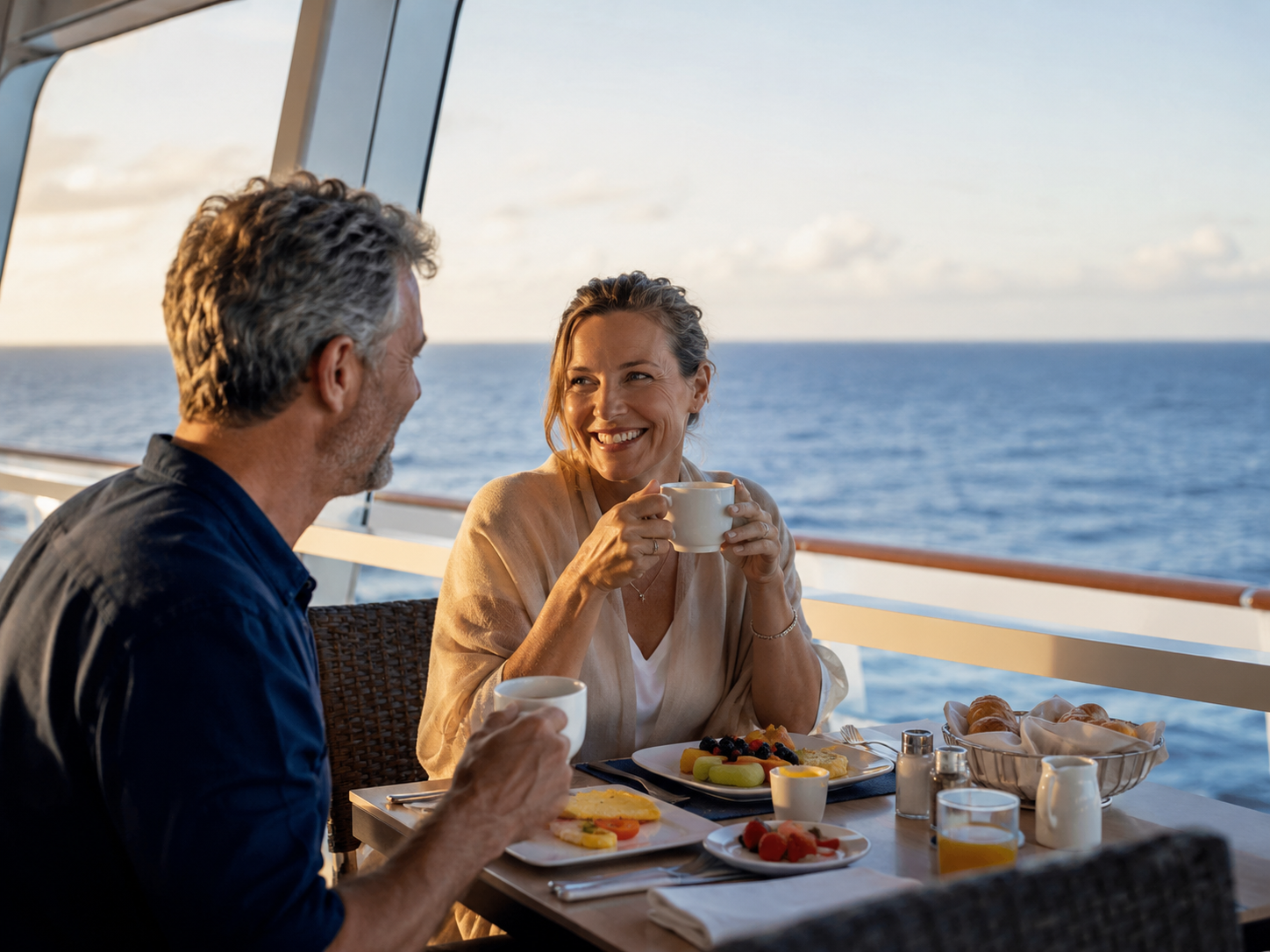
The fares are the part that stops people, because they genuinely sound like a mistake. Repositioning crossings routinely sell for somewhere between $29 and $100 a night per person, and one tracking of a dozen such sailings found interior cabins averaging around $71 a night all-inclusive, against roughly $189 a night for the very same ships on their peak Caribbean or Mediterranean itineraries. That is the identical vessel, the same cabin, the same food, sold at well under half price simply because it has to be somewhere else by a certain date.
In real numbers, a two-week crossing can mean an inside cabin from around $699 per person and a balcony from around $999, and last-minute clearance fares have dropped lower still, with recorded transatlantic crossings falling toward $499 in the final weeks before sailing. Set that against a one-way transatlantic flight, which can run $400 to $1,000 or more on its own, and then remember that the cruise fare also covers two weeks of accommodation, every meal, and the entertainment. The comparison stops being close, because you are not choosing between a cheap flight and an expensive cruise; you are getting the crossing, the hotel, and the restaurant for roughly the price of the flight by itself.
Why It Suits the Retiree Especially

This particular bargain is almost tailor-made for the retired or the flexible, which is worth saying plainly. The whole trade at the heart of a repositioning cruise is time for money, since the crossing takes about two weeks where a flight takes eight hours, so the deal rewards precisely the person who has more time than money and no boss counting their vacation days. A working traveler with a fixed week off cannot spend fourteen days getting somewhere, but a retiree with an open calendar can, and for them the slow crossing is not a cost at all but a pleasure.
There is a second, quieter fit for anyone living the two-continent life. If you split your year between an American base and a European one, you have to cross the Atlantic anyway, and doing it by repositioning cruise turns a dreaded travel day into a restful two-week decompression between your two lives.
Instead of the cramped misery of a long-haul flight and the jet lag that follows, you arrive rested, having crossed time zones one gentle hour at a time, which is a genuinely kinder way for an older body to change continents. The people who love these crossings most tend to be exactly this crowd, the retirees and the slow travelers and the ones who see a week of open ocean as the point rather than the price. It is also a surprisingly sociable way to travel for anyone who wants it to be, since two weeks aboard with the same fellow passengers builds the kind of easy friendships a single flight never could. And it is just as easily a quiet one, for anyone who would rather keep to a book and the rail.
What Life Aboard Is Actually Like
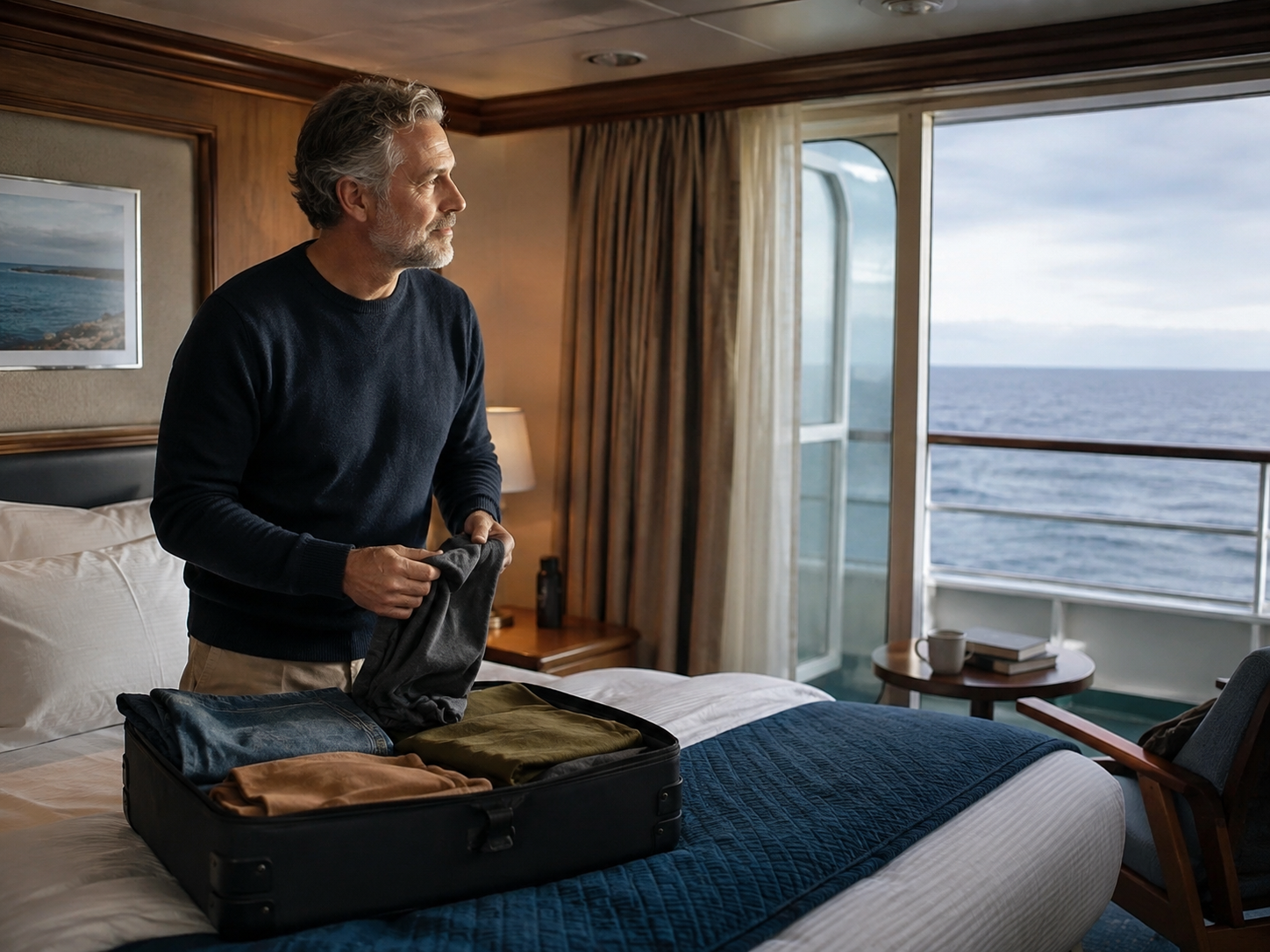
It helps to picture the days themselves, because the appeal of a crossing lives in its ordinary rhythm rather than its highlights. A sea day on a repositioning cruise is slow by design. It is a long unhurried stretch of late breakfasts, a book by the pool or the window, a lecture or a class if the ship runs them, a proper lunch, an afternoon nap without guilt, and dinner that arrives as an event rather than a chore. Nothing is urgent, nobody is rushing you to an excursion, and the ship simply carries you west or east while you rest, which is a genuinely rare feeling in modern travel.
The all-inclusive nature is a large part of the pleasure, since the food, the cabin, and most of the entertainment are already paid for, so the days have no running tally of small costs nagging at you. You can eat well three or more times a day, wander into a show or a talk in the evening, and never once reach for your wallet, which turns the crossing into a genuine rest rather than a trip you are constantly budgeting through.
Many lines lean into the slower pace on these voyages with enrichment programs, guest speakers, and classes precisely because everyone aboard has the time, and the passengers on a two-week crossing skew older and calmer than the crowd on a packed weekend cruise, which suits the whole experience. By the time land reappears on the far side, most people are more rested than when they boarded, which is not something anyone has ever said about a transatlantic flight.
The Sea Days Are the Point, or the Problem
Here is the single fact that decides whether a repositioning cruise is heaven or purgatory for you, and it is worth being honest about. These crossings involve long stretches of consecutive sea days, often five to ten days in a row with no land in sight, because crossing an ocean simply takes that long and there is nothing out there to stop at. For the right person, those days are the whole appeal, a rare chance to read, rest, eat well, and watch the water with absolutely nowhere you have to be.
For the wrong person, the same days are a slow torment. If you need a new port and a packed excursion every morning, if you are prone to seasickness, or if the idea of a week with no destination makes you restless, a transatlantic repositioning cruise will not suit you. It is far better to know that before you book than after you have sailed past the point of no return. Be honest with yourself about which traveler you are, because the sea days are not a bug to be endured on the way to the deal; they are the deal, and loving them or hating them is the whole question. Everything else about these cruises is wonderful value, but none of it matters if you spend the crossing wishing you were on dry land.
The Catch and the Real All-In Cost
The headline fare is genuinely low, but an honest accounting has to add the things around it, because the crossing is one-way and that shapes the whole trip. The most obvious extra is the flight home, since a repositioning cruise drops you on the far side of an ocean from where you started. You need a one-way ticket back, and that flight belongs in your real total even though the cruise fare looks complete on its own. The saving is still large, but it is the fare plus the return flight you should compare, not the fare alone.
Then come the usual cruise extras that the base price does not include, and they add up if you let them. Gratuities are typically charged per person per day and mount over a two-week sailing, drinks beyond the basics usually cost extra unless you buy a package, and port fees and taxes sit on top of the advertised fare, while any excursions at the few ports are their own line. None of these are hidden exactly, but a traveler who budgets only the sticker fare will be surprised at the end, so the honest move is to add the gratuities, a modest drinks allowance, the port fees, and the flight home into one real number before you decide. Do that and the repositioning cruise is still a remarkable bargain, just not quite the almost-free crossing the lowest per-night figure suggests.
How to Book One Well
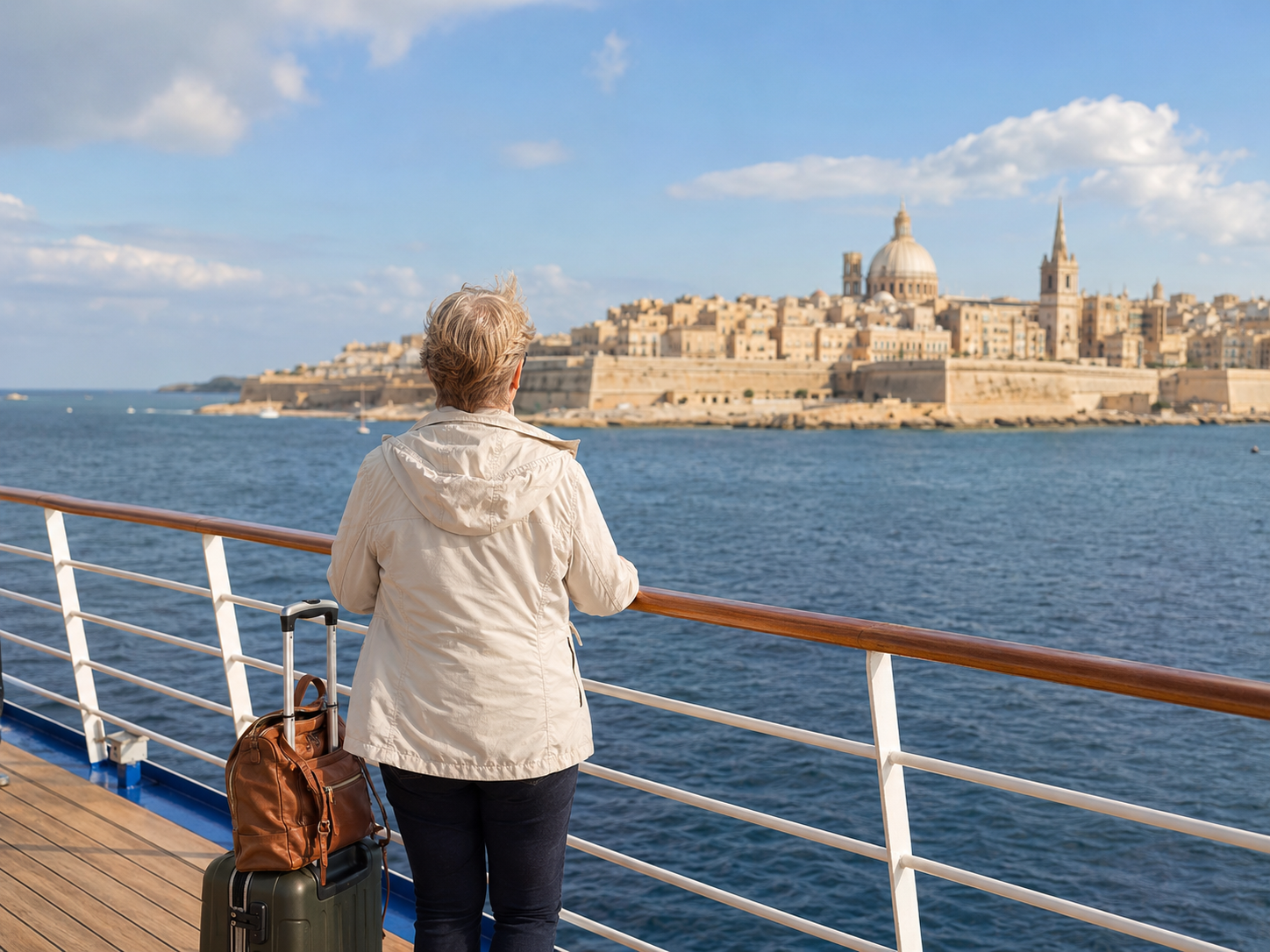
Getting a good repositioning cruise is mostly about timing and flexibility, and a few habits make the difference. The sweet spot for booking is usually three to six months before departure, which gives you the real choice of cabins while the pricing is already low, and it is the window most experienced repositioning cruisers aim for. If you are willing to gamble on availability, the deepest discounts often appear in a clearance window around six to eight weeks out, when the lines cut the price on cabins still unsold, though by then the choice of ship and cabin is whatever is left.
Flexibility on dates and departure ports is the other lever, since the more open you are about exactly when and from where you sail, the better the fare you can catch. It helps to be relaxed about the cabin too, because an inside cabin is dramatically cheaper and you spend most of a crossing out in the ship’s public spaces anyway, so the windowless room matters less than it would on a port-heavy trip.
Book the one-way flight home early while you are at it, since leaving it late can quietly erase the saving the cruise handed you, and the whole plan works best when the crossing and the flight back are arranged as one thing rather than two. It is also worth signing up for the cruise lines’ own mailing lists and watching a good cruise-deal site or two. Repositioning fares are exactly the kind of sailing the lines promote hard when a crossing is filling slowly, and the alert that lands in your inbox is often how the real bargains get caught.
A Kinder Way Across the Water
If the flights are the thing standing between you and a life that touches both sides of the Atlantic, the repositioning cruise is worth knowing about, because it turns the crossing from an ordeal into a highlight. For a fare that often undercuts the plane ticket, you get two weeks of rest, food, and open ocean, arriving on the far shore unhurried and unfrazzled instead of wrung out by a red-eye, which for an older traveler is no small thing. It asks only for time and a love of the sea, and it gives back a crossing that feels like the start of the holiday rather than the tax you pay to reach it.
So if your year already leans toward Europe in the warm months and home in the cold ones, look at the spring and autumn sailings and let the ocean carry you between your two lives at the pace it was always meant to be crossed. The cruise lines have to move those ships anyway, and there is a real quiet pleasure in going along for the ride, fed and housed and rocked gently across the water, for less than it would cost just to fly.
Cruise fares are a moving target, so treat every price here as a recent snapshot rather than a quote, since repositioning fares shift with the season, the ship, and how close to sailing you book, and the smart move is always to check the current fares and add the flight home before you decide.

About the Author: Ruben, co-founder of Gamintraveler.com since 2014, is a seasoned traveler from Spain who has explored over 100 countries since 2009. Known for his extensive travel adventures across South America, Europe, the US, Australia, New Zealand, Asia, and Africa, Ruben combines his passion for adventurous yet sustainable living with his love for cycling, highlighted by his remarkable 5-month bicycle journey from Spain to Norway. He currently resides in Spain, where he continues sharing his travel experiences with his partner, Rachel, and their son, Han.