
Every summer, the marketing machine points in one direction. The brochures, the deals, the images of crowded golden beaches all funnel travelers toward July and August, the months when prices peak and the coasts of Europe fill with visitors shoulder to shoulder. And then September arrives, the tourists thin out, and something quietly remarkable happens across the Mediterranean and beyond: the places come back to themselves. The summer crowds recede, the local rhythm returns, and in many towns the residents finally take their own vacations. This is the second season, the shoulder season of early autumn, and it is one of the best-kept secrets in European travel precisely because almost no one markets it.
The reason this second season goes so unadvertised is simple: the tourism industry makes its money in summer, so summer is what it sells. The quieter, cheaper, arguably lovelier weeks that follow are left largely undiscovered by the marketing, known instead to experienced travelers and, above all, to the locals themselves, who understand perfectly well that their own corner of the world is at its best once the summer visitors have gone home. There is a whole travel season hiding in plain sight, and its greatest endorsement is that the people who live there choose it for themselves. That endorsement deserves a moment’s thought, because it is rare and valuable. In most consumer choices, the insiders and the marketing point the same way, but here they diverge sharply. The industry sells you July, while the residents quietly wait for September, and when the people with the deepest knowledge of a place systematically prefer a different time than the one being advertised to you, that gap is worth noticing. It is a signal hiding underneath all the summer promotion, pointing at a season the promotion has every reason to keep quiet about.
Here is what the second season really is, why September sees Europe’s locals reclaim their own towns and take their own holidays, what makes this shoulder season so rewarding for travelers, and the honest caveats worth knowing. This is a look at a seasonal pattern rather than a guarantee, and every place and year differs, but understanding why early autumn is when Europe returns to itself can quietly transform how and when you choose to visit.
The Season the Brochures Skip
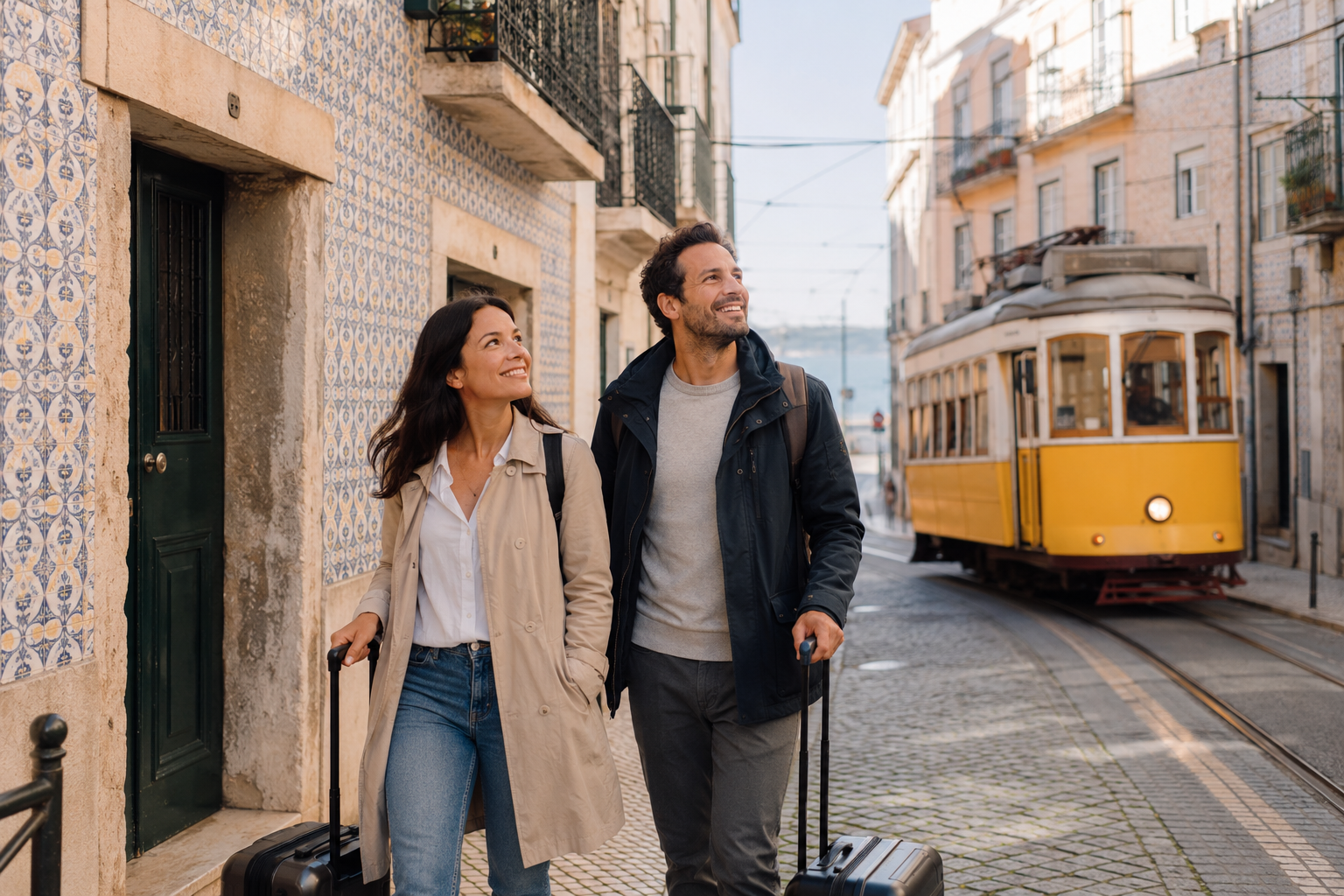
To understand the second season, you first have to see how completely the travel industry fixates on the first one, because that fixation is exactly why the autumn window stays so quiet. Summer is the product that gets sold, and everything else lives in its shadow.
The marketing logic is straightforward. Because July and August draw the largest crowds and highest prices, the industry concentrates its promotion there, filling brochures and screens with high summer, so the shoulder months of September and October receive comparatively little attention despite often being more pleasant, and most casual travelers never think to consider them. The season that makes the most money is the season that gets advertised, and the quieter one is simply left off the poster. There is nothing sinister in this, merely the ordinary economics of tourism doing what it always does. A business fills its highest-capacity, highest-price weeks first and shouts loudest about them, and the softer shoulder weeks become an afterthought in the marketing even when they offer a better experience. The upshot for the traveler is a curious opportunity: a distinctly superior season that goes underpromoted not because it is worse, but because it is simply less profitable to fill, which leaves it pleasantly uncrowded for those who seek it out.
Yet that neglected window is a real and distinct season in its own right. Across the Mediterranean and much of Europe, the weeks of roughly September into October form a genuine shoulder season, with warm weather lingering, the sea often at its warmest of the year, and the frantic summer atmosphere giving way to something calmer, so it offers much of what people love about summer without the peak-season crush. It is not a lesser version of summer but a different and in many ways better one, hidden only because no one is selling it.
When the Town Comes Back to Itself
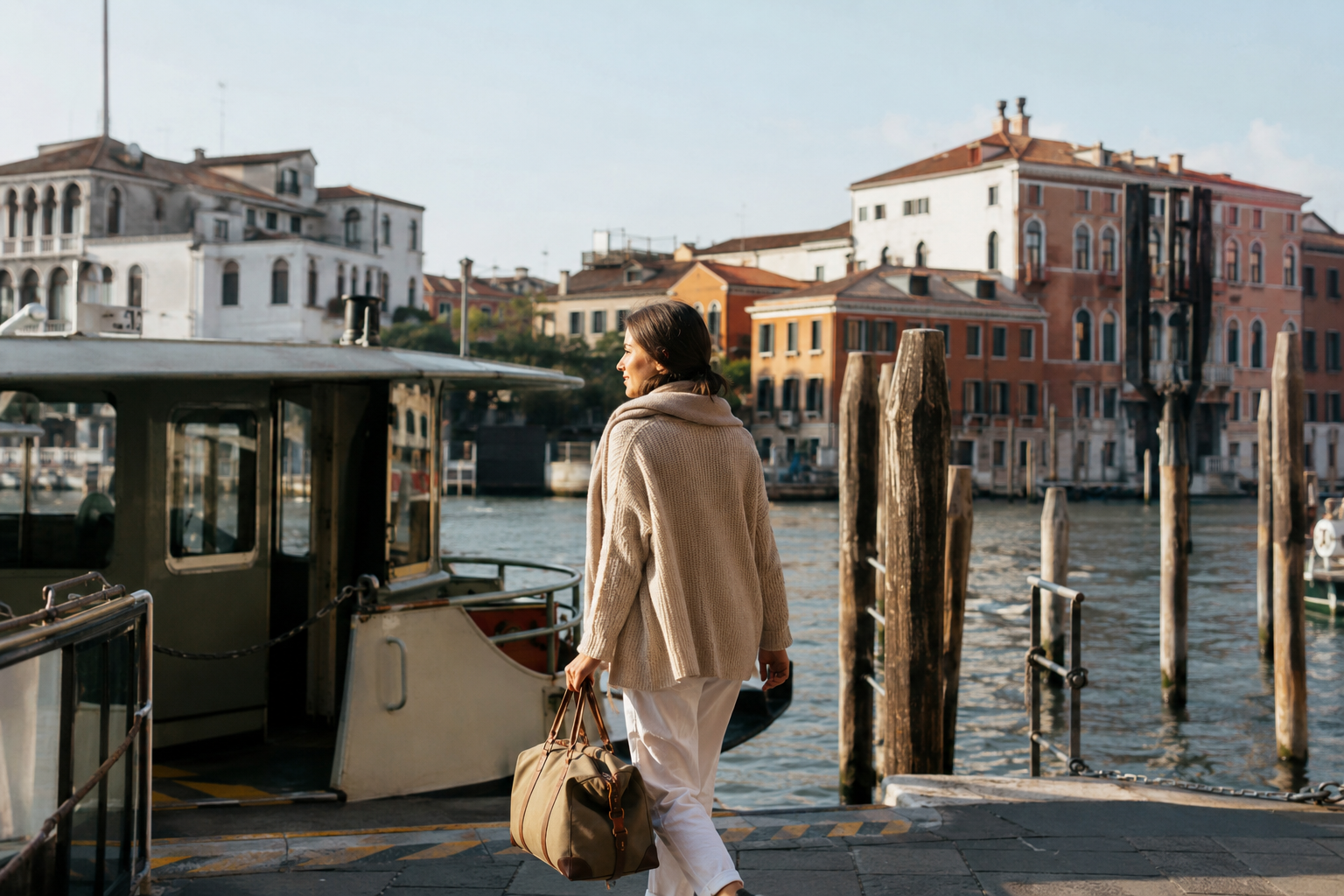
The most striking thing about the second season is not just that the tourists leave, but what happens to a place once they do, because a heavily visited town in September is a wholly different place from the same town in August. It exhales, and returns to being itself.
The transformation is real and visible. Once the summer crowds depart, many Mediterranean towns pivot back toward their own local life and traditions, with the economy shifting from beaches and visitors toward agriculture, harvest and community, so the place stops performing for outsiders and resumes being a real community. The shops and restaurants that spent the summer catering to tourists start catering to neighbors again, and the whole atmosphere changes character.
This is what experienced travelers prize most about the season. Visiting in early autumn means seeing a place closer to how it truly lives rather than in its swollen summer costume, with a more balanced and authentic cultural energy, so you glimpse something truer than the peak-season version ever shows. The town in September is not staged for you, which is exactly what makes it worth seeing. There is a particular pleasure in catching a place off its guard, going about its ordinary business rather than performing for an audience. In August, a famous coastal town can feel like a theme-park version of itself, every cafe and shopfront tuned to the expectations of visitors. In September that pressure eases, the performance drops, and you get to see the town as its own residents experience it, which for many travelers is precisely the thing they were hoping to find and so rarely do in peak season.
Why the Locals Take Their Own Holidays
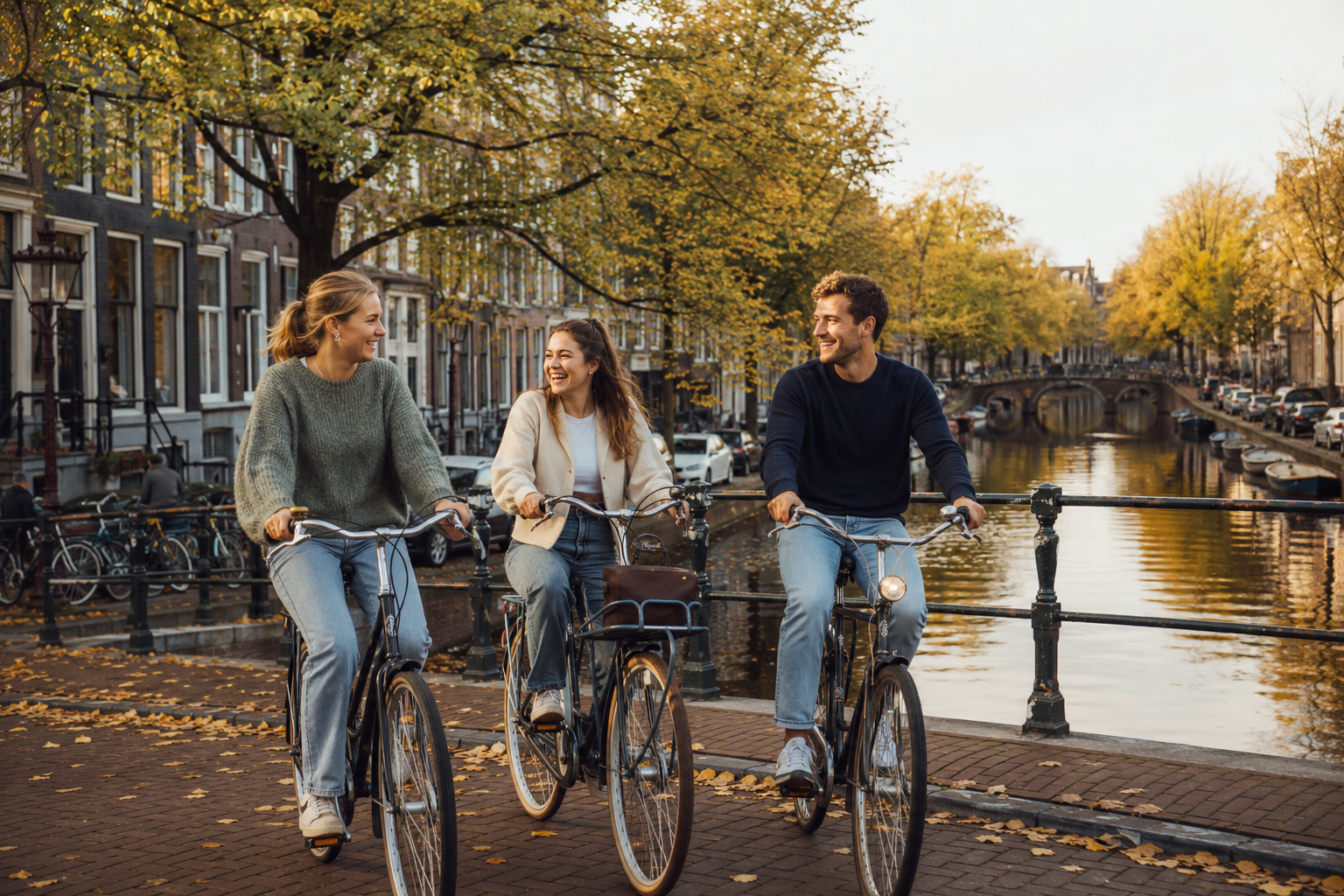
Here is the detail that says the most about the second season, and that gives this piece its title: September is often when the locals themselves take their vacations. Understanding why reveals a great deal about how these places really work.
The summer leaves locals little choice. During the peak months, residents of tourist towns are frequently either working intensely to serve visitors or avoiding the crowds and heat, so summer is not really their own season to enjoy, but a period to get through. For many who live in tourist destinations, high summer is the busiest and least restful stretch of the year. This is easy to forget from the visitor’s side, where summer feels like pure leisure. But for the waiter, the shopkeeper, the hotel worker, and everyone whose livelihood depends on the season, those same weeks are relentless, and the idea of relaxing among the very crowds they are serving is faintly absurd. Their holiday, naturally, comes afterward, when the pressure lifts and their own town becomes livable and enjoyable again, which is exactly the moment the clued-in traveler wants to be there too.
September releases them. Once the visitors thin out, the pressure lifts, and many locals in tourist-heavy places finally take their own holidays or simply reclaim the enjoyment of where they live, so the shoulder season is, in a real sense, the residents’ season, the time they choose for themselves once the tourist obligation has passed. When the people who know a place best wait until September to enjoy it, that is worth paying attention to, because they are voting with their own precious vacation time. A recommendation costs nothing to give, but a choice made with one’s own limited holiday is a far stronger signal. The locals are not telling you September is best. They are spending their own time proving it, arranging their year so that their rest and enjoyment fall in the shoulder season rather than the peak. That kind of revealed preference, backed by real knowledge and real stakes, is about as reliable a travel tip as exists, and it is available to anyone paying attention.
What Travelers Gain From the Second Season
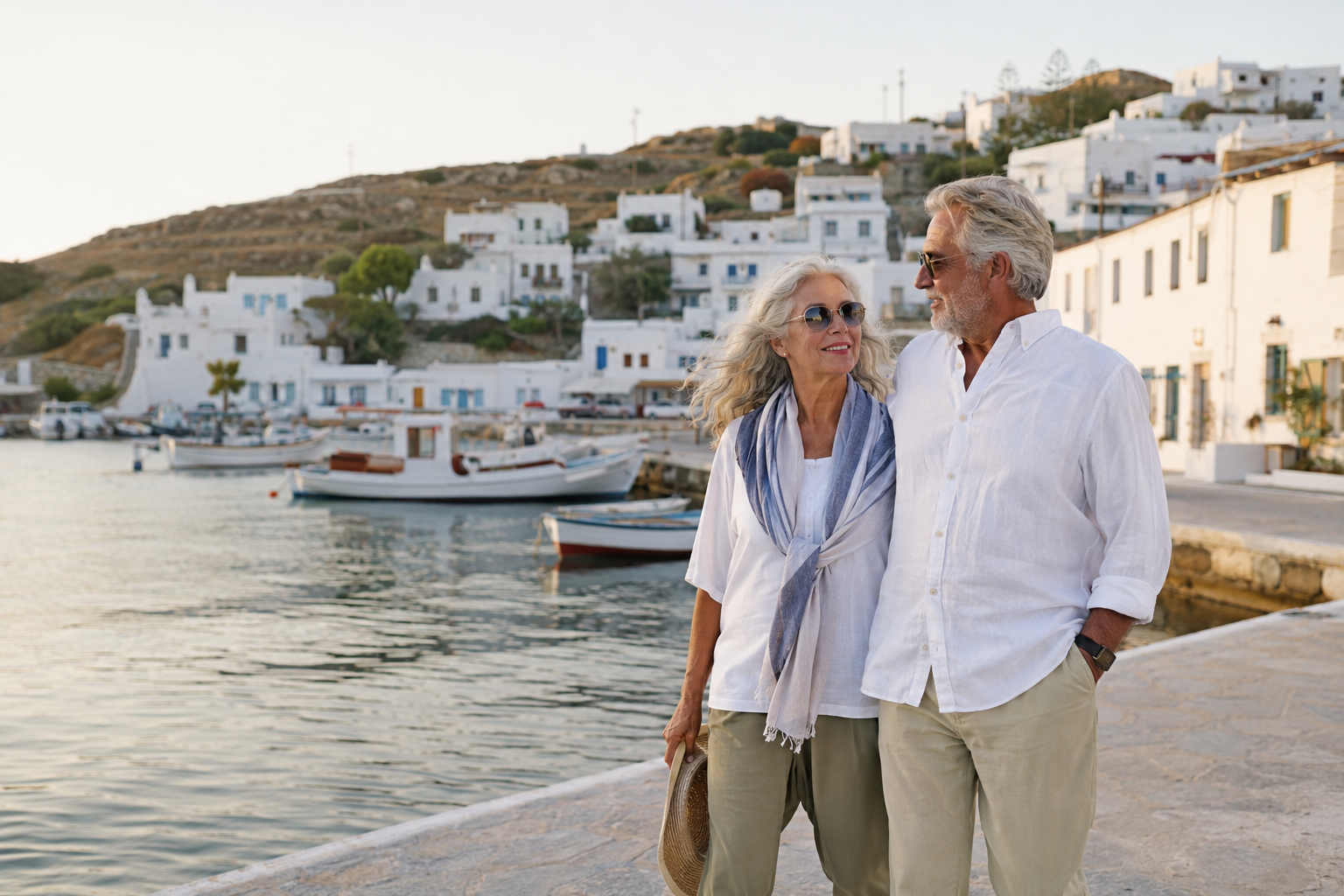
For the traveler willing to follow the locals’ lead, the second season offers a whole cluster of concrete rewards beyond mere authenticity, and they are worth spelling out. This is not just a nicer feeling but a genuinely better trip in measurable ways.
The practical gains are substantial. Traveling in the shoulder season generally means noticeably lower prices on flights and accommodation, often a fair bit cheaper than peak summer, along with far thinner crowds at the major sights, shorter queues, tables available without a battle, and a warm sea for swimming well into the autumn, so you get more for your money and more room to enjoy it. The famous attractions that sell out and overflow in August become approachable again in September.
Then there is what the season itself brings. Early autumn is harvest time, bringing grape and olive harvests, food and wine festivals, and seasonal local celebrations that summer simply does not offer, so the traveler gains access to a whole calendar of authentic events rooted in the real life of the place. You trade the manufactured buzz of summer for the genuine rhythms of the local year, which is a very good trade. These festivals are not tourist inventions but the real seasonal life of the community, the moments the place marks for its own sake, and being present for one of them is a different order of experience from watching a summer spectacle staged largely for visitors.
The Sea, the Light, and the Table
Beyond the crowds and the prices, there is a sensory case for the second season that summer travelers rarely appreciate, because early autumn changes the physical experience of a place in ways that are almost all improvements. The elements themselves seem to cooperate.
Start with the sea, which is at its best now. Counterintuitively, the Mediterranean is often warmest not in June but in September and October, because the water has spent the whole summer absorbing heat and releases it slowly, so a shoulder-season swimmer frequently finds the sea more inviting than the early-summer bather ever did. The beaches, meanwhile, have emptied of their August multitudes, leaving long stretches of warm sand to the few who know to come.
The air and the light follow suit. The punishing heat of high summer softens into something gentler and more walkable, the fierce midday sun mellows, and the low autumn light lends a golden quality that photographers prize, so simply moving through a place becomes more pleasant. And at the table, the shift is just as welcome, with the harvest filling markets and menus with the freshest produce of the year and restaurants no longer so overwhelmed that a good meal requires a battle for a seat. The whole sensory register of a trip improves at once. A place you might have found merely tolerable in the sweat and press of August can reveal itself as quietly beautiful once the heat breaks and the crowds disperse, as though the town had been holding its breath all summer and finally exhaled. Travelers who have only ever seen a famous destination in high season are often astonished by how much more they enjoy it a few weeks later, when the same streets and views arrive without the discomfort that summer wrapped around them.
The Honest Caveats
Now for the necessary honesty, because the second season is a strong tendency rather than an ironclad rule, and pretending otherwise would set you up for disappointment. The pattern holds broadly across much of Europe, but it bends and varies in ways worth understanding before you plan around it.
Timing and place both matter. Exactly when the shoulder season begins and ends shifts from region to region, with some southern coasts stay lively later while northern places wind down sooner, and the precise character of any given September depends on the year’s weather, so you cannot assume the pattern will play out identically everywhere. The further north you go, the earlier the quiet arrives, and a cool, wet autumn can differ from a golden one.
There are trade-offs, too. As the season turns, some seasonal businesses in beach towns begin to close for the winter, a few ferry and transport schedules thin out, and the weather, while often lovely, is less reliably hot than midsummer, so the second season asks for a little more flexibility in exchange for its rewards. It is a wonderful window, but a shifting one, and the traveler who plans with that in mind, checking local conditions rather than assuming, gets the best of it.
Following the Locals’ Lead
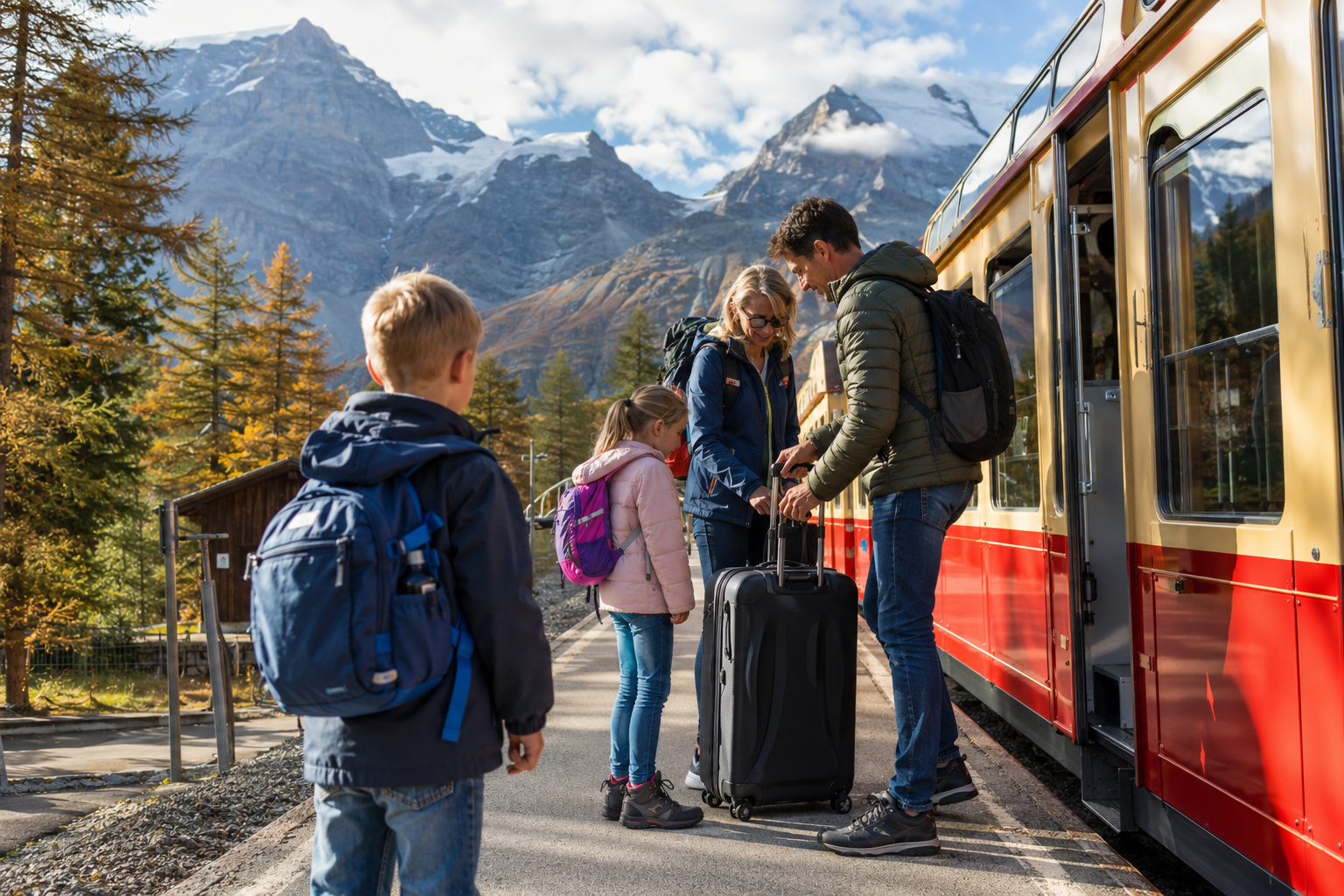
The lasting insight of the second season is that the people who know a place best enjoy it not in the marketed peak but in the quiet weeks that follow, when their town returns to itself and becomes, once again, a real community rather than a stage. That the locals choose September for their own holidays is the strongest possible hint about when a place is truly at its best.
What makes this worth knowing is how much it can improve your own travels for so little effort, simply by shifting when you go. By choosing the second season over the crowded, costly peak, you tend to find lower prices, thinner crowds, warmer seas, and a truer experience of the place, all of it available to anyone willing to look past the summer the brochures keep selling. The best season is often the one nobody is advertising.
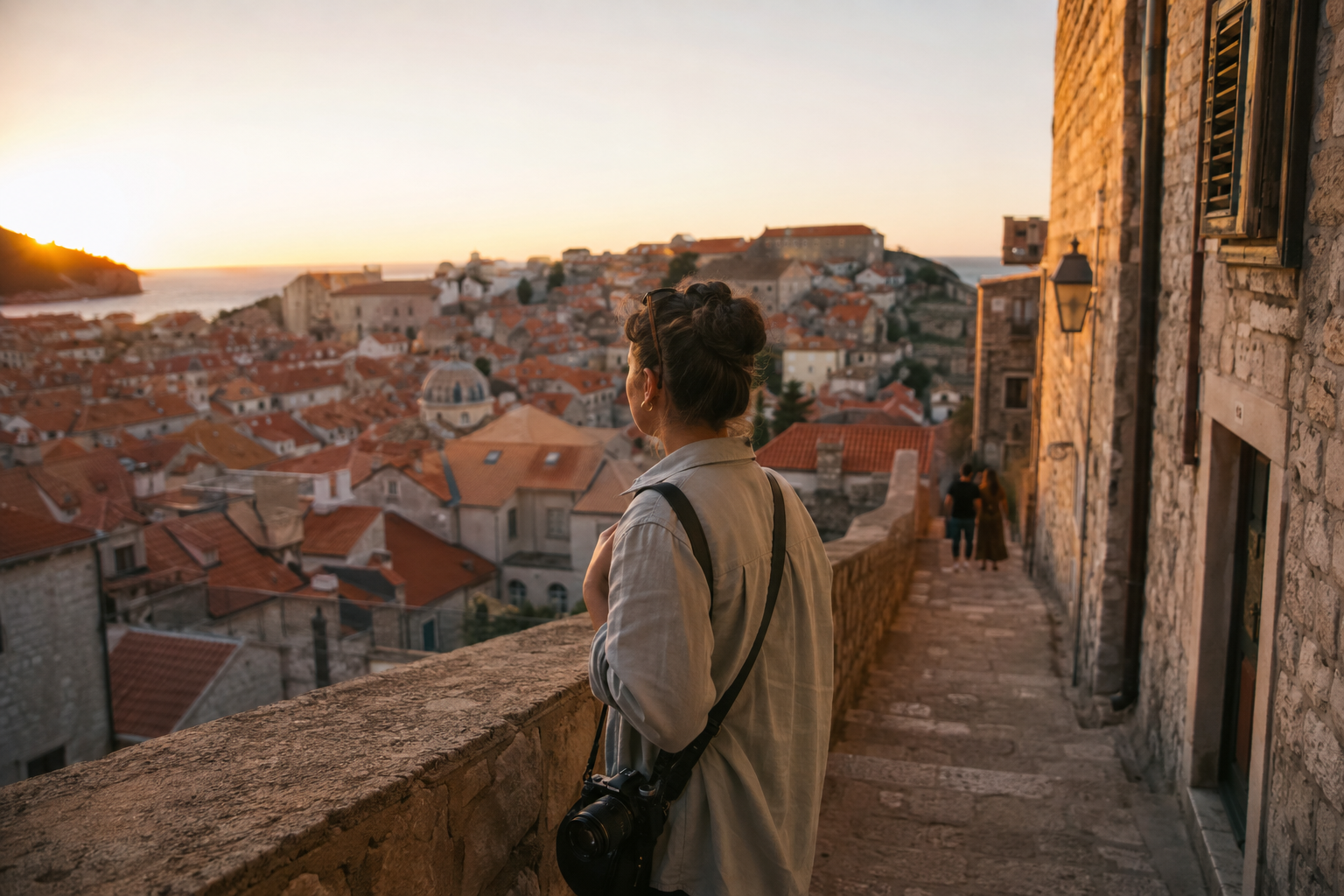
So the next time you dream of a European trip and instinctively picture the height of summer, consider waiting a few weeks and traveling in the second season instead. Let the crowds go home, let the town come back to itself, and arrive when the locals do, in the golden, unhurried weeks of early autumn when the sea is still warm and the place is finally, quietly its own again. You will be following the surest guides there are, the people who live there, to the season they have always known was best.

About the Author: Ruben, co-founder of Gamintraveler.com since 2014, is a seasoned traveler from Spain who has explored over 100 countries since 2009. Known for his extensive travel adventures across South America, Europe, the US, Australia, New Zealand, Asia, and Africa, Ruben combines his passion for adventurous yet sustainable living with his love for cycling, highlighted by his remarkable 5-month bicycle journey from Spain to Norway. He currently resides in Spain, where he continues sharing his travel experiences with his partner, Rachel, and their son, Han.