
I have eaten deli meat my whole life without a second thought, the sliced ham and turkey of a thousand quick sandwiches eaten standing at the counter, until I read about a decision France made that stopped me, quite literally, mid-bite one afternoon. France, a nation that reveres its charcuterie perhaps more than any other, had looked hard at the additives that go into cured and processed meats and concluded they needed to act, moving to reduce the nitrites in its beloved hams and sausages after its own health agency confirmed a link to cancer. If France, of all places, was willing to touch its sacred cold cuts over this, I figured the very least I could do was take notice and look into why. So I cut American deli meat out of my diet entirely for forty-five days, and set out to understand what exactly had spooked the famously meat-loving French.
What I found was more nuanced than a simple scare story, and more interesting for it. The concern about nitrites in processed meat is real and backed by serious science, but it is also more measured than the alarming headlines suggest, tangled up with genuine tradeoffs about food safety and preservation that make the whole issue less black and white than avoid this poison. My forty-five days without deli meat became less an act of fear than an education in how a thoughtful food culture weighs a real but modest risk, and in how to make a more informed choice at the deli counter.
Here is what France did and why, what nitrites are and what the science says about them, what my forty-five days without deli meat were like, and how to think about processed meat in a reasonable, non-alarmist way. This is a personal account and a look at the evidence rather than medical advice, and I am not a doctor, but the story of what France concluded about its own charcuterie is worth knowing before you build your next sandwich.
What France Actually Did
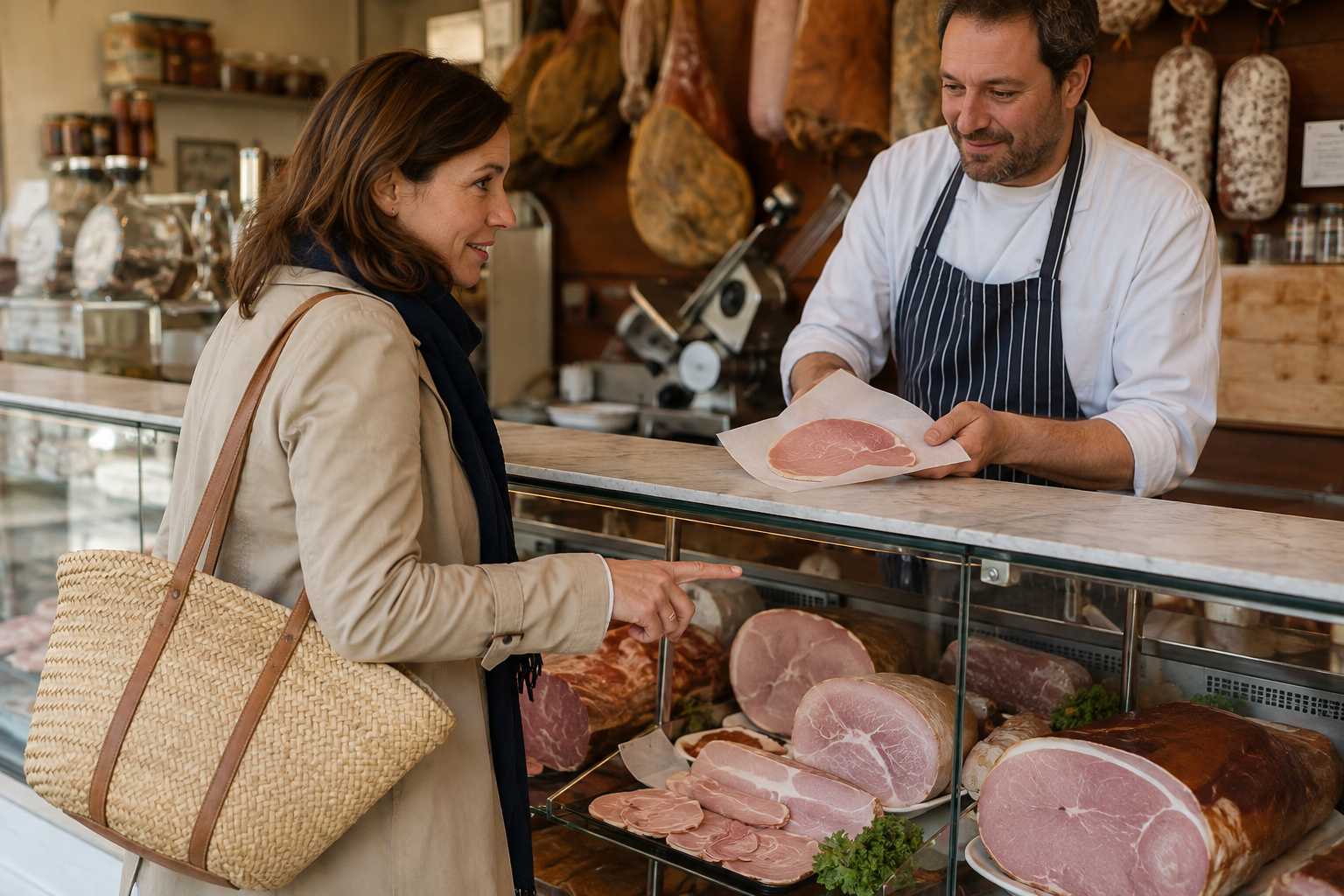
The story that started my experiment is real, and worth telling accurately rather than in its exaggerated form. France’s national health and food-safety agency, known as ANSES, examined the evidence on nitrites and nitrates in processed meat and, in a 2022 report, confirmed a positive association between these additives in processed meat and colorectal cancer, prompting the French government to act.
The action France took is important to state precisely. Rather than banning nitrites outright, which was considered and ultimately set aside under pressure from the charcuterie industry and questions about food safety, France moved to reduce the permitted levels of nitrites in cured and processed meats, cutting the authorized doses and committing to lower them where possible, a meaningful tightening rather than an all-out prohibition. The distinction matters, because the accurate version of the story is a reduction, not a ban.
The reasoning behind even this measured step is what caught my attention. This was France, a country whose identity is bound up with its charcuterie, its hams and saucissons and pâtés, deciding the evidence was strong enough to tighten the rules on its most cherished foods, which is a bit like a country famous for its wine deciding to rein in a beloved vintage. When a culture that passionate about cured meat concludes it needs to act, the underlying concern is worth taking seriously. There is something clarifying about the source of the warning. It is easy to dismiss health scares that come from people who never liked the food in the first place, but this was not that. This was a country that builds meals, holidays and regional pride around cured pork, a place where the local charcuterie is a point of honor, looking squarely at the evidence and deciding it could not simply look away. That France acted despite every cultural incentive to ignore the problem is precisely what made me stop and read.
What Nitrites Are and Why They’re There

To understand the concern, you have to understand what nitrites are doing in your deli meat in the first place, because they are not there by accident or malice but for real and largely good reasons. Nitrites, along with related nitrates, are added to cured and processed meats as preservatives, and they perform several truly useful jobs that explain why the industry relies on them so heavily.
Their functions are worth appreciating fairly. Nitrites help preserve processed meats and extend their shelf life, they give cured meats their characteristic pink color rather than the grey of cooked meat, they contribute a particular flavor associated with ham and bacon, and, most importantly, they powerfully inhibit dangerous bacteria, including the one that causes botulism, a rare but deadly form of food poisoning. That last function is a real food-safety benefit, not a trivial one. Botulism is worth pausing on, because it is the reason this is not a simple story. Before modern curing, spoiled preserved meat could and did kill people, and nitrites are a large part of why that danger has receded so far from memory that most of us have never given it a thought. To strip them out entirely, without a careful replacement, would trade a modest long-term risk for a small but genuine short-term one, which is exactly the kind of tradeoff that makes food regulation hard and makes glib answers untrustworthy.
This is what makes the issue truly complicated rather than a simple villain story. Nitrites are not a pointless additive slipped in to cut corners, but a preservative that does important safety work, which is exactly why banning them outright is more fraught than it sounds, and why even cautious France chose reduction over prohibition. Any fair account has to hold both truths at once, that nitrites carry a health concern and also serve a real protective purpose.
What the Science Says
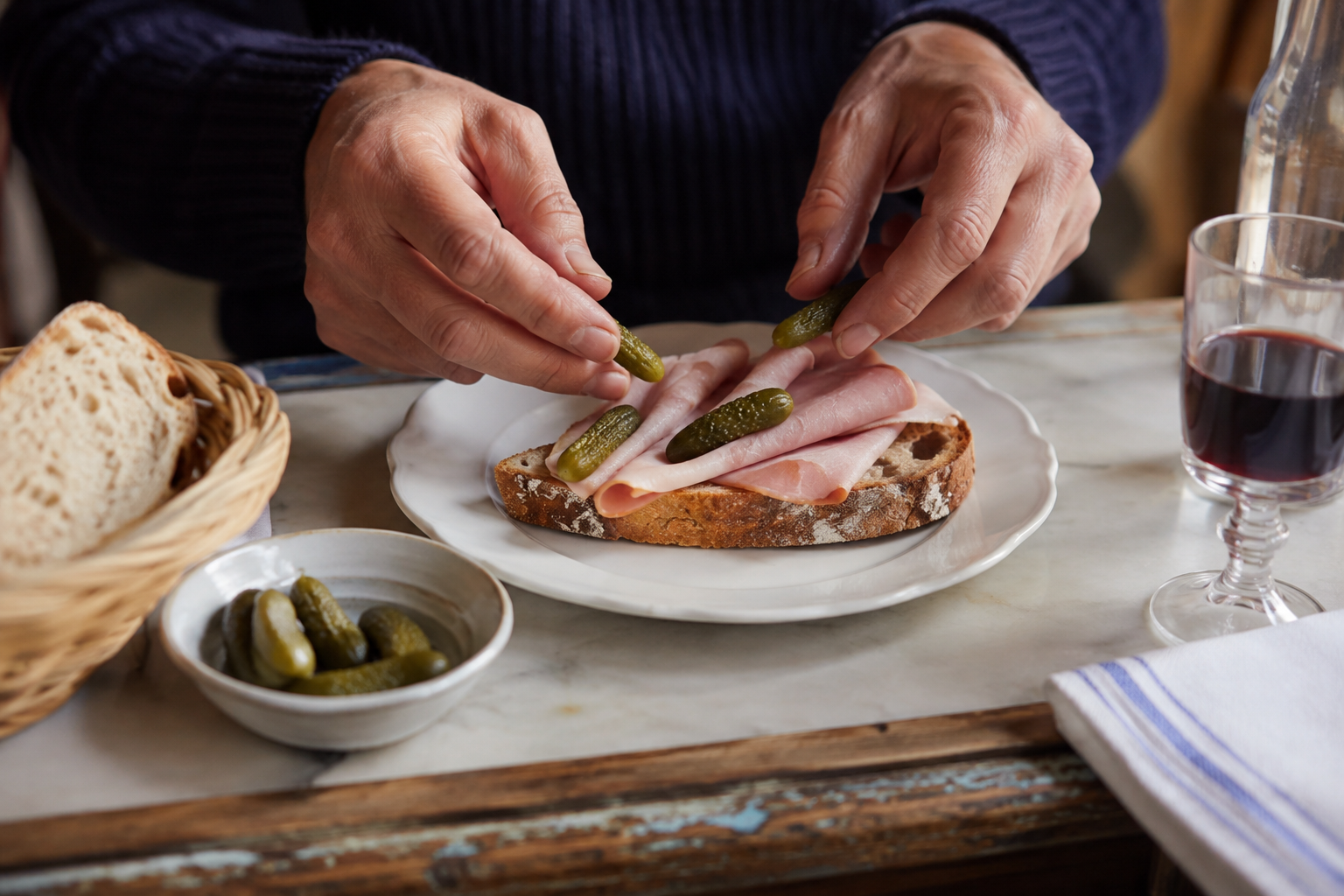
The health concern that drove France to act rests on a substantial and credible body of science, which is worth laying out plainly and without exaggeration. The core finding, established by major health bodies, is that processed meat is linked to an increased risk of colorectal cancer, a conclusion serious enough that the World Health Organization classifies processed meat as a cause of cancer.
The mechanism points substantially at these additives. When nitrites are present in processed meat, they can contribute to the formation of compounds thought to be carcinogenic, which is a major part of why processed meats specifically, as opposed to plain fresh meat, carry the cancer association that health agencies have identified. The nitrites are not the only factor, but they are a significant part of the story linking processed meat to cancer risk.
Here, though, perspective on the size of the risk is essential. The increase in colorectal cancer risk associated with regular processed-meat consumption is real but relatively modest in absolute terms, meaning that eating some deli meat does not doom anyone, and the concern is chiefly about regular, substantial consumption over time, not the occasional sandwich, which is why the guidance tends to be about limiting processed meat rather than treating a single serving as dangerous. The risk is genuine, but it is a matter of degree and habit, not an on-off switch.
My Forty-Five Days

Cutting deli meat for forty-five days was easier in some ways than I expected and more revealing in others, starting with the simple discovery of how much of it I had been eating without noticing. Deli meat had been my automatic default for lunch, the unthinking filling of sandwich after sandwich, and only in removing it did I see how large a role this one category of food had quietly played in my diet. It is strange how a food can become invisible through sheer habit, present at nearly every lunch yet never truly chosen.
Finding alternatives turned out to be straightforward and even enjoyable. In place of sliced deli meats, I leaned on other things entirely, roasted or grilled fresh chicken and other freshly cooked meats I prepared myself, along with eggs, cheese, fish, beans and the countless sandwich and lunch options that do not depend on processed cold cuts, and I rarely felt deprived. The absence of deli meat pushed me toward foods I cooked myself, which was its own small benefit.
As for how I felt, I will be plain and undramatic. I did not experience some dramatic physical transformation over forty-five days, and I did not expect to, because the concern with processed meat is about long-term cancer risk rather than immediate effects you would feel day to day, so the point was never a quick change in how I felt. What I gained was not a physical revelation but a shift in default, having proved to myself that I did not truly need deli meat and could eat happily without leaning on it. That shift in default is subtler than a health transformation but, I suspect, more valuable over a lifetime. A habit that runs automatically, like reaching for sliced ham every day, exerts its influence precisely by never being questioned, and simply interrupting it for forty-five days broke its hold. I no longer reach for deli meat without thinking, and that small reclaiming of a choice is the real thing the experiment gave me.
The Honest Middle Ground
By the end, my conclusion was neither the alarmed one nor the dismissive one, but a measured middle that I think matches the evidence, and it is worth stating clearly against the extremes. Processed meat carries a real, scientifically supported cancer risk that justifies treating it as an occasional food rather than a daily staple, but that risk is modest enough that an occasional sandwich is not worth genuine fear.
This middle ground is where the science points. The credible guidance is not that deli meat is poison to be feared and never touched, nor that the concern is overblown and can be ignored, but that processed meat is best consumed in moderation, a sometimes food rather than an everyday default, which is a calm and reasonable position that takes the real risk seriously without tipping into panic. Moderation, that unglamorous word, is the real answer here.
France’s own approach models this balance nicely. A country that loves its charcuterie did not ban it or declare it poison, but moved to reduce the concerning additive while continuing to enjoy the food, which is exactly the sort of measured response that fits a real but modest risk, and it is a more mature reaction than either banning cold cuts outright or waving away the science. Taking a risk seriously and keeping it in proportion are not opposites, and France managed both.
How to Choose at the Counter

For anyone who, having read this, would like to be a bit more thoughtful about processed meat without giving it up entirely, there are practical and easy ways to do that. The simplest is moderation, treating deli meat and other processed meats as an occasional choice rather than a daily habit, which by itself addresses the bulk of the concern, since the risk is tied to regular, substantial consumption.
There are also better choices within the category. A growing number of products are now marketed as made without added nitrites, and while the picture there is a little more complicated than it appears, since some use natural sources like celery powder that still introduce nitrites, they represent a genuine effort to address the concern and are worth looking for. Choosing freshly cooked meats over processed ones is another simple step, as roasting a chicken or cooking a piece of meat yourself sidesteps the whole issue.
The broadest lesson is about pattern rather than any single purchase. What matters most for the processed-meat concern is the overall shape of how you eat, whether these foods are an everyday foundation or an occasional pleasure, so rather than agonizing over individual choices, the useful move is to shift processed meat from the center of your diet toward the edges. That single change does more than any careful label-reading, and it is easy to sustain.
The Sandwich, Reconsidered
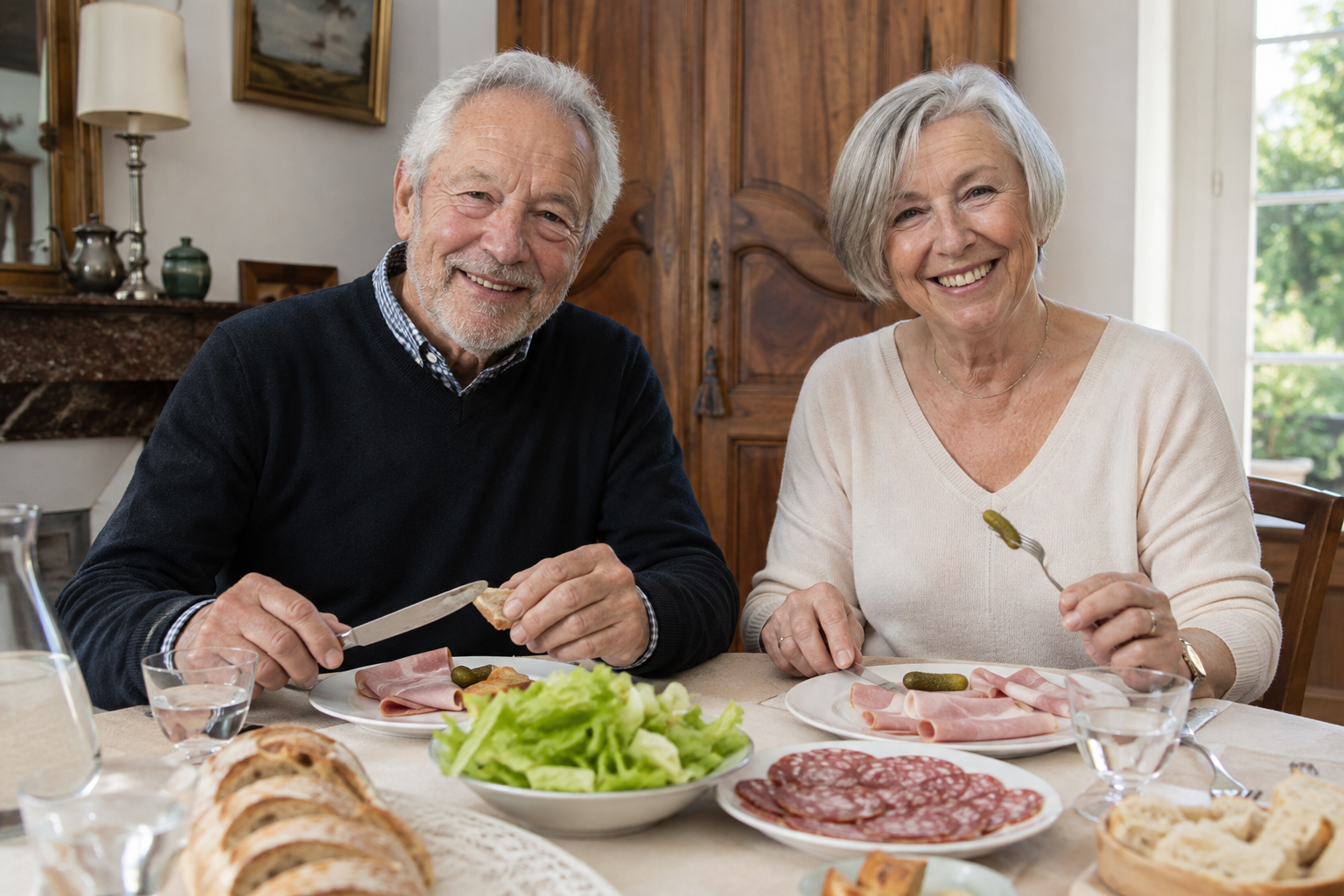
The lasting lesson of my forty-five days is that a decision made in France about its national charcuterie turned out to be a sensible prompt for rethinking a food I had eaten thoughtlessly my whole life. France’s move to reduce nitrites, driven by a confirmed cancer link but stopping short of a ban, is a model of taking a real risk seriously without losing perspective, and my own experiment led me to the same measured place.
What I take from it is not fear but a recalibration. Deli meat is not poison, and an occasional sandwich is nothing to agonize over, but processed meat does carry a real, well-established cancer association that makes it a food worth enjoying in moderation rather than leaning on every day, and having spent forty-five days without it, I know now that shifting it toward the edges of my diet costs me very little. That is the whole of what I concluded, and it is neither alarmist nor dismissive.
So if the story of what France did to its cherished charcuterie gives you pause the next time you are at the deli counter, let it prompt not panic but a small, reasonable adjustment. Enjoy the occasional good sandwich without guilt, lean on freshly cooked meats and other fillings more often, keep processed meat toward the edges rather than the center of how you eat, and you will have taken the real science seriously while still enjoying your food. That, in the end, is exactly what the French did: they looked at their most beloved food, took the science seriously, and chose balance over both denial and panic.

About the Author: Ruben, co-founder of Gamintraveler.com since 2014, is a seasoned traveler from Spain who has explored over 100 countries since 2009. Known for his extensive travel adventures across South America, Europe, the US, Australia, New Zealand, Asia, and Africa, Ruben combines his passion for adventurous yet sustainable living with his love for cycling, highlighted by his remarkable 5-month bicycle journey from Spain to Norway. He currently resides in Spain, where he continues sharing his travel experiences with his partner, Rachel, and their son, Han.