
One of the first practical questions anyone weighing a move to Spain asks is also one of the hardest to get a straight answer to, which is simply what the utilities cost. What will it really run, month after month, to keep the lights on, the water flowing and the home warm or cool, across a full Spanish year? The glossy relocation guides tend to wave vaguely at low figures, but the truth is more specific and more useful than that, a real pattern of bills that rises and falls with the seasons in ways worth understanding before you arrive. Knowing the actual shape of a Spanish year of utility bills is one of the most practical pieces of budgeting knowledge a newcomer can have.
The good news, established up front, is that utilities in Spain are generally affordable by the standards of northern Europe or North America, helped enormously by the mild Mediterranean climate that keeps heating needs low across much of the country. But the figures move with the seasons, spiking in the air-conditioned summer and the heated winter and dropping in the gentle spring and autumn, and they vary by region, home size and household, so a single average tells you less than the full twelve-month pattern does. Understanding that pattern is what lets you budget realistically.
Here is what electricity, water and gas really cost in a Spanish home across a full year, laid out as realistic representative ranges rather than any single household’s exact bills, since real costs depend heavily on your specific home, region and habits. This is general budgeting information rather than a precise quote, and your own bills will vary, but these figures reflect what a typical Spanish home really pays through the seasons, and they give you a far clearer picture than the vague averages usually offered.
How Spanish Utilities Work
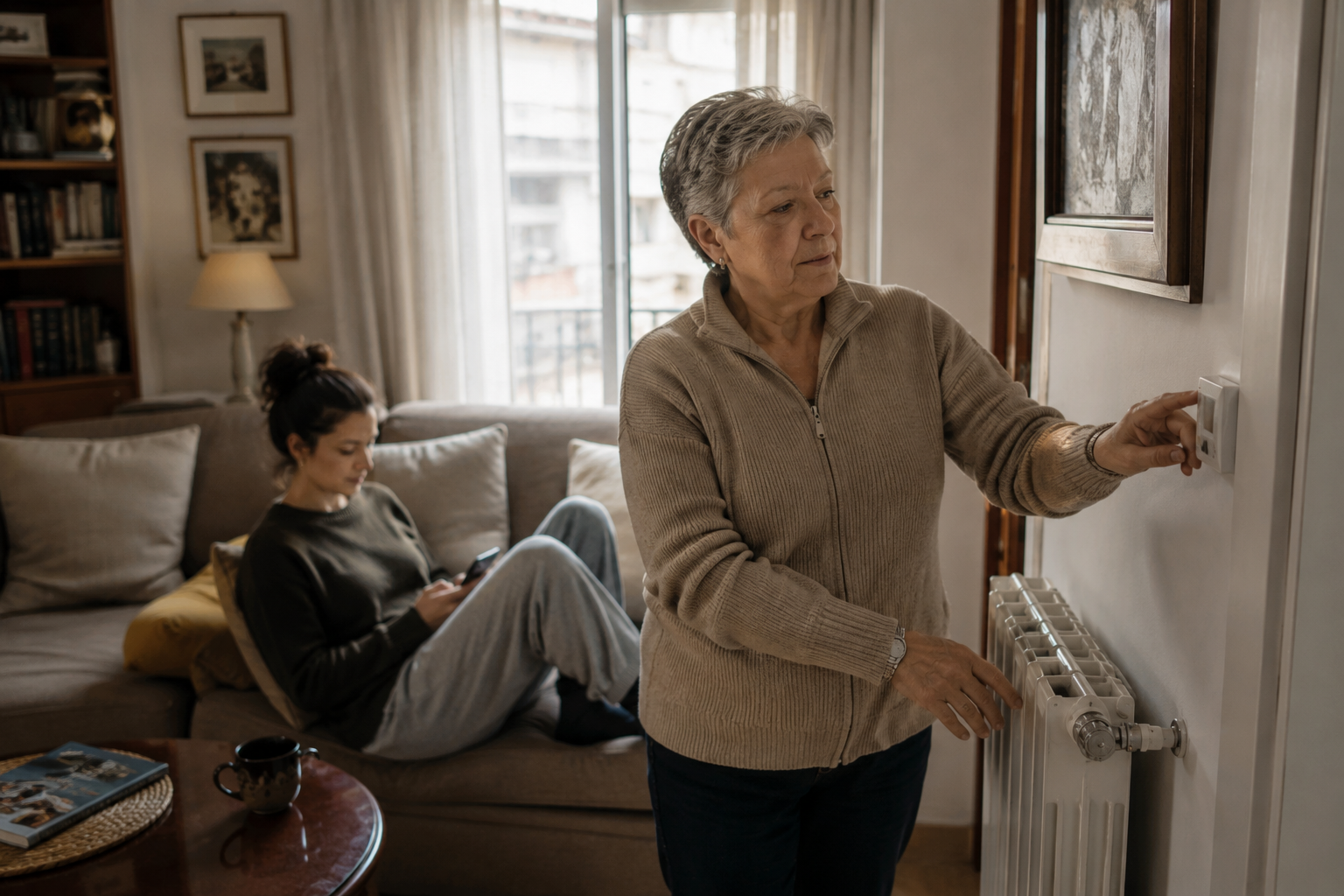
Before the numbers, it helps to understand how utilities are structured in Spain, because the system differs from what many newcomers expect and shapes what you pay. In Spain you almost always contract directly with the utility providers in your own name, rather than paying an all-inclusive rent that bundles everything together, so electricity, water and often gas each arrive as separate bills paid by direct debit from your Spanish bank account.
This direct-contract arrangement has real consequences for budgeting. Because each utility is its own contract and bill, you have direct control over and responsibility for each one, and the bills arrive on their own schedules, with electricity billed monthly, water often every two months by the municipal supplier, and gas varying by type and provider. The upside is full control over your costs, and the downside is that you must set up and manage each account yourself, usually needing your NIE and bank details to do so.
The bills themselves have a particular structure worth knowing. A Spanish utility bill generally combines a fixed standing charge with a variable charge based on what you use, plus taxes, so you pay something every month even with low usage, and the electricity bill in particular includes a fixed cost for your contracted power level, the potencia contratada, which is worth setting correctly since paying for more power than you need wastes money every single month. Understanding this structure is the first step to controlling the bills. It is worth pausing on the potencia contratada in particular, because it is the classic newcomer overspend. This is the maximum amount of power your home can draw at once, and you pay a fixed monthly fee for whatever level you contract, whether or not you use it, so a home contracted for far more power than it needs is quietly bleeding money every month. Checking and, if possible, lowering it is one of the easiest savings available.
Electricity, the Biggest Bill
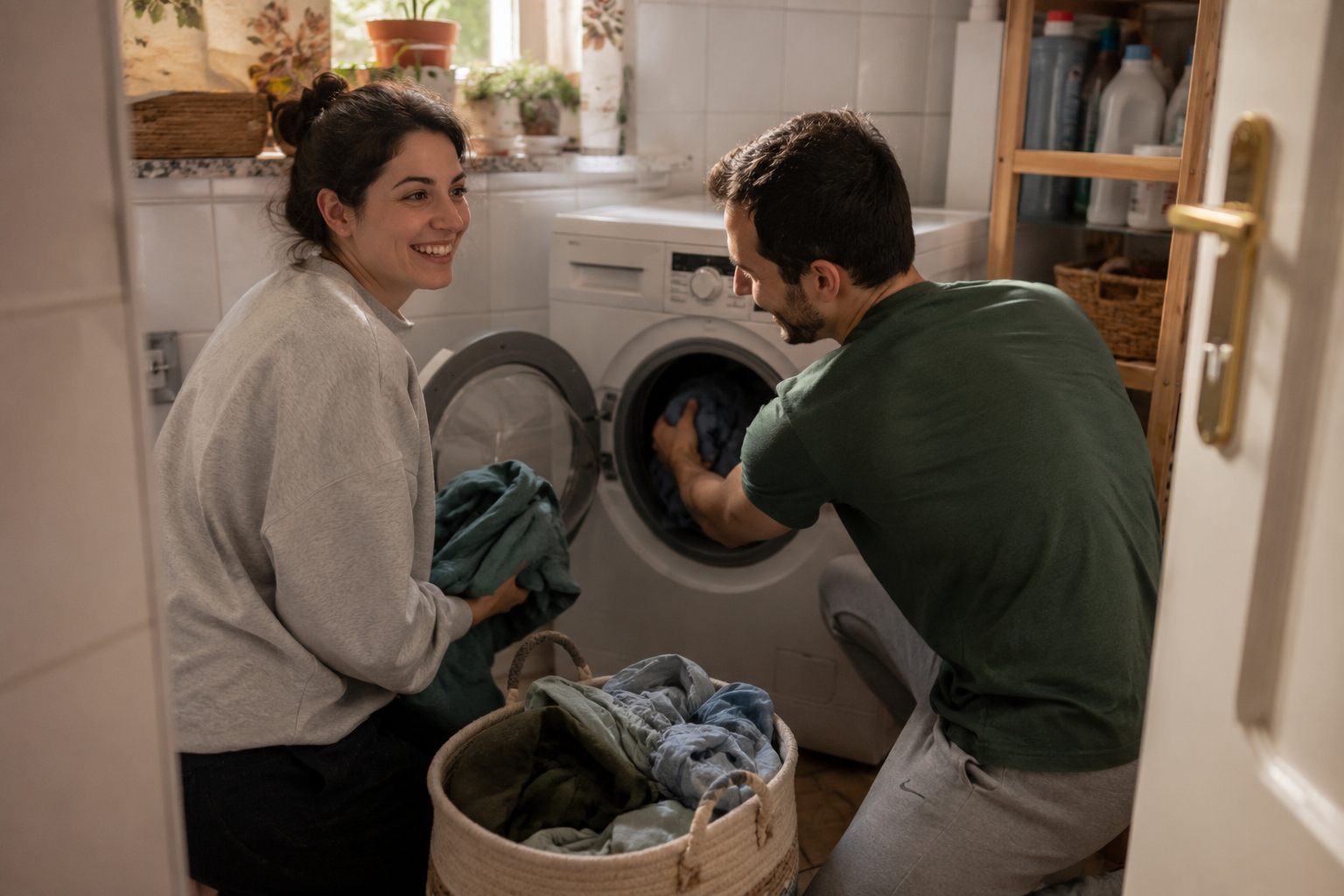
Electricity is almost always the largest of the utility bills in a Spanish home, and it is also the one that swings most dramatically with the seasons, so it deserves the closest attention. For a typical apartment across the milder months, the electricity bill commonly runs in the range of sixty to a hundred euros a month, with the average Spanish household landing around the middle of that range for much of the year.
The bill is built from a few components. Your electricity cost combines the fixed charge for your contracted power, the variable charge for the kilowatt-hours you consume, and taxes including the standard VAT, so both how much power you contract and how much electricity you use drive the total. Spanish electricity prices per unit are not especially high by European standards, but consumption habits, especially heavy air conditioning and electric heating, can push bills up sharply.
The seasonal swing is where electricity really moves. In the hot summer months, roughly June through September, air conditioning can drive the bill up substantially, often by forty to sixty percent over the mild-season figure, so a bill around seventy or eighty euros in spring can climb well past a hundred and twenty in the height of a southern Spanish summer. This summer air-conditioning spike is, for many homes, the single biggest utility cost of the year.
Water, the Modest and Regional Bill
Water is generally one of the cheaper and less dramatic utilities in Spain, a modest bill that nonetheless varies considerably by region, so it is easy to budget for once you know your local rates. Across most of Spain, the water bill tends to run in the range of fifteen to fifty euros a month, considerably less than many newcomers from northern Europe expect to pay.
The structure and billing of water have their own quirks. Water is supplied by the municipal or regional water company rather than a national market, is often billed every two months rather than monthly, and combines a fixed basic charge with a progressive consumption rate, so light basic use is cheap while heavier consumption costs progressively more. In some municipalities, the rubbish collection charge, the basura, appears on the same bill as the water, which can surprise a newcomer expecting water alone.
Regional variation is the defining feature of water costs. The price of water differs dramatically across Spain, being much more expensive in the dry south and southeast, where water is scarce and precious, than in the wetter north, so where you live matters enormously to your water bill. Summer raises water costs too, particularly for homes with gardens or pools, but for a typical apartment the water bill remains one of the smallest and steadiest of the household utilities.
Gas, and the Two Very Different Systems
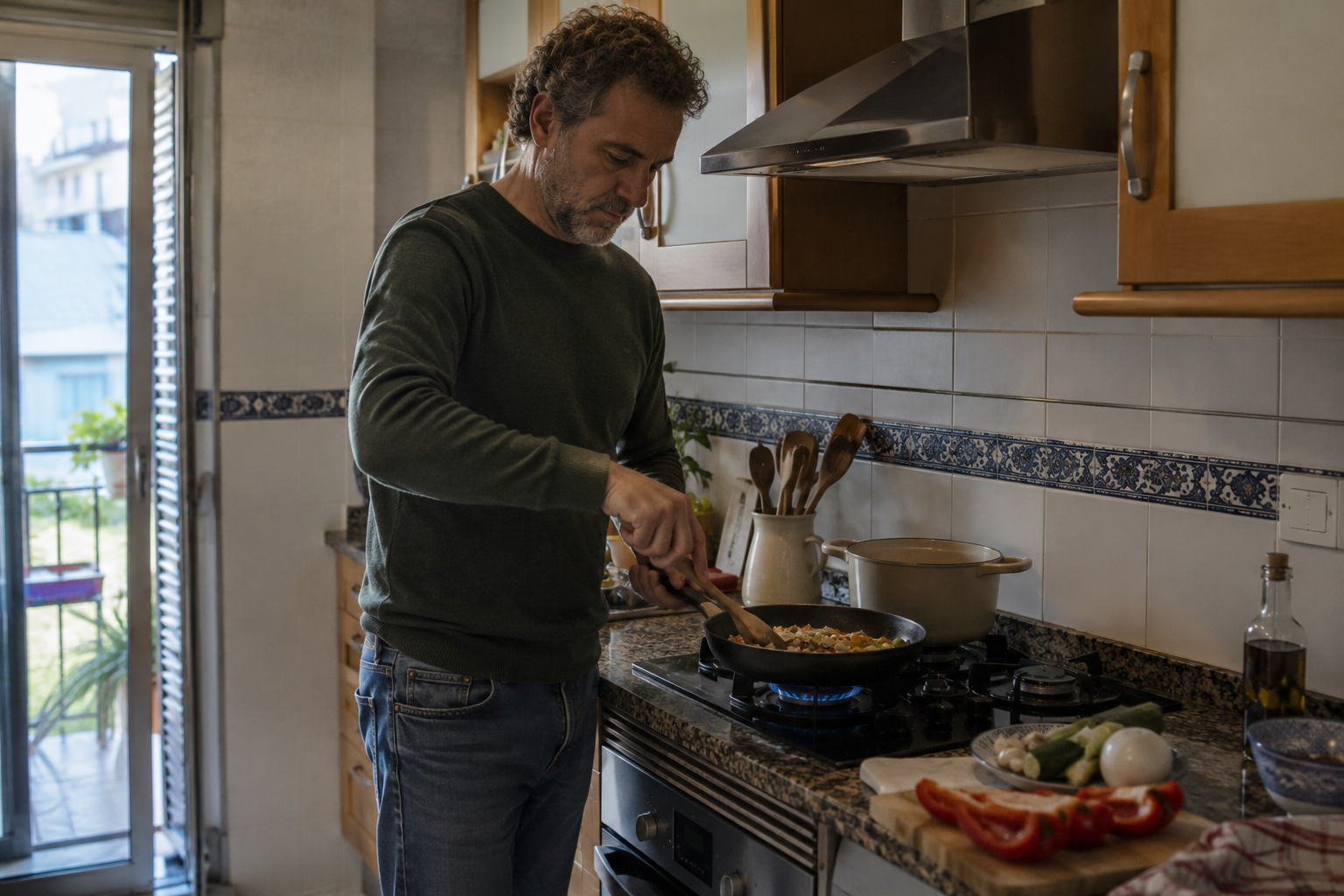
Gas is the most variable and confusing utility for newcomers, because Spain has two entirely different gas systems depending on your home, and which one you have transforms what you pay and how. Some Spanish homes have piped mains natural gas, while a great many others, lacking a mains connection, rely instead on the orange butane bottles delivered to the door, and the two work completely differently.
Piped natural gas works much like elsewhere. If your home has a mains gas connection, common in cities and newer buildings, you receive a monthly bill from a gas company combining a standing charge and consumption, and for a typical apartment this tends to run around thirty to sixty euros a month in winter when heating and hot water demand is high, dropping to perhaps fifteen to twenty-five euros in summer when only hot water is needed. This is the more predictable of the two systems.
The other system, used across much of Spain, is the butane bottle. Homes without mains gas use refillable orange butane cylinders, the bombona, bought at a government-regulated price and delivered or collected as needed, with each bottle costing a modest fixed amount and lasting anywhere from several weeks to a couple of months depending on whether you use gas only for cooking or also for heating water. This bottled-gas system is a distinctive feature of Spanish home life and deserves a fuller look of its own, but its basic cost is low and its rhythm is one of buying a fresh bottle every few weeks. Which of the two systems your home uses is worth establishing before you sign a lease or buy, because it changes the texture of daily life as well as the cost. A mains-gas home simply pays a monthly bill, while a bottled-gas home involves the small ongoing ritual of tracking how much gas is left and arranging a fresh bombona before the old one runs dry, ideally by keeping a spare on hand. Neither is expensive, but they feel quite different to live with.
The Shape of the Year
Putting the three together across a full year reveals a clear seasonal pattern, and understanding this shape is more useful than any single monthly figure. The Spanish utility year has two peaks and two troughs, with costs rising in summer and winter and falling in spring and autumn, so your annual budget should anticipate the swings rather than assuming a flat monthly figure.
The two shoulder seasons are the cheap ones. In spring and autumn, roughly the mild months when neither heavy air conditioning nor heating is needed, utility bills sit at their lowest, often twenty to thirty percent below the peak-season figures, so these are the months when a Spanish home is cheapest to run. For much of the year in Spain’s gentle climate, these comfortable low-cost conditions prevail, which is a large part of why utilities are affordable overall.
The two peaks come in summer and winter. The summer peak, driven by air conditioning especially in the hot south, and the winter peak, driven by heating especially in the cooler north and the elevated interior, are when bills climb, though which peak is higher depends entirely on where you live. A home in sweltering Andalusia may see its biggest bills in August, while a home in cooler, higher Madrid or the north may spend more in January, so your region determines the shape of your particular year.
What It All Adds Up To
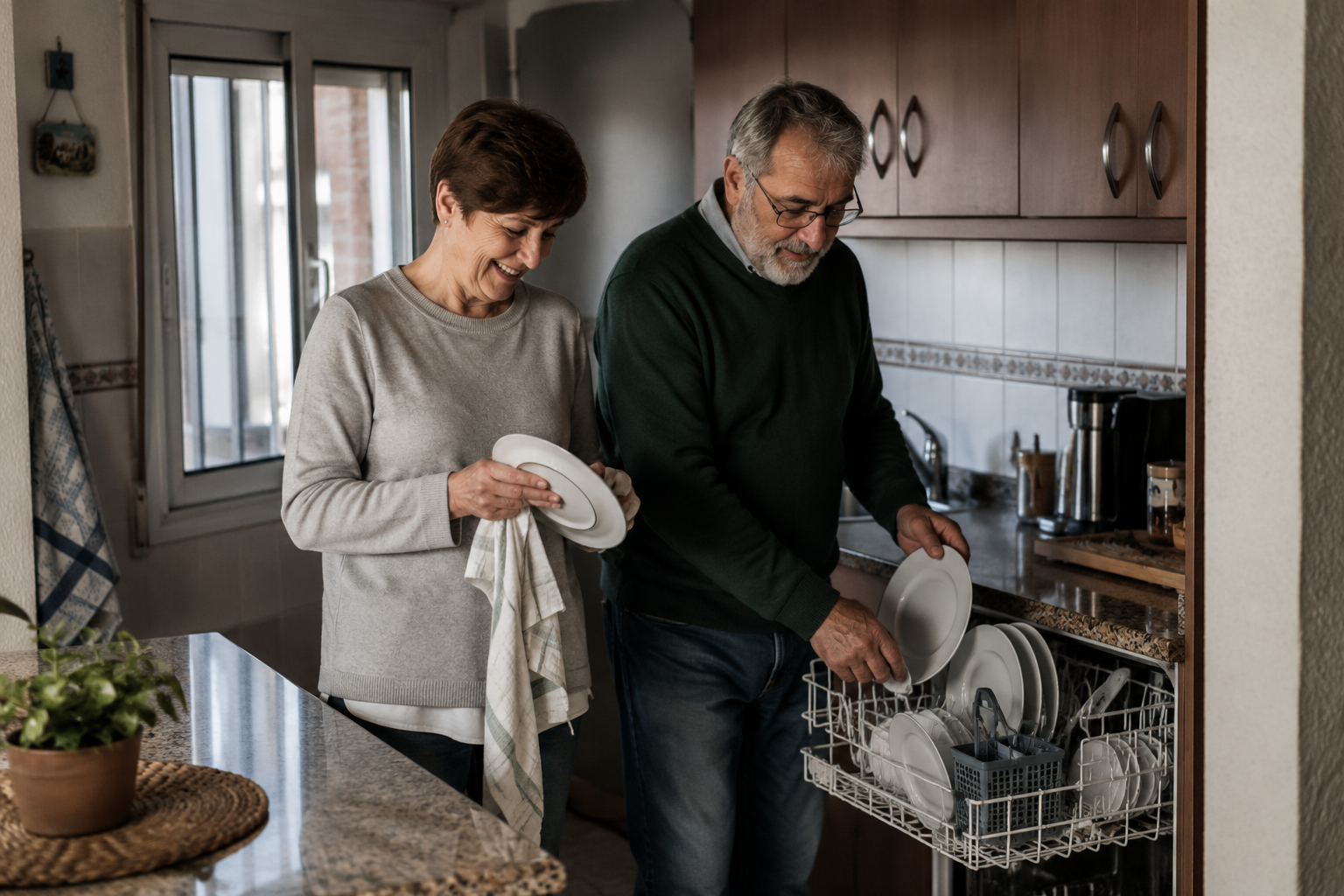
Combining everything into a realistic monthly picture, a typical Spanish apartment’s total utility bills, electricity, water and gas together, commonly run in the range of a hundred to a hundred and eighty euros a month across the year, depending on the season, the region, the size of the home and the household’s habits. This all-in figure is what most newcomers most want to know, and it is quite moderate by international standards.
The average, though, hides the seasonal spread that matters for budgeting. In the mild shoulder months the total may sit comfortably at the lower end, well under a hundred and fifty euros, while in the peak of summer or the depth of winter it can climb toward or past the upper end, so a wise budget plans for the expensive months rather than being caught out by them. Setting aside a consistent monthly amount that averages across the peaks and troughs is the sensible approach.
Several factors will push your own figure up or down within these ranges. The size of your home, the region you live in, the number of people in the household, how heavily you use air conditioning and heating, and whether you have energy-hungry extras like a pool all move the total, so your personal bills may sit anywhere across these ranges depending on your circumstances. The ranges are the map, and your own habits and home determine where on that map you land.
Keeping the Bills Down
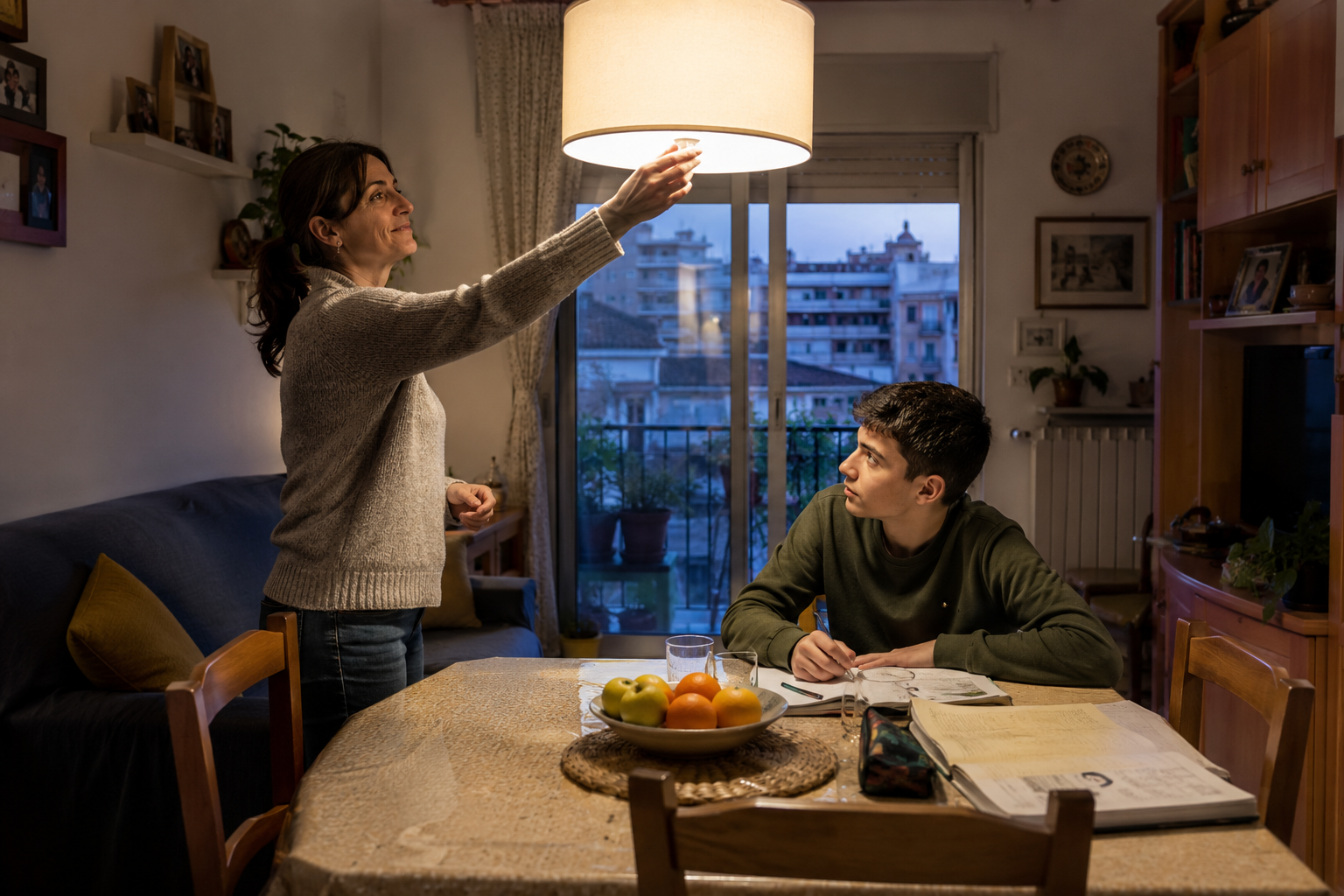
The good news is that a fair amount of the Spanish utility bill is within your control, and a few sensible steps keep the costs toward the lower end of these ranges. The most impactful single move is setting your contracted power, the potencia, correctly, since many homes pay every month for far more contracted power than they truly need, and reducing it to a level that truly suits your usage trims the fixed charge on every bill.
Consumption habits matter enormously, especially around the seasonal peaks. Using air conditioning and heating thoughtfully, taking advantage of Spain’s mild climate by relying on shade, ventilation and the sun rather than defaulting to power-hungry climate control, and choosing efficient appliances all reduce the consumption that drives the summer and winter spikes. Because those two peaks account for so much of the annual total, moderating them is where the real savings lie.
Choosing your providers and tariffs wisely helps too. The Spanish energy market offers a range of suppliers and tariffs, including time-of-use plans that charge less at certain hours, so comparing options and picking a tariff suited to your consumption pattern can meaningfully lower your electricity cost, as can bundling services or shifting heavy usage to cheaper hours. A little attention to these choices, made once, pays off on every bill thereafter.
Budgeting for a Spanish Year
The lasting value of understanding the twelve-month pattern is that it lets you budget for Spanish utilities realistically rather than being surprised by the swings. Utilities in a Spanish home are affordable overall but seasonal, moderate in the mild months and higher in the air-conditioned summer and heated winter, so a realistic budget accounts for both the comfortable troughs and the pricier peaks rather than assuming a single flat figure all year.
What makes this knowledge so useful is that it replaces vague reassurance with a concrete picture. Rather than being told simply that Spanish utilities are cheap, you now have the real shape of the year, the biggest bill being summer electricity in the hot regions or winter heating in the cool ones, water staying modest but regional, and gas depending entirely on whether you have mains or bottles, which is exactly what you need to plan your household finances with confidence. The specifics are far more empowering than the averages.
So as you plan a move to Spain or settle into a new home there, budget for the full pattern rather than a single number, setting aside enough to cover the peak months and enjoying the cheaper shoulder seasons when they come. Utilities in Spain are, on the whole, one of the pleasant financial surprises of the country, kept in check by the gentle climate and the reasonable prices, but they reward the person who understands their rhythm and manages them with a little care. Know the shape of the Spanish utility year, and you will never be caught out by a bill again.

About the Author: Ruben, co-founder of Gamintraveler.com since 2014, is a seasoned traveler from Spain who has explored over 100 countries since 2009. Known for his extensive travel adventures across South America, Europe, the US, Australia, New Zealand, Asia, and Africa, Ruben combines his passion for adventurous yet sustainable living with his love for cycling, highlighted by his remarkable 5-month bicycle journey from Spain to Norway. He currently resides in Spain, where he continues sharing his travel experiences with his partner, Rachel, and their son, Han.