
There is a bottle of sparkling wine sitting on Spanish shelves that is made by exactly the same painstaking method as Champagne, ages for months or years in cool stone cellars gathering the same toasty, biscuity complexity, and comes from vineyards an easy drive from Barcelona, yet costs a fraction of what a comparable Champagne would. It is called Cava, and it is one of the great values in the wine world, a seriously good sparkling wine that most Americans either overlook entirely or dismiss as cheap fizz. Understanding what Cava actually is turns it from an afterthought into one of the smartest bottles you can buy.
The story of Cava is the story of a wine that does everything Champagne does, in much the same way, for much less money, and the reasons it costs less have nothing to do with quality and everything to do with geography. Spain simply makes this wine more cheaply than France makes Champagne, and passes the savings to the drinker, so the person who learns to navigate Cava gains access to real bottle-aged sparkling complexity at prices that would be impossible in Champagne. It is, in short, one of wine’s best-kept open secrets.
Here is what Cava is, how it is made, why it costs so much less than Champagne, and how to choose and serve it so you get the most from it. This is a guide to understanding and enjoying the wine rather than anything technical, and once you grasp what Cava is and how to navigate it, you will find yourself reaching for it far more often, not as a compromise but as an excellent choice in its own right.
Made the Champagne Way
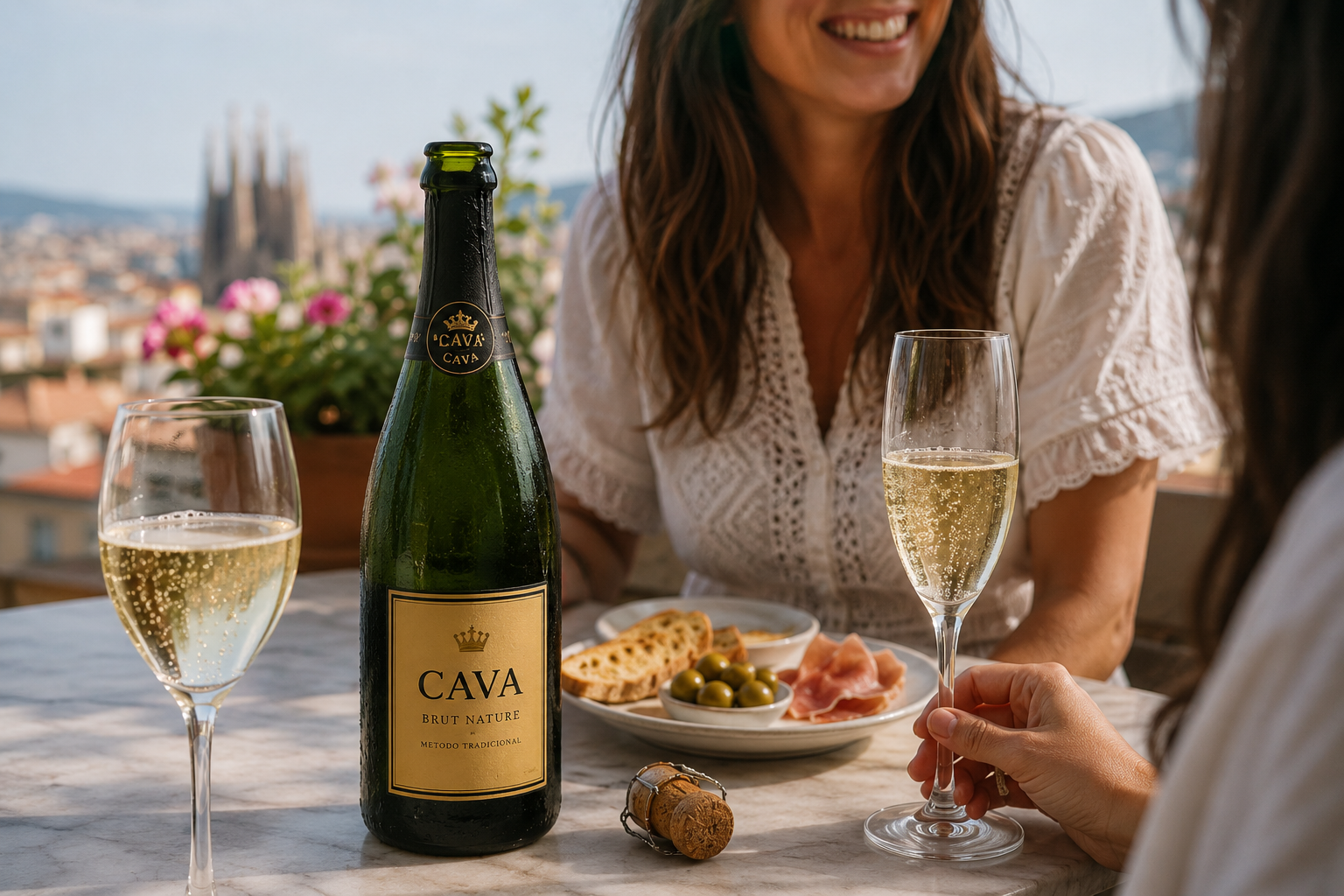
The single most important fact about Cava is that it is made by the traditional method, the very same labor-intensive process used to make Champagne, and this is what separates it from cheaper, simpler sparkling wines. In this method, the wine undergoes a second fermentation inside the bottle, which is what creates the fine, persistent bubbles and the complex character that define fine sparkling wine, exactly as Champagne is made.
The traditional method is what gives Cava its class. After the base wine is made, a little yeast and sugar are added and the bottle is sealed, so that a second fermentation happens right there in the glass, trapping the carbon dioxide as fine bubbles and leaving behind the spent yeast, the lees, with which the wine then rests. This bottle fermentation and lees aging is the slow, careful, expensive way to make sparkling wine, and it is the method behind both Champagne and Cava.
This is precisely what distinguishes Cava from something like Prosecco, which is made differently and more cheaply. Where Prosecco is fermented in large tanks and tends to be soft and simply fruity, Cava is fermented in the bottle like Champagne and develops the same kind of toasty, complex, biscuity depth, so if you want a wine that truly resembles Champagne in character, Cava is far and away the closer match. The method is the whole reason Cava can stand comparison with Champagne at all. It is worth pausing on how much work this method represents, because it is the hidden reason good sparkling wine costs what it does. Fermenting each bottle individually, aging it patiently on its lees for months or years, and then clearing the spent yeast from every bottle one at a time is slow and demanding labor, the opposite of the quick tank process behind cheaper fizz. When you drink a Cava, you are drinking the results of that same patient craft that Champagne is famous for.
Where It Comes From
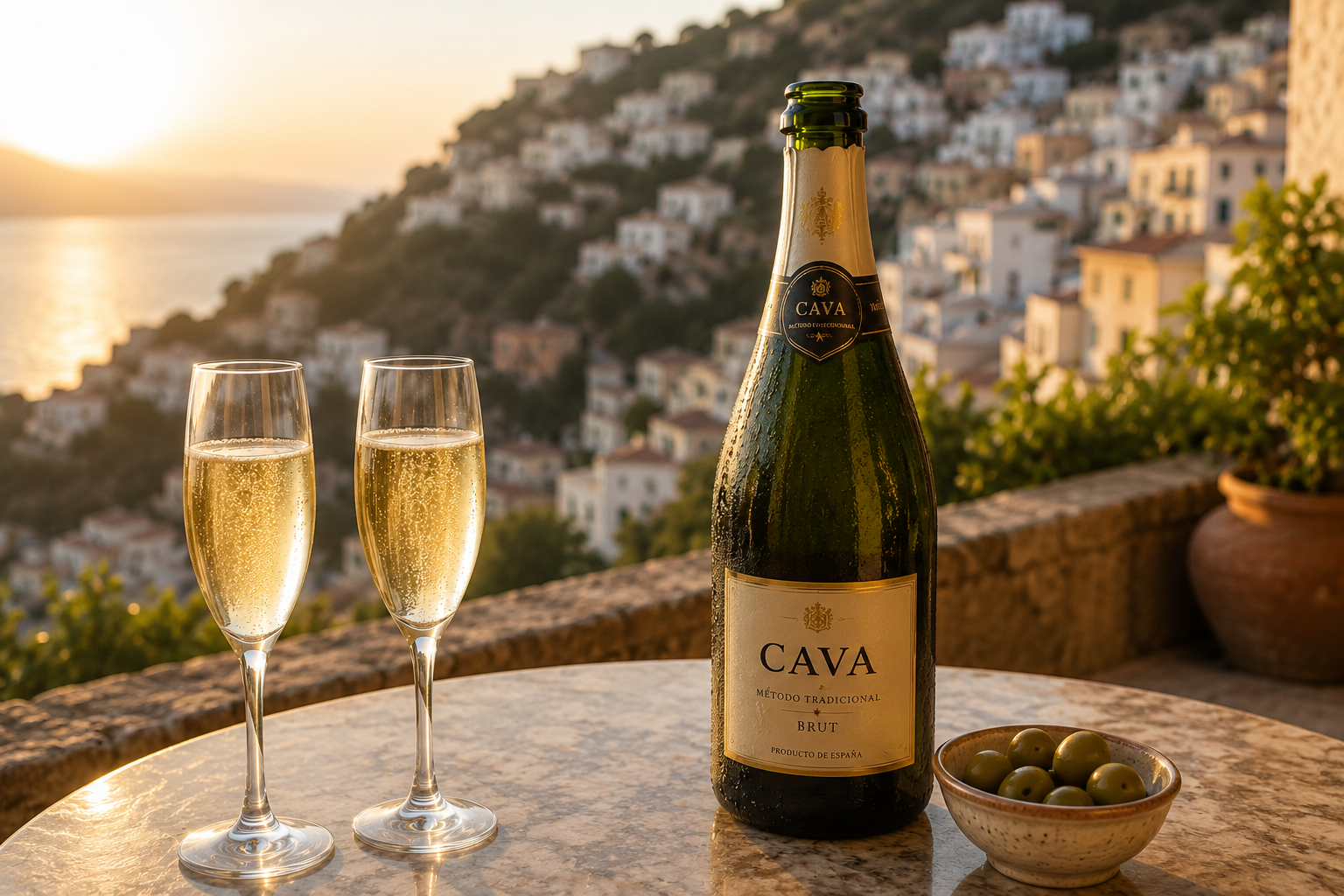
Cava is a Spanish wine with deep roots in one particular place, which is Catalonia, the region in Spain’s northeast around Barcelona. The overwhelming majority of Cava comes from Catalonia, and specifically from the Penedès area south of Barcelona, where the combination of climate, grapes and tradition gave birth to the wine and still produces the great bulk of it today.
The wine has a specific origin story worth knowing. Cava was created in the 1870s by a Catalan producer named Josep Raventós, having traveled to Champagne and seen how it was made, returned home and applied the same bottle-fermentation method to local Spanish grapes, launching a tradition that his family and others built into a major industry. The famous houses that dominate Cava today trace back to those nineteenth-century pioneers.
Even the name tells you something about the wine. The word cava means cellar in Catalan, referring to the cool underground cellars in which the wine ages and develops, so the wine is named not for a place or a grape but for the cellars where it matures, a nod to the patient aging at the heart of how it is made. That aging in cool cavas is where Cava gains its depth. The geography of the place shapes the wine as much as the method does. The Penedès sits in a warm Mediterranean climate, with vineyards rising from near the coast up into cooler hills, and this sunny but tempered setting ripens the native grapes reliably while preserving the acidity that good sparkling wine needs. It is a landscape well suited to the wine, which is part of why Cava took root here and flourished.
The Grapes That Make It Spanish
While the method comes from Champagne, the grapes are distinctly Spanish, and this is a large part of what gives Cava its own character rather than making it a mere imitation. The classic Cava blend is built on three native Spanish white grapes, Macabeo, Xarel·lo and Parellada, each contributing something different, and together they give traditional Cava a flavor that is related to Champagne but recognizably its own.
Each grape plays its part in the blend. Macabeo, the most widely planted, brings freshness and gentle floral and citrus notes and forms the backbone of most blends, Xarel·lo contributes structure, minerality and the zingy acidity that helps the wine age, and Parellada adds elegance, delicate aromatics and a smoothing balance, so the three together create a wine that is fresh, structured and refined. The distinctive, slightly earthy character that sets Cava apart from many Champagnes is often credited to the Xarel·lo.
The blend has broadened over time without losing its identity. Since the 1980s, the international grapes Chardonnay and Pinot Noir have also been permitted and are used in some Cavas, particularly the more prestigious bottlings, while the red grape Trepat is used for rosé Cava, so a modern Cava may lean traditional or incorporate these additions. Either way, the native trio remains the heart of what makes Cava taste like Cava.
Why It Costs So Much Less
Here is the question that matters most to the drinker, which is why a wine made exactly like Champagne costs so dramatically less, and the answer is reassuringly simple. Cava is cheaper than Champagne not because it is made more cheaply in any way that compromises quality, but because it is made in a place where land and labor cost far less, so the same careful method carries a much lower price.
The economics are entirely geographic. Vineyard land in Catalonia is far less expensive than the extraordinarily costly land of Champagne, labor costs are lower, and the native Spanish grapes do not carry the price premium of Champagne’s famous name, so every element of production costs less even though the method is identical. Some producers also use more mechanization in parts of the process, further lowering costs without lowering quality.
The result is a genuine bargain rather than a compromise. Because the savings come from geography and economics rather than from cutting corners in how the wine is made, Cava delivers real traditional-method quality, the same bottle fermentation, the same lees aging, the same complexity, at a fraction of the Champagne price, which is exactly what makes it such a smart buy. You are paying less for the place and the name, not for the wine.
How to Choose a Good Bottle
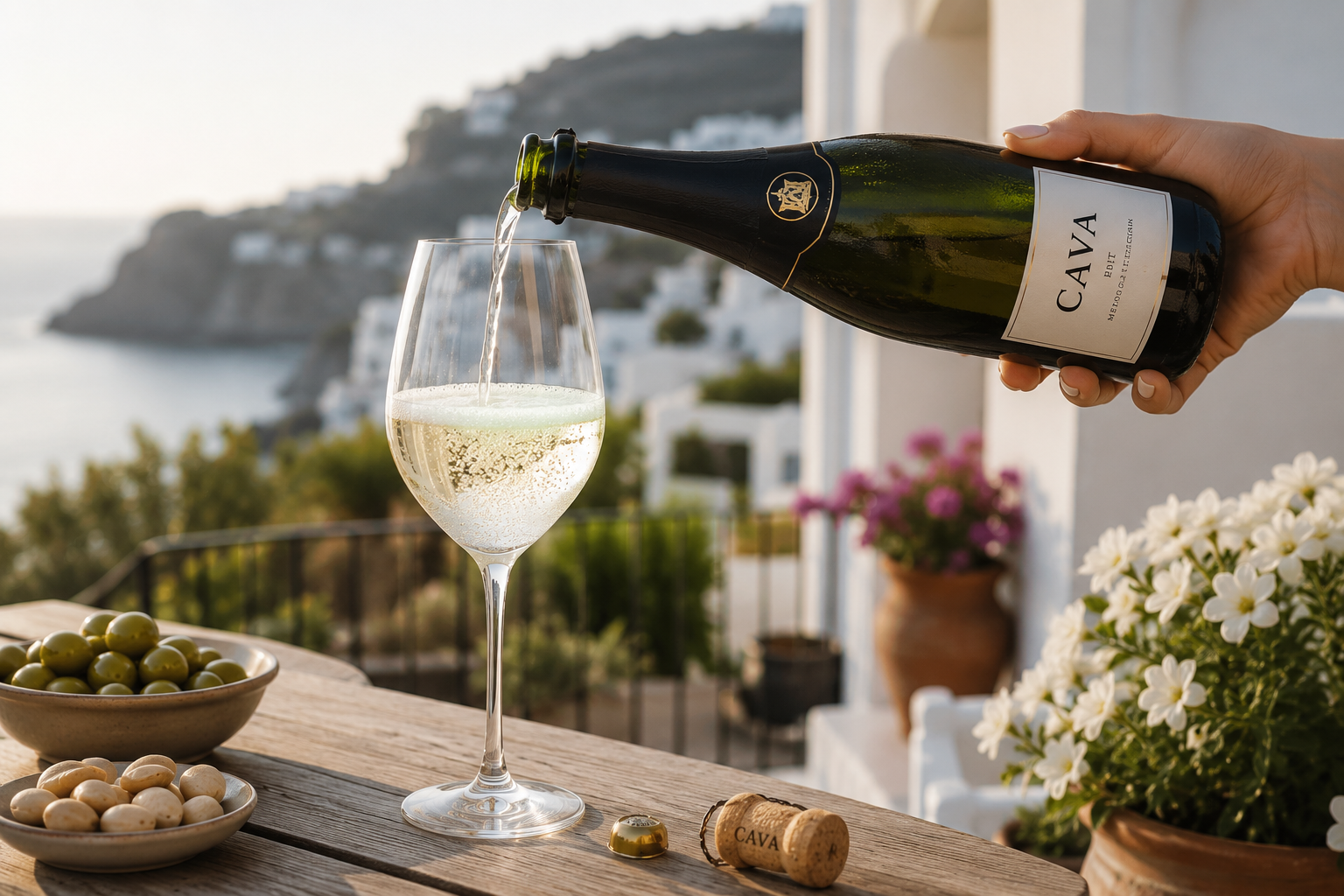
Navigating Cava well comes down to understanding its aging classifications, because more aging generally means more complexity, and the labels tell you how long a wine has aged. The key terms to look for are Reserva and Gran Reserva, which indicate longer aging and, usually, a more serious and rewarding wine than the basic entry-level Cava.
The tiers are worth learning. Entry-level Cava is aged for a shorter time and tends to be simple and fresh, while a Reserva has spent significantly longer aging on the lees, giving it more toast, texture and depth, and a Gran Reserva has aged longer still, making it the most complex and age-worthy of all, with the deepest bready, nutty character. In general, Reserva and Gran Reserva are the sweet spot, offering real complexity for still-modest prices. A simple rule serves most drinkers well. If you are buying Cava to sip on its own or to mark a small occasion, spend a little more for a Reserva or Gran Reserva and you will taste the difference in depth and texture, while for a base for a spritz or a large party where the wine is mixed or poured freely, an inexpensive young Cava does the job admirably. Matching the tier to the purpose is most of the art of buying it well.
Sweetness is the other thing the label tells you. Like Champagne, Cava comes in a range of sweetness levels, from bone dry to sweeter, with Brut being the popular dry style and Brut Nature the driest of all, made with no added sugar, so choosing among these lets you match the wine to your taste and the occasion. For most purposes a Brut or Brut Nature Reserva is a reliably excellent choice.
How to Serve It
Getting the most from a good Cava is partly a matter of serving it correctly, and the first consideration is temperature. Cava is best served cold but not ice-cold, somewhere around the temperature of a cool cellar, not the back of a freezing fridge, because too much cold mutes its aromas and flavors, so a good chill that still lets the wine express itself is ideal. Pull it from the fridge a few minutes before pouring if it has been chilling hard.
The glass matters more than many people realize. While the narrow flute is traditional for sparkling wine, a better choice for a good Cava is an ordinary white-wine glass, whose wider bowl lets the wine’s complex aromas open and gather so you can properly smell them, rather than trapping them in a narrow flute. For a simple everyday Cava a flute is fine, but for the good stuff, reach for a proper wine glass.
Beyond that, Cava asks for very little fuss. Open it gently, without the explosive pop, easing the cork out with a soft sigh to preserve the bubbles, pour it into clean glasses, and serve it promptly while it is lively and cold. It is an unfussy, generous wine that rewards good basic handling without demanding any ceremony, which is part of its everyday appeal.
What to Drink It With
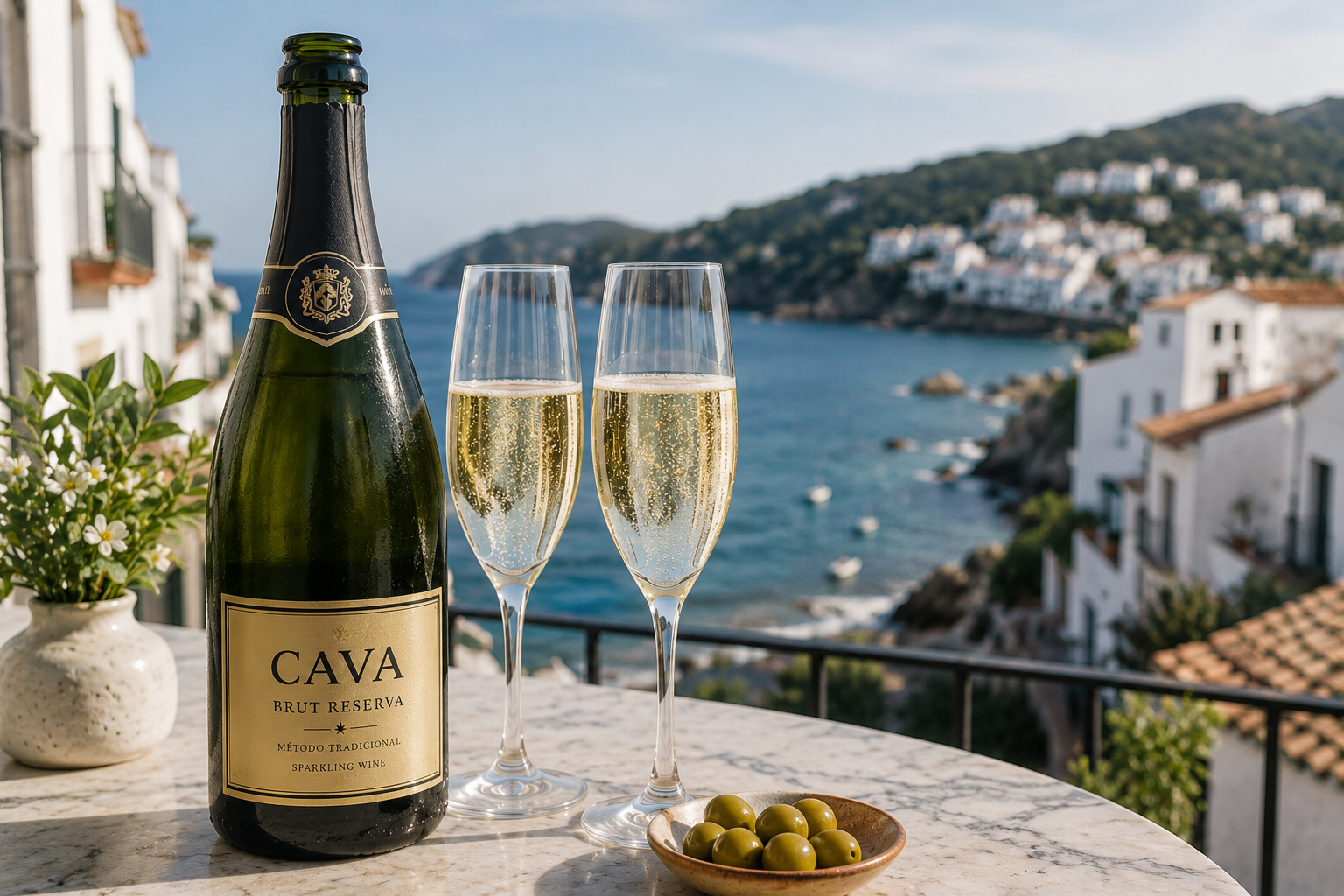
Cava’s greatest practical virtue may be how well it pairs with food, because its crisp acidity and fine bubbles make it one of the most versatile wines at the table. That freshness and effervescence cut through richness and cleanse the palate, so Cava works beautifully with a huge range of foods, from salty snacks to fried things to seafood, which is exactly why it is the natural partner to Spanish tapas.
Some pairings are classics for good reason. Cava is superb with seafood and oysters, with salty jamón and cheese, with fried foods whose richness its bubbles cut cleanly, and with rice dishes like paella, while its range also makes it a lovely match for sushi, for brunch dishes, and even for spicy food, whose heat the cool crisp wine soothes. Few wines are so happy alongside so many different things, which is why a bottle of Cava is such a useful thing to have chilled and ready. Whatever ends up on the table, from a bowl of olives to a plate of grilled fish, the wine tends to suit it, making Cava the reliable all-purpose choice for anyone who does not want to fuss over pairings.
This food-friendliness is a large part of why Cava suits everyday life so well. Because it goes with so much and costs so little, Cava is not a wine to save for special occasions but one to open on an ordinary evening with a plate of tapas or a simple dinner, bringing a note of celebration to the everyday without the expense that makes Champagne a rare treat. It is the sparkling wine you can truly afford to drink regularly.
The Smart Sparkling Choice
The lasting lesson of Cava is that it offers something rare in wine, which is real quality at a fair price, a sparkling wine made with the same care as Champagne but sold without its markup. For anyone who loves the character of traditional-method sparkling wine but not its cost, Cava is the answer, delivering the toast and complexity and fine bubbles at a price that lets you enjoy them often rather than rarely.
What makes it so worth knowing is that once you understand it, the mystery falls away and the value becomes obvious. You know it is made like Champagne, you know it costs less only because of where it comes from, and you know to look for a Reserva or Gran Reserva Brut and serve it cool in a proper glass, which is everything you need to drink extremely well for very little. The knowledge turns a overlooked bottle into a reliable pleasure.
So the next time you want something sparkling, whether for a celebration or simply for a Tuesday with some good food, consider reaching past the expensive Champagne and the simple Prosecco for a good bottle of Cava. Made the Champagne way and priced like the bargain it is, it gives you the real thing, the genuine bottle-fermented complexity, at a price that makes bubbles an everyday pleasure rather than a rare indulgence. Spain’s great sparkling wine is hiding in plain sight, and knowing what it is means never overpaying for good bubbles again.

About the Author: Ruben, co-founder of Gamintraveler.com since 2014, is a seasoned traveler from Spain who has explored over 100 countries since 2009. Known for his extensive travel adventures across South America, Europe, the US, Australia, New Zealand, Asia, and Africa, Ruben combines his passion for adventurous yet sustainable living with his love for cycling, highlighted by his remarkable 5-month bicycle journey from Spain to Norway. He currently resides in Spain, where he continues sharing his travel experiences with his partner, Rachel, and their son, Han.