
To an American, laundry is a simple, fast, high-volume affair. You toss a big load into a large machine, run it hot, throw it in the dryer, and you are done in an hour or two, several times a week. To a European, that same routine can look careless, wasteful and a little baffling, because the European approach to laundry is slower, more careful, more sorted and more deliberate in almost every way. The habits that a European household considers simply the correct way to do laundry can strike an American as fussy to the point of excess.
The differences are not random but flow from different priorities, a European emphasis on energy efficiency, on making clothes last, and on doing the job properly, set against an American emphasis on speed and convenience. Neither is wrong, but the European way produces some habits that Americans really find over the top, from washing at cold temperatures to hanging everything to dry to sorting laundry with a precision that seems needless. And yet many of these habits are quietly sensible, and worth understanding even if you never adopt them.
Here are nine European laundry habits that households across the continent swear by and that many Americans find excessive, offered as a cultural comparison rather than a set of instructions or any judgment about who does it right. This is general lifestyle observation rather than expert advice, and practices vary across Europe and between households. But looking at how differently the same everyday chore is done on the other side of the Atlantic is a small lesson in how much of what we consider normal is really just habit.
1. Washing in Cold or Low Temperatures
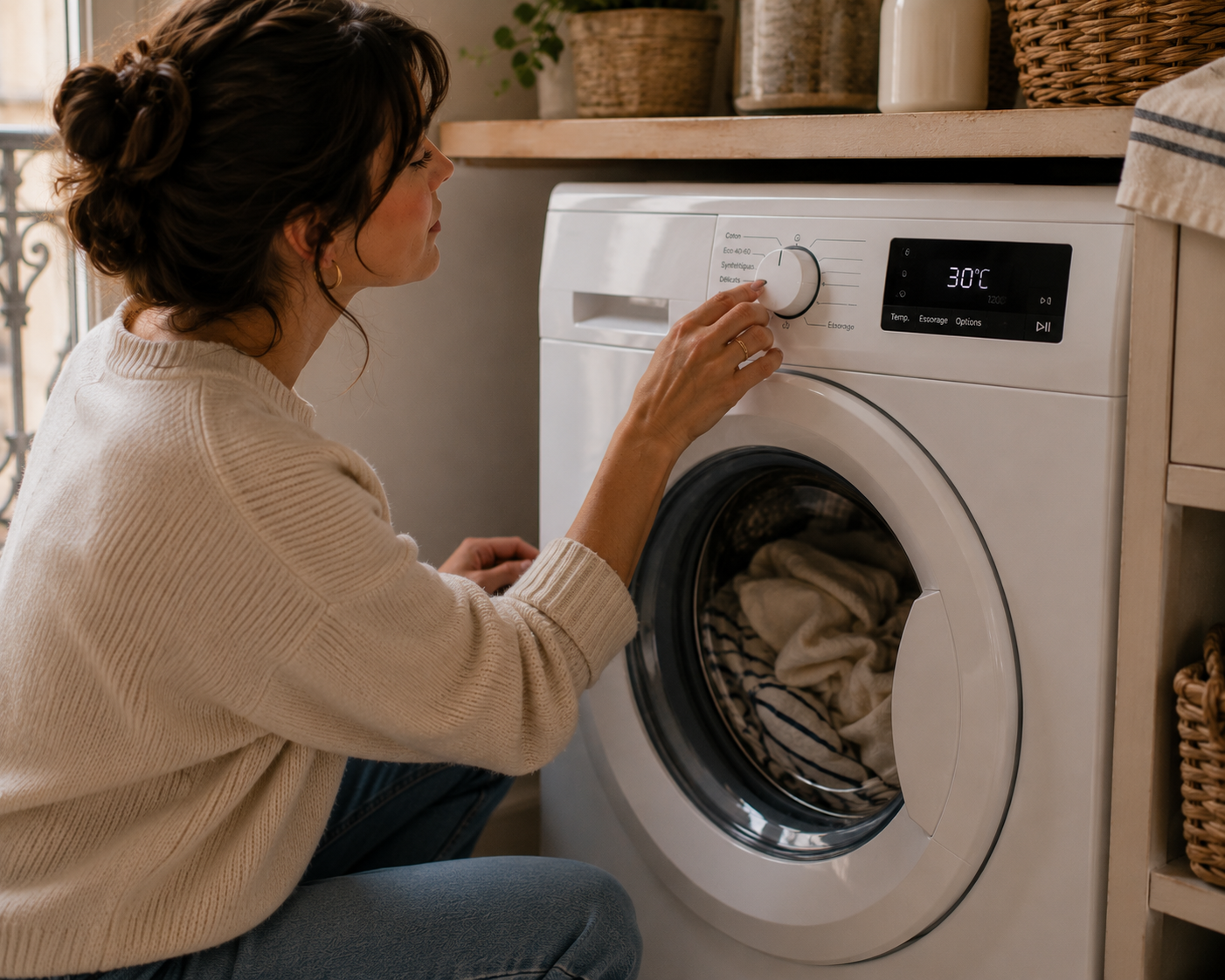
Europeans wash a great deal of their laundry at cold or low temperatures, often thirty degrees Celsius or even lower, where Americans habitually reach for warm or hot water. This is done to save energy, since heating the water is the largest energy cost of a wash, and to protect the clothes, which last longer and hold their color and shape better when washed cool.
To an American accustomed to hot washes for the sake of cleanliness, this can seem inadequate, as though cold water could not really clean. But modern detergents are formulated to work at low temperatures, and Europeans find their laundry comes out perfectly clean while using a fraction of the energy and treating the fabrics far more gently. The cold wash is a cornerstone of the European approach. The energy math behind it is what makes the habit stick. Because warming the water accounts for the great bulk of a wash’s energy use, dropping the temperature is the single biggest saving a household can make on its laundry, which is exactly why it became standard as European energy prices climbed. The cold wash is less a preference than a quiet economy repeated hundreds of times a year.
The habit reflects the European priority on efficiency and longevity over brute force. Rather than blasting everything with hot water, the European reserves high temperatures for the few items that truly need them, towels or heavily soiled things, and washes the rest cool, saving energy and clothes alike. To many Americans this careful temperature management looks like unnecessary fuss over what could just be a hot wash.
2. Hanging Everything to Dry

Perhaps the most visible European habit is the near-universal use of air drying rather than a machine dryer. Across Europe, laundry is hung to dry, on outdoor lines, on balconies, on indoor racks, on radiators in winter, and the clothes dryer that sits in nearly every American home is far less common in European ones.
The reasons are both practical and philosophical. Air drying saves the considerable energy a dryer consumes, and it is far gentler on clothes, which suffer real wear and shrinkage from the heat and tumbling of a machine dryer, so line-dried garments last longer and hold their shape. Europeans consider the dryer harsh and wasteful where a drying rack does the job for free.
To an American, for whom the dryer is an indispensable convenience, hanging every load to dry looks tedious and slow, a needless chore in an age of machines. But Europeans are accustomed to the rhythm of it, planning their laundry around drying time, and they consider the results, fresh, undamaged, energy-free, well worth the wait. The drying rack is perhaps the single most characteristic European laundry habit. It shapes the very architecture of daily life in ways an American might not expect. Balconies strung with lines, drying racks unfolded, radiators draped with shirts in winter, all of it is simply woven into the European home, and the sight of laundry drying in the open air is as ordinary across the continent as the hum of the dryer is in America. The habit is visible from the street in a way few household routines are.
3. Sorting Laundry With Great Precision
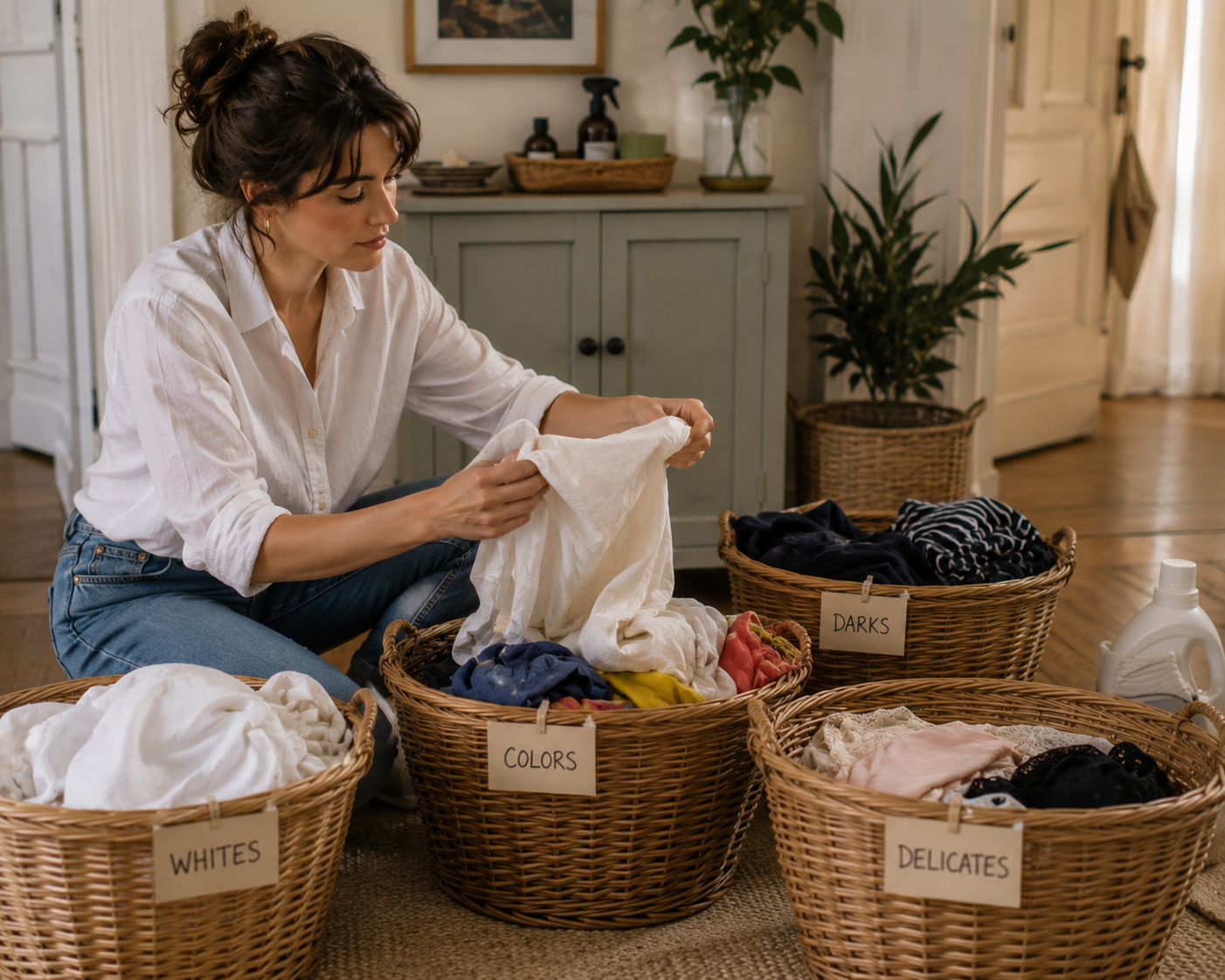
Europeans tend to sort their laundry far more meticulously than Americans, separating not just lights from darks but by fabric type, by temperature, by how delicate an item is, into a number of carefully distinguished loads. Where an American might run a single mixed load, a European might divide the same washing into several precise categories.
This precision serves the goals of protecting clothes and washing each properly. Different fabrics and colors do best at different temperatures and settings, so sorting them carefully means each is washed correctly, delicates gently, whites appropriately, colors safely, which preserves the garments and the results. The sorting is an investment in making clothes last and look their best.
To an American used to grabbing an armful and running it all together, this careful sorting can look like real overkill, a fussy multiplication of loads where one would do. But the European sees it as simply doing the job properly, the small effort of sorting repaid in clothes that last longer and come out better, a trade the American speed-first approach does not bother to make.
4. Washing Clothes Less Often
Europeans tend to wash their clothes less frequently than Americans, wearing garments more than once before laundering them, where the American instinct is often to wash after a single wearing. A sweater, a pair of jeans, a jacket worn briefly is, to a European, not yet dirty, and washing it would be needless.
The logic rests on the idea that clothes are not dirty until they are truly dirty. An item worn for a few hours, not soiled or sweated through, can be worn again, aired out between wearings rather than washed, which saves water, energy and detergent and, crucially, extends the life of the garment, since every wash wears clothes down a little. Europeans see frequent washing as hard on clothes.
To many Americans, raised to wash things after each wear, this can seem unhygienic or even a little unclean. But Europeans distinguish between clothes that are truly soiled and clothes that have simply been worn, treating only the former as laundry, and they air and rewear the rest, keeping their clothes fresher for longer by washing them less. It is a habit that strikes the wash-everything American as surprising.
5. Airing Clothes Instead of Washing Them

Closely related is the European habit of airing clothes to freshen them rather than washing them, hanging a worn garment by an open window or outdoors to let the fresh air revive it. This is a deliberate alternative to washing, a way to refresh clothes that are not dirty but simply need reviving after a wearing.
The practice reflects the same careful attitude toward garments. Fresh air removes odors and freshens fabric without the wear of a wash, so a jacket or a pair of trousers can be aired out overnight and worn again feeling clean, extending the time between washes and the life of the clothing. Europeans treat airing as a genuine and useful step, not a poor substitute for washing.
To an American, the idea of freshening clothes without washing them can seem strange, as though air alone could not truly clean. But airing is not meant to clean dirt, only to freshen clothes that are not dirty, and for that purpose it works well, which is why the European reaches for the open window where the American reaches for the machine. It is a small habit that quietly reduces washing.
6. Using Front-Loading Machines and Less Water
European washing machines are overwhelmingly front-loaders, which use markedly less water and energy than the top-loaders long common in America, and Europeans have built their laundry habits around these efficient, gentle, water-sparing machines. The machine itself embodies the European priorities of efficiency and care.
The front-loader shapes the whole approach. It uses far less water, cleans gently by tumbling clothes rather than agitating them, and is kinder to fabrics, though it typically runs a longer cycle, so the European is accustomed to washes that take a couple of hours but use a fraction of the resources. The efficiency comes at the cost of speed, a trade Europeans readily accept.
To an American used to a large top-loader that fills with water and finishes fast, the European front-loader can seem small and slow, its long cycles a test of patience. But it uses a fraction of the water and energy and treats clothes far more gently, which is exactly why Europe adopted it, and the longer wait is, to the European, a small price for the savings and the care.
7. Smaller Machines and Smaller, More Frequent Loads
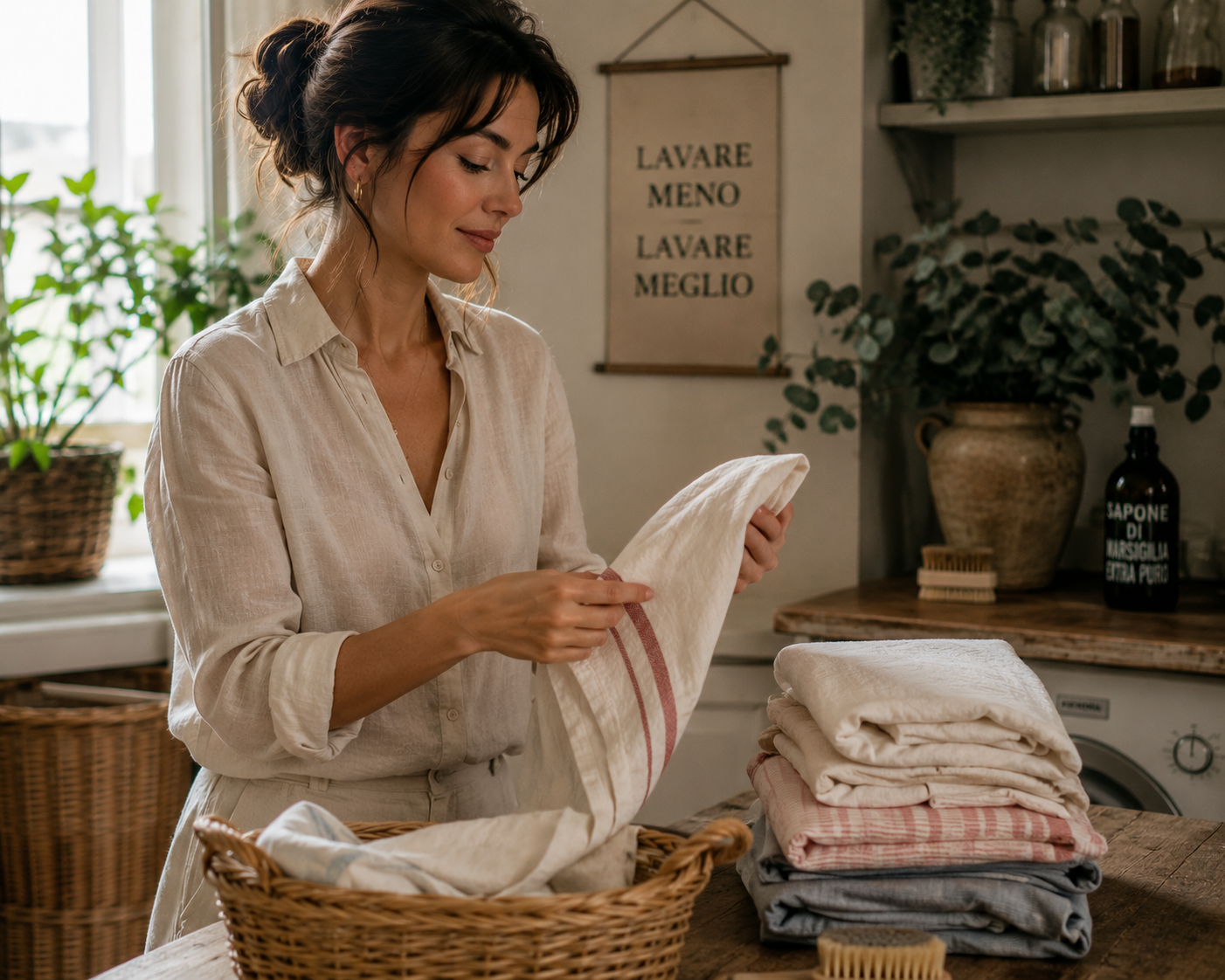
European washing machines are typically smaller than American ones, and European homes often lack the space for the enormous machines and the dedicated laundry rooms common in America, so Europeans tend to do smaller loads more thoughtfully rather than giant loads all at once. The scale of the whole operation is more modest.
This smaller scale suits the European home and habits. With compact machines, often tucked into a kitchen or bathroom rather than a separate laundry room, Europeans run smaller, more frequent, more carefully sorted loads, which fits both the machines and the emphasis on washing each type of item properly. The laundry is woven into the home rather than banished to a dedicated room.
To an American used to a huge machine that swallows a week’s washing in one go, the small European machine and its modest loads can look inefficient, requiring more cycles for the same clothes. But the smaller loads allow the careful sorting and gentle washing the European values, and they fit the realities of smaller homes, so what looks like a limitation is, in practice, part of a considered approach.
8. Ironing and Caring for Clothes Thoroughly
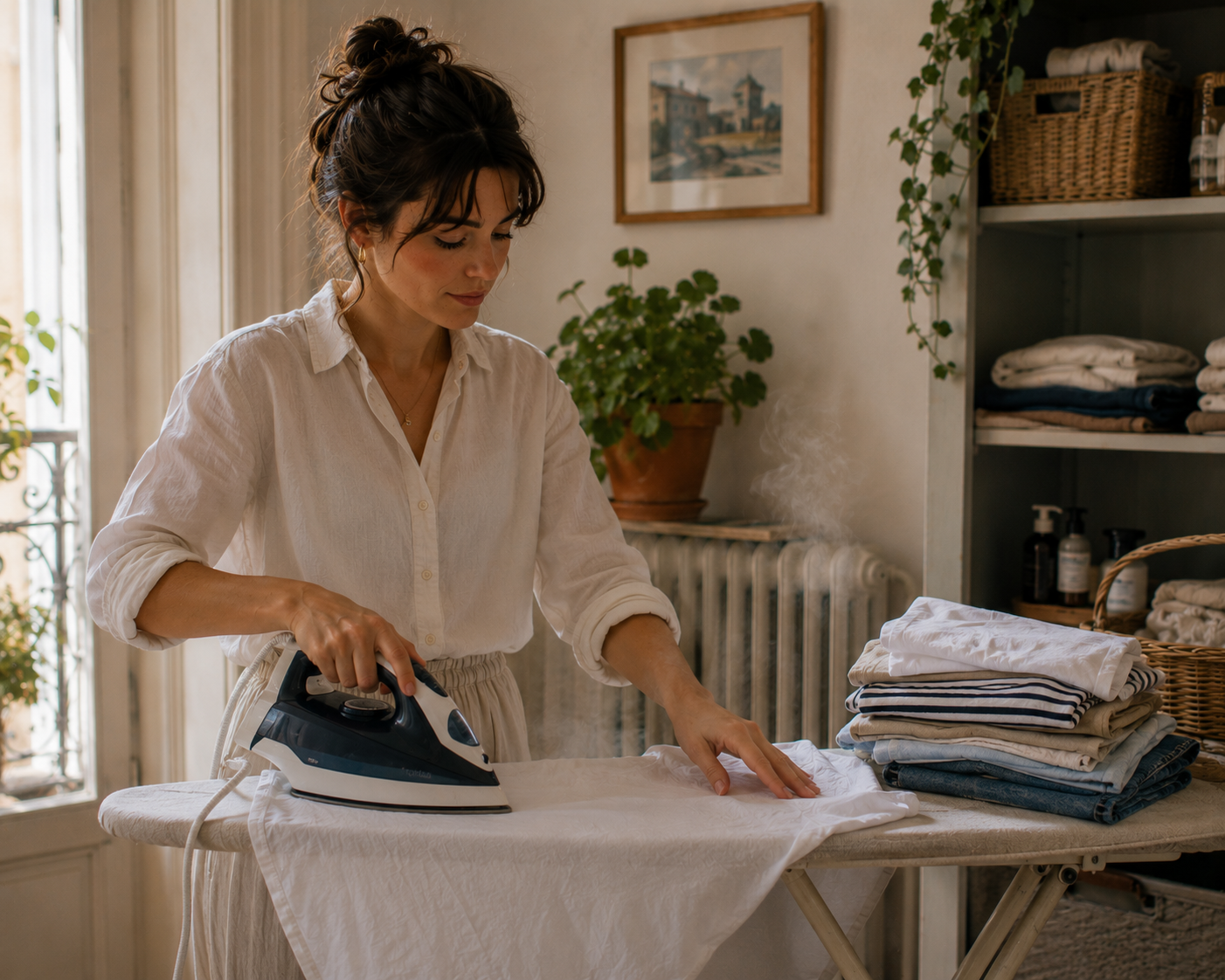
Europeans, particularly in many households, tend to iron and care for their clothes more thoroughly than the average American, pressing garments and tending to them with an attention that treats clothing as something to be maintained. The care extends beyond washing into the finishing and keeping of clothes.
This reflects a broader respect for garments as things worth looking after. Taking the time to iron, to fold and store clothes properly, to mend and maintain them, keeps clothing looking its best and lasting longer, an investment of effort that treats clothes as durable possessions rather than disposable ones. The well-kept wardrobe is a point of quiet pride.
To many Americans, who increasingly favor wrinkle-free fabrics and minimal ironing, this thorough care can seem like a lot of effort for its own sake. But the European sees it as part of presenting oneself well and making clothes last, the same instinct that runs through the whole careful approach, and the results, crisp, well-kept, long-lasting clothes, are the reward for the effort that Americans often skip.
9. Using Specialized Detergents and Products
European laundry often involves a more considered use of detergents and specialized products, with different products for different fabrics and purposes, chosen with care rather than a single all-purpose jug used for everything. The European laundry cupboard tends to be more differentiated than the American.
This specialization serves the goal of washing each item correctly. A dedicated detergent for delicates, another for colors, a product for whites, the right thing for wool, means each fabric gets what suits it best, which protects the clothes and improves the results, part of the same precision that runs through European laundry generally. The right product for each job is worth having.
To an American accustomed to a single big bottle of detergent for all laundry, this array of specialized products can look excessive, a needless complication of a simple task. But the European sees it as matching the product to the fabric just as the temperature and cycle are matched, all in service of clothes that last and look their best, and the fuller cupboard is simply the tool of the more careful method.
What the List Really Shows
Looking at these nine habits together, the pattern is clear, and it is not that Europeans are better at laundry but that they optimize for different things. Where the American approach prizes speed, convenience and volume, the European approach prizes energy efficiency, gentleness and the longevity of clothes, and every habit on the list, the cold washes, the air drying, the careful sorting, the infrequent washing, flows from those different priorities.
What makes the European habits worth understanding, even if they look excessive, is that many of them are quietly sensible and increasingly relevant. Washing cool, drying on a rack, washing clothes less often and treating them with care all save energy and money and make clothes last longer, benefits that matter more as energy costs rise and as people tire of replacing worn-out fast fashion. The excess, on a closer look, is often just care.
In the end the contrast is less about laundry than about two attitudes toward everyday things, the American toward speed and the European toward thrift and durability. The European doing five careful loads where an American does one big one is not being difficult but following a different logic, one that trades time for savings and longevity. Seeing that logic laid out is a chance to notice our own defaults, and perhaps to borrow the odd habit, hanging a load to dry, washing a sweater less often, that turns out to make good sense wherever you live. The dryer will still be there when you want it, but the drying rack, it turns out, has its own quiet case to make.

About the Author: Ruben, co-founder of Gamintraveler.com since 2014, is a seasoned traveler from Spain who has explored over 100 countries since 2009. Known for his extensive travel adventures across South America, Europe, the US, Australia, New Zealand, Asia, and Africa, Ruben combines his passion for adventurous yet sustainable living with his love for cycling, highlighted by his remarkable 5-month bicycle journey from Spain to Norway. He currently resides in Spain, where he continues sharing his travel experiences with his partner, Rachel, and their son, Han.