
You land in Rome on the fourteenth of August, thrilled to be in Italy at the height of summer, and by the next morning the country you came to see has quietly vanished. The neighborhood trattoria you circled on the map is dark, a handwritten sign in the window reading chiuso per ferie. The little grocery is shuttered. The streets of the residential quarters are eerily empty, the shops closed, the locals gone. You have arrived, without knowing it, in the middle of Ferragosto, the day Italy shuts down and calls it a holiday, and it is far better to understand it before you fly than to discover it on the pavement outside a locked restaurant.
Ferragosto is one of Italy’s most deeply felt holidays, a national public holiday on the fifteenth of August that empties the cities, packs the beaches, and closes a great many businesses across the country. For an unprepared traveler it can be a bewildering, even frustrating, few days. For a prepared one it is a fascinating window into Italian life and, handled well, a truly lovely time to be there. The difference between the two experiences is entirely a matter of knowing what is coming.
Here is what Ferragosto really is, where it comes from, what closes and what stays open, and how to plan a trip that runs into it so the shutdown becomes an experience rather than an ordeal. This is general travel information rather than a guarantee, since exact closures vary by place and year and should always be checked locally, but the shape of the holiday is remarkably consistent, and knowing it in advance changes everything.
What Ferragosto Actually Is
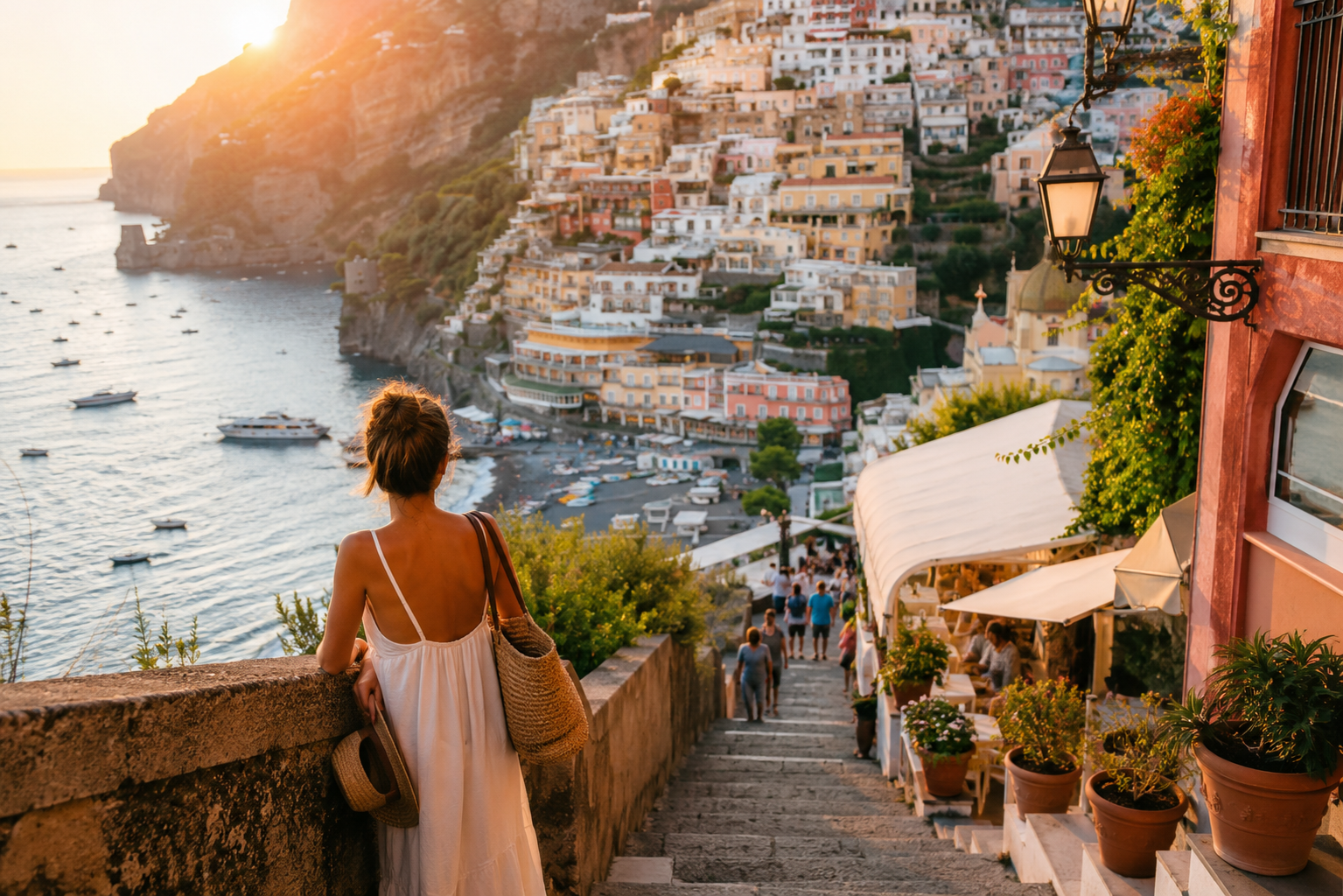
Ferragosto is Italy’s great midsummer holiday, a national public holiday falling every year on the fifteenth of August, and it marks the symbolic peak of the Italian summer. It is the day the whole country, more or less at once, downs tools and goes on holiday, and its gravitational pull is so strong that it shapes the entire month around it. To Italians it is not a minor date but one of the most beloved fixtures of the year.
The holiday has two layers of meaning stacked on the same day. It is a civil holiday marking high summer and rest, and also a major Catholic feast, the Assumption of Mary, so the fifteenth carries both a secular and a religious weight that together make it one of the most firmly observed days on the calendar. Banks, offices and public bodies close, and the day has the settled, unarguable quality of a holiday that everyone takes.
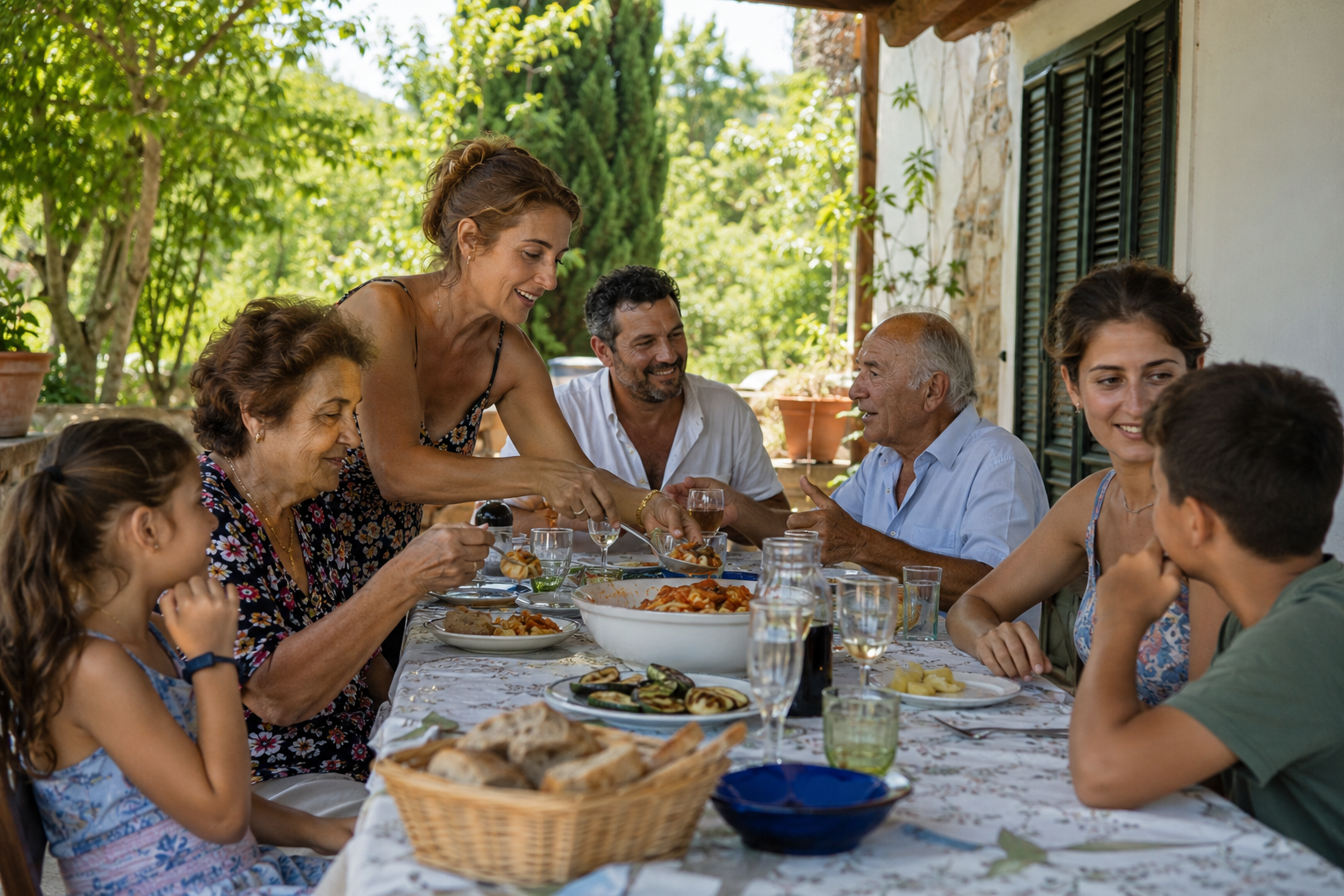
Above all it is a holiday of leaving. The essence of Ferragosto is the great exodus, the moment when Italians abandon the hot cities en masse for the sea, the lakes and the mountains, gathering with family and friends for long lunches, beach barbecues and picnics. The cities empty and the coasts fill, and this single migration is the defining fact of the holiday and the reason it reshapes the country for a traveler. It is worth grasping the sheer scale of this, because it is unlike anything in the American calendar. There is no single day on which the whole United States goes on holiday at once, but Ferragosto is exactly that, a synchronized national pause in which tens of millions of people are traveling, resting and celebrating on the same day. The country does not stagger its summer break. It takes it together, and the effect on a visitor who did not expect it is total.
Where the Holiday Comes From
The roots of Ferragosto run astonishingly deep, all the way back to ancient Rome, which is part of what gives it its unshakable place in the calendar. The very name comes from the Latin Feriae Augusti, meaning the holidays of Augustus, after the emperor who in 18 BC established a period of rest in August to follow the hard labor of the harvest. The holiday is more than two thousand years old.
Over the centuries the Roman festival was absorbed into the Christian calendar, its date settling on the fifteenth of August to coincide with the Feast of the Assumption of Mary, so that an ancient pagan rest day and a major religious feast merged into a single observance. This double heritage, imperial and Catholic, is why the day is so deeply rooted, carrying the authority of both traditions at once.
The modern shape of the holiday, the mass summer exodus, took firmer hold in the twentieth century, when organized holiday travel put the whole country on the move in mid-August. What began as a Roman emperor’s decree became, over two millennia, the great collective vacation of a nation, and today Ferragosto stands as the unquestioned heart of the Italian summer, a date that rarely moves and never loses its force. This longevity is part of why the holiday feels so immovable to a traveler. A date observed continuously for over two thousand years, reinforced by both imperial custom and religious feast, is not something a modern economy can easily dilute, and while some closures have softened in the biggest tourist cities, the fundamental force of the day endures. You are not running into a quaint local quirk but into one of the oldest living traditions in Europe.
What Really Closes
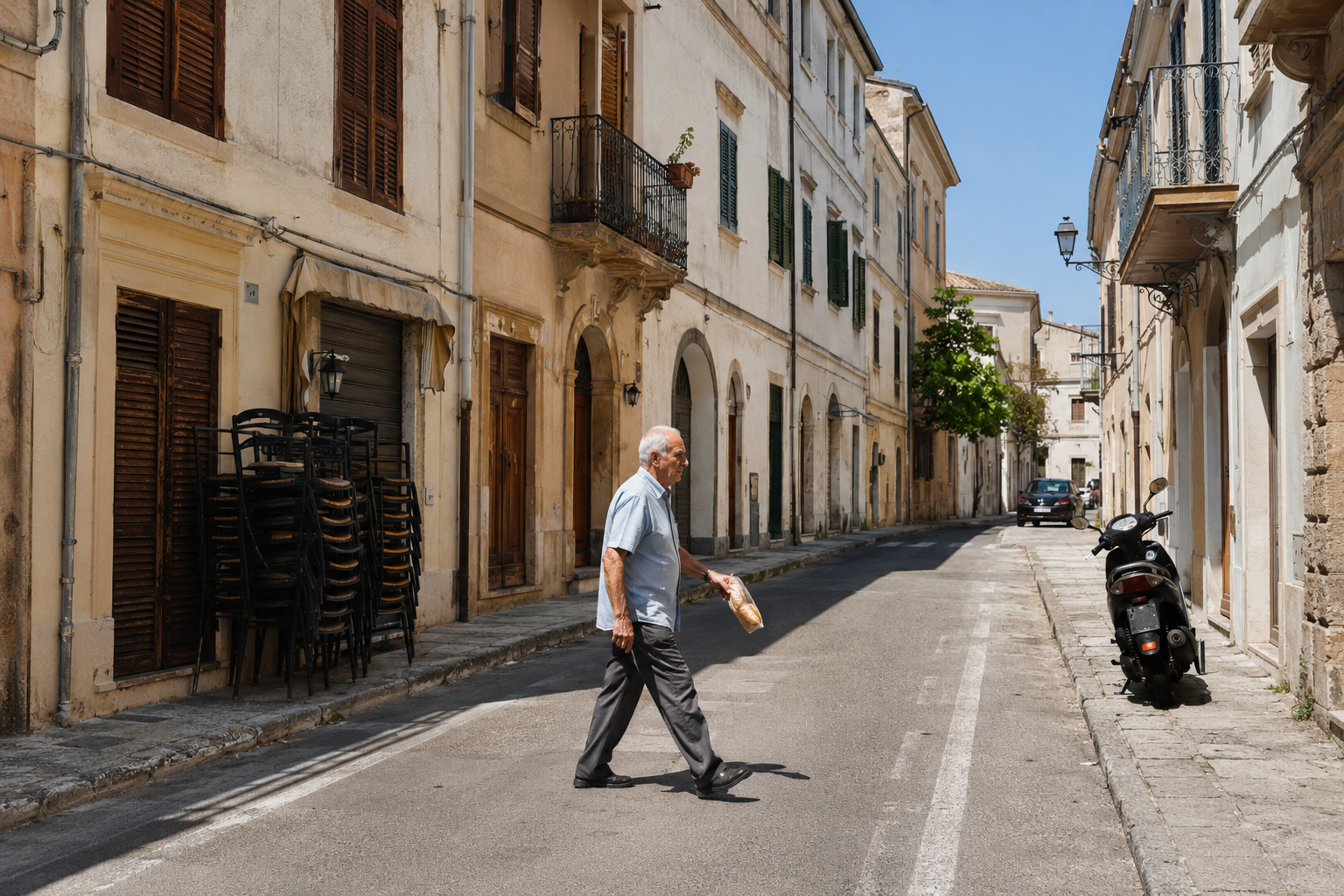
Now the practical heart of the matter, because knowing what shuts is what separates a smooth trip from a stranded one. On and around Ferragosto, a great many businesses shut, above all the small, independent, local ones. Neighborhood shops, family-run trattorias, local services, banks, offices, hairdressers and the little grocery on the corner tend to close, often hanging that chiuso per ferie sign that announces they are shut for the holidays.
The closures frequently last far longer than the single day. Many small businesses close not just on the fifteenth but for a stretch around it, sometimes for a week, sometimes for two or more, so that the period from roughly the tenth to the twentieth of August can find much of local Italy shuttered. This is the crucial thing to grasp, that Ferragosto is less a one-day holiday than the peak of a broader August shutdown that can span much of the month.
Transport thins out as well, which catches many travelers off guard. Trains continue to run but on reduced holiday schedules, with fewer services, and public transport within cities is similarly pared back, while the roads and highways clog with the great migration to the coast. A traveler planning to move around on the fifteenth should expect fewer options, book ahead, and allow for the crowds and congestion that the exodus produces on every route to the sea. Ferries deserve a special mention here, because for anyone island-bound the Ferragosto crush is acute. The boats to Sicily, Sardinia, Capri and the rest fill to capacity as the nation heads for the islands, and tickets can sell out well in advance, so a traveler hoping to reach an island around the fifteenth without a booking may find themselves stuck on the mainland watching full ferries depart.
What Stays Open
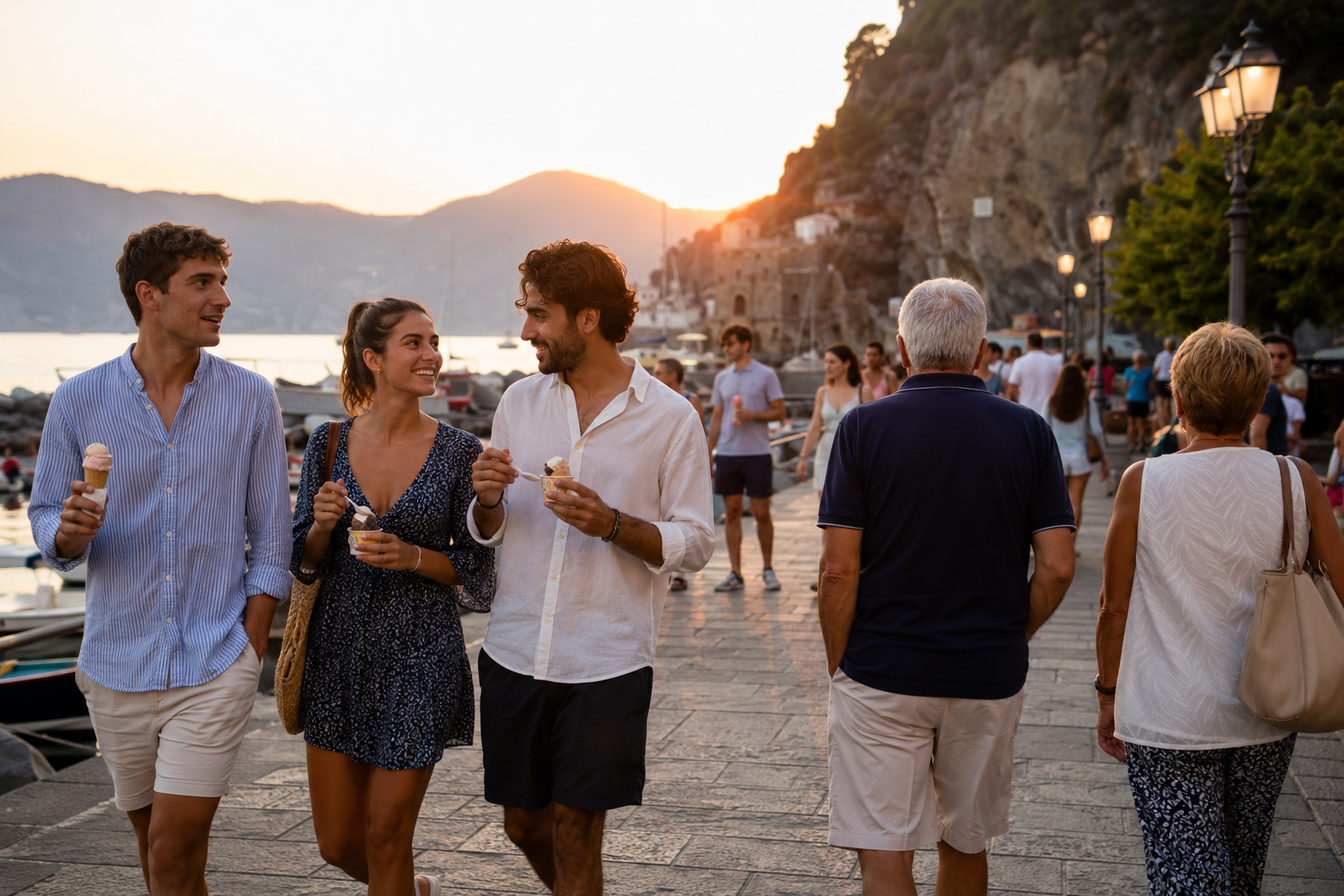
The picture is not one of total shutdown, though, and knowing what stays open is just as valuable as knowing what closes. The businesses that live on tourism largely stay open, because the fifteenth of August is the height of their season and they cannot afford to close. Hotels, tourist-area restaurants, beach clubs, gelaterie and bars in the busy visitor districts generally keep running, so a traveler in a tourist zone is far from stranded.
Italy’s great cultural sites tend to stay open too, which is a gift for a certain kind of traveler. Many state museums and archaeological parks operate on the holiday, so the Colosseum, the Vatican Museums and the major monuments generally welcome visitors as usual, and larger supermarkets in the cities often open at least for part of the day, sometimes on reduced morning hours before closing early. The traveler who needs groceries or culture is usually able to find them. There is a useful rule of thumb buried in all this, which is that the more a place depends on tourists, the less Ferragosto will affect it. A business that lives on visitors cannot close during its single busiest week, so tourist infrastructure sails on, while a business that serves locals has every reason to shut when the locals have all left for the beach. Read any street through that lens and you can predict fairly well what you will find open.
This creates a striking split in the Ferragosto experience depending on where you are and what you want. If your days are built around famous sites and tourist-district dining, the holiday barely inconveniences you and can even improve things, since the resident population has fled and the cities are quieter. If your heart was set on neighborhood trattorias and local markets and everyday Italian life, the same days can be the most frustrating of the whole year. The holiday rewards one kind of traveler and punishes another, and the only thing that decides which you will be is whether you understood the split before you booked.
The Empty City and the Packed Coast
To really understand Ferragosto you have to picture the two Italys it creates, because the holiday splits the country in two. On one side are the cities, drained of their residents, the shops shuttered and the residential streets silent, with a strange and beautiful emptiness settling over places normally thick with local life. The city in Ferragosto is a hollowed-out, hushed version of itself.
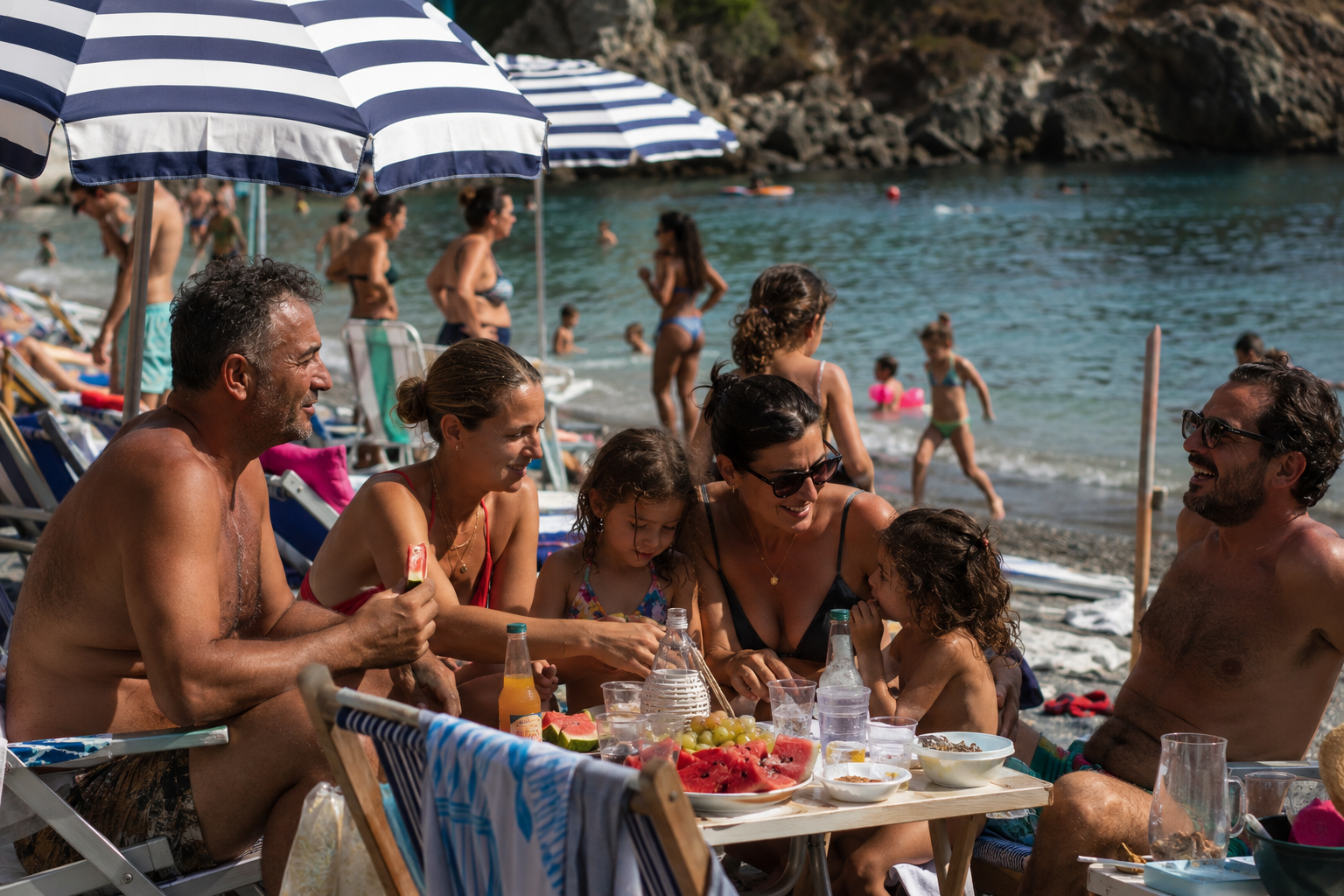
On the other side is the coast, and it is the opposite in every way, heaving with the whole nation at the beach. The seaside towns and resorts swell to bursting as the cities empty into them, the beaches packed, the beach clubs full, the coastal roads jammed, the whole migrating population gathered at the water for the great collective celebration of high summer. Where the city is empty, the shore is overwhelmed.
For a traveler, this split is the key strategic fact of the holiday. The emptied cities can be a rare pleasure for the culturally minded, offering the great monuments in an unusually quiet setting, while the coast around Ferragosto is at its most crowded, expensive and hectic, the worst possible time to seek a peaceful beach. Knowing which Italy you are heading into, and which one suits you, is the difference between a holiday that works with Ferragosto and one that fights it.
How to Plan Around It
The good news is that a little planning turns Ferragosto from a hazard into a manageable and even delightful part of a trip. The single most important step is simply to know it is coming and to check, for wherever you will be on the fifteenth, what is open and what is closed, since a quick look or a phone call the day before can save you from standing hungry outside a locked trattoria. Awareness is most of the battle, and it costs nothing but a moment’s attention before you go.
A few concrete moves smooth everything. Book your accommodation, your trains and any restaurants you care about well in advance, since the holiday amplifies the already fierce August demand and things sell out. Identify in advance a few places near you that will be open on the day, rather than assuming you can wander and find dinner the way you might on any other night. And stock a few basics beforehand if you are self-catering, so a closed grocery on the fifteenth is a minor note rather than a crisis.
The deeper strategy is to match your plans to the holiday rather than against it. If you want quiet culture, lean into the emptied cities and enjoy the great sites in their hushed Ferragosto calm. If you want the beach, understand that you are joining the entire nation and plan for crowds and cost, or better, time your coastal days for before or after the peak. Above all, consider embracing the day as Italians do, with a long, leisurely lunch, because the surest way to enjoy Ferragosto is to stop fighting it and join it.
Making the Shutdown Work for You
Seen rightly, Ferragosto is not an obstacle to an Italian summer trip but a feature of it, a chance to witness one of the country’s most deeply held traditions rather than merely a day of inconvenient closures. The travelers who struggle are the ones taken by surprise, expecting an ordinary day and colliding with a shuttered country, while the ones who thrive are simply the ones who saw it coming and planned accordingly. The whole difference is preparation.
There is even a real magic to it for the traveler who leans in. Walking through a historic center in the early morning of the fifteenth, the streets nearly deserted, the shops closed, the usual crowds of residents gone to the sea, is to see a famous Italian city in a light available on almost no other day of the year, hushed and strange and yours. The very emptiness that frustrates the unprepared is a gift to the curious.
So if your trip runs into the middle of August, do not dread the fifteenth. Learn what Ferragosto is, check what will be open where you are, book what matters in advance, and then let the holiday be part of the experience rather than an interruption to it. Have the long lunch, take the quiet morning walk through the emptied streets, and understand that you are witnessing the day the whole country stops at once, a two-thousand-year-old tradition still lived with full conviction. Italy shuts down on the fifteenth of August and calls it a holiday, and once you understand why, you may find you want to celebrate it too. The country is not being difficult. It is doing what it has done for two thousand summers, which is to stop, all together, and go to the sea.

About the Author: Ruben, co-founder of Gamintraveler.com since 2014, is a seasoned traveler from Spain who has explored over 100 countries since 2009. Known for his extensive travel adventures across South America, Europe, the US, Australia, New Zealand, Asia, and Africa, Ruben combines his passion for adventurous yet sustainable living with his love for cycling, highlighted by his remarkable 5-month bicycle journey from Spain to Norway. He currently resides in Spain, where he continues sharing his travel experiences with his partner, Rachel, and their son, Han.