
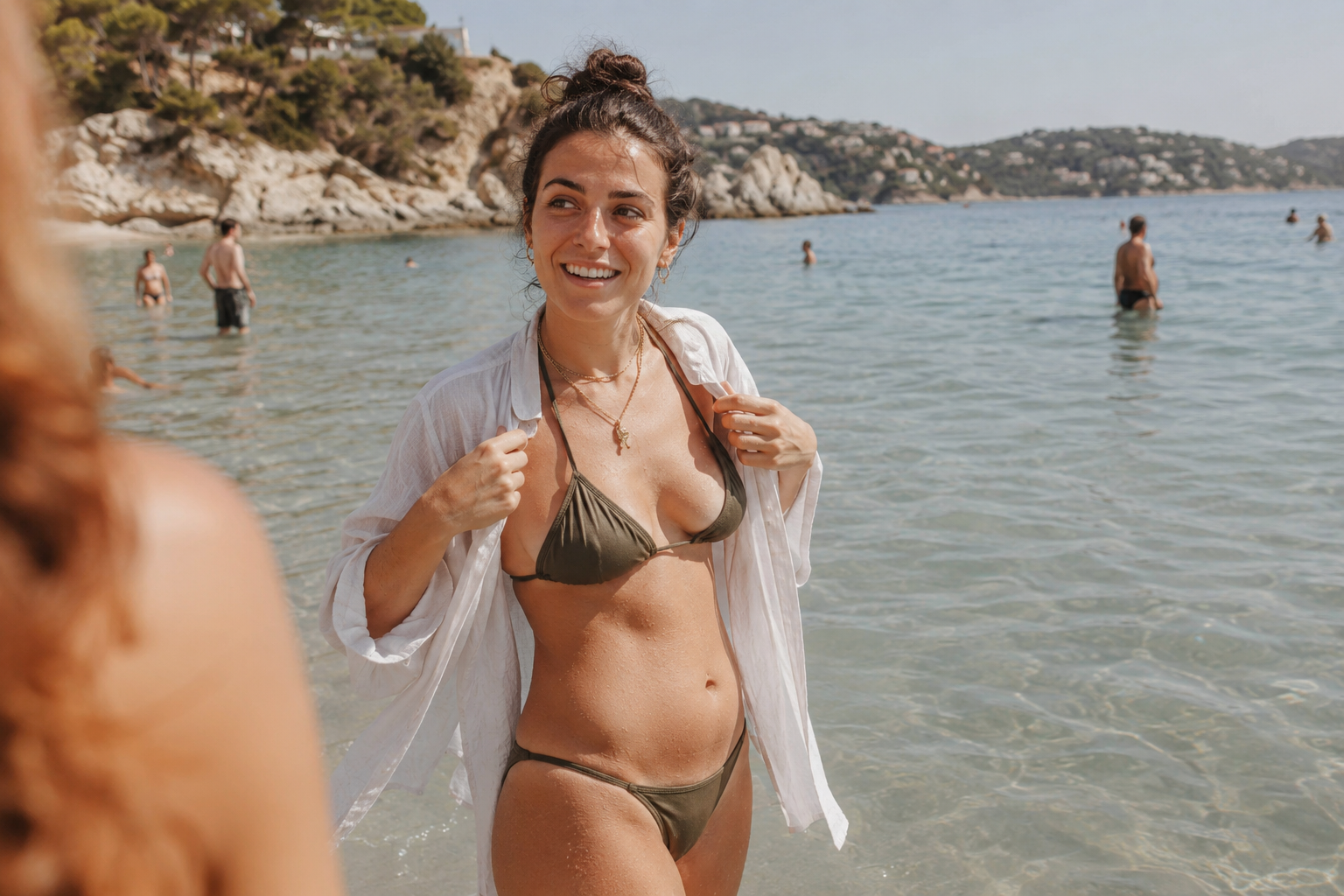
Every spring, a familiar dread descends on much of the English-speaking world. Summer is coming, the swimsuit is waiting, and a countdown begins, a frantic scramble of crash diets and punishing workouts aimed at a single looming deadline called beach season. People deprive themselves through April and May to be ready for a June that arrives like an exam. Then I moved to Spain, where the warm season stretches from spring deep into autumn and people are at the beach and the pool for the better part of five months, and I noticed something remarkable. Nobody was panicking. Nobody was counting down. And they seemed to feel better in their bodies than the people racing the clock ever did.
It took me a while to understand what I was seeing, and when I did, it changed how I think about the whole idea of getting ready for summer. In a place where swimsuit season is not a two-week window but half the year, the entire deadline mentality simply dissolves, and what replaces it is calmer, kinder and, as far as I can tell, healthier in every sense. The Spanish do not race to be beach-ready by a date because there is no date to race to, and the absence of that deadline turns out to be a quietly better way to live.
Here is what I learned from a culture with no swimsuit deadline, why the panic model works so poorly, and why the anti-deadline mindset is better for both body and mind. This is a reflection on mindset rather than medical or nutritional advice, everyone’s relationship with their body is their own, and anyone struggling with body image or their relationship with food is worth taking gently and seriously, and support is out there for those who need it. But as a way of thinking about summer and self, the Spanish way has a great deal to teach.
The Season That Never Slams Shut

The first thing to understand is simply how long the warm season runs in Spain, because it reframes everything. Summer here is not a brief northern window to be seized before it closes, but a long, generous stretch of warmth that begins in spring and lingers well into autumn, so that people are swimming and sunbathing and living in swimsuits across many months rather than a frantic few weeks.
This length changes the psychology completely. When beach weather lasts most of the year, there is no single dramatic threshold to prepare for, no June first that functions like a finish line, because the season eases in gradually and stays, unhurried, for months on end. The whole notion of a deadline requires a narrow window, and Spain simply does not have one, which removes the pressure at its root.
Contrast that with the places where the panic reigns. In cooler climates the swimming season is truly short, a handful of warm weeks framed as the only chance, and that scarcity breeds urgency, a sense that one must be ready for a fleeting moment or miss it entirely. The Spanish have no such scarcity, and without it the anxious countdown never begins. You cannot panic about a deadline that does not exist.
Why the Deadline Makes People Miserable
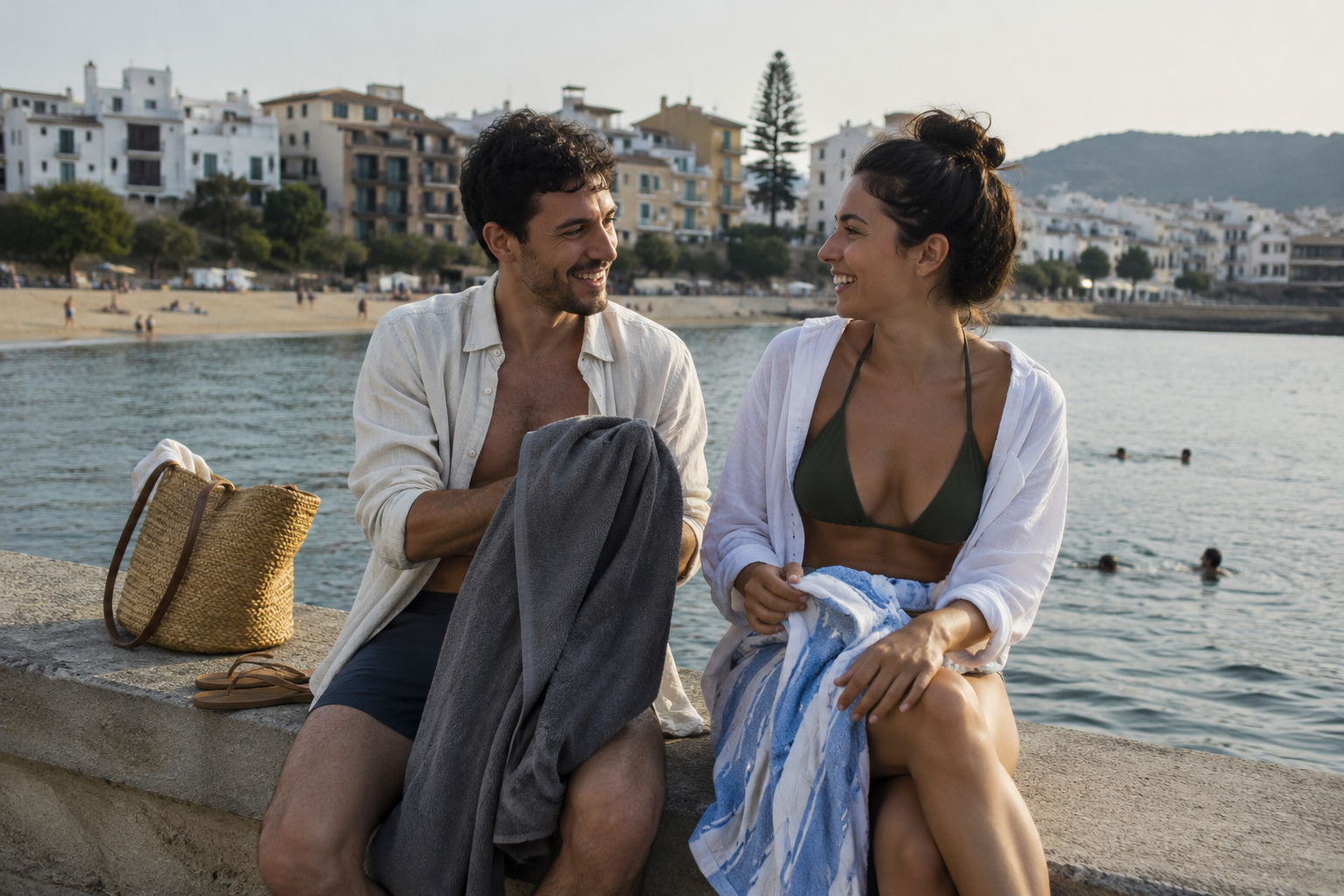
The deadline model deserves a hard look, because it is not merely unpleasant but actively counterproductive, and seeing why is the key to the whole argument. When people set a fixed date to be beach-ready, they tend to pursue it through exactly the wrong means, the crash diets and extreme regimes that promise fast results, exactly because the timeline is short and the pressure is high. Urgency drives people toward the harshest and least sustainable methods.
Those methods fail on their own terms, over and over. Crash approaches produce at best a temporary change followed by a rebound, so the frantic spring effort rarely delivers lasting results and often leaves a person worse off than before, caught in a demoralizing cycle of restriction and regain that repeats every year. The deadline does not even work as a way to reach its own stated goal, which is the first mark against it.
But the deeper cost is to the mind, and it is heavier still. The whole beach-body-deadline culture ties a person’s worth to a narrow appearance standard hit by a certain date, breeding anxiety, self-criticism and a miserable relationship with one’s own body every spring, which is a real toll on wellbeing paid for very little in return. A model that makes people unhappy and does not even deliver the body it promises is a bad bargain by any measure, and most people never stop to question it. And it exacts its toll on the same people every single year, which is perhaps the saddest part. The spring dread is not a one-time initiation but an annual event, returning each April to inflict the same anxiety and the same doomed effort, so that a person can spend a whole adult lifetime of springs at war with their own body, all of it in service of a deadline that was never anything but a story. The waste of it, measured in years of peace of mind, is enormous.
What the Spanish Do Instead
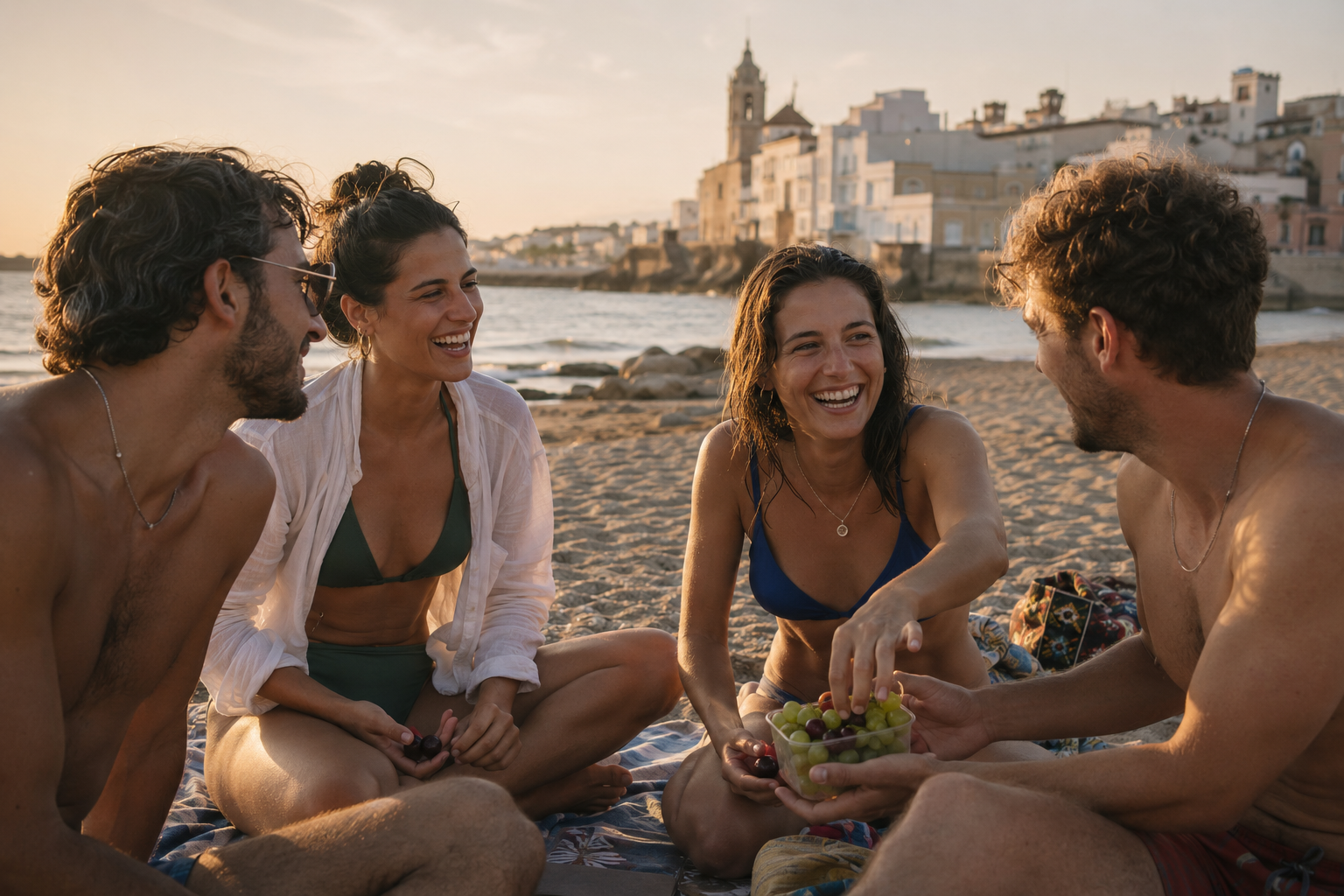
So what fills the space where the deadline would be? The answer is not a different, better countdown but the absence of one, replaced by the steady, year-round Mediterranean habits that need no deadline because they are simply how people live. There is no spring scramble here because there was never a period of neglect to scramble back from, only a continuous, unhurried way of eating and moving that carries on all year.
This is the crucial difference. Where the deadline culture swings between neglect and panic, letting habits slide in winter and then crashing to compensate in spring, the Spanish approach is a gentle constant, the daily walking, the real food, the active social life that keeps people reasonably well through every season without any dramatic effort. Consistency quietly replaces urgency, and consistency is what truly works.
The result is a body maintained by a way of life rather than whipped into shape for an occasion. Because the habits run all year, there is no need to prepare for summer at all, since one is never far from wherever the gentle constant keeps them, and the season arrives as something to enjoy rather than a test to pass. The Spanish are not beach-ready because they prepared, but because they never stopped living in a way that keeps them so, more or less, without thinking about it. And it is worth stressing the more or less, because the point is not that everyone in Spain has an idealized body, since they do not, any more than anywhere else. The point is that they are not at war with the bodies they have, having never signed up for the annual campaign, and so they carry themselves through summer with an ease that has nothing to do with meeting any standard and everything to do with never having accepted the standard in the first place.
The Freedom of No Deadline
There is a profound psychological relief in living without the countdown, and it is the part I felt most keenly myself. When there is no deadline, there is no panic, and the entire apparatus of spring dread, the crash diet and the guilt and the anxious mirror-checking, simply falls away, leaving a calm that people racing the clock never get to feel. Removing the deadline removes the suffering attached to it.
This freedom reshapes the relationship with one’s own body. Without a date by which you must look a certain way, the pressure to meet a narrow standard eases, and there is room for a gentler, more accepting attitude toward the body you already have, which is a far healthier place to stand than perpetual spring self-criticism. The anti-deadline is not resignation but liberation, a release from a manufactured emergency that never needed to exist.
And crucially, this calm tends to produce better outcomes, not worse ones. Freed from the boom-and-bust of deadline dieting, a person can settle into the steady, sustainable habits that do maintain wellbeing over time, so the anti-deadline approach quietly delivers what the panic never did, a body cared for consistently and a mind at peace with it. It turns out that removing the pressure does not make people let themselves go. It lets them find a sane, lasting equilibrium instead.
Confidence That Doesn’t Wait to Be Earned
One of the most striking things I noticed at Spanish beaches and pools was who was there and how they carried themselves, and it quietly demolished the beach-body myth. People of every age, shape and size were at the water, present and relaxed and enjoying themselves, not hiding until they met some standard but simply living in their bodies as they were, in the sun, in the water, without apology. The beach was for everyone, now, not for the qualified few later.
This is confidence of a different kind, one that does not wait to be earned by hitting a target. Where the deadline culture teaches people to postpone the beach, and the pleasure, and the confidence, until they have achieved the right body, the Spanish simply show up and enjoy the season in the body they have today, which is both more sensible and far more joyful. The permission to be at the beach was never something that had to be earned.
The lesson in this is worth holding onto, because it inverts the whole logic. The deadline says look right, then you may enjoy the summer, while the anti-deadline says enjoy the summer, in the body you have, because the summer is here and the body is yours. Watching a grandmother wade into the sea beside her grandchildren, both entirely unbothered by how they looked in the water, taught me more about bodies than any spring of dieting ever had. Waiting to live until you meet a standard means missing the years while you wait, and the Spanish beaches are full of people who understood, correctly, that the water is warm now and life is not a dress rehearsal for a better body later.
Trading the Sprint for the Long Walk
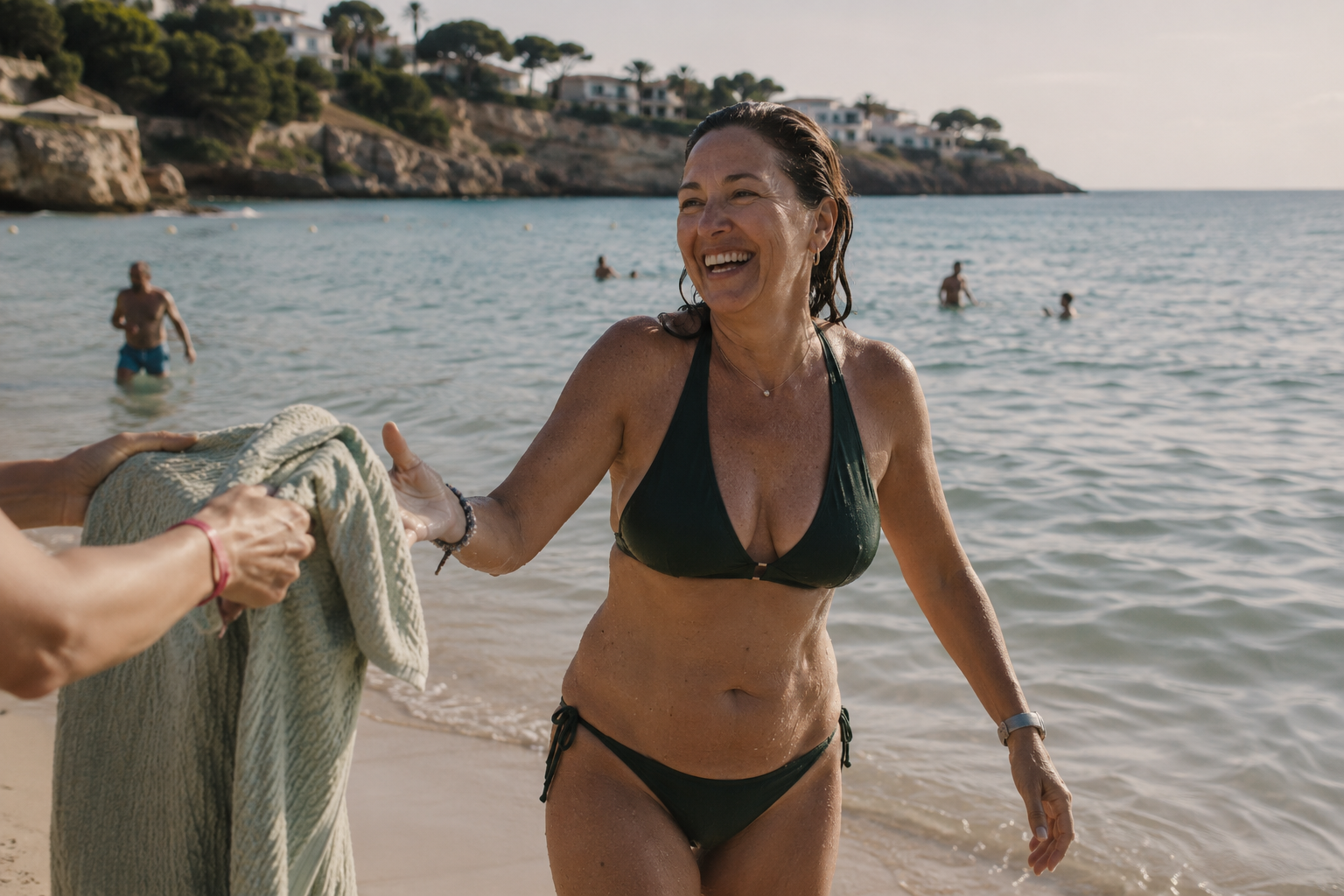
Underneath all of this is a simple choice between two models, and naming it clearly makes the better path obvious. One is the sprint, the short, intense, deadline-driven dash to transform the body by a date, followed by collapse and regain, repeated annually in a cycle that exhausts and disappoints. The other is the long walk, the gentle, consistent, year-round way of living that needs no deadline because it never stops. One is a crisis. The other is a life.
The sprint appeals because it promises a dramatic result fast, and that promise is seductive when a deadline looms, but it is a promise almost never kept, and the trying costs a great deal in misery and rebound. The long walk promises nothing dramatic and asks only for small, steady, sustainable habits, and in exchange it quietly delivers the thing the sprint chases in vain, a body reasonably cared for and a mind at ease, year after year, without the annual ordeal.
Choosing the long walk is mostly a matter of letting go, and that is easier than it sounds. You do not have to do more, only to stop doing the frantic, punishing thing and settle instead into a few gentle constants, walking, eating real food, staying active and social, and then simply living, without a countdown, letting the seasons come and go while the habits carry you. The Spanish did not discover a better diet. They discovered that the deadline itself was the problem, and that removing it makes everything else fall into place.
Living in the Body You Have
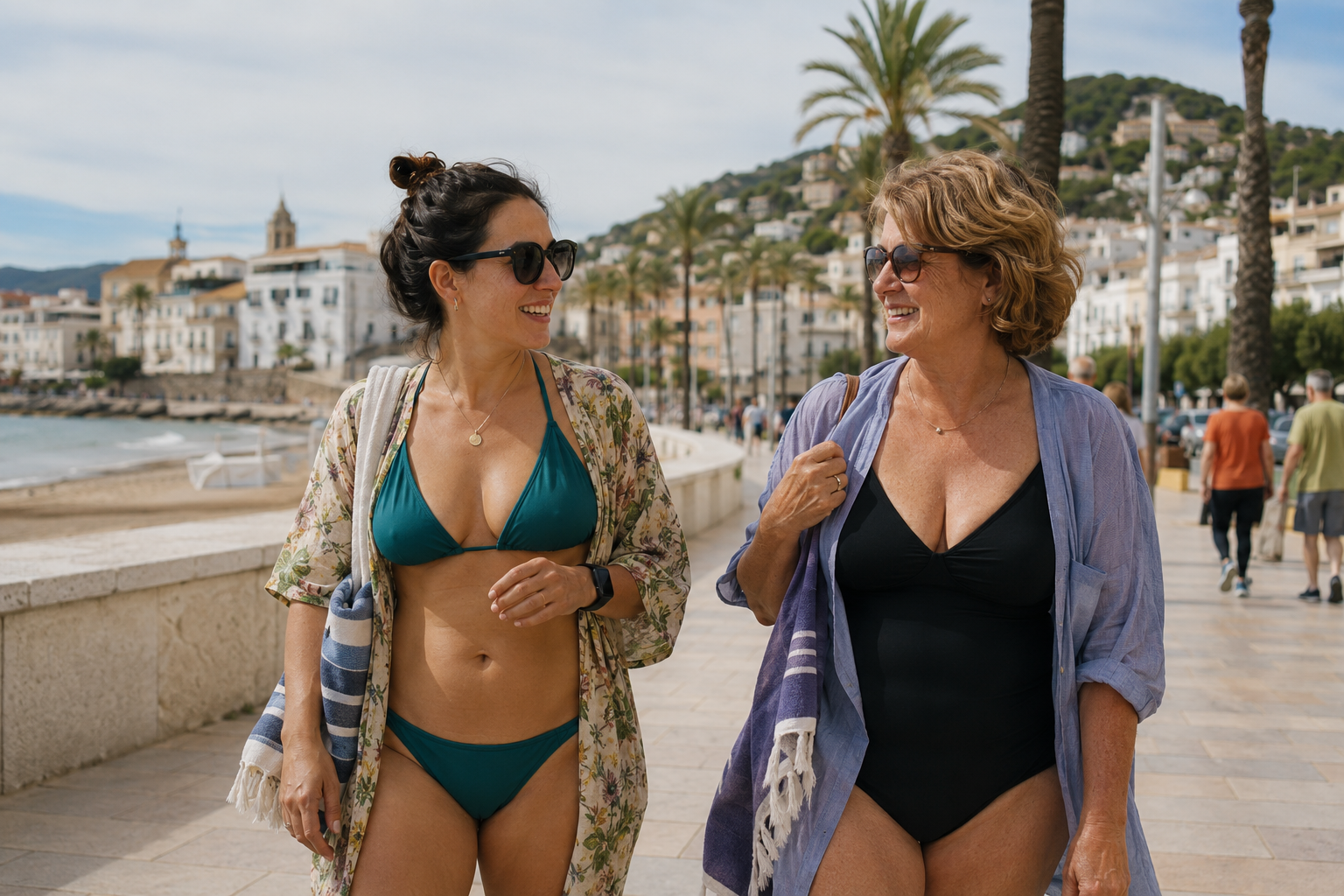
If there is one thing worth taking from a culture with no swimsuit deadline, it is that the deadline was never real in the first place, only a story we tell ourselves each spring that makes us miserable to no purpose. Summer does not administer an exam, the beach does not check your qualifications, and the pressure to be ready by a date is a manufactured anxiety that people in a five-month season simply never learned to feel. You can put it down whenever you decide to.
What replaces it is better in every way that matters. A gentle, consistent way of living that keeps you reasonably well all year without drama, a relationship with your body that does not swing between neglect and self-punishment, and the freedom to enjoy the summer in the body you have rather than the one you are punishing yourself to earn. This is not a worse approach that requires accepting less. It is a better approach that delivers more, in wellbeing and in peace of mind alike.
So this year, consider skipping the panic entirely. Let the season come as it comes, keep the gentle habits that make you feel good, and go to the water when the weather turns warm, in the body you have today, the way half of Spain does without a second thought. The people who never panic in April are not the ones with the best bodies. They are the ones who understood that the countdown was optional all along, a rule they were free to decline, and who chose, instead of the annual sprint, to simply live well and enjoy the summer. The water is warm for five months here, and nobody is waiting on the shore to be told they are ready. Neither should you. If any of this resonates and the spring scramble has been a source of real distress rather than mild seasonal grumbling, it is worth treating that gently and perhaps talking to someone you trust or a professional, because a fraught relationship with food and body deserves more care than a blog post can offer. The anti-deadline is a healthier frame, but some struggles run deeper than a change of mindset, and there is no weakness in seeking support for them.

About the Author: Ruben, co-founder of Gamintraveler.com since 2014, is a seasoned traveler from Spain who has explored over 100 countries since 2009. Known for his extensive travel adventures across South America, Europe, the US, Australia, New Zealand, Asia, and Africa, Ruben combines his passion for adventurous yet sustainable living with his love for cycling, highlighted by his remarkable 5-month bicycle journey from Spain to Norway. He currently resides in Spain, where he continues sharing his travel experiences with his partner, Rachel, and their son, Han.