
Somewhere in your feed this week, a photo appeared of a stone house in a sunlit European village with a price attached that made you stop scrolling. A whole house, in Italy or Spain or Portugal, for less than the down payment on an American condo. The photo was probably real, and the price probably was too. What the photo did not show, and what almost no one tells you, is the fine print underneath the number and the catch waiting behind the front door.
One hundred thousand euros is a real threshold in European property, the point at which a whole world of village houses, small apartments and rural cottages opens up across the continent’s cheaper corners. It buys very different things in different countries, and in every one of them the sticker price is only the beginning of the story. Understanding what that money actually gets you, and what it does not, is the difference between a dream and a costly mistake.
Here is what €100,000 buys right now in five European countries, what the fine print adds to the price, and what the catch tends to be in each country. This is general information for the curious rather than financial or legal advice, prices move and vary enormously by region, and anyone acting on it needs local professional help. But as a map of the possible, the picture is quietly encouraging.
The Number Behind the Photos
Before the countries, a word about what €100,000 represents, because it frames everything. In the expensive heart of Europe, in Paris or central Madrid or Milan, it buys almost nothing, perhaps a parking space or a tiny studio far from anywhere you would want to be. The magic of the number appears only when you leave the hotspots behind and look inland, into the villages, the rural interiors and the overlooked regions that the tourist economy passed by.
This is the first and most important thing to understand about cheap European property. The low prices are not hiding in the places everyone wants to be but in the places people left, the emptying rural towns and mountain villages that lost their young to the cities and now hold more houses than residents. The €100,000 house exists because of depopulation, and its low price is a symptom of the same rural decline that gives Italy its one-euro homes.
That context matters because it shapes what you are really buying. A cheap house in a beautiful but emptying village is a very different proposition from a cheap flat in a working town, and the number alone tells you nothing about which you are getting. The photos sell the romance of the stone and the view. The reality is a spectrum, from genuine bargains in living communities to romantic ruins in places with no shop, no work and an aging handful of neighbors. This is the single most useful thing to hold in mind while scrolling. Two houses at the same price, in the same country, photographed in the same golden light, can be utterly different purchases, one a sound home in a town with a bakery and a bus, the other a shell in a hamlet where the last neighbor is ninety. The price does not distinguish them. Only a visit does.
Spain, the Perennial Favorite
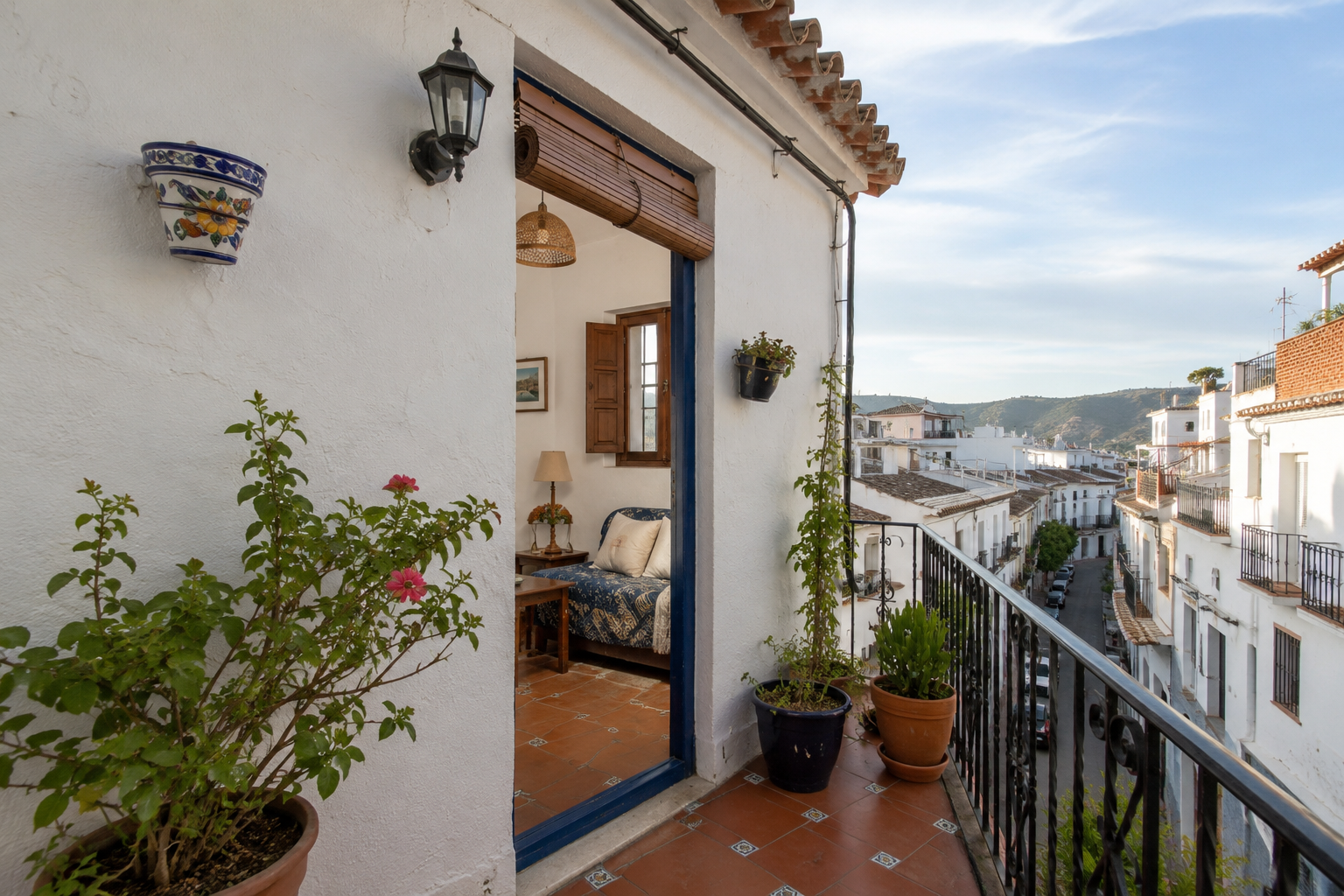
Spain is where most people start, and for good reason, because it offers the widest range of affordable property attached to a lifestyle that millions already covet. Away from the pricey coastal hotspots and the big cities, €100,000 goes a long way, buying comfortable apartments in provincial towns, townhouses in Andalusian villages, and in the cheaper inland regions even three-bedroom houses for well under that figure, with room to spare.
The fine print in Spain is the transaction cost, which is substantial. On top of the purchase price a buyer should budget roughly ten to fifteen percent in taxes and fees, dominated by the property transfer tax on resale homes, which varies by region and commonly runs somewhere between seven and ten percent, plus notary, land registry and legal costs. A €100,000 house is really a €110,000 to €115,000 commitment once the paperwork is done.
There is also a specifically Spanish trap worth knowing, the valor de referencia, a reference value the tax authorities assign to each property. If the official reference value is higher than the price you paid, your transfer tax is calculated on the higher figure, and you can be taxed as if you paid more than you did. The catch in Spain, beyond the fees, is that the cheapest inland houses sit in the emptying España Vacía, beautiful and affordable but far from work and services. What Spain does offer, more than most, is range. Because the country is large and its regions vary so widely, the same budget can buy a lively small-city apartment near the coast, a village house in the Andalusian hills, or a rambling place in the depopulated interior, which means a careful buyer can match the trade-offs to their own life rather than accepting whatever the price dictates.
Italy, Romance With Paperwork
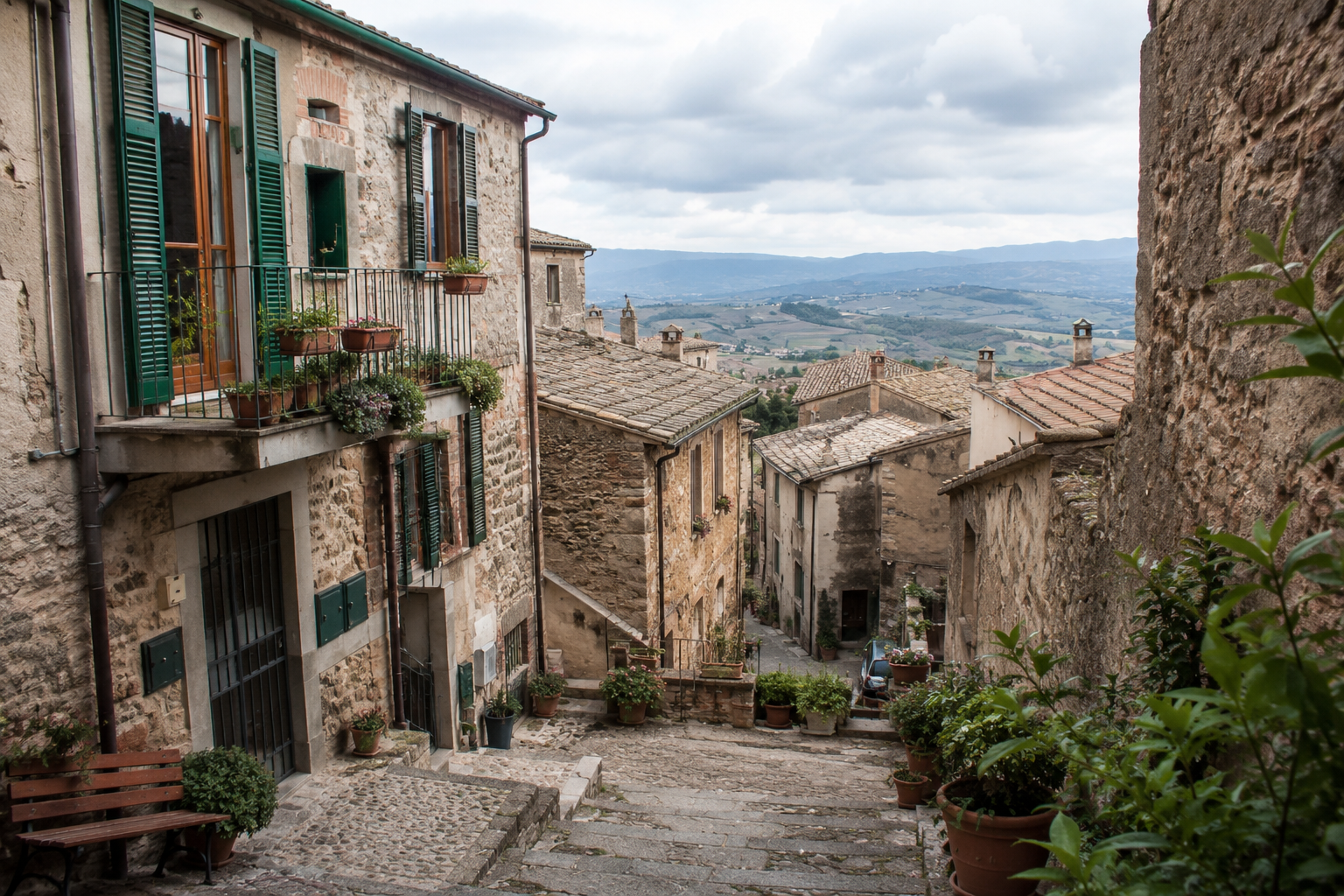
Italy sells a dream as effectively as any country on earth, and €100,000 can buy a real piece of it if you look away from Tuscany’s famous hills toward the cheaper regions. In the villages of the south, in Abruzzo, Molise and inland Sicily, and even in less fashionable corners of the center, the money buys village houses and apartments, while in prized areas like Tuscany it might stretch to a small apartment in a town like Lucca.
The fine print in Italy is a thicket of purchase taxes and fees that typically add somewhere in the range of five to nine percent or more to the price, centered on the registration tax and shaped by whether you are buying as a resident making it your main home or as a foreigner buying a second one, the latter paying considerably more. Notary fees in Italy are a meaningful line item, and the bureaucracy is famously slow.
The catch in Italy is renovation and the one-euro mirage. Many of the cheapest houses, including the celebrated symbolic-price homes, are ruins requiring tens of thousands of euros of work under strict heritage rules, often in remote depopulated villages. The romance is real and so is the paperwork, and the gap between the enchanting listing photo and a warm, functioning, legally clean home is frequently measured in years and second mortgages. The famous symbolic-price schemes deserve particular caution here, because they are the source of most of the disappointment. A house sold for a token sum is not a cheap home but an obligation to renovate a ruin on a deadline, and the true cost lands in the works rather than the purchase, which is a very different thing from what the headline promised.
Portugal, the Value Play
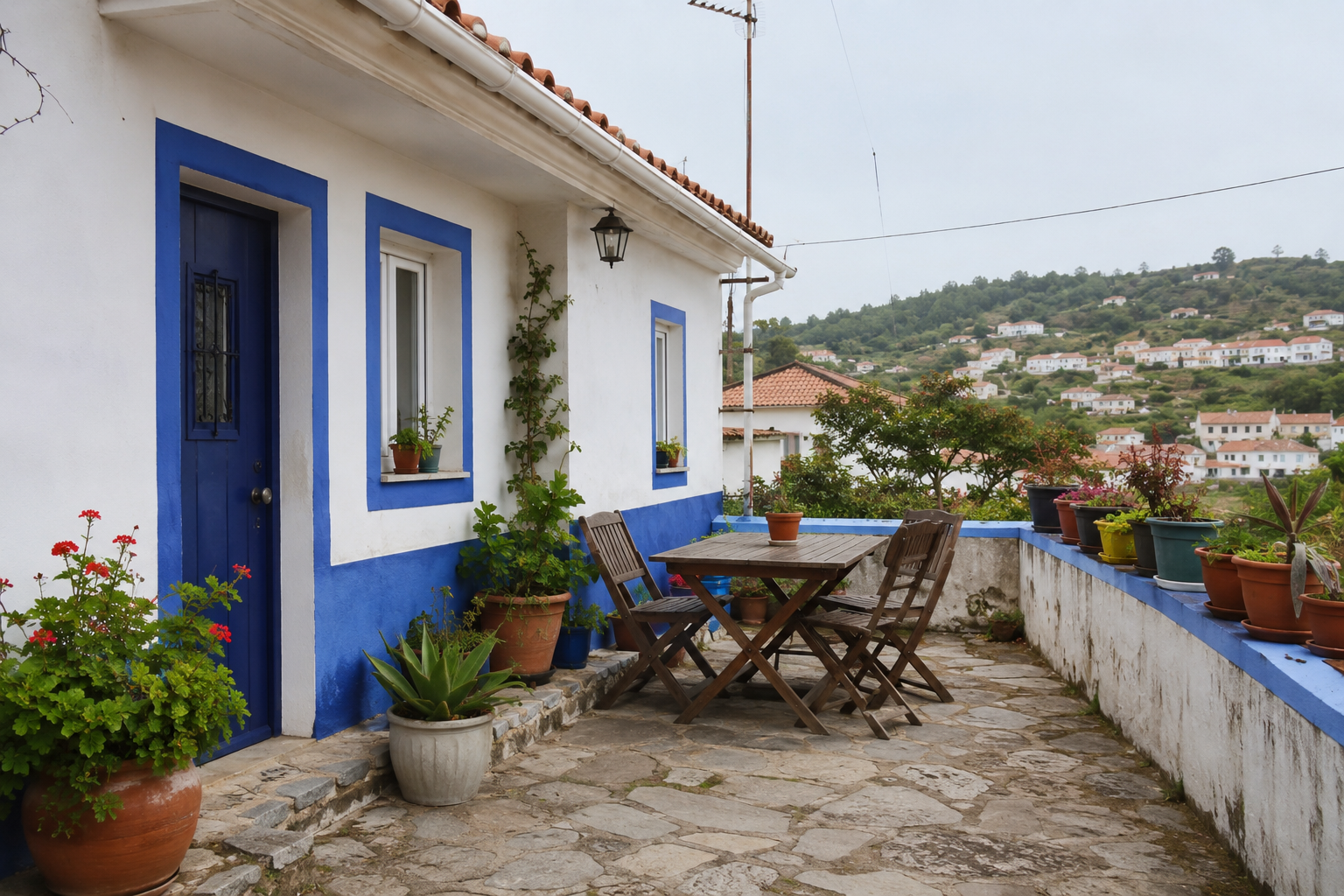
Portugal spent years as Europe’s darling for affordable sunshine, and while the coast has grown expensive, the interior remains a genuine value play. Around €100,000 buys comfortably in the country’s less fashionable regions, with rural properties and renovation projects in the north and the interior available for far less, and even in the popular Algarve, apartments set back from the prime coastal front can be within reach of the budget.
The fine print in Portugal centers on the transfer tax and stamp duty, with total buying costs commonly landing around eight to ten percent on top of the price. The main property transfer tax is progressive and depends on the price and the property’s use, so the exact figure varies, but the rule of thumb of budgeting roughly a tenth extra for taxes and fees holds well in Portugal as elsewhere.
The catch in Portugal is that the bargains and the lifestyle no longer overlap as neatly as they once did. The cheap interior is beautiful, quiet and genuinely affordable, but it is also rural, hot in summer, and increasingly far from the sunny coastal expat life that drew people to Portugal in the first place. The €100,000 dream is real, but it is an inland dream now, not a coastal one.
Greece, Islands and Mountains
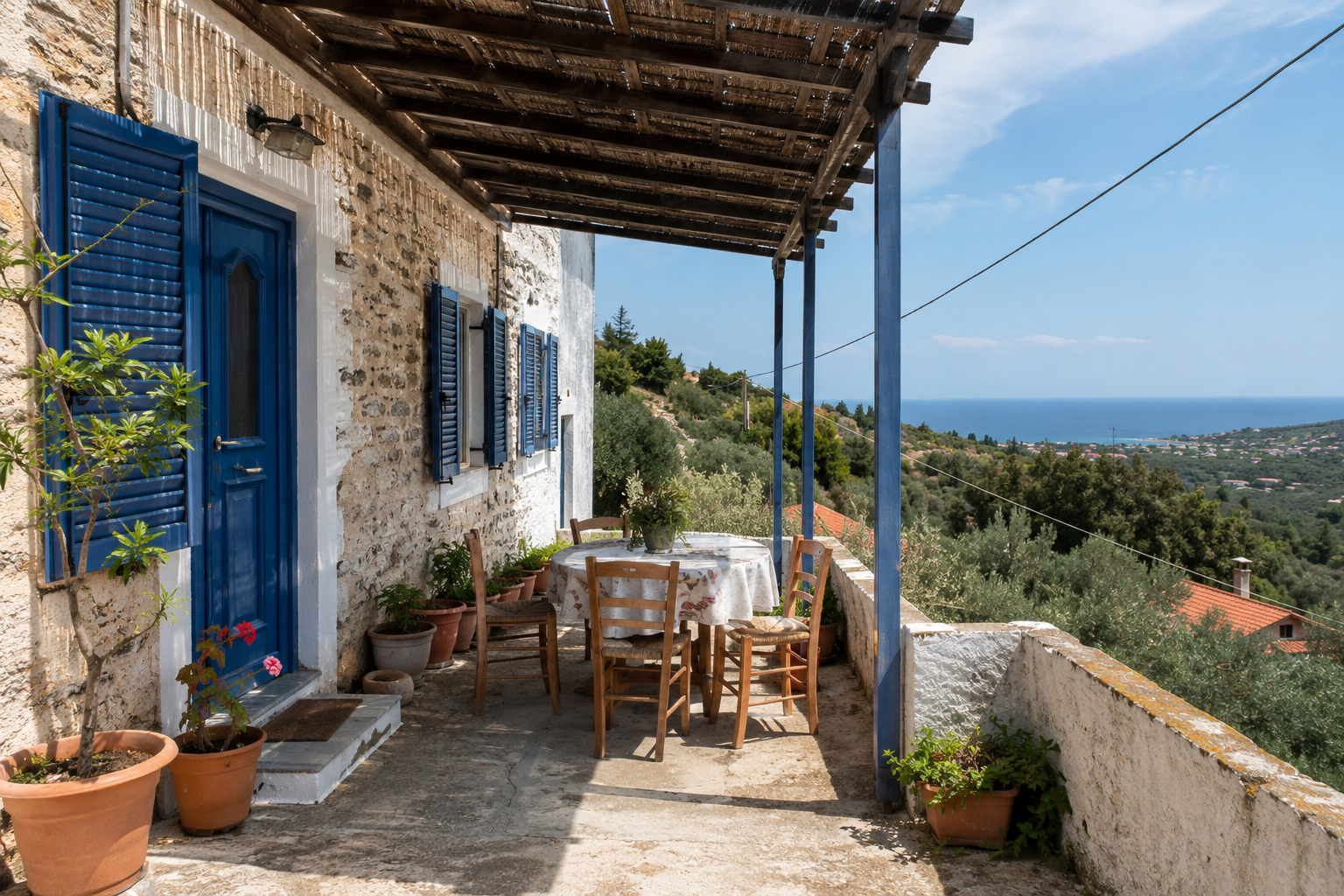
Greece surged back into fashion on the strength of its climate and its prices, and for €100,000 it offers some of the most evocative options anywhere, provided you look past the famous islands. On lesser-known islands, in mountain villages, and in the less touristy parts of the mainland and Crete, the budget buys stone houses and village homes, while the celebrated postcard islands command far more.
The fine print in Greece can be heavier than elsewhere, with total transaction costs often cited toward the higher end of the European range, in the region of twelve to fifteen percent once the transfer tax, legal fees, notary and the various charges are totaled. Greece also has a reputation for bureaucratic complication in property transactions, which makes good local legal help less a luxury than a necessity.
The catch in Greece is the title, and it is a serious one. Greek rural property can carry tangled ownership histories, unclear boundaries, incomplete land registration and the kind of inheritance complications that come when a village house has passed informally through generations of a family. A beautiful stone house at a beautiful price can come with a legal history that takes a specialist lawyer and real patience to untangle before it is safely yours.
France, Beyond the Riviera
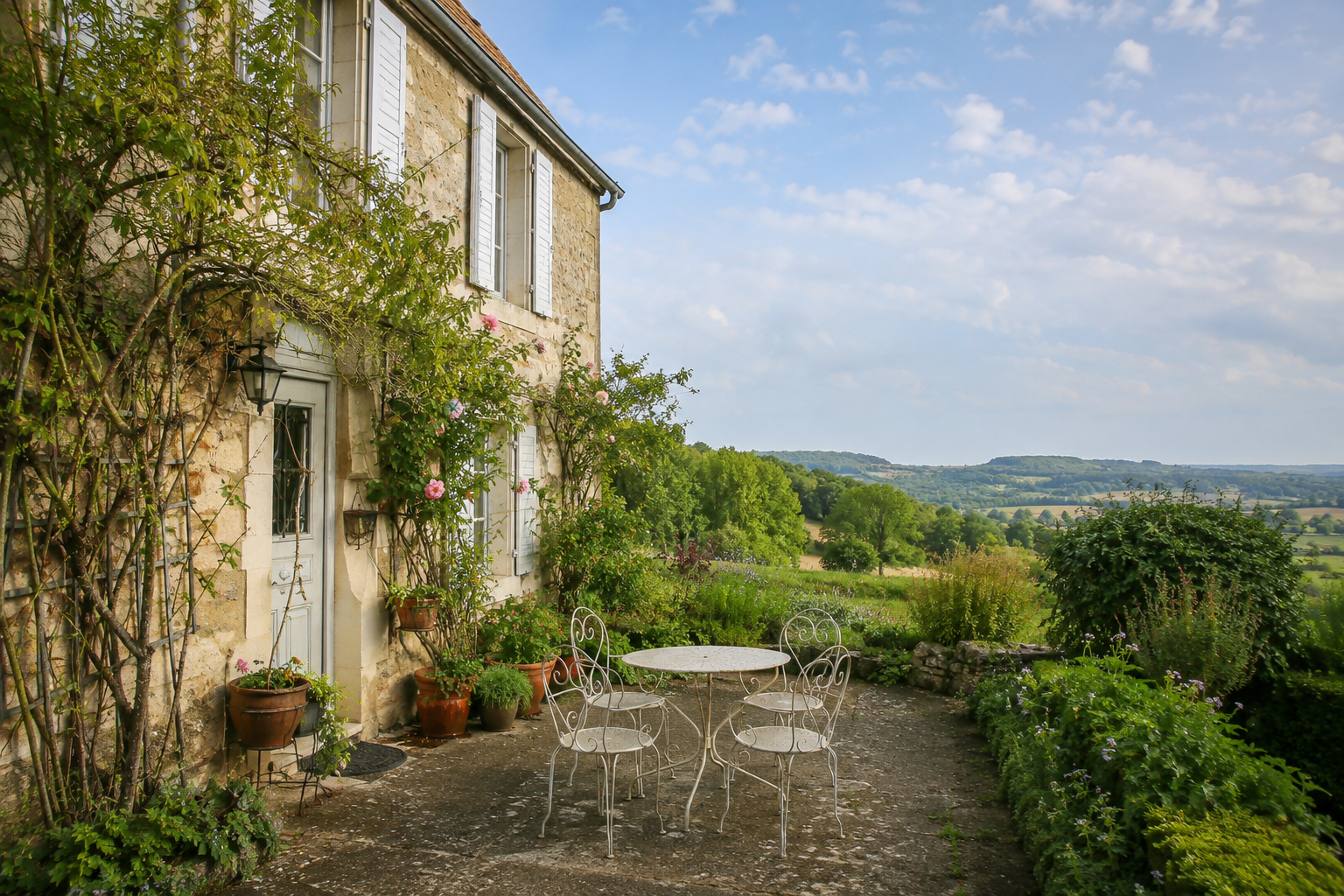
France completes the five, and it hides real bargains behind its glamorous reputation. Nobody buys cheaply on the Riviera or in central Paris, but in the rural north, in Normandy, Brittany and the farming towns of the interior, €100,000 buys stone houses with genuine charm, often needing updating but full of character, in a country with superb infrastructure and healthcare a short drive away.
The fine print in France is the famous frais de notaire, the notary’s fees, which for older resale properties run to around seven or eight percent of the price and are mostly not the notary’s fee at all but transfer taxes collected through them. Budgeting roughly eight to ten percent on top of the price is the safe assumption, and the French buying process, while highly formalized and secure, is deliberate and slow.
The catch in France is the same rural arithmetic as elsewhere, sharpened by the country’s size. The cheap stone houses sit in la France profonde, the deep rural France that has emptied as agriculture consolidated, often in villages that are lovely but sleepy, cold and grey in winter, and far from the sunny south that shapes the foreign image of the country. The charm is real, and so is the isolation.
The Fine Print That Applies Everywhere
Across all five countries, the same truths recur, and they are the ones the photographs never show. The first is that the listing price is never the price you pay. Everywhere in Europe, taxes, notary fees, registration and legal costs add somewhere between roughly eight and fifteen percent to the purchase, so a €100,000 house is realistically a €108,000 to €115,000 project before you have touched a paintbrush, and the sooner a buyer internalizes that, the fewer nasty surprises await.
The second universal truth is that cheap usually means rural, and rural means trade-offs. The great bargains of Europe cluster in the depopulated interior, the emptying villages and overlooked regions, which are beautiful and affordable precisely because people left them, and buying there means accepting distance from work, thin services, aging communities and often long grey winters. The lifestyle in the photograph is a summer lifestyle. The house exists year round.
The third is that the fixer-upper is where budgets die. Many of the cheapest houses need serious renovation, and in historic villages that work is bound by heritage rules that raise the cost, so the tempting low price is frequently the entry fee to a long and expensive project rather than a finished home. Add to this the specific legal risks of rural property, unclear titles, scattered heirs and land with no building rights, and the case for a good local lawyer becomes overwhelming in every one of these countries.
What the Number Really Means
So what does €100,000 really buy in Europe right now? The honest answer is a real and wonderful range of possibilities, tempered by a consistent set of catches. It buys a comfortable apartment in a provincial Spanish town, a village house in southern Italy, a rural Portuguese cottage, a stone home on a quiet Greek island, or a charming fixer in northern France, and in every case it buys the beginning of a project rather than the end of one. Which of those futures you get depends far less on the price than on the region, the condition and the paperwork behind it.
The photos are not lying, exactly, but they are telling only the flattering half of the truth. The stone house in the sun is real and it is affordable, and it is also, very often, in an emptying village, in need of work, wrapped in a purchase process that adds a tenth to the price and a legal history that needs untangling. None of that makes the dream false. It makes it a project, one that rewards the clear-eyed and punishes the impulsive.
For anyone truly drawn to it, the lesson is not to be discouraged but to be prepared, to fall in love with the village and then hire the lawyer, to budget for the fine print and the renovation as seriously as for the price, and to visit in February as well as August before signing anything, since the village that enchants in high summer can be a cold and shuttered place in the depths of winter. The €100,000 European house is one of the last great bargains available to ordinary people, a genuine chance at a life in the sun or the hills for the price of a car in some American cities, or a fraction of a down payment in others. It is real. It simply comes with fine print, and the people who thrive are the ones who read it before they fall in love, not after.

About the Author: Ruben, co-founder of Gamintraveler.com since 2014, is a seasoned traveler from Spain who has explored over 100 countries since 2009. Known for his extensive travel adventures across South America, Europe, the US, Australia, New Zealand, Asia, and Africa, Ruben combines his passion for adventurous yet sustainable living with his love for cycling, highlighted by his remarkable 5-month bicycle journey from Spain to Norway. He currently resides in Spain, where he continues sharing his travel experiences with his partner, Rachel, and their son, Han.