

For months I had watched my Spanish neighbors move through their days on foot. The older woman across the landing walked to the market every morning with her little trolley. The man downstairs walked to the bar for his coffee, walked to the pharmacy, walked to pick up his grandchildren. Nobody seemed to drive for the small things, and everyone seemed, somehow, lighter for it. So I decided to try it properly, and for sixty days I walked every errand I possibly could.
I will be honest about what I expected, because it was the obvious thing. I expected to lose weight. I pictured the pounds quietly falling off as I logged mile after mile on the way to buy bread and stamps, and I braced myself for the slow grind of it. That is not what happened, or at least it is not what happened first. The first thing to change had nothing to do with my body at all, and it changed far faster than I ever imagined.
Here is what sixty days of walking every errand really did, in the order it did it, and why the least expected change turned out to be the most important. This is my own experience rather than medical advice, but what I felt lines up with what the research on walking has been saying all along.
The Rules of the Experiment
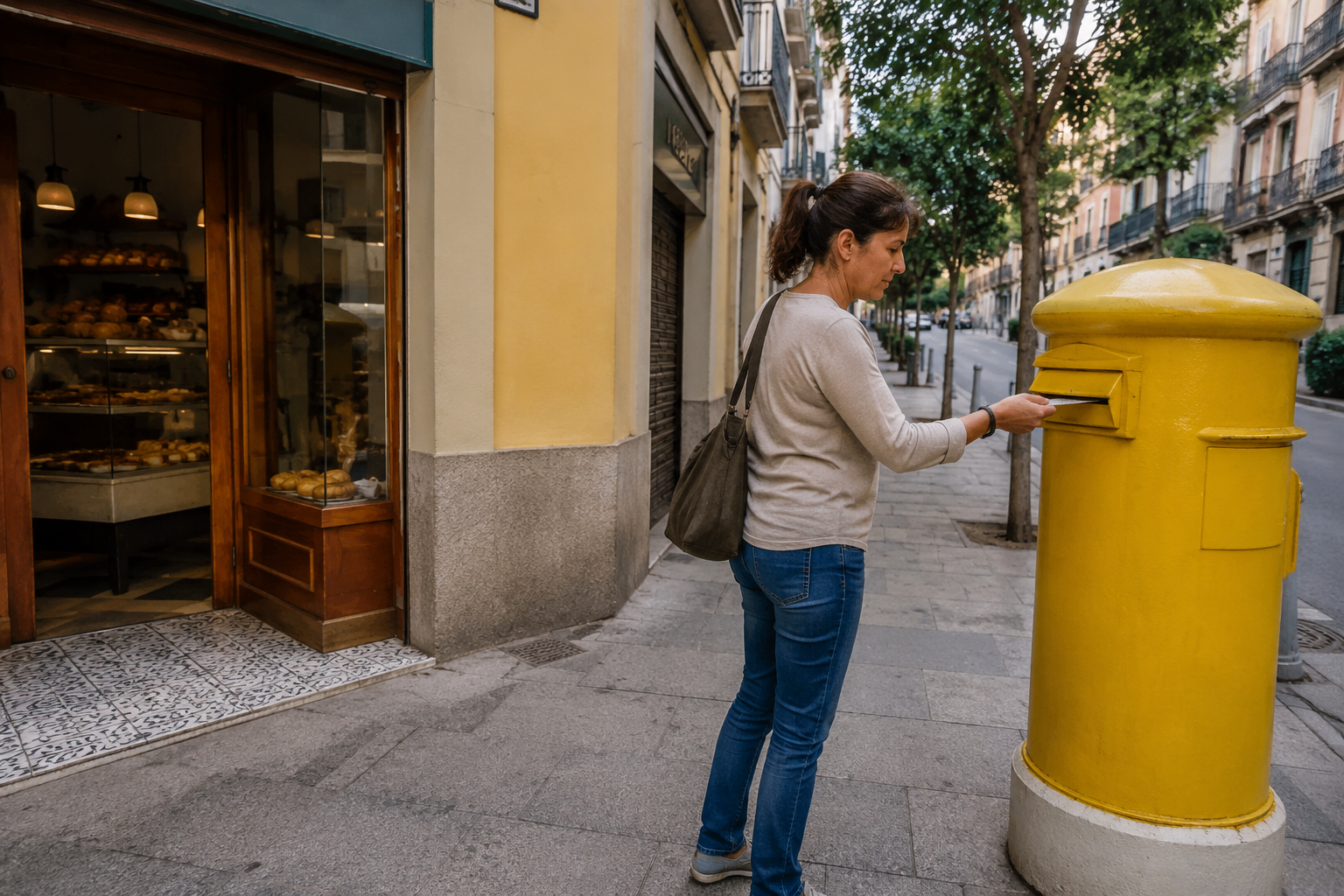
The setup was simple. For sixty days, I would walk to anything within reasonable walking distance, which in my Spanish neighborhood turned out to be almost everything. The daily groceries, the pharmacy, the post office, the bakery, the coffee, the bank, the small repairs and returns and appointments that make up an ordinary life, all of it would be done on foot, the way the people around me did it.
The car stayed parked for daily life, coming out only for the genuinely big or far-off trips it was truly needed for. Everything else became a walk, often several walks a day, little journeys of ten or fifteen minutes each that added up quietly across the day. I did not track steps or set targets or turn it into a fitness program. I simply refused to drive for the small things and let the walking happen.
What made it possible, of course, was living in a place built for it, a dense, walkable Spanish neighborhood where the shops and services of daily life sit within a few streets of home. I know that is not true everywhere, and it is the thing that makes this easy here and hard elsewhere. But where I live, the walkable life was right there waiting to be lived, and for sixty days I finally lived it the way my neighbors always had. The rules were less a discipline than a permission. All I really did was stop defaulting to the car for small journeys and let the walking fill the gap, and the neighborhood did the rest. In a place like this, walking is not something you have to manufacture but simply what happens once you stop reaching for the keys out of habit.
What I Expected, and What Came First
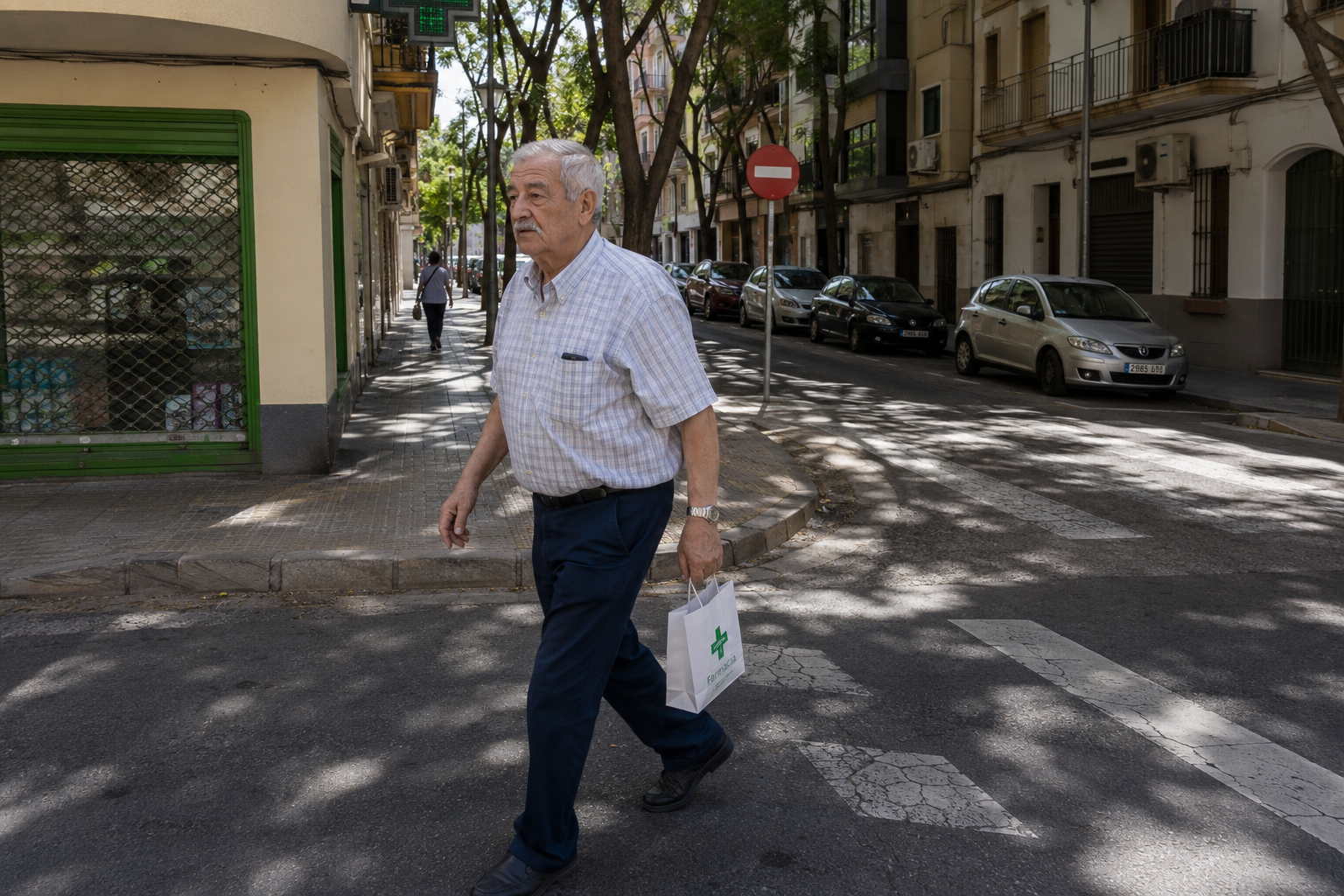
The weight loss was supposed to be the story. I had it filed under exercise, a way of burning off the long lunches through sheer accumulated movement, and I expected to spend two months waiting impatiently for the scale to reward me. I was ready for the familiar slow disappointment of it, the way physical change always seems to lag far behind the effort.
But the scale was not where the first change showed up. Within the first week, well before my body could have altered in any meaningful way, something else had shifted, and it was in my head. I felt clearer, calmer, and steadier than I had in a long time, and the difference was strong enough that I noticed it with genuine surprise. The walking was doing something immediate, and it had nothing to do with weight.
That was the discovery that reframed the whole experiment for me. I had approached walking as a chore aimed at my waistline, a cost to be paid for a physical reward, and instead it was paying me back at once in a currency I had not even thought to expect. The body would come later, slowly, as it does. The mind changed almost right away. Looking back, I think I had the whole thing upside down. I had treated my body as the point and my mind as an afterthought, when the walking cared for them in the opposite order, tending the mind first and the body last. It took living it to see that the most valuable effects of a simple daily walk are the ones no scale will ever show.
My Head Cleared
The clearest early change was mental. Those short daily walks turned out to be little islands of calm in the day, stretches of ten or fifteen minutes with nothing to do but move and look around, and my mind used them to unknot itself. Problems I had been chewing on would loosen halfway to the pharmacy. Ideas would arrive unbidden on the way back from the market. The walking was thinking, and thinking felt better than it had in months.
This turns out to be one of the best-documented effects of walking, and I was simply feeling it firsthand. Walking is strongly linked to lower stress, better mood and clearer thinking, with effects that show up quickly rather than after months of training, and researchers have long noticed how reliably a walk lifts the spirits and unsticks the mind. I had known this in theory. Living it every day was different.
What surprised me most was the stress. The background hum of low-level anxiety that I had come to treat as normal simply quieted, not all at once but noticeably, across those first couple of weeks. Something about moving my body gently through the world several times a day, out in the air and the light, drained off a tension I had stopped even noticing I carried. That alone would have been worth the sixty days. I began to look forward to the errands for exactly this reason. A trip to the post office stopped being a task to resent and became a small break I welcomed, a reason to step outside and let my head empty for a quarter of an hour. The chores had not changed, but my relationship to them had turned completely around.
Why the Change Came So Fast
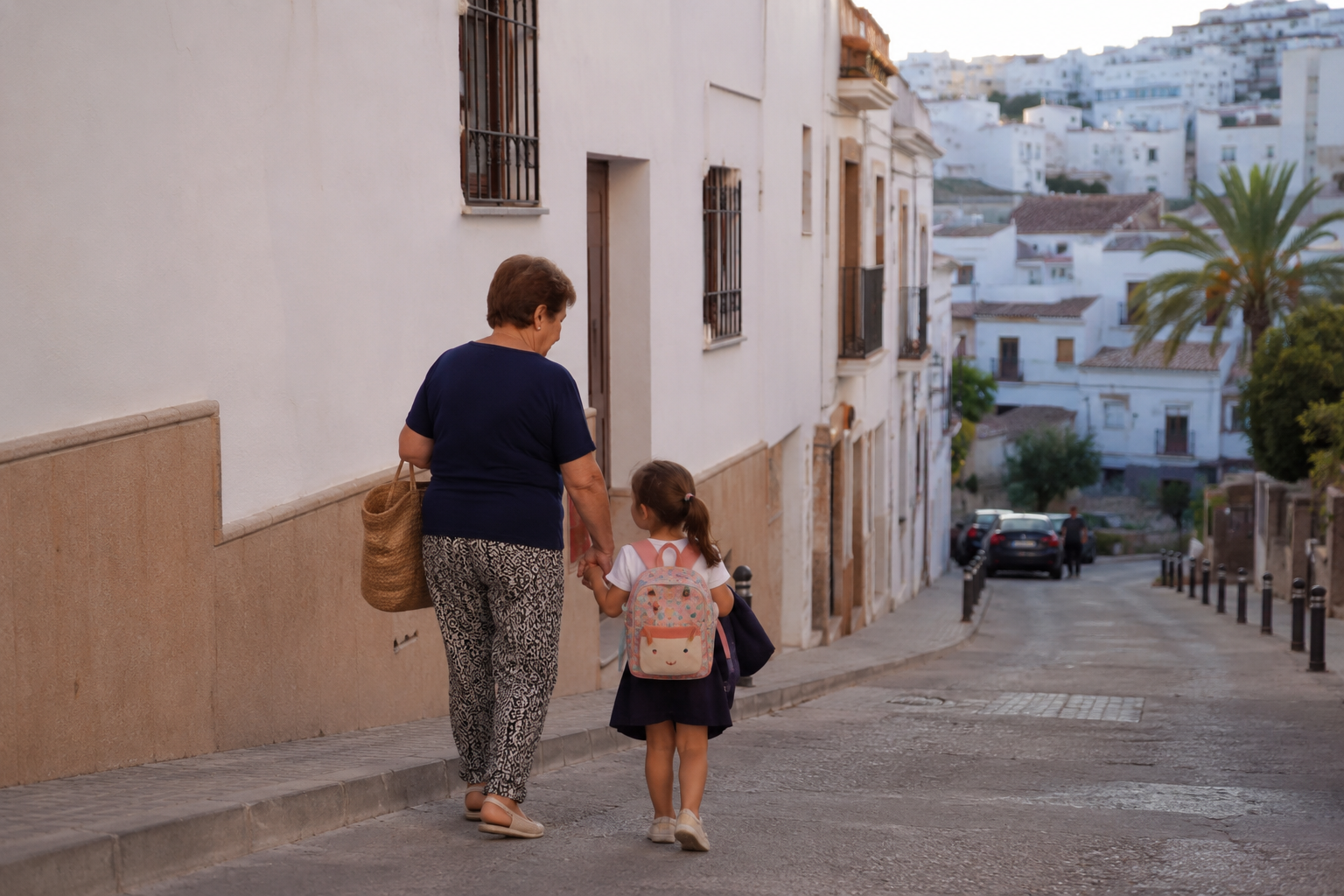
At first I could not understand why the mental shift arrived so quickly, well before anything physical could have. Then I read a little about it, and the speed made sense. The mood and stress benefits of walking are not the slow reward that fitness is, but something close to immediate, showing up in a single walk and building with repetition, which is the opposite of how weight loss works.
There are good reasons for this. Gentle movement lowers the stress hormones circulating in the body fairly quickly, it prompts the release of the chemicals associated with a better mood, and it seems to give the mind a particular kind of freedom to wander and settle that sitting still does not. Add in the daylight, which supports mood and the body clock, and the fresh air, and a short outdoor walk becomes a surprisingly powerful little intervention, delivered several times a day.
That is why the change outran my body so dramatically. I had expected the logic of exercise, where you suffer for weeks and are grudgingly rewarded later, and instead I got the logic of a mood lifter, where the reward lands the same day and simply deepens over time. The physical benefits were accumulating quietly underneath, but the mental ones were paid out immediately, which is why they were the first thing I felt.
Understanding this changed how I thought about the whole habit. A walk to buy bread was not a deposit toward some distant physical payoff but a small, immediate dose of calm and clarity, available right now, every single time, and that made it far easier to keep doing than any exercise I had ever tried to force on myself.
I Started to Belong
The second change crept up more slowly, and it was social. When you walk the same few streets several times a day, day after day, you begin to see the same faces, and before long you begin to know them. The woman at the fruit stall, the man at the bakery, the neighbors on their own errands, the regulars at the corner bar, all of them went from strangers to familiar figures to, eventually, people I greeted by name.
I had lived in the neighborhood for a while by then, but driving everywhere had kept me sealed off from it, moving through it in a metal box without ever touching it. Walking dissolved that barrier. Suddenly I was in the neighborhood rather than just passing through it, part of the slow daily exchange of nods and greetings and small talk that is the real texture of a Spanish street, and I felt, for the first time, that I belonged there.
That sense of belonging did something for me that I am only now able to name. It made me feel less alone, more woven into a place and a community, and researchers increasingly point to exactly that kind of everyday connection as one of the most powerful supports for health and happiness there is. I had gone looking for a smaller waistline and stumbled instead into a fuller sense of home, which was not on the list of things I thought a walk could deliver. The greetings themselves were tiny, a nod, a word about the weather, a joke with the woman at the fruit stall, nothing that would seem to matter. But repeated every day, they added up to something that mattered a great deal, the steady low warmth of being known in the place where you live, which is one of the quiet things a car had been silently taking from me all along.
Then Sleep, Then Energy, Then, at Last, the Body
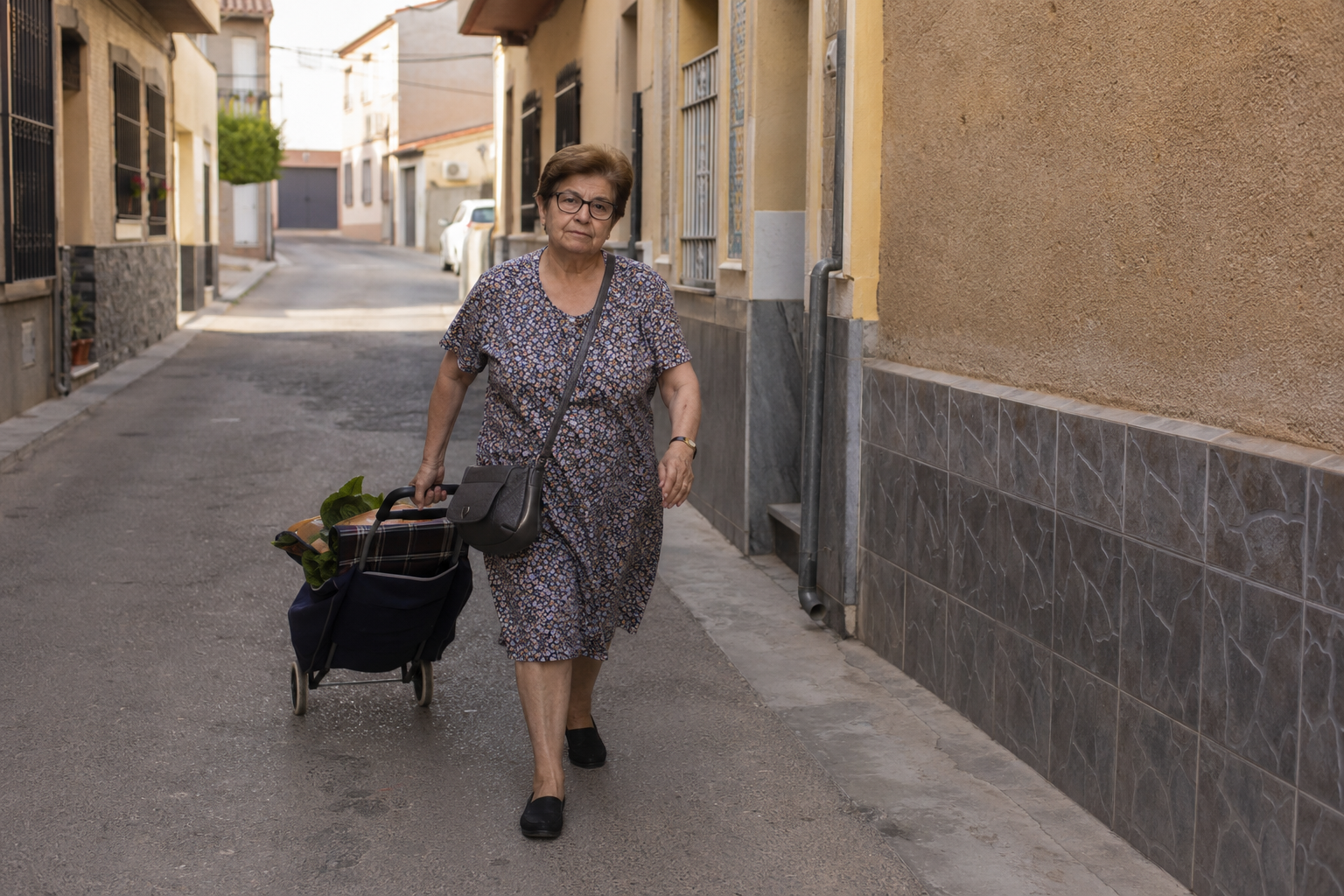
Once the mind and the mood had shifted, the rest followed in a kind of cascade. My sleep improved first, deepening and steadying in a way I noticed within a couple of weeks, probably some mix of the daily movement, the daylight, and the lowered stress all working together. Sleeping better then fed everything else, and my energy through the day climbed as the broken, sluggish quality of it fell away.
More energy made the walking easier and more pleasant, which meant more walking, which fed back into better sleep and steadier mood, until the whole thing became a gentle upward spiral rather than a chore I had to force. This is the quiet magic of a habit that pays you back immediately, that it stops needing willpower once the rewards start arriving, and by the second month I was walking not out of discipline but because I plainly felt better when I did.
And the body? It did change, in the end, slowly and undramatically over the two months, in the way bodies do when they are moved gently and constantly. But by the time any of that became visible, it had become almost beside the point. I had come for the physical change and found it was the last and least of what the walking gave me, a modest footnote to a much larger story about my mind, my mood, and my place in the world. I do not say this to dismiss the physical benefits, which are real and which matter. I say it because the order surprised me so much, and because I suspect the order is why so many people fail at walking when they frame it only as exercise. Chase the body alone and the reward feels too slow to sustain. Notice everything else it gives you, and the habit almost keeps itself.
What the Neighbors Knew All Along
At the end of the sixty days, I understood something my Spanish neighbors had never needed to articulate, because they had never known it any other way. They do not walk to the market for their health, and they would find the very idea of a walking experiment slightly absurd. They walk because it is simply how life is done here, and the calm, the connection, and the wellbeing that come with it are not goals they pursue but the natural weather of a life lived on foot. There is a humility in that which I found myself admiring. My neighbors were not optimizing anything or chasing a result, only living the way their parents and grandparents always had, and reaping, without effort or intention, the benefits I had been trying and failing to buy through gym memberships and good intentions for years.
That, I think, is the real lesson, and it reframes the whole way I had thought about movement. Walking is not primarily exercise, a grim transaction with your body for the sake of a number on a scale. It is a way of being in the world, one that happens to lift the mood, clear the head, connect you to your neighbors, steady your sleep, and, somewhere down the list, gently reshape the body too. My neighbors had all of that for free, woven into their ordinary days, and had never thought to call it anything at all.
I have kept walking since the experiment ended, not as a program but as the new default, because I no longer want the version of my life without it. If you can build even a little of it into your own days, a walk instead of a short drive, an errand on foot, a small journey through your own neighborhood, I suspect you will find what I found, which is that the first thing to change is rarely the thing you expected. For me it was never really about the weight. It was about becoming a person who walks, and discovering how much of a life that quietly turns out to be, once you stop driving through your days and start moving through them on foot.

About the Author: Ruben, co-founder of Gamintraveler.com since 2014, is a seasoned traveler from Spain who has explored over 100 countries since 2009. Known for his extensive travel adventures across South America, Europe, the US, Australia, New Zealand, Asia, and Africa, Ruben combines his passion for adventurous yet sustainable living with his love for cycling, highlighted by his remarkable 5-month bicycle journey from Spain to Norway. He currently resides in Spain, where he continues sharing his travel experiences with his partner, Rachel, and their son, Han.