
At two in the afternoon on a July day in Córdoba, the old city looks abandoned. The narrow lanes of the Judería are empty, shutters are pulled down over shop windows, and the only sound is a fountain somewhere behind a wall. The heat comes up off the stone paving in a way you can feel through the soles of your shoes. Anyone with sense is indoors, and everyone who lives here has sense.
This is not laziness or some quaint cultural performance. It is a survival timetable, worked out over centuries in the hottest city in mainland Spain. The locals disappear at midday and reappear when the sun loosens its grip in the evening, and the summer belongs to whoever follows that rhythm. The tourists who ignore it, marching out to sightsee at the worst possible hour, are the ones you find later looking grey and unwell on a bench.
Why Córdoba Is Spain’s Furnace
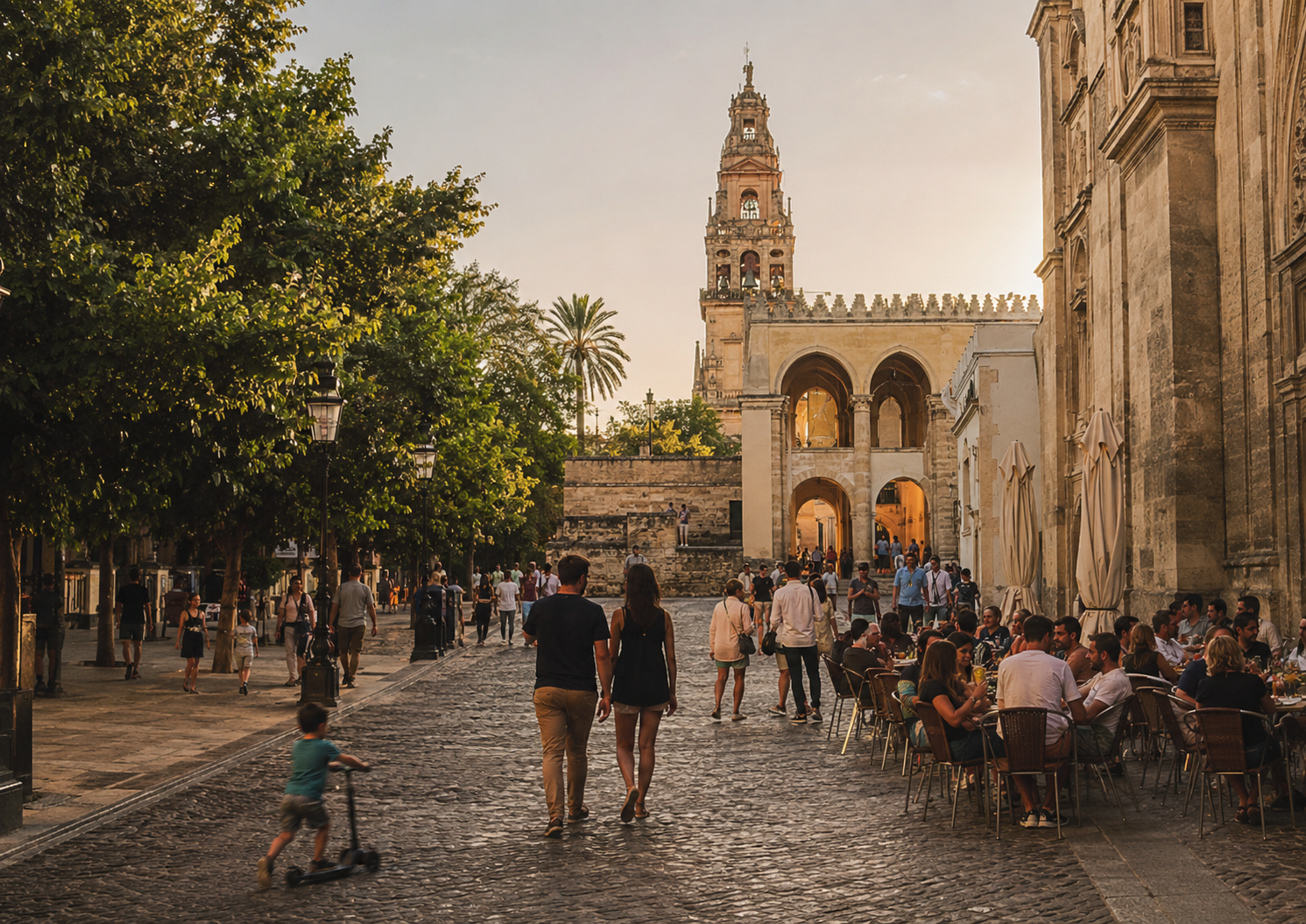
Córdoba holds a genuine claim to being the hottest city in mainland Spain, and often in all of Europe, during the deep summer. It sits inland in the valley of the Guadalquivir, far enough from the sea that no coastal breeze arrives to take the edge off, and the valley itself acts like a trap that gathers and holds the heat.
The numbers are punishing. July highs sit around 38°C, close to 100°F, as a matter of routine, with regular spikes above 40°C, or 104°F, and the hottest days of the year climbing to 42 or 43°C. The city’s record stands at 46.9°C, nearly 116°F, measured at Córdoba airport on the thirteenth of July 2017 by the Spanish weather agency AEMET. Nearby Montoro, in the same province, recorded 47.3°C that same month, the highest temperature ever officially logged anywhere in Spain.
There is one mercy in all of it: the heat is dry. Without the humidity that clings to the Mediterranean coast, 38°C in Córdoba is uncomfortable rather than suffocating, more like standing too near an open oven than wading through warm soup. The dryness also means the nights cool sharply, with a swing of some 17 degrees between the afternoon peak and the small hours, which is exactly what makes the local schedule possible in the first place.
Where Córdoba Sits in the Andalusian Furnace
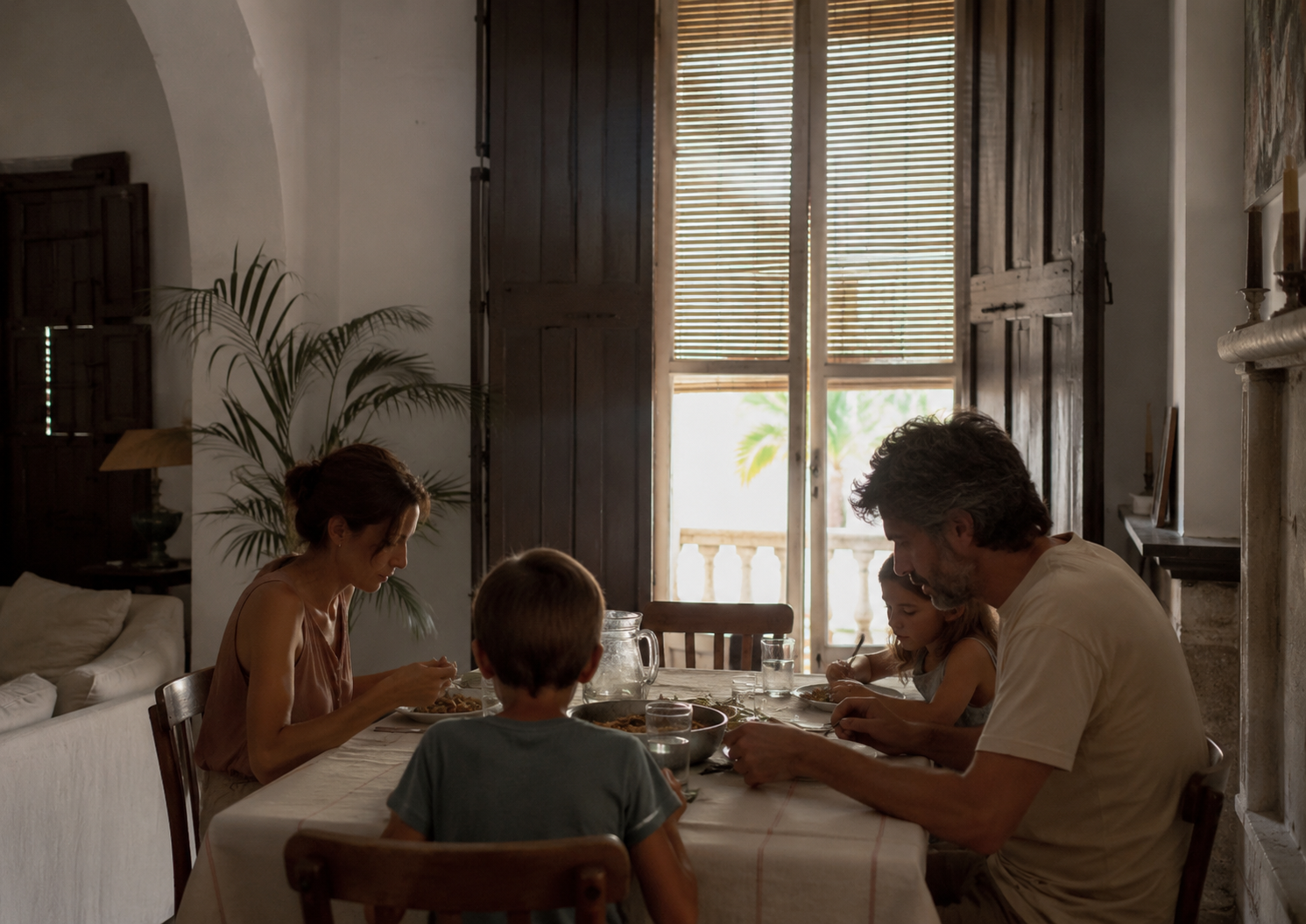
Córdoba does not bake alone. It sits in a stretch of inland Andalusia that reliably produces the highest temperatures in the country, sharing the distinction with Seville, an hour or so downstream, and Jaén to the east.
All three are creatures of the same geography, strung along or near the Guadalquivir valley, low-lying, inland, and shut off from any cooling sea air by the surrounding hills. In a serious heatwave, official alerts routinely report readings above 44°C, around 111°F, across these valleys, and the record books are dominated by towns in exactly this zone. Seville tends to grab the headlines as the hottest big city, but Córdoba runs it close and on the worst days is hotter still.
What sets Córdoba slightly apart is the character of its old core. Because the historic centre is so densely built, with its thick walls and shaded lanes, the lived experience inside the casco histórico is often a few degrees kinder than the exposed weather stations on the city’s edge suggest. The official figure and the temperature in a shaded courtyard can feel like two different climates, which is precisely the point of how the city was designed.
The Schedule the City Runs On
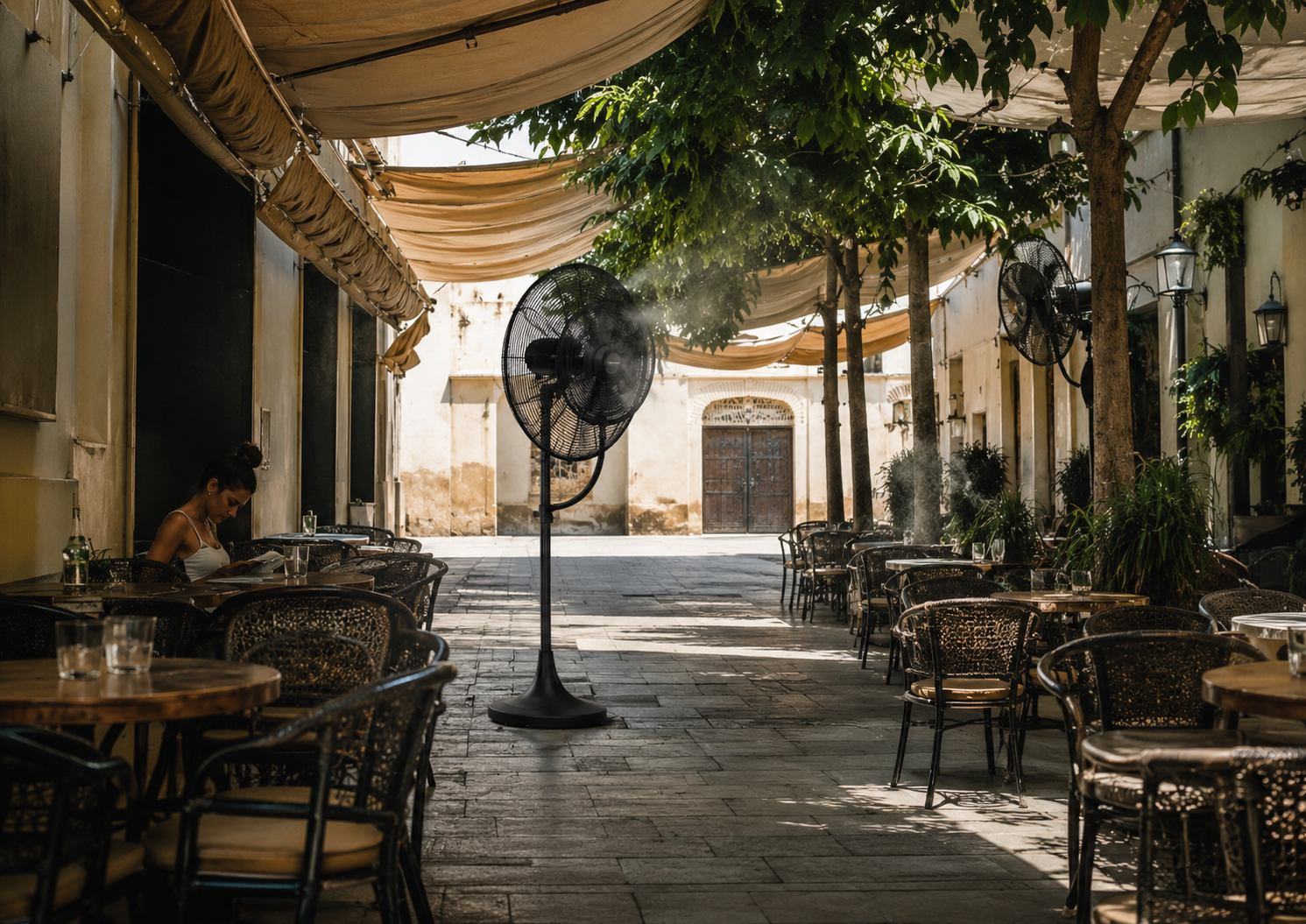
Life in summer Córdoba is not lived across the day so much as around it. The clock is bent toward the cooler hours at each end, and the middle is simply written off.
Morning is the productive time. The markets open early, errands are run and appointments kept before lunch, and the streets around the Mezquita see their serious foot traffic from eight to eleven, before the stone has fully absorbed the sun. By late morning the pace slackens, and by the early afternoon the retreat is complete. Then comes the long pause, when the city all but closes and people rest, eat, and stay out of the light.
The evening is when Córdoba comes back to life, and it does so with real energy. From around seven, as the temperature finally drops into something bearable, the terraces refill and the paseo begins, that slow communal stroll through the streets and along the river. Dinner at nine or ten is standard, not because Cordobans are natural night owls but because those are simply the only comfortable hours to be outside. A visitor who inverts their own day to match this finds that summer Córdoba has a clear internal logic, and that fighting it is the only real mistake.
Shops and businesses bend to the same clock. Many close in the early afternoon and reopen in the cooler evening, so a visitor expecting to run errands or browse at three finds locked doors, while the same person wandering at nine finds the streets busy and the shops lit and open. Learning the local hours is half of enjoying the city rather than being quietly defeated by it.
Why the Streets Empty at Two
The midday vanishing is the part tourists find hardest to believe until they feel it themselves. It is worth being precise about why it happens, because it is not a matter of habit or a leisurely national temperament.
By eleven in the morning the stone paving of the old city has been warm underfoot for hours, and by noon it radiates heat upward even in the shade of a narrow lane. Between roughly 2pm and 6pm, the streets empty out. This is a rational withdrawal from conditions that are genuinely dangerous, not a charming siesta for the postcards. Factor in the humidity that does exist and the heat index on an August afternoon can reach around 41°C, which is the threshold where unprotected outdoor activity carries real health risk for anyone not used to it.
The body keeps its own account of this whether or not the mind is paying attention. People who push through the early afternoon get through water at a rate that surprises them, and often feel the first signs of heat exhaustion, a headache, light-headedness, a strange fatigue, before they connect the symptoms to the temperature. The locals are not hiding from the sun out of delicacy. They are respecting a hazard they have lived alongside their whole lives, and the empty street at two o’clock is the visible shape of that respect.
The Patios Are the Secret
Córdoba’s answer to the heat is not only a schedule. It is also architecture, refined over two thousand years into one of the most effective pieces of passive cooling anywhere, and it is why the historic centre stays livable when the thermometer says it should not.
The famous patios, the flower-filled interior courtyards the city is celebrated for, run measurably cooler than the streets outside their walls, commonly by 10 to 15°C. The engineering behind them is old and elegant. Thick stone walls slow the heat as it tries to work its way inside. Whitewashed surfaces bounce the sun back into the sky rather than soaking it up. Plants release moisture that cools the enclosed air, and a central fountain drops the temperature further as its water disperses. The principle runs unbroken from the Roman atrium to the Moorish courtyard house, the same idea kept alive for millennia because it works.
The street plan does the same job at a larger scale. The tight medieval grid of the Judería and the old medina, with lanes sometimes barely two metres wide, means the walls shade one another and the ground rarely takes the full force of the sun. Step inside the Mezquita, with its stone walls a metre deep, and the drop in temperature is immediate and total, which is why the great mosque-cathedral feels like sanctuary on a blazing afternoon. Córdoba was built, quite deliberately, to be survived in summer.
The Mistake Tourists Keep Making
Given all of this, the striking thing is how many visitors refuse to copy the one schedule the whole city is organised around. They arrive with a fixed idea of a holiday day, monuments after breakfast and a long afternoon of walking, and they run it straight into the wall of the Andalusian summer.
The pattern is predictable. Travelers from cooler northern countries underestimate what 40°C actually does, because their own hot days top out fifteen degrees lower and feel nothing like it. They set out to see the Alcázar or wander the old town at exactly the hour the locals have vanished, and the empty streets, rather than reading as a warning, look like an opportunity to sightsee without crowds. An hour or two later the reality lands, usually as a pounding head and a desperate search for shade and water.
None of this is about toughness. The Spanish sun at midday in July will burn unprotected skin in under half an hour and will drain a fit adult startlingly fast. The visitors who thrive are simply the ones who swallow their pride and do as Córdoba does: heavy sightseeing in the morning, shelter in the afternoon, and the city itself saved for the evening. The schedule is not a suggestion the locals happen to follow. It is the accumulated wisdom of people who have buried the alternative.
When the Heat Becomes a Warning
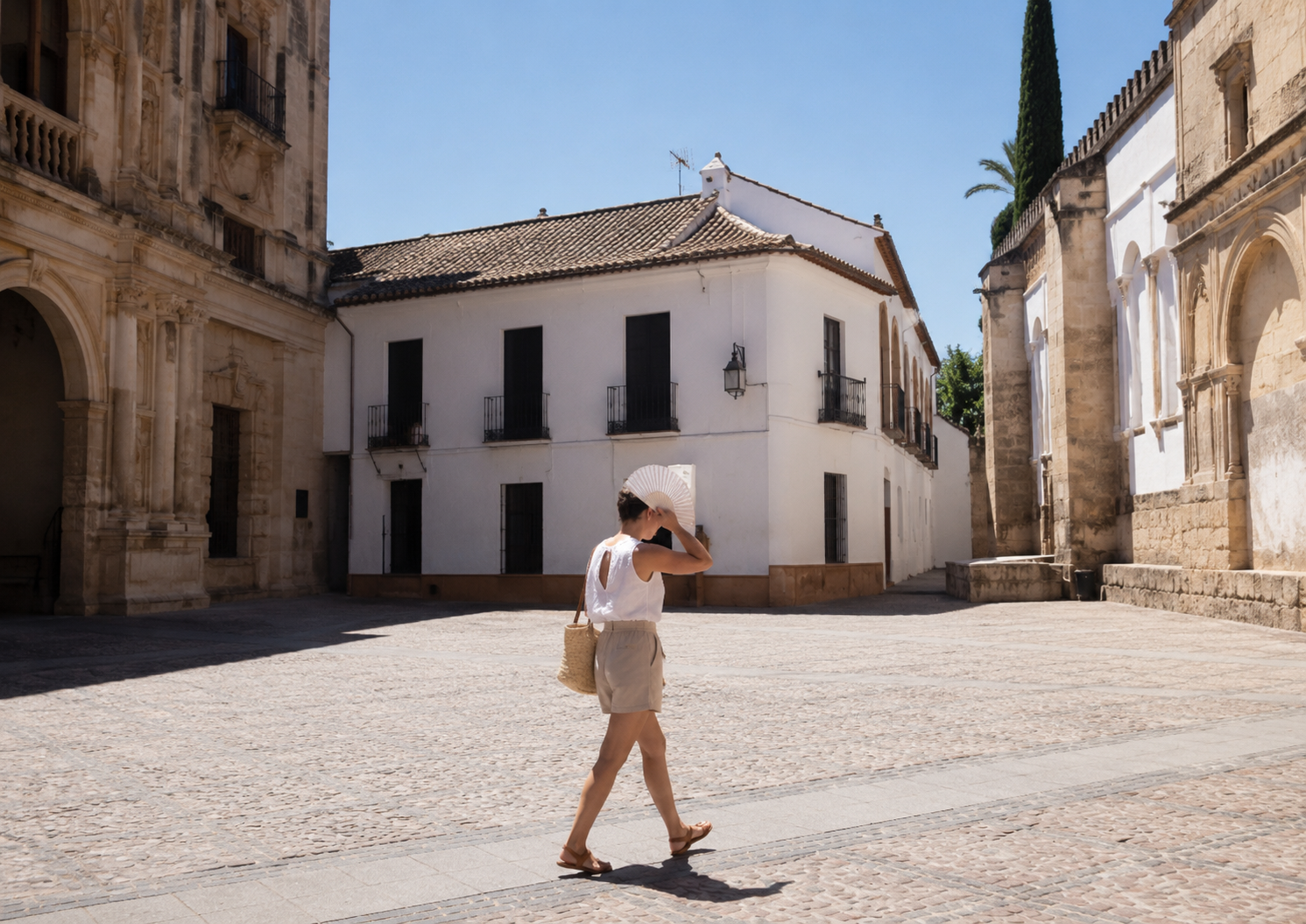
Some summers the heat stops being merely uncomfortable and becomes a public health event, and Córdoba sits at the centre of those too. Spain’s weather agency issues formal heat alerts, the avisos por calor, and the Guadalquivir valley is one of the areas that most often turns red on the map.
During these episodes the ordinary advice sharpens considerably. The people most at risk are the ones a casual visitor might not think about: the elderly, very young children, and anyone with a heart or respiratory condition, for whom a 42°C afternoon is not an inconvenience but a real danger. Spanish health authorities put out specific guidance during official heatwave warnings, and it is worth heeding rather than waving off as fuss.
For a traveler, the takeaway is not to be scared off but to stay sensible. Check whether an alert is in force during your stay, and if one is, treat the midday hours as strictly indoor time. The same schedule the locals keep anyway becomes non-negotiable on a red-alert day. Córdoba in a heatwave is still a wonderful place to be, provided you meet it on the terms it sets rather than the ones you happened to bring with you.
How the Evening Pays You Back
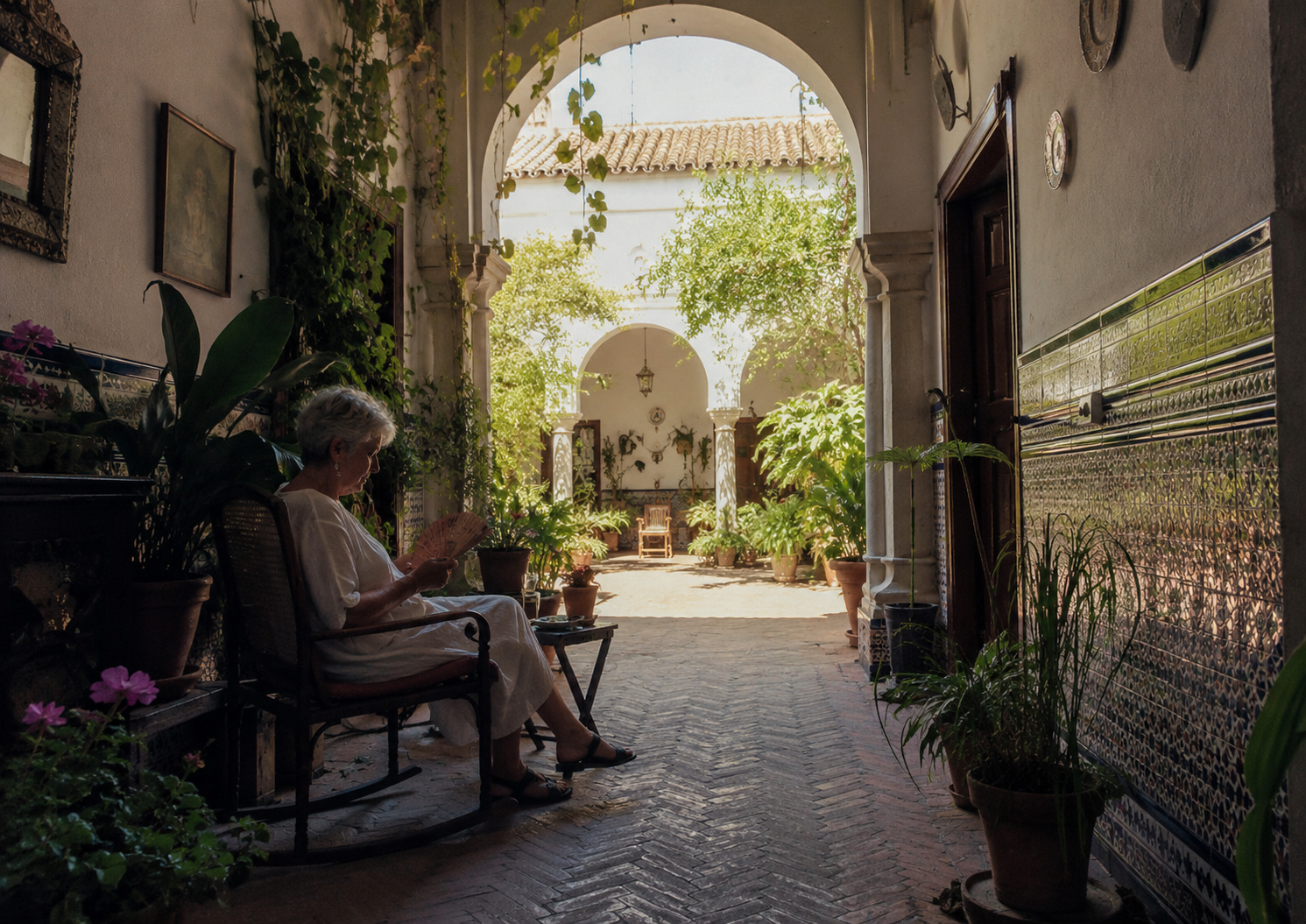
The reward for surrendering the afternoon is one of the finest experiences Spain has to offer, and it is the part first-time visitors remember longest. From around nine in the evening, once the worst of the heat has broken, Córdoba turns into a different and far gentler city.
The temperature settles into the high twenties, the terraces fill, and the historic centre hums until well past midnight. A bowl of salmorejo, the thick cold tomato cream the city is known for, and a glass of chilled fino sherry taste like exactly the right idea at nine o’clock in a way they never could at two. The walk from the Plaza de la Corredera down toward the Mezquita, or out onto the Roman Bridge as the light turns gold around a quarter past nine, is the definitive summer Córdoba moment. The Alcázar opens its terraced gardens for evening visits, the fountains and reflecting pools lit against the dusk.
This is the trade the city offers and that tourists so often decline. Give up the hours that were never any good anyway, the flat, brutal middle of the day, and you are handed the long, soft, sociable evening in return. The people who came only to tick off monuments miss it entirely, because they exhausted themselves at noon and were asleep by the time the city woke up. The ones who adapt get the real Córdoba, which only comes out after dark.
How to Do July in Córdoba Without Wilting
For anyone determined to visit in high summer, and there are good reasons to, the practical plan almost writes itself once the logic is clear. Front-load the sightseeing. See the Mezquita, the Alcázar, and the streets of the Judería in the cool of the morning, ideally before 10am, when the light is soft and the crowds and the heat are both still low.
Surrender the afternoon without guilt. The two-to-six window is for indoor, air-conditioned refuge: the excellent archaeological museum, a long lunch somewhere cool, or the Hammam Arab baths near the Mezquita, whose temperature-controlled pools turn the hottest hours into the most relaxing part of the day for around €30 to €35, roughly $32 to $38. Drink far more water than feels necessary, wear a hat, and treat the midday sun as the genuine hazard it is rather than a challenge to be beaten.
A few small tactics help more than they should. Carry a refillable bottle and use the public fountains, keep to the shaded side of those narrow lanes, and build the day around a cool anchor, a museum or a long lunch, instead of trying to power through on foot. Light, loose clothing and a proper hat, not a token cap, make a real difference across a long day in this kind of heat.
There is a payoff beyond survival, too. High summer is low season for heat-averse visitors, so hotel prices drop well below the spring peak, with decent rooms often running €60 to €80, about $65 to $85, a night, and the queues at the Mezquita all but disappear. Do July the way Córdoba does it, and the city that looks abandoned at two in the afternoon becomes, by nine in the evening, one of the most rewarding places in Spain to be a traveler. The heat is real, but so is the reward, and the only thing standing between the two is a willingness to reset your watch.

About the Author: Ruben, co-founder of Gamintraveler.com since 2014, is a seasoned traveler from Spain who has explored over 100 countries since 2009. Known for his extensive travel adventures across South America, Europe, the US, Australia, New Zealand, Asia, and Africa, Ruben combines his passion for adventurous yet sustainable living with his love for cycling, highlighted by his remarkable 5-month bicycle journey from Spain to Norway. He currently resides in Spain, where he continues sharing his travel experiences with his partner, Rachel, and their son, Han.