
Anyone who has tried to run an errand in a Spanish town at three in the afternoon has felt the confusion. The pharmacy is shut. The hardware shop is dark. The little grocery has pulled its shutter halfway down, and the street that was busy at noon is empty and quiet. To a newly arrived American it reads as dysfunction, a whole country inexplicably closing in the middle of the working day. It is not dysfunction. It is a choice, and a deliberate one, about what the middle of the day is for.
We live by it without quite meaning to. The day folds naturally around the long lunch, and the idea of eating quickly at a desk in order to keep working has come to feel not virtuous but slightly sad, a small daily theft from the part of the day worth keeping.
Spaniards protect an hour, or two, that American working culture quietly gave away decades ago, and they protect it fiercely. It is not quite what most foreigners think it is, and it is not the cliché the postcards sell. But it is real, it is defended, and it turns out to be one of the more sensible things a culture can decide to keep.
Let me clear up what it actually is first, because the famous version is mostly a myth.
The Siesta Is Not What You Think
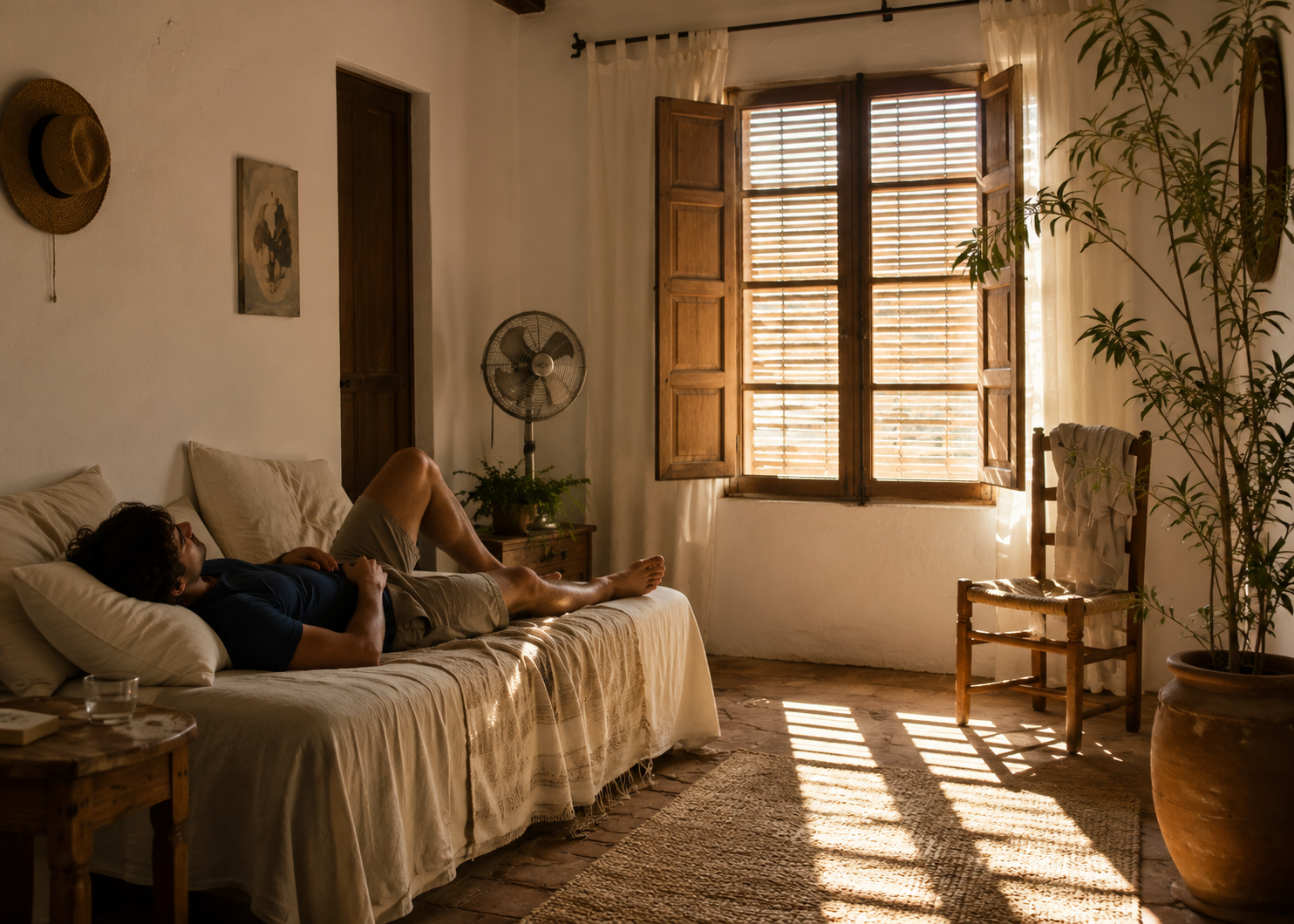
Say “Spanish afternoon” to an American and they picture the siesta, the whole country asleep in bed after lunch. That picture is decades out of date and was never quite accurate to begin with.
Most working Spaniards today do not nap in the afternoon. In a modern city, with a normal job and a commute, a daily sleep is no more practical than it would be in Chicago, and surveys consistently find that the majority of Spaniards rarely or never take one. The image of a nation snoring through the afternoon is a tourist fantasy.
What survives, and what Spaniards actually guard, is not the nap. It is the pause. The middle of the day is protected not as a time for sleeping but as a time for stopping, for eating properly, and above all for staying at the table long after the food is gone. The nap was always the least important part. The part that matters has a different name.
The Word Is Sobremesa
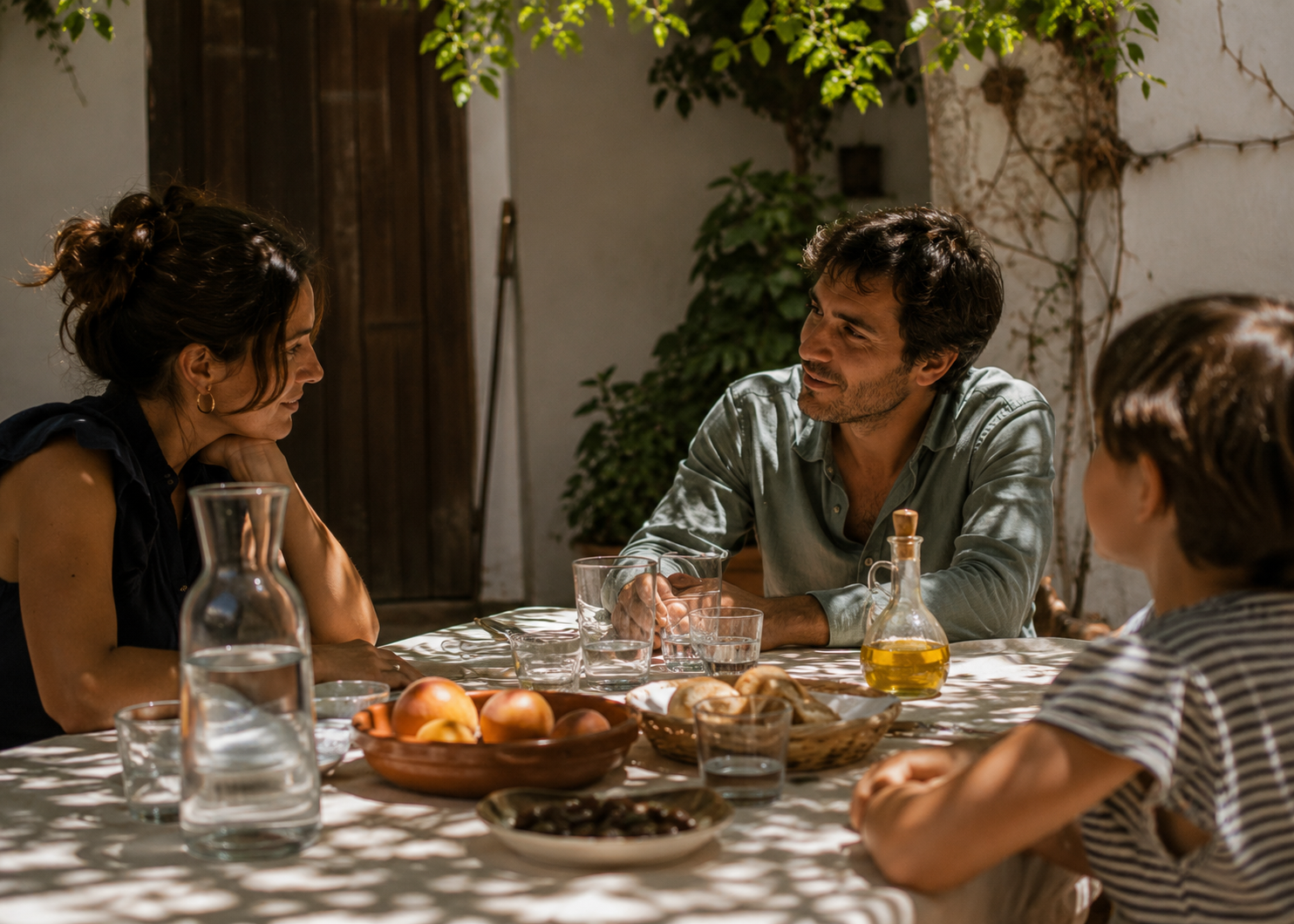
The thing Spaniards protect is called the sobremesa, literally “over the table,” and English has no real word for it because English-speaking culture mostly stopped doing it. It is the stretch of time after a meal when nobody gets up, the plates sit where they are, and the people stay and talk.
A Spanish sobremesa can run longer than the meal that preceded it. The food is finished, a coffee appears, maybe something to sip, and the conversation simply keeps going, unhurried, sometimes for an hour or more. Nobody is checking a watch. Nobody is rushing back to anything. The point of the meal was never only the food. It was the table, and the sobremesa is the table doing its real work.
There is a shape to it. The meal winds down, the coffee comes, perhaps a small strong digestivo, and the talk loosens into something rambling and warm, jumping from family news to politics to an argument about football and back. Three generations can sit at the same table through all of it, the children eventually drifting off to play while the adults stay. It is not an event anyone planned. It just happens, every time, because the culture leaves room for it to.
This is the hour Spaniards will not surrender. You can be late to many things in Spain, but cutting a good sobremesa short to get back to a desk is close to rude. It treats the people at the table as less important than whatever you are hurrying toward, and that ranking is exactly the one Spanish culture refuses to make.
Why The Whole Town Closes
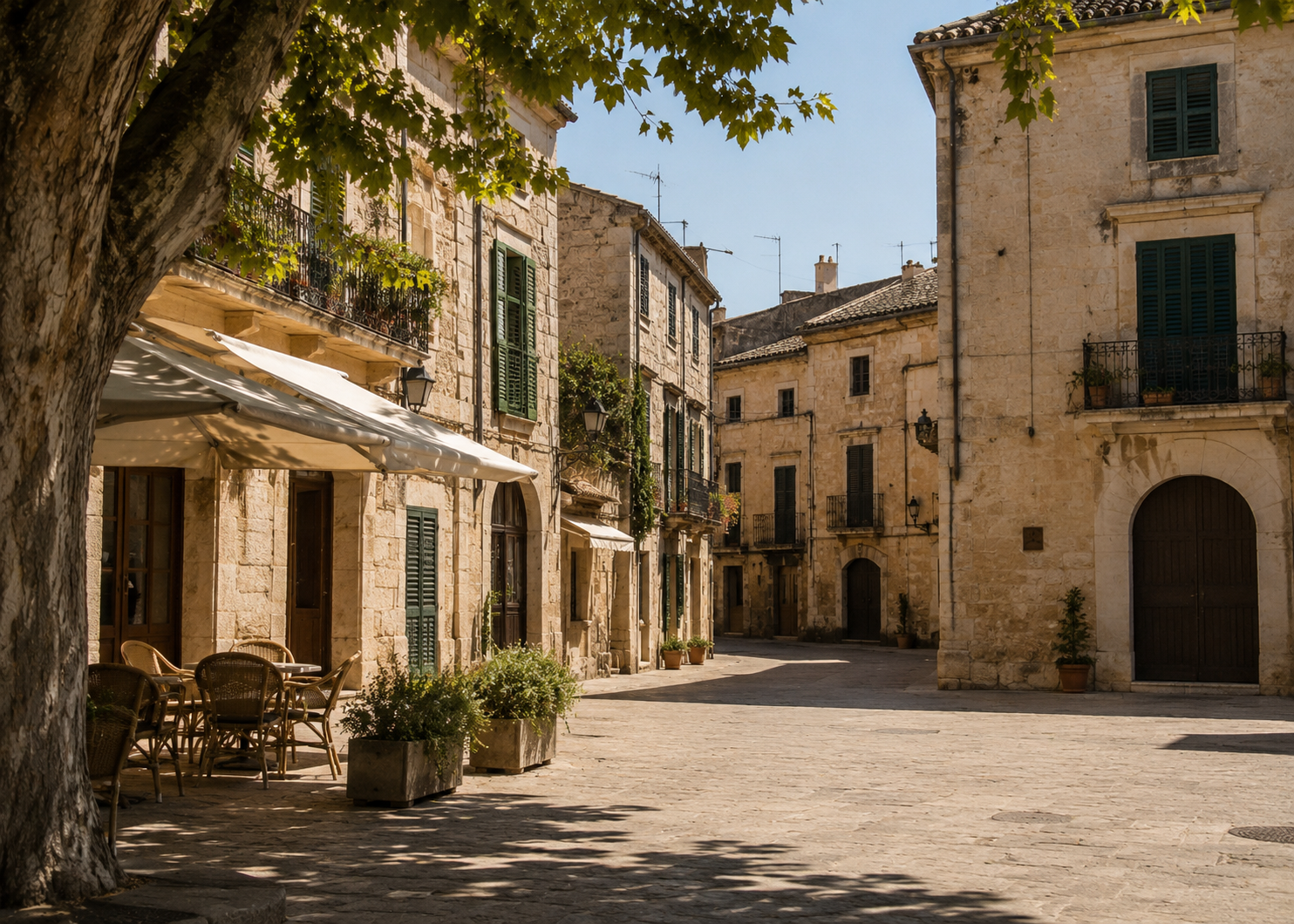
The shuttered shops that baffle visitors are the infrastructure of that pause. The midday break exists so that everyone, including the person who runs the hardware shop, gets to have it.
For a few hours in the early afternoon, much of a Spanish town stops trading so that the people in it can go home or to a restaurant, eat the main meal of the day, and sit over it. The shops reopen later and stay open into the evening to make up the hours. It is not less work. It is the same work, arranged around a protected gap in the middle rather than steamrolling straight through it.
To an outsider it looks like inefficiency. From the inside it looks like a society that decided the midday meal was worth building the day around, and then actually built the day around it. The closed shutter at three is not laziness. It is a priority made visible.
The Whole Day Bends Around It
To understand why the afternoon is worth closing a town for, you have to see how the rest of the Spanish day is built around it. The schedule is unlike the American one in nearly every slot.
The main meal in Spain is lunch, eaten late, often between two and four, and it is the real meal of the day, several courses and proper food rather than a quick refuel. Dinner comes late too, frequently at nine or ten, and is usually lighter. The afternoon pause sits right at the hinge of all this, the long midday meal and the sobremesa together forming the gravitational center the day turns around.
That is why the shops close and reopen rather than simply running through. The day is not one continuous block but two, split by a protected meal in the middle, and the evening half runs later to compensate. It is a completely coherent design once you stop measuring it against the nine-to-five. The afternoon is not a gap in the working day. It is the point the working day was arranged around.
What America Traded It Away For
American working culture made the opposite choice, so completely that most people never notice a choice was made at all. The midday pause was not lost. It was traded, deliberately, for the appearance of productivity.
The American lunch shrank to twenty minutes, then to a sandwich eaten at the desk while the work continued, then for many people to barely a meal at all. Taking a real, unhurried hour in the middle of the day came to look like slacking, and eating while working came to look like virtue. The lunch break became something to apologize for, then something to skip.
What got traded away was not just the meal. It was the pause itself, the daily stretch of time that belonged to nobody’s employer. A culture that eats at its desk has decided that the middle of the day belongs to work, and once that decision is made, the sobremesa becomes literally unthinkable. There is no slot for it. The hour it would occupy was sold.
The cost of that trade shows up well beyond lunch. A working day with no real seam in it, no protected stop, tends to bleed at both ends, into early mornings and late nights and the phone that never goes quiet. When the middle of the day holds no boundary, it gets harder to find one anywhere, and being always at work stops feeling like a problem and starts feeling like the weather. The Spanish midday break is, among other things, a daily enforced line, a built-in moment when work is simply not what is happening. Cultures that kept it did not only keep a meal. They kept a boundary, and boundaries, once given up, are very hard to win back.
The Pause Is Doing Real Work
It is easy to file the long lunch under charming and leave it there, but the protected hour earns its keep in ways that are not just pleasant.
A genuine break in the middle of the day, spent eating real food slowly and talking to other people, does things that grinding straight through does not. It interrupts the stress of the working day instead of letting it accumulate unbroken from morning to night. It delivers a real meal eaten at a human pace, which the body handles better than food inhaled at a keyboard. And it provides a daily dose of unhurried social connection, which is one of the most consistent things that separates people who age well from people who do not. And there is the plain matter of the eating: a meal taken slowly, sitting down, with attention, is one the body registers and enjoys. The pause is partly just the difference between eating and being fed.
None of that is a prescription, and none of it is magic. But it is not nothing, either. The pause is not time taken away from a good life. For a lot of people, it is a good part of the life itself, and a culture that keeps it is holding onto something with real value, not just a quaint old habit.
Time Belongs To People, Not The Clock
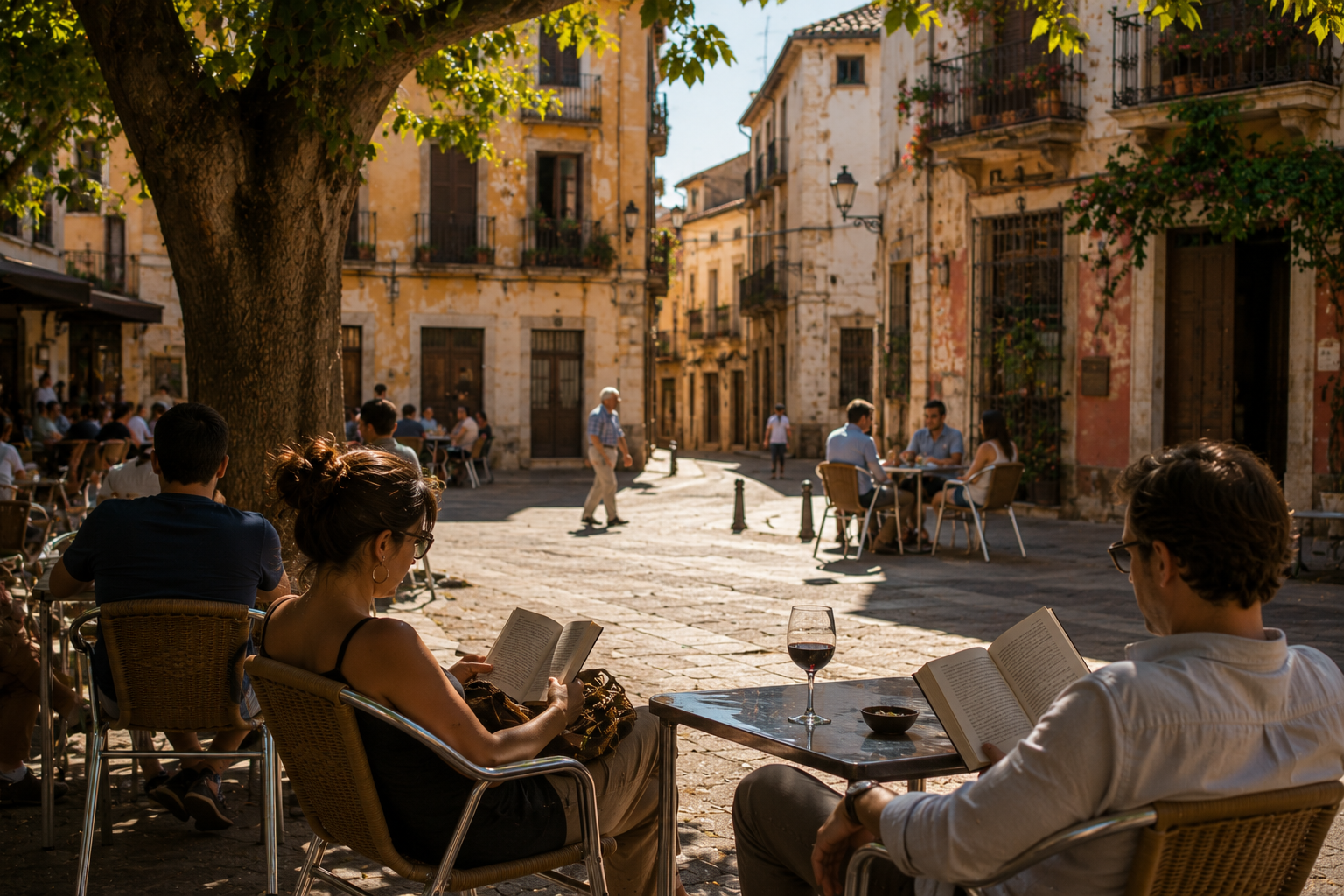
Underneath the schedule is a different idea about what time is for, and it is the part most worth understanding. In much of American working culture, time is money, a resource to be spent efficiently, and an hour given to lingering is an hour lost. The Spanish instinct runs the other way.
In Spain, time is something you give to people, and giving it generously is a sign of respect rather than a failure of discipline. The sobremesa is the purest expression of that. Staying at the table is not killing time. It is spending it on the only thing the culture is fully sure is worth spending it on, which is the company of the people you are with.
That is why the pause feels almost sacred and why cutting it short reads as an insult. To rush away from the table is to announce that the clock matters more than the people at it, and a Spaniard will rarely make that announcement. The protected hour is not really about lunch at all. It is about a society that decided relationships outrank schedules, and then arranged its days to prove it.
Even Spain Has To Fight For It
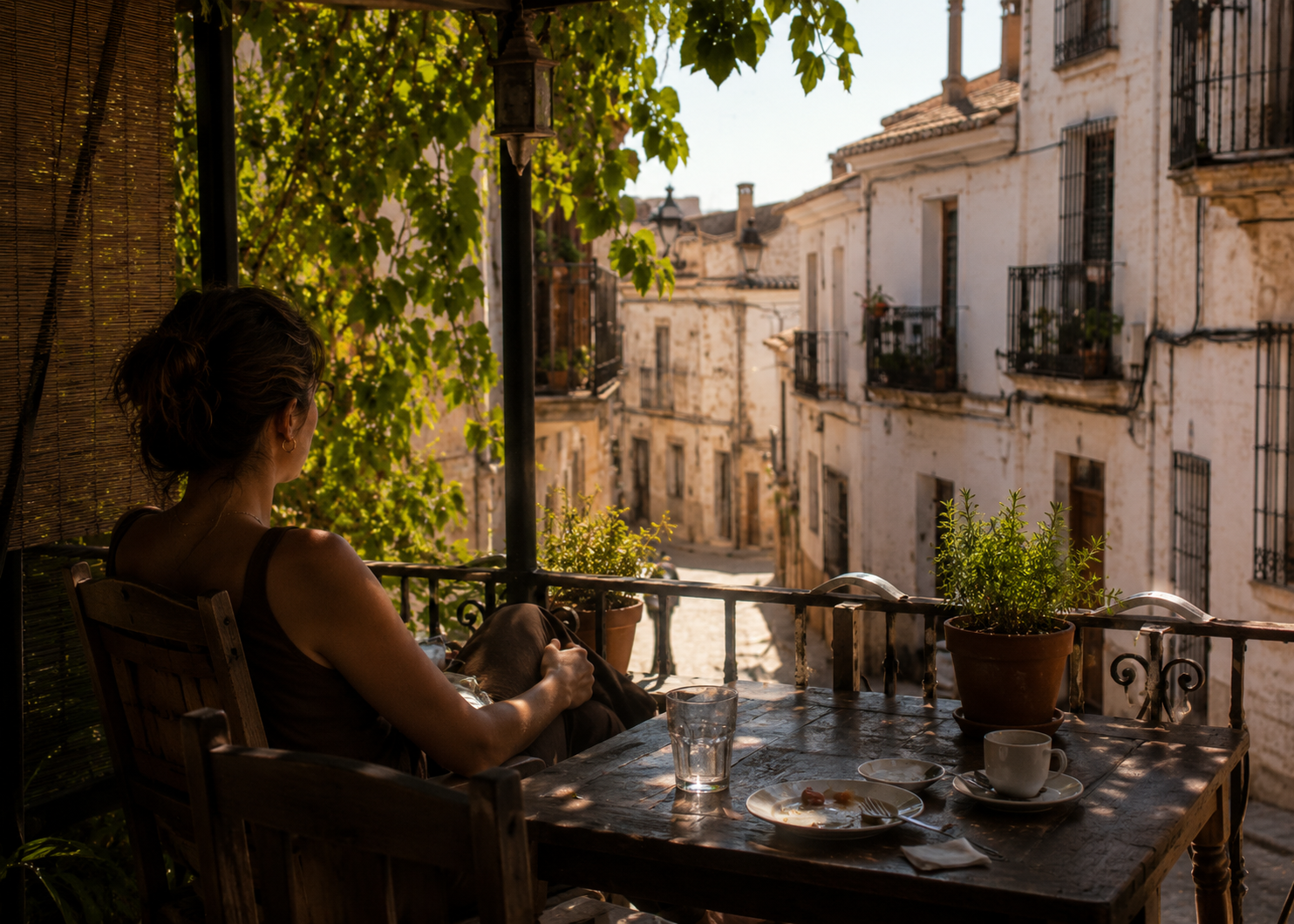
Honesty requires admitting the hour is under pressure, even at home. The protected afternoon is not as universal or as secure as the cliché suggests.
In the big cities, with global companies, long commutes, and the relentless logic of the modern economy, the long midday break has thinned. Plenty of Spaniards now eat a quicker lunch nearer their workplace and work a more continuous day, and there is an ongoing national argument about whether the traditional split day even makes sense anymore. The pause is not a museum piece, but it is contested.
What is striking is that Spain argues about it at all. The fact that there is a real national conversation about protecting the midday break, rather than simply letting it dissolve the way America did without a second thought, tells you how much the culture still values it. A thing you fight to keep is a thing you have not yet decided to give away.
What You Can Actually Take From It
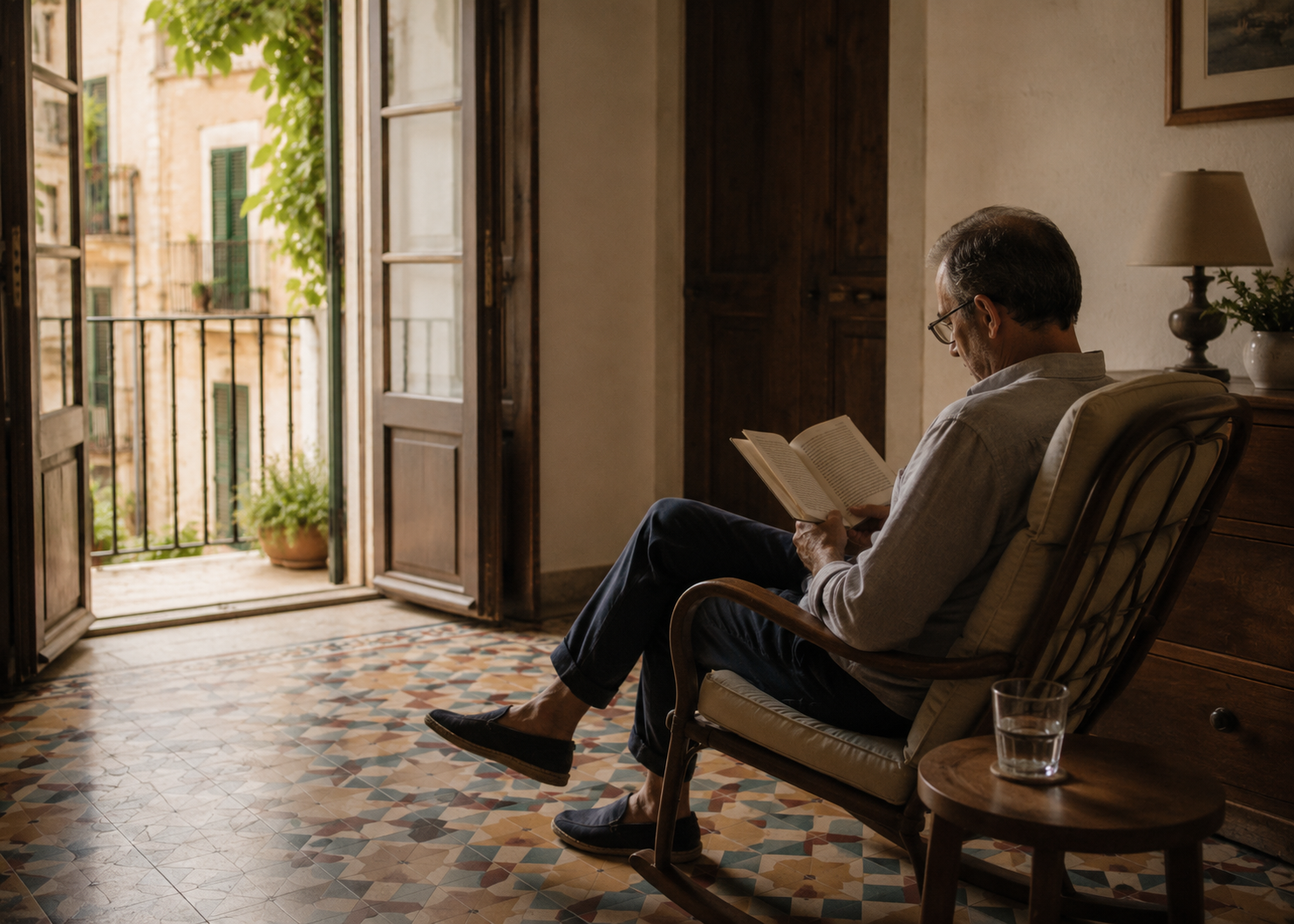
You cannot import the Spanish afternoon wholesale into a country built to run straight through the day. But the principle underneath it travels better than the shuttered shops do.
The portable lesson is not “take a two-hour lunch,” which most people’s jobs would never allow. It is smaller and more stubborn than that. It is the idea that the middle of the day is allowed to contain a real pause, that a meal can be eaten away from a screen, that staying a few extra minutes at a table with people is not time wasted but time spent on the actual point of the day.
Protecting even a small version of that, a lunch that is genuinely a break, a dinner that does not end the second the plates are clear, is the achievable piece of what Spain holds onto. The hour is really a value disguised as a schedule, and the value survives translation even when the schedule does not.
The Real Lesson Of The Closed Shutter
The next time you are standing outside a shut Spanish pharmacy at three in the afternoon, mildly annoyed, try seeing it as the visible edge of a decision rather than a failure. Somewhere behind that shutter, a family is sitting over the remains of a long lunch, in no hurry to get up, and the closed shop is the price the whole society agreed to pay so that they could.
American culture made the other trade, and got a more continuous working day and a thinner middle to it. Neither choice is free. But the one worth noticing is the one most Americans never realized they had made, the quiet surrender of the daily pause, sold off so gradually that the hour was gone before anyone thought to defend it. The Spaniards never stopped defending it, and standing on their quiet afternoon streets, it is hard to be sure they made the worse deal.

About the Author: Ruben, co-founder of Gamintraveler.com since 2014, is a seasoned traveler from Spain who has explored over 100 countries since 2009. Known for his extensive travel adventures across South America, Europe, the US, Australia, New Zealand, Asia, and Africa, Ruben combines his passion for adventurous yet sustainable living with his love for cycling, highlighted by his remarkable 5-month bicycle journey from Spain to Norway. He currently resides in Spain, where he continues sharing his travel experiences with his partner, Rachel, and their son, Han.