
After years of living in Europe and shopping in European supermarkets, returning to read American grocery labels is a genuinely strange experience, like reading a slightly different language. The ingredient lists are longer, the additives more numerous, the colors and preservatives and dough conditioners that European products often lack present and accounted for. So for thirty days I decided to shop in America the way I shop in Europe, reading every label closely and applying the more cautious European eye, and the experiment changed what went into my cart. Some products I had bought without a thought I found I no longer wanted, once I read them the way a European label-reader would.
This is an honest account of that experiment, and I want to be careful and truthful rather than alarmist, since the topic of additives is surrounded by a great deal of exaggeration and fear, much of it overblown. The real differences between American and European food are genuine and interesting, but they are about regulatory caution and the precautionary principle more than about poison, so I will tell you what I actually stopped buying and why, honestly and without the hysteria that often surrounds this subject. Here is what happened when I read my grocery labels like a European for thirty days, and the nine products I never bought again.
Why European Label-Reading Is Different
First it helps to understand why reading labels like a European differs from the American default, since the difference is real but often misunderstood.
The difference between European and American food regulation is real and rooted in a different philosophy, the European Union operating on a precautionary principle, under which an additive must generally be proven safe and explicitly authorized before it can be used, while the United States operates a more permissive system, including the GRAS or generally recognized as safe pathway, which can allow manufacturers to self-affirm an additive’s safety without mandatory pre-market FDA review. This different burden of proof, European pre-approval versus American self-affirmation, is the primary driver of the differences you see on the labels, the European products often containing fewer additives because the European system is more cautious about authorizing them, the American products sometimes containing additives that Europe has restricted or never authorized. The difference is about regulatory caution, not about one side poisoning its people.
It is genuinely important to be honest here, since this subject is plagued by exaggeration, and the viral lists of foods banned in Europe are often misleading, flattening together very different things, an additive withdrawn after review, one never authorized, one merely restricted or warning-labeled, sometimes mixing the EU with the UK or Canada, sometimes calling a warning label a ban. Not every additive restricted in Europe represents a clear proven hazard, many differences reflecting the precautionary principle and differing burdens of proof rather than established danger, so the honest reader should be cautious and curious rather than frightened, interested in the real differences without swallowing the hysteria. Reading like a European means applying this more cautious eye, not panicking, so my experiment was about thoughtful caution, not fear.
Product One, Brightly Artificially Colored Candies And Snacks
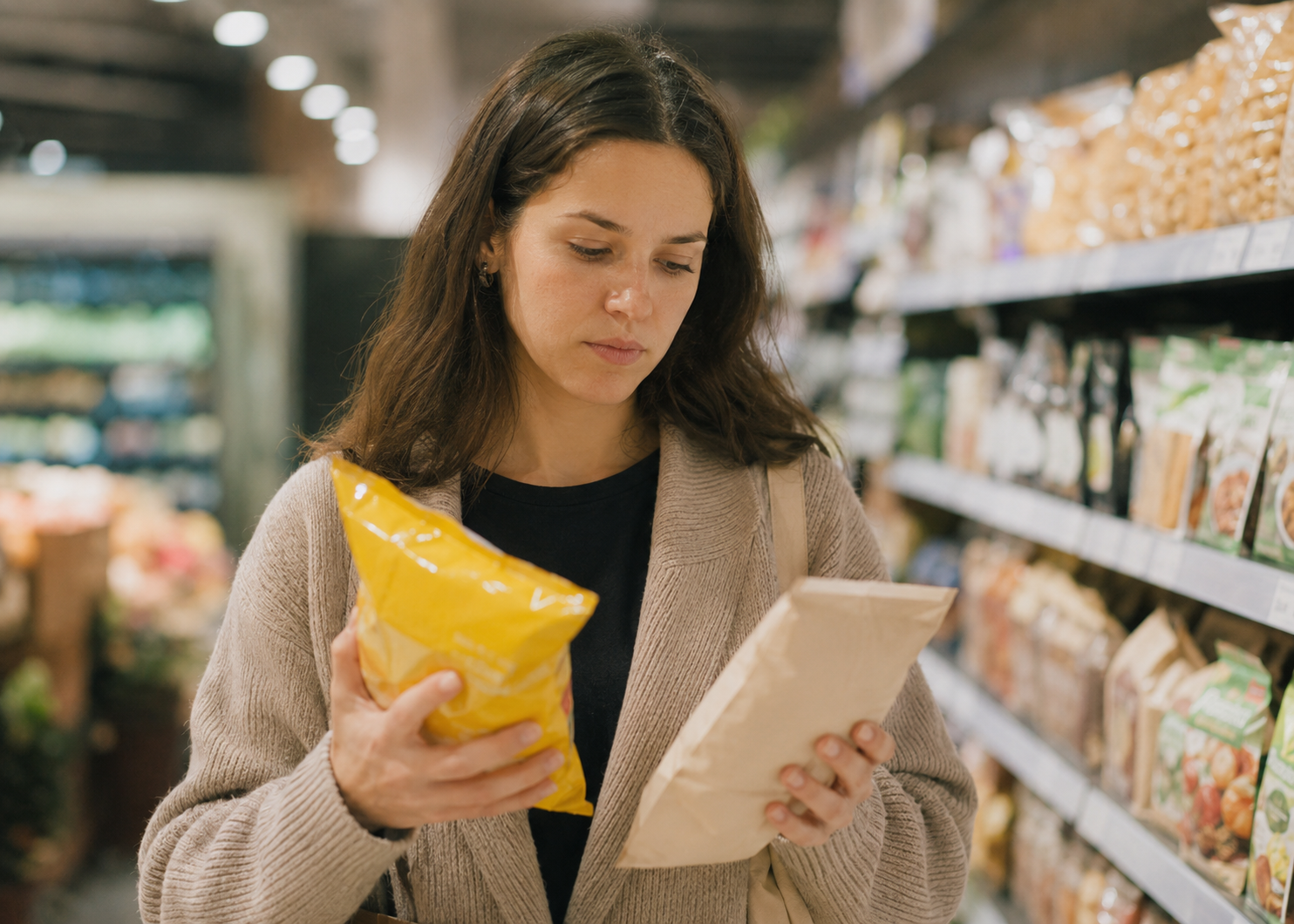
The first products I set aside were the brightly artificially colored candies and snacks, where the dye difference is real.
The first thing I stopped buying was the brightly artificially colored candy and snacks made with synthetic dyes, since this is one of the clearest real differences, several artificial colors used freely in America being either banned, restricted, or required to carry a children’s hyperactivity warning label in Europe. The so-called Southampton colors, including dyes like tartrazine, sunset yellow, and allura red, must carry a warning label in the EU about possible effects on children’s attention and behavior, a requirement that has pushed many European products to reformulate with natural colorings, so the same candy is often made with natural colors in Europe and synthetic dyes in America. Reading the label like a European, I found I preferred to avoid the synthetic dyes where I easily could, choosing the more naturally colored options.
I want to be measured about this, since the evidence on artificial dyes is debated rather than settled, the European warning label reflecting a precautionary concern about possible behavioral effects in some children rather than proven serious harm to everyone, so this is a reasonable caution rather than an emergency. But given that naturally colored alternatives are readily available and that Europe took the precautionary step of the warning label, I found it easy and sensible to choose the products without the synthetic dyes, a small cautious choice rather than a panicked avoidance. So the brightly synthetically dyed candies and snacks were the first I set aside, choosing naturally colored alternatives in a reasonable application of the more cautious European eye.
Product Two, Certain Baked Goods With Specific Dough Conditioners
The second products were certain baked goods containing dough conditioners that Europe restricts.
The second thing I began avoiding was certain commercial baked goods containing specific dough conditioners that are restricted in Europe, notably azodicarbonamide, a dough conditioner and bleaching agent used in some American commercial breads and baked goods that is not authorized for use in food in the EU. Reading the labels, I found this ingredient in some American breads and baked goods, and since it is one of the additives Europe has chosen not to authorize, I applied the cautious European eye and chose breads and baked goods without it, which was easy since many breads do not contain it. The dough conditioner difference is a real one, the ingredient permitted in America but not authorized in Europe.
Again the restriction reflects the European precautionary approach and differing regulatory judgments rather than a clear proven danger from normal consumption, so this is a reasonable preference rather than a flight from poison. Since breads without the conditioner are readily available, choosing the simpler ones was an easy sensible application of the European eye, the second category I set aside without alarm.
Product Three, Certain Whitened Or Brightened Products With Titanium Dioxide
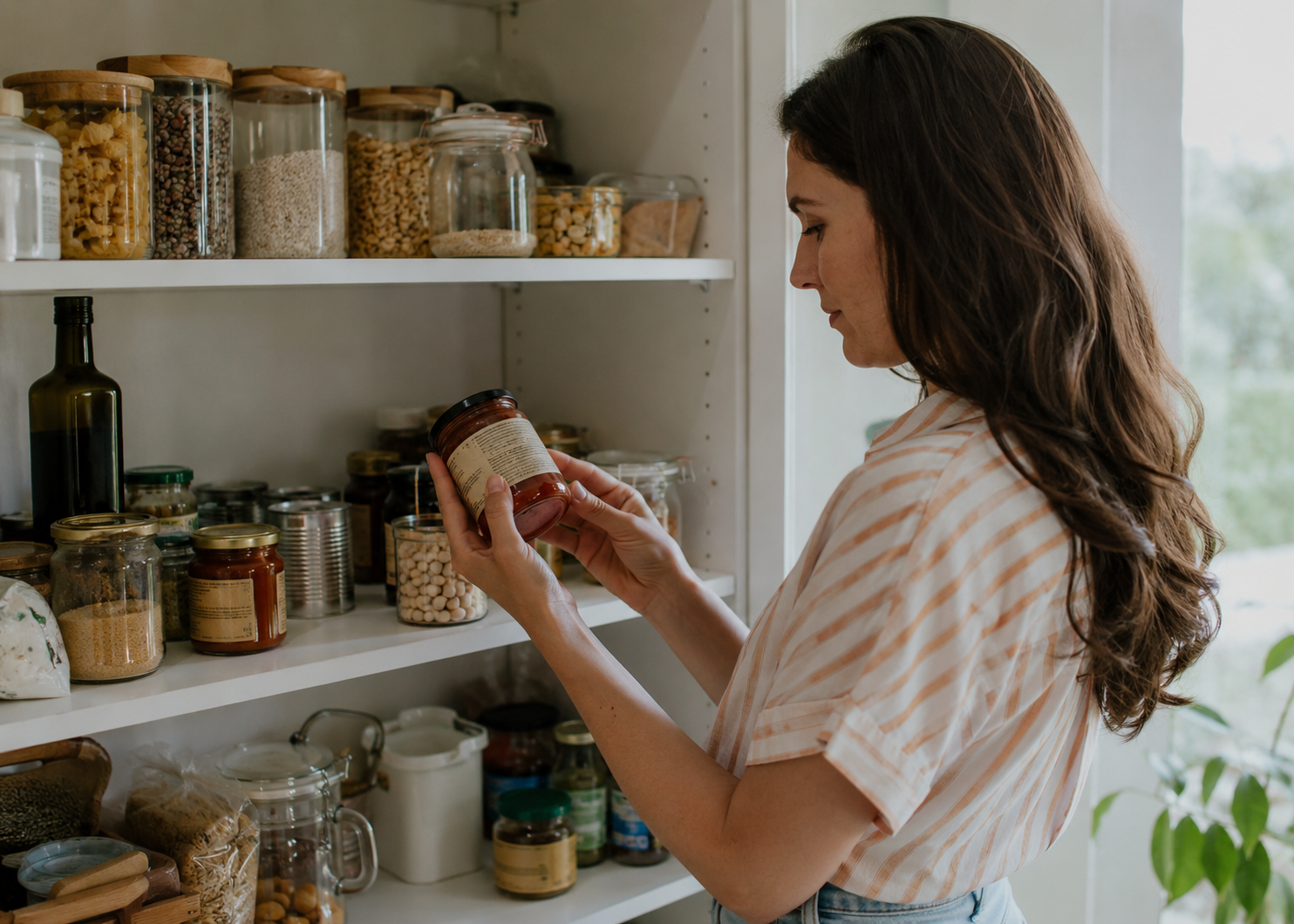
The third products were certain whitened or brightened foods containing titanium dioxide, the clearest recent example.
The third thing I set aside was certain products containing titanium dioxide, a whitening and brightening agent, since this is perhaps the clearest recent example of the regulatory divergence, the EU having banned titanium dioxide as a food additive in 2022 after the European Food Safety Authority concluded it could no longer be considered safe, citing the possibility of DNA or chromosomal damage, while it remains permitted in the US, though some American makers are voluntarily phasing it out. Reading the labels, I looked for titanium dioxide, sometimes hidden under added color, in things like some candies, coffee creamers, and baked goods, and chose alternatives without it, applying the European standard where Europe had taken the clear step of banning it. The titanium dioxide difference is the starkest, an additive Europe banned outright that America still permits.
This is the one where the European action is most decisive, the EU not merely restricting but banning the additive after a thorough review, so choosing to avoid it is following the more cautious European regulatory conclusion directly, a reasonable thing to do given that the EU’s food safety authority reached that judgment. Alternatives without it are available, and some American companies are removing it in anticipation of future regulation, so avoiding it is both easy and aligned with where the caution is heading, a sensible application of the European eye. So products with titanium dioxide were the third category I set aside, following the clear European ban in choosing alternatives, the most decisive of the real differences.
Product Four, Certain Cereals And Crackers With BHA Or BHT
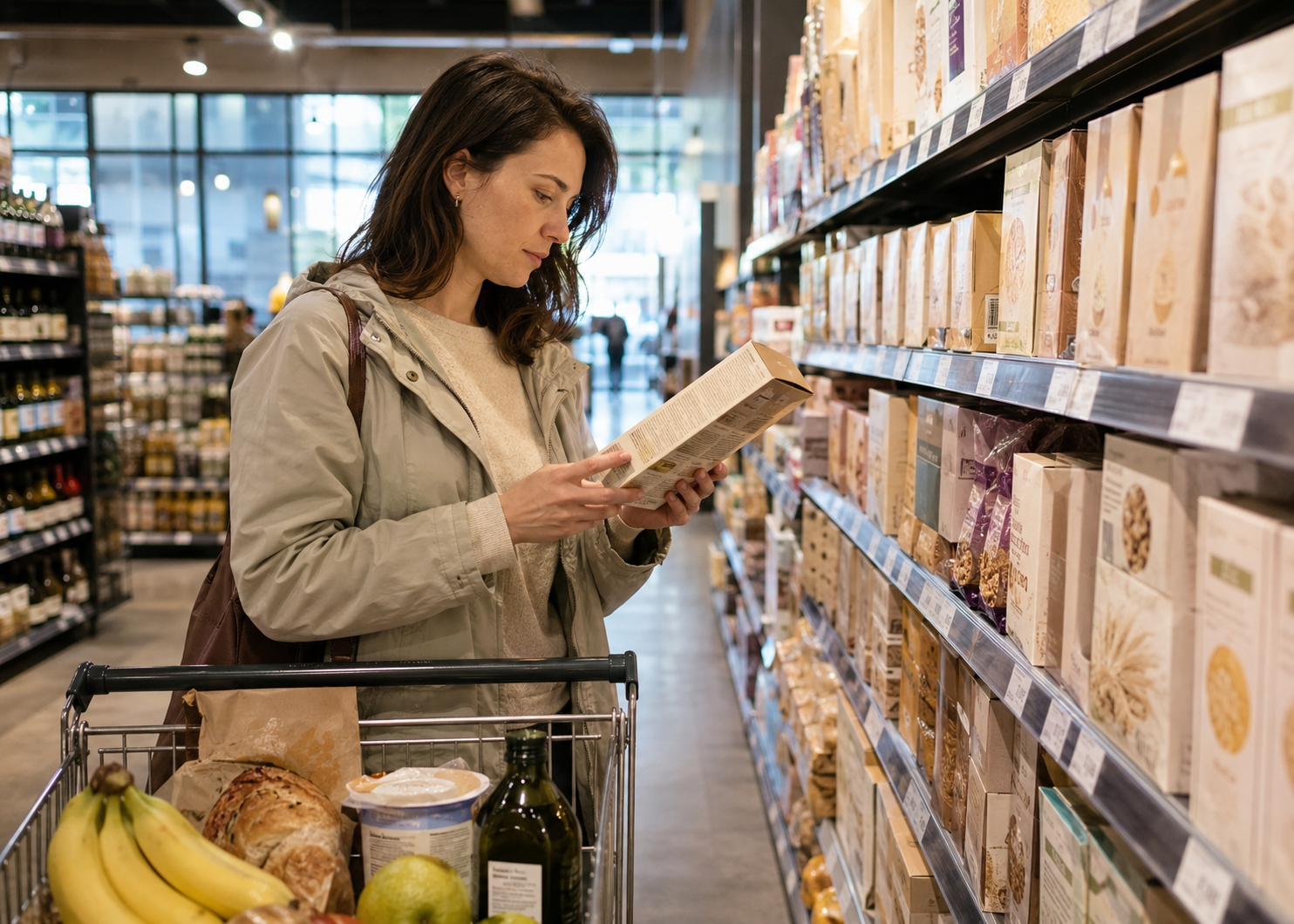
The fourth products were certain cereals and crackers preserved with BHA or BHT.
The fourth thing I began avoiding was certain cereals, crackers, and snack foods preserved with BHA or BHT, antioxidant preservatives used to extend shelf life that are restricted or not authorized for food use in the EU, the reason a popular American cracker, for instance, is not sold in the same form in Europe. Reading the labels, I found these preservatives in some cereals, crackers, and snacks, and since Europe restricts them, I chose products without them, which was easy since many such foods do not contain them. The BHA and BHT difference is a real one, the preservatives used in America but restricted in Europe over concerns including possible endocrine effects.
The restriction reflects the European precautionary approach to these preservatives rather than proven harm from normal exposure, and the science continues to be reviewed, including by the FDA itself, so this is reasonable caution rather than emergency. Since alternatives are readily available, choosing the simpler products was an easy application of the European eye, the fourth category I set aside.
Product Five, Some Citrus Sodas And Drinks
The fifth products were certain citrus-flavored sodas and drinks containing brominated vegetable oil.
The fifth thing I set aside was certain citrus-flavored sodas and sports drinks that contained brominated vegetable oil, or BVO, an emulsifier that has been used in some American citrus drinks and was restricted in Europe, and which the US itself moved to ban more recently, so this is an example where America has come around to the European caution. Reading the labels, I checked citrus sodas and drinks for BVO and chose those without it, following both the longstanding European restriction and the more recent American action. The BVO difference has been a real one, the emulsifier restricted in Europe and now also being removed in America.
This is a case where the regulatory gap has narrowed, the US having moved to revoke its authorization for BVO, so avoiding it follows a caution that both sides now broadly share, an easy and sensible choice. Many citrus drinks never contained it or have removed it, so choosing those without it is straightforward, a reasonable application of the cautious eye. So certain citrus drinks with BVO were the fifth category I set aside, following the European and now American caution in choosing alternatives, a difference that is resolving toward the cautious side.
Product Six, Certain Processed Meats, For The Broader Picture
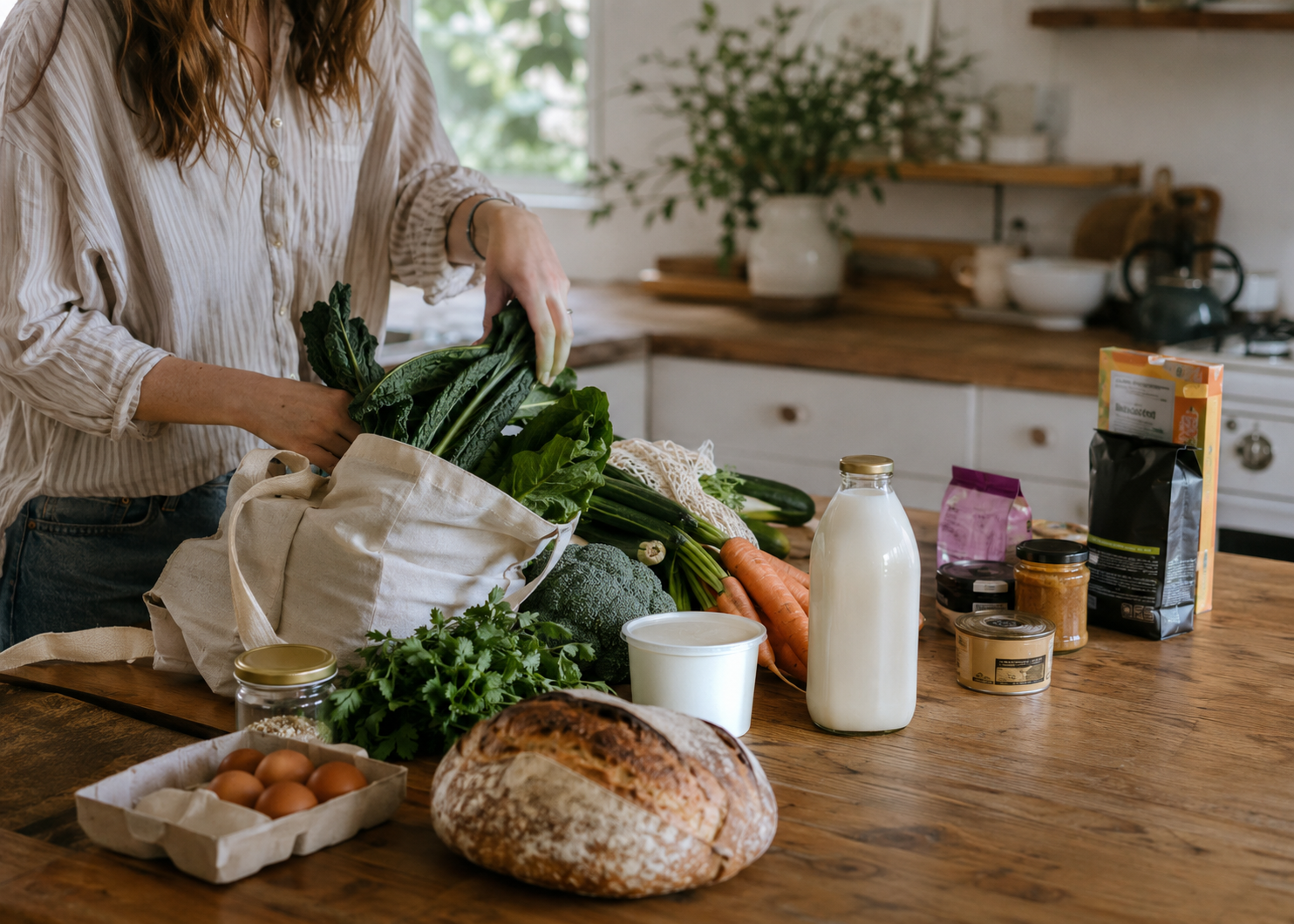
The sixth category was certain heavily processed meats, where the European difference is more about overall approach.
The sixth thing I became more thoughtful about was certain heavily processed meats, where the European difference is less about a single banned additive and more about a broader approach to preservatives like nitrites and to processing, as well as Europe’s stricter limits on things like certain antibiotics and hormones in meat production. Reading labels and thinking like a European, I did not avoid processed meats entirely, but I became more selective, choosing better-quality options with simpler ingredient lists and fewer additives, in the spirit of the European preference for less heavily processed meat. The processed-meat difference is more about overall approach and quality than a single banned ingredient.
I want to be clear and measured, since this is not about a specific poison but about the general and widely shared nutritional understanding that heavily processed meats are best eaten in moderation, a view held on both sides of the Atlantic, with Europe perhaps applying somewhat stricter production standards. So my change here was moderation and selectivity rather than avoidance, choosing better and simpler options, a sensible application of a cautious thoughtful eye rather than a dramatic ban. So certain heavily processed meats were the sixth category I became more selective about, choosing simpler better options in the European spirit of moderation and quality.
Product Seven, Some Heavily Sweetened Breakfast Products
The seventh category was some heavily sweetened breakfast cereals and products, where the difference is sugar and dyes together.
The seventh thing I set aside was some heavily sweetened, brightly colored breakfast cereals and products, where two European-eye concerns combine, the synthetic dyes already discussed and the very high added sugar of some American breakfast products, which a European eye, accustomed to less sweet breakfasts and the dye warnings, tends to notice. Reading the labels, the combination of synthetic colors and very high sugar in some breakfast cereals stood out, and I chose simpler, less sweet, more naturally colored breakfast options, which were readily available. The difference here is the combination of dyes and high sugar that marks some American breakfast products.
This is partly the dye issue and partly the broader and widely shared understanding that very high added sugar is best moderated, a nutritional view held everywhere, so my change was to choose less sweet and more simply colored breakfast products, a sensible and unalarming choice. European breakfasts tend to be less sweet, and the dye warnings push toward natural colors, so choosing simpler breakfast products aligns with that eye, an easy reasonable adjustment. So some heavily sweetened brightly colored breakfast products were the seventh category I set aside, choosing simpler less sweet options, a thoughtful choice combining the dye caution and sugar moderation.
Product Eight, Certain Flavored Or Colored Dairy And Creamers
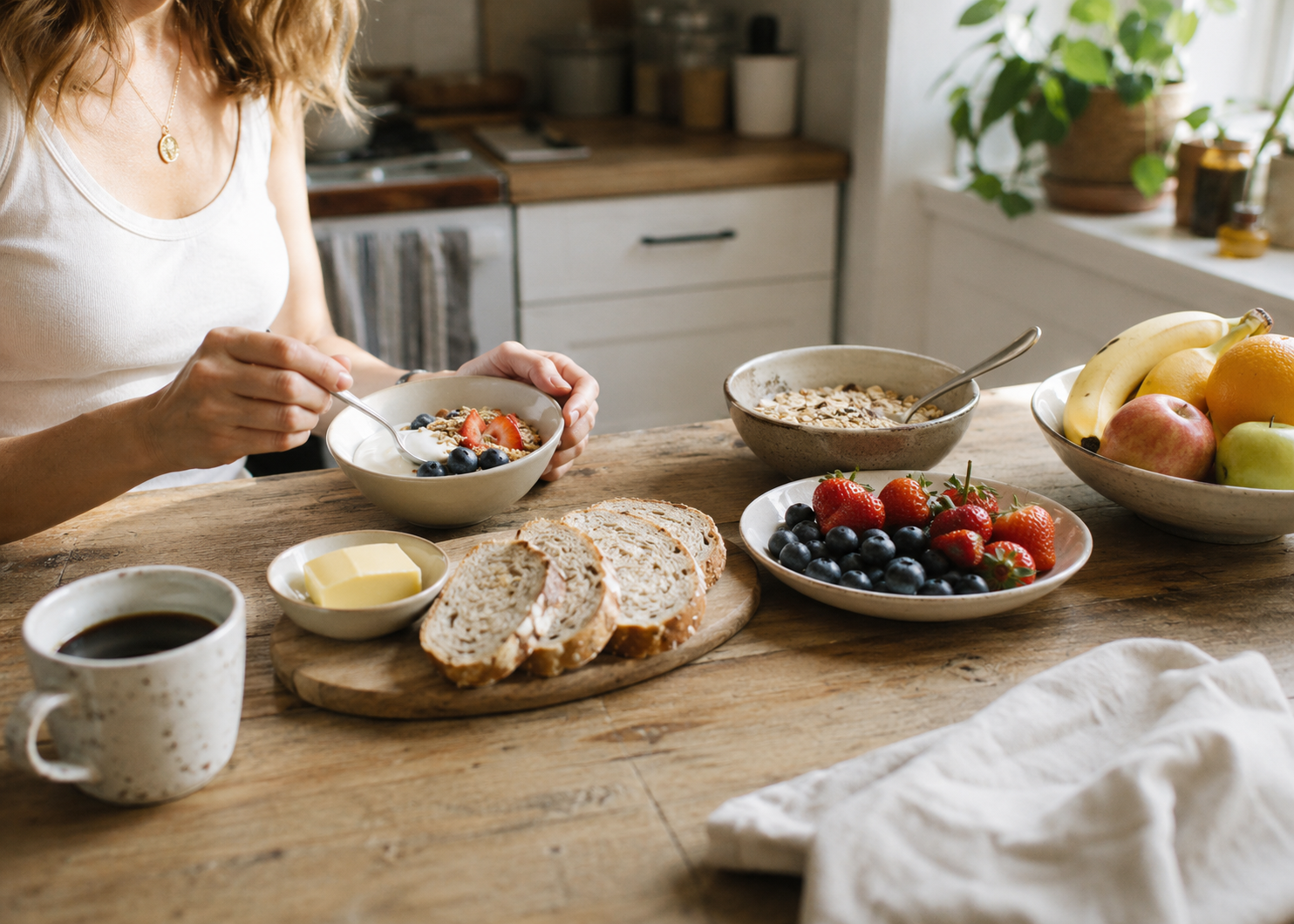
The eighth category was certain flavored or colored dairy products and coffee creamers.
The eighth thing I became selective about was certain flavored or colored dairy products and coffee creamers, where additives like titanium dioxide, artificial colors, and various other ingredients sometimes appear in American products, and where Europe’s stricter dairy standards, including restrictions on hormones like rBST in milk production, also mark a difference. Reading the labels, I found some coffee creamers and flavored dairy products with additives I preferred to avoid by the European eye, and chose simpler versions, plain dairy, simpler creamers, fewer additives. The dairy and creamer difference is partly about additives and partly about Europe’s stricter production standards.
I want to be measured, since this is about choosing simpler products and following European production standards rather than fleeing danger, the plain and simple dairy options being readily available and the difference being one of caution and standards rather than proven harm. European dairy standards, including the restriction on certain hormones and the cleaner ingredient lists, are a reasonable thing to prefer, so choosing simpler dairy and creamers is a sensible application of the eye. So certain flavored or colored dairy products and creamers were the eighth category I became selective about, choosing simpler versions in line with European standards and additive caution.
Product Nine, Anything With A Very Long List Of Unfamiliar Additives
The ninth was less a single product than a principle, avoiding anything with a very long list of unfamiliar additives.
The ninth thing, really a guiding principle that emerged, was simply to avoid products with very long lists of unfamiliar additives, since reading like a European, who is used to shorter ingredient lists and a more cautious additive regime, made me notice and prefer to avoid the products with the longest, most additive-heavy labels, whatever the specific ingredients. This is less about any single banned substance and more about the general European preference for simpler, less processed, less additive-laden food, the principle of choosing products with shorter, more recognizable ingredient lists. The ninth product was thus a principle, avoiding the most additive-heavy products in favor of simpler ones.
This principle is the real distillation of the whole experiment, since the deepest European-eye lesson is not to fear specific additives so much as to prefer simpler, less processed, more recognizable food in general, a broadly sensible nutritional principle shared by thoughtful eaters everywhere. Choosing products with shorter ingredient lists and fewer unfamiliar additives is a reasonable and unalarming way to eat better, the principle that emerged most strongly from reading like a European. So the ninth was the principle of avoiding the most additive-heavy products, choosing simpler food, the real and sensible heart of the whole experiment.
What I Took From The Thirty Days
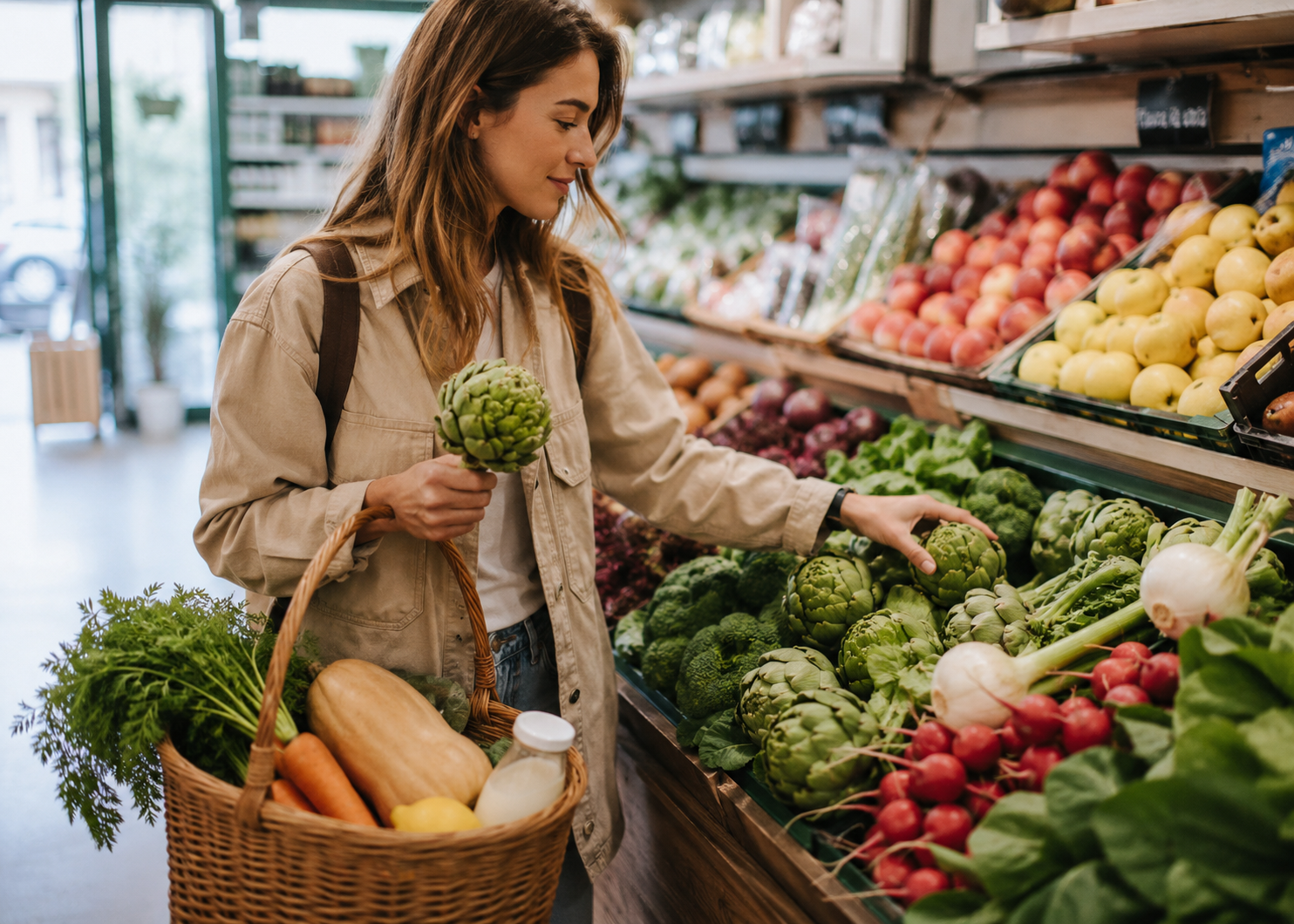
Finally, what I genuinely took from the experiment, offered honestly and without exaggeration.
What I took from the thirty days was not fear but a more thoughtful, label-reading, simpler-food-preferring approach to shopping, the European eye having taught me to notice the real differences, the dyes, the specific restricted additives like titanium dioxide and the dough conditioners and preservatives, and above all to prefer simpler, less additive-laden food in general. I did not come away frightened or believing American food is poison, which would be false and alarmist, but came away a more careful and informed shopper, making small sensible choices toward simpler food, which is the reasonable and accurate takeaway. The experiment made me a more thoughtful shopper, not a frightened one.
The honest lesson I would pass on is to read labels thoughtfully and prefer simpler food, while keeping perspective, understanding that the real differences reflect Europe’s precautionary regulatory approach rather than proven mass poisoning, and that much of the viral fear on this subject is exaggerated. Choose simpler food where you easily can, notice the real differences, but do not panic, since the truth is more nuanced and less frightening than the hysteria suggests. That is what reading my labels like a European gave me, a thoughtful simpler-food-preferring approach grounded in the real differences and free of the exaggerated fear.

About the Author: Ruben, co-founder of Gamintraveler.com since 2014, is a seasoned traveler from Spain who has explored over 100 countries since 2009. Known for his extensive travel adventures across South America, Europe, the US, Australia, New Zealand, Asia, and Africa, Ruben combines his passion for adventurous yet sustainable living with his love for cycling, highlighted by his remarkable 5-month bicycle journey from Spain to Norway. He currently resides in Spain, where he continues sharing his travel experiences with his partner, Rachel, and their son, Han.