
The American arrives in Madrid in July braced for an ordeal. The heat is famous, the warnings dire, and the instinct, honed by a lifetime of air-conditioned American summers, is to treat the season as a thing to be endured indoors, sealed away from the sun, waiting for it to pass. And then they watch what the Madrileños do, which is the opposite. They do not hide from the summer, they celebrate it, organizing their whole lives around its rhythms, coming alive in the long warm evenings, treating the heat not as an enemy to be escaped but as the occasion for one of the best seasons of the year. The contrast is striking, and it reveals a whole different relationship to summer that Americans have largely lost.
This is not because Spaniards do not feel the heat, since Madrid in summer is genuinely hot, but because they have a rhythm for living with it, a way of organizing the day and the season that works with the heat rather than fighting it, and that turns the summer into a pleasure rather than an ordeal. The Spanish approach to summer heat is a kind of wisdom, refined over centuries of living in a hot climate, and it is one of the things Americans most miss, the art of not merely surviving the summer but celebrating it. Here is how Spaniards relate to the summer heat, the rhythm that makes it work, and what Americans miss by hiding from the season instead.
The Rhythm That Makes The Heat Work
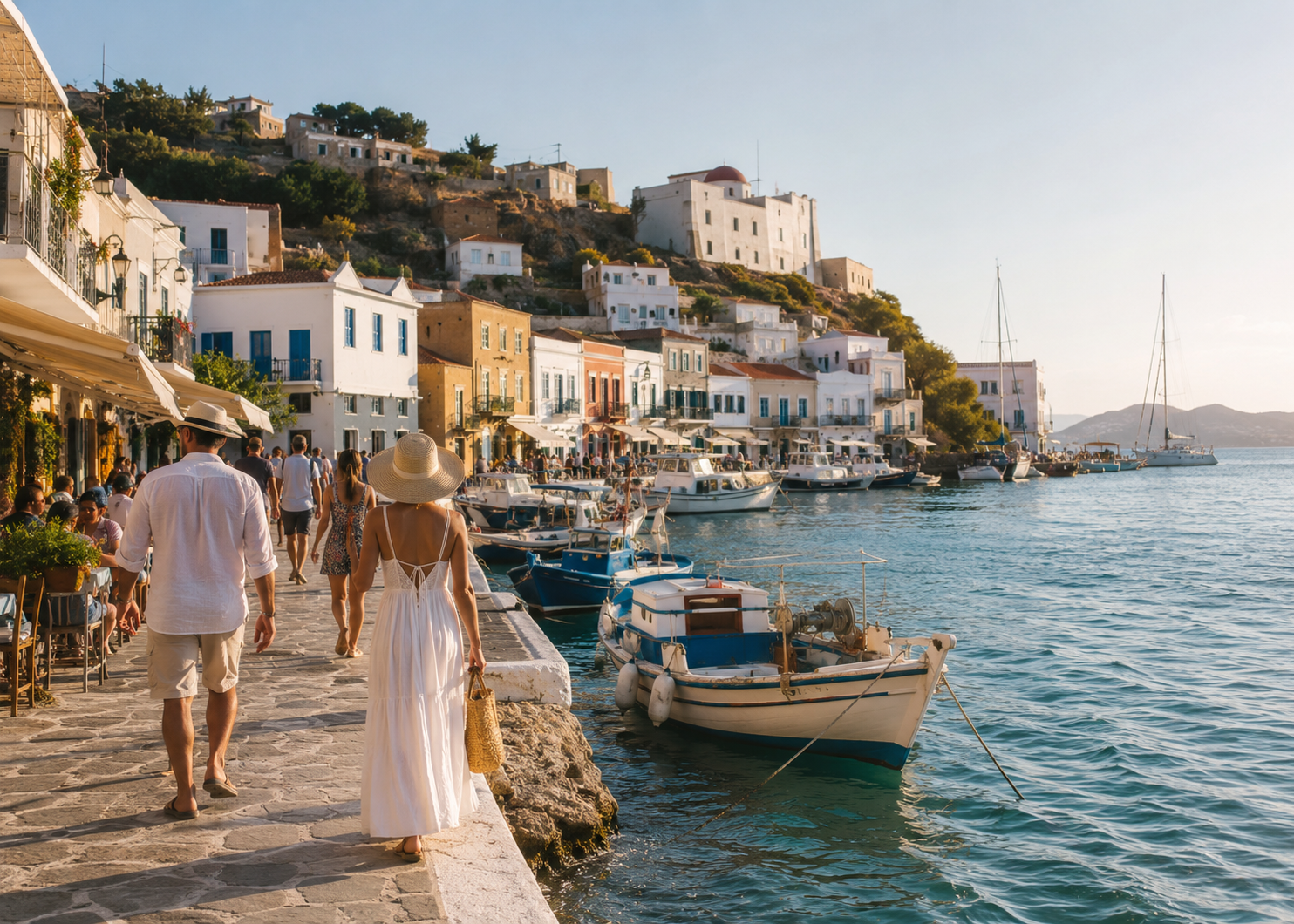
The heart of the Spanish approach is a rhythm of the day built around the heat, working with its pattern rather than ignoring it.
The Spanish summer day is organized around the heat in a way the American day is not, the cooler morning used for activity and errands, the brutal midday and early afternoon heat avoided by retreating indoors or resting through the hottest hours, and then the long cooler evening, once the worst heat has passed, becoming the main stage of social life, when the city comes alive. This rhythm, active morning, rest through the hot middle, alive in the cool evening, is the key to living well with the heat, since it works with the natural pattern of the hot day rather than fighting it, doing the active things when it is cool and resting when it is hot, so that the heat is accommodated rather than battled. The siesta tradition, much misunderstood, is part of this, the rest through the hottest part of the day being a sensible adaptation to the heat rather than mere laziness.
This rhythm transforms the experience of summer, since instead of fighting the heat all day in a losing battle, the Spaniard works with it, surrendering the hot midday to rest and claiming the cool evening for life, so the day has a shape that makes the heat livable and even pleasant. The American, by contrast, tends to fight the heat all day, trying to maintain the normal all-day schedule against the summer, sealing into air conditioning to do so, never adapting the rhythm of the day to the season, which makes the heat an all-day enemy rather than a pattern to work with. The Spanish rhythm is the wisdom Americans miss, the organizing of the day around the heat, resting through the worst and coming alive in the cool, that turns the hot summer from an ordeal to be air-conditioned away into a season with its own pleasant rhythm.
The Evening As The Main Event
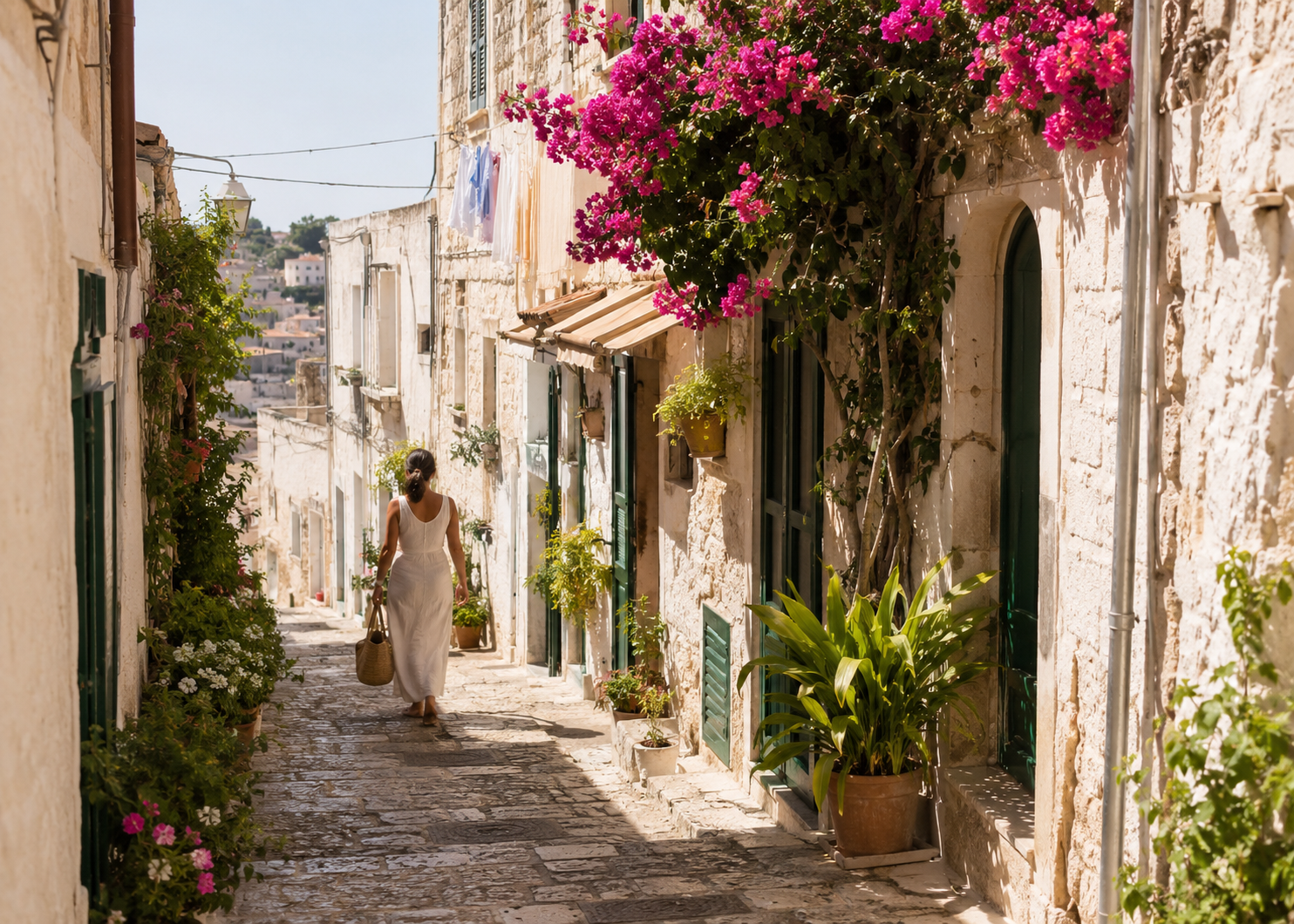
The center of the Spanish summer is the evening, which becomes the main stage of life in a way that Americans, sealed indoors, never experience.
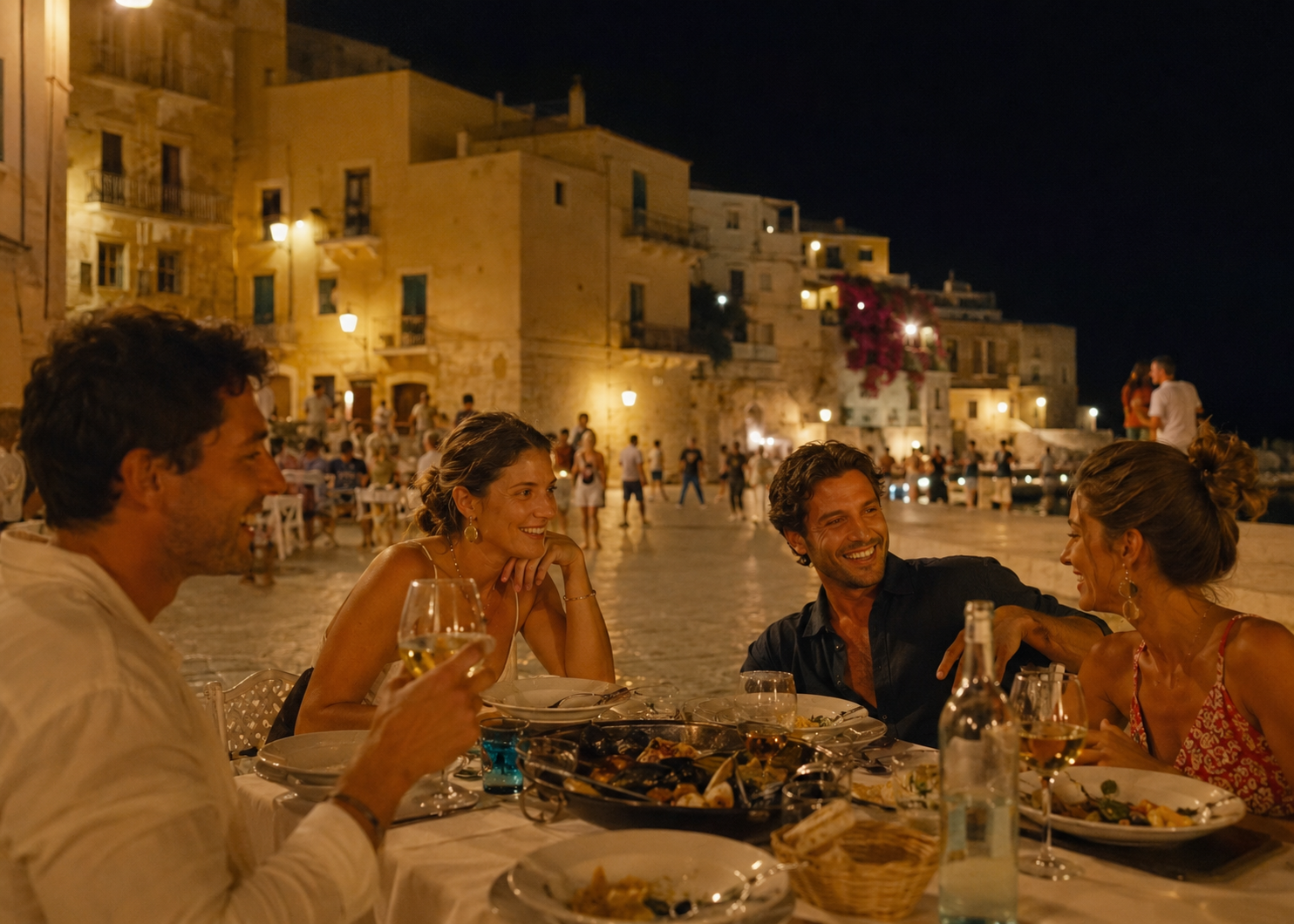
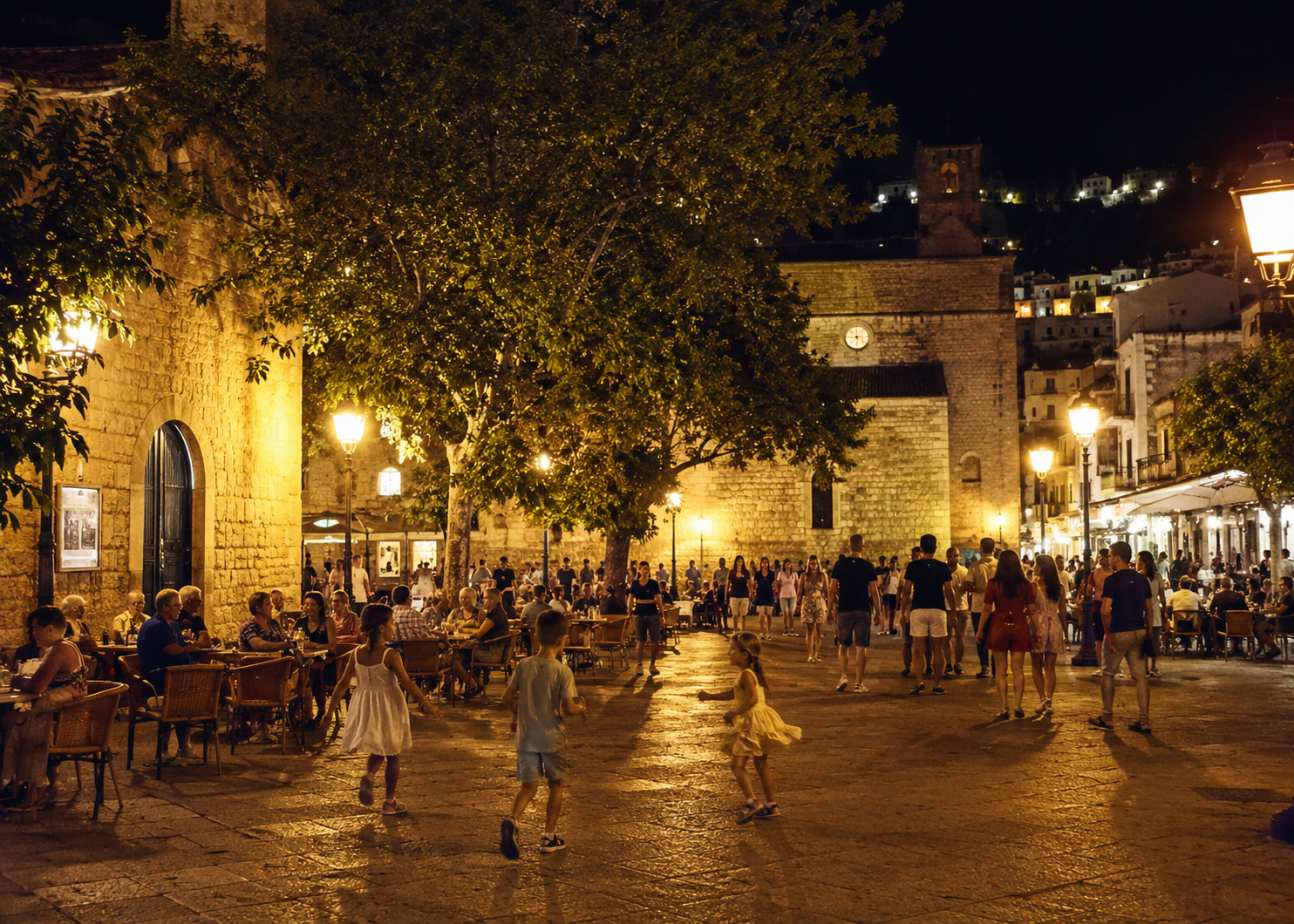
In the Spanish summer, the evening, once the worst heat has broken, becomes the main event of the day, the streets and plazas filling with people as the air cools, the social life of the city moving outdoors into the long warm evenings, the dinner pushed late, the streets alive late into the night. This is the payoff of the rhythm, the cool evening claimed as the prime time for living, and it is genuinely wonderful, the warm summer night spent outdoors among people, eating and drinking and talking in the plazas and terraces, the city more alive at midnight in July than at any other time. The Spanish summer evening is one of the great pleasures of the season, the warm night as a stage for outdoor social life, and it is precisely what the air-conditioned indoor American summer misses entirely.
This outdoor evening life is the heart of why Spaniards celebrate the summer rather than hiding from it, since the heat that drives everyone indoors in the American summer is, in the Spanish rhythm, what makes the wonderful warm evenings possible, the very heat being the occasion for the outdoor social life that defines the season. The warm summer night, far from being an ordeal, becomes the setting for the best of Spanish life, the late dinners and the terraces and the plazas full of people enjoying the cool of the evening after the heat of the day, a celebration of the season rather than an escape from it. The American who hides from the summer in air conditioning never discovers this, the warm evening outdoors that is the real gift of the hot season, the main event that makes the Spanish summer a thing to celebrate.
Why Americans Hide Instead
Understanding why Americans hide from the summer illuminates what they miss, and the contrast is revealing.
The American relationship to summer heat is largely one of avoidance and escape, the season treated as an enemy to be defeated with air conditioning, the days spent sealed indoors in the cool, the heat experienced as an ordeal to be minimized rather than a season to be lived, the whole approach being to escape the heat rather than to live with it. This developed with the universality of air conditioning, which made escape so easy that Americans largely stopped adapting to the heat, simply sealing themselves away from it, losing the rhythms and adaptations that other cultures developed for living with hot summers, the air conditioning replacing the adaptation. The American summer became an indoor air-conditioned one, the heat something to flee rather than a season with its own pattern and pleasures.
The cost of this is the loss of the summer itself, since the American who flees the heat into air conditioning misses the season, the long warm evenings, the outdoor life, the particular pleasures of summer that the Spanish rhythm captures, trading the discomfort of the heat for the absence of the season’s joys. By sealing away from the summer, the American avoids the heat but also avoids the warm evening outdoors, the late dinner under the stars, the alive midnight streets, the whole celebration of the season that the Spanish enjoy, gaining cool comfort but losing the summer’s real pleasures. This is what Americans miss, not merely a different way of handling the heat but the season itself, the warm-evening outdoor life that the Spanish rhythm makes possible and the American air-conditioned escape forecloses, the summer fled rather than celebrated.
What Americans Can Learn From The Spanish Summer

The Spanish approach offers Americans a different and better relationship with summer, and the lesson is available to anyone willing to adopt the rhythm.
The transferable lesson is the rhythm, the organizing of the summer day around the heat rather than against it, doing the active things in the cool morning, resting or staying in through the hot midday, and above all claiming the cool evening for outdoor life, the late dinner, the walk, the time outside, working with the heat’s pattern rather than fighting it all day. An American does not need to live in Spain to adopt this, since the rhythm can be applied anywhere with hot summers, shifting activity to the cooler parts of the day, resting through the worst heat, and reclaiming the warm evening as a time to be outdoors and social, which transforms the experience of summer from an ordeal to be air-conditioned away into a season with its own pleasant pattern. The rhythm is the gift, available to anyone willing to adapt their summer days to the heat rather than flee it.
The deeper lesson is the attitude, the shift from treating summer as an enemy to be escaped to treating it as a season to be celebrated, with its own rhythms and pleasures, the warm evening especially being a thing to embrace rather than avoid. This is the real wisdom Americans miss, the relationship with the season that finds in the summer heat not just an ordeal but the occasion for one of the best times of the year, the long warm evenings outdoors among people, and adopting it, even partly, even in an air-conditioning country, means reclaiming some of the summer that the sealed indoor approach forfeits. Learn the Spanish rhythm and the Spanish attitude, work with the heat and claim the warm evening, and you can find in your own summer some of the celebration that Spaniards know, the season as a pleasure to be lived rather than an enemy to be fled.
The Small Pleasures Of The Spanish Summer
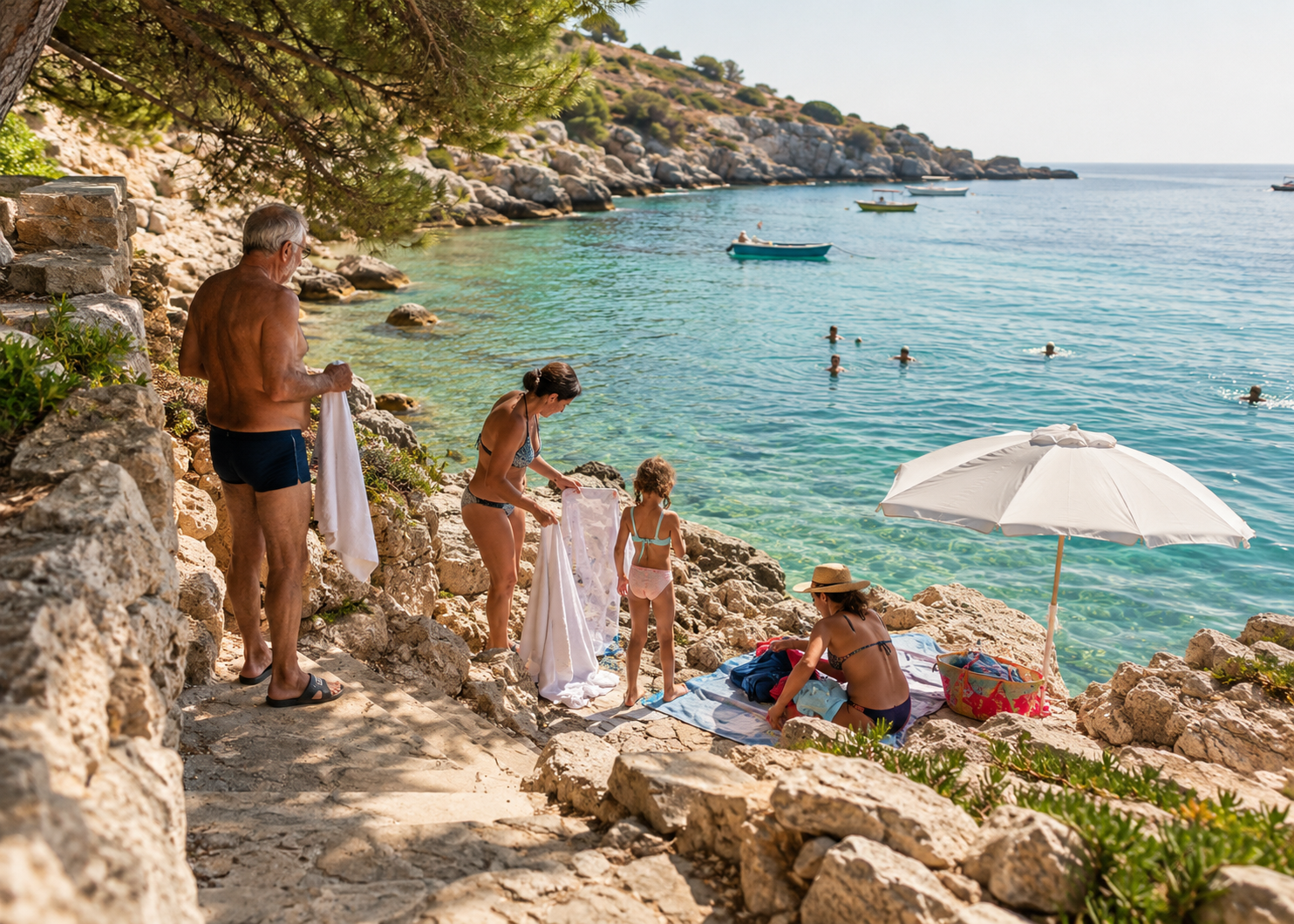
Beyond the rhythm and the evening, the Spanish summer has a whole repertoire of small pleasures that make the heat worth celebrating, worth naming.
The Spanish summer comes with its own particular delights, the cold drinks of the season, the tinto de verano and the cold beer and the granizado, the cold soups like gazpacho and salmorejo that cool and nourish, the seasonal foods that suit the heat, the whole cuisine of the hot season designed to make it pleasant. There is the terraza culture, the outdoor terraces and the time spent on them in the warm evening, the swimming and the trips to the coast or the pool, the relaxed pace of the season, the holidays and the slowing down of August, the whole texture of summer life made up of small pleasures that work with the heat rather than against it. These small things, the cold drink in the warm evening, the gazpacho, the terraza, the swim, are the texture of the celebrated summer, the pleasures that make the season a joy.
These pleasures are available precisely because the Spanish embrace the season rather than fleeing it, since the cold drink on the terraza in the warm evening is a pleasure only to one who is out in the summer rather than sealed away from it, the whole repertoire of summer delights belonging to the person who lives the season rather than hiding from it. The American who flees into air conditioning misses not just the evening and the rhythm but all these small pleasures, the cold drinks and the cold soups and the terrazas and the swims that make the Spanish summer a sensory delight, the texture of the celebrated season. To embrace the summer is to gain access to all these pleasures, the small delights of the hot season that the Spanish have refined and that make the heat not just bearable but genuinely enjoyable, the summer as a season of particular joys rather than an ordeal to escape.
How To Bring The Spanish Summer Home
For the American wanting to adopt some of this, a few practical suggestions make the Spanish summer portable, worth offering.
The practical core is to adopt the rhythm and the pleasures where you can, shifting your summer activity to the cooler morning and evening, embracing the warm evening for outdoor time, dinner outside, a walk, time on a porch or terrace, and adding the small pleasures, the cold drinks, the cold soups, the relaxed pace, building a bit of the Spanish summer into your own. Even in an air-conditioning country, you can reclaim the warm evening rather than staying sealed inside, taking dinner outdoors as the air cools, spending the evening outside, treating the warm night as a pleasure to embrace, which captures much of the Spanish summer without leaving home. The rhythm and the evening and the small pleasures are portable, adoptable anywhere with a warm summer by anyone willing to step outside the air-conditioned default.
The deeper move is the shift in attitude, deciding to treat your summer as a season to be celebrated rather than escaped, to find in the heat the occasion for the warm evening and the outdoor life and the small seasonal pleasures, rather than fleeing it all into the cool indoors. This is finally a choice about how to relate to the season, and the Spanish show that the choice to embrace rather than flee the summer yields a richer and more pleasurable season, so the American who makes that choice, even partly, gains some of the celebrated summer the Spanish enjoy. Bring home the Spanish rhythm, the embraced warm evening, the small seasonal pleasures, and the attitude of celebration, and you can turn your own summer from an air-conditioned ordeal into something closer to the season the Spanish know, a time of warm evenings and outdoor life and particular pleasures, worth celebrating rather than escaping.

About the Author: Ruben, co-founder of Gamintraveler.com since 2014, is a seasoned traveler from Spain who has explored over 100 countries since 2009. Known for his extensive travel adventures across South America, Europe, the US, Australia, New Zealand, Asia, and Africa, Ruben combines his passion for adventurous yet sustainable living with his love for cycling, highlighted by his remarkable 5-month bicycle journey from Spain to Norway. He currently resides in Spain, where he continues sharing his travel experiences with his partner, Rachel, and their son, Han.