
It took more than a decade, and it was fought hard by the airlines that had built a business on it, but the European Union has finally agreed to end one of the most resented practices in modern air travel, the fee for a cabin bag. For years, the cheap European flight has come with a catch, the hand luggage charge that could rival the fare itself, a practice that budget carriers turned into a major revenue stream and travelers turned into a major grievance. The EU’s agreement to require airlines to include hand luggage in the ticket price, taking effect in 2027, ends that, and for the American traveler planning a 2027 European trip, it is worth understanding what was decided, why it matters, and what it will actually mean.
This is a real policy change with real consequences, the product of a long fight between consumer advocates and the airline industry, and it reshapes the economics of European budget flying in a meaningful way. It also carries nuances, an interesting role played by Spain, a likely response from the airlines, and a status that was, at the moment of agreement, all but final rather than absolutely complete. Here is what the EU agreed, the story behind it, and what it means for your 2027 trip.
EU “agreed to end” the fees rather than took the final binding vote, since what was reached in June 2026 was a political agreement, with the last formal confirmation expected to follow. The change is essentially settled and set for 2027.
What Was Actually Decided
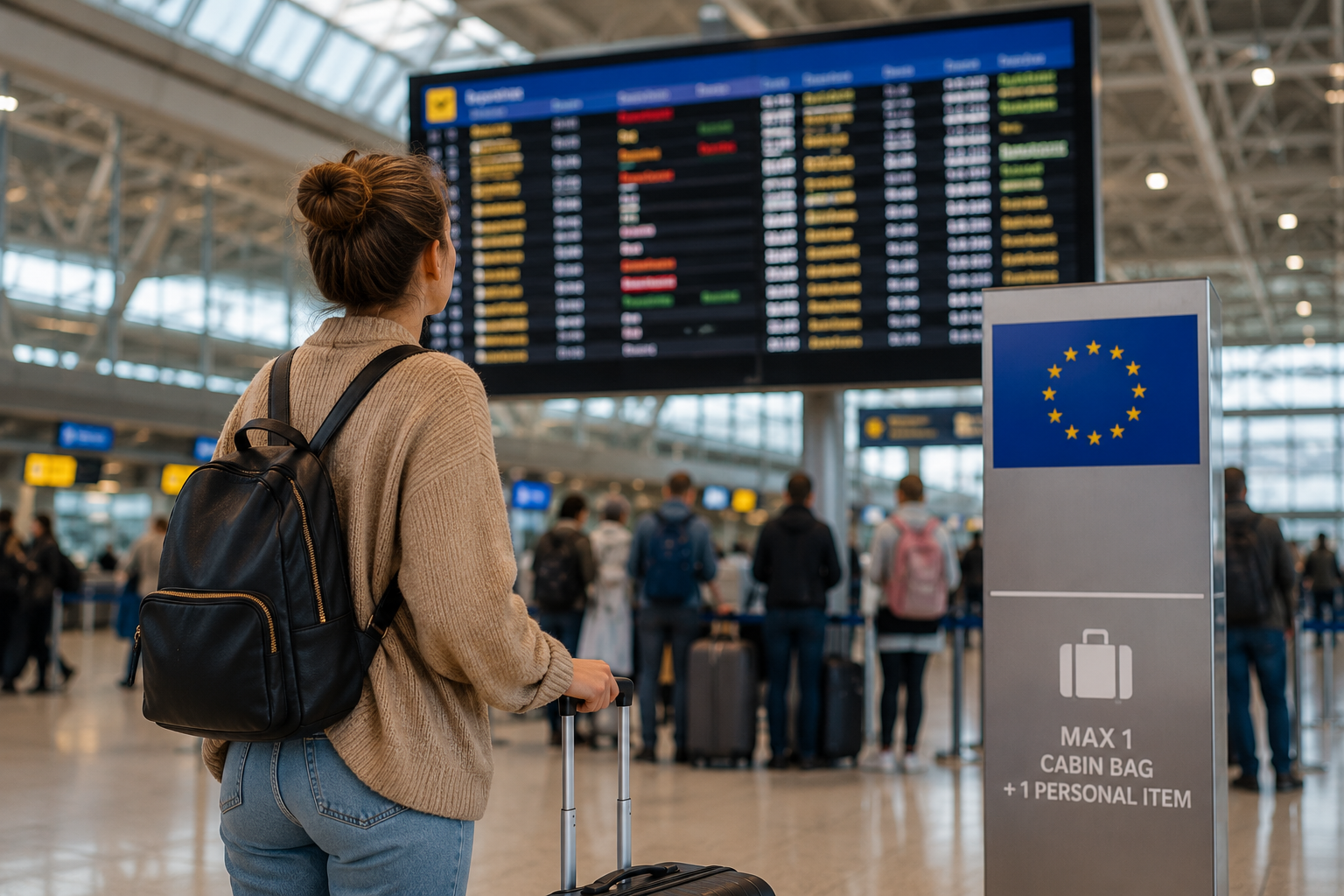
The core of the decision is clear, though the precise status and details are worth getting right.
The EU institutions, the European Parliament and the Council representing the member states, reached a political agreement in mid-2026, after more than ten years of negotiation, to overhaul air passenger rights, with the headline change being a requirement that airlines include hand luggage in the base fare, ending the separate cabin bag fees. Under the agreed rules, passengers flying within or from the EU on European airlines will be entitled to two pieces of hand baggage at no extra charge, a small personal item up to 40 by 30 by 15 centimeters and a wheeled cabin bag up to 7 kilograms with combined dimensions under 100 centimeters, both included in the basic ticket price. This ends the cabin bag fee, the charge that carriers like Ryanair and easyJet have levied for the standard rolling suitcase, and standardizes the hand luggage allowance across all EU flights, replacing the current patchwork of airline-specific rules.
On status, honesty requires a small but important precision, since the agreement reached was a political deal between the institutions, with the final formal confirmation expected to follow in the period after, so at the moment of agreement the deal was essentially settled and widely reported as done but still awaiting its very last formal steps. This is why the most precise framing is that the EU agreed to end the fees rather than that it has completed every final formality, the political agreement reached and the final formal approval expected to follow, the change as good as certain and set for 2027 but technically pending its last formalities at the moment of the deal. The change is real and coming, in other words, essentially settled and set for 2027, with the very final legislative steps still being completed at the time of the agreement, a distinction worth making honestly even though the outcome is all but certain.
The Decade-Long Fight Behind It
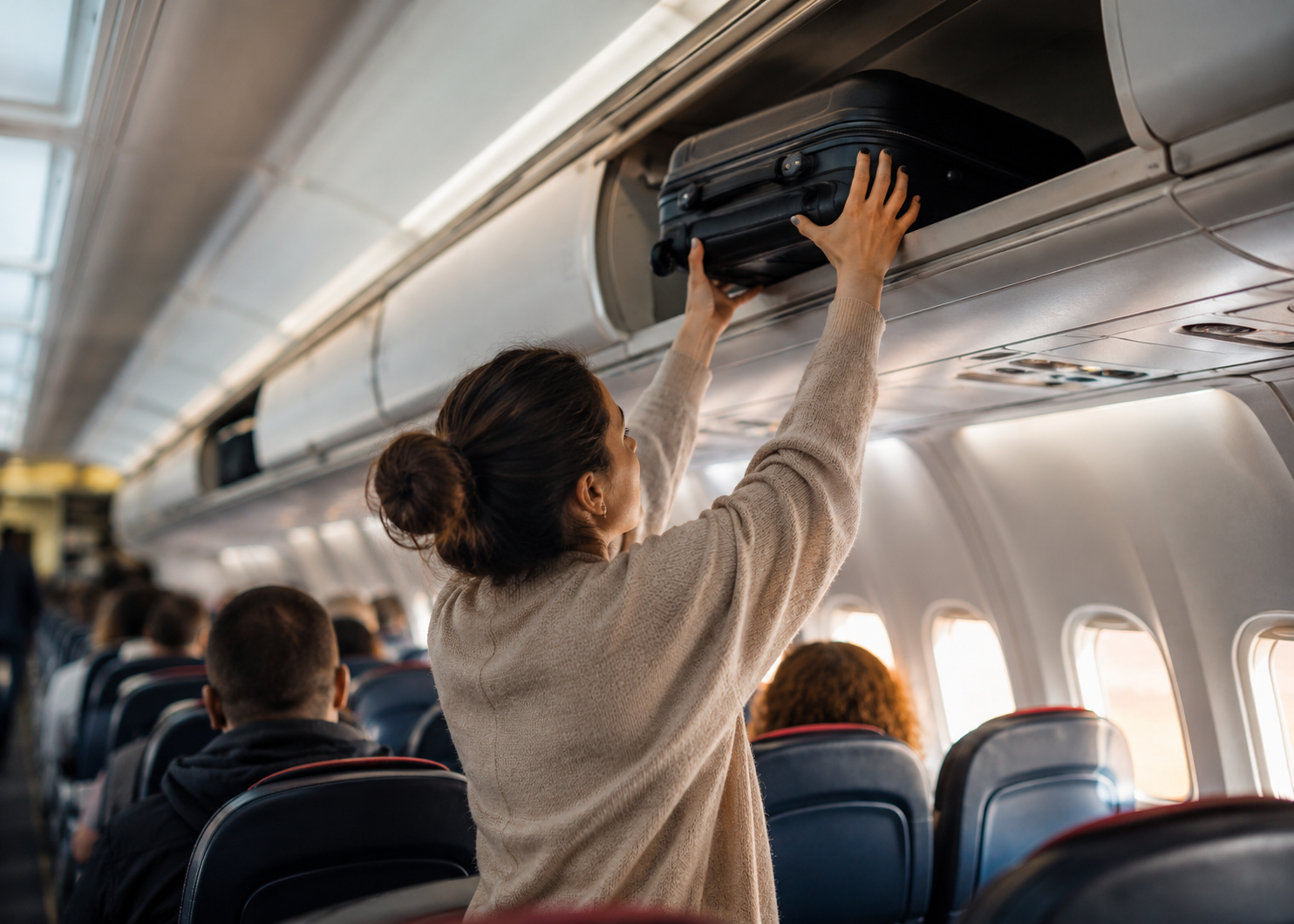
The change makes more sense understood as the end of a long fight, which reveals what was really at stake.
The cabin bag fee was not an incidental practice but a major pillar of the budget airline business model, with carriers earning enormous revenue from the various fees they layer onto the cheap headline fare, the baggage charges among the most lucrative, so the airlines fought hard against any rule that would require them to include the bag in the price and surrender that revenue. The fight ran for more than a decade, consumer advocates and some governments pushing for the bag to be included as a basic right, the airlines and their lobby groups resisting fiercely, arguing that bundling the bag into the fare would limit consumer choice and raise base fares, the long battle reflecting the large sums at stake in the baggage fees. The eventual agreement is thus the victory of the consumer-rights side after a long fight against a powerful and motivated industry, the resented fee finally ended over the airlines’ objections.
The scale of what the airlines were defending explains the intensity of the fight, since the ancillary fees, including baggage, represent a huge share of budget carrier revenue, a major portion of the income of airlines like Ryanair coming from these add-on charges rather than the base fare, so the requirement to include the bag threatens a real and significant revenue stream. This is why the airlines resisted so hard and so long, and why the agreement to end the fees is a genuinely significant defeat for the budget carrier model of the cheap fare plus the lucrative fees, the EU forcing the bag back into the base price against the strong resistance of an industry that had built much of its economics on charging for it separately. The change is, in this light, a real reshaping of the budget airline business, the end of one of its most profitable practices after a long fight.
The Curious Role Of Spain
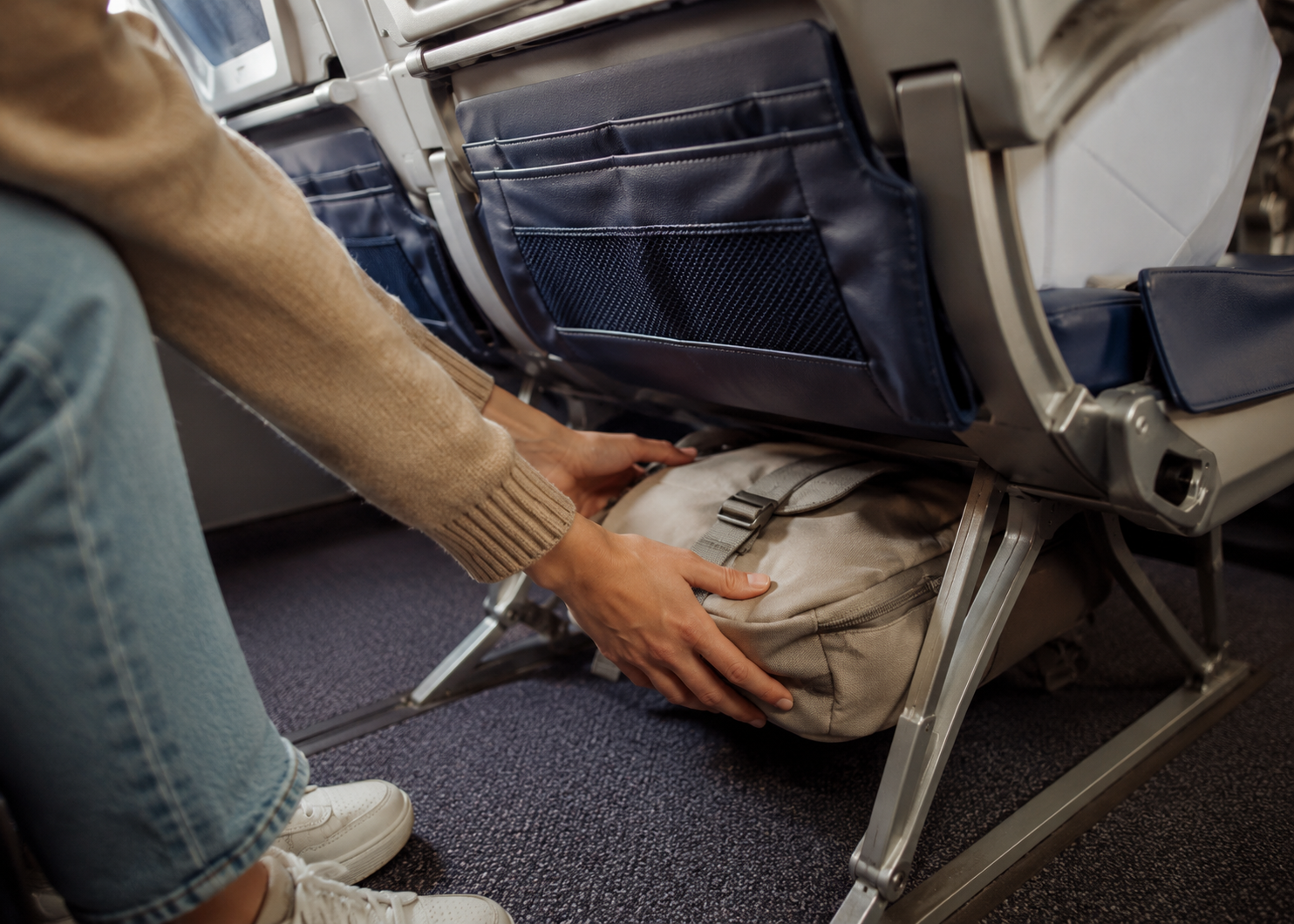
A particularly interesting thread in the story is the role of Spain, which adds a revealing wrinkle to the decision.
Spain played a notable and somewhat paradoxical role, since Spain had been among the most aggressive opponents of the cabin bag fees, having fined several low-cost carriers for what it called abusive baggage charges, and championing the consumer-rights position, yet Spain voted against the final EU deal, on the grounds that it did not go far enough. The Spanish position was that travelers should be entitled to the free wheeled cabin bag fully and unambiguously, and Spain, backed by Spanish courts and arguments at the EU level, had pushed for stronger protections than the final deal provided, so Spain opposed the agreement not because it wanted to keep the fees but because it wanted the ban to go further. This is a revealing wrinkle, the country most aggressive against the baggage fees voting against the deal that ended them, because in its view the deal was insufficient, a sign of how contested the details remained even among the reform’s supporters.
The Spanish role illuminates the fact that the agreement, significant as it is, was a negotiated compromise rather than a total victory for the consumer side, with the final deal representing a balance struck after the long fight, strong enough to end the basic fees but not as far-reaching as the most aggressive reformers like Spain wanted. This matters for understanding the change realistically, since it is a real and significant reform but a compromise one, the product of negotiation between competing positions, ending the basic cabin bag fee while perhaps not delivering everything the strongest advocates sought. The Spanish dissent is a useful reminder that the change, welcome as it is, was a hard-won compromise rather than a clean sweep, the details fought over to the end, which is worth knowing for a clear-eyed view of exactly what was and was not achieved.
How The Airlines Will Likely Respond

Understanding what the airlines will do in response is key to knowing what the change will actually mean in practice.
The airlines, having lost the fight to charge separately for the cabin bag, will almost certainly respond by adjusting their pricing to recoup the lost revenue, most likely by raising base fares somewhat to absorb the cost of the now-included bag, since they will not simply surrender a major revenue stream but will rebuild it into the fare. This means the practical effect of the change is less likely to be dramatically cheaper flights than a shift from the current model of a low headline fare plus a separate bag fee to a model of a somewhat higher all-in fare with the bag included, the total cost perhaps similar but the pricing more transparent. The honest expectation, widely shared by analysts, is that base fares rise to offset the lost fee revenue, so the change delivers transparency and an end to the resented separate fee more than a large reduction in total price.
A likely secondary response is the offering of cheaper bag-free fares for travelers who do not need the cabin bag, since the airlines may preserve a lower-priced option for those traveling light, the discounted bag-free fare becoming a new entry point below the standard fare that includes the bag. This would mean the traveler retains some choice, the bag-free fare for the light traveler and the bag-inclusive standard fare for those who need the cabin bag, with the key difference from now being that the bag-inclusive option is standardized and the pricing transparent rather than the current opaque patchwork of fees. So the airlines will adapt, raising base fares and likely offering bag-free discounts, the net effect being more transparent and standardized pricing rather than simply cheaper flights, which is still a real improvement even if not the windfall the end of the fee might suggest.
What It Means For Your 2027 Trip
Pulling it together, the practical meaning for the American planning a 2027 European trip is clear and on balance positive.
For your 2027 trip, the change means that flying within or from the EU on a European airline, you will be entitled to bring a personal item and a wheeled cabin bag included in your fare, without the separate cabin bag fee that has made European budget flying so frustrating, and with a standardized allowance you can count on across airlines. This is a real benefit, especially if you are the kind of traveler who always brings a cabin bag, since you were effectively paying the fee anyway and will now have it included, and even with the likely rise in base fares the transparency and predictability are genuine gains, the end of the surprise charges and the gate-agent sizing dramas and the airline-by-airline confusion. For the 2027 traveler, European flying becomes clearer and less stressful, the bag included and the rules standardized.
The realistic caveats are the ones already noted, that base fares may rise to offset the change so the total cost may not drop dramatically, that bag-free fares may be offered for light travelers, and that the change takes effect in 2027 rather than now so trips before then still face the current fees, and that the very final formalities were still being completed at the time of the agreement. But on balance the change is a clear positive for the 2027 traveler, the resented fee ended, the pricing made transparent, the allowance standardized, the experience of European flying improved, so the American planning a 2027 European trip can look forward to a better and clearer baggage experience, the long fight having delivered a real if compromise improvement. Plan your 2027 trip knowing the cabin bag will be included, the pricing clearer, the old fee dramas largely over, while watching for the final confirmation and the airlines’ pricing responses as the change takes effect.
The Other Reforms In The Package
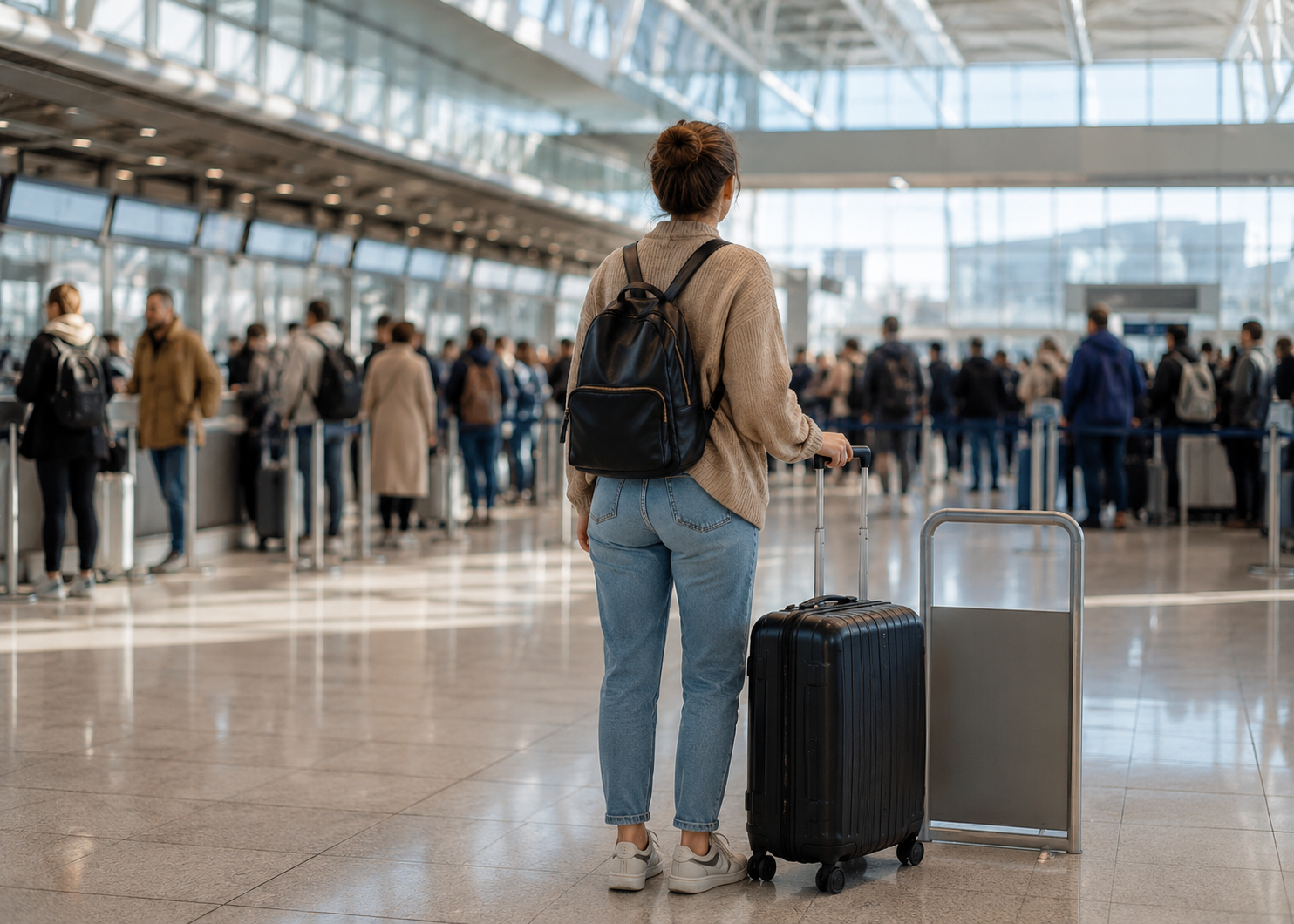
The cabin bag change is the headline, but it came bundled with other passenger-rights reforms worth knowing as part of what was decided.
The same agreement that ended the cabin bag fees included a package of other passenger-rights measures, notably the maintenance of the existing compensation regime for long delays and cancellations, the payouts that EU passengers are already entitled to for significantly delayed flights, which were kept rather than weakened in the final deal. The package also added protections in other areas, compensation and assistance for passengers with reduced mobility who miss flights because the airport failed to help them to the gate in time, the banning of fees for correcting simple name typos on tickets, free boarding passes at the airport for those who have already checked in digitally, and the right to a digital boarding pass without being forced to install an app or create an account. These are real if smaller improvements, the cabin bag the headline but the package broader.
For the American traveler, these additional reforms are worth knowing as part of the overall strengthening of European air passenger rights, since they too improve the experience of flying in Europe, the kept delay compensation being particularly valuable, the small-fee bans removing other petty charges, the boarding pass protections easing other friction. The whole package, the cabin bag plus these other measures, represents a meaningful strengthening of passenger rights in European aviation, the most significant such reform in years, of which the free cabin bag is the centerpiece but not the entirety. Knowing the full package gives the American a clearer picture of what was decided, a broad improvement to European air passenger rights taking effect from 2027, the cabin bag the headline change but accompanied by a set of other real if smaller protections worth having.

About the Author: Ruben, co-founder of Gamintraveler.com since 2014, is a seasoned traveler from Spain who has explored over 100 countries since 2009. Known for his extensive travel adventures across South America, Europe, the US, Australia, New Zealand, Asia, and Africa, Ruben combines his passion for adventurous yet sustainable living with his love for cycling, highlighted by his remarkable 5-month bicycle journey from Spain to Norway. He currently resides in Spain, where he continues sharing his travel experiences with his partner, Rachel, and their son, Han.