
At sixty-four, most people are thinking about how to make the life they have last, not about tearing it up and starting over in the heel of Italy. But a certain kind of couple, at exactly that age, looks at the years ahead and decides that the safe diminishing version is not the one they want, and they go, and a striking number of them end up calling it the best decision of their lives. Puglia, the sun-baked region at the bottom of the Italian boot, has become one of the places that decision leads, and the couple at sixty-four who moves there and never looks back is common enough now to be almost a type.
The couple in this piece is a composite, assembled from the real pattern this blog has watched among people who make this move at this age to this region, their story standing for a common and instructive arc rather than one literal household. What makes their decision the best of their lives is not luck or a fairy tale but a set of real reasons that Puglia in particular rewards the late-life mover, and those reasons are worth laying out honestly, since they are available to anyone weighing the same leap. Here is why Puglia, why sixty-four is not too late, and what actually makes people call it the best decision they ever made.
Why Puglia, And Not The Famous Italy
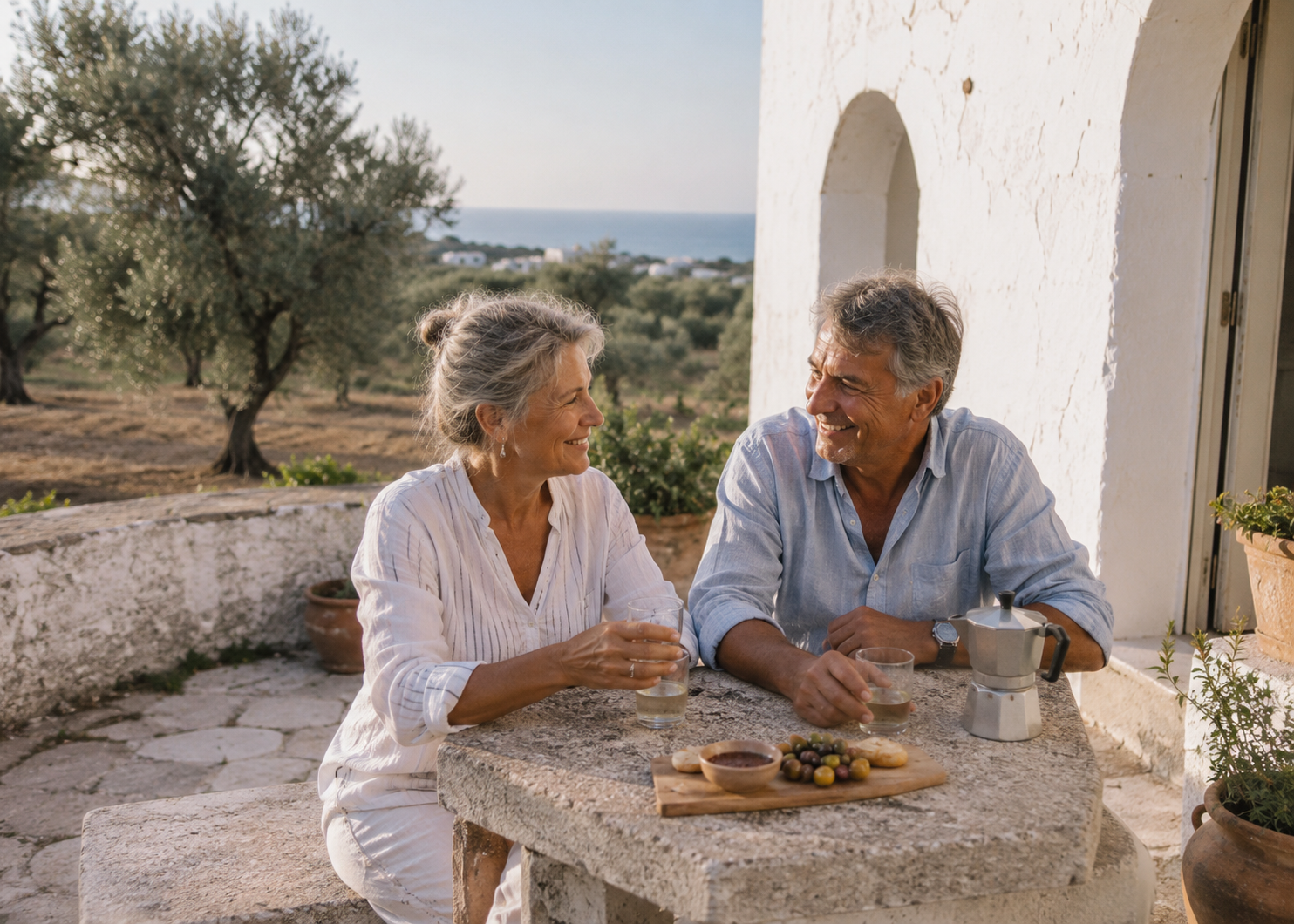
The choice of Puglia over the famous Italian regions is itself part of the wisdom, and understanding why illuminates the whole decision.
Puglia is the long region forming the heel of Italy, a land of olive groves, whitewashed towns, dramatic coastline on two seas, and a deep, unhurried, intensely traditional southern Italian culture, and it offers what the famous regions like Tuscany no longer fully can, authenticity, affordability, and a life still lived at the old pace. Where Tuscany and the Amalfi Coast and the other famous Italian destinations have grown expensive and tourist-saturated, Puglia remains comparatively undiscovered, cheaper, more genuinely Italian, less overrun, a place where the southern Italian life persists in something close to its traditional form, which is exactly what many late-life movers are actually looking for. The choice of Puglia over the famous regions is the choice of the real and affordable over the famous and expensive, the same wisdom this blog returns to across every country, and it is central to why the move succeeds.
The specific appeal of Puglia for the older mover is the combination it offers, the warm climate and the two coastlines, the famous food and wine of a region known for both, the striking architecture of the trulli and the white towns, the very low cost of living by Western standards, and above all the deep traditional culture and strong community that southern Italy retains, the human warmth and connection that make a place feel like home. This combination, beauty and affordability and authenticity and community and climate, is what draws the late-life mover to Puglia specifically, and it is a genuinely strong combination, the region delivering much of what people imagine when they dream of Italy, at a fraction of the cost and crowds of the famous spots. Puglia is the smart Italy, and choosing it is the first good decision in the larger one.
Why Sixty-Four Is Not Too Late

The age that seems like an obstacle is actually, examined honestly, much less of one than people fear, and understanding why frees the decision.
Sixty-four feels late to make such a move, and the fear that one is too old, too set, too near the end to start over, is the single biggest thing that stops people, but the fear is largely misplaced, since sixty-four is, for the healthy, the beginning of what can be decades of active life, and the question is what to do with those decades, the safe shrinking version at home or the rich expansive version somewhere chosen. The honest math is that a healthy person at sixty-four may have twenty or thirty years ahead, a span easily long enough to build and deeply enjoy a whole new life, more than enough time for the difficult early years of a move to pay off into a long rewarding settled life, so the age that feels like too little time is actually plenty. The fear of being too old conflates sixty-four with the end when it is, increasingly, much nearer the middle.
There are even specific advantages to making the move at this age rather than younger, since the late-life mover typically comes with the freedom of retirement or near-retirement, the time to fully inhabit and build the new life rather than being consumed by work, the financial resources accumulated over a career, and often the clarity about what they actually want that age and experience bring. The person at sixty-four moving to Puglia has the time, the means, and the self-knowledge to make the move well, advantages the younger mover often lacks, so far from being too late, this age can be an ideal time to go, equipped to build the new life properly and with the decades ahead to enjoy it. Sixty-four is not the obstacle it feels like but, for many, close to an optimal moment, and recognizing that is what frees people to make the leap.
The First Year Is Still Hard
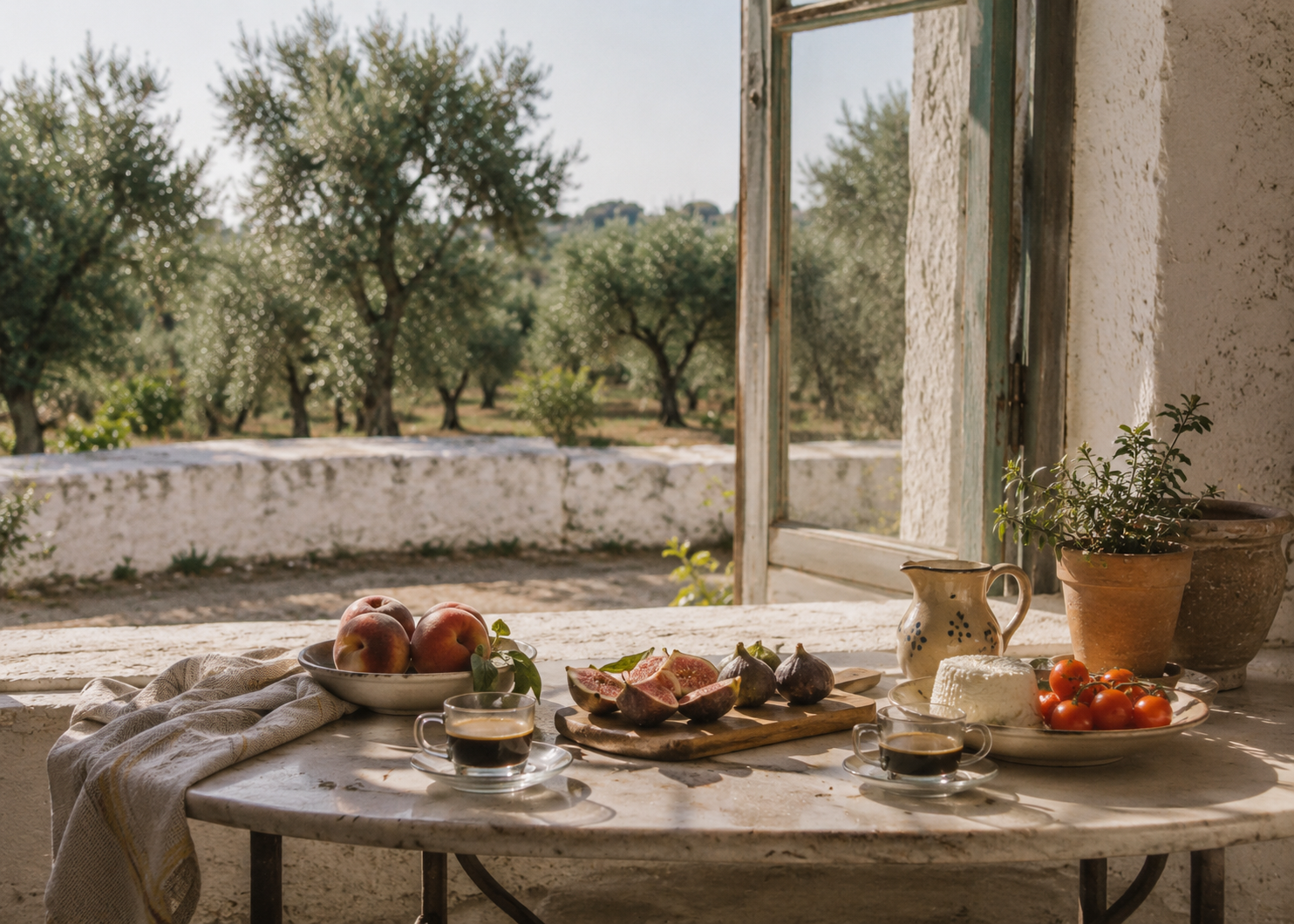
Honesty requires saying that the move at this age, like any move abroad, has a hard first phase, and the couples who succeed are the ones who expect it.
The move to Puglia at sixty-four, however right, still involves the universal difficulty of the first year abroad, the bureaucracy of the Italian residency process, the language barrier in a region where less English is spoken than in the tourist centers, the building of a new social life from scratch, the unfamiliarity of everything, the front-loaded costs and the inevitable doubt, the same hard establishment phase that every move abroad involves. The couples who succeed are not those who find it easy, since no one does, but those who go in expecting the hard first year, understanding it as the normal cost of the transition rather than a sign of a mistake, and enduring it with the knowledge that the difficulty is temporary and the reward lies beyond it. The first year tests the decision, and the testing is normal, and surviving it is part of how the decision becomes the best of their lives.
The specific challenges of Puglia for the older mover are worth naming honestly, the deep south being less internationally oriented than northern Italy or the famous regions, with less English, fewer expat services, and the need to integrate more genuinely into Italian life and learn more of the language, which is harder but also part of what makes the eventual belonging deeper. The region’s very authenticity, the thing that makes it appealing, also makes it more demanding of adaptation, requiring the mover to truly enter Italian life rather than float above it in an expat bubble, a harder path that leads to a richer destination. The couples who thrive in Puglia are those willing to do this real work of integration, to learn the language and enter the community, accepting the harder adaptation of the authentic south as the price of its deeper rewards, and going in prepared for the genuine effort the first year demands.
What Makes It The Best Decision
The reasons people call it the best decision of their lives are specific and real, and they are worth understanding as the genuine payoff of the difficult leap.
By the time the move has settled, usually after the hard first year or two, the couples who made it find themselves living a life of a quality they could not have had at home, the warm climate and the beauty and the extraordinary food and wine, the very low cost of living that stretches their resources and removes financial strain, the unhurried pace that replaces the rush of their old life, and the deep community and human connection of southern Italian life that gives the days warmth and meaning. This combination, the beauty and the affordability and the slowness and the belonging, adds up to a daily existence richer and more pleasurable than the one they left, and the contrast between the life they have built and the safe diminishing one they would have had at home is what makes them call it the best decision, the sense of having chosen expansion over contraction at exactly the age when most people choose contraction.
There is also a deeper, less material reason that people give, the sense of having truly lived, of having taken a bold leap late in life and made it work, of spending their later decades in active engagement with a chosen life rather than in the passive winding-down that the conventional script prescribes. The couples who move to Puglia at sixty-four and call it the best decision are often really describing the satisfaction of having seized their own lives, of having refused the safe small version and built something vivid and real instead, the pride and aliveness of the bold choice itself being as much the reward as the Puglian sun. This is the heart of why it is the best decision, not just that Puglia is wonderful, which it is, but that choosing it was an act of refusing to let life shrink, and that refusal, vindicated by the rich life that followed, is what they treasure most.
The Honest Caveats
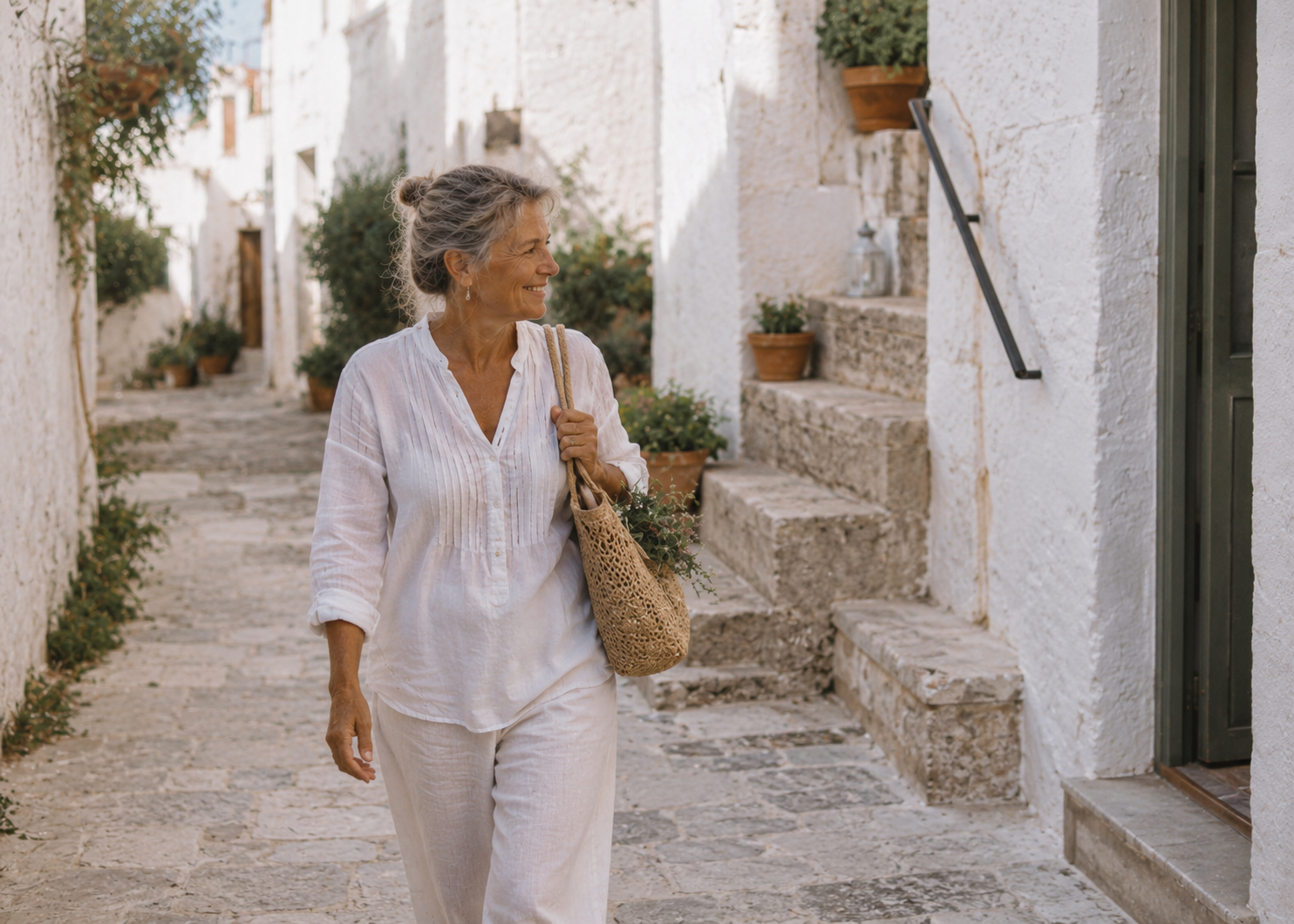
No such decision is right for everyone, and honesty requires naming who it suits and what could make it go wrong.
The Puglia move suits the healthy, adaptable, adventurous late-life couple with adequate resources, the willingness to learn Italian and integrate into a less international region, and the realistic expectation of a hard first year, and it suits much less the person with significant health needs requiring constant access to specialized care, the deeply rooted person who would be miserable away from family and the familiar, or the one unwilling to do the real work of adapting to authentic southern Italian life. Health in particular deserves honest weight, since the deep south, for all its charms, has more limited specialized healthcare than the major centers, and the older mover should consider their medical needs and proximity to adequate care realistically, factoring it into the choice of where exactly in Puglia to settle. The decision that is the best of some people’s lives would be the wrong one for others, and honest self-assessment is essential.
The things that make the move go wrong are the predictable ones, underestimating the difficulty and cost of the first year, failing to do the work of integration and language and ending up isolated, choosing too remote a spot without adequate services or healthcare, or moving on a romantic impulse without the realistic preparation the move requires. These failures are avoidable with honest preparation, realistic expectations, adequate resources, a sensible choice of location with services and healthcare in reach, and the genuine commitment to integrate, and the couples who prepare this way are the ones who succeed while the impulsive and unprepared are the ones who struggle or retreat. Approached honestly, with the eyes open to the caveats and the work done to address them, the Puglia move at sixty-four can be exactly the best decision its makers call it, but it earns that title through realistic preparation and genuine effort rather than through romance alone, and going in clear-eyed about the caveats is part of how the leap succeeds.
What Daily Life Actually Looks Like
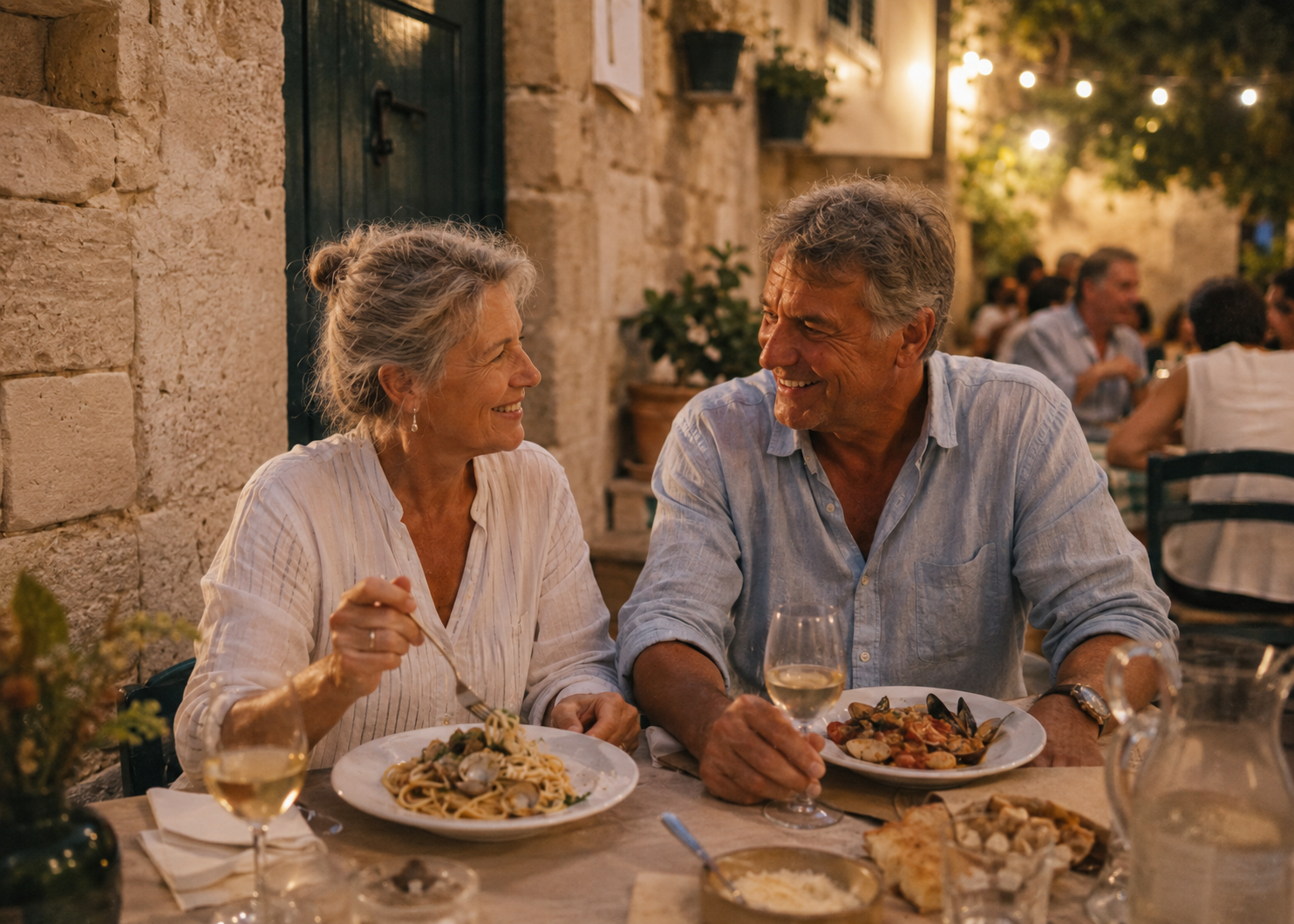
It helps to picture the texture of an ordinary Puglian day, since the appeal lives less in any single feature than in the rhythm of the whole.
A day in Puglia for the settled mover tends to run on the southern Italian rhythm, an unhurried morning with good coffee and the daily shopping at the market or the small shops, the bread and the produce and the fish bought fresh, a substantial leisurely lunch in the early afternoon, the quiet of the riposo when the towns close down in the heat of the day, and the evening passeggiata when everyone comes out to stroll and socialize as the air cools. This rhythm, slower and more communal and more connected to the seasons and the day’s natural shape than the American pattern, is much of what the movers come for, the daily life itself being the reward rather than any single attraction, the ordinary days made pleasant by the pace and the warmth and the food and the community. The texture of the everyday is the real product, the unhurried connected southern rhythm that replaces the rushed isolated pattern of the life left behind.
The food deserves its own mention, since Puglia is one of Italy’s great food regions, the cucina povera tradition of simple peasant cooking turning humble ingredients into extraordinary food, the orecchiette pasta, the superb vegetables and olive oil, the fresh seafood of the two coasts, the local wines, all cheap and abundant and woven into daily life. Eating well in Puglia is not an occasional treat but the daily default, the markets full of cheap superb produce, the simple traditional cooking deeply satisfying, the long meals a daily pleasure, and for many movers the food alone, eaten this way every day, is a substantial part of why the life feels so rich. The combination of the rhythm and the food and the community, lived out across ordinary days, is what the move actually delivers, and it is in these unremarkable daily pleasures, more than any grand attraction, that the best-decision feeling is rooted.
How To Test The Decision Before Making It
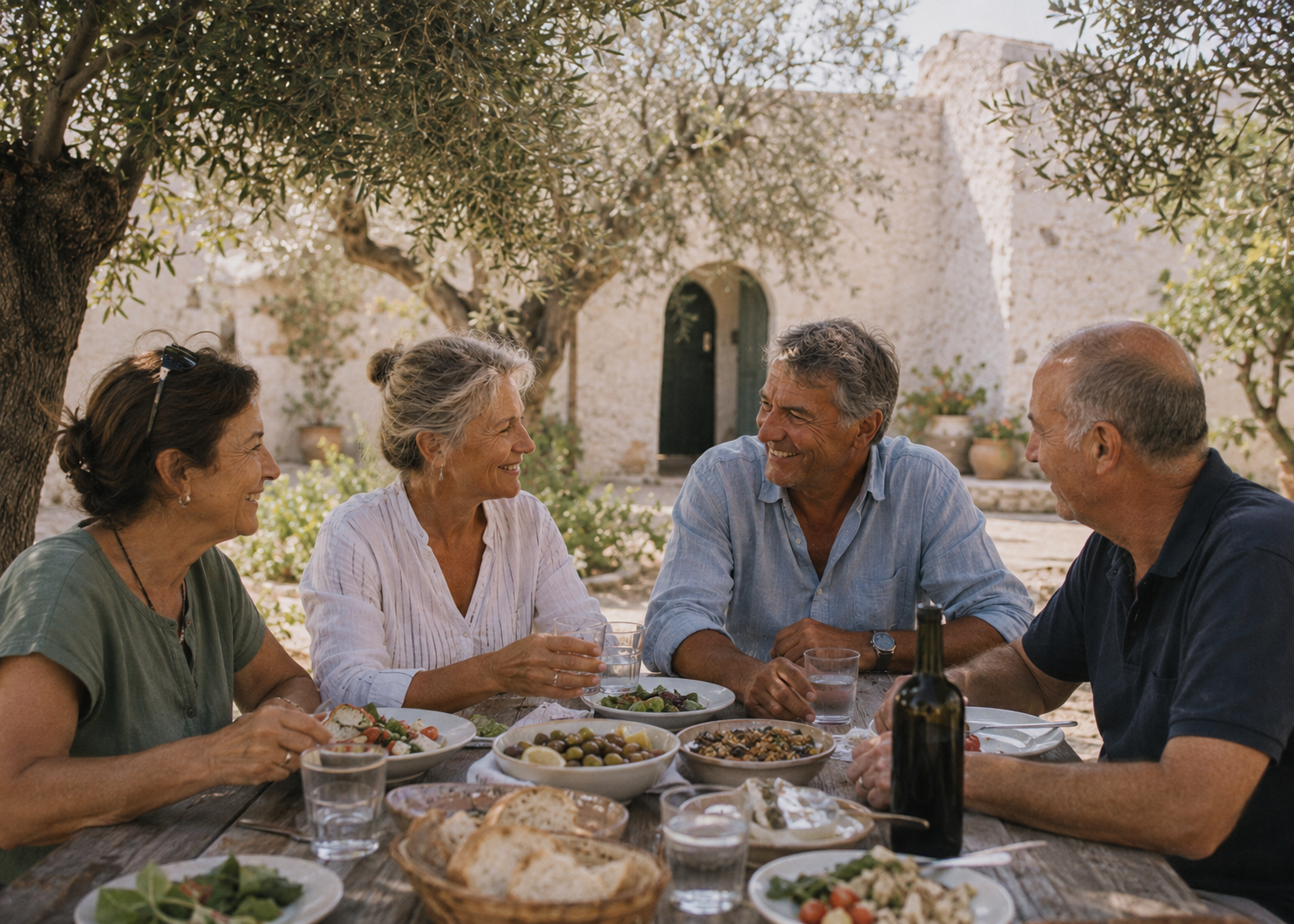
For anyone weighing the same leap, there is a sound way to test the decision before committing to it, and the wise movers use it.
The single best test is to spend real, extended time in Puglia before committing, not a two-week holiday but a longer stay of months if possible, ideally including the off-season, the hot deep summer and the quieter winter, to experience the real daily life rather than the holiday version and to confirm that the rhythm and the place genuinely suit you. This extended trial is how the wise movers test the decision, living in a prospective town for a season, shopping and cooking and trying to integrate as a resident rather than touring as a visitor, seeing whether the reality of the daily life matches the dream before they sell up and commit, since the place that enchants on holiday can disappoint in daily life and only an extended stay reveals which it will be. Try the life before buying it, and the decision rests on real experience rather than romantic projection.
The other sound preparations follow from treating the move as the serious undertaking it is, researching the residency requirements and engaging professional help for the visa and the legal process, assessing the healthcare access realistically for your own needs, choosing a location with adequate services and not too much isolation, budgeting honestly for the hard first year, and committing to learning the language and integrating genuinely. The couples who do this preparation, the extended trial, the realistic research, the sensible location, the honest budget, the commitment to integrate, are overwhelmingly the ones who go on to call it the best decision of their lives, while the ones who skip it and move on impulse are the ones who struggle, so the preparation is much of what determines the outcome. Test the decision properly, prepare it realistically, and the leap that feels so frightening at sixty-four becomes, for the well-prepared, exactly the rich and vindicating choice that the movers who made it describe.
None of this is financial, medical, or relocation advice, and the suitability of a move to Puglia depends entirely on individual health, resources, temperament, and circumstances. Anyone considering it should spend extended time in the region including the off-season, assess healthcare access for their own needs, take proper visa and cross-border tax advice, and prepare realistically for the difficult first year, since the move that becomes the best decision of some people’s lives would be the wrong choice for others, and the difference lies in honest self-assessment and thorough preparation rather than in the romance of the idea.

About the Author: Ruben, co-founder of Gamintraveler.com since 2014, is a seasoned traveler from Spain who has explored over 100 countries since 2009. Known for his extensive travel adventures across South America, Europe, the US, Australia, New Zealand, Asia, and Africa, Ruben combines his passion for adventurous yet sustainable living with his love for cycling, highlighted by his remarkable 5-month bicycle journey from Spain to Norway. He currently resides in Spain, where he continues sharing his travel experiences with his partner, Rachel, and their son, Han.