
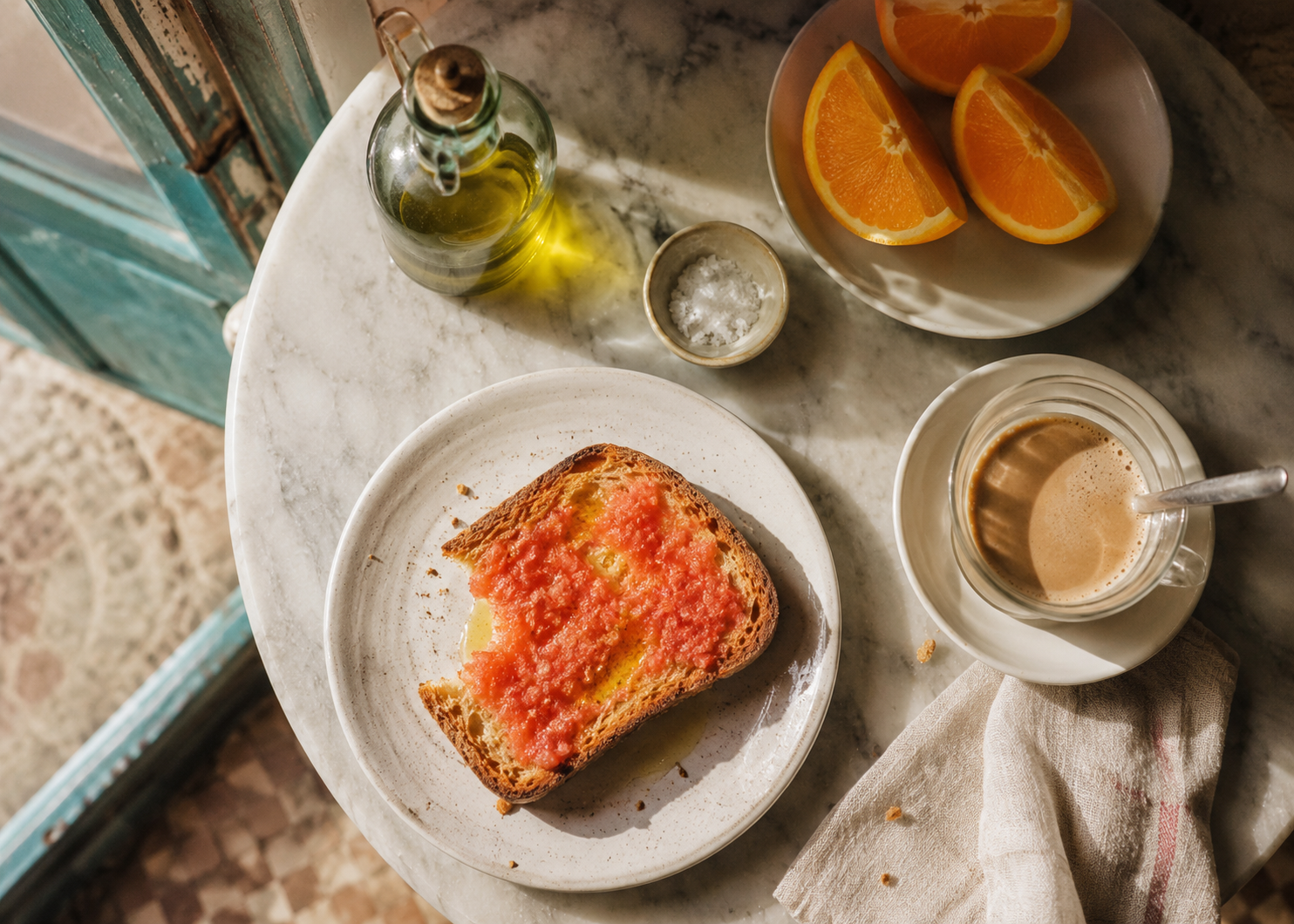
The premise of the experiment was simple. For forty-five days, eat the way the people around me here actually eat, the real Spanish version of the Mediterranean diet, and see what happens. Not a fad, not a cleanse, just the ordinary food of an ordinary Spanish life, the olive oil and the fish and the vegetables and the legumes and the late unhurried meals, swapped in for the more American way of eating that travels with you longer than you would think. What follows is an honest account of that experiment and, more usefully, of what the actual science says about why the Spanish and Mediterranean way of eating does what it does, since the science is more interesting and more reliable than any one person’s forty-five days.
A caution before anything else, since this matters. This is a personal account and a summary of general evidence, not medical advice, and nothing here is a promise about what any particular diet will do to your own numbers, which vary enormously between individuals and are a matter for you and your own doctor. Any change in cholesterol or other markers should be assessed through real bloodwork ordered and interpreted by your physician, and any change to your diet, especially if you have a health condition or take medication, should be discussed with them first. With that firmly said, here is what eating like a Spaniard for forty-five days is actually like, and what the evidence genuinely shows about why this way of eating is so good for the heart.
What Eating Like A Spaniard Actually Means
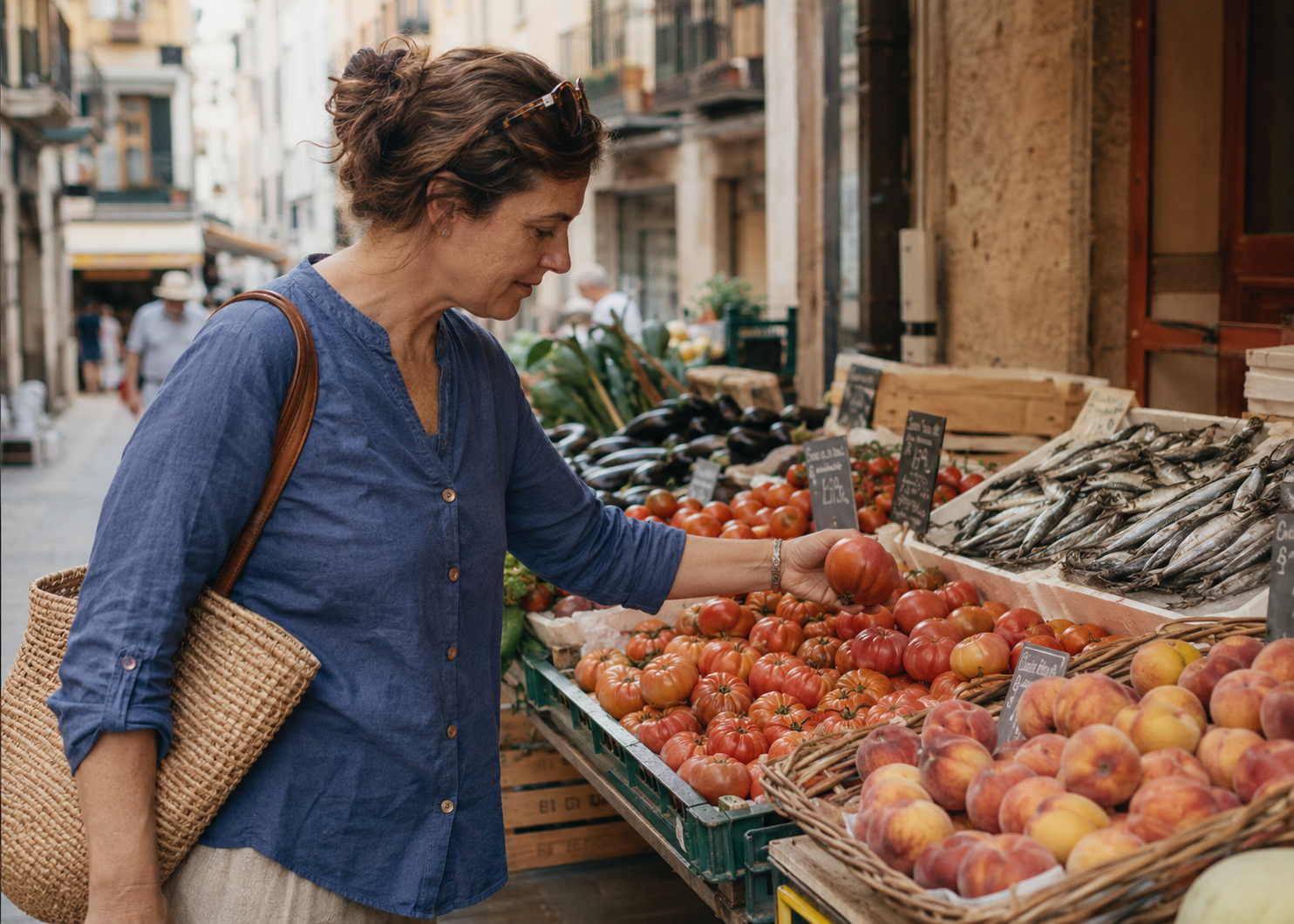
Before any claims about effects, it helps to be precise about what the Spanish version of the Mediterranean diet actually involves, since it is widely misunderstood.
Eating like a Spaniard means, in practice, a diet built on olive oil as the principal fat, abundant vegetables and fruit, legumes like chickpeas and lentils, fish and seafood frequently, whole grains, nuts, moderate amounts of dairy and eggs, relatively little red and processed meat, and wine in moderation with meals, the whole thing cooked simply and eaten in the unhurried social Spanish way. It is not a diet of deprivation or restriction but of abundance and pleasure, a way of eating that happens to be extraordinarily healthy while being one of the most enjoyable cuisines in the world, the health a byproduct of a food culture organized around good simple ingredients rather than a regime imposed for health reasons. This is the crucial point that the American framing of diet-as-restriction misses, that the Spanish way is not a sacrifice endured for health but a pleasure that is healthy, the two not in tension.
The contrast with the typical American way of eating is stark and instructive, the American pattern heavier in processed foods, red and processed meat, refined grains and sugar, and industrial seed oils, lighter in vegetables and legumes and fish, eaten faster and more often alone and on the run. Switching to the Spanish way means more olive oil and less processed fat, more vegetables and legumes and fish and less meat and processed food, more whole and fresh and less packaged, and the meals themselves slower and more social, a shift in both what is eaten and how. The forty-five-day experiment, then, is really about making this shift, from the American pattern to the Spanish one, and living for a stretch on the ordinary healthy abundant food of Spain to experience what it is like, the change being as much about the quality and pattern of the food as any single nutrient.
What The Evidence Actually Shows
Here is where honesty matters most, since the real science is nuanced and far more credible than the dramatic claims that often surround this diet.
The strongest and most reliable evidence concerns cardiovascular events rather than cholesterol numbers specifically, and it is genuinely impressive, the landmark Spanish PREDIMED trial having found that a Mediterranean diet enriched with olive oil or nuts reduced the rate of major cardiovascular events, heart attacks, strokes, and cardiovascular death, by roughly thirty percent over about five years compared with a low-fat control diet, a substantial and well-regarded finding. This is the real headline, that the Mediterranean pattern is robustly associated with better cardiovascular outcomes, the hard endpoints that actually matter, supported by a major randomized trial and a large body of observational evidence, which is a stronger and more meaningful claim than any effect on a single number. The diet’s cardiovascular benefit is real and well-supported, and it is the genuinely important point.
On cholesterol numbers specifically, the evidence is more nuanced and worth stating accurately rather than overselling, since the direct effect of the Mediterranean diet on LDL cholesterol levels in randomized trials is generally low to modest, sometimes small, sometimes not statistically significant, even though observational studies often show clearer associations with better lipid profiles. What the evidence shows more consistently is an effect on the quality of LDL rather than just the quantity, the Mediterranean diet, particularly with olive oil, tending to make LDL particles larger and more resistant to oxidation, changes thought to make the cholesterol less harmful to the arteries even when the headline number moves only modestly. So the honest picture is that the diet’s benefit to the heart is real and substantial, that its effect on cholesterol quality is favorable, but that its effect on the LDL number itself is variable and often modest, and no one should expect a guaranteed dramatic drop in their cholesterol number from diet alone.
Why The Diet Helps The Heart

Understanding the mechanisms makes the evidence make sense and shows why the cardiovascular benefit can be real even when the cholesterol number moves only modestly.
The cardiovascular benefit of the Mediterranean diet appears to work through multiple mechanisms beyond simple cholesterol lowering, the olive oil and its compounds reducing inflammation and oxidation, the improvement in LDL quality making the particles less atherogenic, beneficial effects on blood pressure, blood vessel function, blood sugar, and weight, and the overall anti-inflammatory character of a diet rich in vegetables, olive oil, fish, and nuts and low in processed food. This is why the diet can reduce cardiovascular events substantially even while moving the cholesterol number only modestly, because it is improving heart health through many pathways at once rather than through cholesterol alone, the sum of the effects on inflammation, oxidation, blood pressure, vessel function, and metabolism adding up to real protection. The heart benefit is broader and deeper than any single number captures, which is precisely why focusing only on the cholesterol number misses the larger and more important picture.
This multi-mechanism reality is also why the Mediterranean pattern as a whole matters more than any single component, since the benefit comes from the overall way of eating, the combination and the pattern, rather than from any one magic ingredient, the olive oil and the vegetables and the fish and the legumes and the low processed food and the moderate wine all contributing to a whole that is healthier than the sum of its parts. The lesson is to adopt the pattern, the whole Mediterranean way of eating, rather than to fixate on any single element or to expect any one food to work magic, since it is the comprehensive shift in how one eats that produces the broad cardiovascular benefit the evidence supports. Eat the whole pattern, and the many small benefits compound into the real heart protection that the research describes, which is a more reliable and meaningful goal than chasing a change in one number.
What Forty-Five Days Can And Cannot Show
Honesty about the experiment itself requires being clear about what a personal forty-five-day trial can and cannot actually demonstrate.
A forty-five-day personal experiment can genuinely show you how the way of eating feels, the experience of more vegetables and olive oil and fish and fewer processed foods, the effect on energy, digestion, satisfaction, and the simple pleasure of the food, the lived experience of the Spanish way, which is real and valuable to discover. What it cannot reliably show is a definitive effect on your cholesterol or cardiovascular health, since individual responses vary enormously, forty-five days is a short window, a single person is not a study, and any change in a number over such a period could reflect many factors beyond the diet, so no personal experiment, however sincere, can establish what the diet will do to your health the way a proper trial can. The personal experiment is valuable for experiencing the way of eating, not for proving its medical effects, and conflating the two is exactly the error to avoid.
This is why the right use of a personal experiment is as a way to try the pattern and see whether you can enjoy and sustain it, not as a medical test of its effects, which belongs to proper science and to your own doctor’s bloodwork rather than to a forty-five-day self-trial. If you want to know what the Spanish way of eating does to your own numbers, the answer is to adopt it sustainably and have your doctor check your bloodwork over time, interpreting any changes in the context of your full health picture, rather than to draw medical conclusions from a short personal experiment. The experiment is a fine way to discover whether you like and can live with this way of eating, a genuine and useful thing to learn, but the medical question of its effects on you specifically is one for real testing and your physician, not for a hopeful self-assessment over six weeks.
What The Experience Actually Felt Like
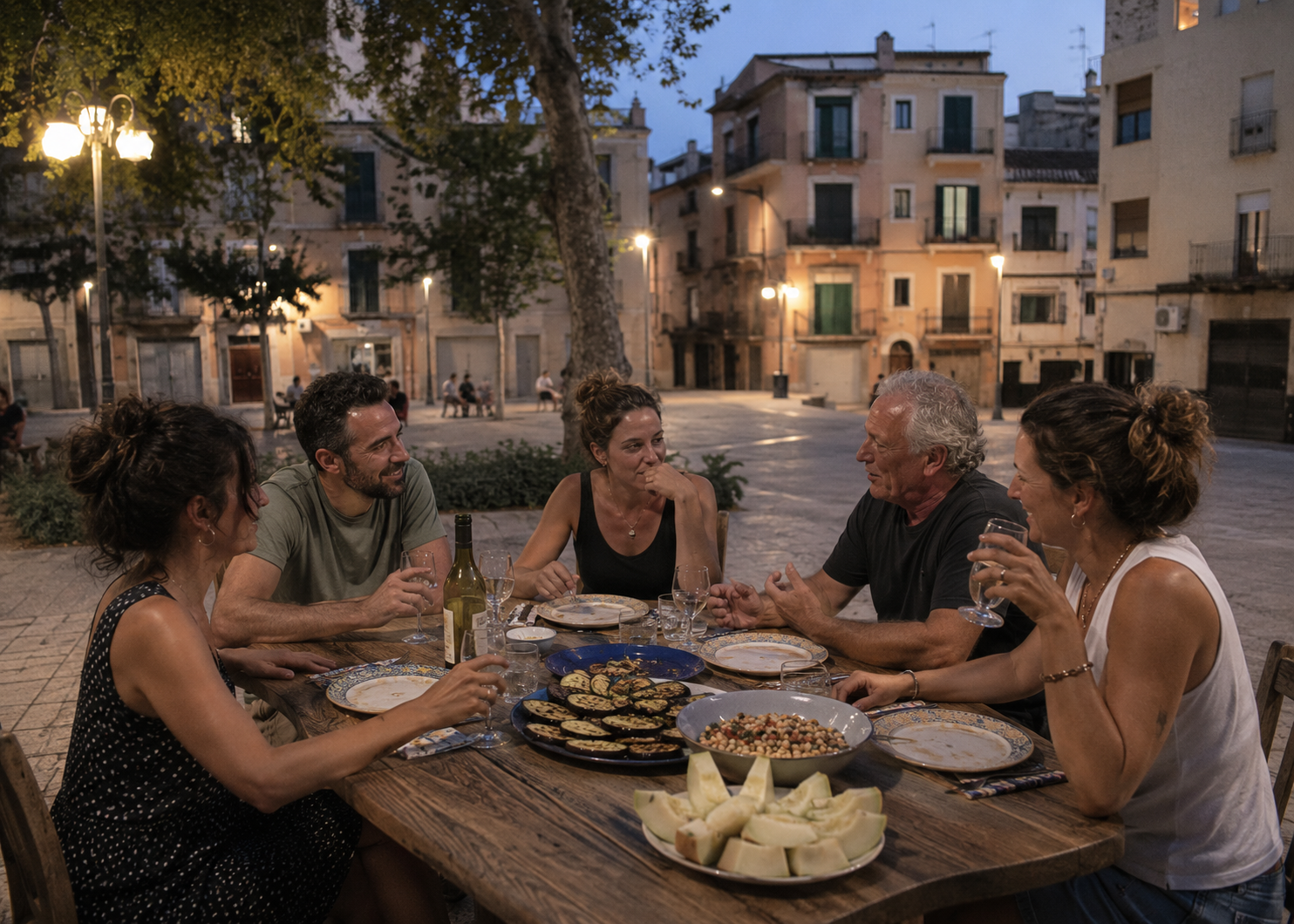
Setting the numbers aside, the lived experience of eating this way for a stretch is worth describing, since the experiential side is what a personal account can honestly offer.
The most immediate thing about eating the Spanish way is that it does not feel like a diet at all, since there is no hunger, no deprivation, no counting, just abundant good food eaten with pleasure, the olive oil and the bread and the fish and the vegetables and the wine making for meals that satisfy completely while happening to be healthy, the absence of the restriction-and-willpower struggle that defines so much American dieting. This is the revelation for many who try it, that healthy eating need not be a grim exercise in denial but can be the most pleasurable way to eat, the Spanish table proving that the healthiest food can also be the most enjoyable, which makes the way of eating sustainable in a way that restrictive diets never are. The pleasure is the point and the sustainability flows from it, since a way of eating this enjoyable is one a person can actually keep up for life rather than abandon when willpower fails.
Beyond the pleasure, people who make this shift often report feeling better in diffuse ways that are real even if not medically measured, more even energy through the day without the spikes and crashes of a processed-food diet, better digestion from the fiber of the vegetables and legumes, a pleasant lightness from eating whole fresh food rather than heavy processed meals, and the simple satisfaction of the slower social meals. These experiential changes are genuine and worth having in their own right, the feeling of eating well, quite apart from any effect on bloodwork, though it should be said that subjective feelings of wellbeing are not the same as measured health outcomes and should not be mistaken for them. Still, the lived experience of eating the Spanish way is, for most who try it, simply pleasant, a way of eating that feels good to live on, which is much of why those who adopt it tend to stay with it.
How To Actually Adopt This Way Of Eating

For anyone drawn to try it, whether for forty-five days or for life, a few practical points make the shift easier and more sustainable.
The practical core is to make olive oil your main fat, to fill the plate with vegetables and include legumes regularly, to eat fish often and red and processed meat rarely, to choose whole grains over refined, to snack on nuts and fruit, and to cook simply with fresh ingredients rather than relying on processed and packaged food, the shift being toward the whole, the fresh, the plant-rich, and the simply cooked. None of this requires exotic ingredients or difficult technique, since the Spanish way is fundamentally simple food, good olive oil, fresh vegetables, beans, fish, bread, the simplicity being part of its accessibility, and the home cook can adopt it anywhere by shifting their shopping and cooking toward these staples and away from the processed American defaults. Start with the fats and the vegetables and the legumes and the reduction of processed food, and most of the shift is made.
Just as important as what is eaten is how, since the Spanish way includes the unhurried social meal, the eating slowly and in company, the not snacking constantly, the moderate portions of a culture that eats well but not excessively, and adopting the rhythm as well as the ingredients is part of the whole. The sustainable approach is to treat it not as a temporary diet but as a permanent and pleasant shift in how you eat, adopting the pattern gradually and keeping what you enjoy, since the way of eating only delivers its benefits if sustained, and it is sustainable precisely because it is enjoyable. And throughout, for anyone with a health condition, on medication, or making a significant dietary change, the sound course is to involve your doctor, to have your relevant markers checked properly over time, and to make the change in partnership with your physician rather than alone, so that the pleasant shift toward the Spanish way is also a safe and well-monitored one.
None of this is medical or nutritional advice, and individual responses to any way of eating vary enormously and depend on your full health picture. Any change in cholesterol or other health markers should be assessed through proper bloodwork ordered and interpreted by your own physician, and any significant dietary change, particularly if you have a health condition or take medication, should be discussed with your doctor first, since the evidence described here concerns populations and patterns rather than any promise about what a particular way of eating will do for any particular person.

About the Author: Ruben, co-founder of Gamintraveler.com since 2014, is a seasoned traveler from Spain who has explored over 100 countries since 2009. Known for his extensive travel adventures across South America, Europe, the US, Australia, New Zealand, Asia, and Africa, Ruben combines his passion for adventurous yet sustainable living with his love for cycling, highlighted by his remarkable 5-month bicycle journey from Spain to Norway. He currently resides in Spain, where he continues sharing his travel experiences with his partner, Rachel, and their son, Han.