
Somewhere in a filing cabinet or a family Bible, there may be a document worth more than most retirement accounts. A grandmother’s birth certificate from County Mayo. A grandfather’s baptism record from a village outside Kraków. For millions of Americans, that piece of paper is a claim on a second passport, full European Union citizenship, the right to live, work, and retire across twenty-seven countries, and in ten countries the claim runs through a grandparent and requires no language test at all.
The list changed hard in 2025 and 2026, which is why most of what you have read about it is now wrong. Italy slammed its famous open door partway shut. Spain’s grandchildren window closed completely in October 2025. So here, verified as of June 2026, are the ten countries where a grandparent still gets an American a passport without sitting an exam, what each one actually requires, and the near-misses that catch people who relied on last year’s articles.
Ireland, The Cleanest Route

If one of your grandparents was born on the island of Ireland, you are already entitled to Irish citizenship. The process is registration, not application.
The mechanism is the Foreign Births Register. You document the chain, your grandparent’s Irish birth certificate, the line of births and marriages down to you, and register with the Department of Foreign Affairs. Processing has been running roughly a year to eighteen months, the fee is modest, around 270 euros, and at the end you are an Irish citizen with the same EU rights as someone born in Dublin. No language test, no residence requirement, no interview about your knowledge of hurling. Ireland permits dual citizenship without conditions, so your American passport stays.
One trap worth knowing. The grandparent route is direct, but the great-grandparent route only works if your parent was registered on the Foreign Births Register before you were born. If they were not, your own claim through a great-grandparent fails, though your parent can register now and open the door for your children. Check which generation you are actually claiming through before you order a single document.
Italy, Narrower Now, Still Open At The Grandparent
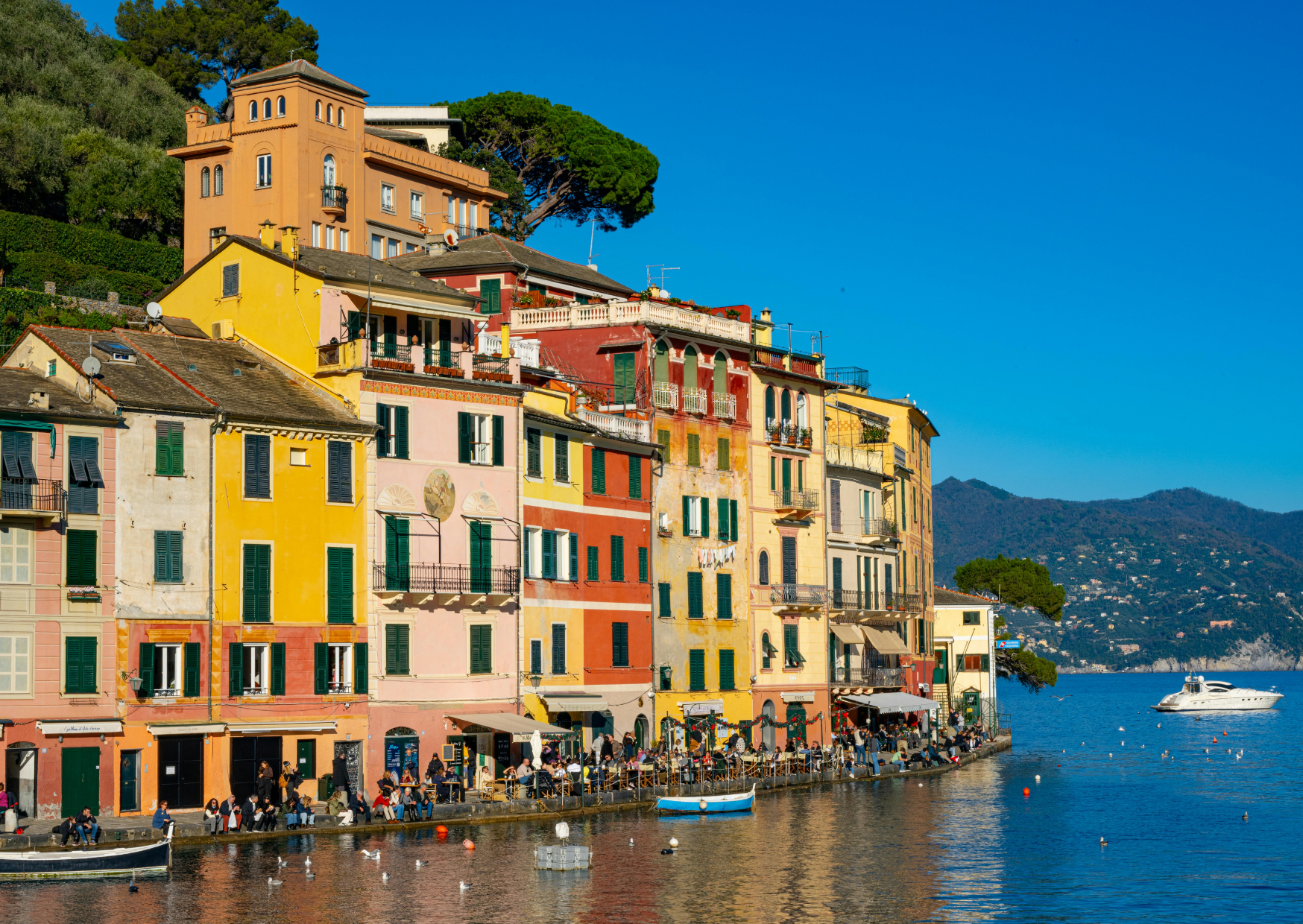
Italy was the giant of this world, no generational limit at all, and then on March 28, 2025 the door moved. The Tajani Law cut eligibility to two generations.
Under Law 74/2025, upheld by Italy’s Constitutional Court in March 2026, you now qualify through a parent or grandparent born in Italy, and the great-grandparent claims that built an entire industry are finished for new applicants. There is a further wrinkle called the exclusivity clause. Transmission can fail if your Italian ancestor also held another citizenship at the key moment, unless certain Italy-residence conditions in the line are met, and the 1948 rule still forces some maternal-line claims into court. The fee is 600 euros per adult, document costs run into the thousands, and consular queues run years.
What survived intact is the part that matters for this list. Descent citizenship in Italy carries no language requirement, unlike Italian naturalization or citizenship by marriage, which do. So an American with a grandfather born in Calabria still has a live, test-free claim in 2026. An American with a great-grandfather born in Calabria, who waited, no longer does. The lesson costs nothing to state and cost many families everything: in this field, doors close, and the time to file is when you qualify.
Poland, The Unbroken Chain
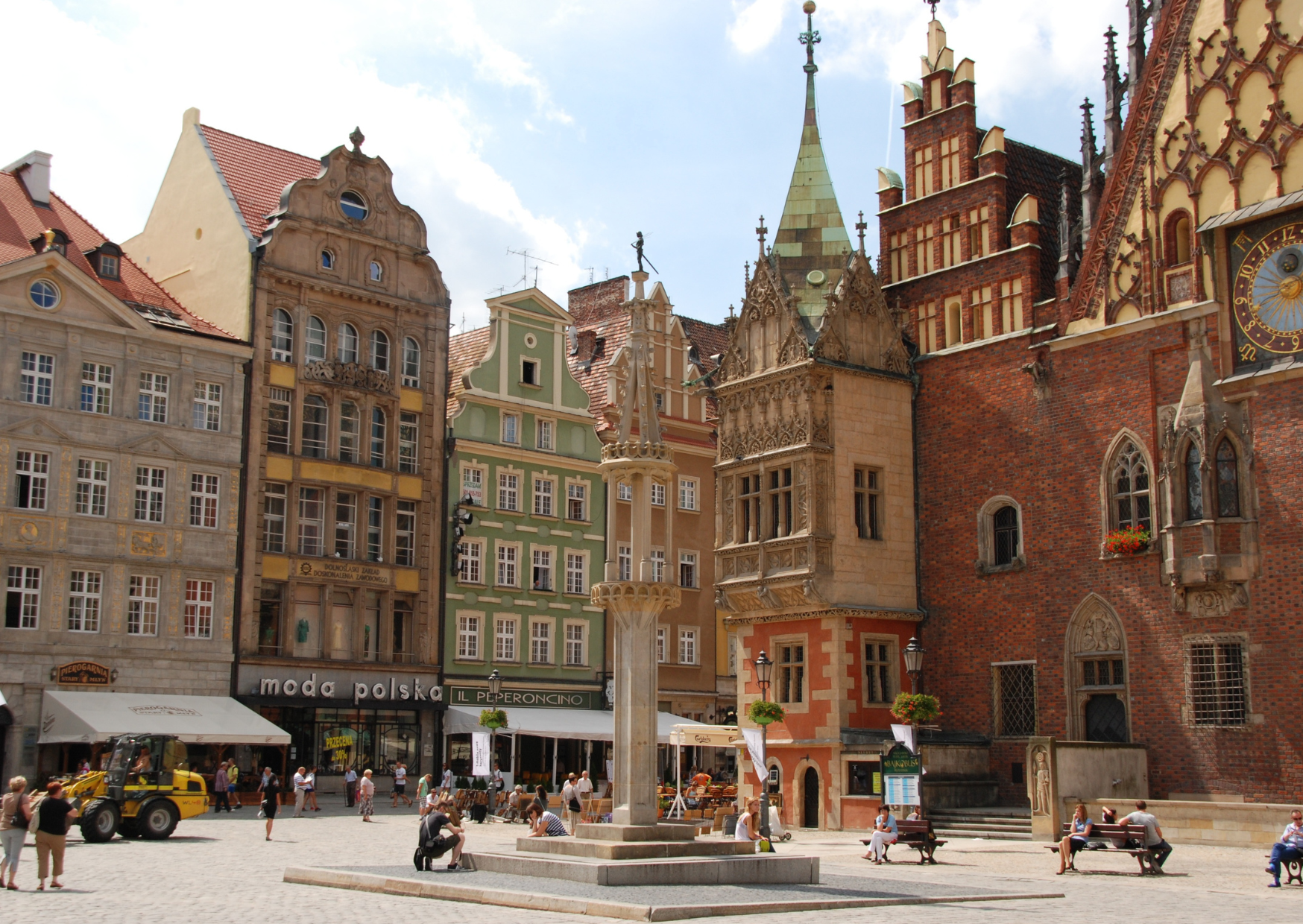
Poland does not limit the generations. It limits the chain.
Polish citizenship passes automatically down the bloodline, grandparent, great-grandparent, further, provided no one in the line ever lost it along the way, and the whole game is proving the chain never broke. The breaks hide in history: an ancestor who naturalized in America before 1951 in circumstances the old laws treated as renunciation, military service in a foreign army, the wrong document at the wrong date. The process is called confirmation of citizenship, it runs through Polish archives and a voivode’s office, and it is genealogical detective work more than an application.
There is no language test and no residence requirement, and with an estimated 9.5 million Americans of Polish descent, this is one of the most widely available claims in the country. Realistic timelines run a year to two with professional help, longer alone. The reward is a passport from one of Europe’s strongest economies and full EU rights, traced through a great-grandmother from Galicia whose village no longer appears on maps. Polish archives, against all odds, usually still have her.
Czech Republic And Slovakia, The Czechoslovak Inheritance

One vanished country now hands out two passports, and Americans descended from Czechoslovak emigrants can often choose.
The Czech Republic opened its door in 2019. Descendants of former Czechoslovak citizens, down to grandchildren, can acquire Czech citizenship by declaration, a simplified process resting on documents rather than tests, with no language requirement and dual citizenship permitted. Slovakia followed in 2022 with its own amendment reaching to great-grandchildren of Slovak and Czechoslovak citizens, again documentation-based, again without a language exam, though Slovakia routes applicants through a Slovak Living Abroad certificate and its dual-citizenship rules carry conditions worth checking with counsel.
Which side you claim depends on where the ancestor was from and which archive holds their papers, and for families from the old borderlands the answer can be either. The deeper point is that Czechoslovakia, a country that stopped existing in 1992, remains one of the most generous ancestors an American can have, its two successor states both honoring the grandchildren of the people who left.
Lithuania And Latvia, The Baltic Restorations

The Baltic routes are framed as restoration, citizenship returned to the descendants of people who fled occupation, and the framing matters because it sets the dates.
Lithuania restores citizenship to descendants of people who were citizens of the interwar republic before June 1940, down through grandchildren and great-grandchildren, with no language test. Dual citizenship is the catch and the blessing at once: Lithuania generally restricts it, but descendants of those who fled the occupations are the major exception allowed to keep both passports, which is precisely the category most American claimants fall into. Latvia runs a parallel restoration for descendants of its pre-1940 citizens and wartime exiles, also exam-free, also document-driven.
These claims live and die in archives, interwar passports, parish records, ship manifests, and the practical work is reconstructing a family’s paper trail through two occupations and a war. Families descended from the large Lithuanian and Latvian emigrations to Chicago, Pennsylvania, and the East Coast frequently qualify without knowing it. The grandmother who never spoke about the old country may have left exactly the documents that prove the claim.
Greece, Slow, Paper-Heavy, And Test-Free

Greek citizenship by descent has no generational expiry, no language exam, and a process that tests patience instead.
The claim runs through registration. Your Greek ancestor’s birth or baptism must be found in Greek municipal or church records, then each generation’s births and marriages are registered in sequence with the Greek authorities until the line reaches you, at which point you are recognized as the citizen you legally always were. A grandparent claim is entirely standard. The difficulty is administrative, locating records in the right village registry, getting documents translated and apostilled, and waiting out queues at consulates that measure backlogs in years.
For the large Greek-American population this is among the most underused claims in the field, mostly because the paperwork intimidates people early. It should not. The records usually exist, professional researchers in Greece retrieve them routinely, and at the end of the queue is an EU passport and, for what it is worth, an unimpeachable answer at every taverna for the rest of your life.
Germany And Austria, The Restoration Routes

These two run narrower and deeper. They are not general ancestry programs but acts of repair, and for the families they cover they are the most generous routes on this list.
Germany restores citizenship to descendants of people persecuted and stripped of citizenship under the Nazi regime between 1933 and 1945, primarily Jewish families but also political and other persecuted groups, through Article 116(2) of the Basic Law and the expanded Section 15 of the citizenship act. Grandchildren and great-grandchildren qualify, there is no language requirement, no fee in most restoration cases, and dual citizenship is accepted. Austria’s Section 58c, expanded in 2020, does the same for descendants of Austrians who fled Nazi persecution, including grandchildren and beyond, by declaration, without tests, and without requiring the renunciation of other citizenships.
These routes have moved tens of thousands of American families since they widened, and they carry a weight the others do not. The document at the center is often a passport stamped with the machinery of the catastrophe itself, and the restored citizenship is, formally and deliberately, an acknowledgment. Families who qualify often hesitate for reasons that have nothing to do with paperwork. The programs exist precisely for them, and the legal path is the easiest on this entire list.
The Near-Misses That Catch People
Four countries appear on older versions of this list and do not belong on the 2026 one, and knowing why protects you from stale advice.
Hungary qualifies almost any proven descendant, with no generational limit, and then requires Hungarian. The simplified naturalization route demands a working command of one of Europe’s hardest languages, tested in person at the consulate, which moves Hungary off the no-test list however generous its genealogy rules look. Portugal allows grandchildren of Portuguese citizens to claim nationality, but the grandchild route requires demonstrating knowledge of Portuguese, an A2-level showing, so it carries exactly the test this list excludes. Spain ran one of the great recent programs, the Democratic Memory Law route for grandchildren of exiles, no language test included, and closed it in October 2025. It is over for new applicants, and articles still promoting it are out of date. Luxembourg’s celebrated ancestor-of-1900 recovery route closed its window in 2022.
The pattern across all four, and across Italy’s tightening, points one direction. These programs are political creations, they open and close with governments, and the consistent recent movement has been toward closing. Whatever claim your family tree holds, the rational time to pursue it is now, while the law that recognizes it still exists.
How To Actually Run The Claim
The work is the same across all ten countries, and it starts in your own family’s drawers, not in a consulate.
Establish the facts first. Which ancestor, born where, when, emigrated when, naturalized in America when, because the naturalization date against the next generation’s birth date is the hinge most claims turn on. Order the American documents, the naturalization records from USCIS or the National Archives, the birth and marriage certificates down the line. Then go after the foreign record, the birth or baptism entry in the home parish or registry, which professional researchers in each country retrieve for reasonable fees. Only then, with the chain on paper, approach the consulate or, in complex cases, a lawyer specializing in that country’s descent claims, who earns their fee most in the broken-chain and court-route cases.
Budget realistically. Document gathering, translations, and apostilles commonly run one to three thousand dollars per family even before legal help, and timelines run one to four years depending on the country and the queue. Against that stands what the passport is. Not a travel perk but a permanent, inheritable right to twenty-seven countries’ worth of places to live, work, retire, and pass on to your children, acquired for the cost of paperwork because of a decision your grandmother made with a suitcase a century ago. Among everything this blog covers, it is the single highest-value project an eligible American can undertake, and 2025 proved the windows do not stay open while you think about it.
What It Means On The American Side
A second passport raises three American questions, and the answers are shorter than people fear.
You keep your US citizenship. The United States permits dual nationality, none of the ten countries above requires renouncing, and the State Department has no objection to an American also being Irish or Polish. You keep your US taxes too, which is the unglamorous half. America taxes its citizens on worldwide income wherever they live, so the new passport changes nothing about your IRS relationship, and an American who eventually uses the citizenship to move to Europe inherits all the cross-border tax planning this blog has covered at length, the treaties, the credits, the accounts. The passport opens the door. The tax advice keeps the move affordable.
And the inheritance runs forward. In most of these countries, once your citizenship is recognized, your children’s claims become first-generation and nearly automatic, which reframes the whole project. The year of paperwork is not just for your own retirement options. It converts a fading family connection, one generation from being lost entirely, into a permanent legal asset that every descendant after you receives at birth. Plenty of people on these queues are not planning to move anywhere. They are sixty-five years old, securing something for grandchildren, with a folder of documents their own grandmother carried across an ocean, closing a circle a century wide.
One closing note on the count itself. You will find lists online claiming eleven, fourteen, twenty countries, and the inflation comes from counting programs that have closed, routes that require language tests, or parent-only claims dressed up as ancestry programs. The ten above are the ones where, as of June 2026, a grandparent qualifies and no exam stands in the way. Fewer than the headlines promise. Real, every one.

About the Author: Ruben, co-founder of Gamintraveler.com since 2014, is a seasoned traveler from Spain who has explored over 100 countries since 2009. Known for his extensive travel adventures across South America, Europe, the US, Australia, New Zealand, Asia, and Africa, Ruben combines his passion for adventurous yet sustainable living with his love for cycling, highlighted by his remarkable 5-month bicycle journey from Spain to Norway. He currently resides in Spain, where he continues sharing his travel experiences with his partner, Rachel, and their son, Han.