

For decades, American nutrition authorities told people to stop eating butter and switch to margarine. The advice seemed sound: butter is high in saturated fat, saturated fat was believed to drive heart disease, and margarine offered a plant-based alternative with less saturated fat. Millions of Americans dutifully made the switch. Many of them got worse. The French, who never abandoned butter, maintained lower rates of heart disease throughout. This is one of the more striking reversals in modern nutrition history, and the story behind it is genuinely instructive.
The reversal happened because the margarine that Americans switched to was loaded with trans fats, which turned out to be substantially worse for cardiovascular health than the butter it replaced. The French, by continuing to use butter in the traditional French way, avoided the trans fat damage entirely. The French butter pattern, which is not a health strategy but simply traditional French cooking, happened to be safer than the American “healthy” alternative. This piece tells that story accurately, including the important nuances that prevent it from becoming a simple butter-is-health-food message, which would be its own error.
This piece walks through what the French butter pattern actually is, what the documented history of the margarine mistake reveals, what the science actually says now, and what individual adults can take from this. The patterns here are observed across populations, and the history is documented. None of this is medical advice for any specific individual. Anyone managing cholesterol or cardiovascular conditions should work with their physician.
What The French Butter Pattern Actually Is
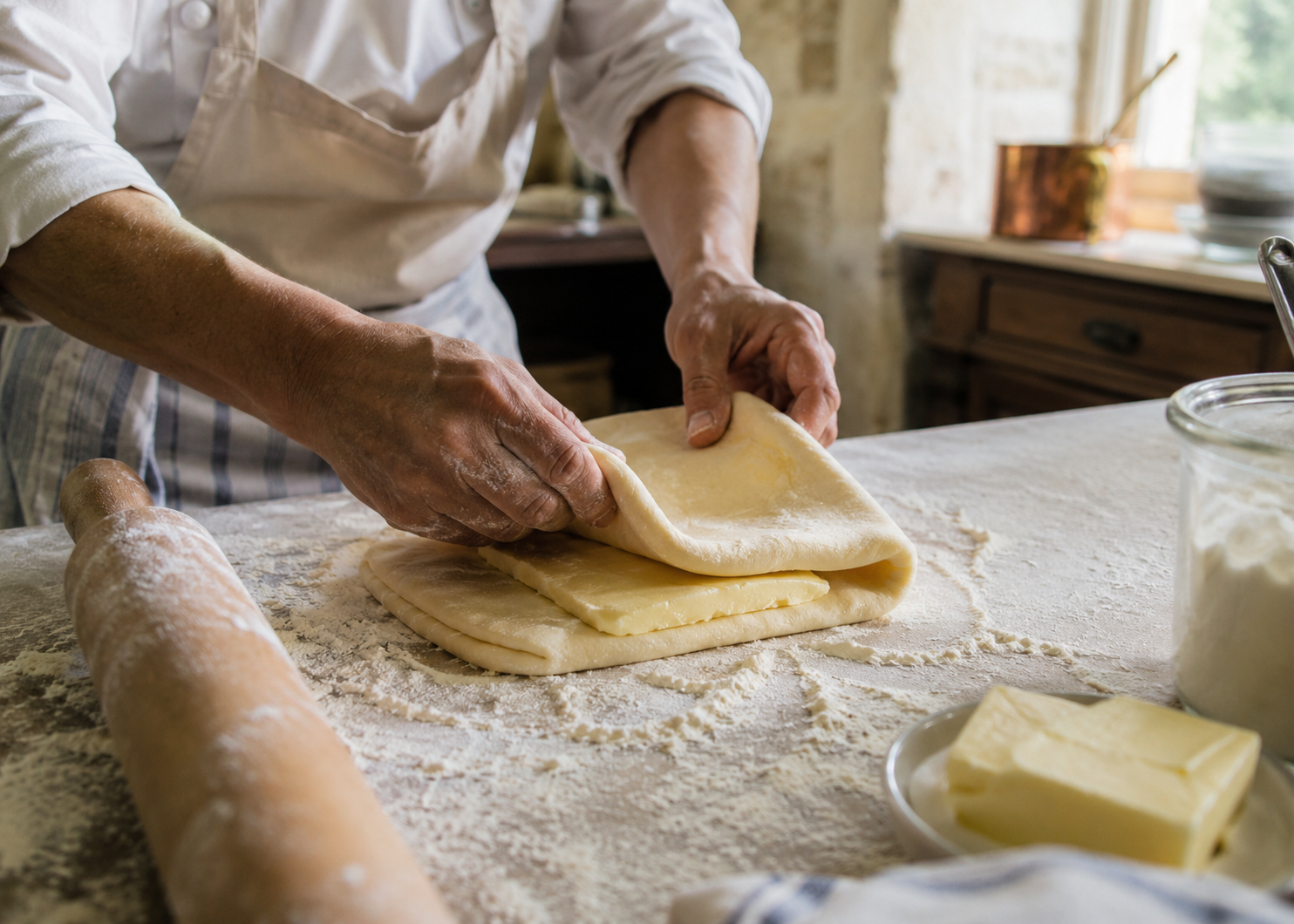
The French relationship with butter has specific features that distinguish it from both the American butter pattern and the American margarine substitution.
Butter is used in moderate amounts as a flavor and cooking foundation. French cooking uses butter deliberately and skillfully, but traditionally in measured amounts. The butter is a foundation and a finish, not a substance consumed in large quantity. A knob of butter to finish a sauce, butter to cook eggs, butter on good bread.
Butter is real, high-quality, often cultured. French butter is typically high-fat, cultured, made from quality cream. The butter is a real food rather than a processed product. The French never replaced their butter with a manufactured substitute.
Butter is eaten within a broader pattern that moderates its impact. The French diet includes substantial vegetables, moderate portions, the wine, the long meals, the walking. The butter sits within a pattern that does not produce the cardiovascular outcomes that the butter alone might suggest. This is part of the broader French paradox.
Butter is not the only fat. French cooking also uses olive oil, particularly in the south, and other fats. The butter is one fat among several rather than the sole cooking fat. The dietary fat sources are varied.
Butter is eaten with awareness of moderation. The French cultural relationship with food includes portion awareness and the absence of the supersizing that characterizes American food culture. The butter is consumed within moderate overall portions.
The combined French butter pattern is moderate consumption of real high-quality butter within a broader dietary pattern that moderates its cardiovascular impact. The French never faced the trans fat problem because they never abandoned butter for trans-fat-laden margarine.
What The History Of The Margarine Mistake Reveals

The documented history of the American margarine substitution is one of the clearest examples of a well-intentioned nutritional recommendation producing harm.
Margarine rose during World War II butter rationing. Partially hydrogenated oils became widely used when butter was rationed and people needed inexpensive substitutes. The substitution began as wartime economy rather than health strategy.
The 1980s saturated fat panic accelerated the switch. As evidence accumulated associating saturated fat with elevated cholesterol, food manufacturers sought alternatives, and the public was encouraged to abandon saturated animal fats. Down with butter, up with margarine became the message. The American Heart Association counseled the substitution of margarine for butter for decades.
The food industry switched to partially hydrogenated oils containing trans fats. Fast food companies switched from animal fats to partially hydrogenated oils. Margarine was made from these trans-fat-laden hydrogenated oils. The “healthy” replacement was loaded with trans fats.
1990s research revealed the trans fat disaster. New research demonstrated that trans fats raised LDL, the bad cholesterol, while simultaneously lowering HDL, the good cholesterol. This double whammy made trans fats substantially worse for heart disease than the saturated fat they had replaced. The people who switched from butter to margarine had moved to something worse.
The reversal was confirmed and acted upon. The evidence became undeniable. The US banned artificial trans fats from the food supply in 2018. Harvard Health stated plainly that there never was any good evidence that using margarine instead of butter cut the chances of heart disease. The switch had been a well-intentioned guess that overlooked the dangers of trans fats.
The French avoided the entire mistake. By continuing to use butter in the traditional way, the French never made the switch to trans-fat-laden margarine. They avoided the trans fat damage that the American “healthy” substitution produced. Their continued butter use turned out to be safer than the American alternative.
The history is documented and instructive. The American switch from butter to margarine was a well-intentioned recommendation based on the available evidence of the time that turned out to cause harm because the substitute was worse than the original. The French traditional butter pattern avoided the harm by never participating in the substitution.
What The Science Actually Says Now
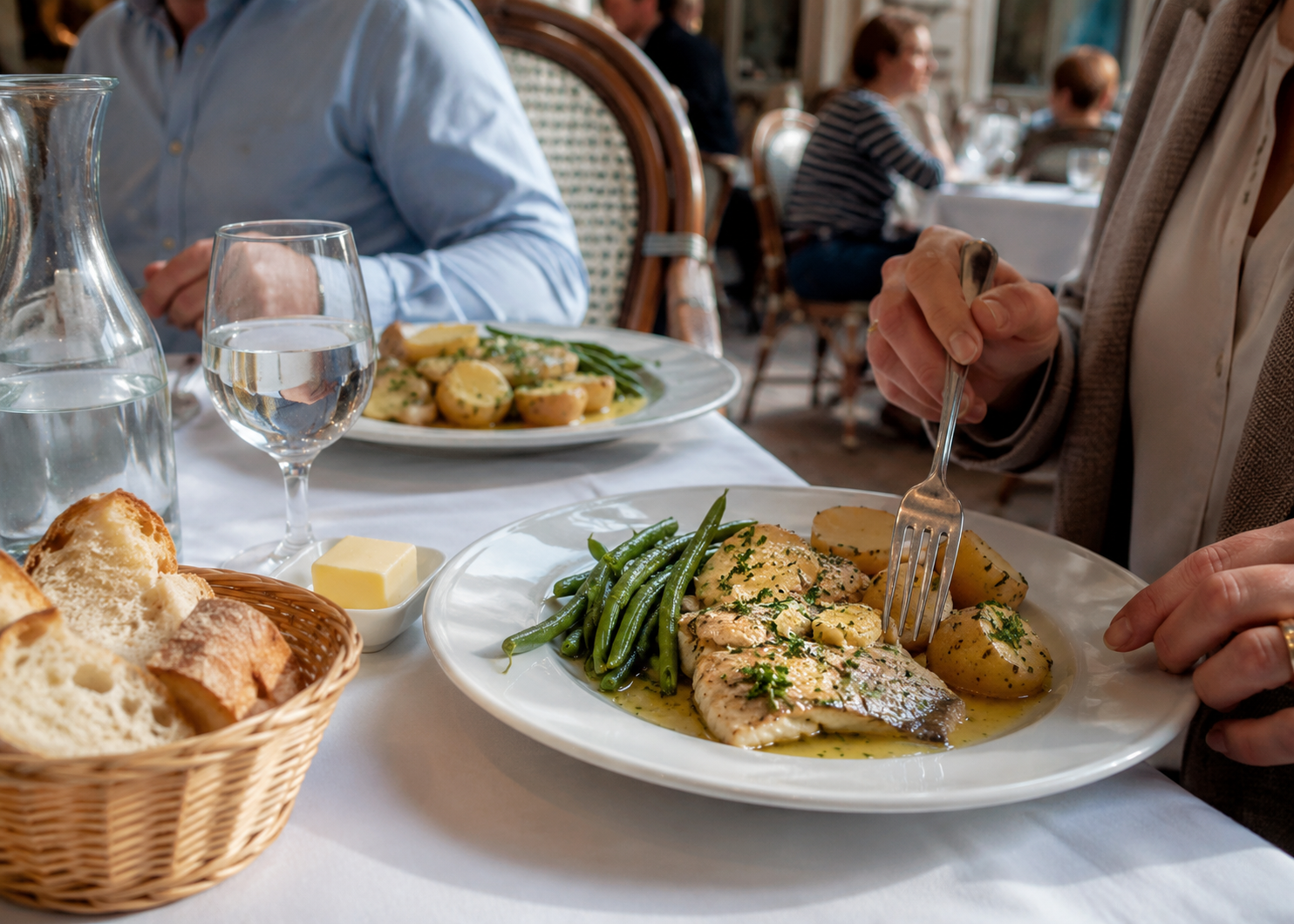
The current scientific picture is more nuanced than either the old anti-butter message or a simple butter-is-health-food reversal. Getting this right matters.
Butter is still high in saturated fat. Butter is almost 70 percent saturated fat and contains about 7.5 grams of saturated fat per tablespoon. Butter has not become a health food. The saturated fat content remains a reason to use butter in moderation. The rehabilitation of butter relative to trans-fat margarine does not make butter unlimited.
Trans fats are clearly worse than saturated fat. The research is clear that trans fats are more harmful to cardiovascular health than the saturated fat they replaced. The old margarines were worse than butter. This part of the reversal is well-established.
Modern trans-fat-free margarines are fine. The margarine of today is not the margarine of 1985. Modern soft tub margarines that are free of trans fats and high in unsaturated fats are reasonable choices. A 2021 study concluded that modern margarine is more in line with dietary recommendations than butter because of the lower saturated fat without the trans fat problem. The reversal does not mean margarine is bad; it means the old trans-fat margarine was bad.
The saturated fat picture is genuinely contested. The relationship between saturated fat and heart disease is more debated now than the simple 1980s message suggested. More research is needed before the science is settled. This does not mean saturated fat is harmless, but it means the confident anti-saturated-fat message of the 1980s was oversimplified.
Total dietary pattern matters more than single foods. The French paradox is partly explained by the overall French dietary pattern, not by butter specifically. The butter sits within a pattern of vegetables, moderate portions, and lifestyle factors that moderate its impact. Butter eaten within an American pattern of excess produces different outcomes than butter eaten within a French pattern of moderation.
The honest current picture: trans fats are clearly bad and now banned, the old margarine was worse than butter, modern trans-fat-free margarine is fine, butter remains high in saturated fat and should be used in moderation, and the overall dietary pattern matters more than the butter-versus-margarine choice. The reversal corrected a real error without making butter a health food.
What Individual Adults Can Take From This
For adults navigating the butter and margarine question, several practical conclusions follow from the honest picture.
Avoid trans fats entirely. Check labels for partially hydrogenated oils. The trans fats are the clear villain of this story. The 2018 US ban removed most, but checking labels remains worthwhile, especially for imported or older products.
Use real butter in moderation. Real butter in measured amounts, the French way, is reasonable. Moderation is the key word. Butter is not a health food and remains high in saturated fat, but moderate real butter is better than trans-fat margarine ever was.
Modern trans-fat-free tub margarine is also fine. If you prefer margarine, the modern trans-fat-free soft versions are reasonable choices, lower in saturated fat than butter. The modern margarine is not the trans-fat product of the past.
Vary your fats. Olive oil, butter, other quality fats in moderation. The varied fat sources of French and Mediterranean cooking are better than reliance on any single fat.
Focus on the overall dietary pattern. The butter-versus-margarine choice matters less than the

About the Author: Ruben, co-founder of Gamintraveler.com since 2014, is a seasoned traveler from Spain who has explored over 100 countries since 2009. Known for his extensive travel adventures across South America, Europe, the US, Australia, New Zealand, Asia, and Africa, Ruben combines his passion for adventurous yet sustainable living with his love for cycling, highlighted by his remarkable 5-month bicycle journey from Spain to Norway. He currently resides in Spain, where he continues sharing his travel experiences with his partner, Rachel, and their son, Han.