
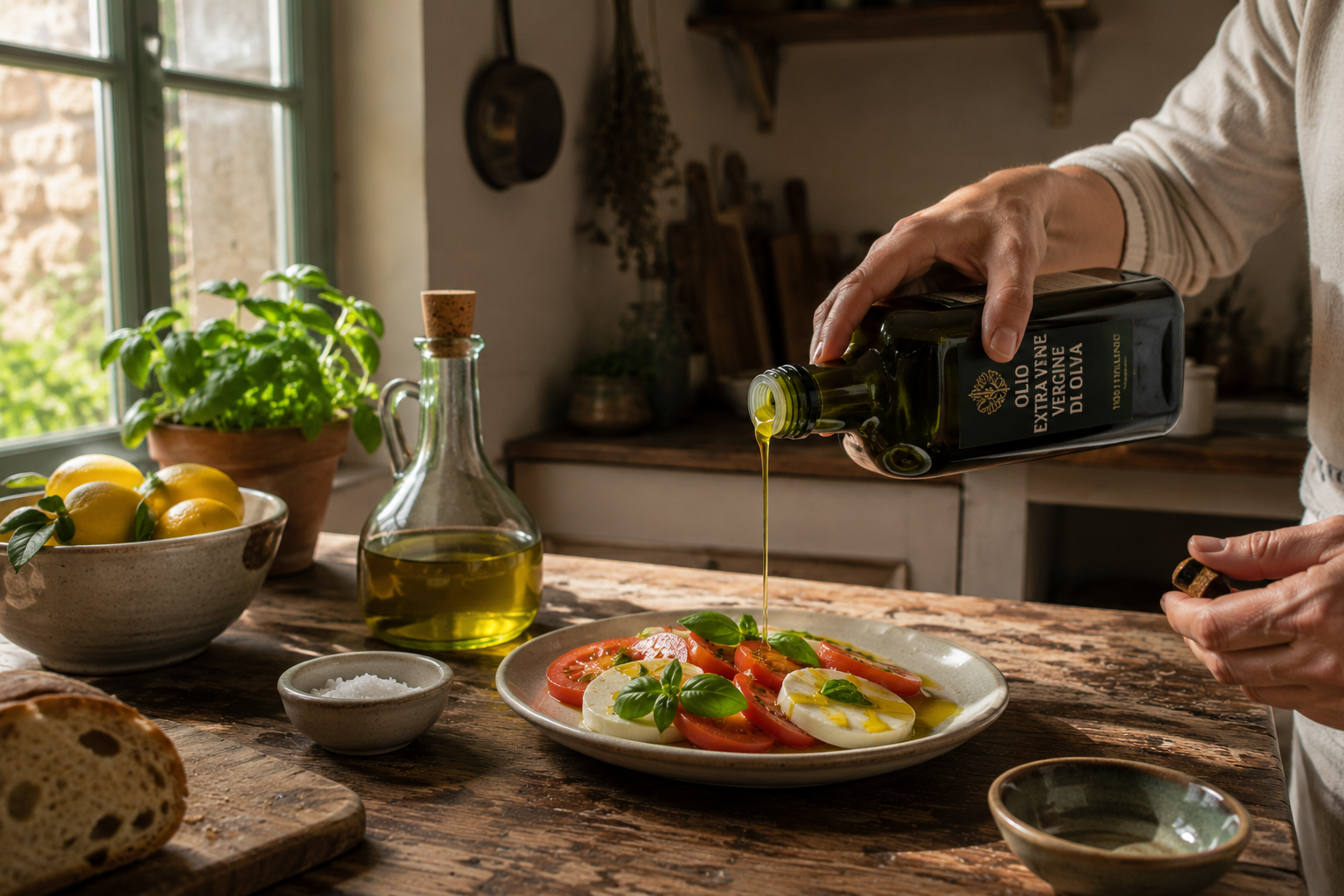
The plan was to apply Italian olive oil quality standards to my own kitchen for 45 days. Italian olive oil culture has specific expectations about freshness, harvest dates, storage, and taste that most American supermarket buyers never consider. The expectation was that this would reveal my American supermarket olive oil to be inferior or even fake. The reality turned out to be more nuanced and, honestly, more useful than the fake-olive-oil narrative that circulates widely online.
This piece requires an honest correction of a popular myth before going further. The widely repeated claim that most American olive oil is “fake” or adulterated with cheap seed oils is largely outdated and overstated. The famous statistic behind it comes from a 2010 study that has specific limitations. The real issue with much American supermarket olive oil is not fraud but quality and freshness: oil that is older, oxidized, or made from lower-quality olives, often mislabeled as “extra virgin” when it has degraded past that grade. This is a real problem worth addressing, but it is a quality problem, not a fraud problem, and the distinction matters.
This piece walks through what Italian olive oil quality rules actually are, what the honest state of olive oil quality testing shows, what the 45-day experiment revealed, and what individual adults can do to buy genuinely good olive oil. The facts here are documented, and the popular myths are corrected.
What Italian Olive Oil Quality Rules Actually Are
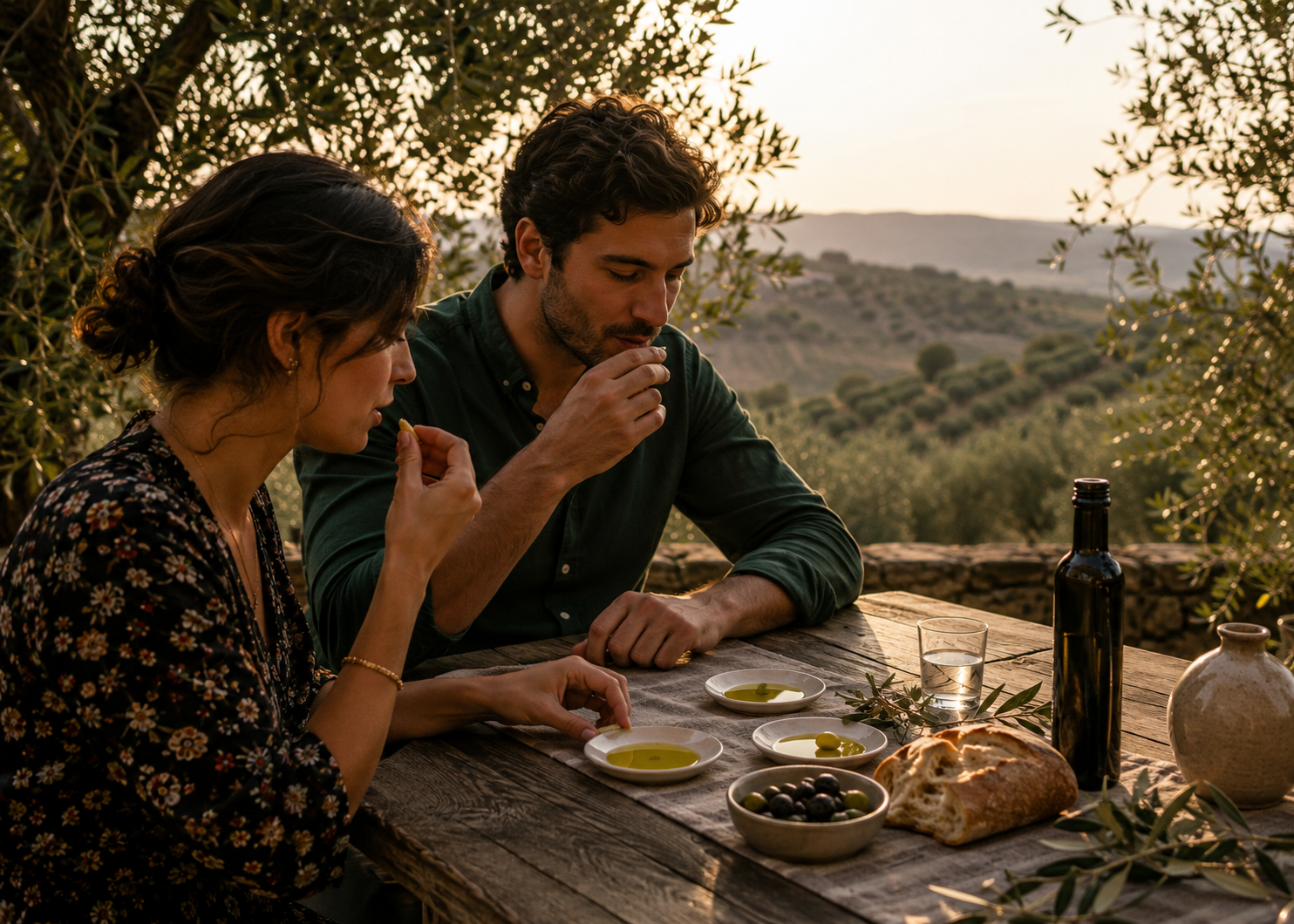
Italian olive oil culture has specific expectations that distinguish good oil from degraded oil.
Freshness is paramount. Italians treat olive oil as a fresh product with a limited useful life, like wine after opening or fresh juice. Olive oil degrades over time, losing both flavor and the beneficial polyphenols that provide health value. The Italian expectation is that good oil is used within a year or so of pressing, ideally sooner.
The harvest date matters more than the best-by date. Italians look for the harvest date, which indicates when the olives were pressed. A harvest date tells you the actual age of the oil. A best-by date, common on American oil, can be set arbitrarily far in the future and tells you little about freshness.
Good oil tastes alive. Fresh quality olive oil has a peppery bite at the back of the throat, a grassy or fruity aroma, and a complexity of flavor. The peppery sensation comes from the polyphenols that indicate both freshness and health value. Degraded oil tastes flat, greasy, or rancid.
Storage protects quality. Olive oil degrades with exposure to light, heat, and air. Italians store oil in dark bottles or tins, away from the stove, sealed between uses. The clear glass bottle stored next to the hot stove, common in American kitchens, accelerates degradation.
Origin and production method matter. Single-origin oils from identifiable producers, cold-pressed, with transparent sourcing, tend to be higher quality. The traceability that good Italian producers provide indicates quality control that anonymous blended oils may lack.
Price reflects reality. Making genuine high-quality extra virgin olive oil is expensive. Very cheap oil labeled extra virgin is more likely to be degraded or lower grade. The economics make rock-bottom extra virgin oil suspect on quality grounds.
The Italian rules center on freshness, identifiable harvest dates, the taste of living oil, proper storage, transparent sourcing, and realistic pricing. These rules distinguish good oil from degraded oil regardless of country of origin.
The Honest State Of Olive Oil Quality Testing
The popular narrative about fake American olive oil requires honest correction, because the truth is more nuanced and more useful.
The famous 69 percent statistic comes from a 2010 study with limitations. A 2010 UC Davis study found that 69 percent of imported “extra virgin” olive oils sampled failed the international sensory standard for extra virgin. This statistic is widely cited as evidence of fake olive oil. The reality behind it is more specific.
“Failed extra virgin” mostly meant quality, not fraud. In nearly every case, the failed samples were confirmed to be 100 percent olive oil. They were not adulterated with cheap seed oils or fake. They failed the extra virgin grade because they were older, oxidized, or made from lower-quality olives, and should have been labeled “virgin” or “refined” rather than “extra virgin.” The oil was real olive oil of lower grade than its label claimed.
The study is 16 years old and was not replicated. The 2010 study has not been repeated by the same independent researchers. Much has changed since 2010, including stricter California labeling standards adopted in 2014 and improved testing.
Current experts say adulteration is now rare. The UC Davis Olive Center’s current faculty director states that olive oil is much less frequently adulterated than 15 to 20 years ago. The fraud problem has diminished as testing improved. Notably, the same expert says avocado oil is now a much bigger adulteration problem than olive oil.
The real issue is quality and freshness, not fraud. The genuine problem with much American supermarket olive oil is that it is older, has been stored poorly, has oxidized, or is made from lower-quality olives. This produces flat, degraded oil that has lost flavor and health value, even though it is genuinely olive oil. This is a real problem worth solving, but it is a quality problem.
Most supermarket olive oil is real olive oil. Extensive testing confirms that the vast majority of olive oil sold in major stores is authentic olive oil. The fake oil narrative is largely a myth. The useful concern is buying fresh, high-quality oil rather than fearing fraud.
The honest picture: the dramatic fake-olive-oil narrative is largely outdated and overstated. The real and useful concern is quality and freshness. Much supermarket oil is genuine olive oil that has degraded in quality or been mislabeled as a higher grade than it merits, not fraudulent seed-oil mixtures.
What The 45-Day Experiment Revealed
Applying the Italian quality rules for 45 days produced specific observations, corrected for the honest framing above.
Many supermarket oils lacked harvest dates. Checking for harvest dates revealed that many American supermarket oils provided only best-by dates, often set far in the future. The absence of harvest dates made it impossible to know the actual age of the oil. This is a transparency problem, not proof of fraud.
Some oils tasted flat compared to fresh oil. Tasting the supermarket oils against a fresh, recently harvested, single-origin oil revealed real differences. The fresh oil had the peppery bite and complexity that the older supermarket oils lacked. The supermarket oils were not fake, but several were clearly less fresh and less flavorful.
Storage had degraded some oil. Oils that had been stored in clear bottles near the stove had degraded faster. The storage conditions mattered as much as the original quality. This was a self-inflicted problem, not a producer problem.
Single-origin oils with harvest dates were noticeably better. Switching to oils with transparent sourcing and recent harvest dates produced a real improvement in flavor and the peppery polyphenol sensation. The quality difference was real and detectable.
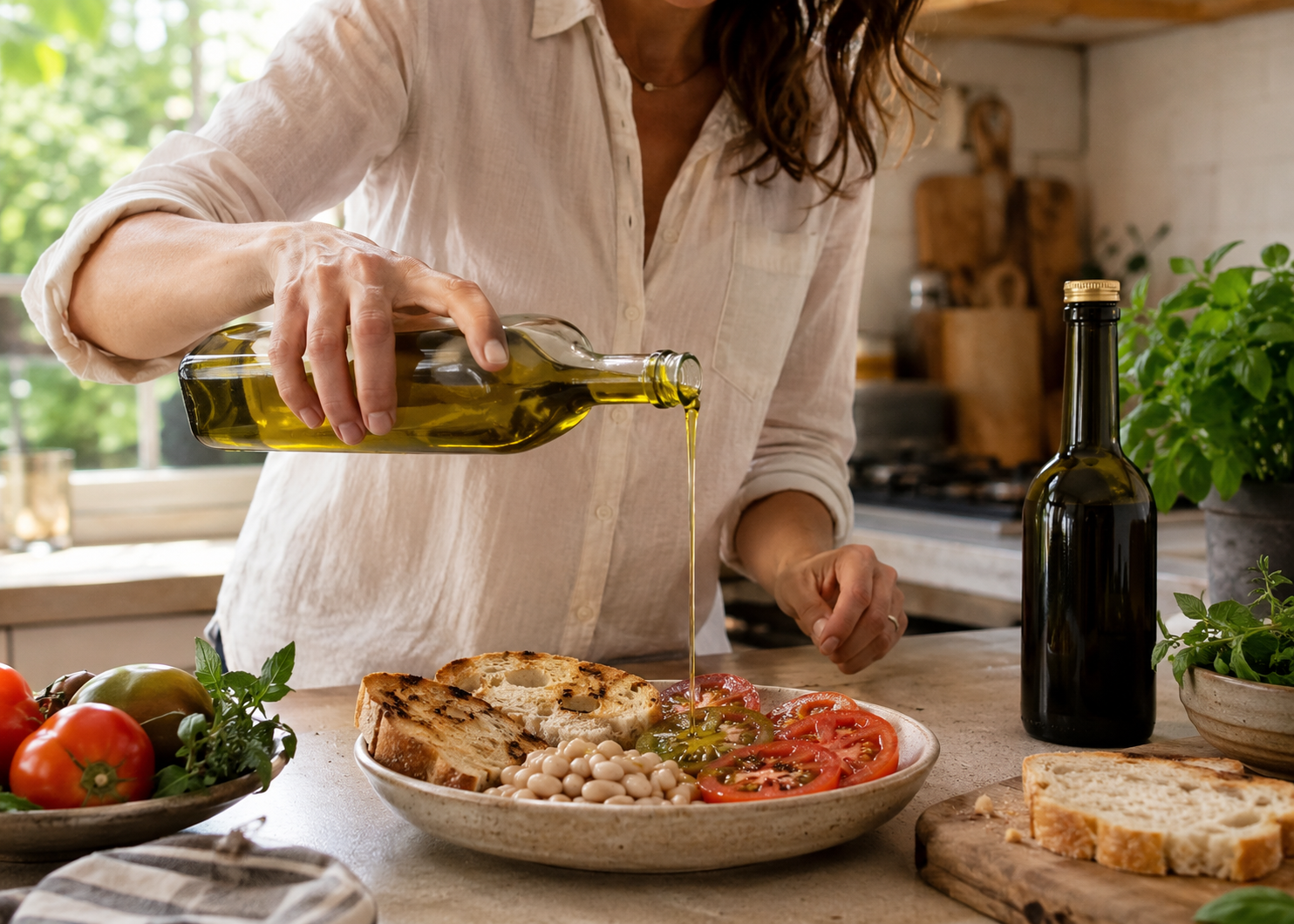
The cooking and eating improved. Better oil made simple foods taste better. Bread dipped in fresh peppery oil, vegetables dressed in good oil, the finishing drizzle on dishes. The quality difference showed in the food.
No evidence of fraud appeared. The experiment found quality and freshness differences, not fraud. The supermarket oils were real olive oil, just often older and less fresh than the Italian quality rules would prefer. This matched the honest state of the evidence rather than the fake-oil myth.
The experiment revealed a real quality and freshness gap between typical supermarket oil and fresh, transparently sourced oil, without revealing the fraud that the popular narrative claims. The Italian rules improved the oil quality by directing toward fresh, well-sourced, properly stored oil.
What Individual Adults Can Do To Buy Genuinely Good Olive Oil
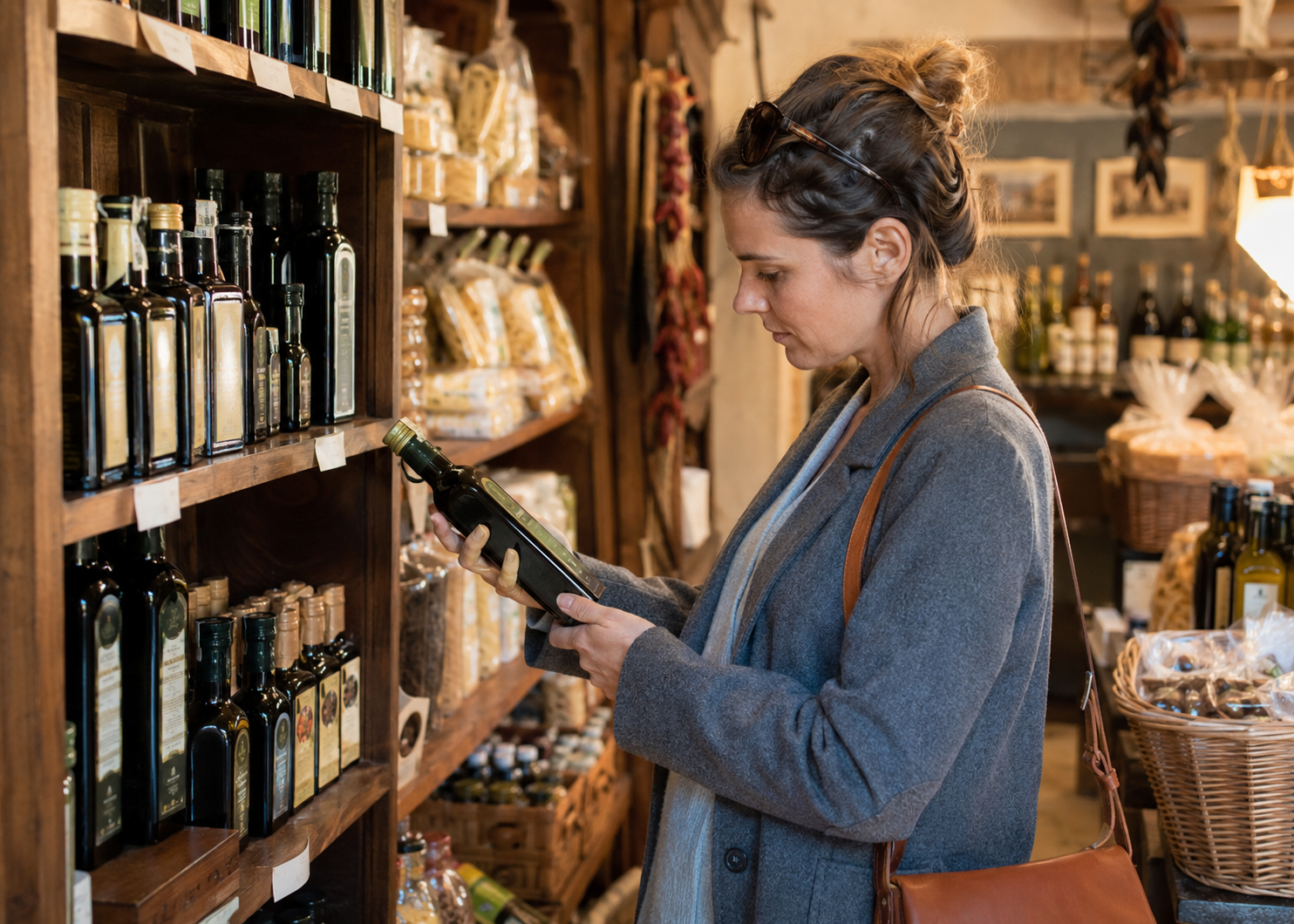
For adults who want better olive oil, the Italian quality rules offer practical guidance, corrected for the honest framing.
Look for a harvest date, not just a best-by date. The harvest date tells you the actual age. Recent harvest dates indicate fresher oil. The absence of a harvest date is a transparency gap worth noting.
Buy oil in dark bottles or tins. Light degrades oil. Dark containers protect quality. Avoid oil sold in clear glass that has been sitting under store lights.
Store oil properly at home. Away from the stove, away from light, sealed between uses. Proper storage preserves the quality you paid for. Much oil degradation happens in the kitchen after purchase.
Taste for the peppery bite. Good fresh oil has a peppery sensation at the back of the throat and a grassy or fruity aroma. The peppery bite indicates both freshness and polyphenol content. Flat, greasy taste indicates degradation.
Buy from transparent producers. Single-origin oils with identifiable producers and harvest dates indicate quality control. The traceability correlates with quality.
Use oil within a reasonable time. Treat olive oil as a fresh product. Use it within a year of harvest, sooner once opened. Do not stockpile oil that will degrade before you use it.
Do not fear fraud, but do prioritize freshness. The fake-oil narrative is largely a myth. The real concern is quality and freshness. Focus energy on buying fresh, well-sourced, properly stored oil rather than worrying about seed-oil adulteration that is now rare.
Recognize that good oil costs more. Genuine fresh quality oil is expensive to produce. Realistic pricing is part of quality. Rock-bottom prices on extra virgin oil suggest lower grade or older oil.
For adults who want the health and flavor benefits of good olive oil, the practical path is buying fresh, transparently sourced, properly stored oil and using it within a reasonable time, rather than fearing fraud that is largely overstated.
What The Olive Oil Experiment Reveals
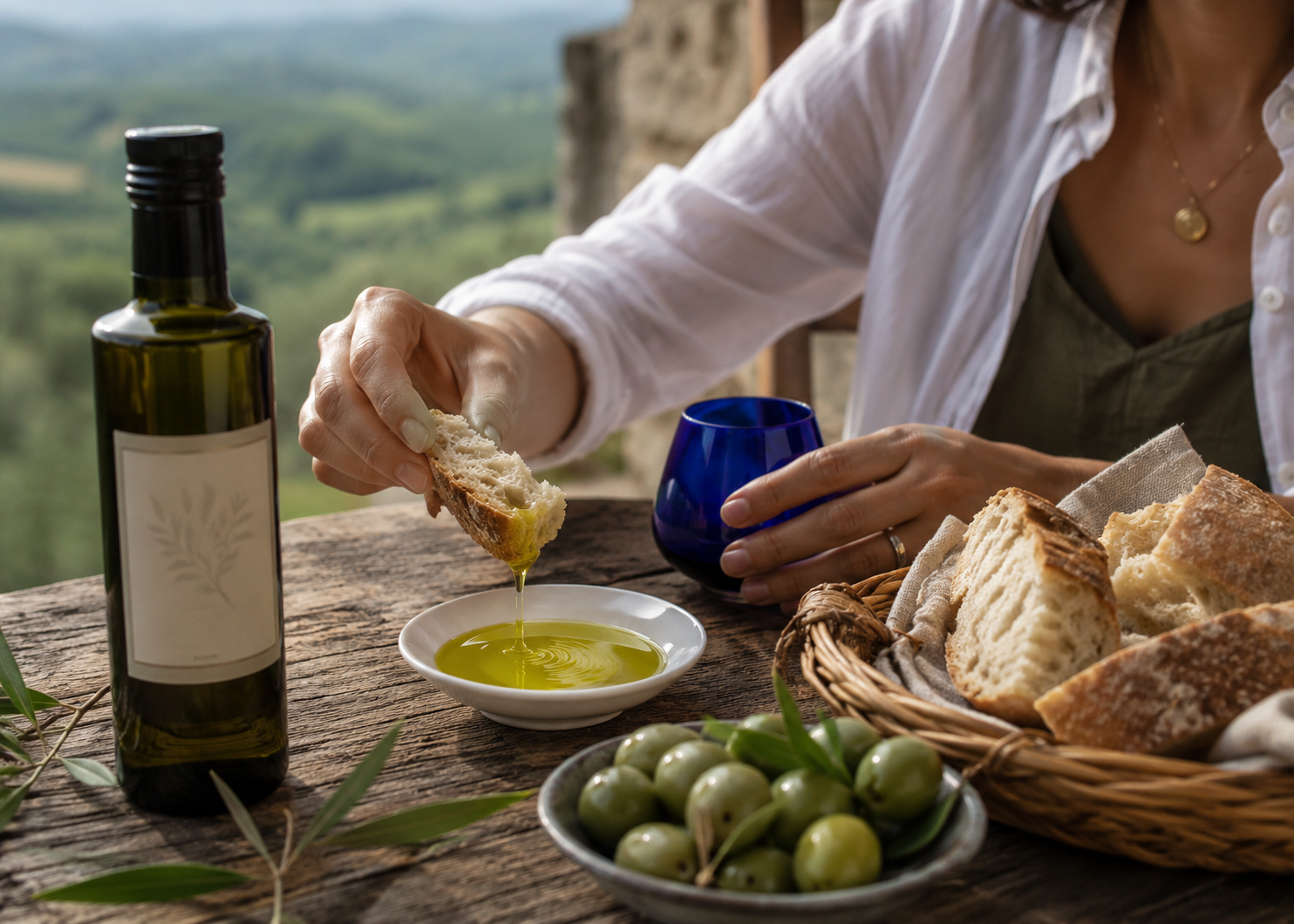
The 45-day experiment of applying Italian olive oil quality rules revealed a real quality and freshness gap between typical supermarket oil and fresh, well-sourced oil, while correcting the popular myth about fake American olive oil.
The honest picture is that the dramatic fake-olive-oil narrative is largely outdated and overstated. Most supermarket olive oil is real olive oil. The famous 69 percent statistic comes from a 2010 study where “failure” mostly meant lower grade and degradation, not fraud, and current experts say adulteration is now rare.
The real and useful concern is quality and freshness. Much supermarket oil is genuine olive oil that has degraded or been mislabeled as a higher grade than it merits. This is a real problem the Italian quality rules address, by directing toward fresh, transparently sourced, properly stored oil.
For American adults, the recognition is that the path to good olive oil is not fearing fraud but prioritizing freshness. Look for harvest dates, taste for the peppery bite, store oil properly, buy from transparent producers, and use oil while fresh. These Italian quality rules produce genuinely better oil, with better flavor and more of the polyphenols that provide health value.
The supermarket olive oil that the popular narrative calls fake is, in nearly all cases, real olive oil that is simply older and less fresh than good oil should be. The honest correction matters because it directs energy toward the real solution: buying and storing fresh quality oil. The Italian rules deliver this. The fake-oil panic does not. The experiment revealed that the useful Italian wisdom is about freshness and quality, which is achievable, rather than about fraud, which is largely a myth.

About the Author: Ruben, co-founder of Gamintraveler.com since 2014, is a seasoned traveler from Spain who has explored over 100 countries since 2009. Known for his extensive travel adventures across South America, Europe, the US, Australia, New Zealand, Asia, and Africa, Ruben combines his passion for adventurous yet sustainable living with his love for cycling, highlighted by his remarkable 5-month bicycle journey from Spain to Norway. He currently resides in Spain, where he continues sharing his travel experiences with his partner, Rachel, and their son, Han.