
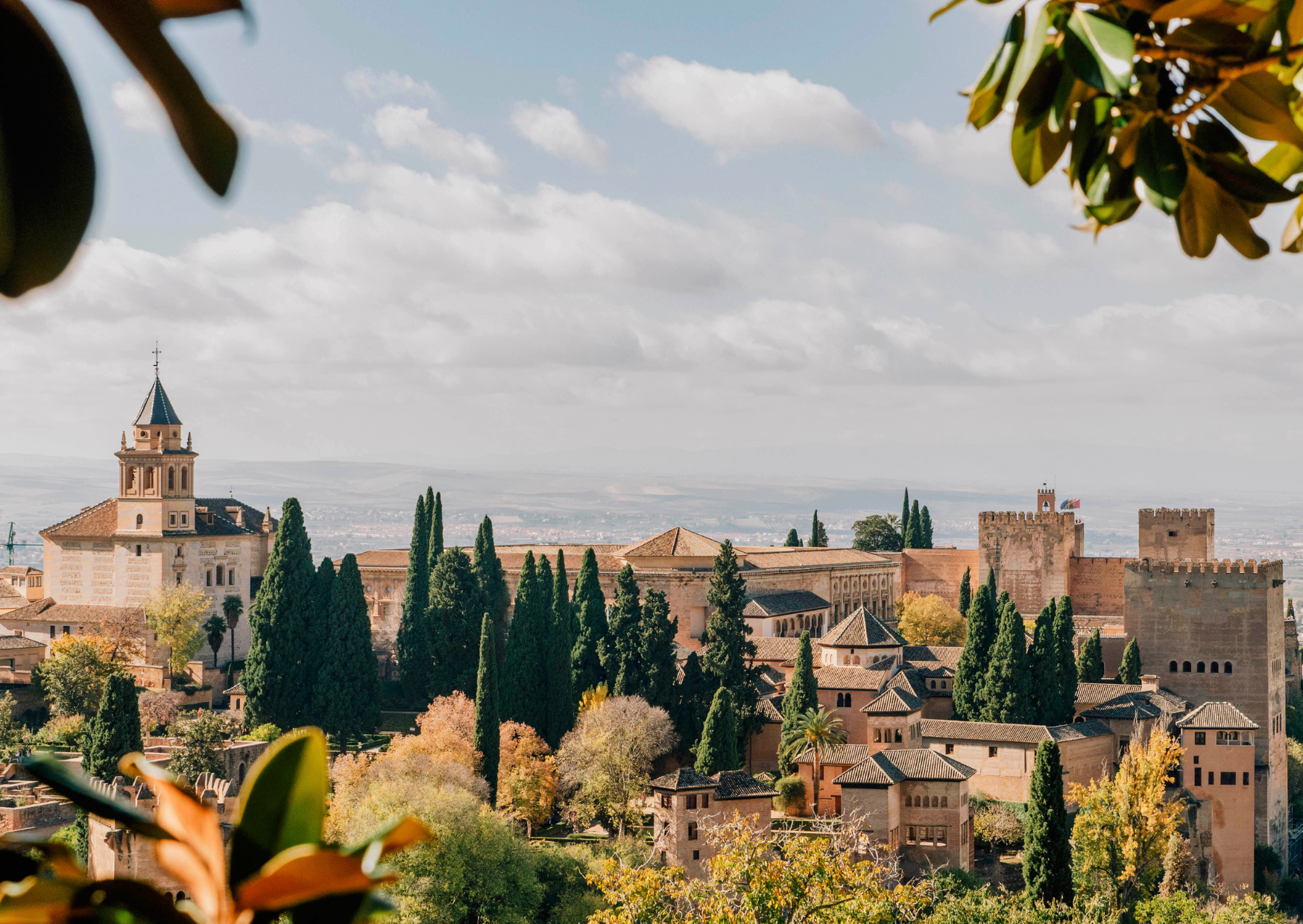
A couple from a small Iowa town moved to Granada in September 2018 with $125,000 in combined retirement assets. They were 60 and 58. By American retirement planning standards, this asset level should not have supported a comfortable retirement. It has supported eight years of comfortable Spanish life and a sustainable trajectory into their seventies.
This piece is about how their math actually works. The story is unusual in its asset level but unremarkable in its structure. They did several specific things right. Their costs are genuinely modest because Granada is genuinely cheap. Their bridge to Social Security included one spouse claiming at 62 for reduced benefits, which would normally be considered a planning mistake but in their specific situation produced exactly the cash flow stability they needed.
At 68 and 66 in early 2026, they live in a one-bedroom apartment in Granada’s Realejo neighborhood, walk to the historic center daily, eat well, travel modestly within Spain, and have not depleted their portfolio. Their balance has grown. The Iowa house they retained generates rental income that has appreciated alongside the property value. Their second Social Security claim will activate in 2027 and substantially expand their cash flow position.
How The Math Actually Holds Together
The math holds because Granada costs less than people who have not been there assume, and because the couple structured their income streams to require minimal portfolio drawdown across the bridge years.
Their current monthly costs in Granada run approximately €1,650. Rent on the Realejo apartment is €620. Utilities including internet and two phones run €110. Food including all groceries and the regular tapas-with-drinks dinners costs approximately €450 for two people. Healthcare through the Spanish public system supplemented by private insurance costs €130 per person monthly, or €260 total. Transportation, mostly walking with occasional buses and the rare taxi, runs €40. Entertainment, restaurants beyond the tapas pattern, books, occasional cultural events runs approximately €180. Total annual costs come to approximately €19,800, or about $21,400 at current exchange rates.
Their income sources cover this comfortably. The Iowa house they retained when moving to Spain rents for $1,500 monthly, generating approximately $14,400 in net annual income after property management, taxes, insurance, and maintenance. He claimed Social Security at 62 in 2020 to bridge the years before her full retirement age, producing reduced benefits of $1,180 monthly or $14,160 annually. Combined non-portfolio income runs approximately $28,560 annually.
Their income exceeds their expenses by approximately $7,000 per year. They have not had to draw from their portfolio in three years. The portfolio has appreciated from the $125,000 starting position to approximately $158,000 in early 2026, helped by strong equity markets across most of the period and minimal withdrawals.
What Granada Provides For €1,650 Monthly

The Granada life that €1,650 supports is not deprivation. It is genuinely comfortable middle-class life in one of the more beautiful smaller cities in Europe.
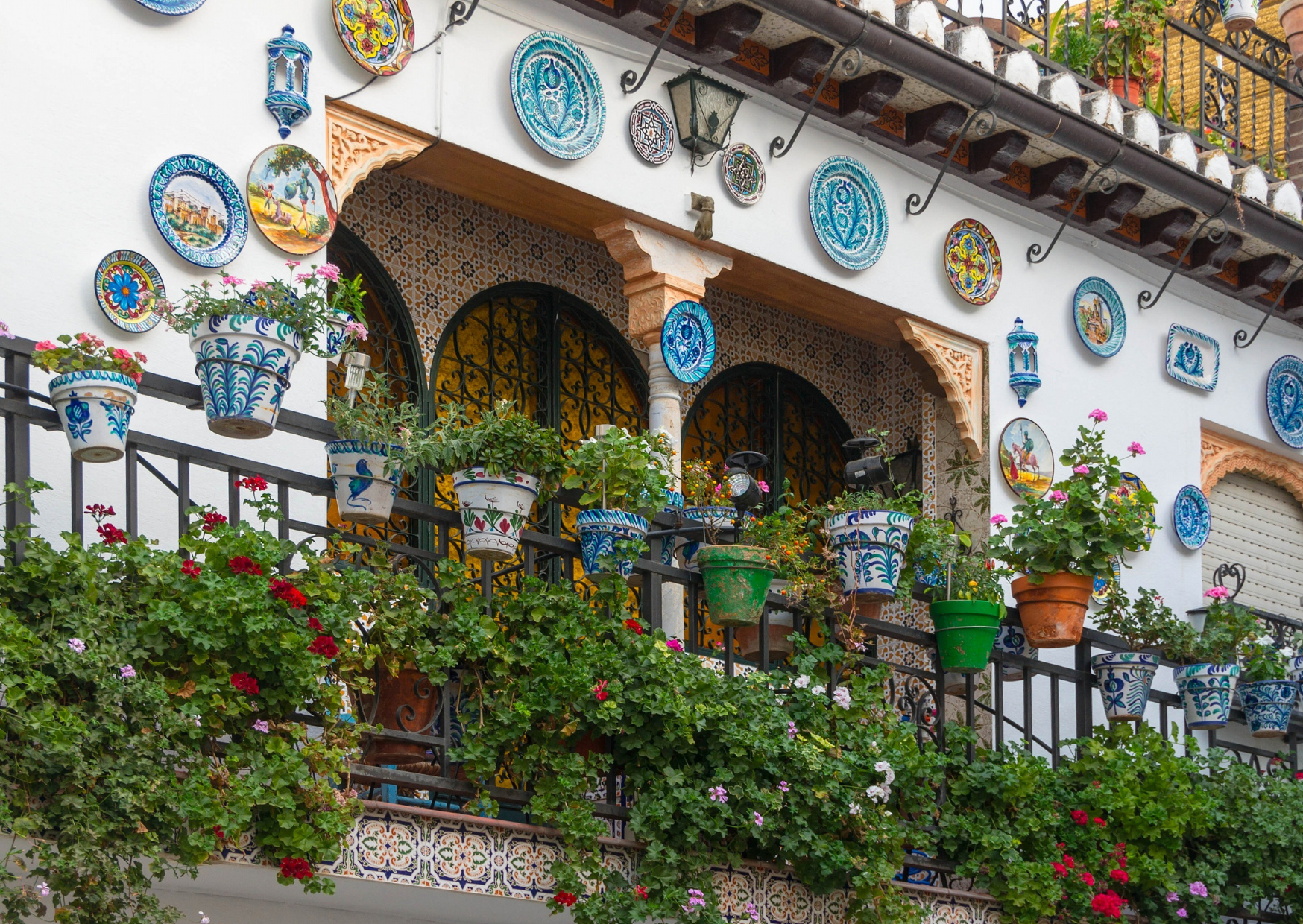
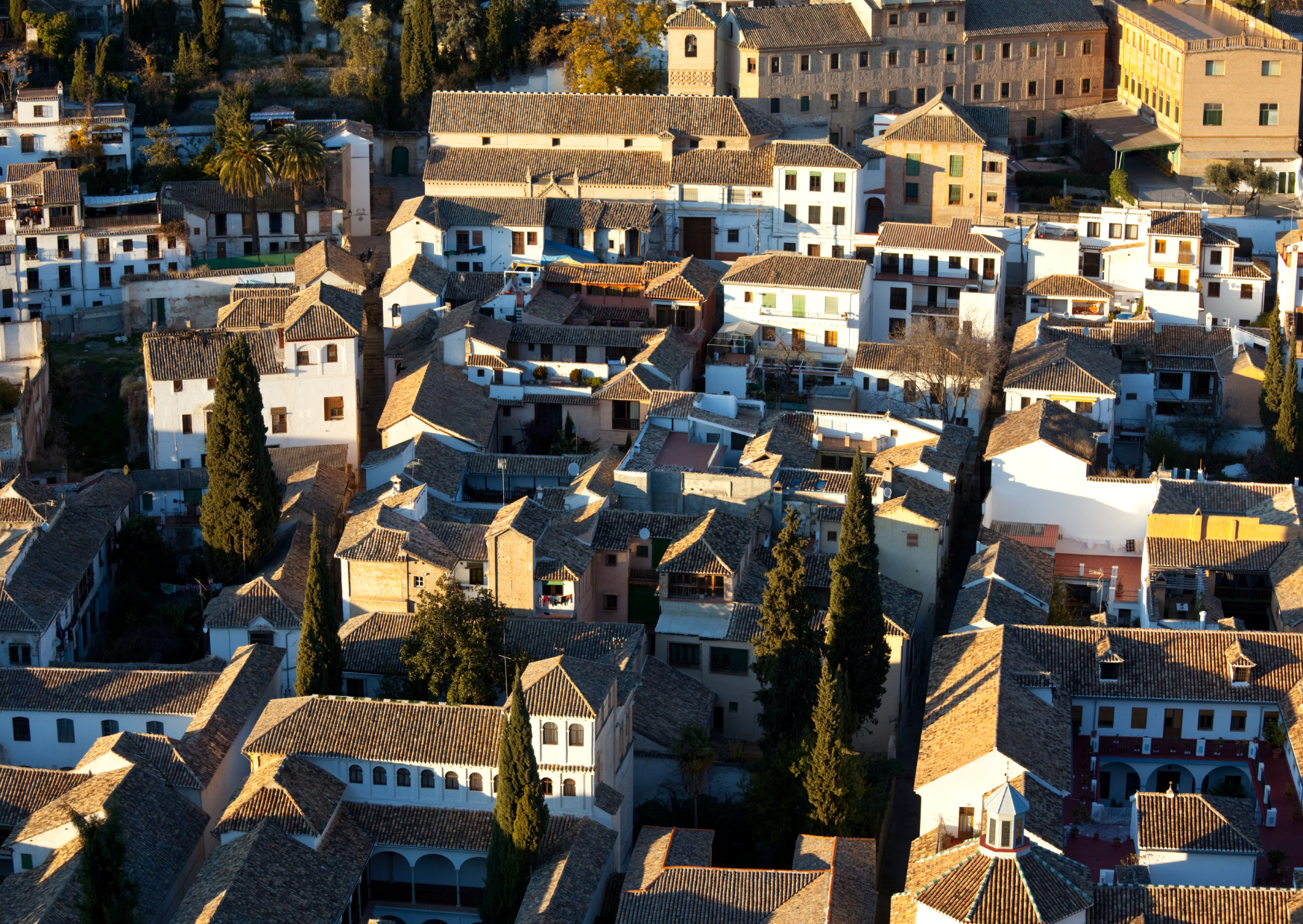
Their Realejo apartment is 75 square meters with two balconies, one overlooking a small plaza. The building is from the 1960s, recently renovated by the owner before they moved in. The apartment has heating for the cool Granada winters, fans for the warm summers (the elevation provides natural cooling that makes air conditioning unnecessary), and modern appliances. The neighborhood combines historic character with practical infrastructure: bakeries, butchers, a fishmonger, a wine shop, vegetable markets, all within five minutes of the apartment.
Their food budget produces variety that American equivalents do not. The weekly produce shopping at Mercado de San Agustín supplies fresh vegetables and fruit that arrive from regional farms within 48 hours of harvest. The butcher knows their preferences. The fishmonger sets aside the fish they like when it comes in. The wine shop has helped them learn Spanish wine regions across eight years of small purchases. They eat better than they did in Iowa, in absolute quality terms, at meaningfully lower cost.
The Granada tapas tradition substantially reduces their eating-out cost. In Granada specifically, drink orders at bars include free food. A glass of wine for €2.50 comes with a substantial plate of small bites that often constitutes a light meal. Two drinks each at their regular neighborhood bar produces dinner for two for €10 total. They do this three or four times weekly, which provides both meals and social context. The full sit-down restaurant meal for two with wine runs €35 to €60 and happens twice monthly.
Their healthcare access through the Spanish public system handles routine needs comprehensively. Primary care appointments are typically same-day. Specialist appointments for non-urgent matters run two to six weeks. Prescription medications cost a fraction of American equivalents and are often free for adults over 65. The private insurance they maintain alongside the public access handles the occasional preference for English-language consultation or faster specialist access for specific concerns.
Walking is their primary transportation. Granada’s historic center is compact enough that nothing they need is more than 20 minutes on foot. The cathedral, the Albaicín, the historic neighborhoods, the cultural institutions, the markets, the restaurants. They walk between four and seven miles daily as a normal feature of life, which has produced cardiovascular and weight outcomes that they had not achieved through deliberate exercise in Iowa.
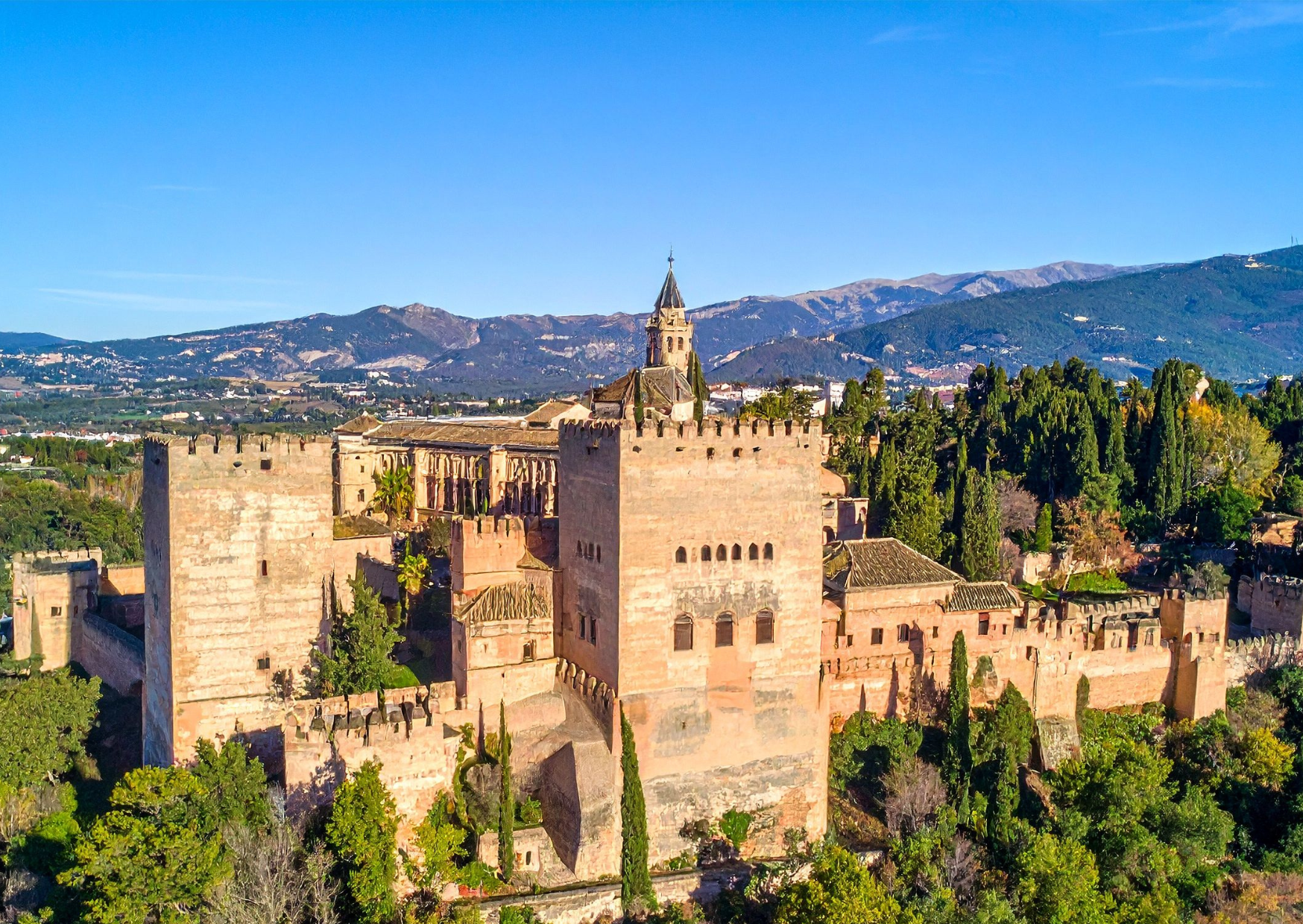
Cultural amenities are extensive and inexpensive. The Generalife gardens, the Alhambra (visited multiple times across the years), the Cathedral, the various museums, the regular flamenco performances in the Sacromonte caves, the Festival Internacional de Música y Danza. Most cultural access costs €10 to €18 per person when paid, with substantial free programming year-round.
Why The Early Social Security Claim Made Sense Specifically
Conventional retirement planning advice strongly favors delaying Social Security claims to full retirement age. The early claim at 62 reduces lifetime monthly benefits by approximately 30 percent compared to claiming at 67.
For this couple specifically, the early claim produced exactly the cash flow they needed to bridge the years between 60 and her full retirement age. The reduced monthly benefit of $1,180 across many years exceeds the alternative of drawing $14,000 per year from a $125,000 portfolio that would have been depleted within nine years.
The early claim made sense because their portfolio could not have sustained the bridge years on its own. With $125,000 in starting assets and ten years to her full retirement age, a 4 percent withdrawal rate would have produced only $5,000 annually, while even minimal living costs in any country would have required more. The choice was between his early claim and either much faster portfolio depletion or returning to work in their early sixties.
The early claim plus the rental income plus the portfolio appreciation has produced a stable position. The math would not work for couples with substantially higher cost structures or without the rental income. For their specific configuration, the early claim was the structural decision that made the rest of the plan viable.
This is worth noting because the conventional advice against early Social Security claims assumes specific contexts that do not apply to all retirees. For couples with adequate other income sources, full retirement age claims maximize lifetime benefits. For couples in tight bridge year situations, early claims may produce better outcomes than maintaining the conventional wisdom would have produced.
What The 2027 Claim Will Add
She reaches her full retirement age of 67 in 2027, at which point her Social Security claim will begin producing approximately $1,650 monthly or $19,800 annually. Combined household Social Security at that point will reach $33,960 annually.
Combined with the rental income of approximately $14,400 net, their household income from these two sources will exceed $48,000 annually. Against current Spanish living costs of $21,400, their annual surplus will reach approximately $27,000.
The surplus changes their financial position substantially. They can reinvest in their portfolio. They can travel more freely within Spain and to other European destinations. They can occasionally help adult children in Iowa with specific expenses. They have the financial margin that the bridge years required them to manage carefully.
The trajectory from 2027 onward looks meaningfully better than the trajectory of the past eight years. The eight years they have already lived produced a comfortable but careful Spanish retirement. The years ahead will produce a comfortable Spanish retirement with substantial margin for whatever they want to do with it.
What This Tells Other Couples At Similar Asset Levels
For American couples in their late fifties or early sixties with retirement assets below $200,000 considering whether international retirement could work for them, this case suggests several patterns.
The Iowa rental property is essential. Without recurring rental income, the math at this asset level does not work in any Spanish city. The retirement-from-portfolio-alone strategy requires substantially higher starting assets.
The Spanish destination must be genuinely low-cost. Granada works at €1,650 monthly. Madrid would not work at the same budget. Coastal Mediterranean cities would not work. The Spanish smaller cities and inland cities are where the math becomes viable at modest asset levels.
The Social Security claiming strategy needs to match the specific cash flow situation rather than following generic conventional advice. For couples in tight bridge year situations, early claims may produce better outcomes than the conventional delayed-claim strategy.
The lifestyle has to be genuinely modest. Restaurant meals weekly rather than daily. Walking rather than car ownership. Apartment rather than house. The lifestyle is comfortable and rich in many ways, but it is not the upgraded retirement that wealthier couples can fund. Couples who would feel deprived by this lifestyle should not attempt retirement at this asset level, in Spain or anywhere else.
Healthcare access is structurally important. The Spanish public system removes the catastrophic medical cost exposure that wipes out American retirees with modest assets. The same retirement attempted in the US would face annual catastrophic risk that the Spanish system simply does not produce.
The patience requirement is real. Year one in Spain at this asset level looks difficult. The math works in the medium term, but the early years require discipline that wealthier couples do not face.
What The Granada Life Demonstrates
The Iowa couple in Realejo at 68 and 66 are not living the retirement that retirement marketing typically depicts. They are living something better, in specific ways that the marketing does not capture.
They have time. They walk to the market in the morning, have coffee at their regular cafe, return home for lunch, take an afternoon rest, walk through the Albaicín in the evening before tapas, eat a small dinner, and sleep well. The day has shape and rhythm. Each day is unhurried in ways American retirement often is not.
They have community. The neighbors they greet daily. The shopkeepers who know them. The other regulars at the tapas bar. The Spanish friends they have built across eight years. The small group of American expats they see occasionally for English conversation. This network is not large, but it is real and continuous.
They have health. The walking has produced weight loss and cardiovascular improvement that they had not achieved in Iowa. The Mediterranean food pattern has improved various blood work measurements. The reduced stress of the slower pace shows in their faces.
They have financial sustainability. The portfolio that was supposed to be inadequate has grown. The income sources cover the costs. The future Social Security claim will improve the position substantially. They are not running out of money. They are accumulating it slowly in their late sixties, which is unusual for American retirees at any starting asset level.
For couples currently considering whether their own modest assets could produce comfortable retirement, the Iowa couple’s eight years in Granada provide an honest data point. The math can work at $125,000. It requires the rental property, the low-cost destination, the careful Social Security claiming strategy, and the willingness to live within the budget rather than expanding spending as the portfolio appears stable.
The Pittsburgh advisor who would have looked at this couple’s profile and recommended against retirement was operating from American cost structure assumptions. The Iowa couple were operating from their own research about what Granada actually costs. Both analyses were internally consistent. Both produced different recommendations. The couple followed their own research and produced the outcome the advisor would have said was impossible.
For couples currently making similar decisions, the practical question is whether you can do your own research on the specific cost structure of your specific proposed destination, and whether you trust that research enough to act on it even when American advisors recommend against. The Iowa couple did both. Eight years of comfortable Granada life have validated their decision. The same approach is available to other couples willing to do the research and trust the math when the numbers genuinely support the move.

About the Author: Ruben, co-founder of Gamintraveler.com since 2014, is a seasoned traveler from Spain who has explored over 100 countries since 2009. Known for his extensive travel adventures across South America, Europe, the US, Australia, New Zealand, Asia, and Africa, Ruben combines his passion for adventurous yet sustainable living with his love for cycling, highlighted by his remarkable 5-month bicycle journey from Spain to Norway. He currently resides in Spain, where he continues sharing his travel experiences with his partner, Rachel, and their son, Han.