
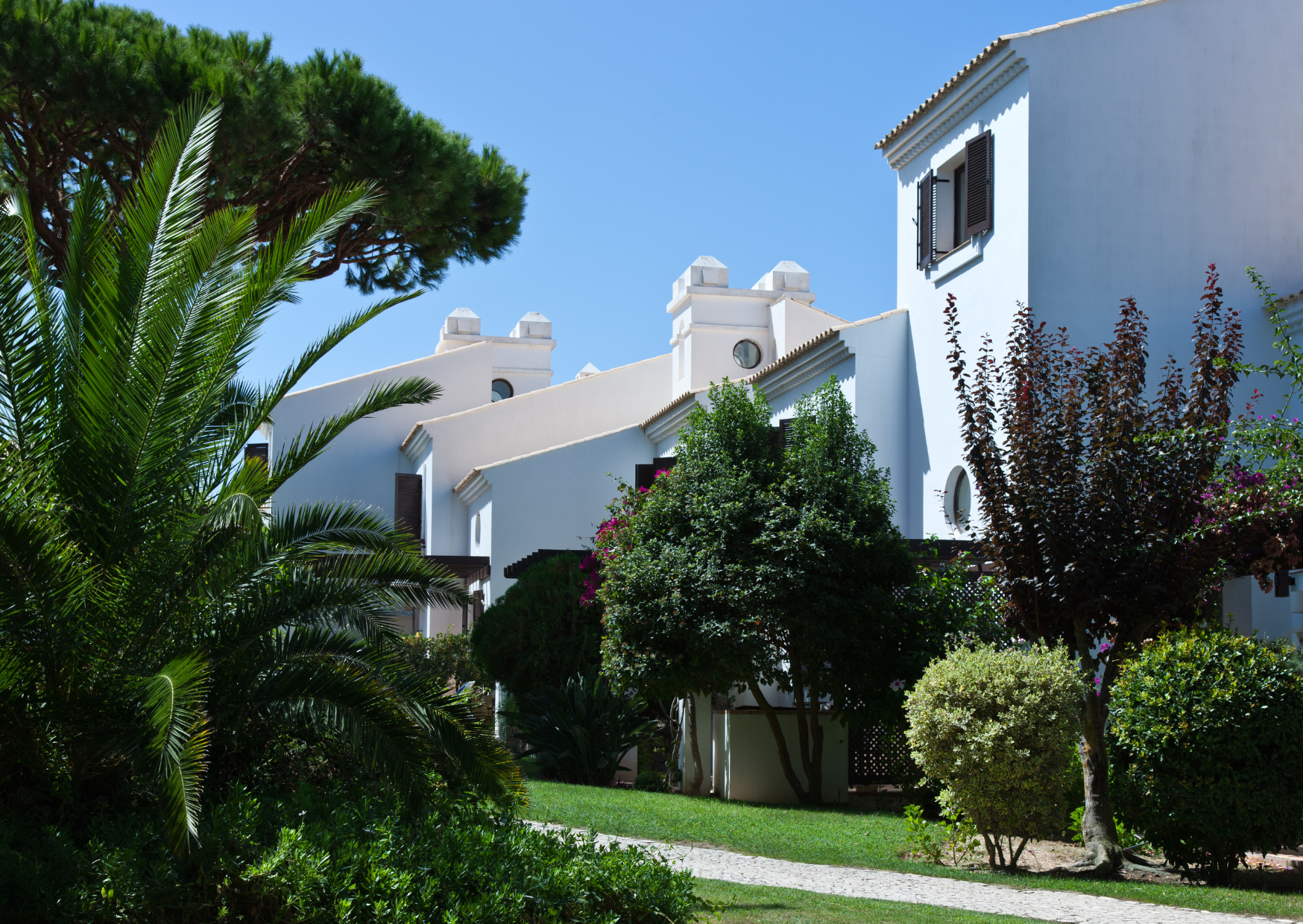
A retired carpenter from northern Michigan moved to Tavira in October 2018 with $98,000 in combined retirement assets. He was 62. His wife had died three years earlier. His adult children were established in their own lives. He had no realistic path to comfortable solo retirement in Michigan on his asset level, and he had been considering options.
He chose the Algarve. He moved with two suitcases and the resigned acceptance that this might not work and he might have to return to Michigan within two years. He has now lived in Tavira for seven and a half years. At 69, his lived quality of life exceeds what his American friends with eight times his retirement assets typically experience.
The comparison is not a metaphor. He stays in regular contact with three Michigan friends his age who have between $650,000 and $900,000 in retirement assets. Two are still working part-time because they do not feel financially secure enough to fully retire. One has fully retired but lives in constant low-grade anxiety about healthcare costs and property tax pressure. All three have asked him, at various points, whether they should consider what he did.
This piece walks through how his math actually works, what the Algarve provides at his cost level, why the comparison with his American friends with substantially more assets is honest rather than misleading, and what the case suggests for solo retirees at modest asset levels considering similar moves.
How The Math Works At His Asset Level
His financial structure is simpler than couple-based retirement structures because solo retirement requires less.
His current monthly costs in Tavira run approximately €1,250. Rent on his one-bedroom apartment near the old town runs €490. Utilities including internet and phone run €75. Food costs approximately €280 monthly, with most meals eaten at home and three or four meals weekly at local restaurants. Healthcare through the Portuguese public system supplemented by modest private insurance costs €110 monthly. Transportation, mostly walking with occasional bus trips, runs €40. Entertainment, including his weekly fishing trips, occasional travel within Portugal, and the books he reads constantly, runs €180. Total annual costs come to approximately €15,000, or about $16,200.
His income sources cover this with substantial margin. The northern Michigan property he retained when moving rents for $1,150 monthly. After property management at 9 percent, property taxes, insurance, and maintenance reserves, the net annual income runs approximately $10,800. He claimed Social Security at his full retirement age of 67 in 2023, producing $1,890 monthly or $22,680 annually.
His combined income from these two sources runs approximately $33,480 annually. His annual costs are $16,200. His surplus exceeds $17,000 per year.
He has not drawn from his portfolio since his Social Security claim began. The $78,000 that remained after his bridge year drawdowns (2018-2023) has appreciated to approximately $103,000 in early 2026, helped by reinvested dividends and market gains across most of the period.
What He Did During The Bridge Years

The five years from 2018 to 2023 required funding before his Social Security claim began. The structure required careful management.
During those years, his Michigan rental income of approximately $10,800 net combined with portfolio drawdowns of $4,000 to $5,000 annually covered his Algarve costs. The total cash flow ran $14,800 to $15,800 against annual costs that ranged from €13,000 to €14,500 across the period. He had small annual surpluses across most of the bridge years and small deficits in only the most expensive years.
The portfolio reduced from $98,000 to approximately $78,000 across the five bridge years. He could have claimed Social Security early at 62 to reduce the portfolio pressure, but he calculated that waiting until full retirement age would produce approximately $560 more in monthly benefits across the rest of his life. At his life expectancy projections, the delayed claim produced approximately $125,000 in additional lifetime benefits. The portfolio decline during the bridge years was the price for that lifetime benefit increase.
The market gains during the period helped. The 2019-2021 strong equity market years partially offset his withdrawals. The 2022 downturn produced a temporary portfolio reduction that the 2023-2025 recovery restored. By the time his Social Security claim began in late 2023, the portfolio had stabilized in the high $70,000 range and has been growing since.
What The Comparison With His American Friends Reveals
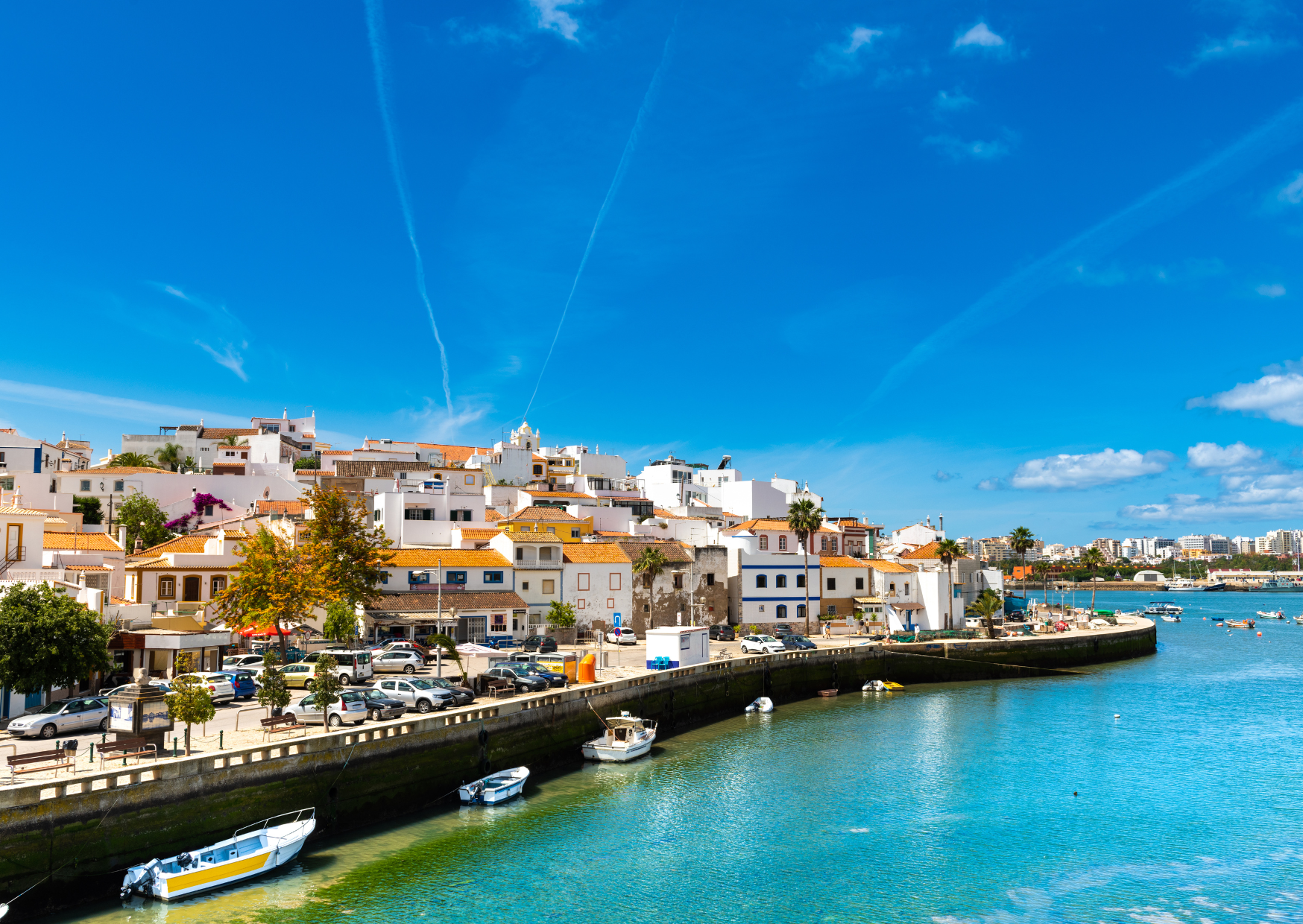
The comparison with his American friends with $650,000 to $900,000 in retirement assets is honest if you understand what each side of the comparison actually buys.
His Michigan friend with $800,000 draws approximately $32,000 annually from his portfolio at the conventional 4 percent safe withdrawal rate. His Social Security at full retirement age produces approximately $28,500 annually. His combined household income runs approximately $60,500 before any spouse benefits or additional income sources.
His annual costs in his Michigan town run approximately $52,000 for moderate retirement. Property taxes on his house run $7,800 annually. Homeowners insurance runs $1,900. Maintenance and utilities run approximately $9,000. Healthcare costs including Medicare premiums, supplementary insurance, and out-of-pocket expenses run approximately $11,500 annually. Food, transportation, and discretionary spending consume the remaining $21,800.
His annual surplus is approximately $8,500. This is meaningful but tight. Any major medical event, any roof repair, any car replacement, any family emergency rapidly exhausts the surplus and requires portfolio drawdown beyond the planned 4 percent rate.
The Algarve retiree’s annual surplus is $17,000 against costs that are less than a third of his Michigan friend’s costs. His surplus is larger in absolute terms despite his vastly smaller asset base. His surplus is also more resilient because his cost structure cannot produce the kind of surprise expenses that American retirement reliably produces.
The Spanish healthcare access removes the catastrophic risk that pressures his Michigan friend’s financial position. Major medical events in Portugal will not produce the $40,000 to $200,000 American medical bills that can rapidly deplete American retirement portfolios. The protection alone is worth substantial portfolio value in terms of avoided risk.
What His Daily Life Actually Looks Like
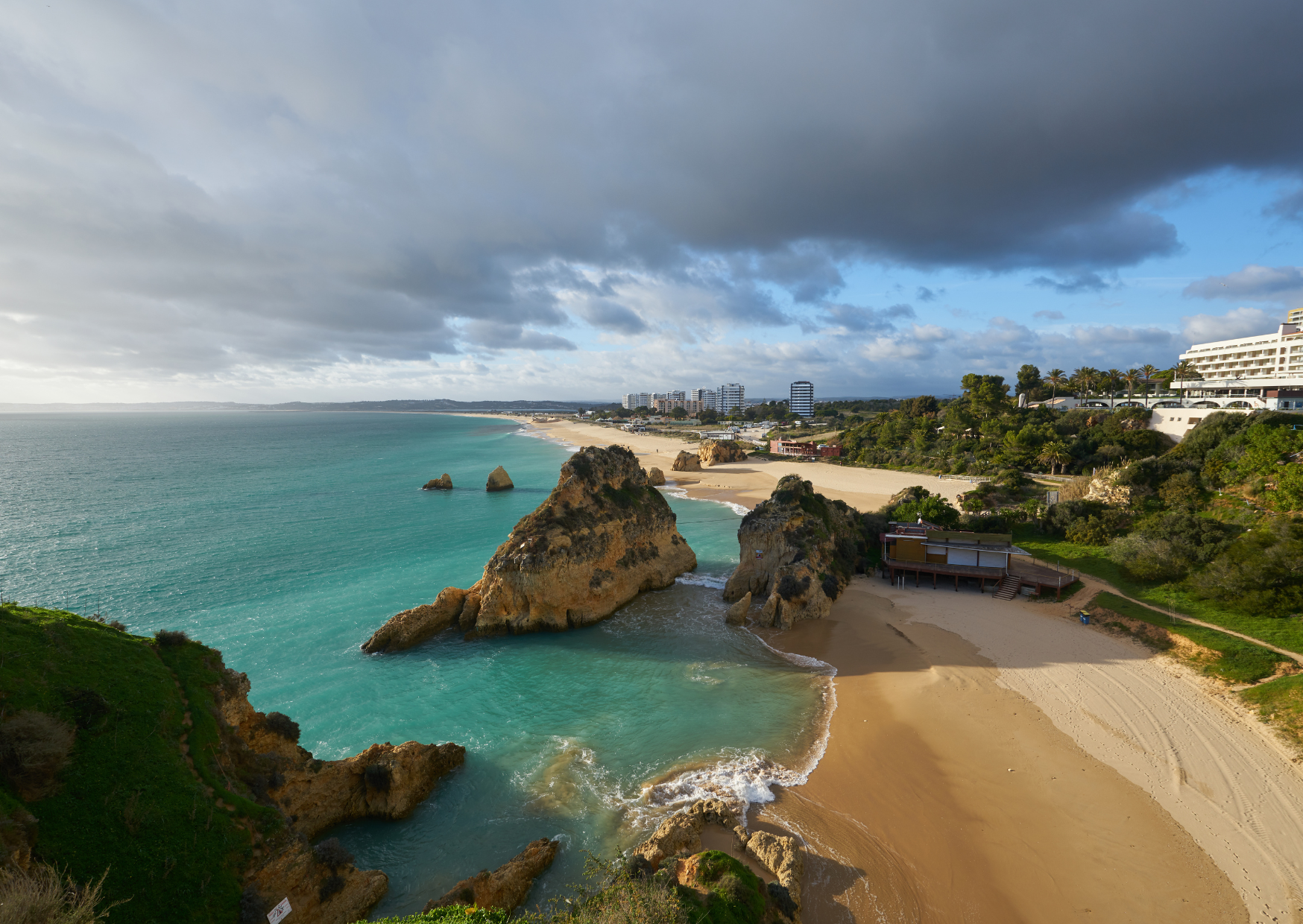
The lifestyle the Algarve retiree lives at his cost level is not deprivation. It is comfortable, social, healthy, and engaged.
His mornings start at 7:30. He walks to a specific cafe in the old town where the same group of older Portuguese men gather between 8:00 and 9:30. He has been a fixture of this group for five years. His Portuguese has progressed from functional to comfortable across this period through these daily morning conversations.
Three mornings weekly he fishes from the small boat he co-owns with a Portuguese friend. The fishing produces some food, some friendship, some quiet time on the water, and modest exercise. The boat cost €4,500 split two ways when they purchased it in 2021.
Lunch is typically at home. Fresh fish from his fishing or from the local market. Vegetables from the weekly Saturday market. Bread from the local bakery. Olive oil and wine from regional producers. His meals cost approximately €4 to €6 per day for ingredients of meaningfully better quality than American supermarket equivalents at much higher prices.
Afternoons involve reading, occasional naps, and walks along the river. He reads roughly two books per week, mostly through the Tavira library which has a small English-language section supplemented by interlibrary loans from larger Portuguese libraries. He has read more books in seven years in Portugal than in the previous thirty years in Michigan.
Three evenings weekly he eats dinner at one of his regular restaurants. A simple meal with wine costs €12 to €18. The owners know him. The waiters greet him by name. The dinner is as much social ritual as nutritional event.
He travels modestly within Portugal. Trips to Lisbon several times per year. Trips to Porto annually. Weekend trips to smaller Portuguese cities and to nearby Spanish cities. The travel is constrained by budget but he sees more of the country he lives in than most full-time residents do.
His health has improved substantially across the seven years. The walking, the Mediterranean food, the daily fishing exercise, the reduced stress, the social engagement. His Michigan doctor at his last visit (two years ago during a US visit) told him he looked younger than he had at 60. His blood pressure, cholesterol, and weight all moved in favorable directions.
His social life is rich. The cafe regulars in the morning. The fishing partner. The neighbors who have known him for years. The Portuguese family that adopted him for holidays after his first Portuguese Christmas alone. The handful of American and British expats he sees regularly. The widow next door who he has been quietly dating for two years. He is not lonely.
Why The Comparison Holds Despite The Dramatic Asset Gap
The Algarve retiree at 69 with $103,000 in assets is, by conventional American measurement, in a precarious financial position. The Michigan friend at the same age with $800,000 in assets is, by the same measurement, in a strong financial position. The conventional measurement misses several factors that matter substantially in lived experience.
Cost structure matters more than asset level when the cost structure is genuinely lower. The Algarve retiree’s $17,000 annual surplus against $103,000 in assets produces a 16.5 percent annual margin. The Michigan friend’s $8,500 annual surplus against $800,000 in assets produces a 1 percent annual margin. The lower-asset retiree has more financial flexibility despite the lower assets because the cost base is lower.
Catastrophic risk matters more than nominal asset level. The American retiree faces healthcare risk that can wipe out the $800,000 in a single bad medical year. The Portuguese retiree faces no equivalent risk because the Portuguese system simply does not produce equivalent costs. The protection is structural rather than financial.
Quality of life is not measured by asset level. Time, social engagement, health, meaning, daily satisfaction. The Algarve retiree has more of all of these than the Michigan friend, despite vastly less money. The friend who is still working part-time at 69 because he does not feel financially secure is producing the most striking version of this comparison.
The retiree’s specific configuration matters. Solo retiree with no dependents, modest tastes, willingness to live in a smaller apartment in a smaller town, comfort with daily walking and meal preparation, engagement with local culture. Not every American retiree could do what he did. But the retirees who could do it would produce similar outcomes if they were willing to actually do it.
What This Tells Other Solo Retirees At Modest Asset Levels

For solo American retirees with retirement assets between $75,000 and $200,000 considering whether international retirement could work for them, this case provides a useful data point.
The math can work below $100,000 in starting assets if specific conditions hold. Retained US rental property providing $800 to $1,500 monthly. Destination with cost structure below €1,500 monthly. Social Security claiming strategy matched to the specific bridge year math. Genuinely modest lifestyle willingness.
Portugal’s Algarve, certain Spanish smaller cities (Granada, Cádiz, Salamanca), parts of Greece, and some Latin American destinations (Mexico, Costa Rica, Panama) can produce the required cost structures. The famous expensive cities cannot at this asset level for most retirees.
The bridge year math is the hardest part. Years between move and Social Security claim can require careful management of limited resources. The bridge gets easier once Social Security activates. Patience through the bridge years is required.
The lifestyle has to be genuinely simple. Apartment rather than house. Walking rather than car. Modest restaurant pattern rather than frequent dining out. Local entertainment rather than expensive travel. Retirees who would find this lifestyle inadequate should not attempt retirement at this asset level in any country.
Social engagement has to be built deliberately. Solo retirees face higher loneliness risk than couples. Joining specific communities (cafe regulars, fishing groups, language exchange partners, walking groups, English-language church communities) is essential rather than optional.
Healthcare access through public systems is structurally important. The protection against catastrophic medical costs is what makes modest-asset international retirement viable in ways American retirement at the same asset level cannot be.
What The Michigan Friends Are Recognizing
The three Michigan friends who have asked about doing what the Algarve retiree did are responding to specific observations they have made over the seven years.
He has not asked them for money. Despite his vastly smaller asset base, he has handled every financial challenge that has arisen across seven years without needing assistance. They have asked themselves what this means about their own retirement structure.
He looks healthier and happier than they do. The annual visits home to Michigan and the regular video calls have made the difference visible. The lifestyle comparison is not abstract to people who have known him for decades.
His daily life sounds richer than theirs. Their retirement consists largely of managing a large suburban house, navigating American healthcare anxiety, watching television, and worrying about their adult children’s lives. His retirement consists of fishing, reading, cafe conversations, walking, cooking, occasional travel, and the woman next door. The activity comparison is not in their favor.
His financial trajectory looks better than theirs. His portfolio has grown across the period of his retirement. Theirs have shrunk under the pressure of American costs and healthcare. The compounding direction matters for people thinking about the next twenty or thirty years.
The friends who have asked have not actually moved. Two of them say they could not leave their adult children and grandchildren. One says he does not want to learn a new language. The reasons for not moving are real. The Michigan retiree is not arguing they should move. He is living his life. They are observing it.
What His Trajectory Suggests

The Algarve retiree at 69 is in a financial position that will continue improving across his seventies. His Social Security increases with inflation adjustments. His rental property income continues. His portfolio compounds because he is not drawing from it. His cost structure remains low because Portugal remains lower-cost than the US even after recent appreciation.
By 75, his portfolio may exceed $150,000 simply through reinvestment of his surplus and continued market gains. His Michigan friends’ portfolios will likely have declined under the continued pressure of American costs and healthcare.
The trajectory is not magic. It is the predictable outcome of a cost structure that produces consistent surplus rather than consistent drawdown. The same outcome is available to other American retirees willing to make similar structural decisions. The math works at the asset level when the cost level is matched to the asset level.
The Algarve retiree did not choose Portugal because of the math. He chose it because his Michigan options had narrowed and Portugal seemed worth trying. The math turned out to favor the choice in ways he did not anticipate when he was packing his two suitcases in October 2018. Seven and a half years later, the math has confirmed the choice in ways his friends with eight times his assets are still trying to figure out how to replicate.
For American solo retirees currently considering whether modest assets can produce comfortable retirement, the answer is yes if you can do what he did. The Algarve at $98,000 starting assets is not impossible. It is the path several thousand similarly-positioned American retirees have already taken and continue to take. The information about what the path looks like and what it produces is available. The decision about whether to take it remains individual.
The retired carpenter in Tavira at 69 is not unusual. He is one example of a pattern that more American retirees could follow if they wanted to. The math works. The lifestyle is good. The Michigan friends who are asking what he did are responding to seven years of evidence that the path produces the outcomes the path was supposed to produce. The same path remains available for other solo American retirees willing to walk it.

About the Author: Ruben, co-founder of Gamintraveler.com since 2014, is a seasoned traveler from Spain who has explored over 100 countries since 2009. Known for his extensive travel adventures across South America, Europe, the US, Australia, New Zealand, Asia, and Africa, Ruben combines his passion for adventurous yet sustainable living with his love for cycling, highlighted by his remarkable 5-month bicycle journey from Spain to Norway. He currently resides in Spain, where he continues sharing his travel experiences with his partner, Rachel, and their son, Han.