
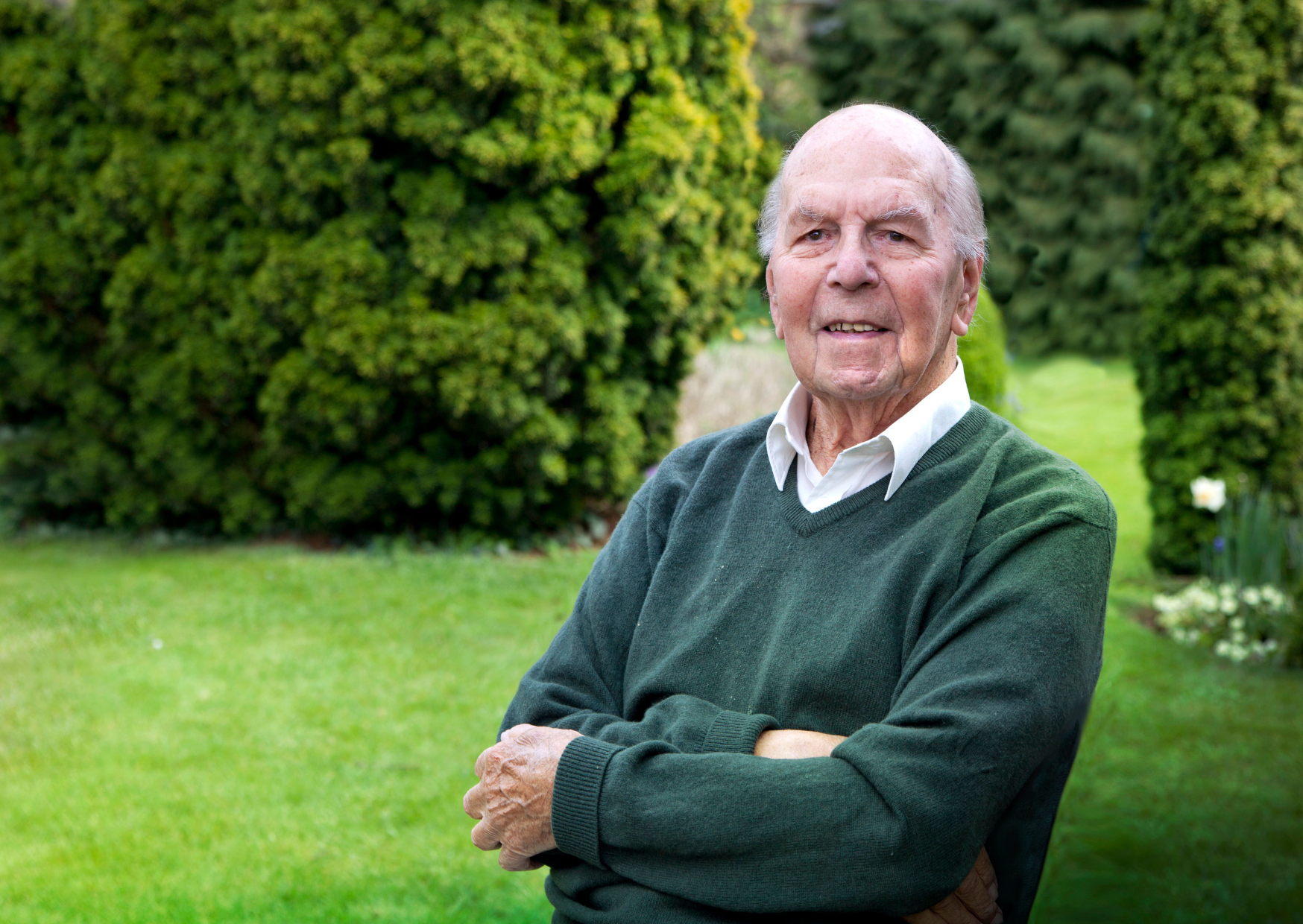
An 84-year-old man in a hill town in Tuscany walks to the cafe at 7:30am. He has done this approximately 18,000 times across his adult life. The cafe is 600 meters from his house. He orders his espresso at the bar, exchanges greetings with the three other regulars who arrive within the same 20-minute window, reads two articles in the newspaper, and walks home by a slightly different route. He is back home by 8:45am.
This is one of eight daily routines that he maintains. He does not think of them as routines. He thinks of them as how the day works. The routines have been the same across decades. They have continued through retirement, through widowhood, through the various health adjustments of aging. They are not negotiable for him in the way that morning exercise is negotiable for the American retiree who has been “meaning to start walking again” for three years.
Italian men over 70 maintain specific daily routines that correlate strongly with cognitive sharpness, cardiovascular health, social connection, and longevity. The routines are not optimization protocols. They are cultural defaults that have continued from earlier life. Italian centenarian rates are among the highest in the world, and the daily routines maintained by Italian men into their seventies, eighties, and nineties are one of the documented features that supports this longevity.
This piece walks through the eight routines, what each accomplishes physiologically and cognitively, why American men typically abandon equivalent routines earlier in life, and what American men in their fifties and sixties can adopt to capture some of the benefits. The piece is not medical advice. Individual cognitive and cardiovascular health depends on many factors that vary by individual.
1. The Morning Walk To Coffee

Italian men over 70 walk to coffee in the morning. The destination is a specific neighborhood cafe that they have been visiting for years or decades. The distance is typically 400 to 1,000 meters one way. The route is walked rather than driven.
The routine accomplishes several specific things simultaneously. Light physical activity at a moderate pace elevates heart rate, activates the cardiovascular system, and produces nitric oxide release that supports vascular function for hours afterward. Morning sunlight exposure through outdoor walking sets the circadian rhythm and produces vitamin D synthesis. Social contact at the cafe provides cognitive stimulation and emotional connection. Mental stimulation from reading newspapers or discussing the day provides cognitive exercise.
The combined effect of this single routine is the activation of multiple longevity-supporting systems within the first hour of the day. The American equivalent of driving to work or staying home does not produce any of these effects.
For American men over 50 wanting to adopt this pattern, the implementation requires finding or creating a walking destination within reasonable distance. The destination matters. Walking nowhere is harder to sustain than walking to coffee at a specific cafe. The social component at the destination is part of what makes the routine sustainable.
2. The Substantial Midday Meal
Italian men over 70 eat a substantial meal at midday. Pranzo runs from approximately 12:30pm to 2:30pm. The meal includes multiple courses: a small primo of pasta or soup, a secondo with protein, a contorno of vegetables, bread, occasionally a glass of wine. Total caloric content typically 700 to 1,000 calories.
The meal is eaten slowly. The 90-minute duration is not unusual. The meal is often eaten with family or with a group at a regular restaurant. The pace produces complete digestion before any afternoon activity resumes.
The midday meal as the day’s largest meal aligns with circadian metabolic patterns. Insulin sensitivity is higher in the morning and early afternoon than in the evening. The same caloric load eaten at midday produces flatter blood sugar curves than the same calories eaten at night. The Italian schedule front-loads calories when the body processes them most efficiently.
The slow eating produces satiety signaling that fast eating does not produce. The Italian over 70 finishes lunch satisfied for the rest of the afternoon without needing afternoon snacks.
For American men over 50, the practical implementation involves restructuring the work-life schedule to permit a substantial midday meal. This is difficult during working years but becomes achievable in retirement. American retirees who maintain a small American-style lunch and large American-style dinner continue producing metabolic patterns that the Italian schedule would have improved.
3. The Post-Lunch Walk
After the substantial midday meal, Italian men over 70 walk. The post-lunch walk runs 20 to 40 minutes at conversational pace. The walking happens before any sitting or napping. The walk often takes the form of a loop through the town center, along a riverside path, or through the cypress-lined country roads outside town.
The post-meal walk produces specific physiological effects covered in the Spanish paseo piece earlier in this conversation. Blood pressure reduction, insulin sensitivity improvement, reduced post-meal blood sugar spike, autonomic nervous system activation. The Italian implementation differs slightly from the Spanish in being more solitary or paired rather than socially structured, but the physiological mechanism is the same.
The cumulative effect across decades of post-lunch walking is meaningful. Italian men over 70 who maintain this routine show lower rates of type 2 diabetes, cardiovascular events, and metabolic syndrome than peers who do not.
For American men over 50, the post-lunch walk is one of the most accessible adoptions. A 25-minute walk after the largest meal of the day can be implemented within most American schedules with modest effort. The benefits compound across years.
4. The Afternoon Riposo
Italian men over 70 take an afternoon rest. Riposo runs from approximately 2:30pm to 4:30pm. Not all of this is sleep. The first hour or so often involves reading the newspaper, light television, or quiet activity. The second hour may include a 20 to 40 minute nap.
The riposo serves multiple functions. The recovery period after the substantial midday meal allows for complete digestion. The afternoon nap produces cognitive benefits documented in research on biphasic sleep. The reduction in evening sleep pressure produces better nighttime sleep quality. The structural break in the day separates morning activity from evening activity in ways that produce psychological recovery.
Italian centenarian populations show particularly strong adherence to the riposo pattern. The pattern is not a feature of laziness or retirement. It is a structural element of daily life that supports the cognitive and physical longevity these populations demonstrate.
For American men over 50, the riposo is harder to implement during working years but becomes available in retirement. American retirees who structure their afternoons around active engagement rather than including a structured rest period may miss the recovery benefits the riposo provides.
5. The Evening Passeggiata
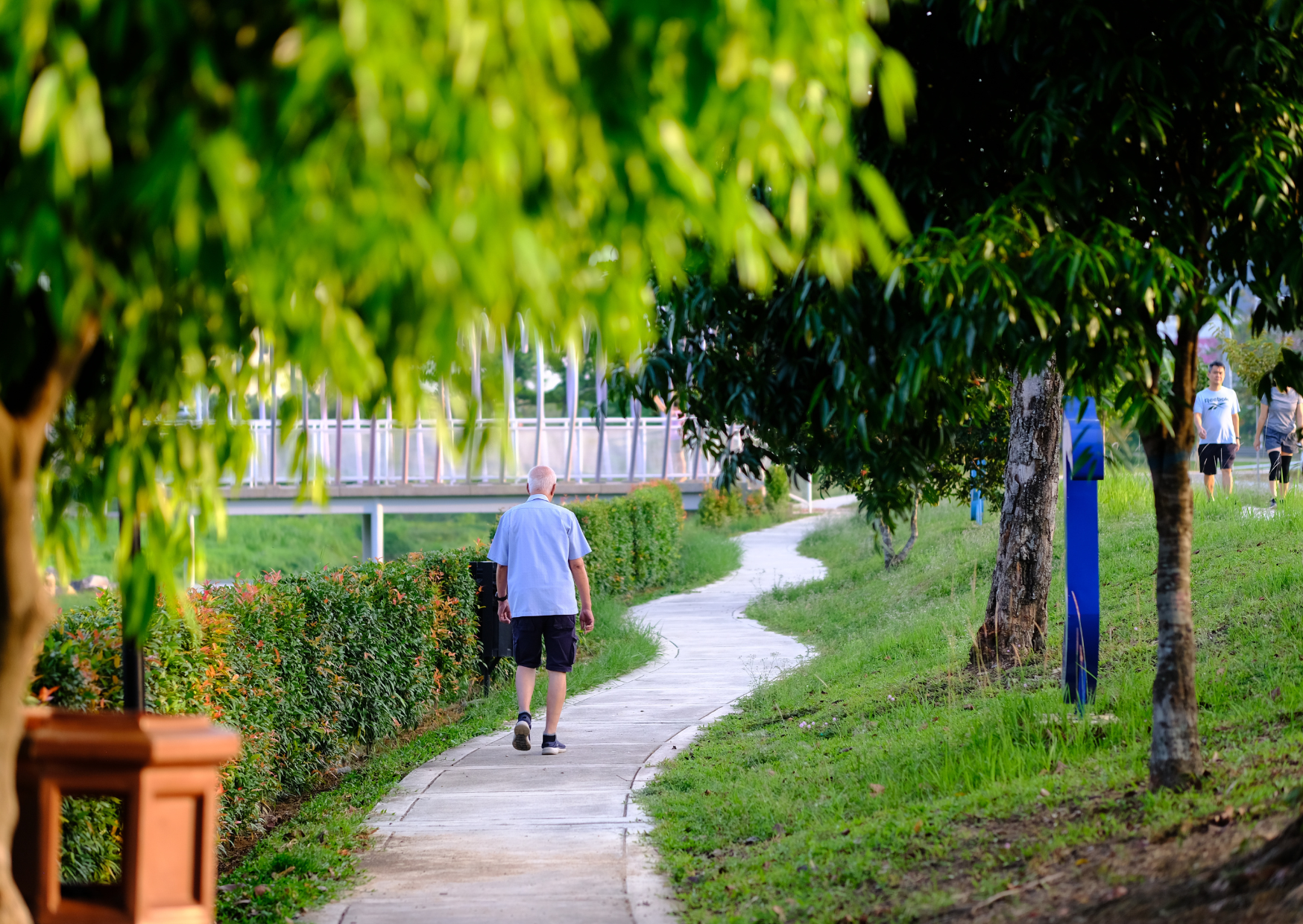
Italian men over 70 walk in the evening. The passeggiata runs from approximately 6:30pm to 8:00pm. This is the social walking that involves circulating through the town center, encountering neighbors, stopping to talk, and eventually finding a bar for an aperitivo or returning home for dinner.
The passeggiata serves social and physical functions simultaneously. The 60 to 90 minutes of walking at conversational pace produces meaningful daily activity. The social encounters maintain the relational fabric that supports cognitive function across aging. The structured evening routine provides predictability that supports mental health.
The cumulative effect on cognitive function is documented in research on Italian and Mediterranean populations. Italian men over 70 maintaining the passeggiata show better verbal fluency, executive function, and social cognition than peers who do not maintain equivalent social-walking patterns.
For American men over 50, the passeggiata is one of the harder routines to adopt because it requires the surrounding cultural infrastructure: a walkable town center, other people doing the same thing, the cultural permission to walk slowly and stop to talk. American suburban structure works against this routine. Adoption in American contexts often requires deliberate construction of the social walking framework rather than receiving it from the environment.
6. The Family Dinner

Italian men over 70 eat dinner with family or close friends. Cena runs from approximately 8:30pm to 10:30pm. The dinner is smaller than lunch but still substantial. The social context is consistent: a partner, adult children when nearby, grandchildren on weekends, close friends regularly.
The shared dinner produces nutritional, social, and cognitive benefits simultaneously. Eating with others slows eating pace, which produces better satiety signaling and digestion. The conversation provides cognitive exercise. The relational maintenance supports mental health. The structured evening eating prevents the late-night snacking that disrupts sleep.
Italian widowed men over 70 often maintain dinner connections through friend groups, extended family, or community organizations. The solo dinner is recognized as suboptimal and is actively avoided when possible.
For American men over 50, particularly those who are single, widowed, or divorced, the family dinner equivalent requires deliberate construction. The American pattern of solo evening eating in front of television produces meaningfully worse outcomes than the Italian pattern of shared evening eating. The construction of regular dinner connections is one of the highest-return social investments American older men can make.
7. The Pre-Bed Reading

Italian men over 70 read before sleep. The reading typically runs 30 to 60 minutes in bed with a book or newspaper. Not on a screen. Not television. Actual physical reading material.
The pre-bed reading serves multiple functions. Cognitive stimulation continues into the late evening. The transition from waking activity to sleep is mediated by reading rather than by screen time. The blue light exposure that screens produce is absent. The body’s natural transition to sleep proceeds without the disruption that evening screen use creates.
Italian men over 70 who maintain this pattern show better sleep quality, faster sleep onset, and reduced reliance on sleep aids compared to peers who do not read before sleep. The cognitive benefits accumulate across years of consistent practice.
For American men over 50, the substitution of pre-bed reading for pre-bed television or phone use is one of the most accessible cognitive and sleep improvements available. The implementation requires removing screens from the bedroom and replacing them with reading material. The change takes 2 to 4 weeks to fully integrate but produces meaningful effects.
8. The Consistent Sleep Schedule

Italian men over 70 go to sleep and wake up at approximately the same times every day. The variation across the week is typically 30 to 45 minutes. The weekend does not produce dramatic schedule shifts. The body operates on a stable circadian rhythm.
The consistent schedule produces measurable benefits. Better sleep quality from regular bedtime. Better cognitive function from regular wake time. Better mood from circadian stability. Better cardiovascular markers from consistent sleep timing.
The Italian “weekend” is structurally similar to the Italian weekday. The Sunday family lunch is later than weekday lunch, but bedtime returns to normal. The Saturday evening may extend slightly later, but the wake time remains consistent.
For American men over 50, the consistent sleep schedule is achievable but requires deliberate maintenance against the American cultural pattern of weekend schedule shifts. The “social jet lag” produced by 1 to 3 hour weekend bedtime delays disrupts circadian rhythms across the entire following week. The Italian pattern of minimal weekend variation produces stable circadian function that supports cognitive sharpness.
What These Eight Routines Reveal Together
The eight routines are not separate optimizations. They form a coherent daily structure that supports physical, cognitive, and social health simultaneously.
Morning activation through walking, sunlight, and social contact at the cafe.
Midday metabolic loading at the time of day the body processes food best.
Afternoon recovery through the post-lunch walk and the riposo.
Evening social activation through the passeggiata and family dinner.
Pre-sleep wind-down through reading rather than screens.
Stable circadian rhythm through consistent sleep timing.
The combined structure produces a daily life that activates the systems that aging typically diminishes: cardiovascular function, cognitive engagement, social connection, sleep quality, metabolic health. The Italian men maintaining these routines are not specifically engineering longevity. They are following the patterns their culture established for adult life. The longevity is the byproduct.
The routines are interdependent. The morning walk to coffee is harder to maintain if the previous night’s sleep was poor. The post-lunch walk is harder to maintain if the midday meal was inadequate. The pre-bed reading is harder to maintain if evening screen use has activated the brain.
For American men considering adoption, the routines work better adopted together than separately. Adopting the morning walk to coffee while maintaining the rest of the American pattern produces some benefit but loses the cumulative effect.
Why American Men Typically Abandon Equivalent Routines
American men in their fifties typically abandon routines that would map to several of the Italian patterns. The mechanisms of abandonment are recognizable.
Work patterns disrupt the morning walk. The morning commute replaces the morning walk to coffee. American men who drive to work miss the daily walking activation. By the time they retire, the habit has been lost for decades.
Lunch patterns disrupt the midday meal. American work culture treats lunch as a 30-minute interruption rather than as the day’s central meal. The structural pattern continues into retirement for many American men who do not deliberately reconstruct a substantial midday meal.
Social patterns disrupt the passeggiata equivalent. American suburban structure makes social walking impractical. American adult male friendships often atrophy after middle age, leaving men without the social network the Italian passeggiata depends on. The reconstruction of social walking in retirement requires deliberate effort.
Family patterns disrupt the family dinner. Adult children moving far away, divorce, the death of a spouse, and the general American family structure produce more solo dinner situations than the Italian pattern produces. American widowed men often eat dinner alone in front of television.
Sleep patterns become inconsistent. Working life imposes some sleep schedule discipline through alarm clocks. Retirement removes this discipline, and many American retirees develop irregular sleep schedules that affect cognitive function.
Screens replace reading. American evening entertainment has shifted from reading to television to streaming to phone scrolling. The displacement of reading by screen activity produces sleep quality reductions and cognitive engagement reductions simultaneously.
The combined effect of these disruptions is that American men in their sixties and seventies typically operate within a daily structure that has lost most of the elements the Italian structure maintains. The American men are not failing. They are operating within a cultural framework that has dismantled most of the Italian framework’s supporting elements.
What Adoption Looks Like For American Men
For American men in their fifties and sixties wanting to adopt elements of the Italian routine, the practical implementation involves specific changes.
Establish a morning walking routine to a specific destination. A coffee shop. A bakery. A specific bench in a park. The destination matters. Walking that begins at home and returns to home without a destination is harder to sustain than walking to a place that becomes part of the routine.
Make lunch the largest meal of the day. Restructure the work or retirement schedule to permit a 60 to 90 minute lunch with substantial food. The reduced evening meal that follows is part of the structure.
Add the post-lunch walk. 20 to 30 minutes at conversational pace, starting within 15 to 25 minutes of finishing lunch.
Build an afternoon rest period. Not necessarily a nap. A 30 to 60 minute period of reduced activity, reading, quiet music. The structural break in the day is what matters more than whether sleep occurs.
Construct an evening social walking pattern. This is the hardest element to adopt in American contexts. Walking with a partner, walking with a regular friend, or joining a walking group that meets at consistent times can substitute partially for the cultural passeggiata.
Make dinner social. Eat with family when possible. Eat with friends regularly. Avoid solo dinner in front of screens. The shared dinner is one of the highest-return social investments available.
Replace pre-bed screens with reading. Real books. Physical newspapers if available. The 30 to 60 minutes of reading before sleep produces measurable improvements in sleep quality and cognitive engagement.
Maintain consistent sleep timing. Weekend bedtimes within 30 to 45 minutes of weekday bedtimes. Wake times within similar variance. The circadian stability supports everything else.
The cumulative effect of adopting these eight elements is substantial. American men who adopt them deliberately in their fifties and sixties often report meaningful improvements in cognitive sharpness, energy, sleep, mood, and social satisfaction within 8 to 16 weeks.
What The Tuscan Hill Town Recognizes
The 84-year-old man walking to the cafe at 7:30am in his hill town is not exercising longevity optimization. He is having breakfast. The walking, the espresso, the newspaper, the neighbors, the route home are not separate elements of a wellness protocol. They are the morning. They are what the morning is.
The cumulative effect across his lifetime of mornings is the man who, at 84, walks easily, thinks clearly, maintains his friendships, sleeps well, and continues participating in the life of his town. The outcome is not the goal. The outcome is the byproduct of the daily structure.
For American men in their fifties and sixties watching their own trajectories, the recognition is that the daily structure determines the long-term outcome more than any specific intervention. The pills, the supplements, the gym memberships, the occasional optimization protocols that American culture promotes produce smaller effects than the daily structural adoption the Italian men maintain automatically.
The structural adoption is achievable. It does not require moving to Tuscany. It requires the deliberate construction of routines that American culture does not provide automatically: walking to a specific destination in the morning, eating a substantial midday meal slowly, walking after lunch, taking an afternoon rest, social walking in the evening, family dinner without screens, reading before sleep, consistent sleep timing.
For American men willing to undertake the construction, the outcome over time is meaningfully different from the outcome American cultural defaults produce. The 75-year-old American man who has maintained these routines for 20 years has a different cognitive and physical profile than the 75-year-old American man who has not. The difference is not luck or genetics. The difference is the cumulative effect of decisions made daily across two decades.
The eight routines are available for adoption. The cost is small. The implementation requires intentionality that American cultural defaults do not provide. The benefit, for men who complete the adoption, accumulates across years and emerges in the seventies and eighties as the continued vitality that the Tuscan hill town man demonstrates.
The man at the cafe in Tuscany is not exceptional. He is typical of Italian men over 70 in his region. The exceptional men in American terms are the men who have managed to construct similar routines in American contexts. The construction is the work. The benefit is the byproduct.
For American men in their fifties and sixties currently making the choices that will determine their seventies and eighties, the eight routines provide a recognizable map. Maintain them and produce one trajectory. Abandon them and produce another. The current daily decisions about walking, eating, resting, socializing, reading, and sleeping produce the eighth decade that emerges 20 years from now.
The Italian men over 70 who will not skip these routines are not exercising special discipline. The routines are what daily life is for them. American men adopting equivalent routines must construct what their cultural environment does not provide. The construction is achievable. The daily structure produces the outcomes the structure is built for. The routines remain available for any American man willing to maintain them.

About the Author: Ruben, co-founder of Gamintraveler.com since 2014, is a seasoned traveler from Spain who has explored over 100 countries since 2009. Known for his extensive travel adventures across South America, Europe, the US, Australia, New Zealand, Asia, and Africa, Ruben combines his passion for adventurous yet sustainable living with his love for cycling, highlighted by his remarkable 5-month bicycle journey from Spain to Norway. He currently resides in Spain, where he continues sharing his travel experiences with his partner, Rachel, and their son, Han.