
Last updated on July 8th, 2026 at 03:35 am

An American woman in her late fifties starts reading every food label she buys for 90 days. She picks a starting point: avoid every additive that Italian and EU food regulators have banned, restricted, or refused to authorize.
She is not trying to lose weight. She is trying to understand what is actually in her food.
By day 30 her clothes fit differently. By day 60 she has stopped craving the late afternoon snack she has eaten daily for fifteen years. By day 90 the scale shows numbers she has not seen since her mid forties.
She did not exercise more. She did not count calories. She did not skip meals. She just stopped buying things that would not have been sold to her in Bologna.
The pattern she experienced repeats consistently enough across Americans who do the same experiment that food regulatory specialists, dietitians, and the European Food Safety Authority itself have written about it. This piece walks through what the Italian additive list actually contains, what eliminating it from an American diet does in 90 days, and why the pattern emerges.
What Italy Refuses To Approve
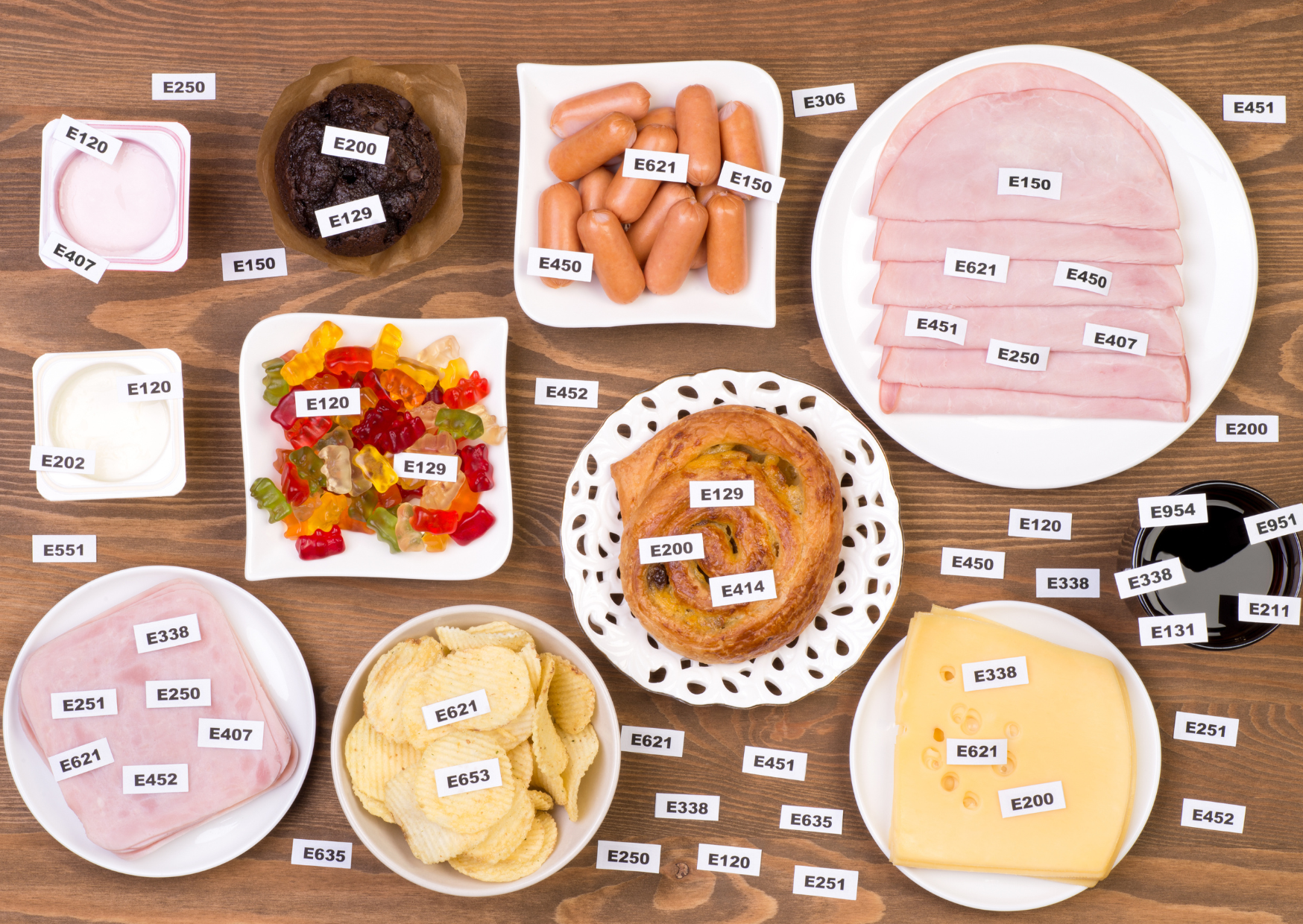
Italy operates within the EU food additive framework but applies particularly strict interpretations of the precautionary principle on food chemicals.
The EU permits roughly 330 food additives through its E-number system. The United States permits over 10,000 substances that can legally be added to food under various FDA pathways including the Generally Recognized As Safe (GRAS) classification, food contact substance notifications, and the historical GRAS list. The gap is substantial.
The specific additives most consequential for American consumers attempting the 90-day Italian protocol fall into a few categories.
Synthetic preservatives. BHA (butylated hydroxyanisole) is heavily restricted in Italian and EU food, banned outright in EU infant food. BHT (butylated hydroxytoluene) was further restricted in 2022 over endocrine disruption concerns. TBHQ (tert-butylhydroquinone) is restricted in Italian food and banned in Japan. All three appear in standard American cereals, snack crackers, granola bars, and processed baked goods.
Petroleum-based food dyes. Red 40, Yellow 5, Yellow 6, Blue 1, and Blue 2 require warning labels in EU products and are functionally avoided by Italian manufacturers. The labels specifically warn that the dyes “may have an adverse effect on activity and attention in children.” American versions of the same products contain these dyes without warnings.
Flour treatment agents. Potassium bromate and azodicarbonamide (ADA) are banned in EU food. Both appear in American breads, hamburger buns, tortillas, and baked goods.
Brominated vegetable oil. Banned in EU food. The FDA finally revoked GRAS status in 2024 but the product still appears in some American beverages produced before reformulation.
Specific emulsifiers and texturizers. Several emulsifiers permitted in American processed foods are restricted in EU food, particularly those derived from polysorbates and certain modified starches.
Hormones and growth promoters in meat and dairy. rBST (recombinant bovine somatotropin) is banned in EU dairy production. Ractopamine is banned in EU pork and beef. Both appear in conventional American meat and dairy unless specifically labeled otherwise.
Titanium dioxide. The EU banned this whitening agent in food in 2022. It still appears in American candy, coffee creamers, and some baked goods, often listed only as “artificial color.”
Propylparaben. Banned in EU food since 2006 due to endocrine disruption concerns. Still appears in some American baked goods and pre-packaged sweets.
The 90-day Italian protocol means reading every ingredient list and rejecting any product containing these substances. For Americans who shop primarily at conventional supermarkets, the elimination immediately rules out 60 to 80 percent of the products in the center aisles of the store.
What The Pattern Looks Like Across 90 Days

The pattern reported by Americans who run this 90-day experiment is consistent enough to map.
Days 1 to 14: the shopping adjustment. Initial weeks involve learning what to buy and what to avoid. Most American consumers underestimate how widespread the restricted additives are. Bread, cereal, salad dressings, crackers, condiments, ice cream, processed cheese, deli meats, energy bars, sodas, and most snack foods get eliminated. The shopping cart looks dramatically different by week two.
The substitutes get found gradually. European-formula products available in some American stores. Clean-ingredient American brands like Cascadian Farm, Nature’s Path, Applegate, Stonyfield, Bob’s Red Mill. Whole foods cooked at home. Mediterranean staples like olive oil, fresh tomatoes, real cheese, real bread from independent bakeries.
The grocery bill changes. Often goes up slightly in absolute dollars per week but produces less waste and more satisfying meals. The cost per nutritional unit usually drops because the new shopping pattern emphasizes whole foods that are calorically denser and more satiating.
Days 14 to 30: the energy stabilization. By the third week, most participants report changes in afternoon energy. The 3pm crash that produced the daily snack disappears for many people. The mid-morning hunger that drove the 10:30am vending machine visit reduces or disappears.
The mechanism appears to be a combination of factors. Lower glycemic load from eliminating ultra-processed foods. Better satiety from whole-food meals. Reduced inflammatory response from removing endocrine disrupters and seed-oil-heavy processed foods. Steadier blood sugar patterns that produce steadier mood and energy across the day.
Sleep improvements appear in some participants by week three or four. The mechanism is similar: lower evening blood sugar variability, reduced inflammation, less of the artificial coloring and preservative load that some research has associated with sleep disruption.
Days 30 to 60: the weight pattern emerges. This is the phase where the weight loss pattern becomes visible to most participants.
The weight loss is not deliberate. The participants are not restricting calories. They report eating until satisfied, often eating more total food than they did before the experiment, particularly more vegetables, more legumes, more whole grains, more real fat from olive oil, butter, and full-fat dairy.
The weight loss runs 8 to 22 pounds across 60 days for most participants who started with at least 20 pounds of excess weight. Lighter starting weights produce smaller absolute losses. The pattern is consistent enough that food and nutrition researchers have documented similar results in studies of the Mediterranean diet pattern, the Portfolio diet, and the broader category of whole-food eating patterns.
The mechanism is not exotic. Whole foods produce more satiety per calorie than ultra-processed foods. Real food eaten until satisfied generally produces lower total caloric intake than processed food eaten until satisfied. The reduction in total intake happens automatically without conscious restriction.
Days 60 to 90: the metabolic adjustments. By the third month, participants who get blood work done often see measurable improvements in standard metabolic markers.
LDL cholesterol typically drops 8 to 18 mg/dL on average, with larger drops in participants who started with elevated levels. HDL cholesterol often rises modestly. Triglycerides drop more dramatically, often 25 to 50 mg/dL. Fasting glucose drops 5 to 15 mg/dL in participants who started with elevated fasting glucose. Blood pressure drops 4 to 10 mmHg systolic for participants who started with elevated readings.
These changes are documented in published research on Mediterranean and whole-food eating patterns. The 90-day Italian-additive elimination protocol functions as a specific implementation of these broader patterns.
The weight loss continues but slows in months two and three for most participants. The total 90-day weight loss runs 12 to 28 pounds for participants who started with meaningful excess weight, and 4 to 12 pounds for participants who started closer to ideal weight.
Why The Italian Standard Specifically
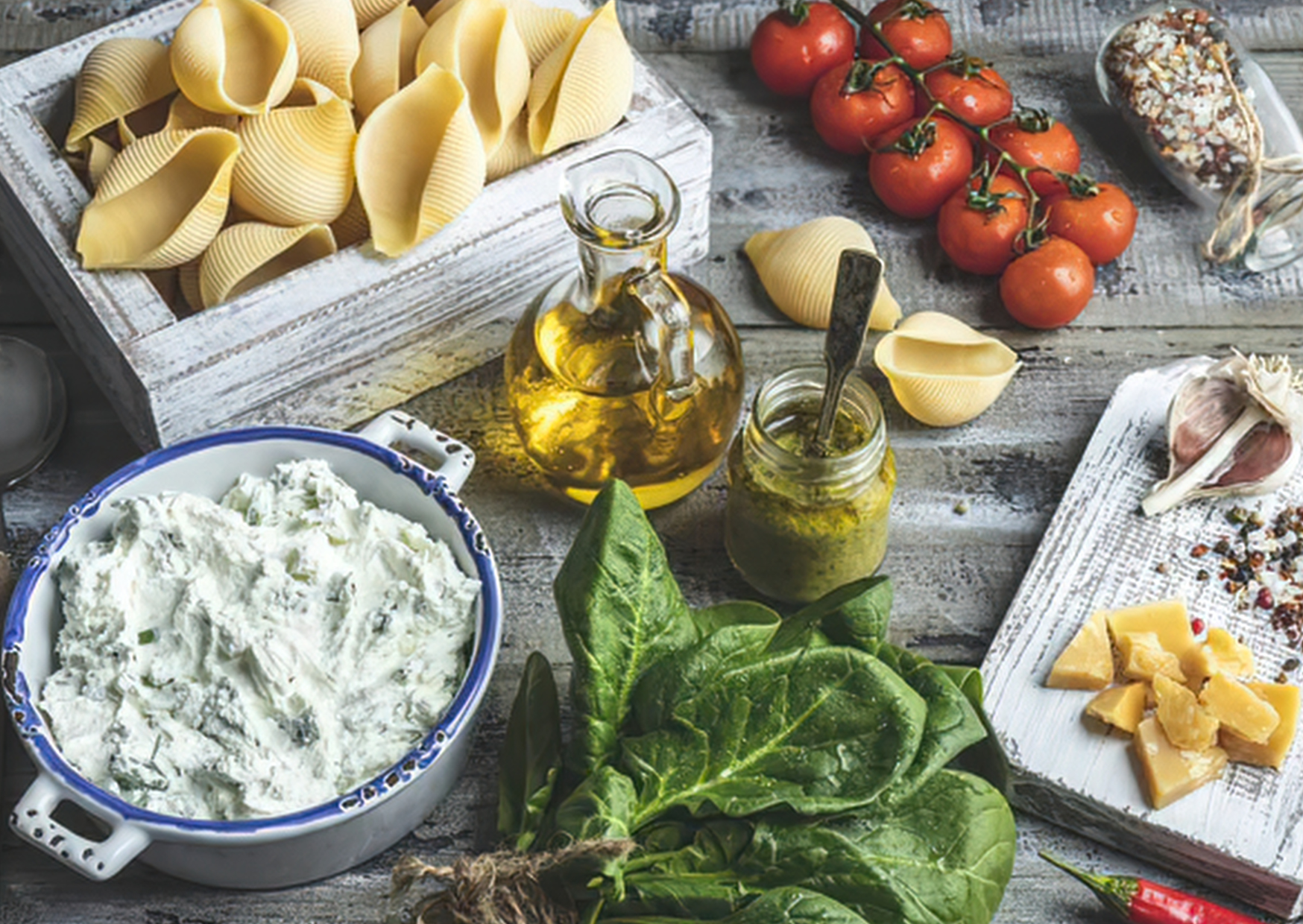
The protocol uses Italian standards rather than just EU standards for a few reasons.
Italy applies the precautionary principle particularly strictly to food chemicals. Several additives that are technically permitted in the broader EU are functionally absent from the Italian food supply because Italian manufacturers and consumers have rejected them culturally.
Italian food culture also produces a baseline that makes the elimination practical. The Italian shopping cart is built around fresh produce, real cheese, real meat from butchers, real bread from bakers, olive oil, wine, tomatoes, beans, pasta, eggs. The processed food category is smaller in the Italian diet than in the American diet to begin with.
Italian regulatory enforcement is stricter than the EU minimum. Italian food authorities conduct more frequent compliance inspections, issue more enforcement actions, and remove non-compliant products from the market more aggressively than authorities in some other EU countries. The Italian food supply contains fewer borderline-legal additives than the EU supply average.
Italian cardiovascular and metabolic health outcomes track this. Italians have among the lowest rates of cardiovascular disease in the EU. Italian rates of type 2 diabetes, obesity, and metabolic syndrome run substantially below American rates and below most other EU averages. The food supply is one contributor among several.
For American consumers attempting to align their diet with the cleanest available European standard, the Italian framework provides a clear and actionable target.
The Substitutions That Make The Protocol Work
The elimination protocol requires substitutes. The substitutes available in 2026 are meaningfully better than what was available even five years ago.
Bread. Replace standard American supermarket bread with fresh bread from independent bakeries, European-formula bread (Bimbo Soft, certain Wewalka products), or sourdough from quality bakeries. The cost runs $4 to $7 per loaf versus $3 to $5 for standard supermarket bread.
Cereal. Replace conventional American cereals with European brands (Weetabix, certain Sainsbury’s products, Bionova), clean-ingredient American brands (Cascadian Farm, Nature’s Path, Bob’s Red Mill), or simple oatmeal and bran cereal. The cereal aisle becomes mostly off-limits.
Meat and dairy. Replace conventional American meat with grass-fed, organic, or rBST-free options. Look for labels specifying no added hormones, no ractopamine. The cost runs 20 to 50 percent higher than conventional but much of this offsets through buying less and eating better quality.
Snack foods. Replace processed snacks with nuts, real cheese, real fruit, vegetables, hummus, olives, hard-boiled eggs. The snack category essentially restructures from packaged to whole-food.
Condiments. Replace mainstream American ketchup, mayonnaise, salad dressings, and bottled sauces with European versions, organic American brands, or homemade alternatives. Italian olive oil and balsamic vinegar replaces most bottled salad dressings.
Beverages. Replace sodas and brightly colored drinks with water, tea, real coffee, real fruit juice in small amounts, wine. The synthetic-dye-heavy beverage category essentially disappears.
Sweets and baked goods. This category gets harder. American mainstream sweets contain almost all the restricted additives. The substitutes are dark chocolate from European brands, real ice cream from small producers, homemade baked goods, and reduced consumption overall. The reduced consumption itself is part of why the weight pattern emerges.
The total grocery bill change for an American family running this protocol runs roughly 10 to 25 percent higher than the previous conventional shopping bill. The change varies based on local availability and how much was previously spent on processed foods.
The Subjective Pattern Most Participants Report

Beyond the measurable changes, participants report a consistent set of subjective experiences.
Food tastes different. The first conventional American product reintroduced after the 90 days often tastes noticeably worse than it did before. The artificial sweetness, the chemical aftertaste, the unnatural mouthfeel become detectable. Several participants report being unable to enjoy products they used to love.
Cravings change pattern. The specific cravings for processed snacks, sweet drinks, and quick-energy foods diminish or disappear. New cravings emerge for whole foods: fresh tomatoes, olive oil with bread, dark chocolate, fruit.
Energy is steadier. The blood sugar rollercoaster of conventional American eating gets replaced with a flatter energy pattern. Morning energy is higher. Afternoon energy holds. Evening fatigue resolves with sleep rather than with eating.
Hunger becomes legible. Participants report being able to distinguish actual physical hunger from boredom eating, stress eating, or habit eating. The processed food environment had blurred this signal. Whole food eating restores it.
Mood stabilizes. Several studies and many participant reports describe improvements in mood, irritability, and what some researchers call “brain fog.” The mechanism is debated but the pattern is consistent.
Bowel function improves. The fiber-heavy whole-food eating pattern produces more regular and easier digestion for most participants.
Skin clears. Many participants report visible skin improvements within 30 to 45 days. The mechanism likely involves reduced inflammation overall.
These subjective changes compound with the objective changes. The combination is what makes the protocol stick for the participants who continue it past the 90 days.
What Happens After Day 90
The question of what happens after the 90 days is the question that determines whether the experiment produces lasting change or returns to baseline.
The pattern across participants splits roughly into thirds.
About one third return to conventional American eating. The grocery convenience, the social pressure, the cost concerns, or the absence of strong motivation to continue produce a return to the previous pattern. Most regain the weight within 6 to 12 months. The metabolic improvements reverse.
About one third maintain modified eating. They keep some of the changes (avoiding the worst processed foods, eating more whole foods) while reintroducing other items. The weight loss partially holds. The energy improvements partially hold. The metabolic improvements stay better than baseline but worse than at day 90.
About one third maintain the full protocol or close to it. The 90 days produced enough change that the previous eating pattern no longer feels acceptable. The new shopping pattern, new cooking pattern, and new restaurant choices stick. The metabolic improvements continue or extend. The weight loss typically continues at a slower pace for another 6 to 12 months before stabilizing.
The third that maintains the protocol shares some characteristics. They generally have control over their food environment (their own kitchen, their own shopping). They typically have moderate to high motivation. They often had a specific health concern that motivated the experiment and that has shown improvement.
For Americans considering whether to attempt this 90-day protocol, the practical implications follow.
Practical Recommendations
The 90-day protocol works for some people and not for others. The patterns that predict success are recognizable.
Have a specific motivation. Not weight loss specifically. Something more durable. Cardiovascular concern. Family history of diabetes. Sleep issues. Energy problems. The participants who succeed almost always have a specific reason they care about.
Control your food environment. The protocol is impossible in shared environments where others continue eating the conventional pattern. Single people or whole-household commitments work better than mixed households.
Read every label. The compliance is detail-intensive. Every product gets the label check. There is no shortcut.
Budget for the cost increase. The clean-ingredient food costs more. Plan for 15 to 25 percent higher grocery spending. The savings come from not buying the eliminated categories at all, which partially offsets.
Get baseline blood work before starting. Lipid panel, fasting glucose, blood pressure, body composition. These give you something to measure against at day 90. Without baseline, the metabolic improvements are invisible.
Plan the restaurant strategy. Restaurants contain many of the eliminated ingredients. You either eat in protocol-compliant restaurants (Italian, Mediterranean, some Japanese, certain farm-to-table American), eat at home more, or accept partial compliance when eating out.
Engage support if you have specific medical conditions. Anyone managing diabetes, taking blood pressure medication, on statins or other cardiovascular medication, or with thyroid conditions should discuss dietary changes of this magnitude with their physician before starting. Medication adjustments may become necessary as the metabolic markers change. Do not adjust prescribed medications without physician guidance.
Decide your reintroduction strategy in advance. What will you do at day 91? The participants who plan this often do better than those who do not. The reintroduction strategy determines whether the changes stick.
Document the changes. Photos, measurements, blood work, energy notes, sleep quality. The objective documentation matters for understanding what happened and for sustaining the changes afterward.
The information in this piece describes patterns observed across consumers who have run this kind of protocol. It is not medical advice for any individual reader. Anyone considering significant dietary changes should consult with qualified medical and nutritional professionals, particularly if managing chronic conditions, taking prescribed medications, or with relevant medical history.
What The 90-Day Pattern Recognizes
The American food supply contains substances that the Italian food supply does not contain. The substances were never meant to be there for nutritional reasons. They are there for industrial reasons: shelf life, visual appeal, cost reduction, manufacturing convenience. None of these benefits accrue to the consumer.
The 90-day protocol functions as a structured way to remove the industrial-purpose additives from the American diet and see what happens. The pattern that emerges is consistent enough across consumers to be a real phenomenon rather than placebo or coincidence.
The weight pattern is part of it. The energy pattern is part of it. The metabolic marker improvements are part of it. The subjective changes in taste, mood, sleep, and digestion are part of it. The pattern is not a single effect. It is a constellation of changes that emerge together when the industrial additive load on the body is reduced or removed.
For American consumers wondering whether the additives in their food matter, the 90-day protocol provides an experimental answer. The answer for most participants is yes, the additives do matter, and removing them produces changes that are measurable and noticeable.
The Italian standard exists as a benchmark because Italy has been thinking about food differently for longer than the United States has. Italian food culture, Italian regulatory practice, and Italian outcomes form a coherent system that produces different bodies, different metabolic patterns, and different relationships with food than the American system produces.
American consumers cannot move to Italy to access this system. The food supply is the food supply. But the American consumer can choose to shop and eat as if the Italian rules applied to them, using ingredient label reading as the practical mechanism.
The 90 days is the experiment. The pattern that emerges is the result. The decision to continue or revert is the third act that determines whether the experiment becomes the new pattern or returns as a memory of a different way to eat.
For the American woman in her late fifties who started this experiment trying to understand what was in her food, the pattern that emerged was not what she expected. She was not trying to lose weight. The weight came off anyway. She was not trying to feel better. The energy improved anyway. She was trying to read labels. The labels turned out to be telling her things she had not been hearing for 30 years.
The Italian regulatory list is not a diet plan. It is a list of things the Italian food system has decided are not worth the risk. The American consumer who chooses to operate by that list produces a different shopping cart, a different kitchen, and over 90 days, often a different body. The pattern emerges from the labels. The decisions get made one product at a time.

About the Author: Ruben, co-founder of Gamintraveler.com since 2014, is a seasoned traveler from Spain who has explored over 100 countries since 2009. Known for his extensive travel adventures across South America, Europe, the US, Australia, New Zealand, Asia, and Africa, Ruben combines his passion for adventurous yet sustainable living with his love for cycling, highlighted by his remarkable 5-month bicycle journey from Spain to Norway. He currently resides in Spain, where he continues sharing his travel experiences with his partner, Rachel, and their son, Han.