
Real Indian butter chicken marinates for 8 to 24 hours. Most American recipes call for 30 minutes.
The difference between the 30-minute marinade and the overnight marinade is not subtle. The chicken from a 30-minute marinade is tender on the surface and bland inside. The chicken from an overnight marinade is tender all the way through, deeply flavored from the yogurt and spices, and capable of holding a high-heat char without drying out. The first version is fine. The second version is butter chicken the way it tastes at a good Indian restaurant.
This piece is the recipe for the cook who wants the restaurant version. The marinade time is the single most important variable. The char on the chicken before it goes into the sauce is the second. The sauce technique is the third. The cultural context follows.
The Recipe
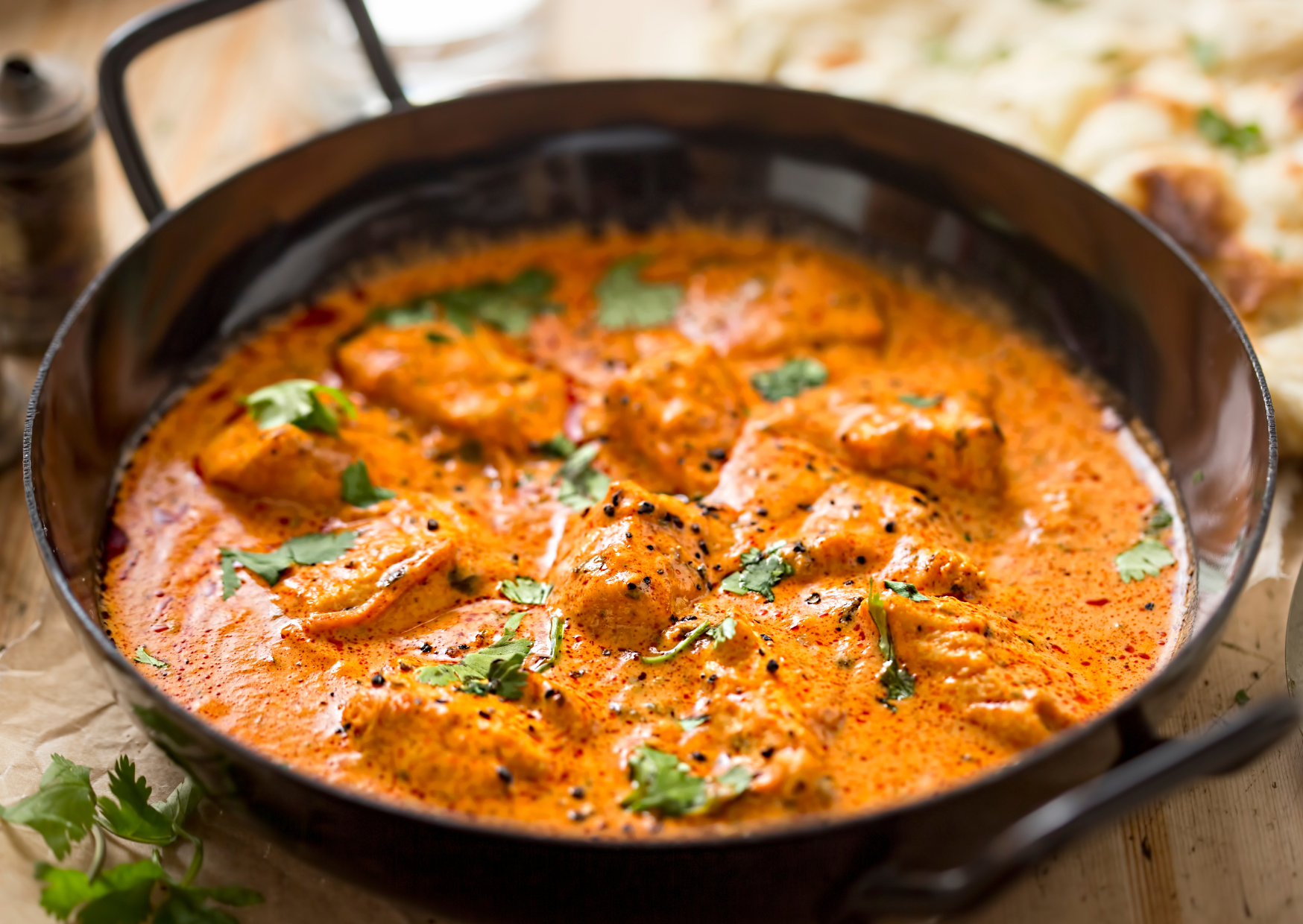
Yield: 4 servings
Active time: 45 minutes Total time: 9 to 25 hours (depending on marinade duration)
Ingredients for the marinade:
- 700 grams boneless skinless chicken thighs, cut into 4 cm pieces
- 200 grams thick plain yogurt (Greek yogurt or hung curd)
- 3 tablespoons fresh lemon juice
- 2 tablespoons ginger-garlic paste (or 1 tablespoon each grated fresh ginger and minced garlic)
- 2 teaspoons Kashmiri red chili powder
- 1.5 teaspoons garam masala
- 1 teaspoon ground turmeric
- 1 teaspoon ground cumin
- 1 teaspoon ground coriander
- 1.5 teaspoons fine sea salt
- 1 tablespoon neutral oil
Ingredients for the sauce:
- 60 grams unsalted butter (Indian ghee preferred if available)
- 1 medium yellow onion, finely chopped
- 4 cloves garlic, minced
- 30 grams fresh ginger, grated
- 2 green cardamom pods, lightly crushed
- 1 small cinnamon stick
- 2 whole cloves
- 1 teaspoon Kashmiri red chili powder
- 1 teaspoon garam masala
- 800 grams crushed tomatoes (or 400 grams tomato passata)
- 50 grams raw cashews, soaked in hot water for 15 minutes
- 200 ml heavy cream
- 1 tablespoon dried fenugreek leaves (kasuri methi), crushed between palms
- 1 teaspoon sugar
- Salt to taste
- Additional 2 tablespoons unsalted butter to finish
To serve:
- Basmati rice or garlic naan
- Fresh cilantro, chopped
- Lemon wedges
Method:
- Combine all marinade ingredients in a large bowl. Whisk until the yogurt is smooth and the spices are uniform. The marinade should be thick enough to coat the chicken heavily. If it looks watery, the yogurt was not thick enough; strain it through cheesecloth for 30 minutes and try again.
- Add the chicken pieces to the marinade. Massage the marinade into every piece. The chicken should be completely coated.
- Cover the bowl with plastic wrap. Refrigerate for at least 8 hours, ideally overnight (12 to 24 hours). This is the critical step. The 30-minute marinade produces flavored chicken. The overnight marinade produces transformed chicken.
- When ready to cook, remove the chicken from the refrigerator 30 minutes before cooking. The chicken should be close to room temperature when it hits the heat.
- Preheat the oven to its highest setting (typically 250°C / 480°F). Line a baking sheet with parchment paper or foil.
- Arrange the chicken pieces on the baking sheet in a single layer, spaced apart. Brush lightly with neutral oil. Reserve any excess marinade in the bowl.
- Roast at the highest oven setting for 8 to 10 minutes, until the chicken is mostly cooked through and beginning to char on the edges.
- Switch the oven to broil/grill setting. Position the rack 15 cm from the top heating element. Broil for 3 to 5 minutes, watching carefully. The marinade should char in places without burning. The chicken should develop visible blackened spots on the edges. This char is the home-kitchen substitute for tandoor cooking.
- Remove the chicken from the oven and set aside. The chicken should be juicy with charred edges and should look meaningfully different from chicken that has been merely sautéed in a pan.
- Begin the sauce. Heat the 60 grams of butter in a large heavy-bottomed pan over medium heat. Add the cardamom pods, cinnamon stick, and cloves. Stir for 30 to 45 seconds until fragrant.
- Add the chopped onion. Cook for 8 to 10 minutes, stirring occasionally, until the onion is soft and starting to caramelize. The onion should not be aggressively browned. Golden and translucent is the target.
- Add the minced garlic and grated ginger. Cook for 30 to 45 seconds, stirring constantly to prevent burning.
- Add the Kashmiri chili powder and garam masala. Stir for 15 to 20 seconds. The powdered spices should bloom in the fat without burning.
- Add the crushed tomatoes. Stir to combine. Increase the heat slightly to bring the mixture to a simmer.
- Drain the soaked cashews and add them to the pan. Simmer the sauce for 12 to 15 minutes, stirring occasionally, until the tomatoes have broken down and the mixture has thickened. The sauce should reduce by about a third during this stage.
- Remove the cinnamon stick, cardamom pods, and cloves if you can locate them. Transfer the sauce to a blender. Blend until completely smooth, 60 to 90 seconds. This step is what gives butter chicken its characteristic silky texture. Be cautious with the hot liquid; vent the blender lid.
- Return the blended sauce to the pan over low-medium heat. Add the heavy cream and stir to combine. Bring to a gentle simmer.
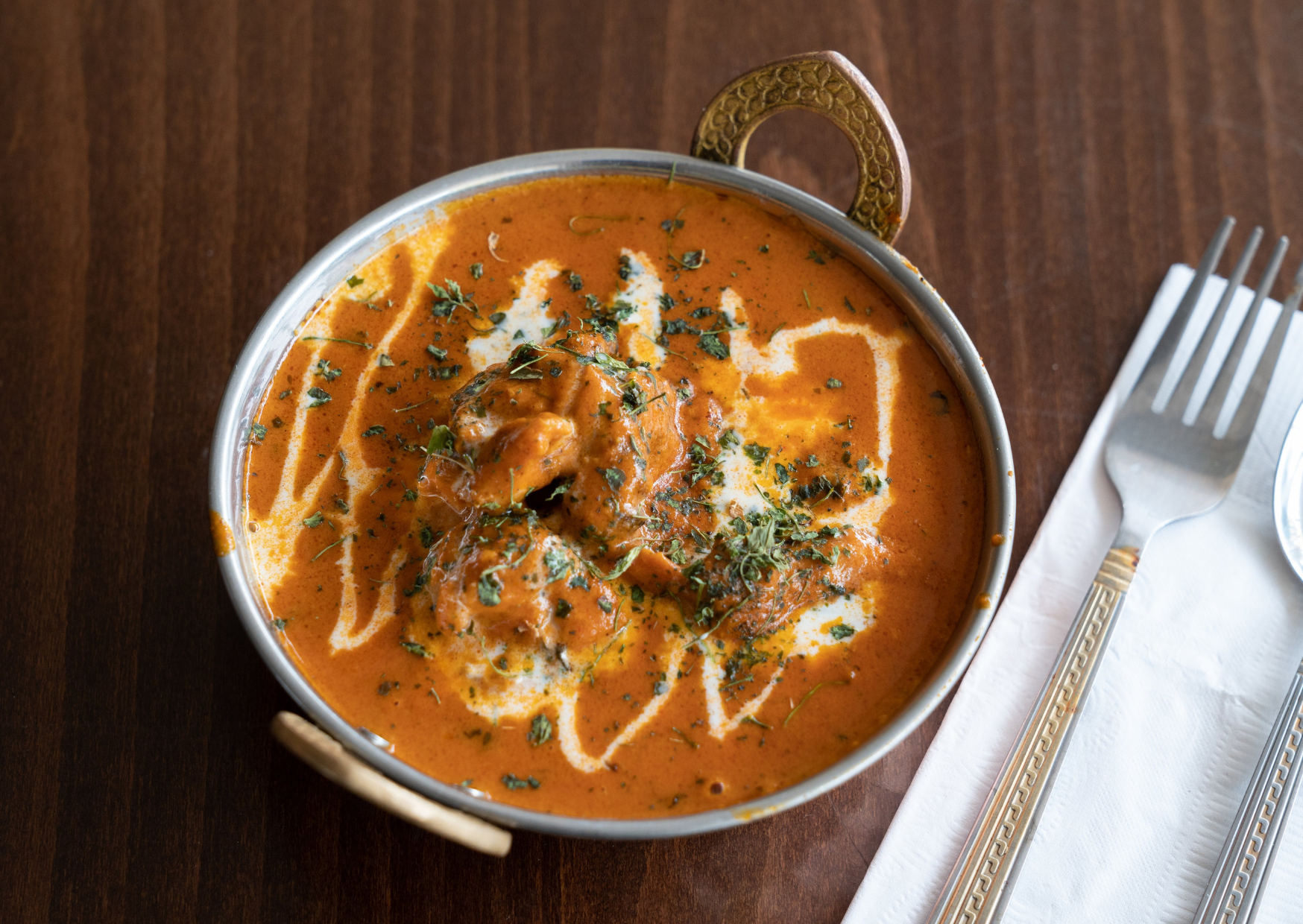
- Add the charred chicken pieces and any accumulated juices to the sauce. Stir to coat. Simmer for 8 to 10 minutes to allow the flavors to integrate. The chicken should finish cooking through during this stage.
- Crush the dried fenugreek leaves between your palms to release their aroma, then sprinkle into the sauce. Add the sugar and salt to taste. The fenugreek is the ingredient that makes home butter chicken taste like restaurant butter chicken.
- Finish with the additional 2 tablespoons of butter, swirled in just before serving. The butter should melt into the sauce, producing the glossy finish.
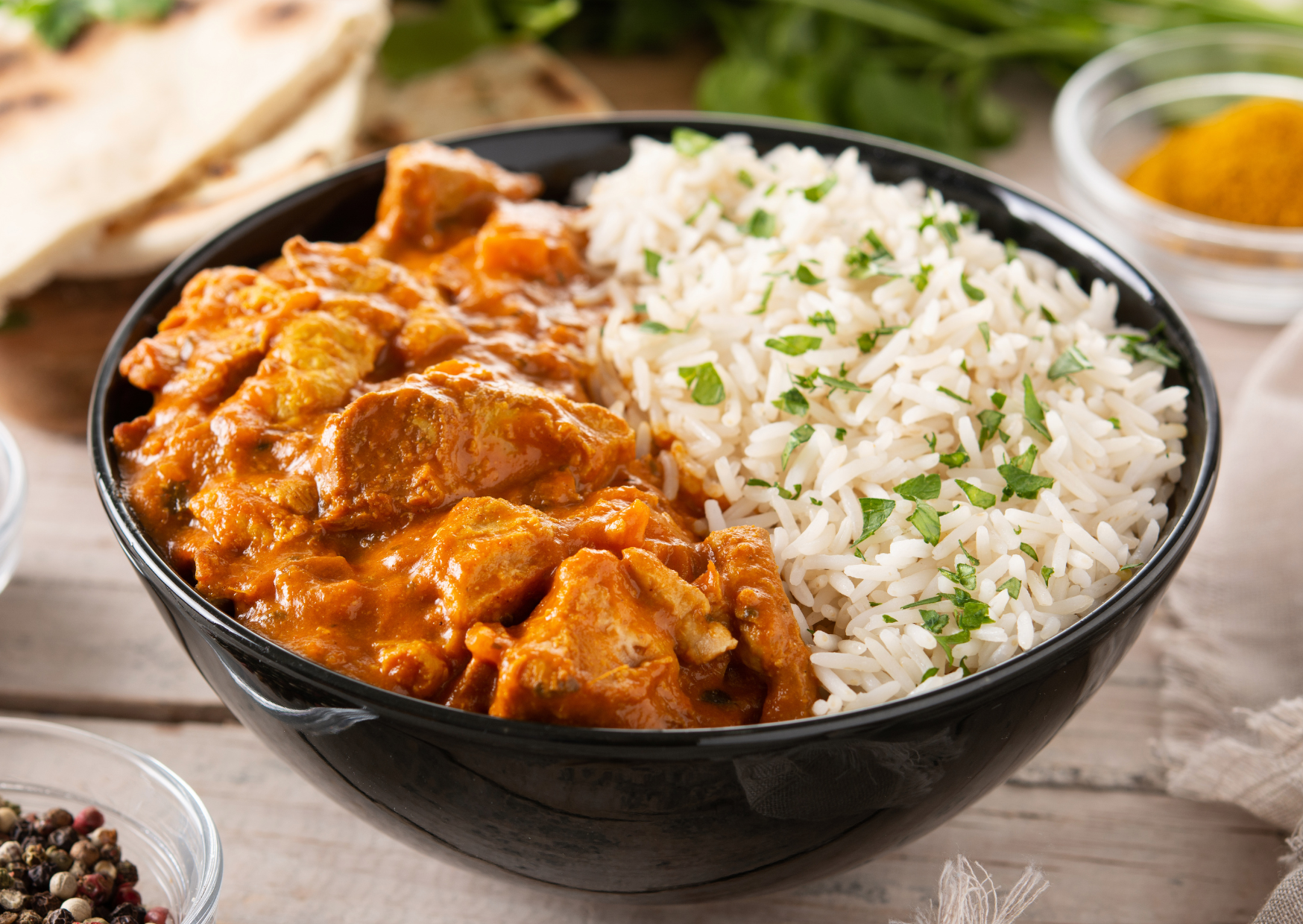
- Serve immediately with basmati rice or warm naan, garnished with chopped cilantro and lemon wedges.
Why The Marinade Time Matters
The yogurt marinade does three things to the chicken, and all three require time.
The lactic acid in the yogurt breaks down muscle proteins gently. Unlike harsh acid marinades (lemon juice alone, vinegar) that toughen meat if left too long, yogurt produces tenderization without textural damage. The longer the chicken sits in yogurt, the more tender it becomes, up to about 24 hours. Beyond that, the marinade starts to affect the chicken negatively.
The 30-minute version does almost none of this. The acid has not had time to penetrate the surface, let alone work through the muscle fibers. The chicken cooks as essentially unmarinated meat with flavored coating.
The spices in the marinade need time to migrate into the meat. Cumin, coriander, turmeric, garam masala, and chili powder dissolved in the yogurt base will work their way into the chicken over hours, not minutes. A 30-minute marinade flavors the surface. An overnight marinade flavors the meat throughout.
The visual difference is observable when the chicken is cut open. The 30-minute version has a colored exterior and a white interior. The overnight version has a uniformly tinted interior with the spices visible all the way through.
The yogurt and spice combination protects the chicken during high-heat cooking. The lactic acid prevents the muscle fibers from contracting aggressively when they hit the high oven heat. This is what allows the broiled chicken to develop char on the outside while staying juicy inside. Without the marinade, the chicken would dry out during the high-heat cooking step.
The American shortcut of skipping the long marinade and compensating with extra sauce produces a different dish. The dish is fine. It is not butter chicken. Butter chicken requires the marinated charred chicken as one of its two essential components. The other is the buttery tomato sauce.
On The Chicken Cut
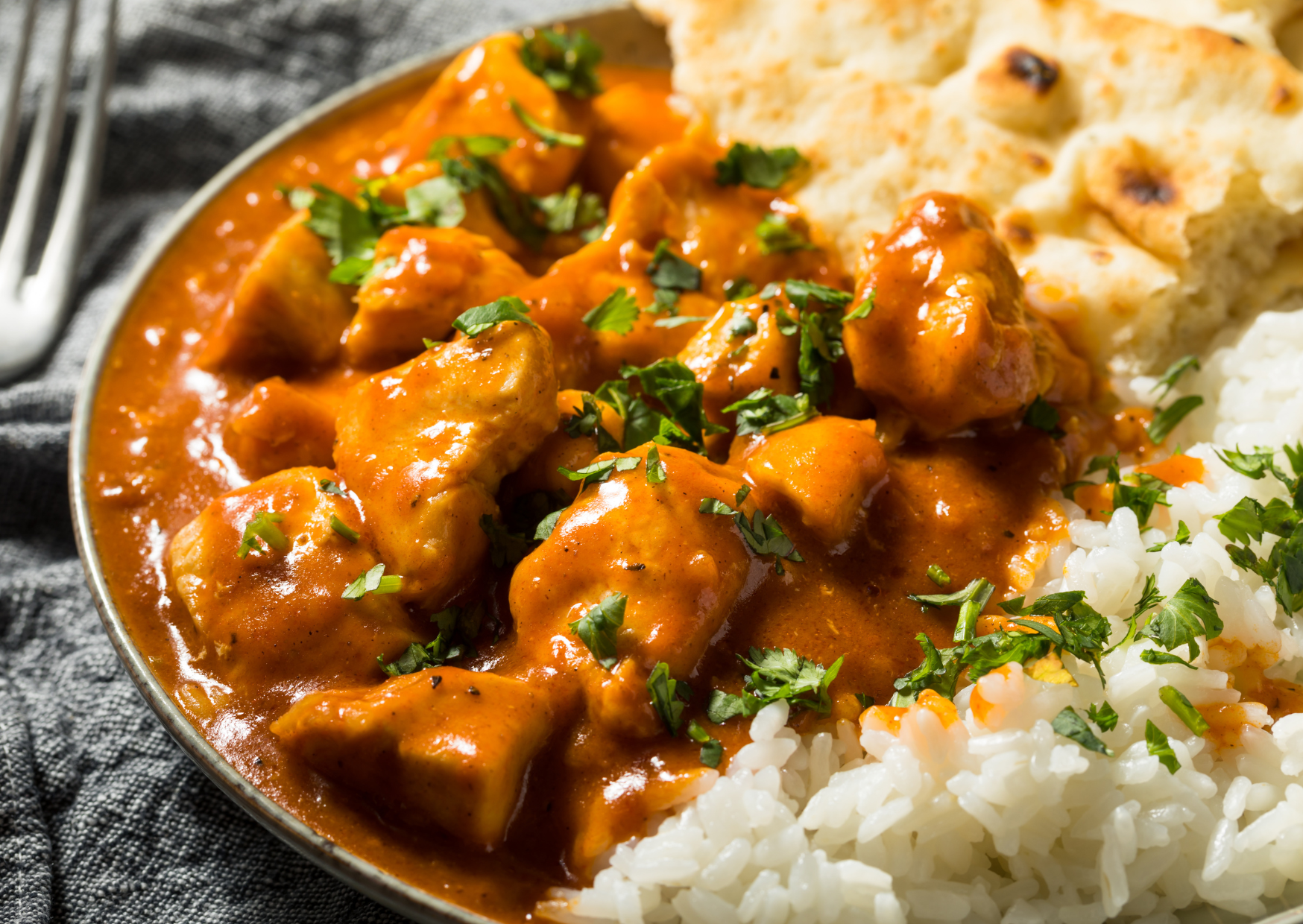
Boneless skinless chicken thighs are the right cut for home butter chicken. Chicken breast works but produces drier results and requires more careful timing to avoid overcooking. Chicken thighs have the fat content and connective tissue that hold up to the high-heat cooking and the simmering in the sauce.
Bone-in chicken thighs produce more flavor but require longer cooking times and are less convenient for the bite-sized pieces traditional in butter chicken. Restaurant kitchens often use bone-in chicken and then debone it after cooking. Home cooks generally do better starting with boneless thighs.
The thigh pieces should be cut to roughly 4 cm. Smaller pieces dry out during the high-heat cooking. Larger pieces do not develop enough surface char. The 4 cm size produces the best ratio of charred exterior to juicy interior.
On The Yogurt
Indian dahi (whole milk plain yogurt, slightly thicker than American yogurt) is the traditional choice. Greek yogurt is the best widely available substitute. The yogurt must be thick. Watery yogurt produces a runny marinade that does not adhere to the chicken properly.
If only thin yogurt is available, strain it through cheesecloth or a coffee filter for 30 to 60 minutes to remove the whey. The resulting “hung curd” works perfectly as a butter chicken marinade base.
Avoid low-fat or fat-free yogurts. The fat in whole milk yogurt contributes to the marinade’s protective effect during cooking. Low-fat yogurts produce drier final chicken.
Sour cream is sometimes used as a substitute. It works but produces a slightly tangier final dish than yogurt does. Most cooks who try both prefer the yogurt version.
On The Spices
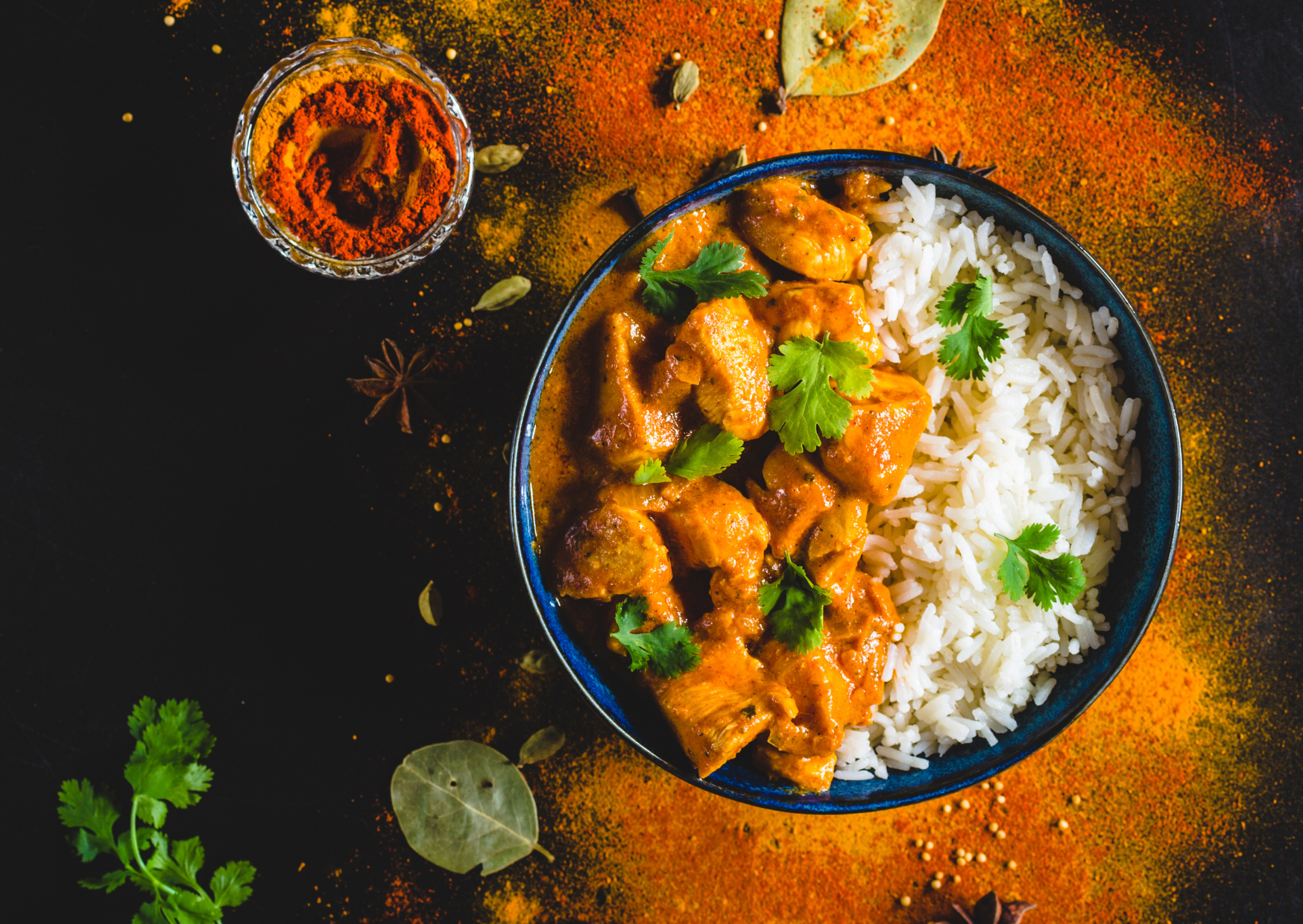
Several of the spices in this recipe are worth sourcing properly.
Kashmiri red chili powder is meaningfully different from generic red chili powder. Kashmiri has less heat and a deeper red color. This produces the characteristic warm color of butter chicken without aggressive spiciness. Generic chili powder produces a hotter, more orange result.
If Kashmiri is not available, a mix of paprika (for color) and cayenne pepper (for heat) in a 3:1 ratio approximates the result. Smoked paprika is acceptable but adds a smoky note that is not traditional.
Garam masala is the spice blend that defines North Indian cooking. Quality varies enormously by brand. Indian grocery store brands (MDH, Everest, Catch) are generally better than American supermarket brands. A small jar of good garam masala costs €5 to €10 and lasts for months.
Dried fenugreek leaves (kasuri methi) are the secret ingredient. Most American butter chicken recipes omit this ingredient because it is harder to find. Skipping it is the main reason home butter chicken often tastes less complete than restaurant butter chicken. The kasuri methi is what produces the distinctive savory-bitter note in restaurant versions.
Indian grocery stores stock kasuri methi in small bags for €2 to €4. The bag lasts for many recipes.
Whole spices (cardamom pods, cinnamon stick, cloves) provide depth that ground equivalents cannot match. They release flavor slowly during cooking and are removed before blending or eating. Buy whole spices fresh in small quantities rather than using year-old ground versions.
On The Cashews
Cashews are non-negotiable for proper butter chicken texture. The blended cashews produce the velvety body of the sauce. Without them, the sauce is thinner and less substantial. Substitutes work poorly. Almonds are sometimes used in Punjabi versions but produce a different texture.
Use raw unsalted cashews. Roasted or salted cashews produce off-flavors. Soak in hot water for at least 15 minutes before adding to the sauce. The soaking softens them so they blend smoothly.
If allergies prevent cashew use, the sauce can be made without them. The result is butter chicken with thinner sauce. The texture is meaningfully different but the dish is still butter chicken.
On The Tomato Component
Crushed tomatoes or passata (strained tomato purée) work well for home butter chicken. Fresh tomatoes can be used in summer when high-quality ripe tomatoes are available. Most of the year, canned crushed tomatoes or jarred passata produce more reliable results than out-of-season fresh tomatoes.
The Italian brand Mutti makes excellent passata that is widely available across Europe. American shoppers can use San Marzano canned tomatoes or similar high-quality crushed tomatoes.
Tomato paste alone (concentrated) is sometimes used in restaurant butter chicken to produce intense flavor and the deep red color. The substitution is 80 grams of double-concentrated tomato paste for the 800 grams of crushed tomatoes, plus 200 ml of water added to compensate for liquid. The result is more intensely flavored but slightly different in texture.
The Cost Breakdown
For four servings:
- Chicken thighs: 6 to 9 euros for 700 grams.
- Yogurt: 1 to 2 euros for the amount used.
- Spices: 1 to 1.50 euros for the amounts used (jars last for many recipes).
- Onion, garlic, ginger: 1 euro total.
- Crushed tomatoes: 1.50 to 2 euros.
- Cashews: 1.50 to 2 euros for 50 grams.
- Cream: 1 to 1.50 euros.
- Butter: 1 to 1.50 euros.
- Kasuri methi: 0.30 to 0.50 euros for the amount used.
- Basmati rice: 1 to 2 euros for the rice for four.
Total cost for four servings: 15 to 22 euros, or 4 to 6 euros per person.
Butter chicken at an Indian restaurant in Madrid or Lisbon typically runs 12 to 18 euros per person for the dish alone plus rice or naan. The home version saves substantial money while producing equivalent or better results when the marinade time is respected.
A Few Things To Know
The dish improves substantially overnight. Butter chicken made the previous day and reheated gently is often better than fresh. The flavors integrate further during refrigeration. For dinner parties, make it the day before.
The sauce freezes well separately from the chicken. Make a double batch of sauce, freeze half, and use it weeks later with freshly marinated and cooked chicken. The frozen sauce keeps for 3 months.
The dish scales easily. A double batch for 8 people takes only marginally longer than the single batch. The marinade time is the same. The cooking time extends slightly due to more chicken needing to be charred and more sauce needing to reduce.
Leftover butter chicken makes excellent breakfast. Reheated with a fried egg on top, scooped onto toast, or rolled into a wrap with rice. The Indian tradition of butter chicken with naan for breakfast is one of the great food experiences if you have not tried it.
For weeknight cooking, the overnight marinade timing works well. Marinate the chicken on Sunday or Monday morning. Cook on Tuesday evening. The total active cooking time on the cooking night is about 45 minutes.
What The Marinade Recognizes
The 30-minute marinade is the time pressure of American weeknight cooking applied to a dish that was designed for slower preparation. The compression produces a recognizable American adaptation: chicken pieces with flavored coating in a sauce that tastes vaguely like butter chicken.
The overnight marinade is the original technique. The yogurt and the chicken need time together. The lactic acid needs hours to do its work. The spices need hours to migrate. The cooking can then produce char without producing dryness.
For American cooks wanting to make real butter chicken at home, the marinade time is the place where attention pays off most. Plan one day ahead. Start the marinade in the morning of one day. Cook the dish in the evening of the next day. The result is restaurant-quality butter chicken at home.
The American shortcut version is fine for what it is. It is not the same dish that Punjabi families have been making since 1948, that Indian restaurants serve worldwide, that creates the distinctive flavor profile that makes butter chicken one of the most recognized Indian dishes globally.
The real version is achievable in any home kitchen with the right marinade time, the right ingredients, and the right cooking technique. The marinade is the technique. The chicken that emerges from the overnight marinade is the result. The dish that tastes like restaurant butter chicken requires the time the restaurant gives the chicken.
Indian grandmothers know this. Indian restaurants know this. American recipe writers in a hurry sometimes pretend the time does not matter. The time matters. The 30 minutes produces flavored chicken. The 12 hours produces butter chicken.

About the Author: Ruben, co-founder of Gamintraveler.com since 2014, is a seasoned traveler from Spain who has explored over 100 countries since 2009. Known for his extensive travel adventures across South America, Europe, the US, Australia, New Zealand, Asia, and Africa, Ruben combines his passion for adventurous yet sustainable living with his love for cycling, highlighted by his remarkable 5-month bicycle journey from Spain to Norway. He currently resides in Spain, where he continues sharing his travel experiences with his partner, Rachel, and their son, Han.