
The useful thing is not that French women age perfectly. They do not. The useful thing is that many of the habits Americans treat as optional after 50 are still treated in France as ordinary maintenance.
A French woman over 60 does not need to announce that she is “prioritizing wellness.”
She walks to the market, eats lunch like it counts, keeps decent shoes by the door, puts cream on her hands, drinks water with the meal, and does not treat the afternoon as a snack emergency.
That is why it lasts.
None of this looks dramatic.
They Walk Because The Day Still Requires It
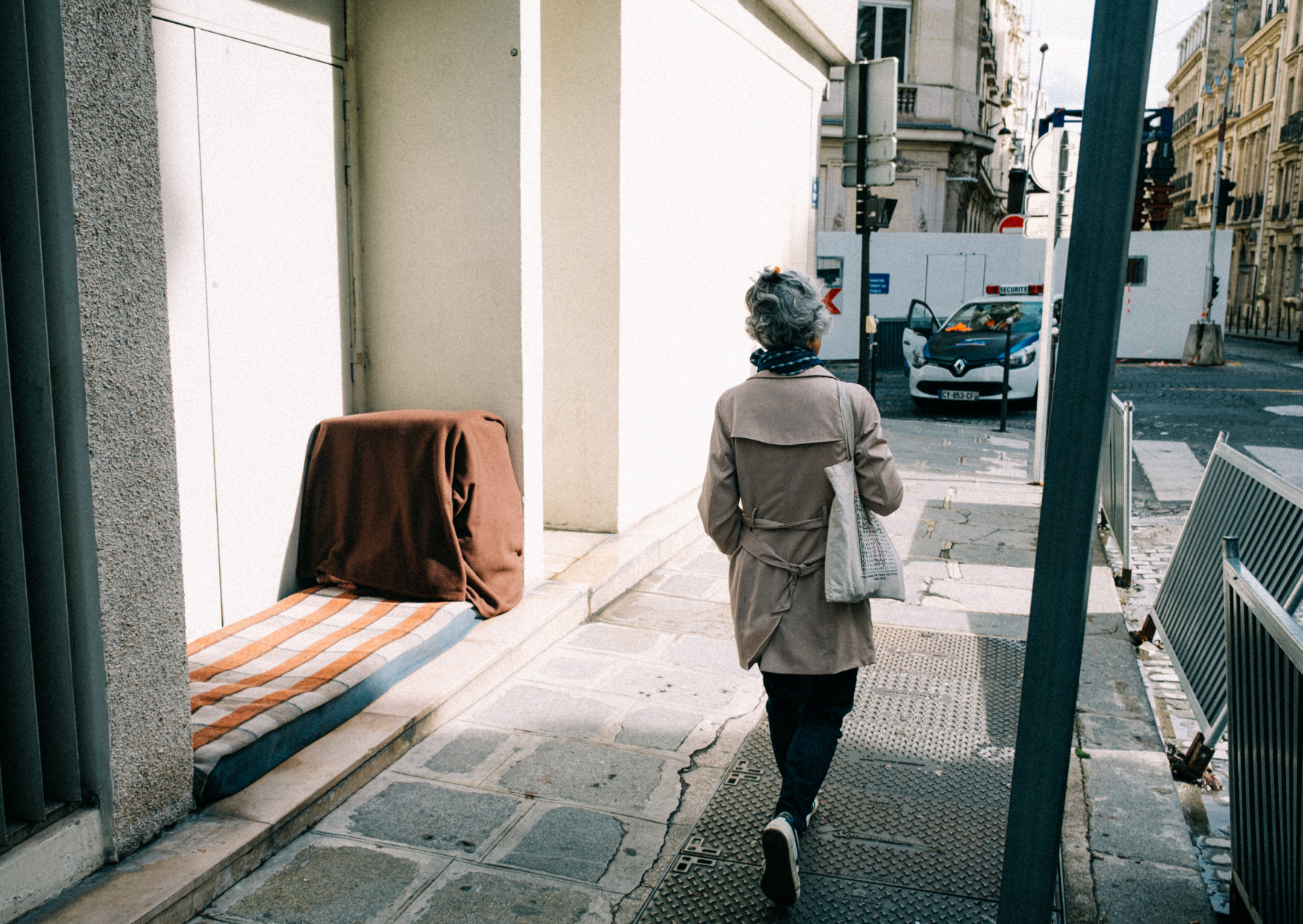
The most useful French habit after 60 is not a workout.
It is walking that never got outsourced.
A woman walks to the bakery, the pharmacy, the bus stop, the market, the doctor, the café, the post office, the park, the metro, or a friend’s apartment. Not every French woman lives in central Paris with a wicker basket and perfect ankles. France has suburbs, cars, rural isolation, bad weather, knee pain, and sedentary lives too.
But the cultural expectation is still different.
Walking is not always treated as exercise. It is treated as how the day moves.
That matters after 50 because Americans often lose movement quietly. First the commute becomes a car. Then errands become a drive-through. Then shopping becomes delivery. Then the neighborhood becomes something viewed from behind glass.
The body gets older, yes. But it also gets fewer ordinary reasons to move.
French women who keep walking are not necessarily more disciplined. Many simply live inside a layout that still asks them to use their legs. The good habit is copying that demand, even when the American environment does not provide it.
Walk after lunch. Walk to one errand. Park farther away. Take stairs when they are safe. Get outside before dinner. Break up long sitting. French public-health guidance now emphasizes interrupting prolonged sitting, and that small instruction may be more realistic than telling every tired 62-year-old to become a gym person.
The goal is not a 10,000-step moral achievement.
It is daily movement that returns by default.
Lunch Is Not Treated Like A Desk Snack
American women over 50 are often told to eat less.
French women are more likely to protect the meal.
That distinction matters.
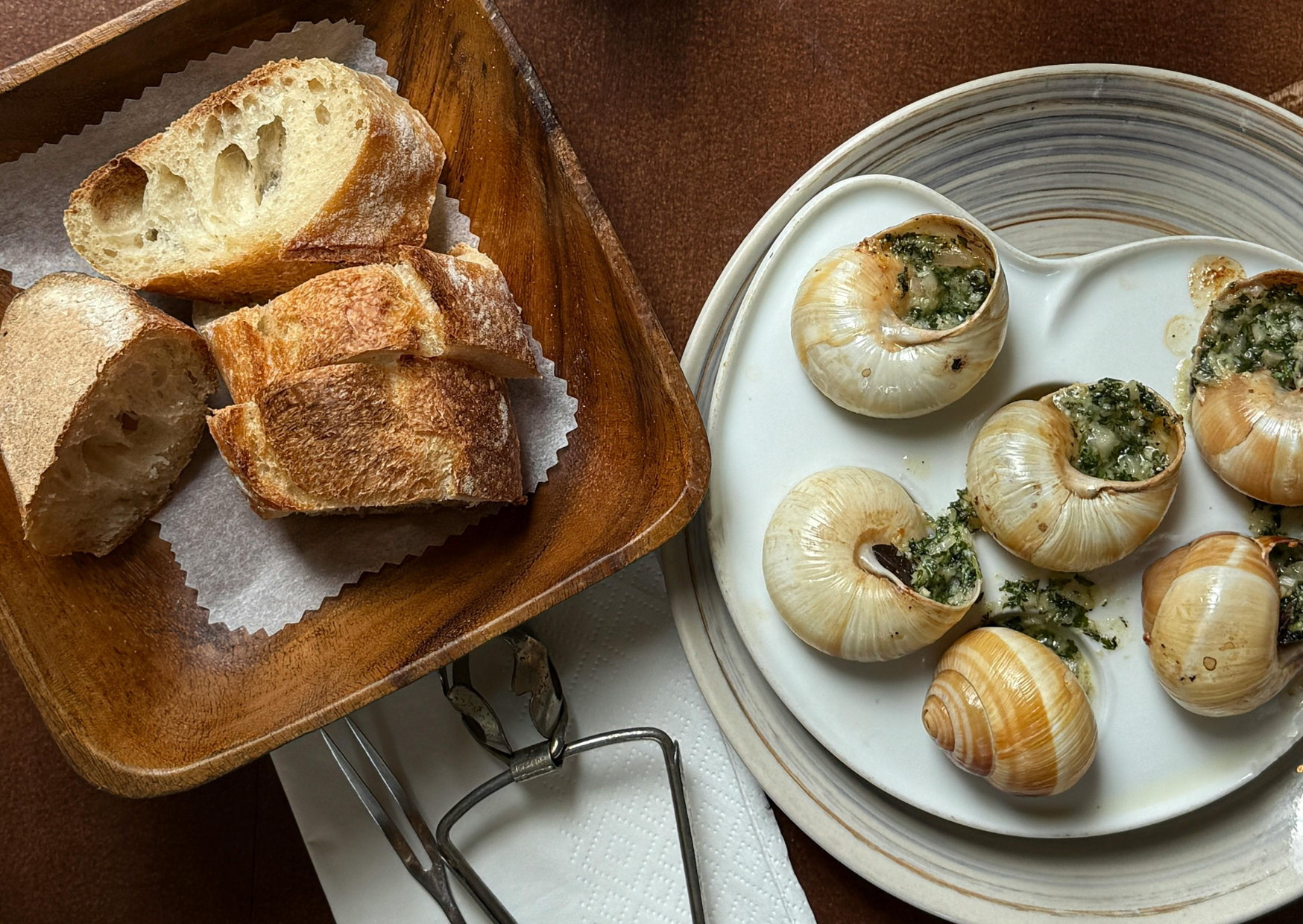
The old French lunch rhythm is not universal anymore, and plenty of modern workers eat badly, quickly, or at their desks. But the cultural idea remains powerful: lunch is a real meal. It deserves a plate, a pause, and food that can carry the afternoon.
That is very different from the American pattern of a protein bar, a sad salad, coffee, and then a 4 p.m. raid on crackers.
A proper lunch does not need to be heavy. It needs structure.
Protein. Vegetables. Starch or bread. Fat. Water. Maybe fruit or yogurt. Enough food that the body understands lunch actually happened.
For women over 60, that matters because under-eating at midday often backfires later. The body does not become more forgiving with age. Skipping proper meals can mean more evening snacking, weaker protein intake, poorer energy, and a strange cycle of restriction followed by grazing.
A French-style lunch might be lentils with carrots and vinaigrette. Fish with potatoes and green beans. Omelet with salad and bread. Roast chicken with vegetables. Soup, cheese, fruit, and bread. Yogurt with walnuts after a lighter plate.
Nothing about this requires Paris.
It requires respect for the middle of the day.
Americans often save the “real meal” for dinner, when the body is tired and the kitchen is one bad mood away from delivery. The French habit flips that pressure. Eat enough earlier. Let dinner be lighter if needed. Stop pretending lunch is optional because a calendar invite was rude.
After 50, lunch is not an interruption.
It is maintenance.
They Do Not Let Protein Disappear Quietly
Aging makes protein less negotiable.
That does not mean every woman over 60 needs to eat like a bodybuilder trapped in a pharmacy aisle. It means the old pattern of toast, salad, fruit, and tea may not be enough to protect strength.
French women who age well often do something very practical: they keep protein inside normal meals.
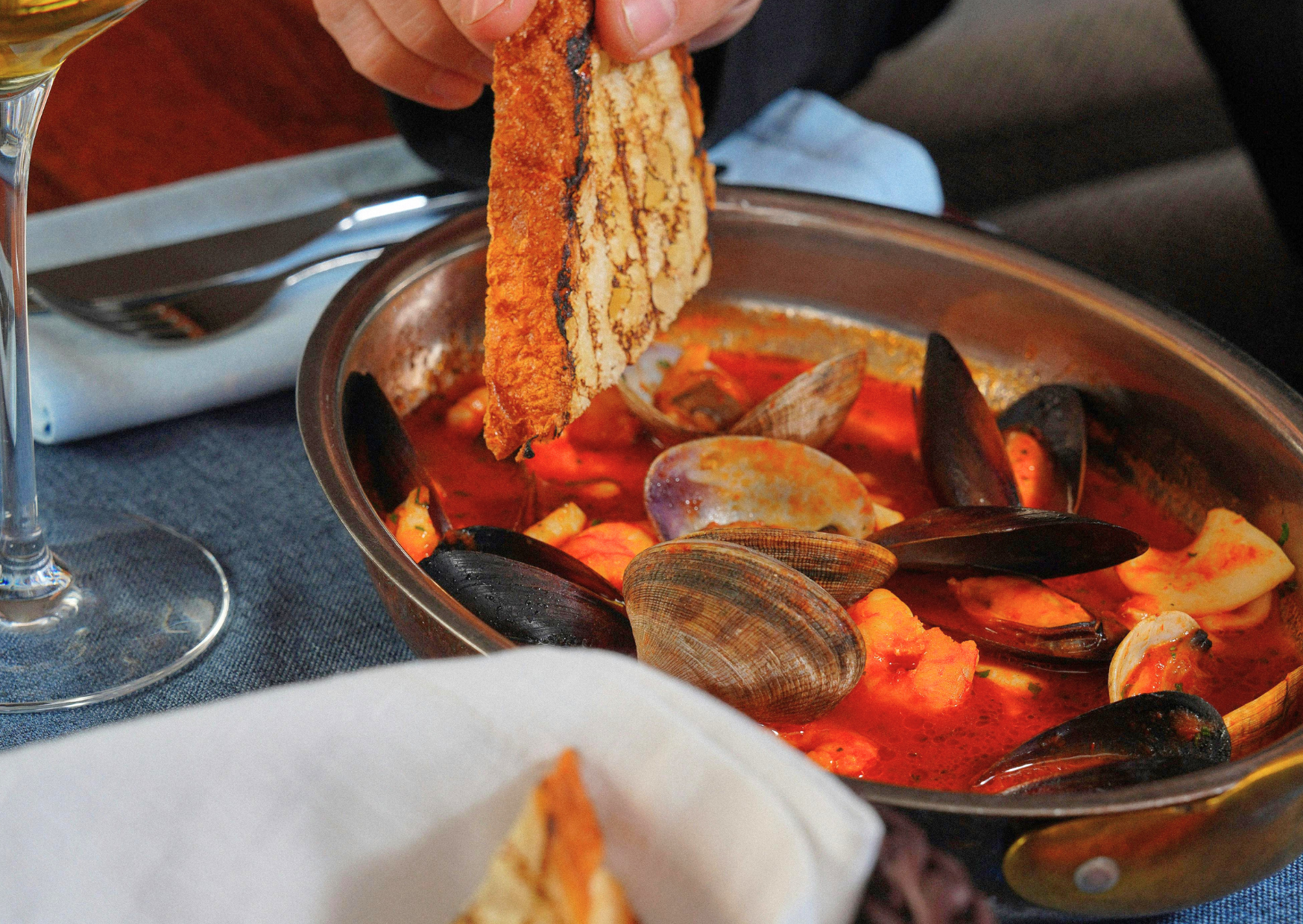
Eggs. Yogurt. Fish. Chicken. Lentils. Beans. Cheese. Sardines. Ham in modest amounts. A little meat. Milk in coffee is not a protein strategy, but a bowl of plain yogurt, eggs at lunch, fish at dinner, or lentils with bread can be.
The habit is not protein obsession.
It is not letting meals become decorative.
This is one place American diet culture does real damage. Women over 50 are often encouraged to shrink. Smaller portions, lighter meals, fewer carbs, less fat, less everything. Then they wonder why they feel weaker, colder, hungrier, and more dependent on snacks.
French food culture, at its best, does not confuse a meal with a diet product. A small plate can still be real food. A lunch can include cheese without turning into chaos. Bread can sit beside fish and vegetables without becoming the villain.
The point is balance, not purity.
For older adults, public-health nutrition guidance keeps returning to the same unglamorous truths: enough food, enough movement, enough protein-rich foods, enough pleasure to keep eating well. The “pleasure” part matters more than Americans admit because joyless food habits collapse quickly.
A good plate after 60 should make the body feel fed.
Not stuffed.
Fed.
They Keep A Few Beauty Rules Because Looking Present Is Not Vanity
French women over 60 are not all elegant.
Some are stylish. Some are practical. Some are careless. Some wear lipstick to buy tomatoes. Some do not care what anyone thinks. The fantasy version is lazy.
But there is a French habit Americans often abandon too early: looking presentable is treated as ordinary self-respect, not a special event.
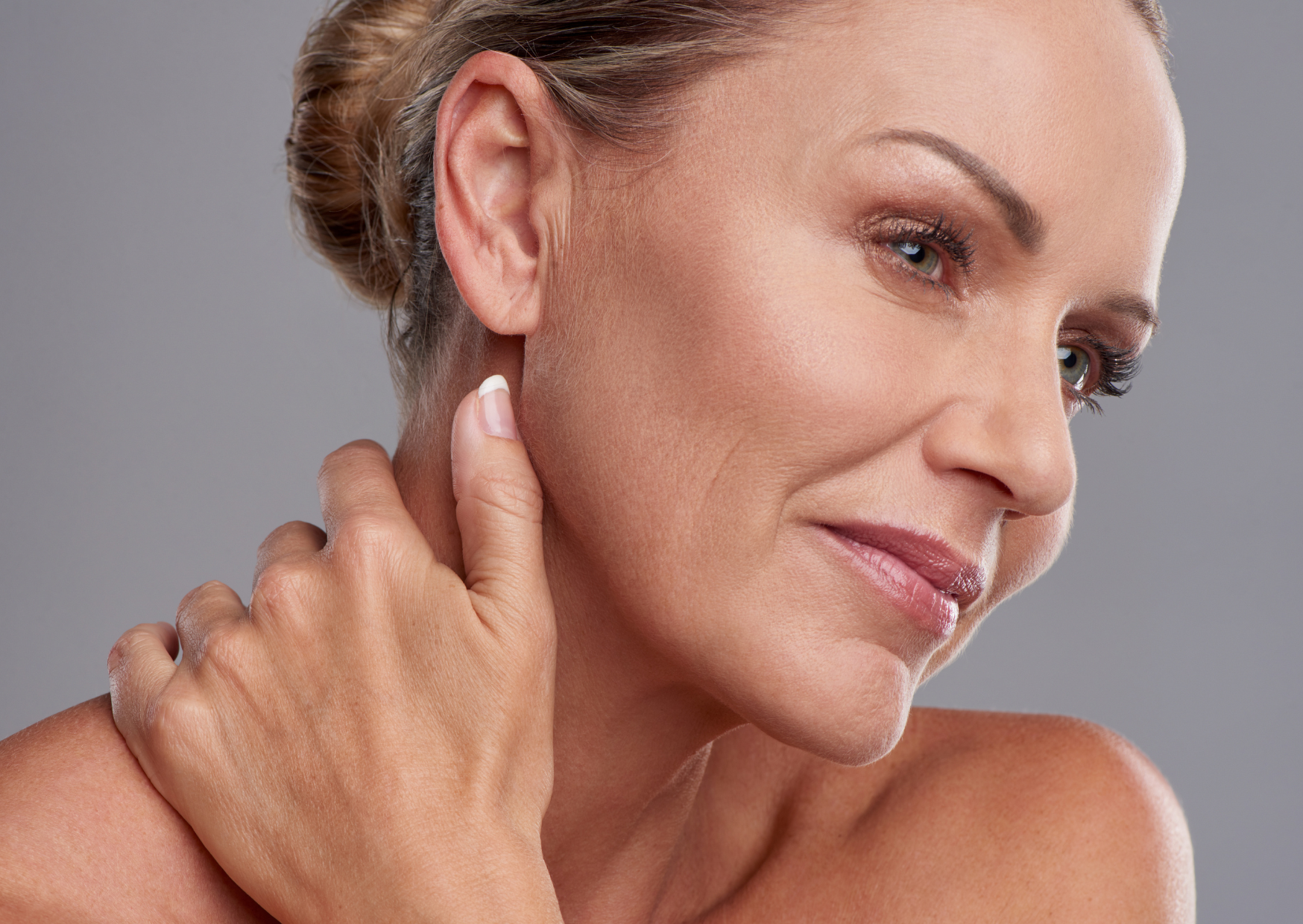
Hair brushed. Skin moisturized. Hands cared for. Clothes that fit the body that exists now. Shoes that are decent and walkable. A scarf if it works. Lipstick if wanted. Perfume lightly, not as a public announcement.
The habit is small daily maintenance.
Not anti-aging panic.
Maintenance.
American women over 50 are often pushed into two equally bad options: fight aging like a war, or declare that caring how they look is shallow. French women tend to leave more room in the middle. A woman can accept age and still wear a good coat. She can have wrinkles and still care about posture. She can refuse cosmetic panic and still put on lipstick before lunch.
That middle space is useful.
Looking presentable changes how a person moves through the day. It makes leaving the house easier. It reduces the “I’ll just stay in” drift. It reminds the person that daily life still counts.
This does not require expensive clothes.
Actually, the habit works better when the wardrobe is smaller and more ruthless. Keep what fits. Repair shoes. Replace stretched-out basics. Stop saving good things for a day that never arrives. Buy fewer items, but make them usable.
After 60, the best style rule may be the least fashionable one: do not dress like you have given up on public life.
That is not vanity.
That is participation.
They Treat Alcohol As Part Of A Meal, Not The Evening’s Hobby
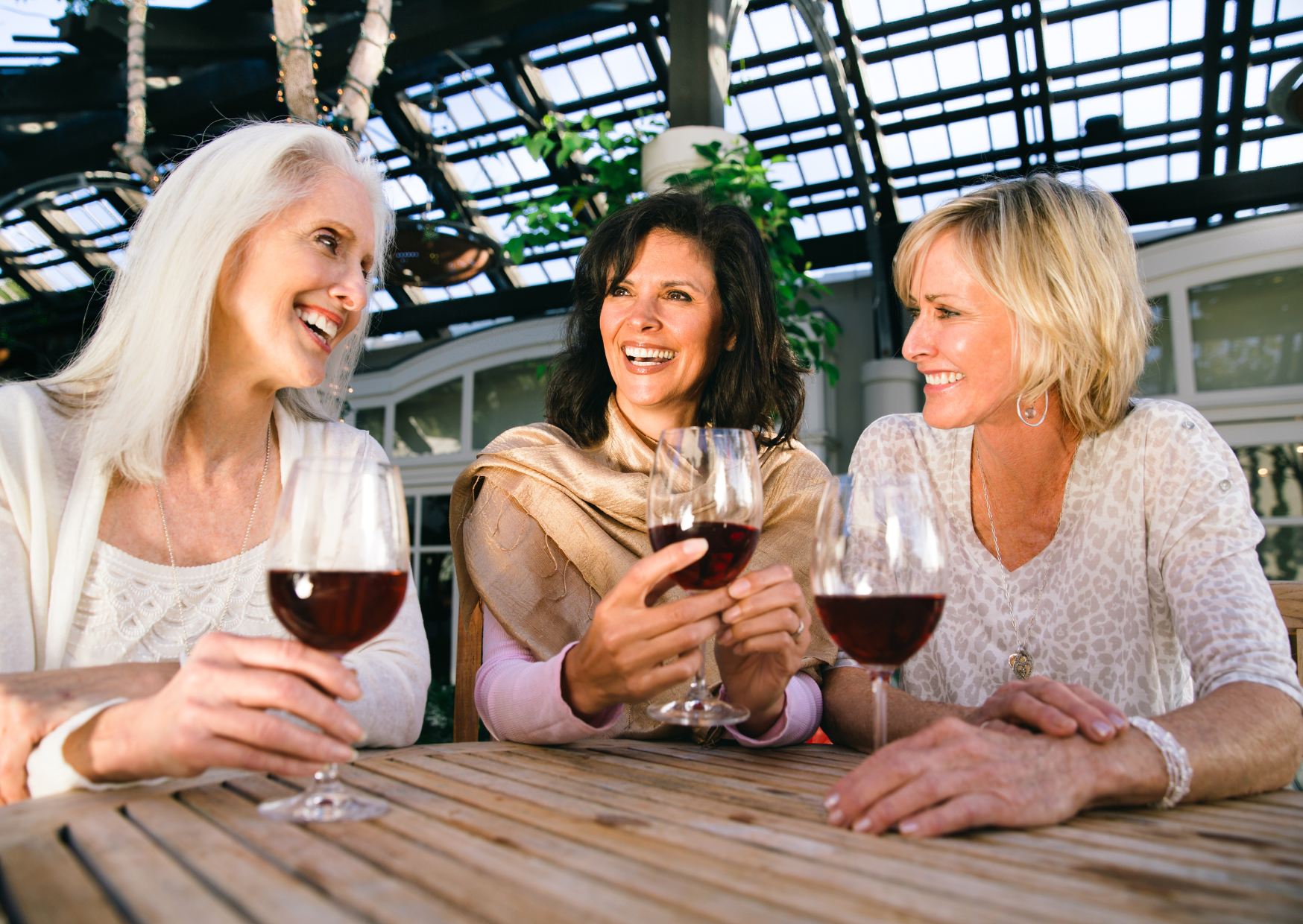
French drinking culture has changed.
The old idea that wine is automatically healthy has lost its halo, and public-health messaging is far clearer now: limit alcohol, avoid drinking every day, and do not treat wine as harmless just because it sits beside dinner.
Still, the cultural habit worth keeping is not “drink wine.”
It is the opposite: alcohol belongs in a controlled place.
At the table. With food. In a real glass. In a social setting. Not as an invisible pour while cooking, another glass after dinner, a nightcap, and then a joke about needing it.
For American women over 50, this matters because alcohol can become too easy. Children leave. Work stress shifts. Sleep gets worse. Menopause changes tolerance. A glass becomes two. Then it becomes the reward, the transition, the mood softener, the social prop.
The French habit worth copying is containment.
If drinking, drink deliberately. With food. Not every day. Not as hydration. Not because the evening has no other border.
And many French women now drink less than the cliché suggests. Alcohol-free months, lower consumption, and public-health conversations have become more visible. France still drinks, but the old romance around daily wine has taken a hit.
That is a good thing.
The useful daily habit is not pretending wine is medicine. It is remembering that the ritual matters because it has boundaries. A small glass with a meal is not the same behavior as a nightly bottle quietly split with the television.
After 60, sleep, balance, medication, blood pressure, cancer risk, and mood all make that difference harder to ignore.
The chic version is not more wine.
It is less automatic drinking.
They Keep The Refrigerator Honest
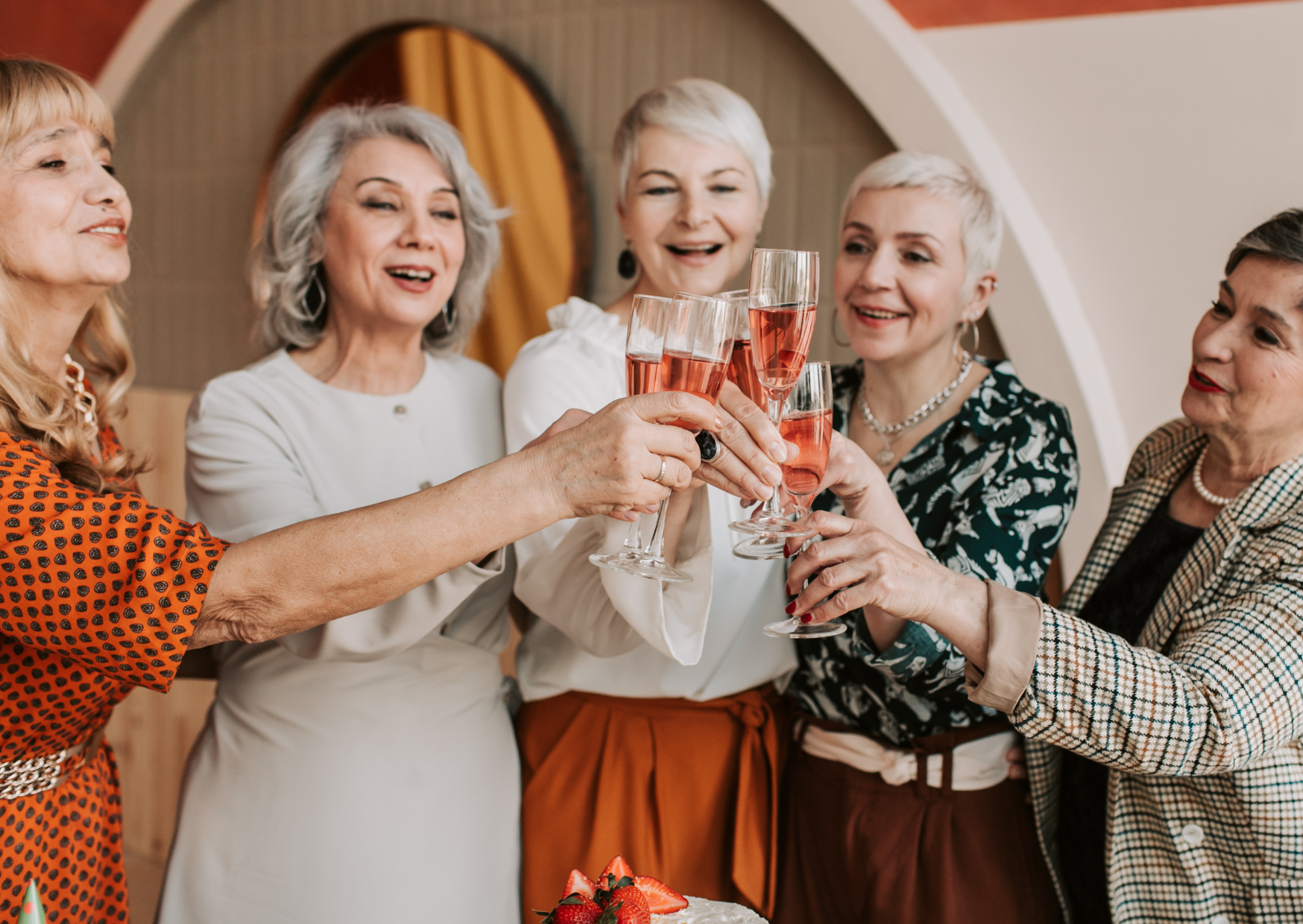
A lot of French households are better than American households at letting the refrigerator become a meal plan.
Not always. Plenty of food gets wasted in France too. But the older habit is useful: what is already in the fridge has authority.
Leftover lentils become lunch. Cooked vegetables become omelet. A little chicken becomes salad. Cheese, soup, yogurt, fruit, bread, and eggs can turn into a meal without anyone declaring there is “nothing to eat.”
This matters after 50 because food decisions become expensive in two directions.
Financially, waste adds up.
Physically, a chaotic fridge encourages chaotic eating.
A French woman who keeps a readable fridge is not necessarily frugal in a dramatic way. She is simply less likely to shop over food that already exists. The half-used bunch of parsley gets chopped. The tomatoes get eaten before more arrive. The yogurt is used before the date becomes a household negotiation.
The habit is eat what needs eating.
That sounds boring because it is. It is also how grocery bills stay calmer and meals stay connected to real ingredients.
American kitchens often suffer from abundance without direction. Three salad dressings, four snack boxes, two expired jars, mystery leftovers, and no actual dinner. Then another grocery run happens because the house feels empty even though the refrigerator is full.
The French habit begins with looking.
Open the fridge before shopping. Move urgent food to the front. Cook the vegetables that are aging. Use leftovers as ingredients, not punishment. Stop buying more until the current food has a plan.
This habit does not just save money.
It protects the meal rhythm. And meal rhythm is one of the quietest forms of health after 60.
They Do Not Confuse Snacking With Pleasure
French women snack too.
The difference is that traditional French food culture never turned snacking into a parallel meal system quite the way America did.
In the U.S., snacks are everywhere: car snacks, desk snacks, couch snacks, protein snacks, “healthy” snacks, emergency snacks, reward snacks, travel snacks, boredom snacks, stress snacks, snacks for people who just finished a snack.
After 50, that habit becomes harder to outrun.
The French alternative is not joyless restraint. It is meal confidence. If lunch is real and dinner is planned, the day does not need constant edible punctuation.
A goûter exists for children. A square of chocolate after lunch exists. Fruit exists. Yogurt exists. Coffee exists. A small treat can belong to the day without turning the entire afternoon into grazing.
The habit is pleasure with edges.
That phrase matters. Americans often hear “French women do not snack” and turn it into deprivation. That is not the useful lesson. The useful lesson is that pleasure works better when it has a place.
A pastry eaten at a table with coffee is different from six packaged sweets eaten while standing in the kitchen. A piece of chocolate after lunch is different from a snack drawer that calls from 3 p.m. to bedtime.
The body understands meals better than fragments.
So does the mind.
One practical way to copy this: stop buying snack variety. Keep fruit, yogurt, nuts, cheese, bread, and maybe one sweet thing that requires a plate. Make snacks slightly less convenient and meals slightly more satisfying.
The goal is not to become severe.
The goal is to stop mistaking constant access for pleasure.
They Take Sitting Personally
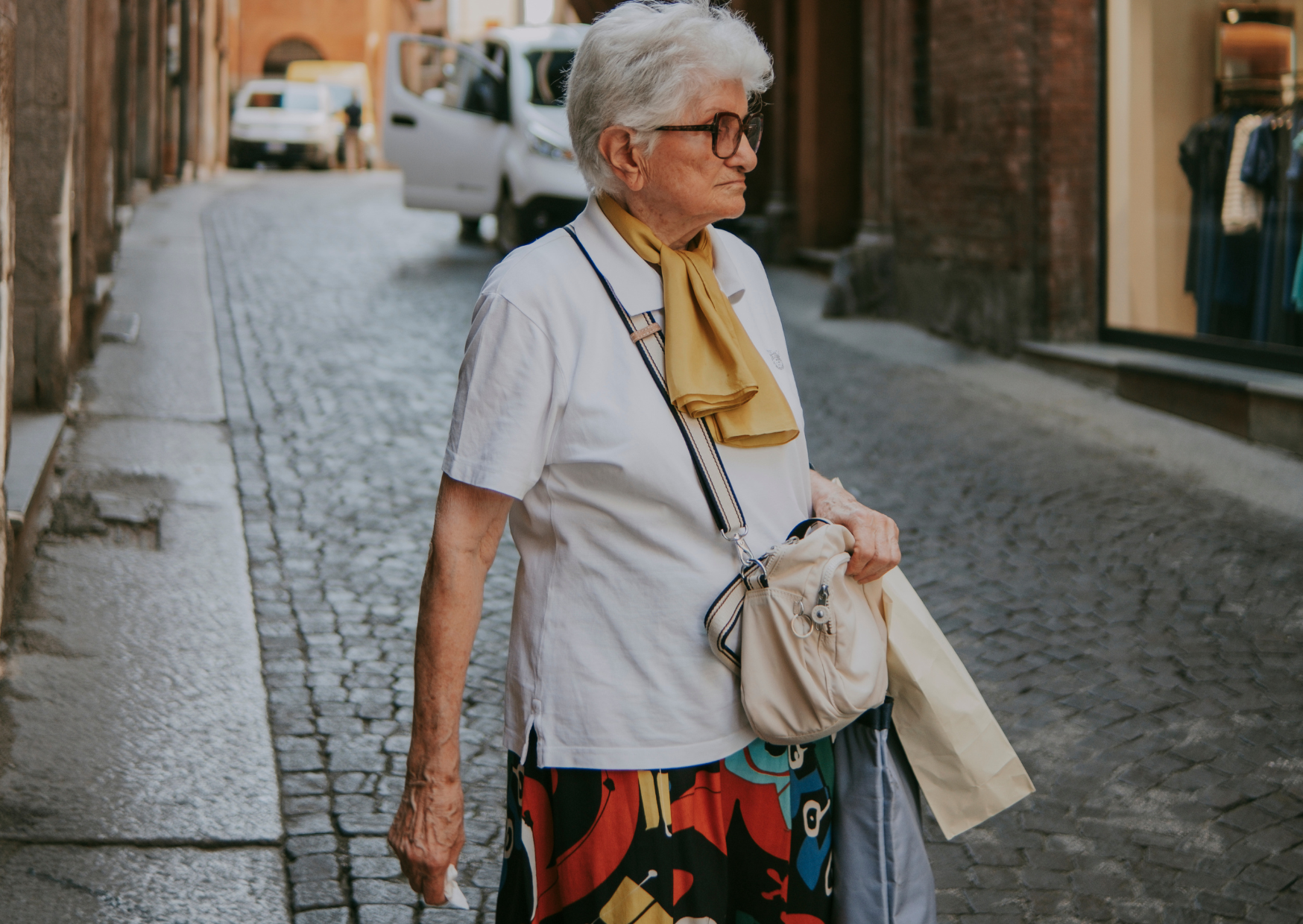
One of the most overlooked habits after 60 is not exercise.
It is interrupting sitting.
Long sitting has become the background posture of American aging: car, desk, couch, phone, car again, waiting room, television. Even people who walk in the morning can sit for most of the remaining day.
French public-health messaging has pushed the idea of breaking up prolonged sitting, and the point is sensible. Get up regularly. Move a little. Do not let the body spend hours in the same folded position.
French women who age well often do this without calling it a protocol.
They stand to cook. Walk to buy bread. Hang laundry. Sweep. Take stairs. Step outside. Carry groceries. Water plants. Visit someone. Move between rooms. Live in smaller spaces where every need is not 20 feet and a remote control away.
The habit is frequent small movement.
Americans often dismiss this because it does not look like fitness. No leggings. No watch badge. No class. No sweat narrative. But for older adults, small movement throughout the day may matter more than one intense workout followed by ten hours of sitting.
This is especially true for people who hate exercise.
Do not start with the gym fantasy. Start with standing after every hour. Walk during phone calls. Put laundry away in two trips. Use the stairs once. Take a five-minute walk after lunch. Stretch while waiting for water to boil.
None of this is impressive.
That is why it works.
The daily goal is to stop letting the chair become the body’s main address.
They Protect The Face, Hands, And Neck From Neglect
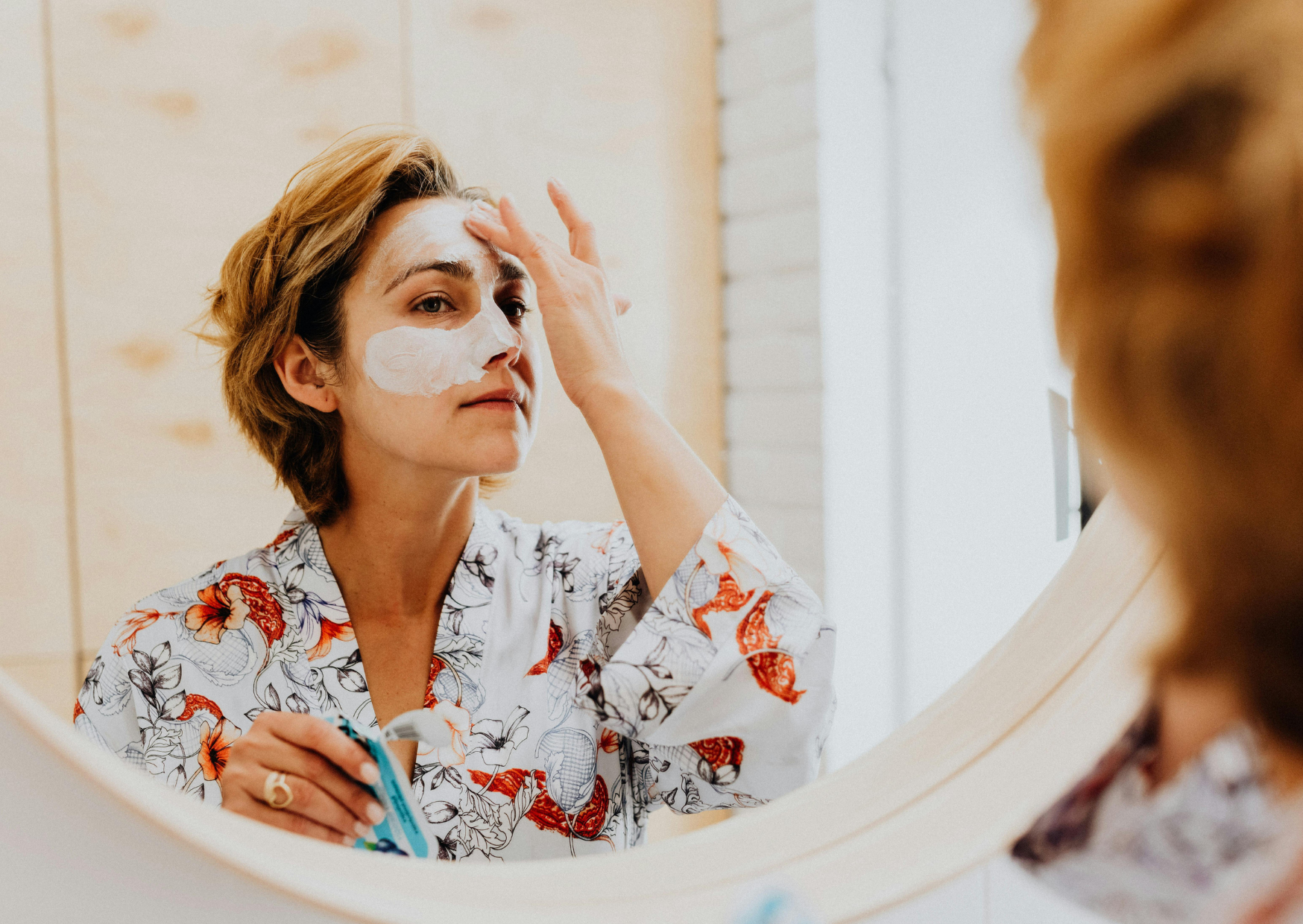
French skincare does not need to become a religion.
But French women often learn earlier that skin care is maintenance, not a rescue mission that begins after everything feels damaged.
For women over 60, the useful habit is not chasing youth. It is protecting comfort and presentation: moisturized skin, sun protection, gentle cleansing, hands that are not ignored, lips that are not cracked, neck and chest treated like part of the same body.
American women are sold extremes: anti-aging warfare or nothing.
The French habit sits between them.
Use sunscreen. Moisturize. Keep hands cared for. Do not scrub the face like a floor. Wear sunglasses. Use a hat when the sun is harsh. Get suspicious spots checked. Do not wait until the skin is irritated to begin caring for it.
The habit is daily prevention, not dramatic correction.
This matters beyond looks. Older skin is more fragile. Dryness, sun damage, irritation, bruising, and slow healing become more relevant with age. A simple routine can protect comfort as much as appearance.
The same logic applies to clothing and shoes.
Good shoes are health equipment pretending to be fashion. A coat that fits helps a person leave the house. A bag that does not wreck the shoulder matters. Clothes that fit the current body reduce the daily irritation of pretending the old body is coming back by Thursday.
French women are not immune to vanity.
Nobody is.
But the best habit is not vanity. It is continuity. Keep caring for the body as it changes. Do not abandon it because it no longer behaves like it did at 38.
They Keep Social Life On The Calendar, Not In Theory

Loneliness is not solved by knowing people exist.
It is solved by seeing them.
French older women often keep social life attached to ordinary routines: market mornings, café meetups, family lunches, walks, associations, neighborhood errands, church for some, cultural events, volunteering, or simply seeing the same shopkeepers often enough that the day has witnesses.
This is harder in much of the U.S., where car-dependent life can turn retirement into a house with errands.
After 50, social life often stops being automatic. Children leave. Work changes. Divorce happens. Widowhood happens. Friends move. Health narrows the radius. Without structure, a person can become isolated before they fully notice.
The French habit worth copying is social repetition.
Not huge events.
Repetition.
A weekly market. A Tuesday walk. Coffee after an appointment. Lunch with one friend. A class. A club. A volunteer shift. A regular pharmacy where someone recognizes you. A neighbor you actually speak to. A place where the person is expected.
This matters for health, mood, food, movement, and identity.
People eat better when life has structure. They walk more when there is somewhere to go. They dress more intentionally when they expect to be seen. They drink less automatically when evenings have shape. They handle aging better when the week contains people, not just tasks.
The goal is not to become extroverted.
The goal is to avoid disappearing into convenience.
A daily habit can be as small as leaving the house once and speaking to someone who is not on a screen.
That counts.
At 60, that may be more important than another supplement.
The Habit Americans Forget Is Continuity

The strongest French habit after 60 is not any single food, product, outfit, or walking route.
It is continuity.
The woman still eats at the table. Still walks. Still dresses. Still shops with intention. Still keeps lunch real. Still sees people. Still cares for her skin. Still treats alcohol as something with limits. Still expects daily life to have form.
Americans often treat 50 as a cliff.
The body changes, so the old routines collapse. Work changes, so meals become looser. Children leave, so cooking becomes optional. Retirement arrives, so structure disappears. Aches show up, so movement shrinks. Weight changes, so style gets postponed. Loneliness grows, so the house becomes the whole world.
The French habits that matter most push against that drift.
They are not glamorous. They are not perfect. They do not belong to every French woman. They do not erase illness, money problems, menopause, caregiving, grief, bad knees, or real aging.
But they do insist on one useful idea: ordinary maintenance still counts.
After 60, that may be the whole lesson.
Walk because the body still needs to move.
Eat lunch because the afternoon still needs fuel.
Dress because the day still deserves participation.
Keep the fridge honest because waste is expensive.
Drink less automatically because sleep matters.
See people because isolation is not neutral.
Care for the skin, hands, shoes, and posture because the body has to carry the rest of the life.
None of that requires becoming French.
It requires refusing to disappear from one’s own routines.

About the Author: Ruben, co-founder of Gamintraveler.com since 2014, is a seasoned traveler from Spain who has explored over 100 countries since 2009. Known for his extensive travel adventures across South America, Europe, the US, Australia, New Zealand, Asia, and Africa, Ruben combines his passion for adventurous yet sustainable living with his love for cycling, highlighted by his remarkable 5-month bicycle journey from Spain to Norway. He currently resides in Spain, where he continues sharing his travel experiences with his partner, Rachel, and their son, Han.