
Last updated on July 28th, 2026 at 06:49 am
The useful lesson from Ikaria is not that breakfast must happen at exactly 11 or dinner must end at exactly 7. It is that many long-lived Greek households built eating around daylight, real meals, long gaps, and food that did not keep asking to be eaten.
On Ikaria, the day does not look like a wellness app.
Older people do not sit around discussing “metabolic flexibility” while measuring almond portions with the haunted focus of a Silicon Valley founder.
The old rhythm is simpler: late first food, a real main meal, lighter food before the evening stretches out, and a long overnight break before eating again.
The modern version looks like 11 a.m. to 7 p.m..
This Is Not A Magic Greek Stopwatch
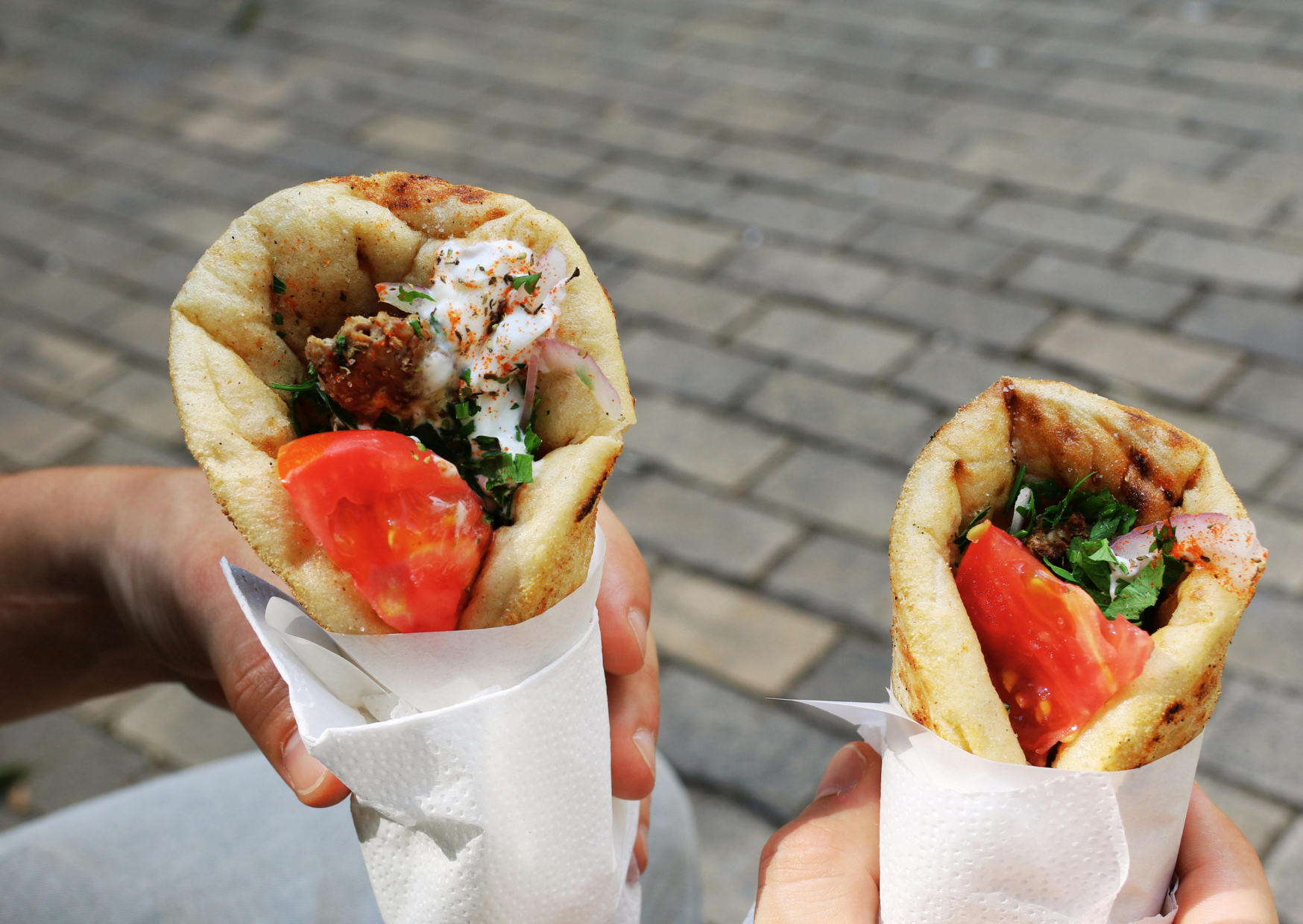
The first mistake is treating 11 a.m. to 7 p.m. like an ancient prescription carved into a stone wall beside a goat path.
That is not how traditional eating works.
Greek island routines were shaped by light, work, church calendars, heat, gardens, walking, family meals, and food availability. People ate according to the day, not according to a fasting tracker sending a smug notification at 10:59.
Still, the eight-hour window is a useful modern translation of something older.
In many long-lived communities, eating was not stretched from a sweet breakfast at 7 a.m. to a snack in front of a screen at 10:30 p.m. Food had edges. The day had a first meal, a main meal, and a lighter finish. Night was not treated like a second pantry shift.
That matters.
The American default often starts early and ends late. Coffee drinks at dawn. Cereal or toast. A mid-morning snack. Lunch at the desk. Afternoon sugar. Dinner. Evening grazing. A final little something because the day was annoying and the kitchen is still there.
That can turn eating into a 15-hour event without anyone feeling excessive.
The Ikarian lesson is not that every person should skip breakfast. It is that the body may do better when eating is not smeared across the entire waking day.
An 11-to-7 window gives the day structure. It leaves room for two solid meals and possibly one small snack. It ends food early enough that dinner is not colliding with sleep.
It also removes one of the most destructive modern habits: recreational eating after dinner.
That alone can change a person’s health more than any imported jar of mountain herbs.
Ikaria’s Longevity Was Never Just About Meal Timing

Ikaria became famous because many residents live to very old age with unusually strong daily function.
But the food window is only one piece.
The Ikaria Study, which examined very old residents on the island, described a wider lifestyle pattern: healthy eating habits, daily physical activity, frequent socializing, naps, and low smoking rates among many participants. The island’s traditional diet also sits close to the Mediterranean pattern, with legumes, vegetables, olive oil, potatoes, greens, herbs, and modest meat intake playing a larger role than packaged food.
That is why turning the whole story into “just eat from 11 to 7” is too thin.
The timing worked inside a life where people walked hills, cooked at home, ate beans and greens, kept social ties, and did not treat food as a product category engineered by a snack company.
The window helped because the food helped.
Eating pastries, chips, sweet coffee drinks, and delivery food between 11 and 7 is not an Ikarian lifestyle. It is just American snacking with a smaller clock.
The real pattern looks different.
A late morning meal might be bread, olives, tomatoes, yogurt, fruit, eggs, beans, or leftovers. The main meal might be lentils, chickpeas, wild greens, potatoes, fish, vegetables, olive oil, and bread. The evening meal might be lighter: soup, yogurt, salad, fruit, a small plate of leftovers, or something simple with tea.
There is nothing glamorous about this.
That is the point.
The meals are not constantly optimized. They are not high-protein influencer bowls with 19 toppings and a mortgage payment of chia seeds. They are ordinary foods eaten in a repeatable rhythm.
Centenarians are not proving that timing beats food quality.
They are showing that timing and food quality can quietly reinforce each other.
The Late Start Works Because It Cuts The Fake Breakfast

Many Americans do not eat breakfast.
They eat dessert with better public relations.
A muffin the size of a small lamp. Sweet cereal. Flavored yogurt with candy logic. A blended coffee drink carrying enough sugar to qualify as a holiday. A breakfast bar designed to behave like a cookie while wearing athletic packaging.
Skipping that is not a crisis.
For a lot of people, pushing the first meal toward 11 a.m. removes the weakest meal of the day.
That does not mean breakfast is bad. Some people do better with an earlier meal, especially older adults who need steady protein, people taking morning medication with food, people with diabetes, people with reflux, and anyone who becomes shaky or irritable when they wait too long.
But the late start can work when it replaces a low-quality breakfast with a better first meal.
The first meal should not be a punishment.
It should be real food with enough protein and fiber to keep the rest of the day from turning into a snack hunt.
A practical 11 a.m. Greek-style first meal could be:
- plain Greek yogurt with walnuts, fruit, and a little honey
- eggs with tomatoes, olive oil, and bread
- lentils or beans left from the day before
- a small tuna, potato, and tomato plate
- oats with milk, nuts, and fruit
- whole-grain bread with cheese, olives, cucumber, and boiled eggs
The point is not to recreate an island kitchen in Iowa.
The point is to stop eating the kind of breakfast that makes a person hungry again by 10:15.
This is where the 11 a.m. start becomes useful. It does not ask the person to count calories. It asks the person to stop beginning the day with food that creates more appetite than it satisfies.
A later first meal also makes food feel more deliberate.
Instead of sleepwalking into cereal, the person arrives at the first meal with actual hunger and has a better chance of eating something that looks like lunch.
That is a small change with a large downstream effect.
The 7 P.M. Finish Is The Part Most Americans Need More
The late start gets attention.
The early finish does more work.
For many people, the calories after dinner are not about hunger. They are about fatigue, habit, loneliness, entertainment, stress, or the plain fact that the kitchen exists and the couch is too close to it.
The 7 p.m. finish draws a line.
Not a moral line. A practical one.
Dinner ends, the kitchen closes, and the body gets a long overnight break. That can mean 16 hours without food if the next meal is at 11 a.m., which is why the window attracts so much interest in time-restricted eating research.
But again, the old Greek version was not a biohacking contest.
It was ordinary life. People ate meals, not all-day fragments. They walked. They slept. They drank coffee and herbal tea. Food was social, seasonal, and repetitive.
The American version needs the same lack of drama.
At 7 p.m., eating stops. Water, plain tea, or unsweetened herbal drinks are fine. The rule is less about purity and more about removing the nightly negotiation.
No handfuls.
No “just a few crackers.”
No standing in the kitchen with the refrigerator open as if it might reveal emotional closure.
The evening gap is the intervention.
For people who struggle with reflux, late eating can also make nights worse. For people with blood sugar concerns, late snacks can complicate readings. For people trying to lose weight, the after-dinner window is often where the invisible surplus lives.
Ending at 7 does not solve every problem.
It simply removes the part of the day where many people eat the least necessary food.
That is not glamorous.
It is useful.
What The Research Actually Supports

Time-restricted eating is not fringe anymore.
Researchers have studied eating windows of roughly 6 to 10 hours, often during the daytime, and the short-term evidence suggests it can help some people reduce weight, improve adherence, and improve certain cardiometabolic markers. A National Institute on Aging summary of a 2025 trial noted that adults with obesity assigned to different eight-hour eating windows lost weight and improved cardiovascular measures, with the exact timing of the eight-hour window less important for weight loss in that study.
That is encouraging.
It is not a license to turn 11-to-7 into a universal rule.
A 2024 clinical trial in adults with metabolic syndrome found that a 10-hour eating window improved several heart-health markers when added to standard nutritional counseling. That points toward a useful middle ground: a defined eating window may help, especially when the food quality improves too.
There are also caution flags.
An American Heart Association preliminary analysis presented in 2024 linked eating within fewer than eight hours per day to higher cardiovascular mortality in long-term observational data, though the finding did not prove that the eating window caused the risk. It did, however, reinforce the obvious point that fasting is not automatically safe or beneficial for every person.
That matters especially for older adults.
People taking insulin, sulfonylureas, blood pressure medication, diuretics, anticoagulants, or medication that must be taken with food need practical guidance before compressing meals. People with a history of eating disorders should be careful with rigid fasting rules. People already losing weight unintentionally should not treat a smaller eating window as a clever longevity trick.
The research supports structure, not recklessness.
For many adults, 11-to-7 can be a reasonable experiment because it is not extreme. It keeps lunch, dinner, and enough room for protein. It avoids the more aggressive fasting versions that can turn daily life into a clock-watching contest.
But the food inside the window still matters.
A Mediterranean-style 11-to-7 pattern is different from an ultra-processed 11-to-7 pattern.
The clock can help.
It cannot rescue a bad grocery cart.
The Greek Version Is Built Around Lunch, Not Snacks
The American diet often treats lunch as an interruption.
Something eaten at a desk. Something eaten in a car. Something ordered because the meeting ran long. Something called a salad but built like a punishment with dressing on the side and hunger waiting in the hallway.
A Greek-style eating window works better when lunch becomes the anchor.
Not a massive feast every day. Just a real meal.
In an 11-to-7 structure, the first meal and the main meal may overlap. That is fine. The first food of the day can be substantial: beans, eggs, yogurt, bread, vegetables, fish, leftovers, potatoes, cheese, olive oil, fruit.
Then the second meal can happen around 5:30 or 6:30.
This is the part that feels odd to Americans used to a tiny lunch and a heavy late dinner.
But it is easier on the body and the evening.
A real lunch reduces the need for afternoon panic food. A lighter early dinner makes sleep easier. The overnight fast becomes possible because the person is not underfed all day and raiding the kitchen at 9 p.m.
Protein has to show up early enough.
This is especially important for readers in their 50s, 60s, and beyond. A fasting window that accidentally reduces protein can backfire. Muscle matters with age. Bone health matters. Strength matters. A person does not want to become lighter and weaker at the same time.
The Ikarian pattern was not vegan austerity. It included legumes, vegetables, olive oil, herbs, potatoes, bread, some dairy, some fish, some meat, and seasonal foods.
For a modern American, that might mean:
- 11 a.m.: Greek yogurt, walnuts, fruit, and boiled eggs
- 2:30 p.m.: lentils with olive oil, greens, bread, and tomatoes
- 6:30 p.m.: fish, potatoes, salad, or a small bean soup
Or:
- 11 a.m.: eggs with spinach, tomatoes, and bread
- 3 p.m.: chickpeas, cucumber, olives, feta, and olive oil
- 6:30 p.m.: yogurt, fruit, nuts, and herbal tea
That is not deprivation.
That is a day with edges.
The Food Inside The Window Is Mostly Boring In The Best Way
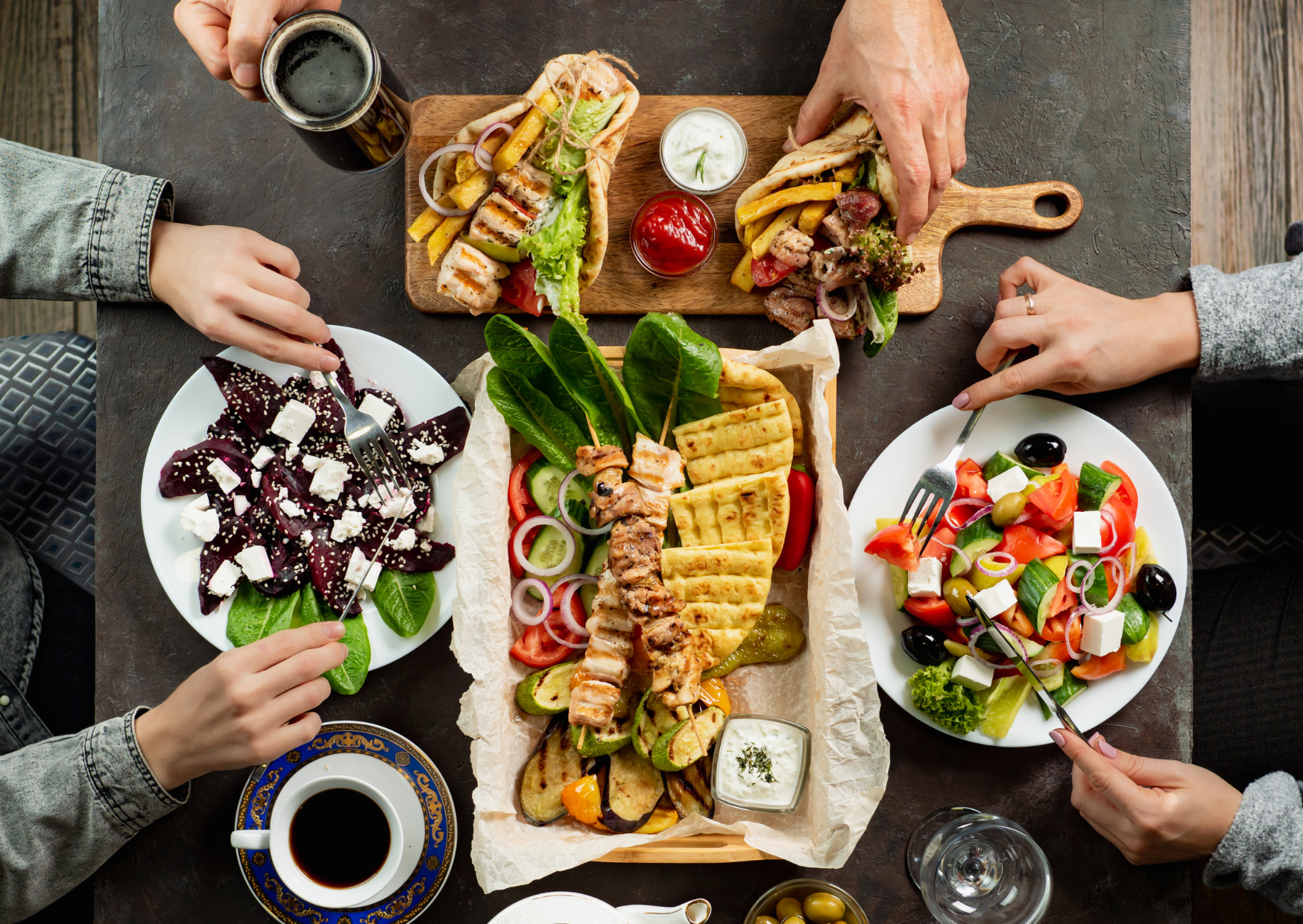
The Ikarian diet is often described in pretty language because travel writing cannot resist a blue door and a grandmother.
But the actual food pattern is wonderfully plain.
Beans. Lentils. Chickpeas. Potatoes. Greens. Herbs. Olive oil. Bread. Goat milk or yogurt. Seasonal fruit. Vegetables. Coffee. Tea. Some fish. Modest meat. Simple wine in some households. Food that came from gardens, local markets, foraging, or old kitchen habits rather than a product-development team. Blue Zones’ Ikaria overview describes a Mediterranean-style diet rich in fruits, vegetables, whole grains, beans, potatoes, and olive oil, with traditional religious fasting also playing a role in the island’s broader pattern.
This is not exotic.
It is repetitive.
That is why it works.
A person can make lentils every week. A person can roast potatoes. A person can keep yogurt in the fridge. A person can eat tomatoes with olive oil and salt. A person can cook greens with garlic. A person can make beans taste good without needing a packaged “healthy” sauce with 23 ingredients.
The boring foods carry the routine.
Americans often make healthy eating too dramatic. They buy 17 special products, follow a recipe that requires three stores, and then quit because nobody wants to live inside a project.
The Greek version is less fragile.
Cook lentils. Eat greens. Use olive oil. Keep fruit around. Make lunch real. Finish dinner earlier. Drink water. Repeat until the habit stops asking for applause.
A 11-to-7 eating window is easier with this food because the meals last longer in the body.
Beans and olive oil do more satiety work than crackers. Yogurt and walnuts do more than sweet cereal. Potatoes and fish do more than a snack bar. A tomato salad with bread and cheese feels like food. A packaged “light” snack often feels like a suggestion.
This is also why the rule should not become low-carb theater.
Traditional Mediterranean eating includes starch.
Potatoes, beans, bread, fruit, and grains are not intruders. They are part of the pattern. The difference is that they sit inside meals with fiber, fat, protein, and vegetables instead of arriving as refined snack fragments all day.
The Orthodox Fasting Piece Gets Misread
Greek Orthodox fasting is one reason Ikaria’s food culture gets connected to longevity.
But it is usually misunderstood by modern readers.
Traditional fasting periods did not mean “eat nothing and brag about mental clarity.” They often meant abstaining from animal products on certain days or seasons, eating simpler foods, and reducing dietary richness within a religious and communal calendar.
That is a very different psychological container.
The fast was not a personal branding exercise.
It was shared. Expected. Seasonal. Rhythmic. Connected to faith, habit, and community.
That matters because modern fasting can become weirdly lonely. One person is counting hours while everyone else is having dinner. One person is refusing food at a family table. One person is turning hunger into identity.
The older pattern had guardrails.
It also had food.
Beans, bread, vegetables, olives, greens, potatoes, soups, fruit, and olive oil can still make a fasting period feel like eating. This is not the same as white-knuckling through the day on black coffee.
The cultural rhythm softened the restriction.
That is worth copying even for people who are not religious.
Make the eating window social where possible. Eat real food. Keep the rule ordinary. Do not turn dinner at 6:30 into a moral performance. Do not punish yourself for a birthday meal or a late family gathering. Return to the rhythm the next day.
The Greek lesson is not rigidity.
It is repetition.
A food habit becomes powerful when it can survive normal life. Church calendars, gardens, seasons, heat, village routines, and family tables created repetition without needing a subscription app.
The modern version has to build its own scaffolding.
That may be a weekly pot of lentils. A default grocery list. A 6:30 dinner habit. A cut-off time for the kitchen. A walk after the last meal.
Simple, repeated, and boring enough to last.
A 7-Day Way To Try It Without Turning Strange
Day one is observation only.
Write down when the first calorie appears and when the last calorie appears. Coffee with cream counts. Wine counts. A bite of leftovers counts. The point is not shame. The point is seeing the current eating day clearly.
Day two is the evening line.
Set the finish at 7 p.m. and keep the first meal normal. For many people, closing the kitchen after dinner is easier than delaying breakfast immediately.
Day three is the breakfast clean-up.
If the first meal is sweet cereal, a muffin, a bar, or a coffee drink with dessert logic, replace it with protein and fiber. Greek yogurt, eggs, beans, oats, fruit, nuts, cheese, or leftovers all work.
Day four is the 11 a.m. start.
Move the first meal later only if it feels reasonable. Anyone who gets shaky, lightheaded, unusually irritable, or medically unsafe should not force it. The goal is a usable rhythm, not a private endurance event.
Day five is the Greek lunch.
Make the main meal real: lentils, beans, potatoes, tuna, eggs, greens, tomatoes, olive oil, bread, yogurt, fruit. The plate should feel like food, not like a diet trying to pass as a meal.
Day six is the early dinner.
Eat by 6:30 or 7. Keep it lighter than the main meal but not silly. Soup, fish, yogurt, salad with eggs, beans, or leftovers all work.
Day seven is the adjustment day.
Check sleep, reflux, hunger, cravings, energy, mood, and any readings already tracked with a clinician. Do not judge the week only by weight. A good eating window should make the day calmer, not merely smaller.
For people on glucose-lowering medication, blood pressure medication, or medication that requires food, the clinician belongs in the plan. The risk is not that beans and yogurt are dangerous. The risk is that meal timing can change glucose, blood pressure, hydration, and medication effects.
For everyone else, the practical goal is modest.
Try the rhythm. Eat real meals. Stop the evening drift. Notice what changes.
That is enough for the first week.
The Point Is A Smaller Eating Day, Not A Smaller Life
The 11-to-7 window is useful because it makes the modern food day less chaotic.
It is not useful because Greek centenarians discovered a secret schedule and forgot to upload the PDF.
The older lesson is better than that.
Eat later if the early meal is mostly fake food. Eat a real lunch. Finish dinner early enough that sleep gets a chance. Let the body spend the night doing something other than digesting snacks. Build the window around foods that old Mediterranean kitchens recognized: beans, greens, olive oil, potatoes, yogurt, fruit, bread, fish, herbs, and simple meals.
The clock is only the frame.
The picture is the food, the walking, the social meals, the sleep, the lower stress, the repeated ordinary habits, and the absence of constant grazing.
That is why Ikaria keeps showing up in longevity conversations.
Not because everyone there followed an identical eating window. Not because one island defeated aging with dinner timing. Not because Americans need another strict rule to fail at by Thursday.
The useful version is gentler and more demanding at the same time.
Give the day clear edges.
Put real food inside those edges.
Repeat it often enough that the body stops asking for negotiations every night.
That is not a miracle.
It is a routine.
And routines are where most health changes either quietly happen or quietly die.

About the Author: Ruben, co-founder of Gamintraveler.com since 2014, is a seasoned traveler from Spain who has explored over 100 countries since 2009. Known for his extensive travel adventures across South America, Europe, the US, Australia, New Zealand, Asia, and Africa, Ruben combines his passion for adventurous yet sustainable living with his love for cycling, highlighted by his remarkable 5-month bicycle journey from Spain to Norway. He currently resides in Spain, where he continues sharing his travel experiences with his partner, Rachel, and their son, Han.