
The Italian kitchen functions on a set of small habits that most Americans never learn. None of them are technically difficult. None of them require special equipment. They are simply embedded in Italian cooking culture in ways they are not embedded in American cooking culture, and the cumulative effect across thousands of meals is the difference between Italian food cooked by Italians and Italian food cooked by Americans following Italian recipes.
The American who notices that home-cooked pasta never quite tastes like the pasta at the trattoria in Rome is not imagining it. The pasta is technically the same. The water, the sauce, and the technique are different in specific ways the cookbook does not always emphasize. The eleven habits below are the most common gaps between American kitchen practice and Italian kitchen practice, and closing them produces measurable improvements in how the food turns out.
This is not a list of rules to follow rigidly. Italian cooking culture varies by region, by family, and by individual cook. The habits are common enough across Italian kitchens to be considered essential, but they are not universal. The American who adopts most of them will cook noticeably better Italian food. The American who adopts all of them will cook food that an Italian visitor would recognize as actual Italian cooking rather than American interpretation.
1. Salt The Pasta Water Until It Tastes Like The Sea
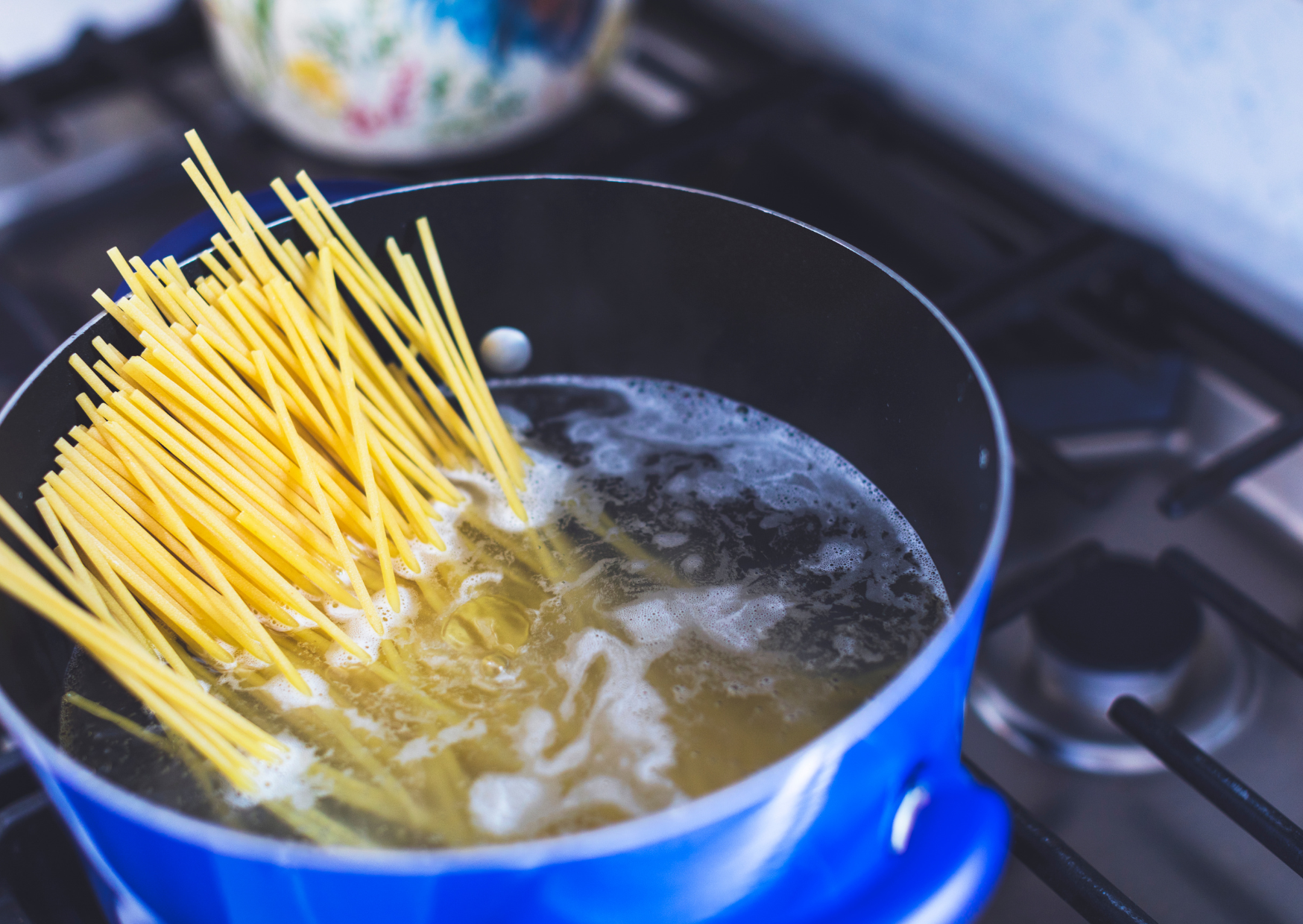
Most American cooks salt their pasta water inadequately. The standard American advice is “a generous pinch” or “a few teaspoons,” which produces water that is mildly seasoned and pasta that absorbs almost no salt during cooking.
Italian cooks salt the pasta water until it tastes distinctly salty, similar to lightly salted seawater. The standard Italian ratio is approximately 10 grams of salt per liter of water, which works out to about 1 tablespoon per quart. For a large pot of water (4 liters or 1 gallon), this is 40 grams of salt or about 4 tablespoons.
This sounds like a lot. It is. Most of the salt does not end up in the pasta because most of the water is drained away. What does end up in the pasta is the seasoning that comes from cooking in properly salted water, which is meaningfully different from cooking in lightly salted water and adding salt to the finished dish.
Pasta cooked in inadequately salted water tastes flat and requires aggressive seasoning of the sauce to compensate. Pasta cooked in properly salted water tastes good with simpler sauces and absorbs the sauce better.
The water should taste seasoned when you taste it with a clean spoon. If it tastes barely salty, add more salt.
2. Save The Pasta Water Before Draining
The starchy water that pasta cooks in is one of the most useful liquids in the Italian kitchen. Most American cooks pour it down the drain.
A cup or two of pasta water reserved before draining serves multiple functions in finishing the dish. It loosens sauces that are too thick. It binds oil-based sauces (aglio e olio, cacio e pepe) into a creamy coating. It thins overly reduced tomato sauces without diluting their flavor.
The starch from the pasta gives the water a slightly thickened, almost milky quality that ordinary water does not have. This starch is what allows pasta water to bind sauces in ways that adding regular water cannot.
The Italian kitchen treats pasta water as an active ingredient. Set a small ladle or measuring cup near the pot. Before draining, dip into the water and reserve at least a cup. Add to the sauce as needed during the final tossing step.
3. Finish The Pasta In The Sauce, Not On The Plate
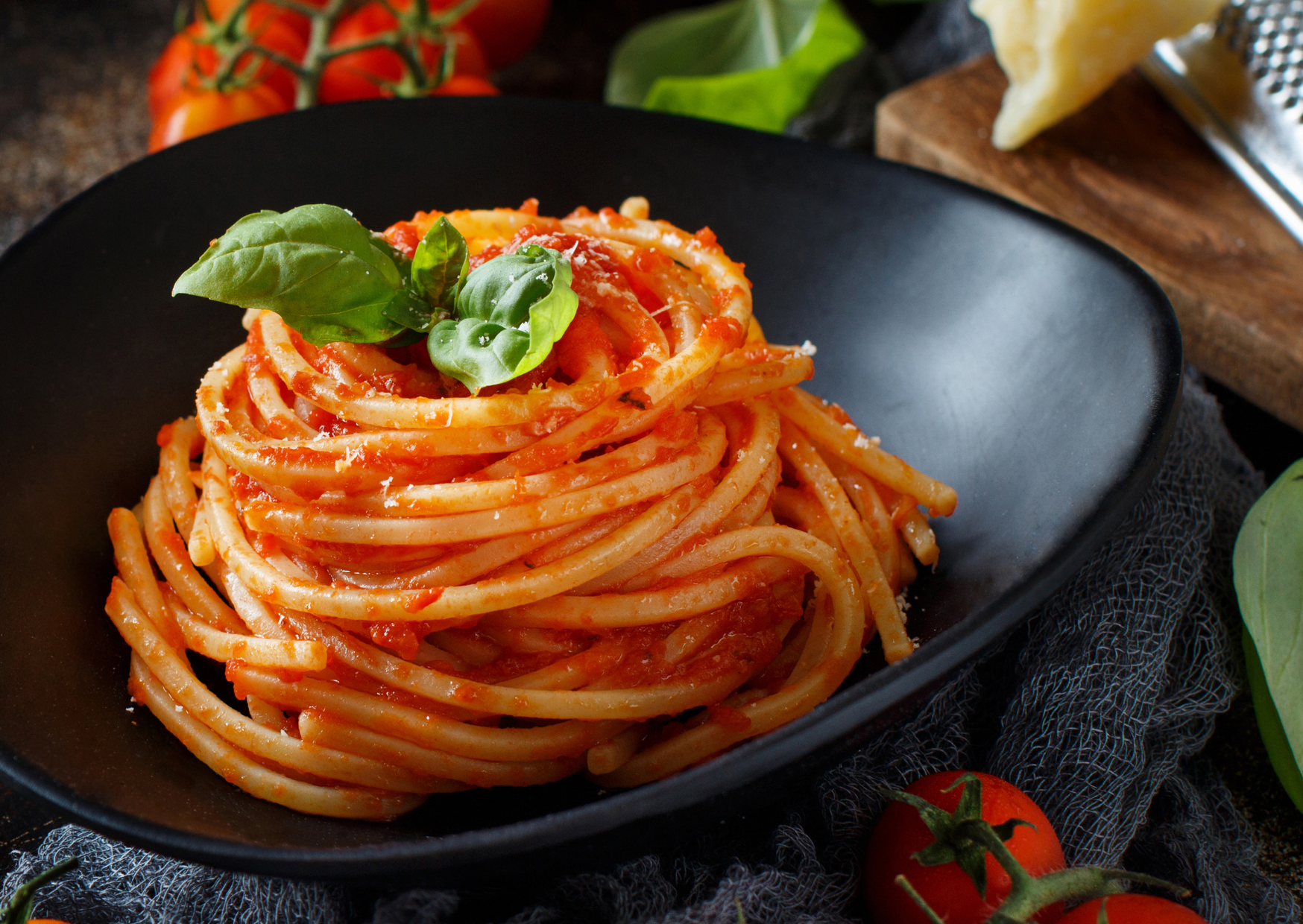
Most American home cooks drain the pasta and then plate it, ladling sauce on top. Italian cooks do something different. The drained pasta goes into the pan with the sauce, where the two finish cooking together for one to two minutes.
This finishing step accomplishes several things. The pasta absorbs sauce that it would not absorb if simply plated under the sauce. The sauce coats the pasta evenly rather than sitting on top. The starch from the pasta helps bind the sauce. The temperature evens out so the dish is uniformly hot.
The pan should be large enough to hold all the pasta and sauce together. A wide skillet or sauté pan works better than a deep pot for this step. The pasta should be drained slightly before fully cooked (about 1 minute under the package time) because it continues cooking during the finishing step.
This single change produces dramatic improvement in pasta dishes. The dish goes from “pasta with sauce on it” to “pasta integrated with sauce,” which is what Italian pasta is supposed to be.
4. Use Olive Oil Generously And Often
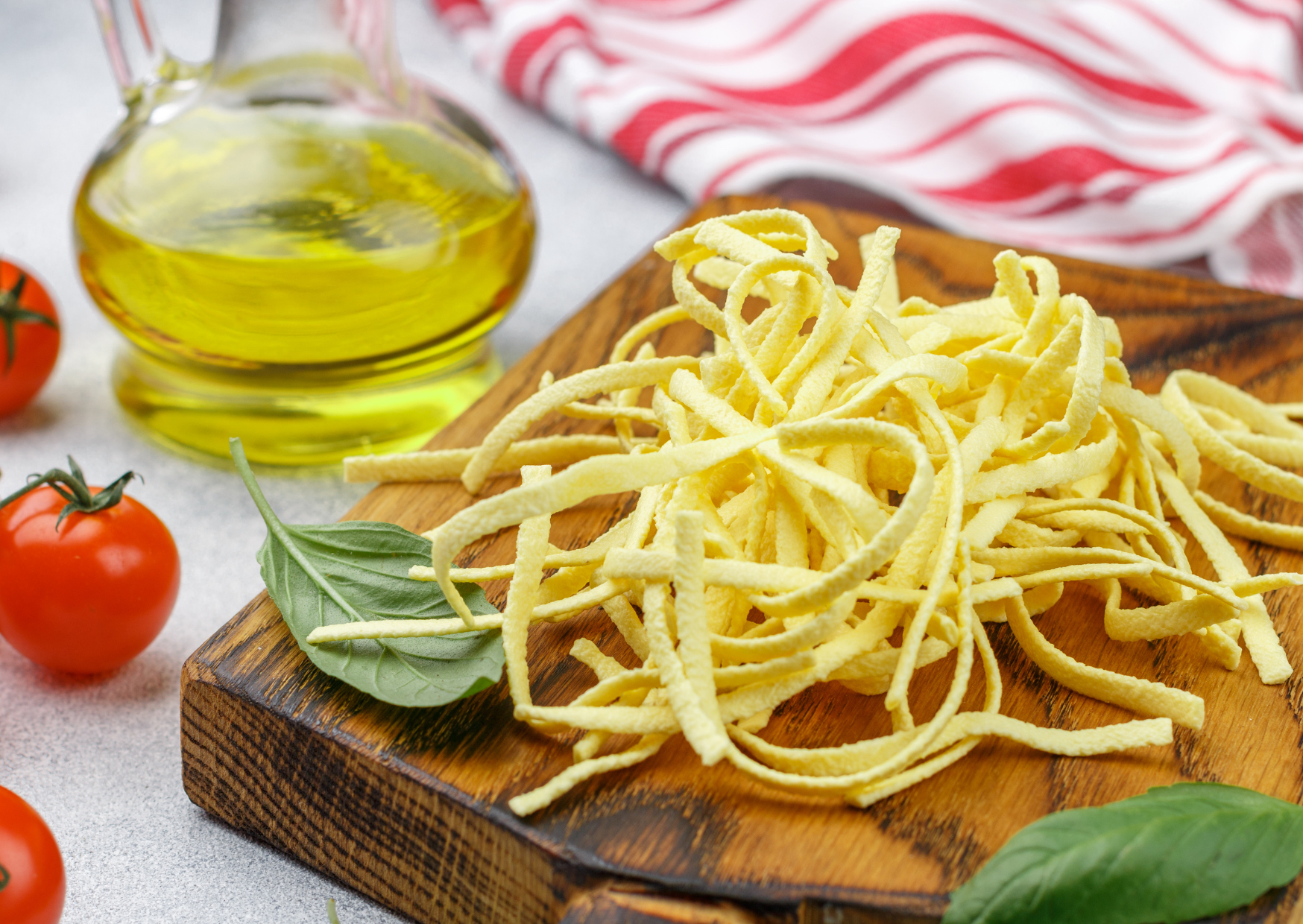
The Italian kitchen treats olive oil as a daily ingredient used in significant quantities, not as a luxury item used sparingly. Most American kitchens treat it the opposite way.
Italian cooks use olive oil for sautéing vegetables, finishing dishes, dressing salads, drizzling on bread, and integrating into virtually every savory preparation. The annual per-capita olive oil consumption in Italy is approximately 12 liters per person. The equivalent figure in the United States is approximately 1 liter per person.
The implication is that an Italian household uses 12 times the olive oil that an American household uses, and uses it across far more dishes and preparations. The olive oil is not a special touch. It is the working fat of the cuisine.
For Americans cooking Italian food, this means using more olive oil than American recipes typically call for, using it earlier in the cooking process (to sauté the soffrito or bloom the aromatics), and using it again at the end (drizzled over the finished dish). The olive oil bottle should be on the counter, not in the cabinet.
The quality matters but is less critical than the quantity. A decent supermarket extra virgin olive oil used generously produces better results than a luxury olive oil used sparingly.
5. Cut Vegetables For The Specific Dish
Italian cooks pay attention to how vegetables are cut for each dish. The same onion is sliced differently for soffritto than for a salad. The same zucchini is cut differently for pasta than for grilling. The cut affects the cooking time, the texture, and the integration with the rest of the dish.
Most American cooks have a default cut (medium dice for most things, standard slice for others) and apply it across most dishes. The Italian approach varies the cut deliberately based on what the dish requires.
For pasta sauces, vegetables are usually cut very small (fine dice or brunoise) so they integrate into the sauce rather than presenting as distinct chunks. For braises and stews, vegetables are cut larger so they hold their shape during long cooking. For salads, vegetables are cut to match the visual character of the dish.
The technique that supports this is having a sharp knife and using it. Italian home cooks generally have at least one sharp knife that they maintain regularly. American kitchens are notorious for having dull knives, which makes precise cutting tedious and discourages the kind of cutting variation Italian cooking benefits from.
6. Make Soffritto The Foundation Of Most Dishes
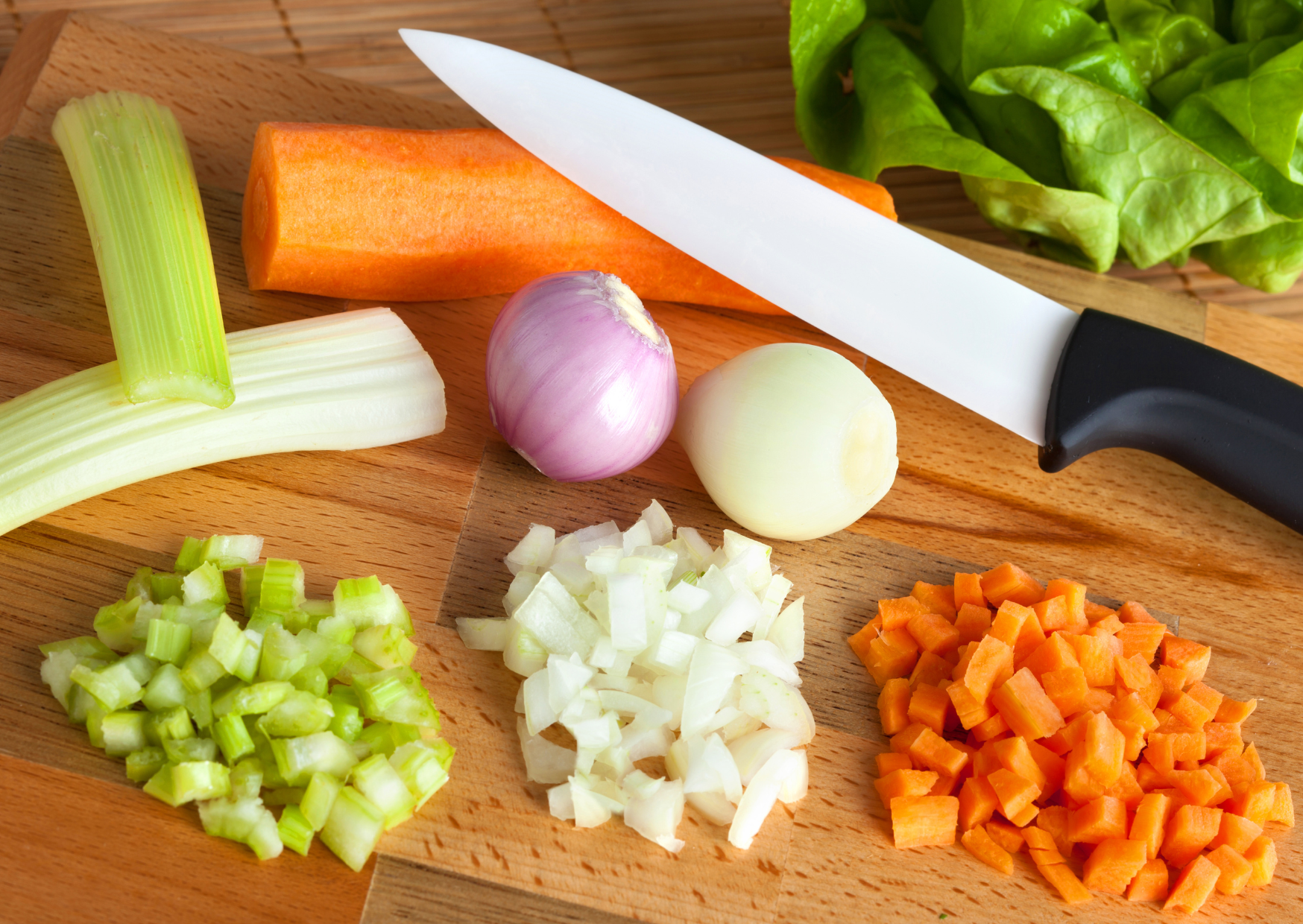
Soffritto is the Italian foundation of slowly cooked aromatics that begins many savory dishes. The standard combination is onion, carrot, and celery, finely diced and cooked in olive oil over medium-low heat for 10 to 15 minutes until soft, sweet, and almost translucent.
This is not a step American cooks usually take. The American shortcut is to brown onions briefly and then add other ingredients. The Italian foundation requires a full 10 to 15 minutes of slow cooking before anything else enters the pan.
The reason for the time is what happens during it. The vegetables release their water, then their sugars, then begin to integrate with the fat. The flavor develops from raw and sharp to sweet and deep. The soffritto is not adding vegetables to the dish. It is creating the flavor base of the dish.
Pasta sauces, braises, soups, risottos, and stews all benefit from a proper soffritto foundation. Skipping it or rushing it produces dishes that taste flatter and less developed.
The cook who builds 15 minutes of soffritto time into every relevant recipe will produce noticeably better results. The cook who tries to rush it will not.
7. Use Fresh Herbs At The End, Dried Herbs At The Start
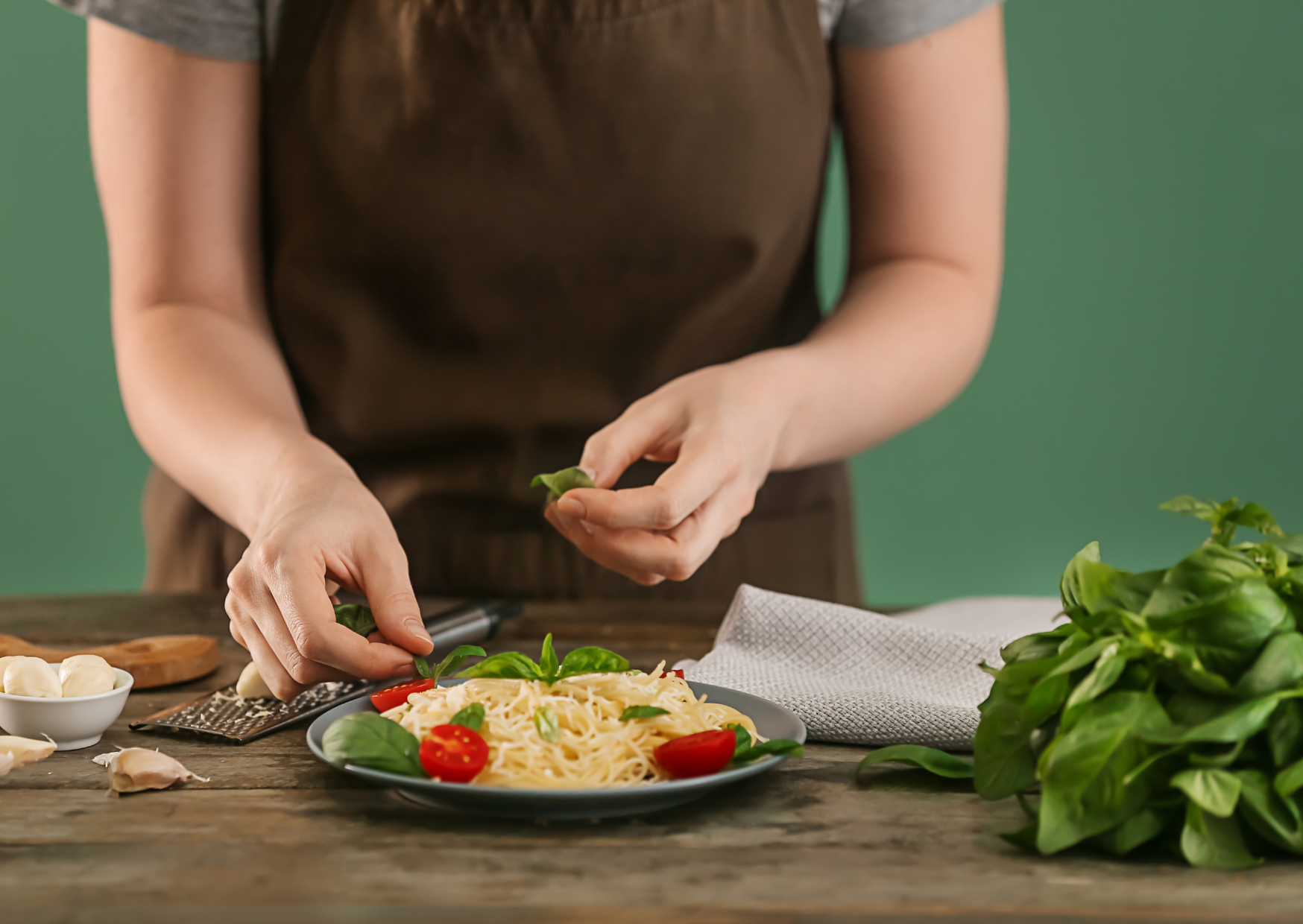
Italian cooks use both fresh and dried herbs but treat them as different ingredients with different functions.
Dried herbs (oregano, rosemary, thyme) go in early in the cooking process. They release their flavor slowly during cooking and become muted but integrated into the dish. Adding dried herbs at the end produces sharp, dusty flavor that does not integrate.
Fresh herbs (basil, parsley, mint) go in at the end. Their volatile oils dissipate quickly when heated, so adding them early loses most of their flavor. Adding them at the end preserves the bright, fresh quality.
This distinction is consistent across Italian cooking and across most Mediterranean cuisines. The American tendency is to use dried herbs interchangeably with fresh herbs and to add either at any point in the cooking. The Italian approach distinguishes between them and uses each at the right moment.
For a tomato sauce, the dried oregano goes in with the tomatoes at the start. The fresh basil goes in at the end. The two herbs do different jobs and are not substitutes.
8. Let Tomato Sauces Reduce, Not Just Simmer
Italian tomato sauces are typically cooked longer than American tomato sauces, with deliberate reduction rather than simple simmering.
A proper Italian tomato sauce starts with tomatoes (canned San Marzano, fresh, or passata), aromatics, and olive oil. It is then cooked uncovered, over medium-low heat, for 30 to 60 minutes. The cooking continues until the sauce has reduced to about two-thirds of its original volume and developed a deeper, slightly caramelized flavor.
The American shortcut of simmering for 15 to 20 minutes produces a thinner, sharper sauce. The Italian reduction produces a thicker, sweeter, more complex sauce that better complements pasta.
The reduction also concentrates the flavors. A sauce that started slightly under-seasoned becomes more flavorful as it reduces. A sauce that started bright and acidic becomes more rounded.
For sauces that will be served with long pasta (spaghetti, linguine), reduce until the sauce coats a spoon thickly. For sauces that will be served with short pasta (rigatoni, penne), reduce slightly less so the sauce can move into the pasta tubes.
9. Cook Garlic Carefully And Briefly
Italian cooks treat garlic with respect. Most American cooks do not.
The standard Italian approach to garlic in a pan is to add sliced or crushed garlic to warm (not hot) olive oil and cook gently for 30 seconds to 2 minutes, until fragrant and just beginning to color. The garlic is then either left in the dish (whole cloves to be removed later, or sliced cloves to be eaten) or removed entirely after flavoring the oil.
The American tendency is to cook garlic at high heat, which browns it quickly and produces bitter, harsh flavor. This is technically not garlic. It is burnt garlic, which is a different ingredient.
Garlic that is allowed to brown beyond light golden is failing. It will impart bitterness to the dish that no other ingredient can mask.
Some Italian preparations (aglio e olio, certain seafood sauces) use the garlic infusion approach, where whole or sliced garlic flavors the oil and is then removed. Others (most pasta sauces) keep the garlic in but only after very brief cooking.
The cook who pays attention to garlic temperature and timing produces meaningfully better Italian food. The cook who treats garlic as a robust ingredient that can handle high heat does not.
10. Eat Cheese With Specific Pairings, Not As A Universal Topping
Americans often treat Parmesan as a universal pasta topping, sprinkled on whatever dish arrives. Italians do not.
Specific Italian dishes are served with specific cheeses or with no cheese at all. Pasta with seafood is generally not served with cheese. Pasta with delicate vegetable preparations may not be served with cheese. Pasta with bold tomato or meat sauces is served with the appropriate cheese for that sauce.
The standard Italian rule is that cheese goes with what cheese complements, not on everything by default. Parmigiano Reggiano works with most red sauces and with butter-based dishes. Pecorino Romano is the right cheese for cacio e pepe and for many Lazio specialties. Ricotta salata is right for Sicilian dishes. Different cheeses for different dishes.
Asking for Parmesan on top of pasta with clams or pasta with anchovies in an Italian restaurant marks the diner as American. The combination is considered to clash, with the cheese overwhelming the seafood and producing a muddled flavor.
For home cooking, the question to ask is whether the specific dish calls for cheese, and if so, which one. The default of “Parmesan on everything” should be replaced with thought about what each dish needs.
11. Eat Pasta As A Course, Not As A Side Dish Or Meal Anchor
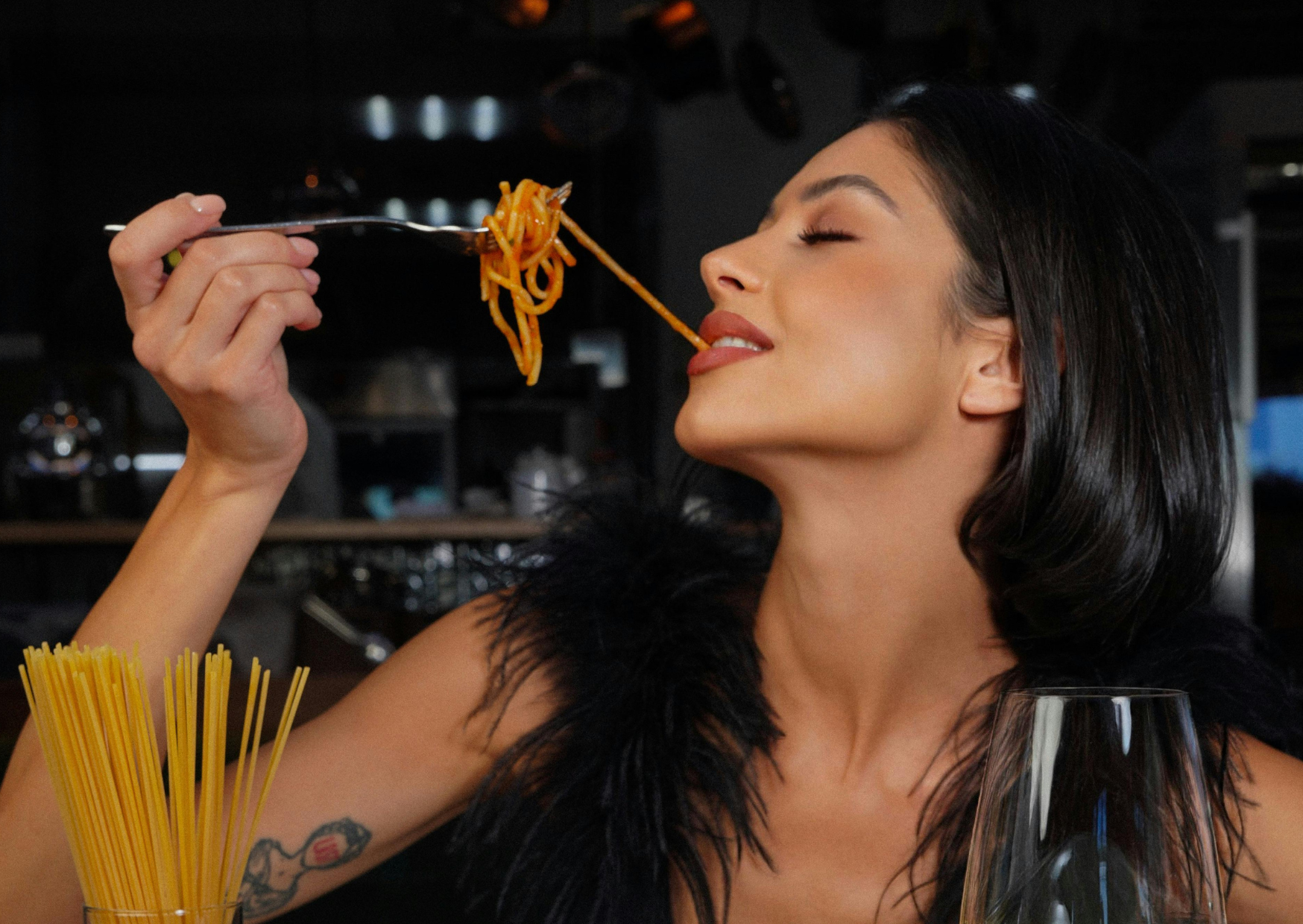
The structural difference between Italian and American eating habits shows up most clearly in how pasta is positioned in a meal.
In Italian eating, pasta is the primo, the first course. It is preceded by an antipasto (appetizer) and followed by a secondo (main protein course) and contorno (vegetable side). The pasta portion is moderate, around 80 to 100 grams of dry pasta per person, which produces a serving size meant to be one component of a multi-course meal.
In American eating, pasta is often the entire meal, served in portions of 200 to 250 grams of dry pasta per person. The American pasta dish is sized to be the meal, which is a different role than the Italian pasta course is sized for.
This affects how pasta is sauced. An Italian pasta course is sauced lightly because it is one of several dishes. An American pasta meal is sauced heavily because it is the entire meal. The lighter sauce of the Italian course allows the pasta itself to be tasted, which is part of why Italian pasta dishes seem to deliver more flavor per bite than American pasta dishes.
Adopting the Italian approach at home does not require always serving multi-course meals. It means thinking about pasta as a component of a meal rather than as the entire meal, sizing the portion accordingly (smaller), and saucing it accordingly (lighter). The accompanying salad, vegetable, or simple protein finishes the meal.
What These Habits Recognize
The eleven habits above are not exotic. They are the working practices of Italian home kitchens, embedded so deeply in Italian cooking culture that Italians do not think of them as habits. They are simply how cooking is done.
For Americans cooking Italian food, the habits are largely absent because American cookbook culture has not consistently transmitted them. The recipes describe what to cook, not always how Italian cooks would cook them. The habits are the operating framework that makes Italian recipes produce Italian results.
The cumulative effect of adopting these habits is significant. Pasta cooked in properly salted water, finished in the sauce, with reserved pasta water available for adjustment, served in moderate portions, with the right cheese for the dish, accompanied by a simple salad, with a soffritto-based sauce that has reduced properly, garnished with fresh herbs added at the end. This is Italian cooking. The American who cooks this way is cooking Italian food, not American interpretation of Italian food.
None of these habits require special equipment, expensive ingredients, or significant additional time. They require attention to the steps that the cookbook glides past. The cook who pays that attention produces better Italian food at home. The cook who skips them produces what most Americans produce: Italian-adjacent food that is technically following Italian recipes but not actually cooking Italian.
The Italian kitchen is not magic. It is a set of small habits applied consistently. Eleven of them are above. Adopting most of them changes what comes out of the kitchen.

About the Author: Ruben, co-founder of Gamintraveler.com since 2014, is a seasoned traveler from Spain who has explored over 100 countries since 2009. Known for his extensive travel adventures across South America, Europe, the US, Australia, New Zealand, Asia, and Africa, Ruben combines his passion for adventurous yet sustainable living with his love for cycling, highlighted by his remarkable 5-month bicycle journey from Spain to Norway. He currently resides in Spain, where he continues sharing his travel experiences with his partner, Rachel, and their son, Han.