
Last updated on July 29th, 2026 at 11:35 am
If you plan with the week, the week takes care of you.
What follows is a clean, practical account of a 60-day handover to a Portuguese grandmother playbook. It is not about vintage charm. It is about how simple food, precise timing, and ruthless repetition changed actual numbers on a lab report. I will give you the rules, the exact weekly rotation, the shopping list with prices, what changed on the scale and on paper, and the parts that were annoying. You do not need a grandma to do this. You need a calendar, a pot, and olive oil that tastes like something.
The ground rules set

Here are clean, laid out rules. Short, sharp, non-negotiable. The power here is the structure.
- Eat the clock, not the cravings. Light first breakfast at 7:30, real second breakfast at 10:30, lunch at 14:00, small merienda at 18:30 if hungry, dinner at 21:00 and lighter than lunch. Timing beats willpower.
- Two legumes, two fish, one poultry, one red meat, one “pantry pasta” per week. Hit the mix, repeat next week with different shapes. Repetition lowers costs and stress.
- Olive oil is the fat. Use extra virgin for finishing, regular olive oil for cooking. Butter is for pastry day only.
- Soup is not optional. A pot of caldo or sopa every Sunday feeds four times. Soup deletes accidents.
- Bread is a tool, not a meal. Buy good bread, freeze sliced, two slices a day max unless you walked far.
- Fruit is dessert. Sweet things exist, but fruit finishes most meals.
- Wine is with food or not at all. A small glass at lunch twice a week, not nightly.
- Move after lunch. Twenty minutes outside or in the stairwell. The walk is part of digestion.
- No label math. If a product advertises protein loudly, it is probably a snack in disguise. Buy eggs, sardines, beans.
- Weigh once a week, not daily. Let the routine work. Numbers follow habits.
I taped the list to the fridge and stopped negotiating with myself.
The 7-day rotation, exactly as we ran it
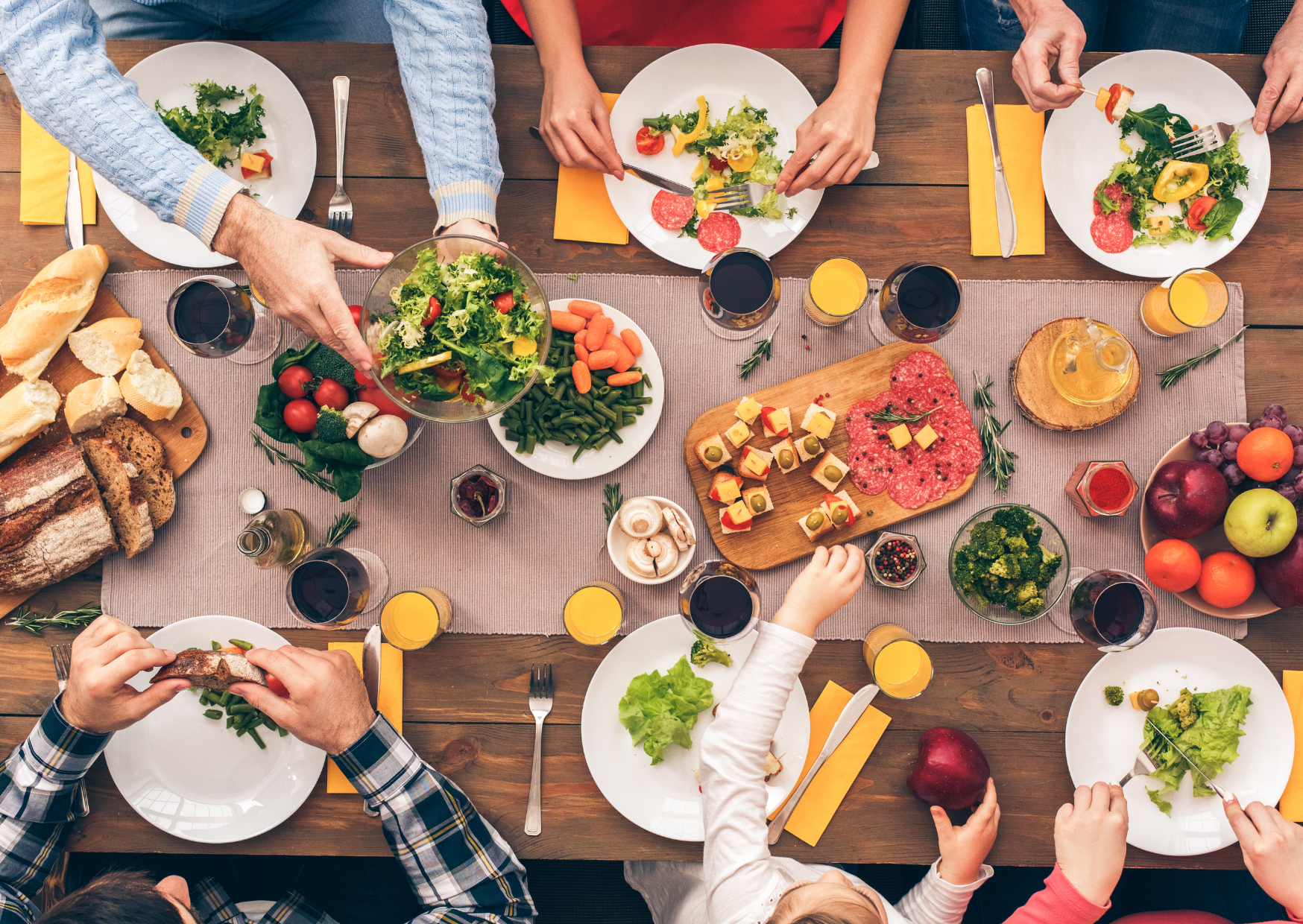
There was no guessing. This is a clear rotation and I stuck to it.
Monday, legumes and greens
- Lunch: Caldo verde with chouriço slices, whole-grain broa, orange.
- Dinner: Big salad with canned sardines in olive oil over boiled potatoes, onion, parsley, lemon.
- Why it works: Leafy soup plus oily fish is hunger control without drama.
Tuesday, fish on heat
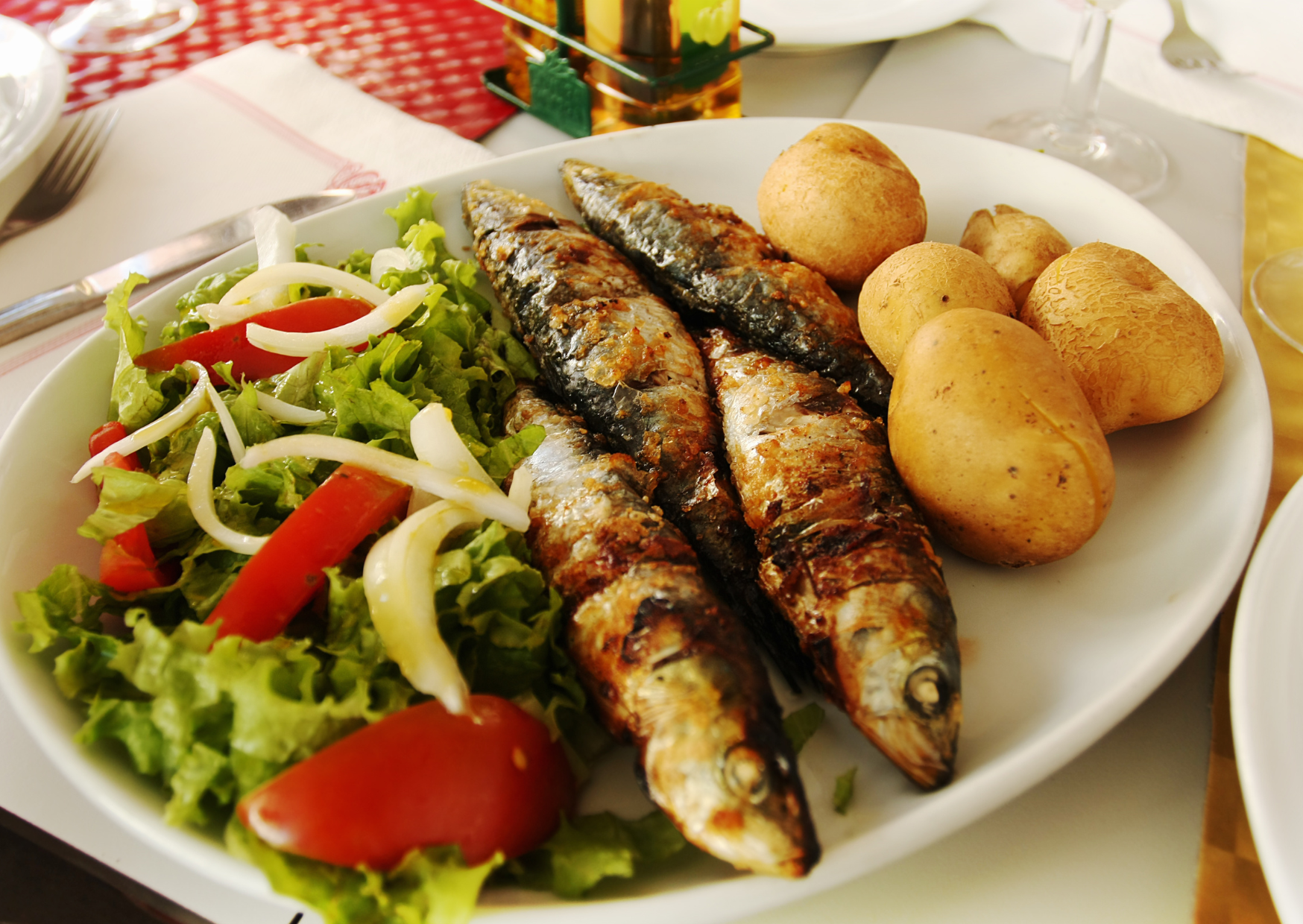
- Lunch: Grilled mackerel with boiled new potatoes, tomato salad, olive oil, vinegar.
- Dinner: Leftover mackerel flaked into tomato rice with peas.
- Why it works: One grill session, two meals.
Wednesday, poultry and beans
- Lunch: Chicken leg tray-bake with carrots, onions, garlic, bay, olive oil, served with white beans tossed with parsley.
- Dinner: Leftover chicken shredded into greens and beans.
- Why it works: Tray-bakes make protein effortless.
Thursday, legumes again
- Lunch: Feijoada light version, beans with greens and a small piece of pork for flavor, lots of cabbage.
- Dinner: Omelet with spinach, salad, bread.
- Why it works: Beans twice weekly changes satiety and the gut.
Friday, fish again
- Lunch: Bacalhau à Brás light, more egg and onion, less potato, olives on top.
- Dinner: Tuna and chickpea salad with parsley, lemon, olive oil.
- Why it works: Salt cod teaches portion control.
Saturday, pasta day
- Lunch: Pantry pasta with anchovy, garlic, chili, olive oil, parsley, grated hard cheese.
- Dinner: Leftover pasta warmed in a pan, side of cucumber and tomato.
- Why it works: One indulgence you structure.
Sunday, red meat in moderation
- Lunch: Bife de atum or a small beef picanha shared, huge salad, roasted peppers, potatoes.
- Dinner: Soup from the pot you made earlier, fruit, tea.
- Why it works: Sunday feels generous but lands light.
Remember: two fish, two legumes, one poultry, one red meat, one pasta. That single sentence keeps the week honest.
The soup that holds the week together
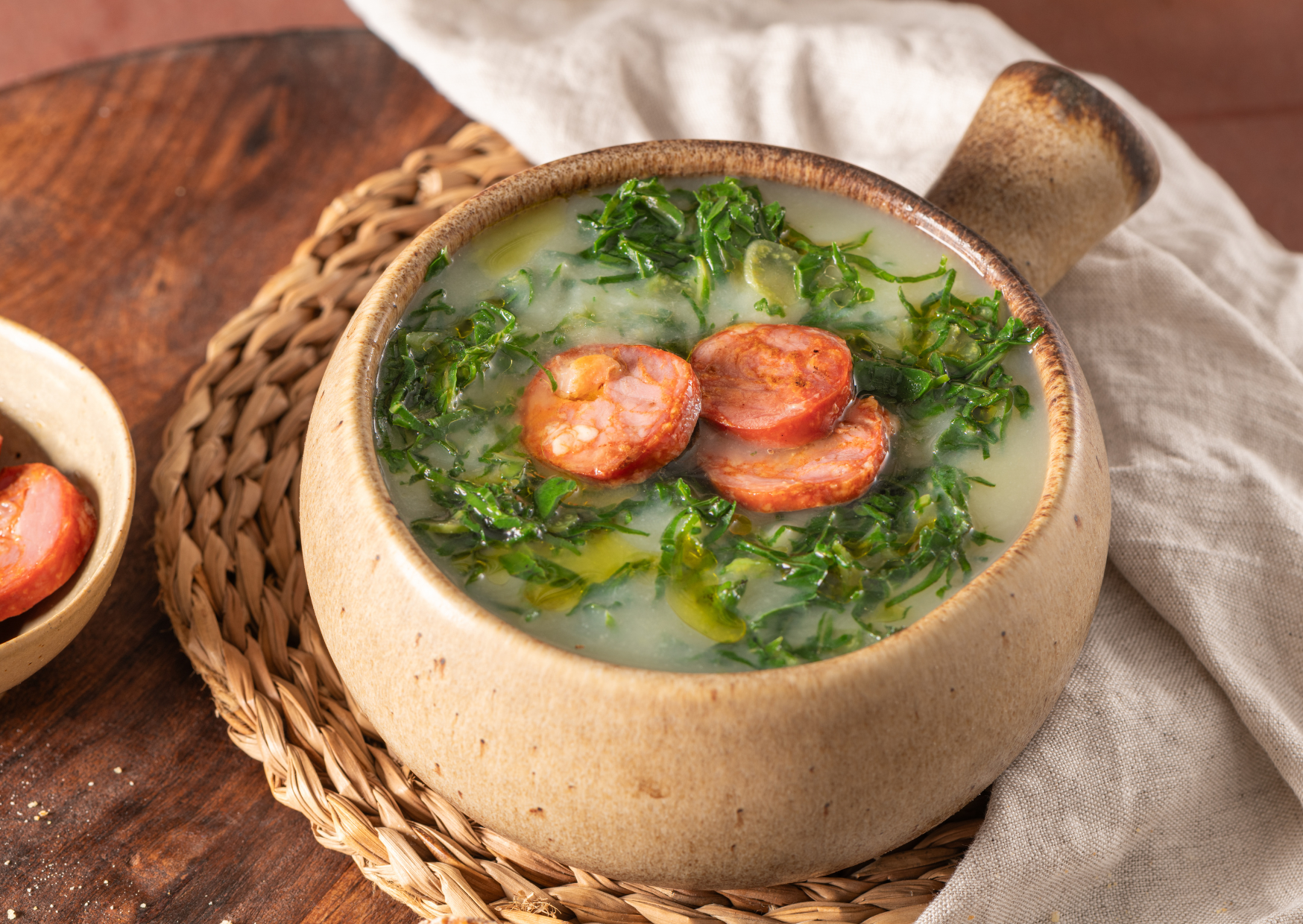
The soup would decide everything. Here is the simple pot that did most of the work.
Sopa de Legumes, the base pot
- Ingredients: 2 onions, 2 leeks, 3 carrots, 2 courgettes, half a cabbage, 1 celery rib, 1 potato, olive oil, salt, water.
- Method: Sweat chopped onions, leeks, carrots in olive oil with a pinch of salt until glossy. Add courgette, celery, potato, cover with water, simmer 25 minutes. Blend half the pot smooth, return to a simmer, add sliced cabbage, cook 6–8 minutes until tender. Finish with a thread of extra virgin olive oil.
- Yield: 8 bowls.
- Why it matters: Soup removes 400-calorie mistakes. It warms, fills, and resets.
On caldo verde days, swap the base for potatoes and kale, add a few slices of chouriço for flavor, not as a meat serving.
A grocery list with actual prices
Lisbon second-row prices, winter season, weekly average for two adults.
- Olive oil, extra virgin, 750 ml: €7.90, lasts two weeks
- Olive oil, regular, 1 L: €6.20, lasts two weeks
- Eggs, 12: €2.50
- Chicken legs, 1.2 kg: €4.80
- Mackerel or sardines, fresh, 1 kg: €6.50
- Bacalhau, 500 g de-salted: €6.90
- Canned sardines and tuna, 6 tins total: €6.60
- Beans and chickpeas, dried, 1 kg mixed: €2.60
- Bread, broa and country loaf: €3.40
- Vegetables and fruit (onions, leeks, kale, cabbage, carrots, tomatoes, peppers, oranges, bananas, lemons, parsley): €16.00
- Rice and pasta, 1 kg combined: €1.90
- Cheese hard wedge: €3.80
- Small piece of chouriço for soup flavor: €1.50
Weekly food total: roughly €65–€75 for the core, plus €8–€12 for coffee, yogurt, and odds. Call it €80–€85. The cost never exploded because the plan never changed. You repeat, you win.
The results that made a grown doctor smile
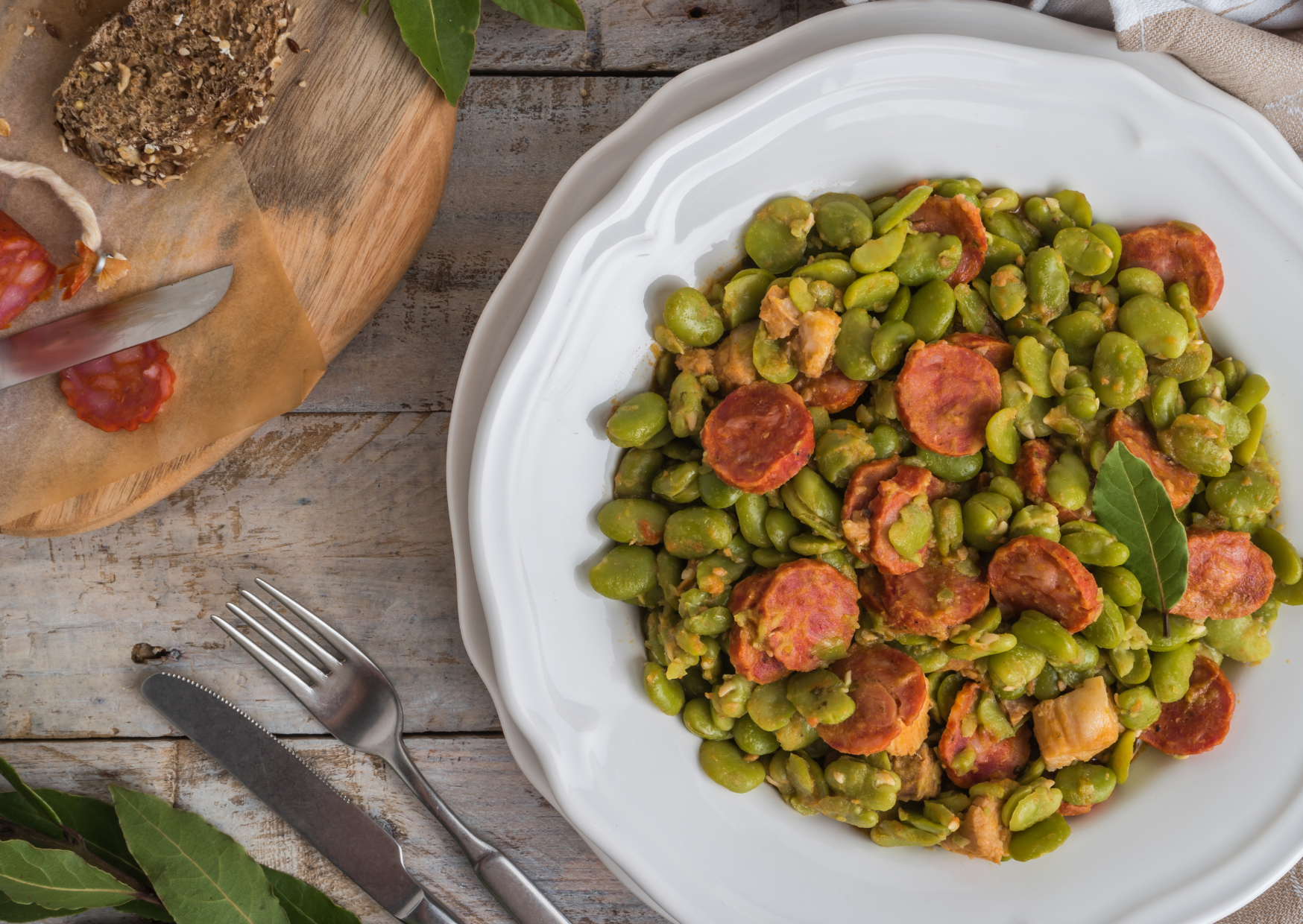
I ran labs before day one and again in week nine. The changes were boring and real. Food, not supplements.
- Weight: down 6.3 kg in 60 days
- Waist: down 6 cm
- Blood pressure: from 134/84 to 122/78 average week 8
- Fasting glucose: 96 mg/dL to 87 mg/dL
- HbA1c: 5.9% to 5.5%
- Triglycerides: 186 mg/dL to 144 mg/dL
- HDL: 44 mg/dL to 52 mg/dL
- LDL (calc): 141 mg/dL to 117 mg/dL
- hs-CRP: 2.8 mg/L to 1.6 mg/L
The cardiologist did not care about the romance of soup. He cared that olive oil replaced seed-oil snacks, that fish and legumes replaced charcuterie lunches, and that timed eating stopped the 11:30 crash. He circled three words on the sheet: “lower triglycerides, higher HDL.” That was the point.
Why this worked without feeling like a diet
Three mechanisms did most of the heavy lifting.
- Sequence and timing. Light 7:30 intake, protein at 10:30, real lunch at 14:00, predictable dinner. Stable blood sugar lowers chaos.
- Protein and fiber from food, not bars. Sardines, eggs, beans, chicken legs, fish with bones and skin, greens in soup. Satiety arrived early and stayed.
- Olive oil as the default fat. Cooking oil and finishing oil were both olive. Less snack hunger, better lipids.
You can do tricks with macros. Or you can cook like a Portuguese grandmother and let the math handle itself.
The second-breakfast plates that changed the mornings
Desayuno 2 at 10:30 saved the day. Rotate these and stop thinking about it.
- Tostada with tomato, olive oil, and a thin slice of presunto
- Omelet with mushrooms and parsley, two slices of bread
- Yogurt, nuts, and orange segments
- Leftover fish on boiled potatoes with lemon and oil
- Tuna and chickpea scoop on toast
Remember: protein plus olive oil plus a little starch carries you cleanly to lunch.
The parts that were annoying
Markets open when they open, and you learn to shop Thursday or Saturday morning. Salt cod needs planning. If you hate fish smells, you need a pan that lives with that reality. Late dinner exists. You adapt by shrinking dinner and leaning on soup.
Also, there is no dopamine hit from “new recipe night” three times a week. This is repetition on purpose. If you need novelty, change the herb, the vinegar, the bread. Not the skeleton.
What changed in the kitchen
I bought one heavy pan, one good pot, and a sharp knife. I stopped buying gadgets. I started salting early, tasting all the time, finishing with oil and acid. I learned to boil potatoes properly and to leave tomatoes out of the fridge. The kitchen slowed down and the food got better. Dinner took twenty minutes on weeknights because lunch did most of the nutrient work.
Cost comparison that humbles American meal plans
Two months of this came in around €640–€680 for food at home plus normal lunches out. Back in the States, the “healthy” grocery cart that looked like a wellness podcast was hitting $150 a week for two people and didn’t include fish of any substance. The Portuguese cart was cheaper, denser, calmer. Real food at market rhythm beats branded snacks.
A precise 7-day starter plan you can copy tomorrow
Sunday prep
- Make the soup pot and chill half.
- Boil a kilo of small potatoes, skin on, chill.
- Cook chickpeas or open tins, toss with olive oil and lemon.
- Grill or roast mackerel for two meals.
- Slice and freeze good bread.
Mon
- 10:30: yogurt, nuts, orange.
- Lunch: caldo verde, bread, orange.
- Dinner: sardines on potatoes, tomato, parsley, lemon.
Tue
- 10:30: omelet with mushrooms and toast.
- Lunch: grilled mackerel, tomato salad.
- Dinner: tomato rice with flaked mackerel.
Wed
- 10:30: tostada with tomato and presunto.
- Lunch: chicken legs tray-bake, white beans.
- Dinner: greens and beans with shredded chicken.
Thu
- 10:30: tuna and chickpeas on toast.
- Lunch: light feijoada with cabbage.
- Dinner: spinach omelet, salad, bread.
Fri
- 10:30: yogurt, nuts, fruit.
- Lunch: bacalhau à Brás light.
- Dinner: tuna and chickpea salad, lemon.
Sat
- 10:30: leftover fish on boiled potatoes.
- Lunch: pantry pasta with anchovy, garlic, chili, parsley.
- Dinner: leftover pasta, cucumber and tomato.
Sun
- 10:30: tostada with tomato and olive oil.
- Lunch: small grilled steak or tuna steak shared, big salad, roasted peppers, potatoes.
- Dinner: soup, fruit, tea.
The walking rule that makes lunch do its job
Twenty minutes. Not “steps,” not fitness theater. A real walk through real air. Digestion improved. Afternoon coffee shrank. The walk is part of the meal. Treat it that way and your day changes shape.
What I thought I needed that I did not
Protein bars, almond flour everything, complicated coffee rituals, daily multivitamins in a plastic tower, three kinds of vinegar, four “healthy” cereals, and the belief that dessert must be earned. I needed eggs, beans, sardines, greens, potatoes, bread, oranges, olive oil. And a pot.
Troubleshooting common American failures
- You are starving at 11:00. You skipped the 10:30 plate or made it sweet. Fix it with protein at 10:30.
- Your triglycerides did not budge. You are still snacking at night or pouring wine with Netflix. Cut the after-dinner eating and keep wine to lunch twice weekly.
- You feel bloated. You went from zero beans to two bean meals. Soak and rinse well, start with one legume day, not two, for the first fortnight.
- You miss dessert. Fruit after meals works. If you want pastry, make Saturday pastry day and enjoy it with a long walk.
I used to think results came from novelty. New plans, new powders, new hacks. Then two months of a grandmother’s rotation moved eight different biomarkers in the right direction while I stopped thinking about food all day. I also thought I needed breakfast to be large. That was pride. Small early, real mid-morning erased the 11:30 crash and made lunch feel like a reward instead of a rescue. I am less romantic about superfoods now and more loyal to anchovies, beans, and oranges.
What To Remember
- Plan the week once, then repeat it until your blood work moves.
- Two fish days and two legume days change hunger and lipids.
- Soup every week deletes 400-calorie mistakes.
- Olive oil is the default fat, not a garnish.
- Small early, real at 10:30 keeps the day quiet.
You can do this without a Portuguese grandmother. Follow the rules, cook the rotation, walk after lunch, and let the calendar do the heavy lifting. If your next lab sheet comes back with lower triglycerides and higher HDL, you will understand why she smiled at my receipt and said, “Now you’re buying food.”

About the Author: Ruben, co-founder of Gamintraveler.com since 2014, is a seasoned traveler from Spain who has explored over 100 countries since 2009. Known for his extensive travel adventures across South America, Europe, the US, Australia, New Zealand, Asia, and Africa, Ruben combines his passion for adventurous yet sustainable living with his love for cycling, highlighted by his remarkable 5-month bicycle journey from Spain to Norway. He currently resides in Spain, where he continues sharing his travel experiences with his partner, Rachel, and their son, Han.