
Open a wedge of authentic Parmigiano Reggiano, look at the rind, find the ingredient list. There isn’t one. The ingredients are the cheese, and the cheese is milk, salt, and rennet. That’s it. Three things, one of which is salt and another of which is the enzyme that makes milk into cheese. Functionally, the ingredient is milk.
Open a package of American processed cheese, of the kind sold in slices wrapped in plastic at every US supermarket, and the ingredient list runs to fourteen items or more. Milk is one of them, somewhere in the middle. The rest are emulsifiers, preservatives, color additives, salt, whey protein concentrate, milk protein concentrate, sodium phosphate, sodium citrate, sorbic acid, lactic acid, annatto extract, paprika extract, and several variations on the theme of “stabilizer.”
These are not the same product. They are not even the same category of product. Real Parmigiano is cheese. American processed cheese is a food-engineering output that uses cheese as a starting ingredient and then adds enough industrial chemistry to produce a stable, predictable, melt-uniform, shelf-stable slice. The two products do different things in the body, and over years of consumption the difference compounds in ways the American consumer is not generally informed about.
This piece is about what those fourteen ingredients are doing, why they’re there, what real cheese does instead, and what the cumulative effect looks like for an American who has eaten the processed version for decades and switches to the real version for the first time.
What’s Actually In The American Slice

The Kraft Singles ingredient list, as a representative example of mainstream American processed cheese, runs roughly:
Milk, whey, milk protein concentrate, milk fat, sodium citrate, calcium phosphate, salt, lactic acid, sorbic acid as preservative, sodium phosphate, artificial color, enzymes, vitamin D3, cheese culture.
This is fourteen ingredients, which is the count when you treat “cheese culture” and “enzymes” as single line items even though each contains multiple components. The other major American processed cheese brands have similar lists with minor variations.
Most of these ingredients are not flavor ingredients. They are functional ingredients that solve specific industrial problems.
Sodium citrate and sodium phosphate are emulsifying salts that prevent the fat from separating from the protein. Without them, melted American cheese would split into oil and curd. The emulsifiers hold the structure together.
Calcium phosphate is a calcium fortifier and pH regulator. It also prevents the cheese from becoming too acidic or too crumbly during storage.
Sorbic acid is a preservative that prevents mold growth. Real cheese develops natural rind protection through aging. Processed cheese, with its high moisture content and disrupted protein structure, requires chemical preservation.
Lactic acid is a pH adjuster that approximates the acidic flavor that aged cheese develops naturally. Without it, the processed cheese would taste flat.
Artificial color (typically annatto and paprika extract) produces the orange color that American consumers associate with cheese. Real American cheddar can be naturally pale yellow or orange depending on the milk source and cow diet. Processed cheese is colored uniformly to match consumer expectations.
Whey and milk protein concentrate are dairy byproducts added to bulk up the protein content while keeping the cheese mass at the desired consistency. They are cheaper than using more whole milk.
Cheese culture and enzymes are added to provide some of the flavor compounds that aged cheese develops naturally. The processed product has not had time to develop these compounds itself, so they are added.
The combination produces a slice that melts evenly, slices uniformly, lasts months refrigerated, costs less per pound than aged cheese, and tastes broadly cheese-like to the American palate. The product is engineered for industrial efficiency, not for nutritional density or for the specific sensory experience of cheese.
What’s In The Parmigiano
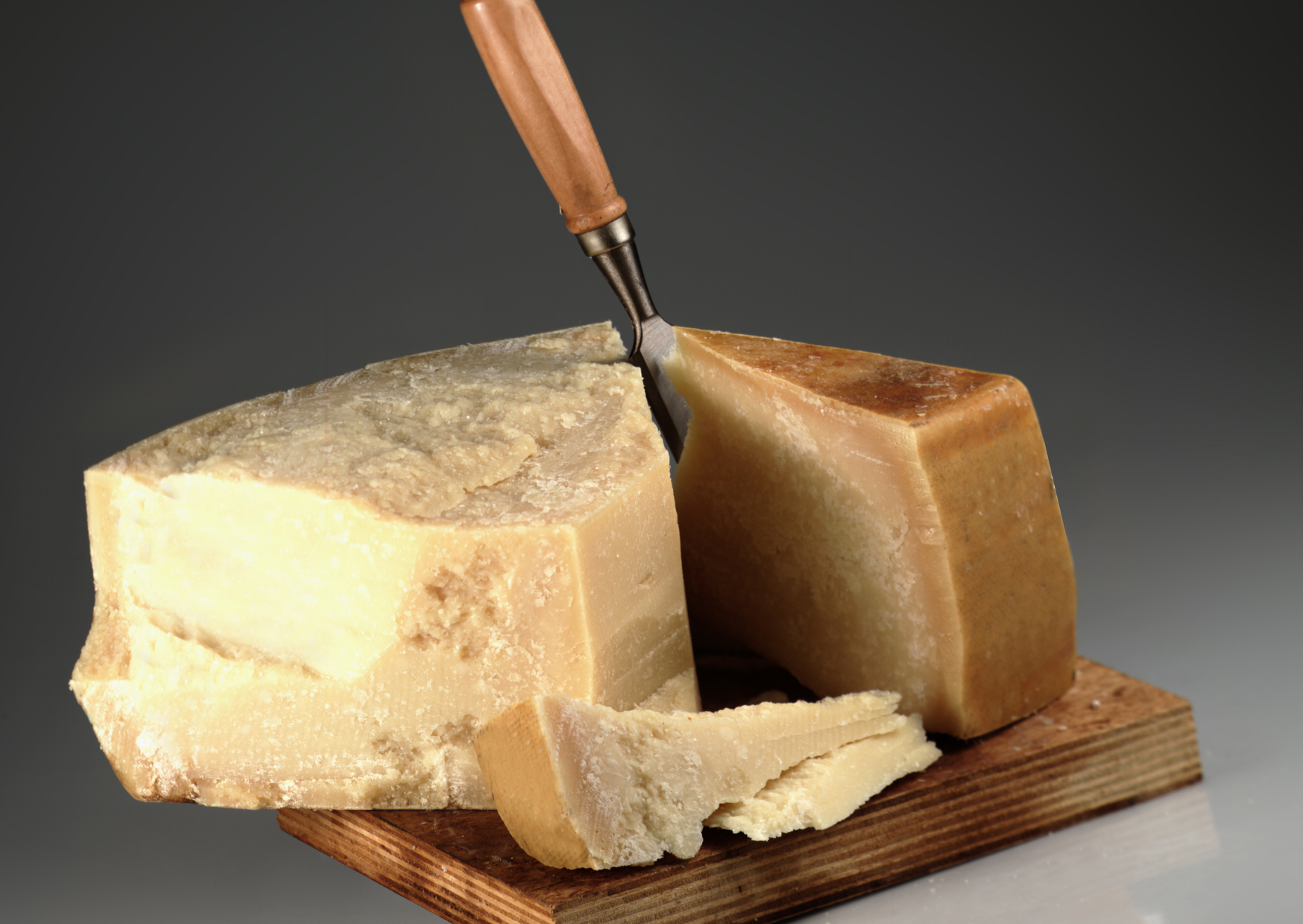
The European Parmigiano Reggiano DOP regulation specifies, with legal force, what can and cannot go into the cheese.
The permitted ingredients are: cow’s milk, salt, and calf rennet. That is the entire list.
The prohibited ingredients include: any artificial coloring, any preservatives, any thickeners, any emulsifiers, any pasteurized milk, any milk from cows fed silage, any milk from cows fed processed feed, any milk from cows treated with rBST or other growth hormones.
The cows that produce Parmigiano milk must be fed a diet of grass, hay, and certain permitted forages. They cannot be fed silage, fermented feed, or most processed feed concentrates. They cannot be treated with rBST. The milk must be raw and used within hours of milking.
The cheese is aged for a minimum of 12 months and typically 24 to 36 months for the standard product. Higher grades age 48 months or longer. The aging is what produces the flavor, and the absence of additives is possible because the aging develops complex flavor compounds naturally.
The result is a cheese that has been made the same way for over 800 years, with industrial-era refinements but no industrial-era additives. The ingredient list is enforceable by EU law, monitored by the Consorzio del Formaggio Parmigiano Reggiano, and verified by the DOP certification stamp branded into every wheel.
Why The American Version Has Fourteen Ingredients
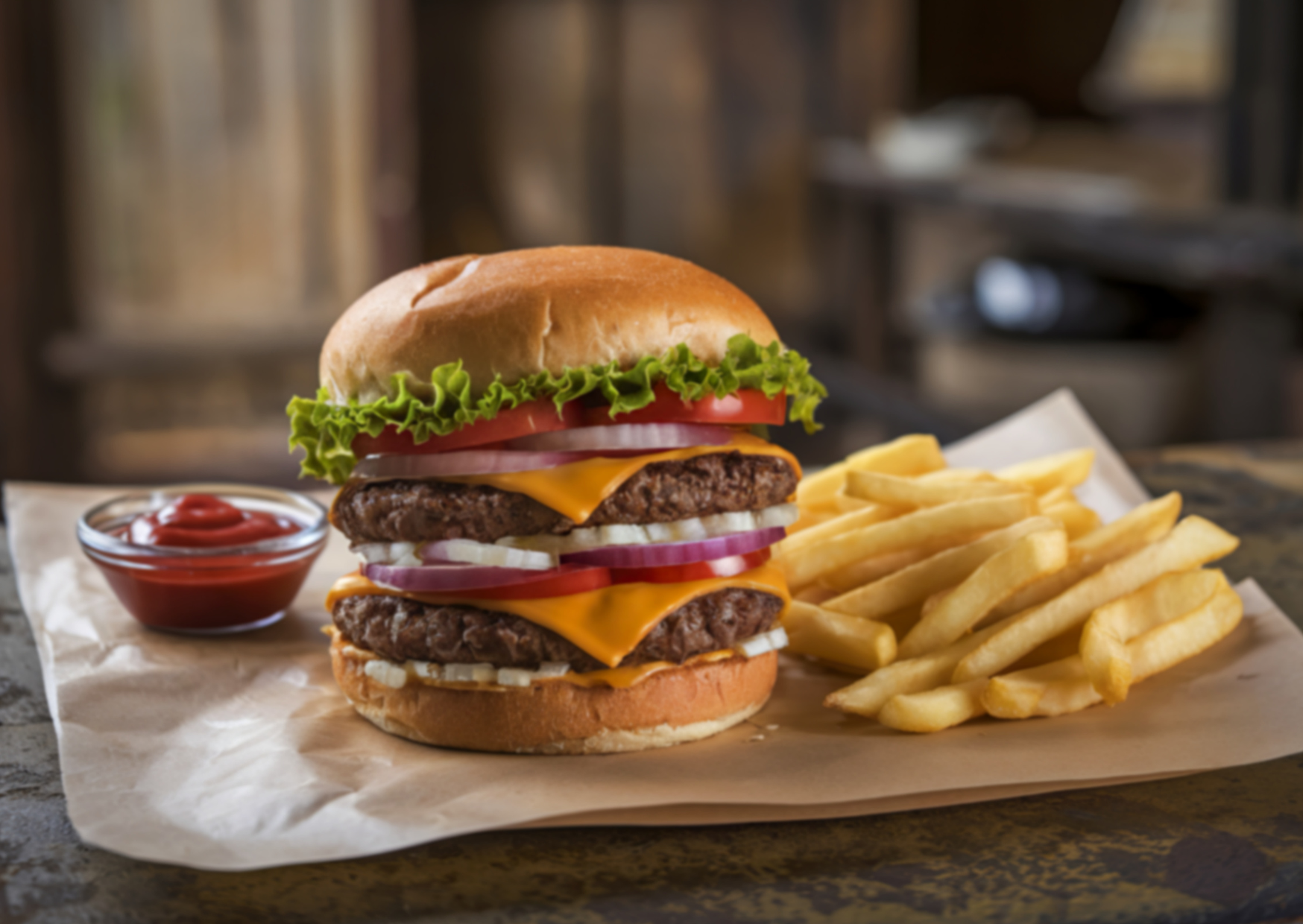
The fourteen ingredients in American processed cheese exist because of the specific industrial structure of American cheese production.
American mass-market cheese production prioritizes scale, shelf stability, predictable behavior in cooking applications (especially burgers and grilled cheese), uniform appearance, and low per-unit cost. These priorities are inherently in tension with the priorities that produce real aged cheese, which prioritizes flavor development, regional specificity, and the slower production cycles that aging requires.
To meet the scale and stability requirements, American processed cheese starts with a base that is typically a blend of younger cheeses (often cheddar of various ages, sometimes Colby or other mild cheeses), then adds the functional ingredients needed to make the blend behave like a single uniform product.
The emulsifiers are not optional within this production model. Without them, the blended cheeses would have inconsistent melting behavior, and the product would not perform reliably in the applications it is designed for.
The preservatives are not optional within this production model. The high moisture content and disrupted protein structure produced by the blending and emulsifying processes create conditions favorable to spoilage. Without preservatives, the shelf life would be days rather than months.
The added flavor compounds are not optional within this production model. The blending process dilutes the flavor of the source cheeses, and the rapid production timeline does not allow for natural flavor development. The added cultures and enzymes approximate the flavor profile that aging would have produced.
In other words, the fourteen-ingredient list is the necessary cost of producing cheese on the American industrial model. Removing any of the ingredients would require changing the production model, and the production model is what makes the product cheap and shelf-stable.
The European model produces a different product because it operates on a different industrial logic. The Parmigiano consortium has prioritized regional protection, traditional methods, and quality differentiation over scale and price. The result is a cheese that costs roughly 30 to 45 dollars per kilogram retail and ages for two to three years before sale, but contains nothing beyond milk, salt, and rennet.
The two industries have made different trade-offs. The American consumer pays less and gets a product with fourteen ingredients. The European consumer pays more and gets a product with one functional ingredient.
What These Ingredients Do In The Body
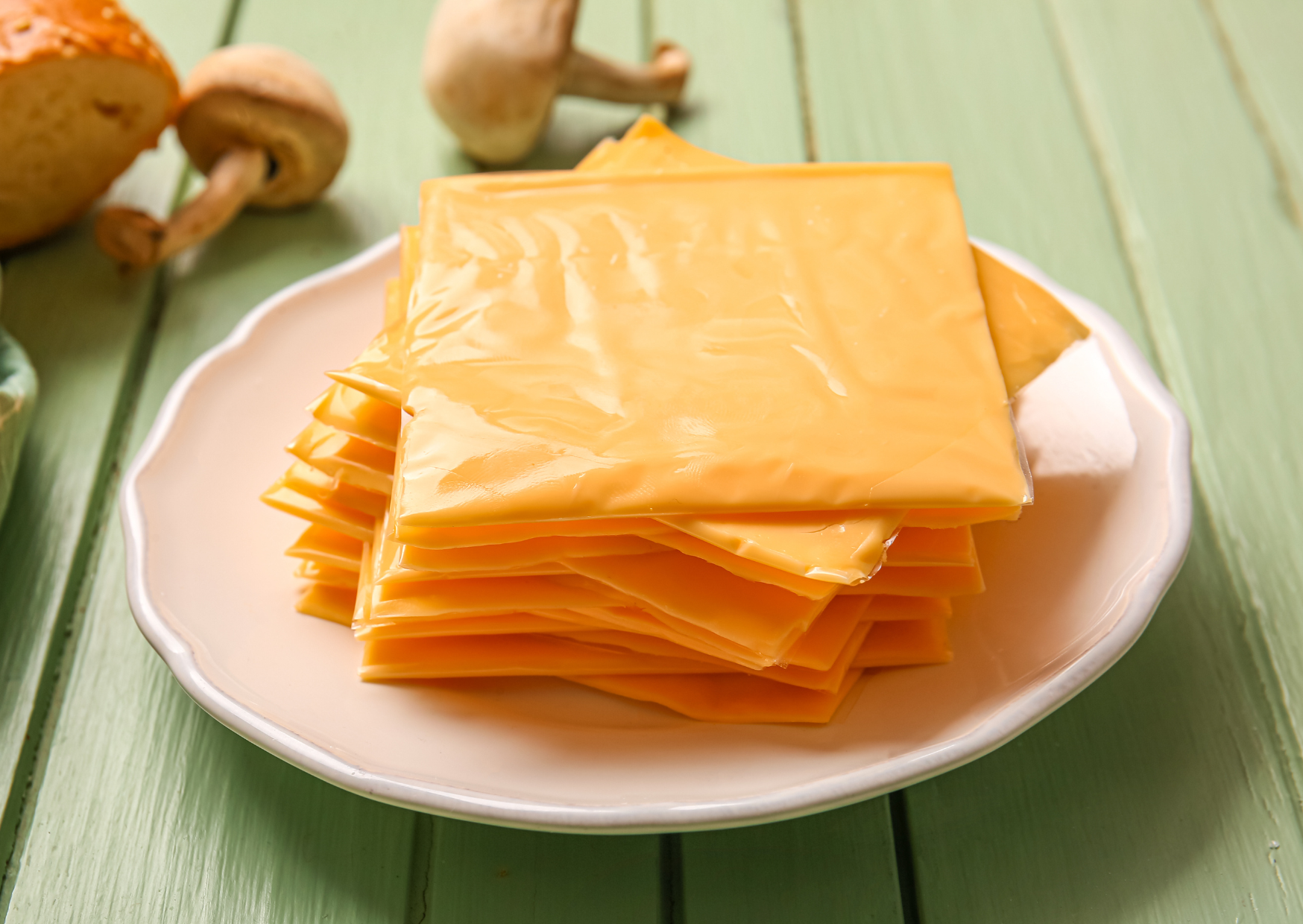
The cumulative effect of consuming the additives in American processed cheese over years is the part that consumer-facing food writing tends to skirt. The research base is uneven, but the documented effects are worth describing accurately.
Sodium phosphate is one of the most-studied additives, and the research is unflattering. Phosphate additives in processed foods are absorbed at much higher rates than the natural phosphate in whole foods, and the cumulative phosphate load has been linked to kidney function decline, cardiovascular changes, and bone metabolism issues in heavy consumers of processed foods. The European Food Safety Authority has reviewed phosphate additives multiple times and has tightened the permitted levels in EU foods. The FDA has not made similar adjustments.
Sodium citrate, while generally regarded as safe, is one of the major contributors to the sodium content of American processed cheese. The total sodium load from a serving of American processed cheese is significantly higher than the sodium load from the equivalent serving of natural cheese, partly because of the citrate emulsifier.
Sorbic acid is generally considered safe in the amounts used, but cumulative exposure across the heavily-processed American food supply has been flagged in some research as potentially affecting gut microbiome composition.
Artificial colorings, even when individually approved, contribute to the overall additive load of the diet. The European regulatory approach to food colorings has been to restrict them more aggressively than the US approach, partly because of European concern about the cumulative effect of multiple color additives consumed across many foods.
The emulsifiers more broadly have been the subject of increasing research attention since 2015, with multiple studies suggesting that emulsifiers in processed foods may disrupt the gut microbiome, increase intestinal permeability, and contribute to chronic inflammation. The research is not conclusive but the signal is consistent enough that European regulators have tightened emulsifier rules and US regulators have not.
The ultra-processed nature of the product itself is a separate concern beyond any individual additive. The 2019 NIH-funded study that compared ultra-processed and minimally-processed diets in tightly controlled conditions found that subjects on the ultra-processed diet consumed roughly 500 calories more per day on average than the same subjects on the minimally-processed diet, with the same available calories presented in both diets. American processed cheese is a textbook ultra-processed food, and its place in the typical American diet is part of the broader ultra-processed food load that affects appetite regulation, metabolic health, and weight management over years.
What Real Cheese Does Instead

Real aged cheese has metabolic effects that are different from processed cheese, and the differences are not just the absence of additives.
The protein structure is different. Aged cheese has been broken down by enzymes during the aging process, with proteins partially digested into amino acids and small peptides before consumption. This makes aged cheese easier to digest than fresh dairy or processed cheese for many people. Lactose-intolerant individuals can often eat aged Parmigiano even when they cannot eat younger cheeses or fresh dairy, because the aging process essentially removes the lactose.
The fat structure is different. The fat globules in aged cheese have been processed by the cheese-making bacteria and the aging environment, producing a different lipid profile than fresh dairy fat. The fatty acid composition reflects the cow’s diet, and Parmigiano cows on grass-and-hay diets produce milk with a different fatty acid profile than confined-feed dairy cows.
The bioavailable calcium is different. Aged cheese provides calcium in a form that is easily absorbed by the digestive system. Processed cheese with added calcium fortifiers provides calcium in less bioavailable forms.
The bacterial content is different. Real aged cheese contains living bacterial cultures that contribute to gut microbiome diversity. Processed cheese has been heat-treated and chemically stabilized in ways that eliminate or minimize the live cultures.
The sodium load is different. A serving of aged Parmigiano has roughly 30 to 40 percent of the sodium of a serving of American processed cheese, despite both products tasting salty. The sodium in real cheese is integrated into the protein structure rather than added as separate compounds.
The cumulative effect of these differences, when an American switches from processed cheese to real cheese as the dominant cheese category in their diet, includes improved digestion (especially for those who had assumed they had lactose intolerance), reduced sodium intake at equivalent flavor satisfaction, more diverse gut microbiome inputs, and the metabolic effects of consuming a minimally processed food rather than an ultra-processed one.
These changes do not happen overnight. The timeline for noticeable effects, based on consistent reports from Americans who have made the switch, is two to four months for digestive changes, six to twelve months for metabolic adaptation, and two or more years for the cumulative effect on chronic conditions associated with ultra-processed diets.
The Italian Eating Pattern

The structural difference in the cheese supply is reinforced by structural differences in how Italians eat cheese versus how Americans eat cheese.
The Italian consumption of Parmigiano is relatively small per meal but distributed across many meals. Grated over pasta. Shaved over salad. Cubed with fruit at the end of a meal. The cheese is a flavor-dense ingredient used in moderate quantities, not a bulk ingredient used in heavy quantities.
The American consumption of processed cheese is the opposite. Slices on a sandwich. Melted on a burger. In a grilled cheese. As the bulk of the protein in a snack. The cheese is a substantial caloric and structural component of the meal.
The same is true comparing aged cheeses across the two cultures. Italians consume more cheese by occasion than Americans do (cheese appears in more meals), but Americans consume more cheese by mass per meal (when cheese appears in an American meal, it is in larger quantities). The Italian uses small amounts of intense, flavor-dense cheese. The American uses large amounts of mild, bulk cheese.
The dietary effect of these patterns compounds. The Italian gets the flavor satisfaction at lower caloric and additive cost. The American gets less flavor per calorie, more sodium per serving, and more processed food load.
What The Cheese Counter Looks Like In Italy
A standard Italian neighborhood mercato has a cheese counter that runs five to fifteen meters long, depending on the size of the market. The counter includes Parmigiano Reggiano of various ages, Grana Padano, Pecorino Romano, Pecorino Toscano, mozzarella di bufala, mozzarella fior di latte, gorgonzola, fontina, taleggio, asiago, ricotta, mascarpone, stracchino, robiola, and a dozen regional cheeses specific to the area.
None of these have ingredient lists. They are sold by weight, cut from larger wheels or wedges, with the only labeling being the cheese name, the producer, and the price.
The same kind of mercato in Spain, France, Portugal, or Greece has similar counters with similar cheese variety. The Mediterranean cheese counter is a public infrastructure that does not require labeling because the cheese is the cheese. The consumer trusts the structure because the structure has produced consistent products for centuries.
The American supermarket cheese section, by comparison, is dominated by packaged products with extensive labeling, processed cheeses with long ingredient lists, and a smaller selection of “specialty” or “imported” cheeses that often command premium prices and are not the everyday default.
The structural difference in how cheese is sold reinforces the structural difference in what cheese is. Italian cheese is everyday infrastructure. American cheese is largely a consumer goods category, with processed products as the mass market and real cheese as the upscale exception.
What The American Consumer Can Actually Do
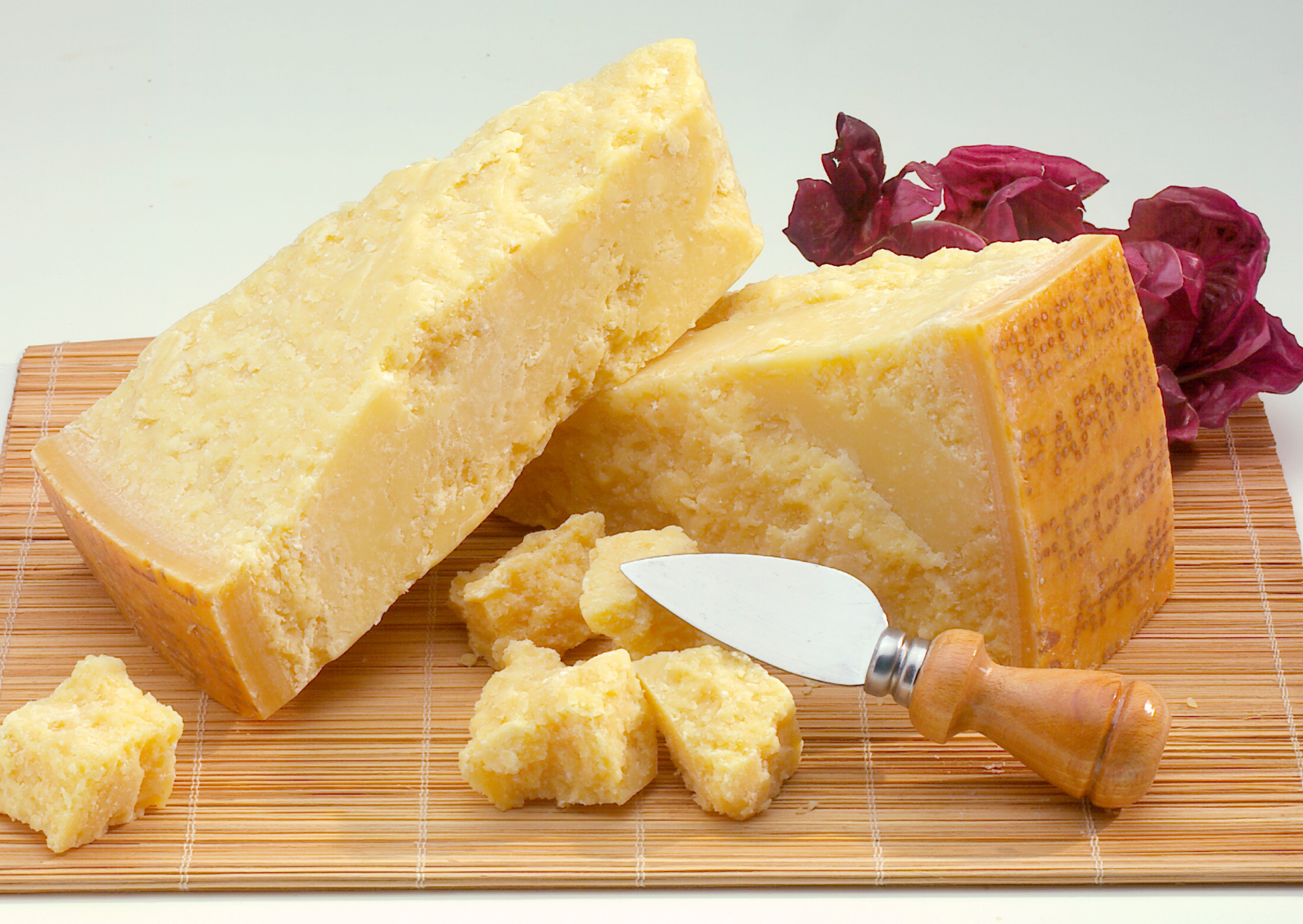
The American consumer who has read this far and wants to address the issue without relocating has several practical options.
Stop buying processed cheese for cooking applications. The slice on the sandwich, the melt on the burger, the cube in the lunchbox can all be replaced with real cheese. Real cheddar, real Swiss, real provolone, real American-made aged cheeses (which exist and are improving) all work for these applications without the fourteen-ingredient list. The cost differential is real but not extreme: 8 to 14 dollars per pound for good real cheese versus 4 to 7 dollars per pound for processed cheese.
Start using small amounts of high-quality aged cheese. Real Parmigiano Reggiano, real Pecorino Romano, real aged Gouda, real Manchego all bring intense flavor in small quantities. A pound of Parmigiano lasts a household weeks when used Italian-style as a finishing cheese.
Buy from cheese counters when possible. Whole Foods, Wegmans, and a growing number of regional grocery chains have real cheese counters with knowledgeable staff. The European pattern of buying cheese cut from a wheel rather than packaged is increasingly available in the US.
Learn to read European labels. When buying European cheese in US stores, look for DOP, AOP, or PDO designations, which guarantee the regional production standards. Generic “Parmesan cheese” without the Reggiano designation is not the same product.
Avoid the “cheese product” or “cheese food” categories. US labeling law requires products that do not meet the legal definition of cheese to be labeled as “cheese product,” “cheese food,” or “pasteurized prepared cheese product.” These products contain even more additives than standard processed cheese and should be avoided.
Use cheese with intention rather than as default. The American cheese habit of putting cheese on or in everything is itself part of the problem. Italians eat cheese in specific contexts, in specific quantities, paired with specific foods. The pattern produces better satisfaction at lower total consumption.
The combination of switching to real cheese for sandwich and cooking applications, using small amounts of aged cheese for finishing, and reducing total cheese consumption to Italian-style proportions produces most of the benefits of the European cheese culture without requiring relocation. The cost is roughly 1.5 to 2 times the previous cheese spending, with significantly better flavor and significantly lower additive load.
What This Pattern Recognizes
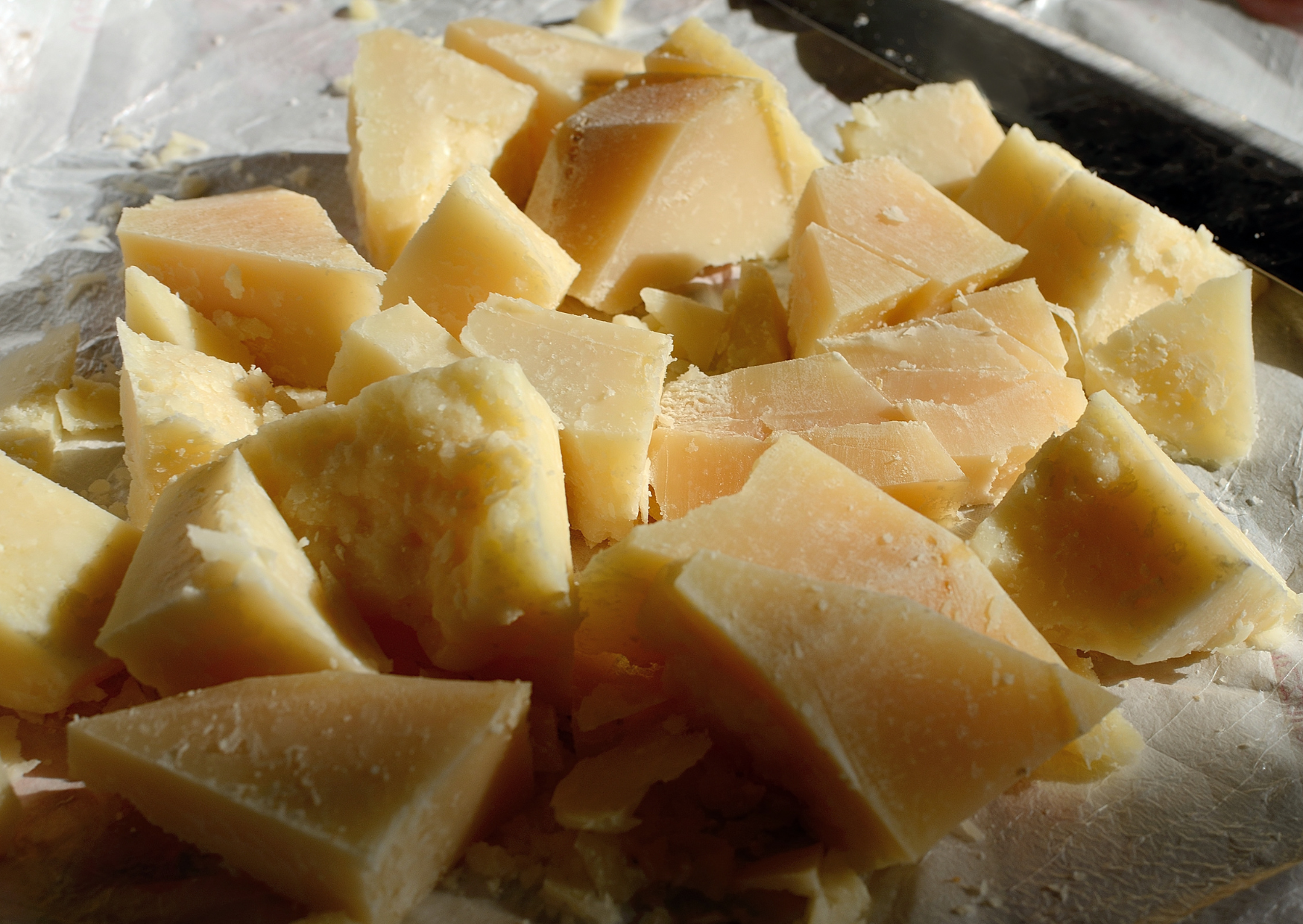
The fourteen ingredients in American processed cheese are not a quality failure. They are the engineered output of an industrial system that prioritizes scale, shelf stability, and price over flavor density and minimal processing. The system works on its own terms.
The one ingredient in real Parmigiano is the output of a different system that prioritizes regional tradition, quality differentiation, and centuries of refinement over scale and price. This system also works on its own terms.
The American consumer is not generally informed about which system their cheese comes from, partly because US labeling law does not require informative labels for processed dairy products and partly because the American food industry has incentive to obscure the difference. The European consumer is informed by structural reality: the cheese counter does not have ingredient lists because the cheese does not have ingredients beyond cheese.
The body responds to the difference. Americans who switch to real cheese, especially aged real cheese, often report digestive improvements, sodium reduction at equivalent flavor satisfaction, and the broader effects of reducing ultra-processed food intake. The reports are consistent enough across the cohort to suggest a real underlying effect, even when the formal clinical research on the specific question is incomplete.
The cheese on the supermarket sandwich and the cheese in the Italian grandmother’s kitchen are not the same product. Calling them by the same name is technically permitted under US labeling rules but practically misleading. The first has fourteen ingredients. The second has one. The body, given the choice, knows the difference.
For Americans who have given up on cheese entirely because of digestive issues, or who have come to think of cheese as a guilty indulgence rather than a healthy food, the European visit produces a useful test. Eat the local Parmigiano for two weeks. See what happens. The result is often informative in the same way the milk test is informative.
The cheese that does not work in the US sometimes works in Italy. The reason is not the consumer. The reason is the cheese.

About the Author: Ruben, co-founder of Gamintraveler.com since 2014, is a seasoned traveler from Spain who has explored over 100 countries since 2009. Known for his extensive travel adventures across South America, Europe, the US, Australia, New Zealand, Asia, and Africa, Ruben combines his passion for adventurous yet sustainable living with his love for cycling, highlighted by his remarkable 5-month bicycle journey from Spain to Norway. He currently resides in Spain, where he continues sharing his travel experiences with his partner, Rachel, and their son, Han.