
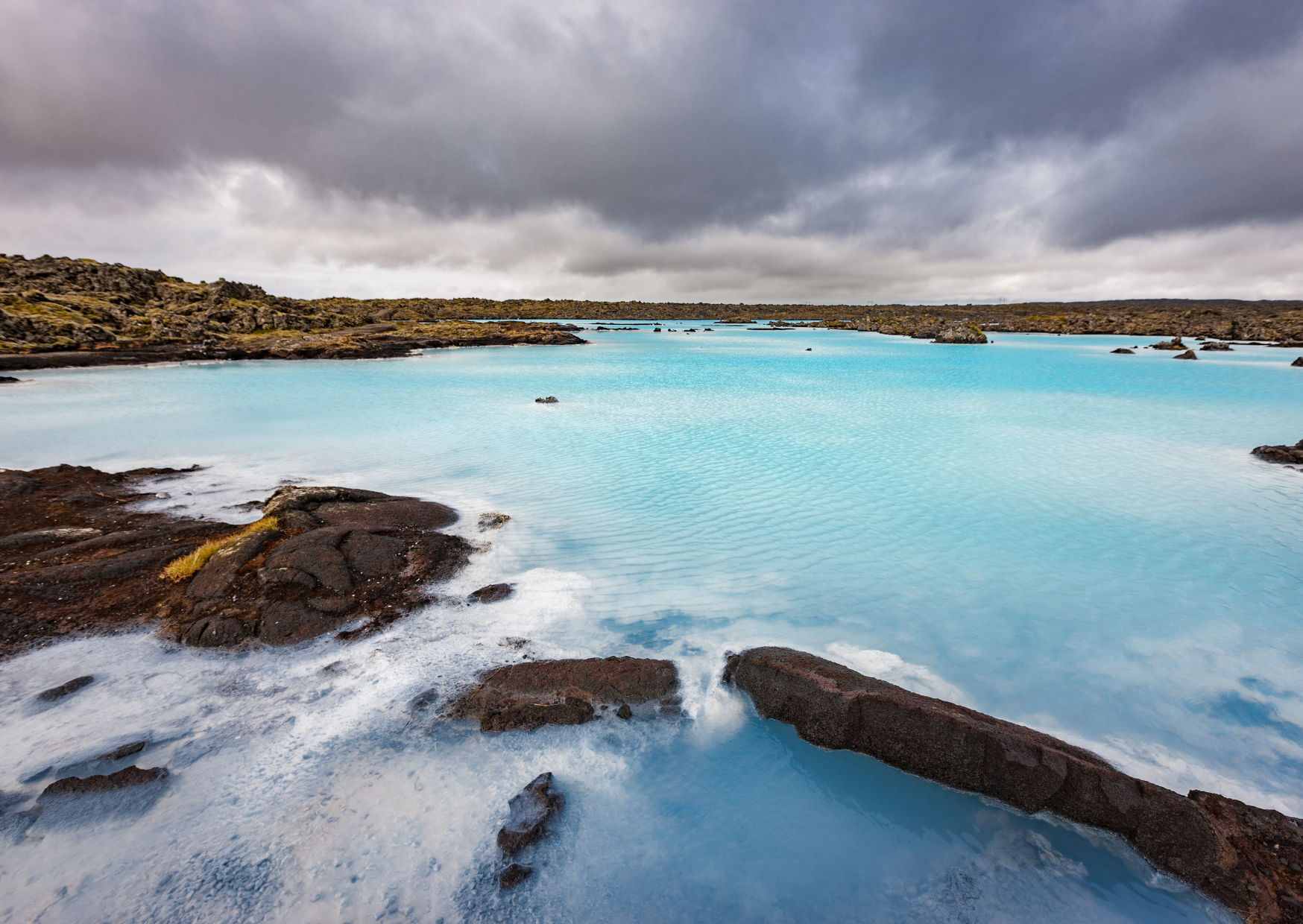
The Blue Lagoon at ten in the morning on a Tuesday in May has empty lockers and a lifeguard reading a book.
By the second week of June it will be at capacity, with timed entry, a forty-minute wait at the changing rooms, and a parking lot full of rental Dacia Dusters.
The same country, six weeks apart, is a different trip.
Iceland’s tourism math has changed faster than almost anywhere else in Europe. The country went from roughly 500,000 international visitors in 2010 to over 2.3 million in 2024, on a population of just under 400,000. The crowding effect at major sites is now severe enough that the high season has its own infrastructure problem. Roads, parking lots, hot springs, and small-town hotels were built for a Iceland that no longer exists.
May is the last quiet month before that machine turns on for the year.
The grass is greening. The waterfalls are running hard from the spring melt. The puffins have returned to the cliffs. The Ring Road is fully open and dry. The famous summer attractions are accessible but not yet flooded with the July and August crowds.
And, importantly, the country still belongs to the Icelanders for a few more weeks. The cafes in Reykjavík are full of locals. The small-town pools have regulars in them, not tourists. The sheep have been turned out to summer pasture. The pace of life is still Icelandic, not the artificial summer rhythm the tourist industry produces.
That window closes around the first week of June.
What May Actually Looks Like in Iceland
The weather in May is the part most travelers misjudge.
Reykjavík averages around eight to ten degrees Celsius during the day and three to five at night, with daylight stretching from about four in the morning to eleven at night by the end of the month. The light is the long northern light that Iceland is known for, soft and continuous, with extended evenings that do not really end before midnight.
It can still rain. It can still be windy. The interior highland roads are not yet open, and will not open until late June or July. Snow is still possible on the high passes.
But the lowlands are accessible. The Ring Road is fully drivable. The south coast is at one of its best points of the year. The Snæfellsnes peninsula is open. The Westfjords are technically accessible but the smaller roads are still rough.
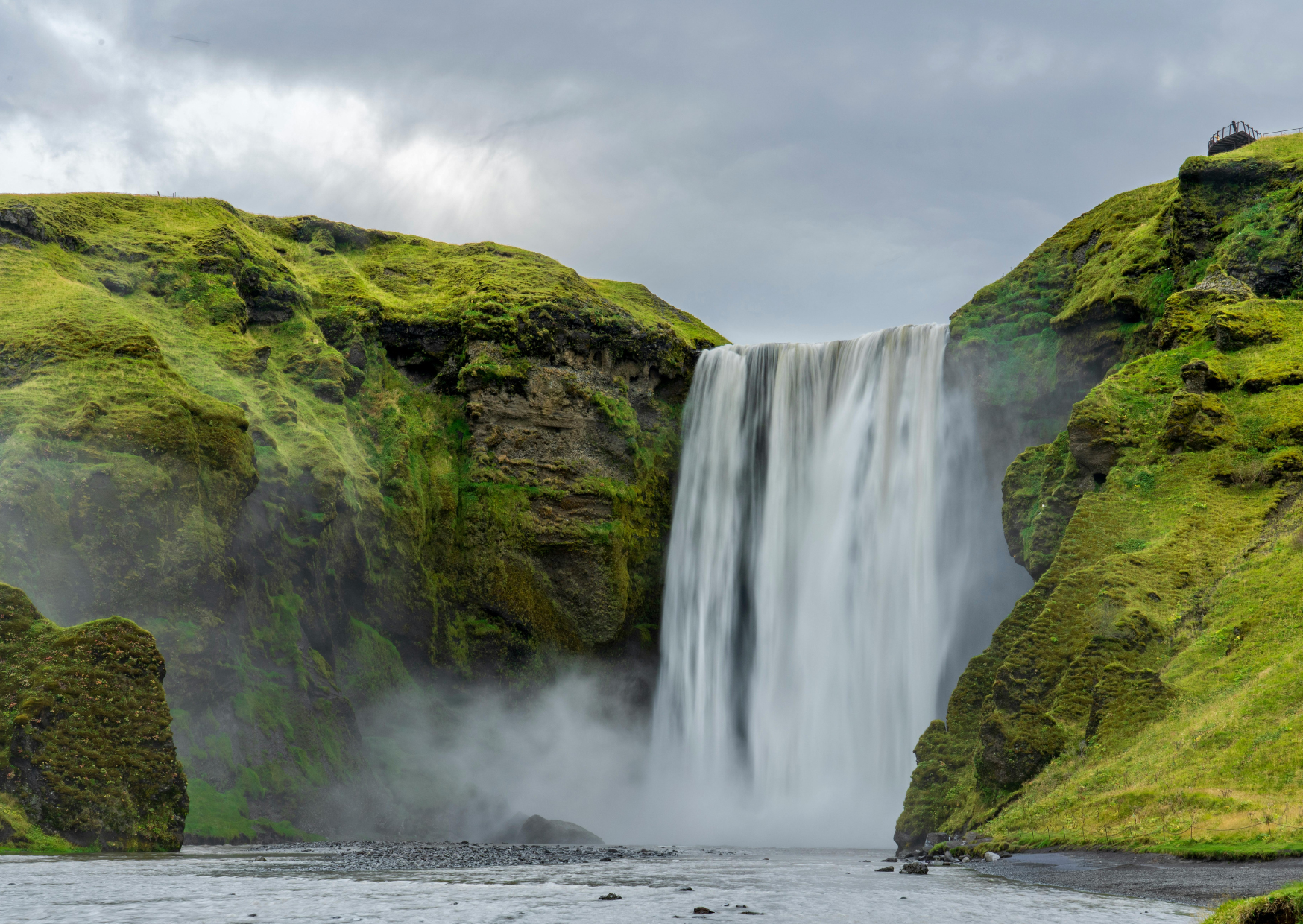
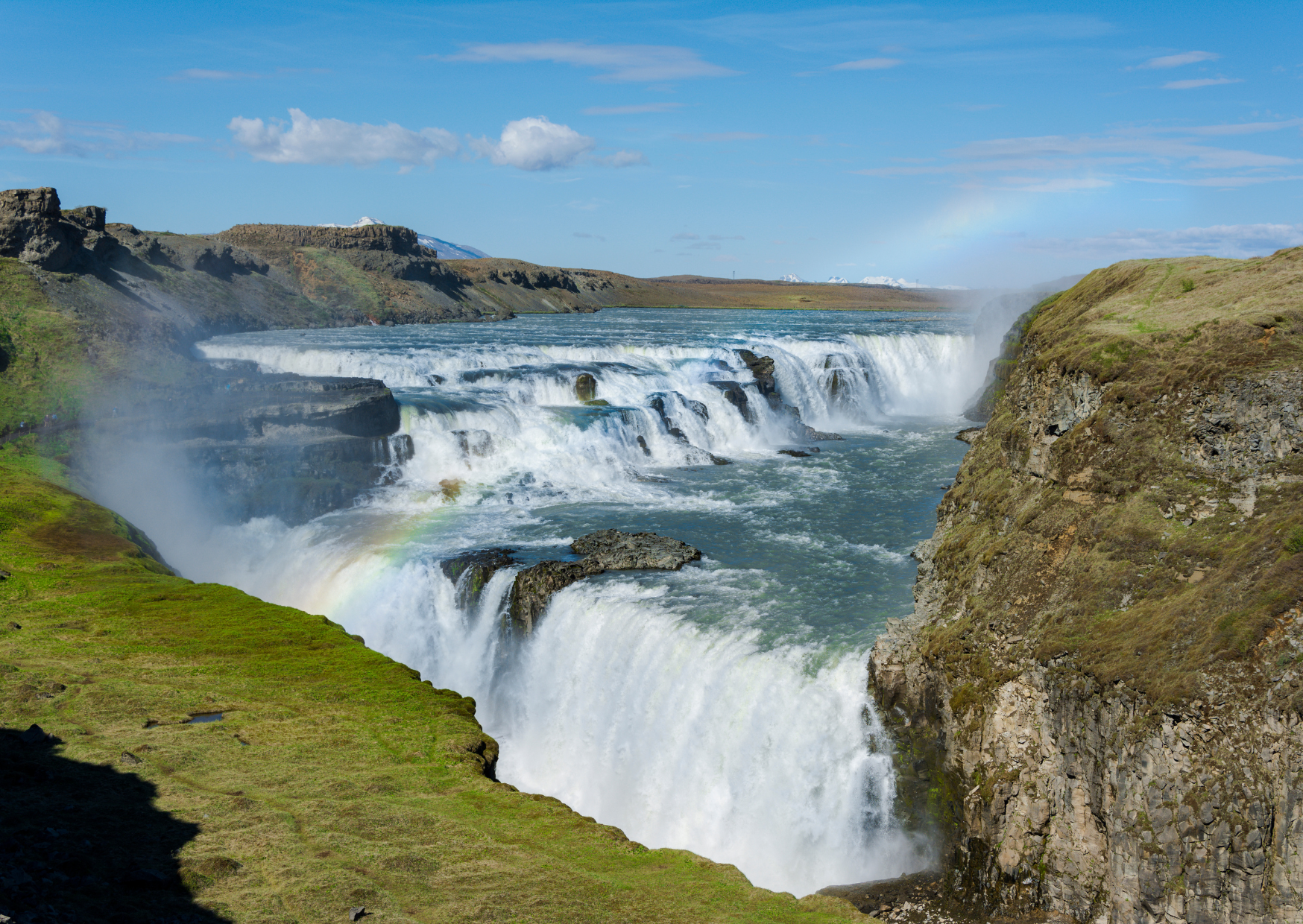
The waterfalls are at their peak volume. Skógafoss, Seljalandsfoss, Gullfoss, and Dettifoss are all running heavier in May than in July, because the spring snowmelt is still feeding them. By August some of the smaller falls have dropped to a trickle.
The wildlife is showing up. Puffins return to the cliffs at Látrabjarg, Dyrhólaey, and the Westman Islands by mid-May and stay until August. Whale watching from Húsavík and Reykjavík starts producing reliable sightings by early May. Arctic terns arrive. The eider ducks are nesting.
The land is at the moment of changeover. Brown grass is turning green. The sheep that have spent the winter in barns are being released to the highland pastures, a process the Icelanders call rétt in the autumn return version, but which has its quieter spring counterpart in May.
This is not Iceland at its summer best. It is Iceland at its spring best, which is a different and arguably more interesting condition.
Why June Through August Has Become a Different Country
The crowding numbers explain most of the shift.
In July and August, Iceland receives roughly 350,000 to 400,000 international visitors per month. The country has fewer than 400,000 residents. For a six-to-eight week stretch, the visitor population is roughly equal to or larger than the local population.
The infrastructure cannot absorb that ratio without strain. The Golden Circle in mid-July sees tour buses lined up at every major stop. The parking lot at Geysir overflows. The viewing platforms at Gullfoss are shoulder to shoulder. The boardwalks at Þingvellir National Park are bottlenecked.
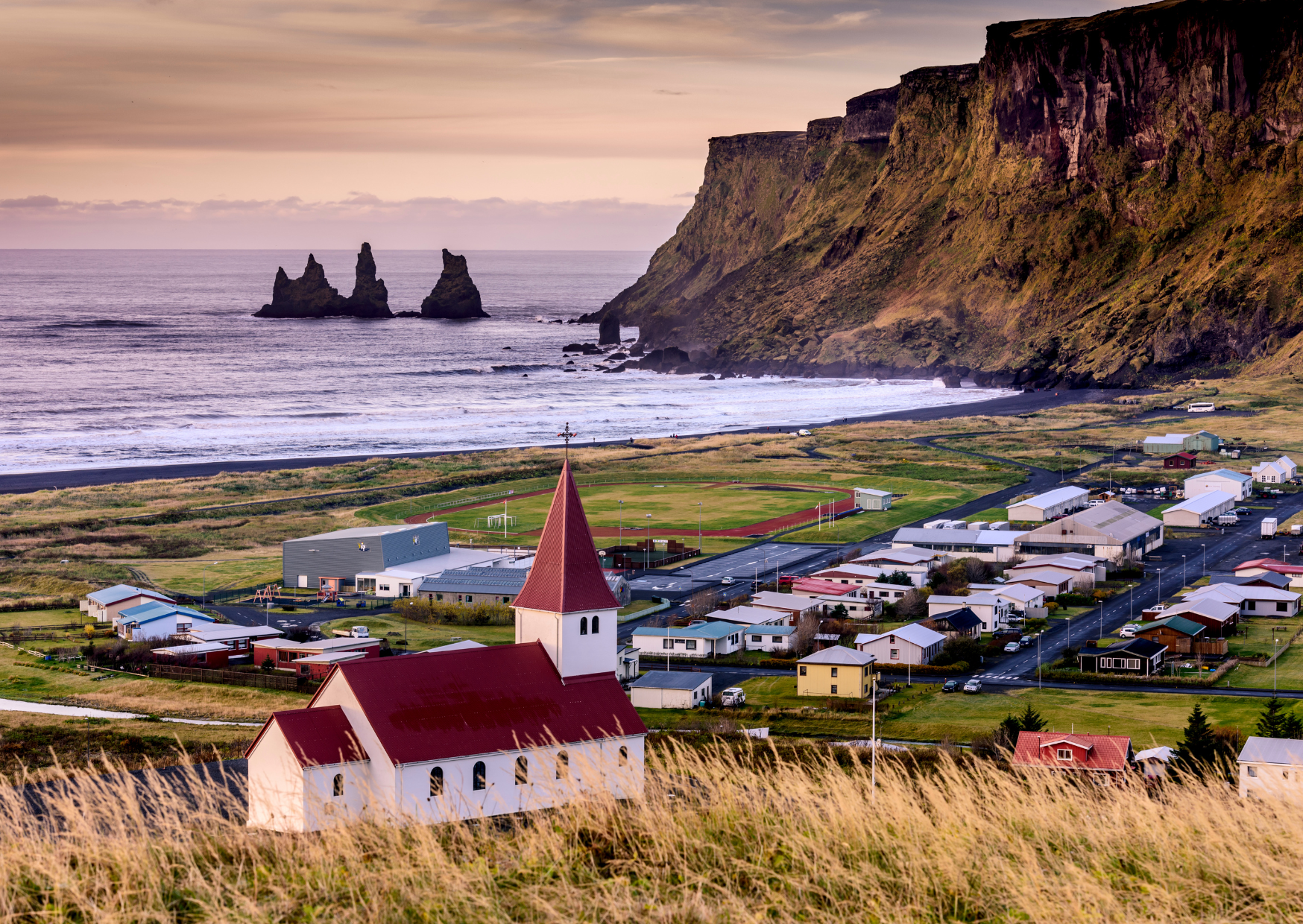
The south coast is worse. Reynisfjara black sand beach in summer regularly has eight to twelve tour buses in the parking lot at any given time, and the beach itself is dotted with hundreds of people from morning until evening. Skógafoss has lines for the photo angle. Vík has a hotel availability problem that has driven prices to roughly twice what they were five years ago.
The Blue Lagoon is the most extreme example. The pre-bookings are required months in advance for summer dates. The crowds inside the lagoon make the experience essentially aquatic queueing. The relaxation aspect that made the place famous is largely gone in peak season.
May does not have any of these problems. The same sites are open. The roads are drivable. The waterfalls are at their best. But the visitor volume is roughly a third of the July peak, and the experience at every major stop is correspondingly more relaxed.
A traveler at Reynisfjara in mid-May might share the beach with twenty other people. The same traveler at the same beach in mid-July will share it with several hundred.
What Locals Are Actually Doing in May
The cultural rhythm of the country in May is different from the summer tourist rhythm in ways that are easy to miss but worth knowing.
May is the end of the long winter and the start of the active season for Icelanders. The schools are still in session but ending. Confirmation ceremonies fill the churches and family calendars in early May. The country celebrates its first day of summer holiday in late April, called sumardagurinn fyrsti, even though the actual weather has not caught up yet.
The fishing season is in full swing. The lamb that will be eaten through the rest of the year is being born. The horses that have spent winter in the lowlands are being moved. The summer houses, called sumarbústaður, are being opened up after the winter, and weekend traffic out of Reykjavík to the rural cabins picks up dramatically.
What this means for a traveler is that the cafes, pools, restaurants, and small museums in Reykjavík and the larger towns are still operating at their everyday pace, with mostly local clientele. By mid-June the same establishments shift toward summer mode, with longer waits, busier kitchens, and a noticeable language shift away from Icelandic toward English in the dining rooms.
The geothermal pools are the clearest example. Every Icelandic town has a public geothermal pool, and the pool is the social center of the community. Locals go before work, after work, on weekends, with children, with parents, with friends. The pool is where conversations happen. It is where decisions get made. It is where the country actually lives, year-round.
In May the pools are still local. In Vesturbæjarlaug in Reykjavík, in Sundhöllin, in the small-town pools in Selfoss or Akureyri or Hofsós, a traveler in May will share the hot tub with regulars who have been showing up at the same time every day for years. The conversation around them will be in Icelandic. The pace will be unhurried.
By mid-June the same pools have a meaningful tourist contingent, and the dynamic shifts. Not unpleasantly, but noticeably. The Icelandic conversations get quieter. The locals start coming at off-peak times to avoid the visitor crowds. The character of the place changes.
What This Does to the Trip Itself
The practical effect of a May trip versus a July or August trip shows up in roughly four places.
Lodging is meaningfully cheaper and more available. A mid-range hotel in Reykjavík in May runs around twenty to thirty percent below the July peak. A guesthouse on the south coast in May can be booked two weeks ahead. The same room in July needs to be booked three months ahead. The boutique hotels and farm stays that get fully booked in July still have availability in May.
Car rentals are cheaper and the cars are better. The rental fleet in Iceland is sized for summer demand, and in May there is more supply than demand. A four-wheel-drive vehicle that costs around 180 to 220 euros a day in July runs around 130 to 160 euros a day in May. The agencies are also less likely to upsell or restrict, because they need to move inventory.
Restaurants are easier and more local. Reykjavík’s better restaurants, including places like Dill, Matur og Drykkur, and the various neighborhood spots in 101, are bookable a few days out in May. The same places require weeks of advance booking from June through August. The clientele in May is roughly half local, half visitor. By July it tilts heavily toward visitors.
Tours run with smaller groups. The whale watching boats out of Húsavík and Reykjavík, the glacier walks on Sólheimajökull, the ice cave tours that operate in late May, the boat tours of Jökulsárlón glacier lagoon, all run with smaller groups and shorter wait times. The horseback riding farms are not yet at full summer rotation. The northern lights tours are essentially over for the season, but daylight hours are long enough that the night activity is replaced by a much longer evening day.
The cumulative effect is a trip that costs roughly fifteen to twenty-five percent less than the same itinerary in July, with crowd levels that are closer to a different country than to a different month.
Where the May Trip Falls Short
The honest version of this comparison includes the parts that do not work as well in May.
The interior highlands are closed. The famous F-roads, including the route to Landmannalaugar and the Þórsmörk valley, do not open until late June or early July. Travelers who want to see the interior, which contains some of the most distinctive landscapes in the country, need to come in July or August.
The puffins are present in May but the numbers are still building. The peak puffin viewing window is mid-June through mid-July. May visitors will see puffins, but a serious birder or photographer might prefer the higher density of June.
Some smaller sites and attractions have not yet opened for the season. Certain rural museums, smaller cafes in the more remote villages, and some of the seasonal hiking lodges do not start operations until June. A traveler doing a deep-rural itinerary in May should check opening dates carefully.
The weather is more variable. May can deliver a perfect week of sunshine and ten-degree afternoons. It can also deliver a week of rain, wind, and four-degree afternoons. The forecast is less reliable in May than in July, and travelers should pack accordingly.
The midnight sun is not yet at its peak. By the end of May, daylight runs from about three thirty in the morning to eleven thirty at night in Reykjavík, with twilight bridging the gap. By the solstice in late June, the sun does not really set in the north of the country. A traveler whose primary motivation is the midnight sun specifically should come in mid-June through mid-July.
These are real trade-offs. A May trip is not strictly better than a July trip. It is different, and the difference is mostly weighted toward fewer people and lower prices, in exchange for slightly less reliable weather, no highland access, and a less intense version of certain natural phenomena.
What a May Trip Actually Looks Like
A practical seven-day May itinerary in Iceland might run as follows.
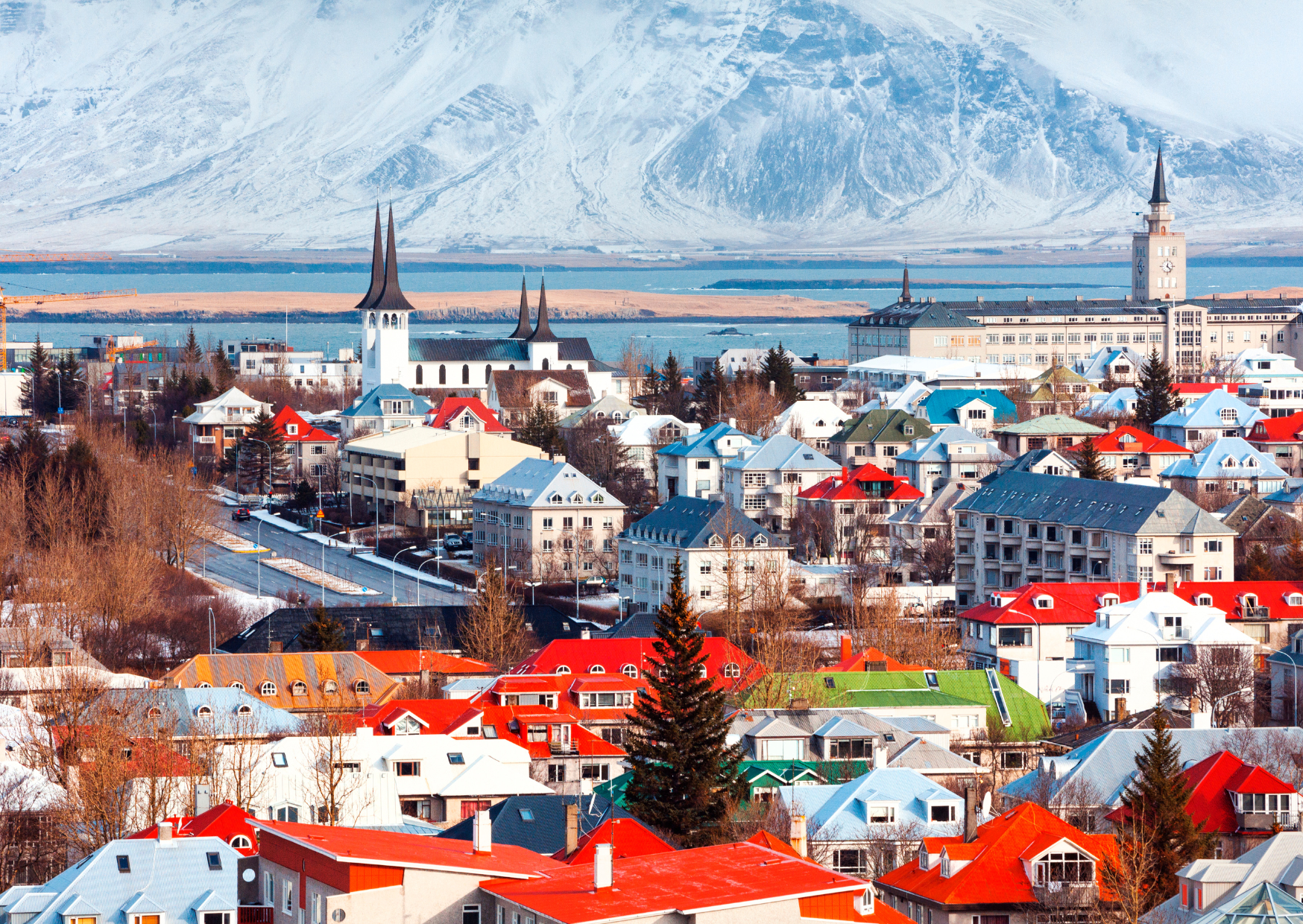
Day 1. Fly into Keflavík overnight. Drive to Reykjavík. Settle in. Walk around 101, the central downtown district. Eat dinner at a neighborhood restaurant. Sleep through the long evening light.
Day 2. Reykjavík city day. The harbor in the morning. The Hallgrímskirkja church for the city view. Vesturbæjarlaug pool in the afternoon, like a local. Dinner in town.
Day 3. Drive the Golden Circle. Þingvellir, Geysir, Gullfoss. In May this can be done at an unhurried pace, with twenty minutes at each major stop instead of fighting for parking. Sleep in Selfoss or somewhere along the south coast.
Day 4. South coast day. Seljalandsfoss and Skógafoss in the morning. Lunch in Vík. Reynisfjara black sand beach in the afternoon. Sleep in Vík or further east.
Day 5. Drive to Jökulsárlón glacier lagoon and Diamond Beach. Spend the afternoon at the lagoon. The icebergs are at one of their better points of the year. Sleep in Höfn or back toward Vík.
Day 6. Return drive west. Stop at sites missed on the way out. Sleep on the Snæfellsnes peninsula or back in Reykjavík.
Day 7. Snæfellsnes peninsula or a Reykjavík-area soak at one of the geothermal pools. The Sky Lagoon is the newer alternative to the Blue Lagoon and is meaningfully less crowded. Fly out in the evening.
This is a starter version. Travelers with more time should add the Westfjords, the north around Akureyri, or the eastfjords. Travelers with less time should focus on the south coast and the Golden Circle, which is the most concentrated stretch of major sites in the country.
What May Gives Back That Summer Cannot
The trip works in May for reasons that are not really about price or crowds, although those help.
It works because the country is still itself in May. The summer Iceland is partly a performance, a version of the country produced for the visitor flow. The May Iceland is the country before the performance starts. The cafes serve the regulars. The pools belong to the locals. The roads are quiet. The light is long but not yet endless. The land is at the changeover from winter to summer, in a state that does not exist in July.
The travelers who come in May tend to leave with a different sense of the country than the travelers who come in August. Not because the sights are different, but because the texture of the days is different. The unhurried pool visit. The quiet meal. The empty parking lot at the waterfall. The conversation with the cafe owner who has time to talk because the summer rush has not started yet.
This is the version of Iceland that locals describe when they talk about why they live there. The summer version is what they describe when they talk about what summer feels like.
A traveler who wants the second version should come in July. A traveler who wants the first should come in May.
The country gets crowded fast after the first of June, and it does not really empty out again until October. The May window is short, narrow, and worth catching while it still works.
By 2030, given current visitor growth rates and infrastructure constraints, May may be one of the only remaining windows when Iceland is recognizably Icelandic rather than a tourism economy operating at capacity. That is the honest read. The crowds are not slowing down. The country is small. The math is what it is.
The locals know this. The savvier visitors are figuring it out.
Seven Days of Practical Planning Before You Go
This is a planning sequence for a May trip, not a packing list. The goal is to arrive ready to use the month rather than fight it.
Day 1. Book the flight for the second or third week of May. Earlier than mid-May is colder and less stable. Later than the third week starts to overlap with the summer surge.
Day 2. Reserve the rental car. Choose four-wheel drive even if not strictly necessary, for road conditions on smaller routes. Confirm winter tires are not required after April but check the policy.
Day 3. Book accommodations along the route, not just in Reykjavík. The south coast guesthouses fill up even in May, and the better farm stays sell out earliest.
Day 4. Pack for variable weather. Layers, rain shell, warm hat, gloves. The temperatures can swing fifteen degrees in a single day.
Day 5. Book the Sky Lagoon or Blue Lagoon entry for the morning of arrival or departure. May availability is wide open compared to summer, but advance booking is still smart.
Day 6. Pre-buy fuel. Iceland’s fuel prices are high, and N1 prepaid cards can save a small but meaningful amount over the trip.
Day 7. Identify two or three local pools to visit along the route. The pools are the access point to the everyday country, and they are the part of the trip that summer visitors most often miss.
Travelers who do this once tend to come back. The May version of Iceland is the version that stays in the memory, partly because it is no longer the version the country produces for most of its visitors.
The summer trip is the trip everyone takes. The May trip is the trip that still feels like a discovery.

About the Author: Ruben, co-founder of Gamintraveler.com since 2014, is a seasoned traveler from Spain who has explored over 100 countries since 2009. Known for his extensive travel adventures across South America, Europe, the US, Australia, New Zealand, Asia, and Africa, Ruben combines his passion for adventurous yet sustainable living with his love for cycling, highlighted by his remarkable 5-month bicycle journey from Spain to Norway. He currently resides in Spain, where he continues sharing his travel experiences with his partner, Rachel, and their son, Han.