
The smarter summer route this year is not Amalfi, not Mykonos, and not one more overheated fight for a beach chair. It is the Baltic one: Gdańsk, Riga, Tallinn, with Helsinki as an optional final hit if you want one Nordic city without paying Nordic trip prices the whole way.
Southern Europe is still beautiful.
It is also hotter, louder, more crowded, and more expensive in summer than a lot of Americans feel like pretending this year. Reuters reported coordinated anti-overtourism protests across parts of Spain, Portugal, and Italy in 2025, and AP reported major southern European heat waves pushing temperatures above 40C across countries including Italy, Spain, and Greece. In 2026, Euronews said “coolcations” to northern destinations are still rising as travelers try to escape those exact conditions.
That does not mean the answer is Norway for everyone.
It also does not mean you need to spend Copenhagen money to have a northern summer.
The better route for a lot of Americans is the Baltic one. Start in Gdańsk, move to Riga, finish in Tallinn, and add Helsinki only as a day trip or short final stop if you want the ferry and the Finnish light without turning the whole trip into a Nordic budget problem. Riga was named Europe’s cheapest city break in the 2025 Post Office City Costs Barometer, with a basket of 12 common tourist costs at about €297 for two people. Gdańsk also landed in the top 10. That is the shape of the answer right there.
This route costs less because you are not paying Mediterranean peak penalties for beaches, islands, car dependence, and August accommodation panic.
It feels more because the cities still belong to locals.
Not completely, obviously. No European city with low-cost flights is innocent anymore. But this route still gives you long light, working waterfronts, public transport that makes sense, midsummer culture that is actually for residents, and a week that does not feel like you entered a giant seasonal machine built to process visitors at speed.
Southern Europe Is Asking For Too Much In High Summer
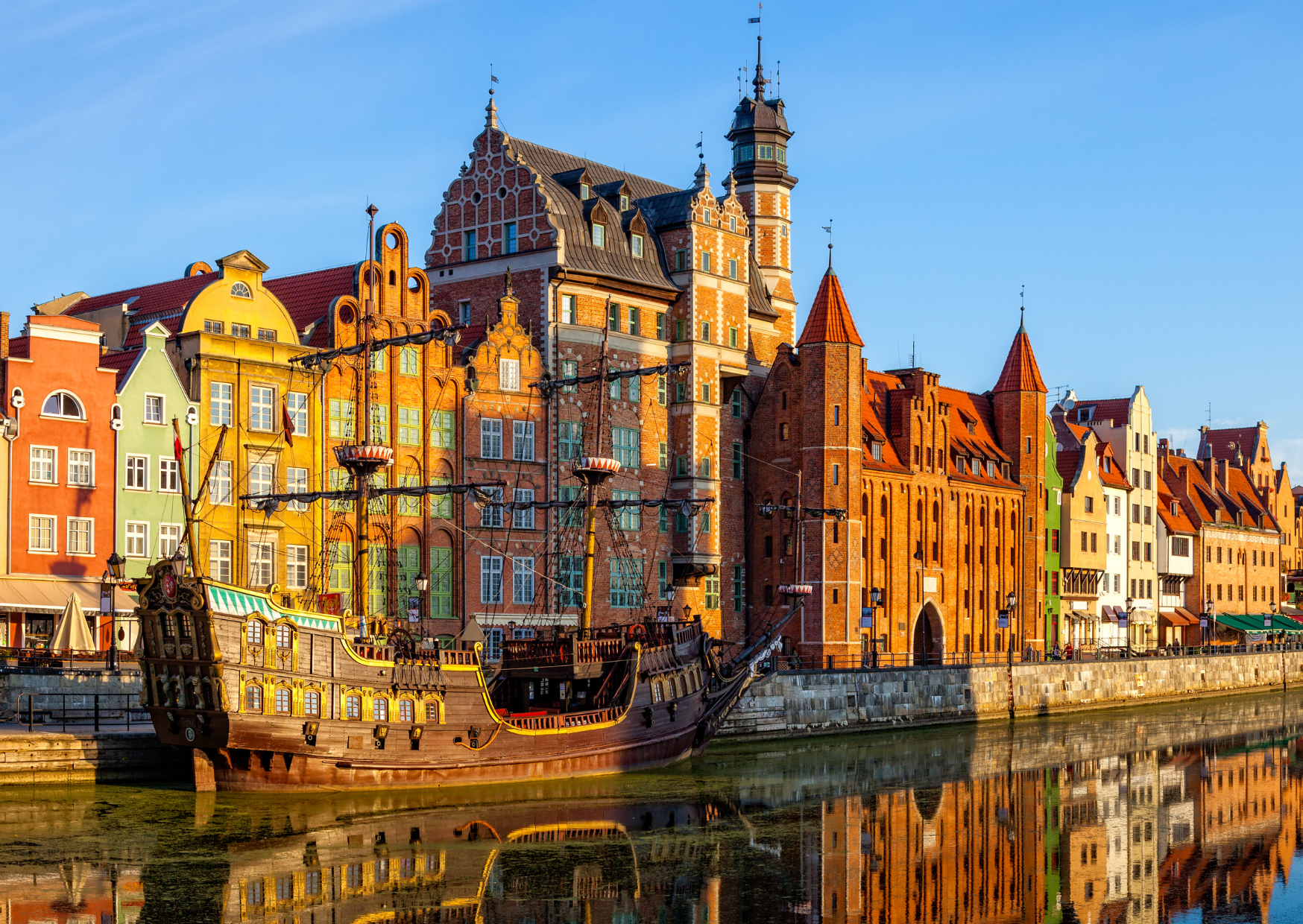
A lot of American travelers do not really want the Mediterranean anymore.
They want the idea of it.
They want sea light, late dinners, public life, a swim, a walkable old town, and something that feels more alive than a resort zone in Florida. The problem is that high summer in the Mediterranean now often delivers those things wrapped in heat stress, peak-season pricing, and a level of crowding that changes the mood of the whole trip. Reuters reported that in Spain’s coastal hotspots, hotel and beachfront rental prices had risen by more than 20% in recent years, and that locals were increasingly being priced out of their own summer destinations. AP’s heat coverage showed where the physical strain is going too.
That changes what a “good” summer trip is.
A lot of Americans are not looking for the cheapest flight. They are looking for a week that does not feel punishing by day three. That is why northern Europe is not only a climate decision. It is a quality-of-trip decision. Euronews’ 2026 coolcation piece put Norway, Finland, and Iceland at the center of the trend, but the cheaper and more practical version for many travelers sits a bit lower and a bit further east.
The Baltic route solves a very specific problem.
It gives you light, water, public space, cooler evenings, and cities that still work for residents first. It also gives you a cost structure that makes more sense once you stop trying to book Europe like a beach holiday. Riga’s 2025 barometer win was not an accident. It was built on cheaper accommodation, lower restaurant prices, lower transport costs, and attractions that do not demand Mediterranean-style summer premiums.
That is the shift.
Less beach-club Europe.
More city-waterfront Europe.
Start In Gdańsk Before Everyone Else Remembers Poland Has A Coast
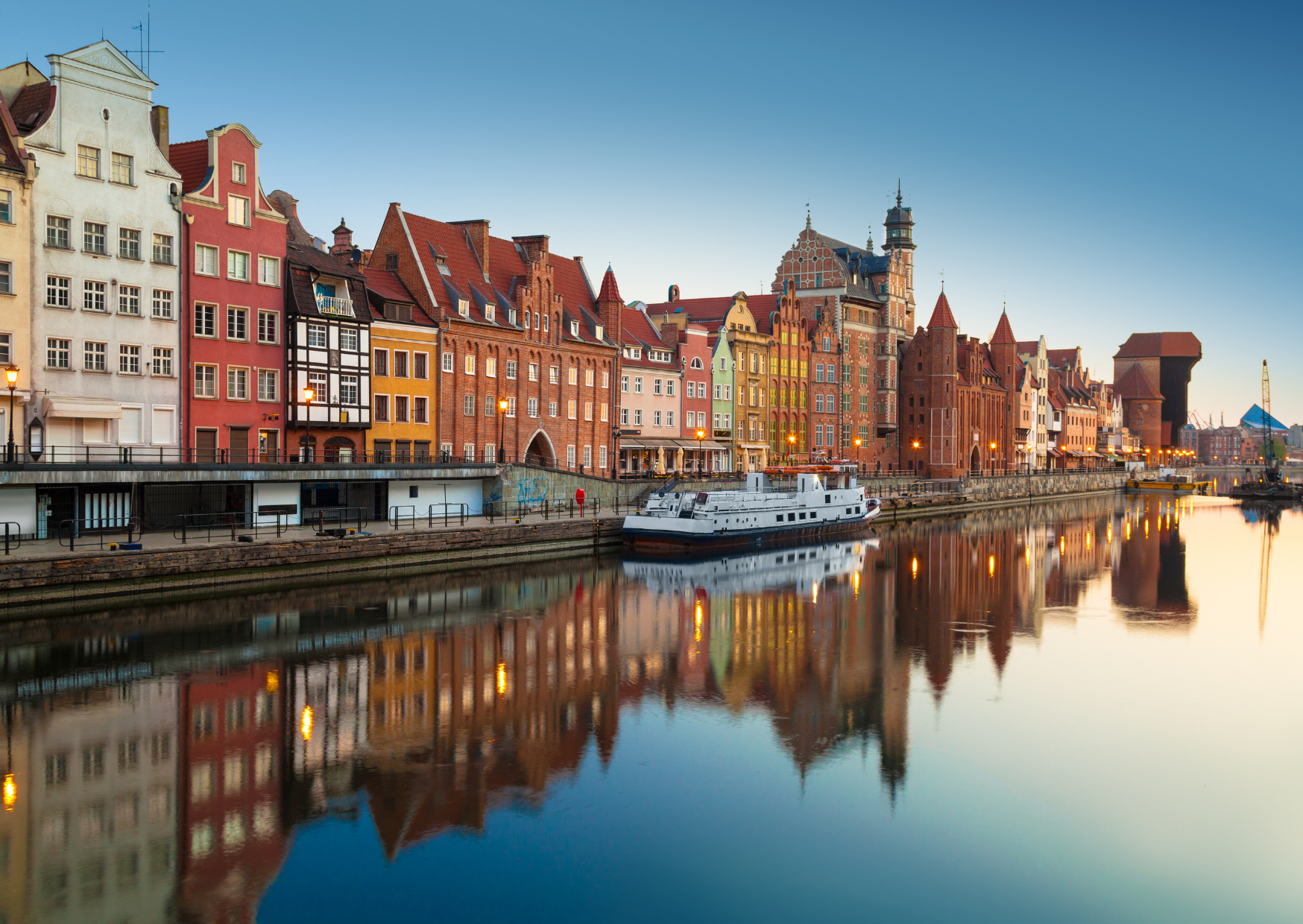
Gdańsk is the right opening move because it resets the trip immediately.
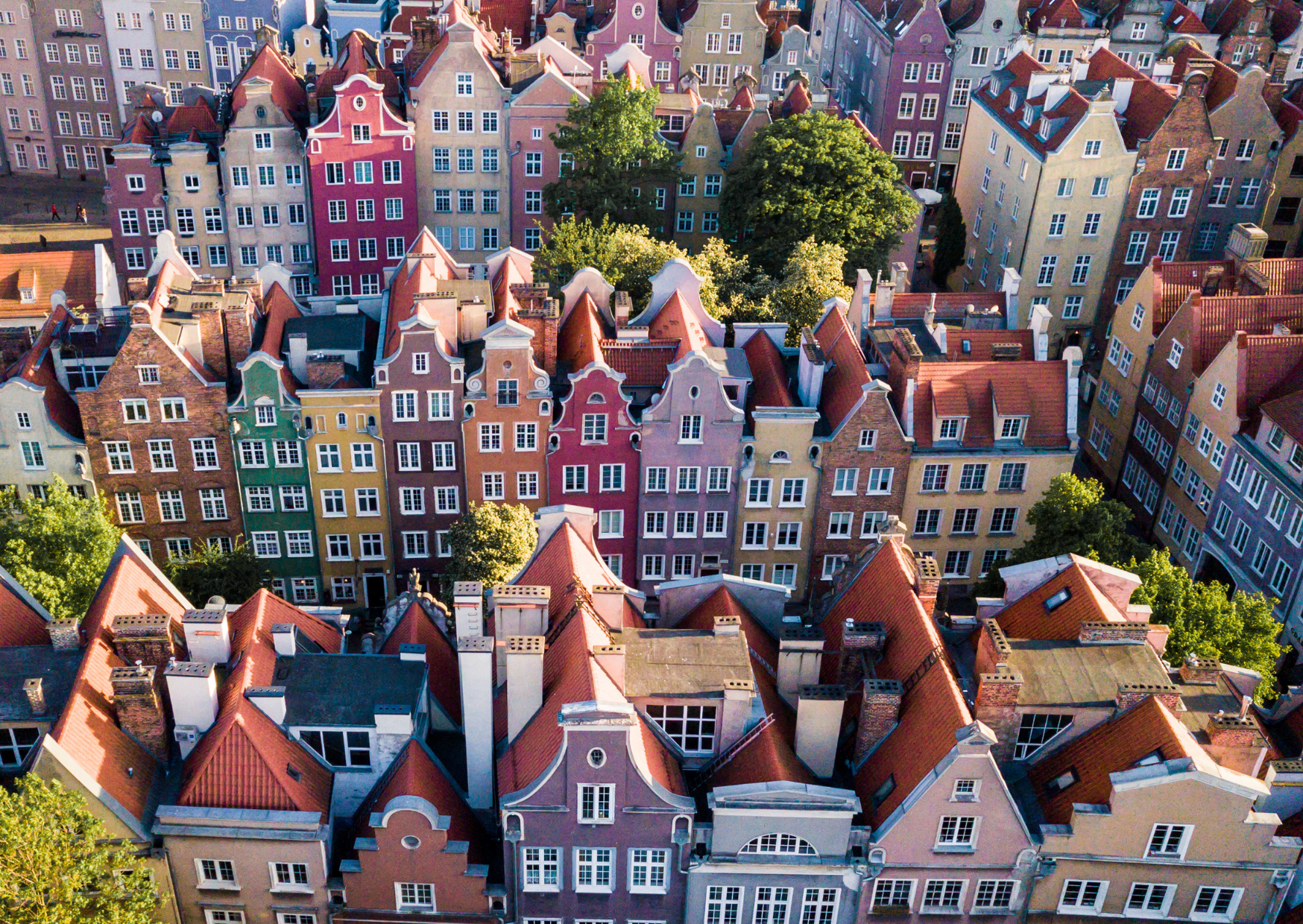
You get a Hanseatic old town, riverfront light, long evenings, beach access nearby if you want it, and prices that still feel more Eastern than Western Europe even after years of deserved popularity. Numbeo’s April 2026 page puts a single person’s monthly costs in Gdańsk, excluding rent, at about 3,154 zł, and its comparison tool says you would need roughly €4,719 in Madrid to match the lifestyle of 15,000 zł in Gdańsk. That is not a tourist-week budget, but it tells you what kind of city you are in.
More important, Gdańsk still feels like a place where summer is happening around you, not exclusively for you.
That difference matters.
The waterfront is full, but it is full of local life too. Families, students, ferries, beer gardens, ordinary errands. You can still have the northern version of a big-summer-city feeling without stepping into a place that has fully converted itself into one long hospitality shift. The Post Office 2025 city-break ranking putting Gdańsk in Europe’s top 10 value cities supports that broader impression. It is not just pretty. It is still comparatively reasonable.
This is also where the trip starts to save money in a less obvious way.
You do not need to behave like you are on a one-shot prestige holiday. Gdańsk is the kind of city where you can eat well, walk a lot, and let the day stretch without paying beach-destination prices every time you sit down. That is what Americans often forget when they compare northern cities to the Mediterranean. The issue is not whether Poland is cheaper than Italy in every category. The issue is whether the whole day keeps reaching into your wallet. Gdańsk does that less.
Riga Is The Money Win
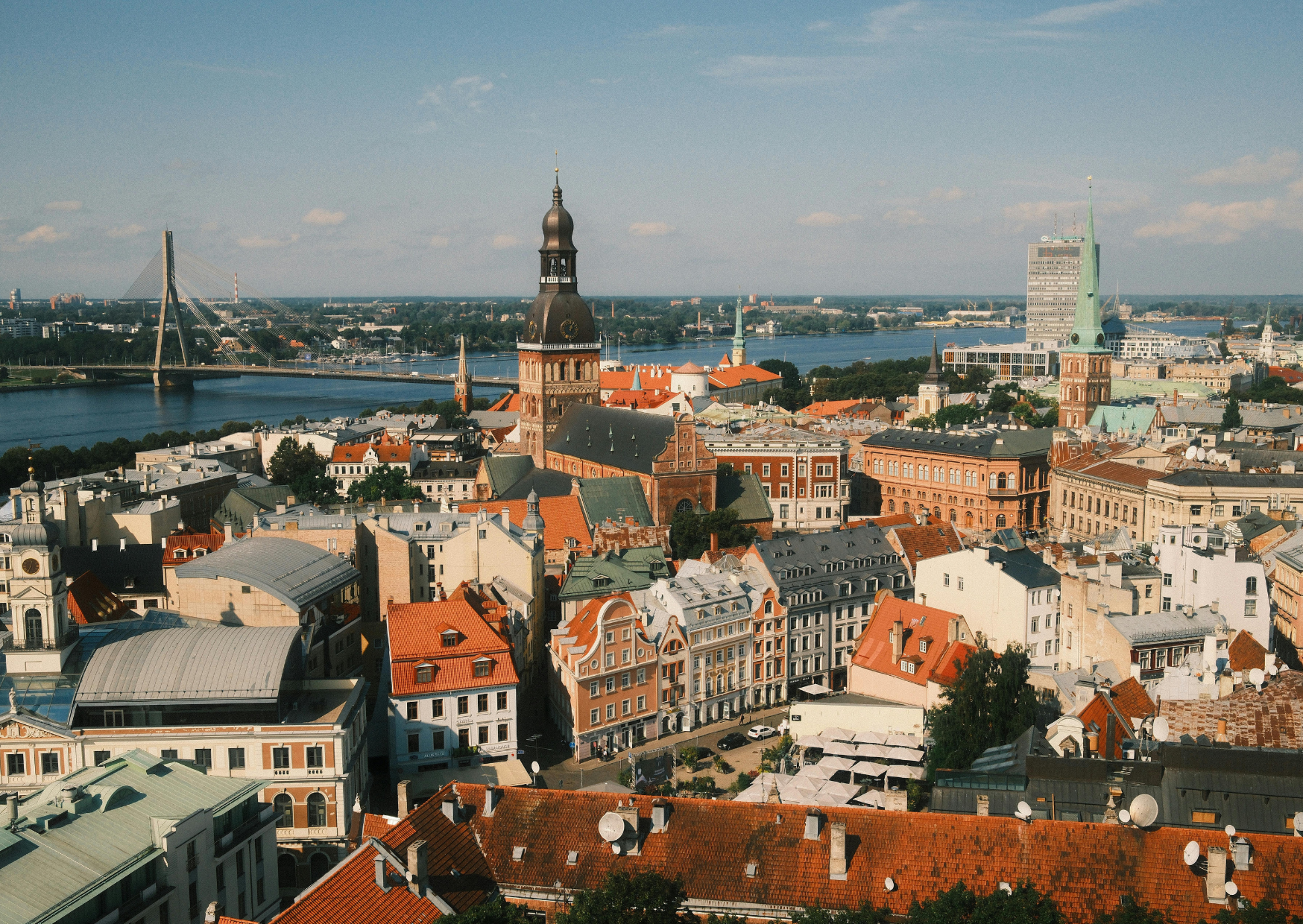
If the route has one city that makes the whole argument easy, it is Riga.
Latvia’s own tourism site says Riga ranked first in the 2025 Post Office City Costs Barometer, with a total of €297 for the 12-item short-break basket, including two nights in a 3-star hotel for €144. That is the sort of number that changes how a summer city break feels. It means you can stop treating every museum, drink, lunch, and tram ride like a tiny act of budget self-harm.
Riga also works emotionally.
The city has one of the best old-town-to-real-city ratios in Europe. Yes, the centre is beautiful. Yes, you can spend a full afternoon staring at Art Nouveau façades and doing the usual northern-Europe thing of pretending you suddenly understand urbanism. But Riga still has enough ordinary life around the pretty bits that the city does not collapse into performance by early evening. The tourist office still sells the place through practical infrastructure too: public transport guidance, neighborhood tips, and local events, not just postcard content.
Summer helps.
Latvia’s official summer material leans hard into city festivals, local celebrations, and the everyday energy of Latvian urban life in warm weather. More specifically, Jāņi and Līgo, the midsummer celebrations around June 21 to 24, are still public, local, and atmospheric in a way southern European peak season often is not anymore. If you hit Riga in late June, you are not just arriving in “good weather.” You are arriving during one of the few summer urban cultures in Europe that still feels properly owned by the people who live there.
This is where “feels more” becomes real.
Riga is cheaper than the Mediterranean route, yes.
It also gives you something harder to price: a city where summer still feels like a civic season, not a monetized crush.
Tallinn Is Where The Route Starts Feeling Northern In The Best Way
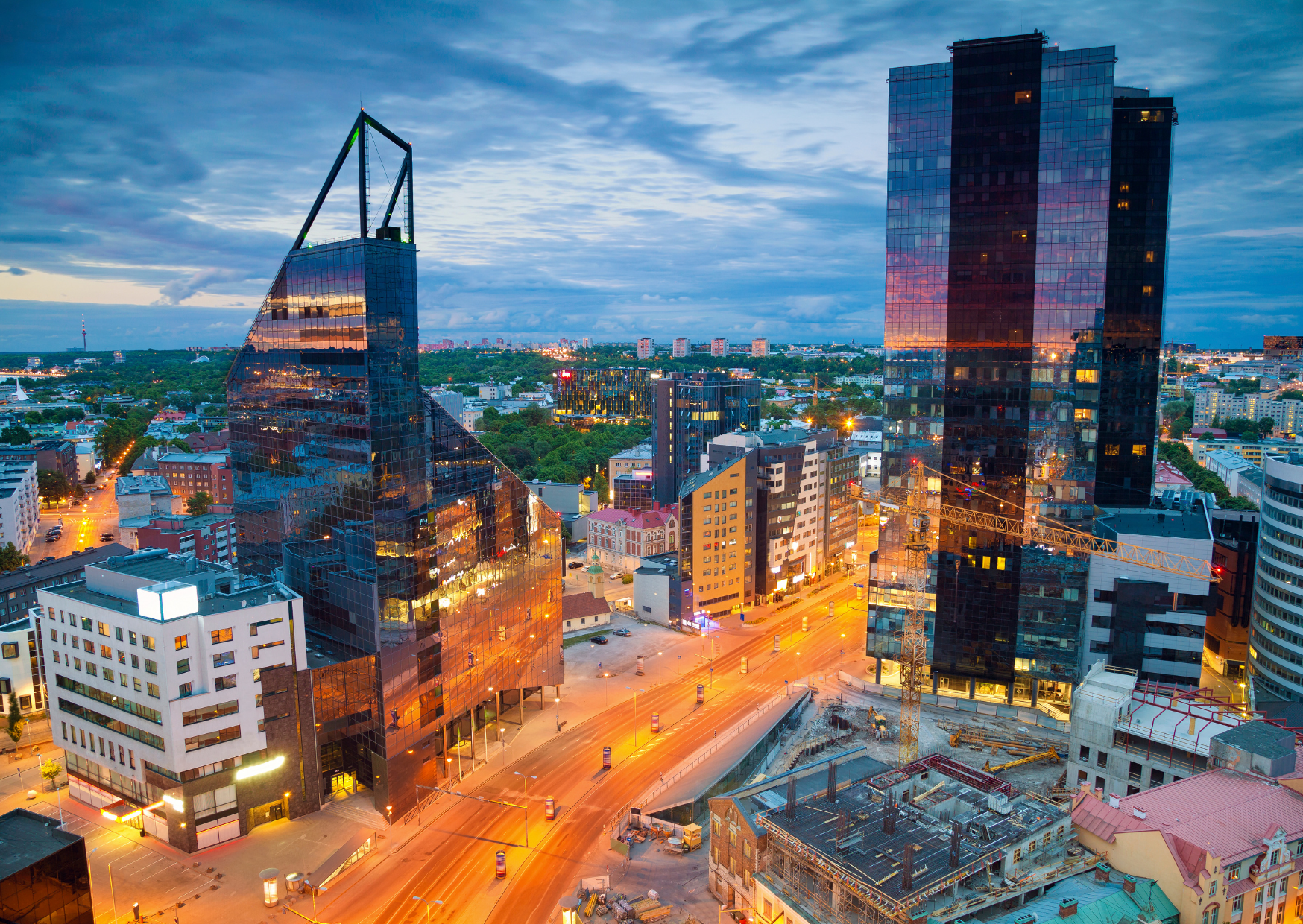
Tallinn is not the cheapest stop on this route.
It is the one that gives the route its northern finish.
Numbeo’s April 2026 page puts single-person monthly costs excluding rent at about €969, which is higher than Riga but still manageable compared with Western and southern Europe’s better-known summer cities. Tallinn also remains deeply walkable, compact, and unusually good at mixing old-town beauty with waterfront redevelopment that still feels public rather than sterile.
The bigger reason to end here is cultural.
Estonia’s own tourism material describes summer as a season of long white nights, blissfully empty beaches, and outdoor life that feels stretched rather than rushed. Tallinn’s midsummer guide makes the local ownership point even more clearly. Jaanipäev and Jaanilaupäev are still major public summer celebrations, not background decoration for tourists. You can join them, but you do not get the feeling the whole city has been reorganized to flatter you.
Tallinn is also where the route becomes flexible.
You can stay in city mode and keep the costs under control, or you can use the local summer culture properly. Sauna, harbor walks, outdoor swimming, a late bright dinner in Noblessner, maybe one city pass if you are doing museums hard. Visit Tallinn’s 2026 guide even folds Iglupark saunas into the Tallinn Card ecosystem now, which is exactly the sort of Baltic summer luxury that feels like a better use of money than another €38 plate of beach pasta in a place too hot to enjoy it.
That is the point where a lot of Americans realize they were not really craving “the Mediterranean.”
They were craving summer that still has texture.
Tallinn does that better than most places in Europe once July gets loud.
Helsinki Is the Smart Add-On, Not the Base Camp
This is the part people can get wrong.
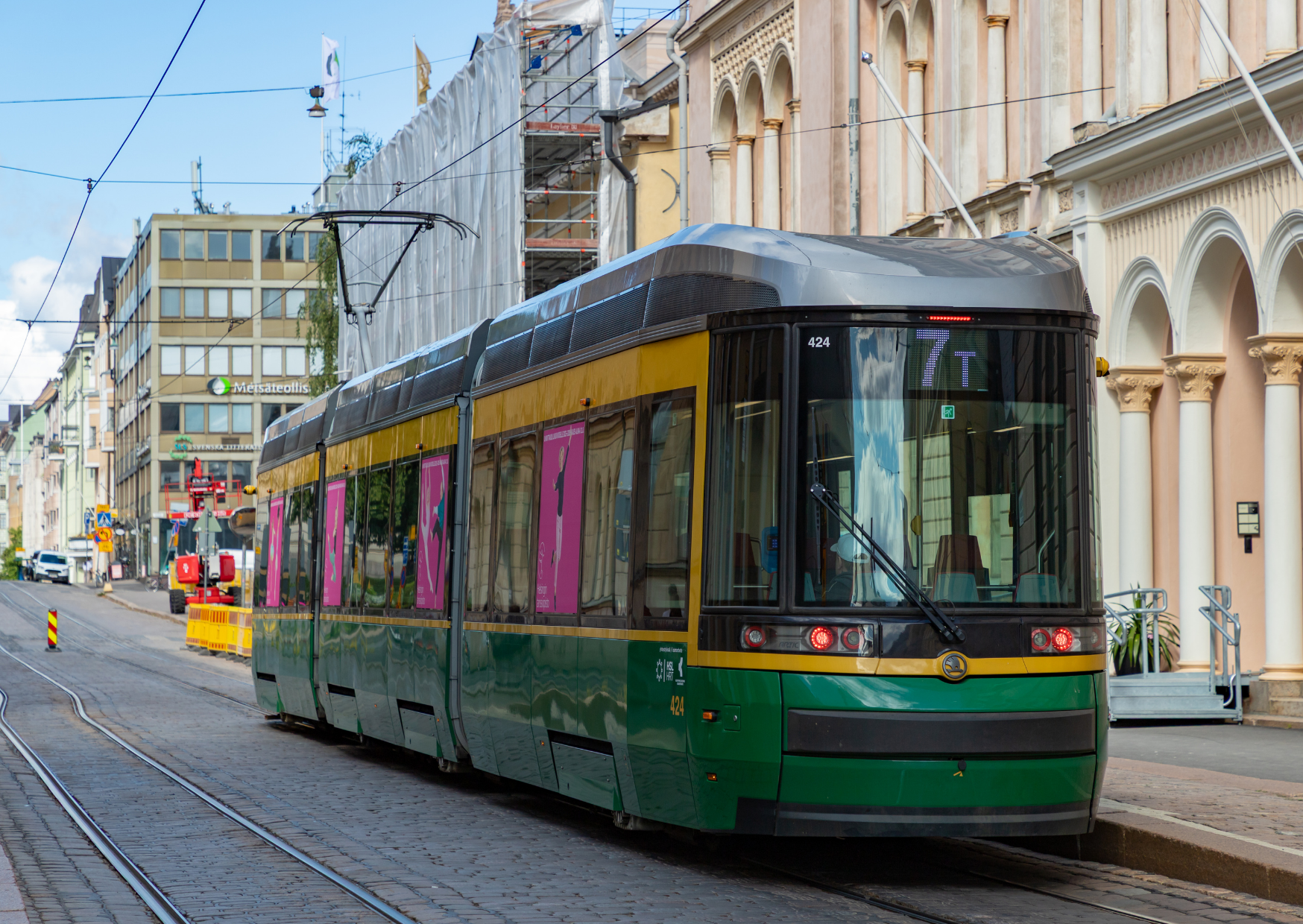
Helsinki is good. Helsinki is also the part of this route where the budget starts slipping toward real Nordic territory. The smarter move is not to build the trip around Helsinki hotel prices. It is to use Tallinn as the base and take the water crossing properly. Tallink runs the Helsinki-Tallinn route in about 2 hours, with up to 6 daily departures, and explicitly says same-day returns can save up to 40%.
That is the trick.
You still get the ferry, the harbor arrival, the Finnish light, the tram-scrubbed neatness of the whole place, and the psychological pleasure of stepping briefly into the Nordics without carrying Nordic hotel costs for three nights. Visit Finland’s own June guidance leans into exactly what makes this worthwhile: endless daylight, coastal cycling, midsummer atmosphere, and a city-season rhythm that feels alive long after dinner. Helsinki Day on 12 June is also built around free events across the city, which tells you something useful about the social character of summer there.
This is one of the best money decisions in the whole trip.
Use Helsinki as a day trip or one-night finish.
Do not let it become the place that turns your cheap northern route into an accidental Scandinavia bill.
What This Route Actually Costs
This is the part that matters if you are comparing it with the usual southern-Europe week.
A realistic version of this route, done without hostel suffering and without boutique-hotel delusion, still comes in well below what many Americans now spend in the Mediterranean once August hotels, transfers, and heat-driven convenience spending start stacking up.
Here is the rough shape:
- Riga short-break basket for two: about €297 for two nights plus common tourist costs, according to Latvia’s tourism site citing the 2025 Post Office barometer.
- Riga to Tallinn bus: Lux Express says Baltics and Warsaw tickets start from €9.90 when booked at least 7 days in advance.
- Tallinn to Helsinki ferry: around 2 hours, with same-day returns discounted by up to 40% on Tallink.
- Tallinn card add-on: worth considering only if you are doing museums, transit, and sauna-type extras hard. Otherwise skip it and spend the money on dinner.
The bigger hidden saving is not only transport.
It is behavioral.
You spend less because the route does not keep forcing you into expensive summer coping strategies. Fewer taxis because the cities are compact. Fewer paid shade purchases because you are not trying to survive a baking beach strip at 2 p.m. Fewer “we deserve this” meals because the whole trip is not built around peak-season Mediterranean inflation. That is why the route feels cheaper even beyond the visible ticket prices.
And yes, you can ruin this.
If you book too late, sleep in design hotels, and add Stockholm overnight ferries and Helsinki restaurants like there is no tomorrow, the Baltics will happily let you overspend. But that is not the route’s fault. The route’s value comes from staying east, using buses and ferries, and treating Helsinki as a taste, not the whole meal.
Book June or Early July and Leave August to Everyone Else
The timing matters.
This is not a route to book with lazy peak-season instincts.
The Baltic route works best in June and early July, when the daylight is long, the midsummer energy is real, and the hotel pressure still sits below full late-summer volume. Tallinn’s midsummer calendar revolves around June 23 and 24. Riga’s Līgo and Jāņi celebrations land in the same window. Finland’s June material is practically a love letter to long light. This is the sweet spot.
August is not terrible.
It is simply less special.
By then, everyone else has also remembered that northern Europe exists, and you lose part of the route’s best quality, which is that it still feels like summer is happening for the people who live there. If you want the full effect, go before the second half of summer starts turning the route into one more solved trend.
That does not mean “secret.”
It just means “still alive.”
The Part Southern Europe Cannot Fake Right Now
The Baltic route wins on something that has nothing to do with value spreadsheets.
It wins on ownership.
In southern Europe in peak summer, you often feel like you are stepping into a machine that was already running too hard before you arrived. In the Baltics in June, you still get the feeling that the season belongs to locals first and visitors second. The festivals are real. The waterfronts feel used. The beaches and parks and ferries are not there to flatter you. They are there because this is how summer actually works in these places.
That is why the route feels more.
More daylight, obviously.
But also more civic life. More local ownership. More normal public joy. More room to sit at the edge of the water with a beer and not feel like the entire city is trying to invoice you for the privilege.
For a lot of Americans, that is the real luxury this summer.
Not lower prices by themselves.
A place that still feels like itself.

About the Author: Ruben, co-founder of Gamintraveler.com since 2014, is a seasoned traveler from Spain who has explored over 100 countries since 2009. Known for his extensive travel adventures across South America, Europe, the US, Australia, New Zealand, Asia, and Africa, Ruben combines his passion for adventurous yet sustainable living with his love for cycling, highlighted by his remarkable 5-month bicycle journey from Spain to Norway. He currently resides in Spain, where he continues sharing his travel experiences with his partner, Rachel, and their son, Han.