
Ryanair still expects you to check in online before you reach the airport.
Miss that window, and the airline can charge an airport check-in fee per passenger per sector. On Ryanair’s current fee table, that fee is €55, except for departures from Spain where it is €30, and for Austria where it is €40. That means a family of six leaving Spain without checking in online can add €180 to a one-way flight before anyone buys a sandwich.
That is the rule Americans keep learning too late.
Not because Ryanair hides it exactly. The airline says it very plainly. If you do not check in online up to 2 hours before scheduled departure, you can still check in at the airport up to 40 minutes before departure, but you will be charged the airport check-in fee. The airline also now runs a 100 percent digital boarding pass system through its app, which makes the whole thing feel even more normal to Europeans and even more punitive to travelers who still think airport check-in is a basic part of the ticket.
That is the cultural split.
In the U.S., many passengers still assume airport check-in is included unless bags or seat selection complicate the story. In European low-cost flying, especially with Ryanair, airport check-in is a failure state, not a service tier. The system assumes you will have already done the work on your phone.
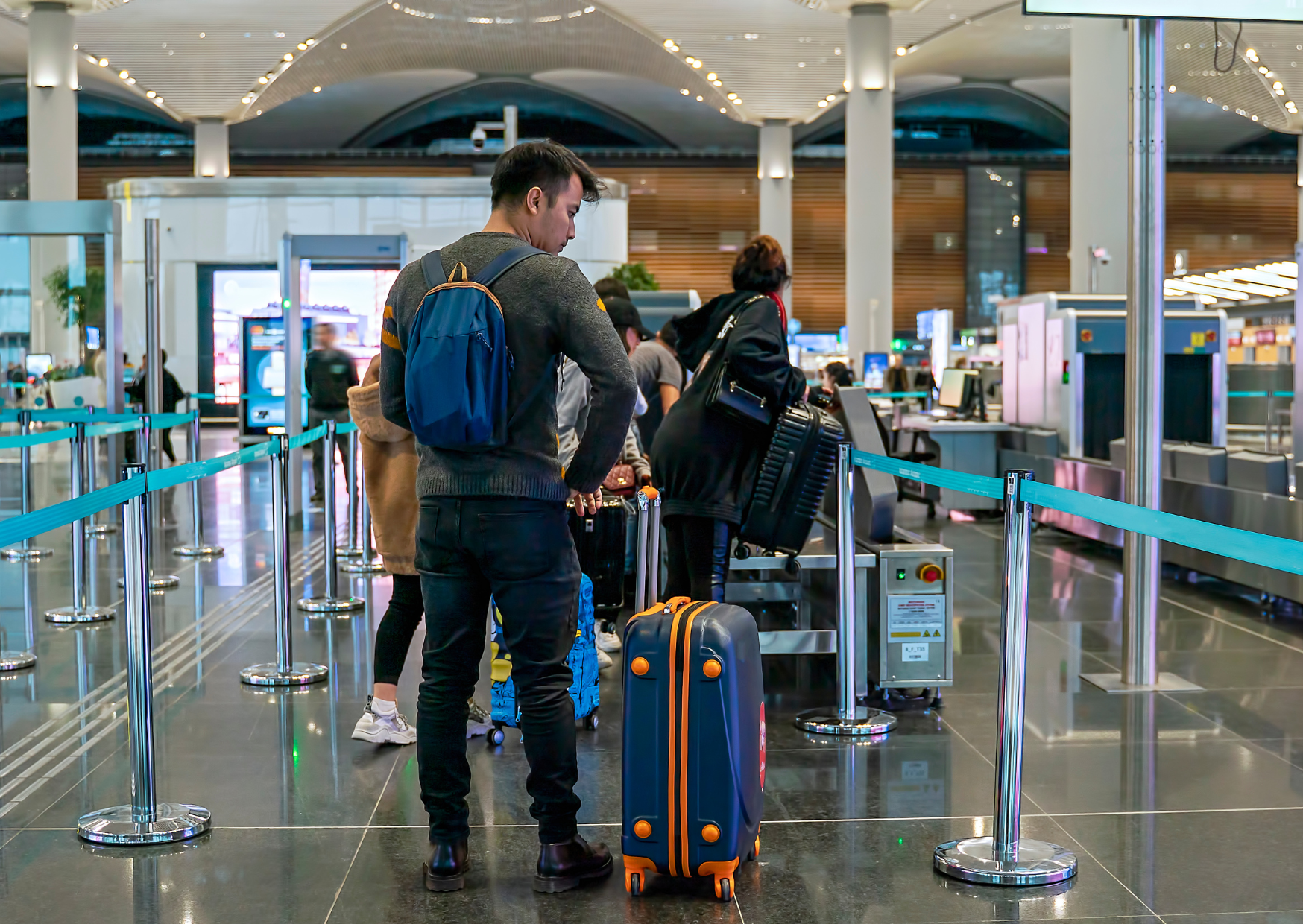
The Rule Is Not “Arrive Early.” The Rule Is “Arrive Already Checked In.”
That difference matters.
Ryanair is not mostly trying to train you to be punctual. It is trying to keep you out of the desk line entirely. The airline’s help center says online check-in opens up to 60 days before departure if you reserved a seat and 24 hours before departure if you did not and the seat is assigned randomly. It closes 2 hours before departure. After that, you are no longer just a normal traveler arriving at the airport. You are a desk problem.
That is why the charge feels so insulting to people meeting it for the first time.
They think they are buying one last piece of ordinary airport help.
Ryanair thinks they are asking for a manual service they were repeatedly told to avoid.
The help pages could not be much clearer. “If you do not check in online up to 2 hours before your scheduled departure time,” the airline says, you may still check in at the airport up to 40 minutes before departure, but you will be charged. That is the policy. Not a rumor. Not an internet complaint thread. The policy.
And the fee is not symbolic.
How the €180 Happens So Fast
This number sounds dramatic until you do the arithmetic.
Ryanair’s current fee table says the airport check-in fee is €55, with a lower €30 fee for flights departing Spain. Because the fee is charged per passenger and per sector, it multiplies immediately across families and multi-leg trips. A family of six departing from Spain who all ignored online check-in can be charged 6 x €30 = €180 on that one departure. A family of four departing from the UK or Italy can be staring at 4 x €55 = €220 on a single sector.
That “per passenger per sector” language is the part people miss.
They hear “airport check-in fee” and imagine a one-time administrative nuisance. Ryanair prices it like a passenger-level service event. That is why the damage scales so quickly in group bookings. The airline’s fee table and terms both support that reading, and the help pages repeatedly direct passengers back to those fees whenever online check-in is missed.
So yes, €180 is real.
It is just not the universal fee for one person. It is the very easy family or group number that appears the minute a Spain-origin booking involves several passengers and nobody bothered to check in before leaving for the airport.
Why Americans Keep Getting Caught
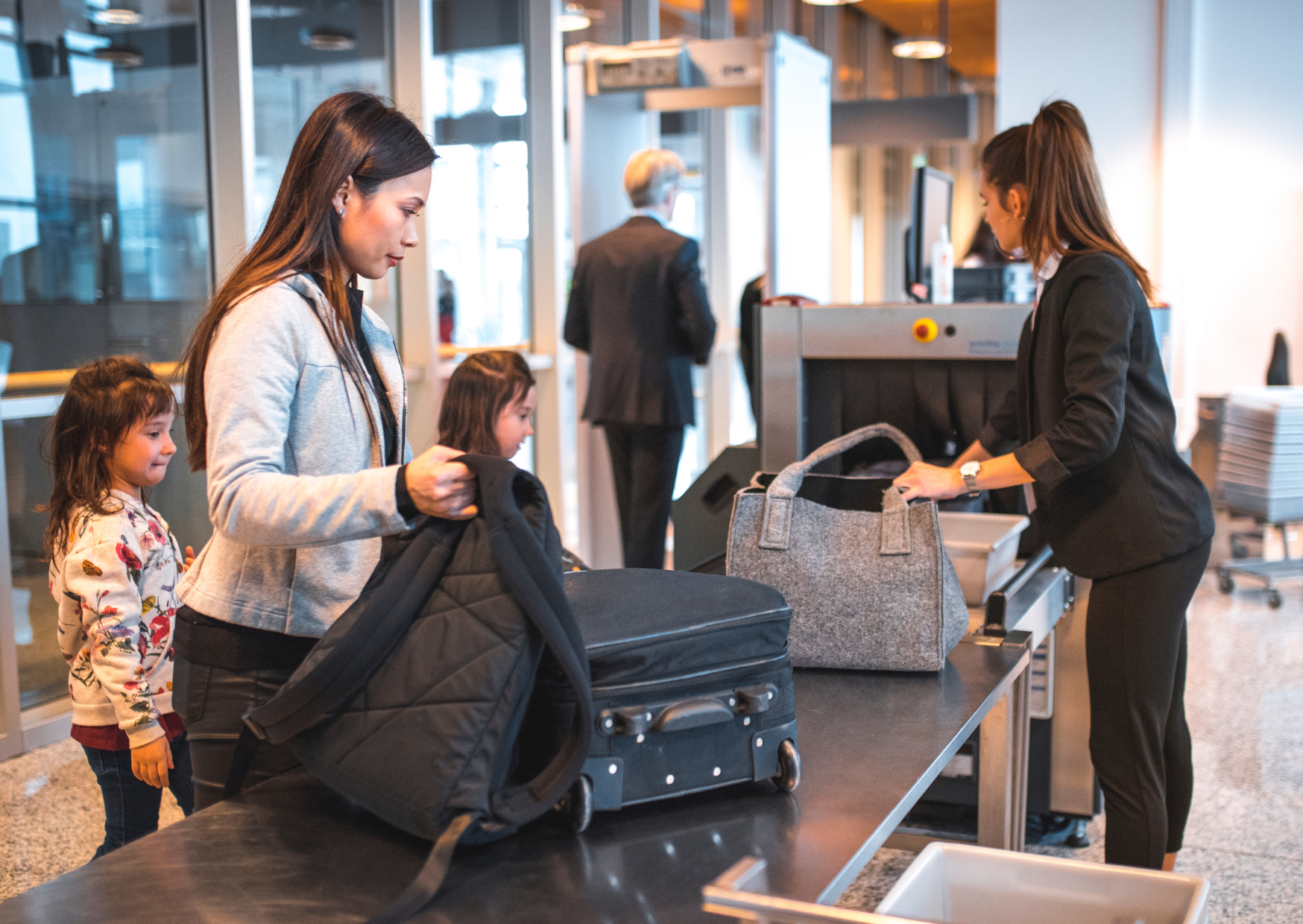
Because Ryanair is operating with a very different assumption about passenger behavior.
The airline now pushes digital boarding passes hard. Its digital boarding pass page says Ryanair has moved to 100 percent digital boarding passes, that passengers receive the pass in the Ryanair app when they check in online, and that passengers who arrive at the airport without having checked in online will still be required to pay the airport check-in fee. That is not just a convenience feature. It is the company’s operating model.
Americans often arrive with the wrong script in their heads.
They are used to airlines where app use is common but not morally central. They are used to airport desks as a place where unfinished passenger admin can still be tidied up. Ryanair is still willing to tidy it up. It just prices that tidy-up aggressively enough to teach the lesson.
This is also why the phrase “at the gate” keeps floating around in complaints, even though the real problem usually starts earlier at the check-in desk. By the time people realize they do not have a valid boarding pass or never completed online check-in, the airport is already charging them for failing to do what the system expected at home.
It feels punitive because it is designed to be avoidable.
That is the whole business logic.
The Important Exception Americans Also Get Wrong

If you did check in online and then your phone dies, gets lost, or the app refuses to behave at the airport, that is a different story.
Ryanair’s digital boarding pass page says that if you have already checked in online and your smartphone or tablet is lost or dies, you will receive a free boarding pass at the airport. The same page says passengers without a smartphone can also receive a free boarding pass at the airport as long as they already checked in online before arriving. It also says boarding pass reissue fees disappear as long as the passenger checked in online first.
That is an important distinction.
The fee is not for having tech problems.
The fee is for failing to check in online before coming to the airport.
Those are not the same mistake, and Americans collapse them too often because they are still mentally sorting Ryanair under “normal airline with an app” instead of “low-cost carrier built around self-service first.” Once you understand that split, the policy makes more sense even if you still hate it.
The Visa Check Carve-Out Matters Too
There is another exception that matters for non-EU or document-heavy travelers.
Ryanair’s help pages say that if a passenger successfully attempts visa-document verification through the app and receives a document rejected or document scan error after at least three tries, the passenger will be checked in and can then go to the airport for manual document verification without paying the airport check-in fee. The same rule appears in the visa-document FAQ section. If, however, the passenger simply did not attempt online verification before the closing window, then airport check-in and the related fee still apply.
This matters because some Americans are actually being hit by two different systems at once:
the airline’s self-service check-in logic, and the airline’s document-verification logic for passengers who need manual visa or residence checks.
Ryanair is clearer about this than people assume. It is not charging the airport fee when the passenger made the required attempts and the app failed to finish the job. It is charging when the traveler did not complete or seriously attempt the required online step before arrival.
That is a useful distinction if you are flying as a non-EU family and the app is behaving badly.
The answer is not “hope the desk sorts it out.”
The answer is “attempt the verification properly and leave a record that you did.”
This Is a European Low-Cost Rule, Not Just a Ryanair Quirk
Ryanair is simply the cleanest, most punitive version of a broader European low-cost travel culture.
The model assumes self-service first. Bags are paid separately. Seats are a choice product. Boarding passes are handled in the app. Check-in is an online task, not a desk ritual. If you want the airline staff to do the task for you at the airport, the airline charges you for that failure state. Ryanair’s digital boarding pass rollout only makes that logic more explicit.
That is why Americans get surprised.
Not because the rule is uniquely hard to understand, but because it collides with older expectations about what the airport is for. In this model, the airport is for security, bag drop, and boarding. It is not for starting your passenger admin from scratch.
Once you accept that, the rule stops feeling random.
It still feels annoying.
But it no longer feels mysterious.
The Real Avoidance Strategy Is Boring
You do not need a travel hack.
You need a checklist.
Check in when the window opens. If you reserved seats, that can be up to 60 days before departure. If you did not, the window is 24 hours before and closes 2 hours before departure. Download the app. Confirm the boarding pass is actually visible in the app, not just in your email. If your route involves visa or residence-document checks, attempt the in-app verification properly instead of leaving it until the airport. Ryanair’s help center lays out all of these steps in plain language.
And if you are traveling as a family, assign one person to own the check-in process.
That sounds obvious.
It is also how you avoid the €180 surprise. Group bookings fail when everyone assumes someone else handled it. Ryanair’s fee model punishes that kind of ambiguity especially hard because the cost multiplies by passenger and by sector.
So yes, the European rule is real enough.
It is the low-cost expectation that you arrive already checked in, with your boarding pass already in the app, and with your document issues already handled if possible. Miss that, and Ryanair charges accordingly. On a Spain-origin family booking, the bill can hit €180 faster than most Americans think.

The Rule Is Not Complicated Which Is Why Americans Get So Angry About It
Ryanair’s check-in rule is brutally simple.
If you do not check in online up to 2 hours before your scheduled departure, you can still check in at the airport up to 40 minutes before departure, but you will be charged the airport check-in fee. Ryanair’s own fee table currently lists that fee at €55 per passenger in most markets, with €30 from Spain and €40 from Austria. That is why people keep having the same argument at the desk. They are not being told they cannot fly because of a mysterious paperwork issue. They are being told they failed to do the one low-cost-carrier task the airline built the whole system around.
This is also why the anger feels bigger than the fee.
Most Americans come from airline systems where airport staff still feel like a backup option. Ryanair treats the airport as the expensive exception, not the default. Once you understand that, the charge stops looking random and starts looking like exactly what the airline says it is: a penalty for shifting a digital task back onto airport staff. It still feels punishing. It just does not feel mysterious anymore.
The Cheap Fare Dies Fast Once More Than One Person Misses Check-In
This is where the damage starts to feel stupid.
One passenger missing online check-in is usually €55. Two passengers in most markets means €110. A family of three can be staring at €165 before coffee, bags, or a single bad airport sandwich enters the story. That is how a flight people booked because it looked absurdly cheap suddenly starts behaving like a punishment exercise. Ryanair’s table of fees is explicit that the airport check-in fee is charged per passenger, not per booking.
That per-passenger structure matters because Americans often think in reservation terms.
They think, “We forgot to check in.” Ryanair thinks, “Three separate passengers did not complete online check-in.” Those are not the same financial event. And that is exactly why the total gets ugly so quickly at the desk. The airline is not quietly rounding up one family mistake into one family-friendly fee. It is charging person by person, which is perfectly consistent with the model and emotionally infuriating in practice.
The App Solves Most of This The Airport Does Not
Ryanair has made the logic even clearer since moving to digital boarding passes.
From 12 November 2025, passengers who check in online receive a digital boarding pass in the Ryanair app by default. The airline says the whole point is quicker travel, less paper, and lower airport costs. The important detail is this: if you have already checked in online and then lose your phone or it dies, Ryanair says you will get a free boarding pass at the airport. The expensive mistake is not “my phone battery collapsed.” The expensive mistake is “I never checked in online in the first place.”
That is where Americans often misread the rule.
They assume the airline is charging for a missing piece of paper or a dead screen. Ryanair’s own help pages say otherwise. Once check-in is done, the boarding-pass problem is usually fixable without charge. The fee exists because the passenger arrived having skipped the actual check-in step. That distinction sounds technical until you are standing at the desk. Then it becomes the whole story.
The Real Trap Is Treating Ryanair Like a Legacy Airline
This is the cultural mistake under the financial one.
A lot of Americans still approach Ryanair like a normal airline with extra fees, when it makes much more sense to think of it as a digital self-service transport system that happens to use planes. The airline expects the passenger to do the administrative work first, at home, on time, on the app or website. The airport is not there to save the booking gracefully. It is there to process the people who followed the steps and charge the ones who did not. That is not subtle in Ryanair’s own help pages. The reminders go out 48 and 24 hours before departure, and the airport check-in fee still applies if the passenger ignores them and arrives unchecked.
Once you see the airline that way, the whole fee culture makes more sense.
The cheap fare is the reward for doing your part of the job correctly. The airport fee is what happens when you hand the task back to the airline too late. That is why Americans find out at the gate or at the desk and feel personally offended. They still think they bought a cheap ticket. Ryanair thinks they bought a cheap ticket plus a list of obligations.

About the Author: Ruben, co-founder of Gamintraveler.com since 2014, is a seasoned traveler from Spain who has explored over 100 countries since 2009. Known for his extensive travel adventures across South America, Europe, the US, Australia, New Zealand, Asia, and Africa, Ruben combines his passion for adventurous yet sustainable living with his love for cycling, highlighted by his remarkable 5-month bicycle journey from Spain to Norway. He currently resides in Spain, where he continues sharing his travel experiences with his partner, Rachel, and their son, Han.