

Year one often looks survivable. Year two is where Italy asks whether the budget was real or just enthusiastic.
A Georgia couple arriving in Italy with $350,000 does not look reckless on paper.
At the ECB reference rate from April 27, 2026, that pile becomes about €298,000. Italy is not cheap everywhere, but it is still not France-level or Swiss-level expensive in most places either. Current Italy cost guides put the average household around €2,800 a month, with one-bedroom rents in Rome, Florence, and Milan often running €1,200 to €1,600, while smaller southern cities can still come in far lower. On simple monthly math, a couple can look at that cash pile and think, correctly, that the first year is probably manageable.
That is exactly why year two catches people.
The problem is usually not groceries. It is not espresso. It is not that pasta turned out to be more expensive than the internet promised. The thing that does the damage is often housing twice. The first apartment was temporary. The second apartment required another deposit, another contract, often another agency fee, and sometimes a whole new round of furnishing and setup costs just when the couple thought the hardest part was over.
That is the expense that wipes out year two.
Not because it empties the account in one shot.
Because it kills the illusion that year two will cost roughly what year one cost.
The Cash Looked Stronger In Georgia Than It Did In Italy
Three hundred fifty thousand dollars feels large in the United States when people say it fast.
It feels smaller once it becomes a relocation fund.
At €298,000, the pile is real but not luxurious, especially for two adults who are not moving to a deeply cheap part of southern Italy and who still need enough financial stability to keep residency, rent, healthcare, and daily life running without panic. Italy’s own mid-2026 living-cost guides put the average household around €2,800 a month, and broader country-level cost data put a family of four excluding rent at about €3,152. A couple can live for less than that, but not by accident and not everywhere.
That means a couple living on €2,700 to €3,000 a month is not being extravagant.
They are being normal.
At €2,800 a month, the first year burns €33,600. That leaves roughly €264,000 after year one if the money is just sitting there in cash. Still fine. Still solid. Still enough to keep the dream alive. The problem is that many Americans stop the calculation there, as if the second year will simply be twelve more copies of the first one.
Italy is often less polite than that.
The first year is where you arrive, register things, learn the city, and accept an imperfect rental because you need an address fast. The second year is where the country starts charging you for the difference between temporary shelter and actual housing.
Year One Usually Works Because The First Apartment Is A Bridge
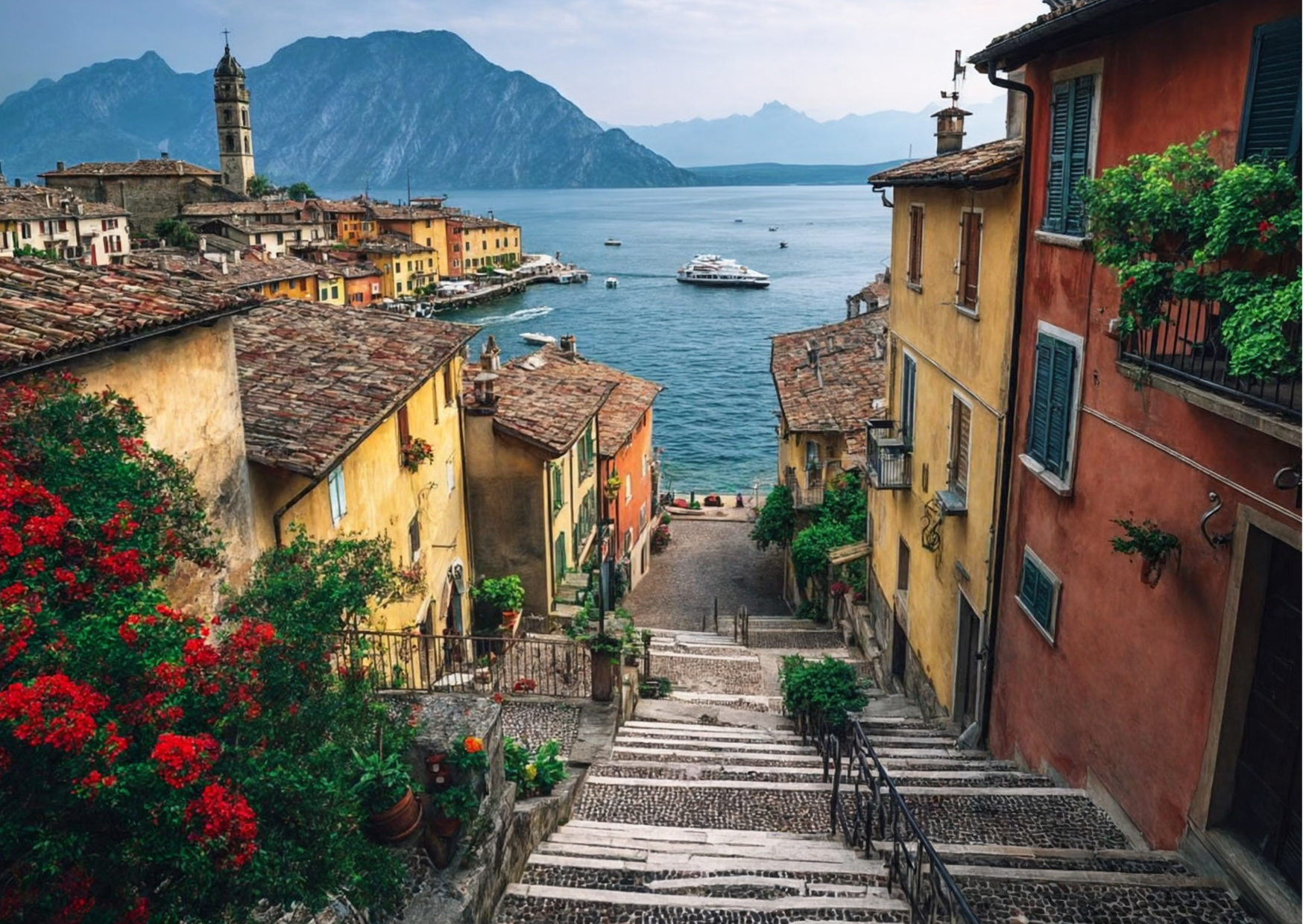
A lot of foreign arrivals do not land in their long-term apartment first.
They land in whatever apartment they can get.
Italy’s contratto transitorio exists for exactly that sort of situation. It is a short-term residential lease, usually 1 to 18 months, designed for temporary housing needs, and current Italian rental explainers specifically note that it is commonly used for relocation. It gives both parties flexibility, but that flexibility cuts both ways. It also means the contract ends, and when it ends it does not renew automatically. If the tenant wants to stay, a new contract has to be signed.
That sounds manageable until the couple actually lives through it.
Year one is often spent in a furnished place that is good enough, expensive for what it is, and tolerated because everything is new. The rent feels high but survivable. The location is not perfect but practical. They tell themselves they will sort it out later, after the residency steps are calmer, the language is less exhausting, and they understand the city better. That is not stupid. It is how many relocations work.
The trap is assuming that “sorting it out later” means a simple renewal.
In Georgia, year two often means a slightly higher rent and another twelve months. In Italy, year two can mean another search, another landlord, another contract type, and another demand for cash up front before anyone hands over keys. That is where the budget stops behaving like a monthly budget and starts behaving like a liquidity test.
The Second Front Door Is Where The Money Goes

This is the part people usually under-budget by thousands.
Italian law caps the residential security deposit at three months’ rent, and in practice landlords commonly ask for two to three months. On top of that, agency fees are often about one month’s rent plus VAT. If the couple is moving into a fairly ordinary one-bedroom in a city like Rome or Florence, where current guidance still places many one-bedrooms in the €1,200 to €1,600 range, the entry cost on the second apartment gets ugly very fast.
Use the mild version, not the nightmare version.
Say the second apartment is €1,250 a month. That is not a luxury figure in central or higher-demand Italy. A three-month deposit is €3,750. Agency fee plus 22% VAT is about €1,525. First month’s rent adds another €1,250. Before utility transfers, moving costs, or replacing whatever was included in the first furnished flat but not included in the second, the couple is already looking at €6,525 just to enter housing again.
That is the expense that wipes out year two.
Not because six and a half thousand euros is apocalyptic on a €298,000 starting pile. It is not. The problem is what that number does to the annual rhythm. If the couple was expecting another normal €33,600 year, the second housing entry pushes year two closer to €40,000 before any unusual healthcare, family travel, or tax-prep costs enter the room. One housing reset just turned a manageable year into a meaningfully heavier one.
And that is with a restrained apartment.
At €1,500, the same restart becomes roughly €7,830 before the softer costs. At €1,600, it is well above €8,000. A couple that thought Italy would now run on stable monthly math suddenly finds itself writing another move-in cheque large enough to ruin its idea of what “settled” meant.
The Visa Was Never Just About The $350,000

There is another reason this scenario bites people.
The cash pile is not the whole immigration file.
Italy’s elective residence route is built around steady passive income, not around a one-time lump sum and good intentions. Consular guidance varies, but it is consistently stricter than many Americans expect. The Boston consulate’s current guidance explicitly asks for more than €31,000 yearly per applicant in documented stable passive income, while other consulates frame the requirement more generally but still emphasize substantial self-sustaining resources and no work income. The visa is not designed for “we have a decent nest egg and will see how it goes.”
That matters because couples often arrive feeling financially stronger than they actually are.
The visa file rewarded them for looking stable enough to move. It did not promise that the monthly burn would stay smooth after arrival. And once they spend more than 183 days in Italy, they are generally moving into Italian tax residence territory and all the paperwork, planning, and professional help that can come with it. That is not necessarily the expense that wipes out year two, but it is exactly the kind of background pressure that makes a second housing hit feel worse when it lands.
The couple living off capital usually feels this in sequence.
Year one is logistics and adrenaline. Year two is administration, housing, renewals, and the dawning realization that Italy is perfectly happy to let you stay if you can keep proving you belong. That proof often costs cash, patience, and more front-loaded payments than Americans are used to.
The Small Fees Are Not The Story But They Still Add Weight
The apartment reset is the large hit.
The smaller Italian administrative costs still matter because they arrive when the couple is already irritated.
A residence-permit renewal typically includes a €16 revenue stamp, €30.46 for permit production, €30 for shipping, plus an additional contribution that can be €50 for permits longer than one year and less than two. For two adults, that is already over €250 before anyone mentions translations, duplicate photocopies, transport to the appointment, or the time lost waiting.
Healthcare can add another layer depending on route and timing.
Foreign retirees arriving under elective residence need comprehensive private health insurance at the visa stage, and some later move into Italy’s public system through voluntary registration, where eligibility and cost depend on circumstances and region. The practical point is not that Italian healthcare is uniquely costly. It is that foreigners often pay for overlap in the early years: private cover because the visa says so, then public registration or private top-up because the real system is slower or more complicated than they expected.
None of those lines wipes out the year by itself.
They just make the main expense heavier.
That is why the second-front-door problem lands so hard. It does not arrive into a calm spreadsheet. It arrives into a year that is already carrying permit fees, insurance questions, documentation, and the cost of trying not to make a mistake in a language the couple still may not command well enough for comfort.
What Year Two Actually Does To $350,000
Here is the clean version.
Start with $350,000. At the April 27, 2026 ECB reference rate, that is about €298,000. Assume a very ordinary couple’s Italy budget of €2,800 a month. After year one, they have about €264,000 left. If year two looked exactly the same, they would end it around €230,000. Manageable. Not cozy, but manageable.
Now add the housing reset.
Another €6,525 to enter the second apartment at €1,250 a month. Add roughly €250 in permit-renewal fees for two adults. Suddenly year two is not a plain €33,600 year anymore. It is closer to €40,375 before any other frictions show up. End-of-year cash is now roughly €223,600, not €230,000.
That seven-thousand-euro difference is what people feel.
Not because it destroys the move.
Because it erases the margin that made the move feel emotionally safe.
A couple that arrived thinking “we have years” now starts doing the quieter math. How many more years if rent goes up. How many more years if private healthcare stays in the picture longer than expected. How many more years if they need another move, another tax bill, another emergency flight back to Georgia, another layer of bureaucracy they did not see coming. The second year does not empty the account. It knocks the optimism out of the arithmetic.
The Seven Days Before You Copy This Move
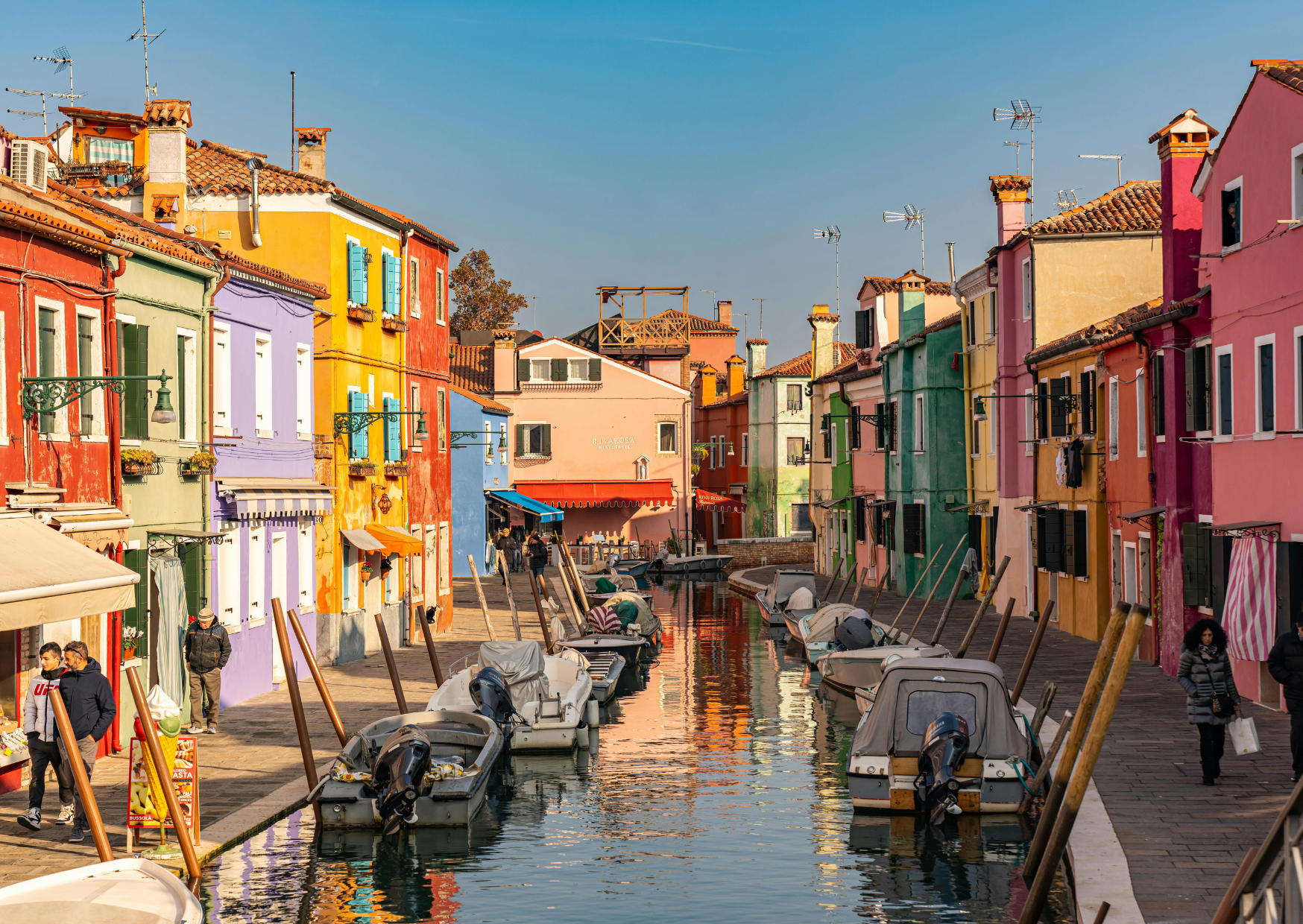
If a Georgia couple is serious about Italy, the first useful week is not romantic.
It is administrative.
Day 1: convert the cash pile properly at the current ECB rate and write the euro number down. Stop thinking in old-dollar comfort.
Day 2: choose the likely city and price the real rent line there, not the dream line. Rome, Florence, and Milan are not priced like smaller southern towns, and current one-bedroom guidance in the big-name cities still sits around €1,200 to €1,600.
Day 3: ask what contract you are actually likely to get in year one. If the answer is transitory lease, budget as if you may have to pay to enter housing again in year two. Because you may.
Day 4: price the second front door in advance. Three months’ deposit, first month’s rent, and an agency fee of roughly one month plus VAT. Write the total down before you tell yourself the monthly budget works.
Day 5: check the actual visa path. Italy’s elective residence route is about passive income, not just a respectable bank balance. A couple that cannot document ongoing resources cleanly is not “almost there.” They are not there.
Day 6: add the renewal and admin layer. Permits, stamps, postage, insurance overlap, and whatever professional help you will almost certainly want once the paperwork gets irritating.
Day 7: rerun the whole scenario with one ugly year instead of one tidy one. That means normal monthly costs plus the second housing entry. If the move still works, the plan is strong. If that extra €6,000 to €8,000 breaks the logic, it was never a year-two-proof plan in the first place.
The Budget Usually Breaks At The Second Front Door
That is the part worth remembering.
People love talking about food, trains, and lifestyle because those are the photogenic costs. Those are not usually the bills that change the story. The story changes when the first apartment expires, the second apartment demands cash, and the couple realizes Italy did not just ask them to live there. It asked them to re-enter the system one more time at full price.
With $350,000, a couple can absolutely make Italy work for a while.
What they cannot do is assume that year two is simply year one with better Italian. The expensive part is often not the move across the Atlantic. It is the second front door, the second deposit, the second contract, and the moment the country stops treating them like arrivals and starts treating them like residents who need to keep up.

About the Author: Ruben, co-founder of Gamintraveler.com since 2014, is a seasoned traveler from Spain who has explored over 100 countries since 2009. Known for his extensive travel adventures across South America, Europe, the US, Australia, New Zealand, Asia, and Africa, Ruben combines his passion for adventurous yet sustainable living with his love for cycling, highlighted by his remarkable 5-month bicycle journey from Spain to Norway. He currently resides in Spain, where he continues sharing his travel experiences with his partner, Rachel, and their son, Han.