
This is not about whether Americans can cook. Plenty can. It is about the little kitchen behaviors that make Greek cooks stop mid-task, inhale through the nose, and wonder who taught you that.
There are habits Greek cooks will tolerate politely.
Then there are the habits that make them go quiet.
Not because they are snobs. Greek home cooking is not built on precious restaurant technique. It is built on simple food, strong ingredients, and a kitchen culture that can be surprisingly unforgiving about basic judgment. If the tomatoes are cold, the salad is wrong. If the feta is dry and pre-crumbled, the dish already lost something. If the chicken has been rinsed under the tap and then waved around the sink area like a bacterial sprinkler, someone is going to look at you the way only an older Greek woman can.
A lot of American kitchen habits come from convenience culture. Bigger shops. More refrigeration. More packaged shortcuts. More giant weekly hauls. More treating the kitchen like a staging zone rather than a daily room of the house. Greek kitchens tend to run differently. They are often smaller, more repetitive, more ingredient-led, and more suspicious of anything that flattens flavor or muddies the line between fresh, safe, and lazy.
That is why these habits land so badly.
Not because they break a sacred law.
Because they make Greek food taste duller, feel sloppier, or look like the cook stopped paying attention halfway through.
The Greek Kitchen Is Not a Freestyle Sanitation Experiment
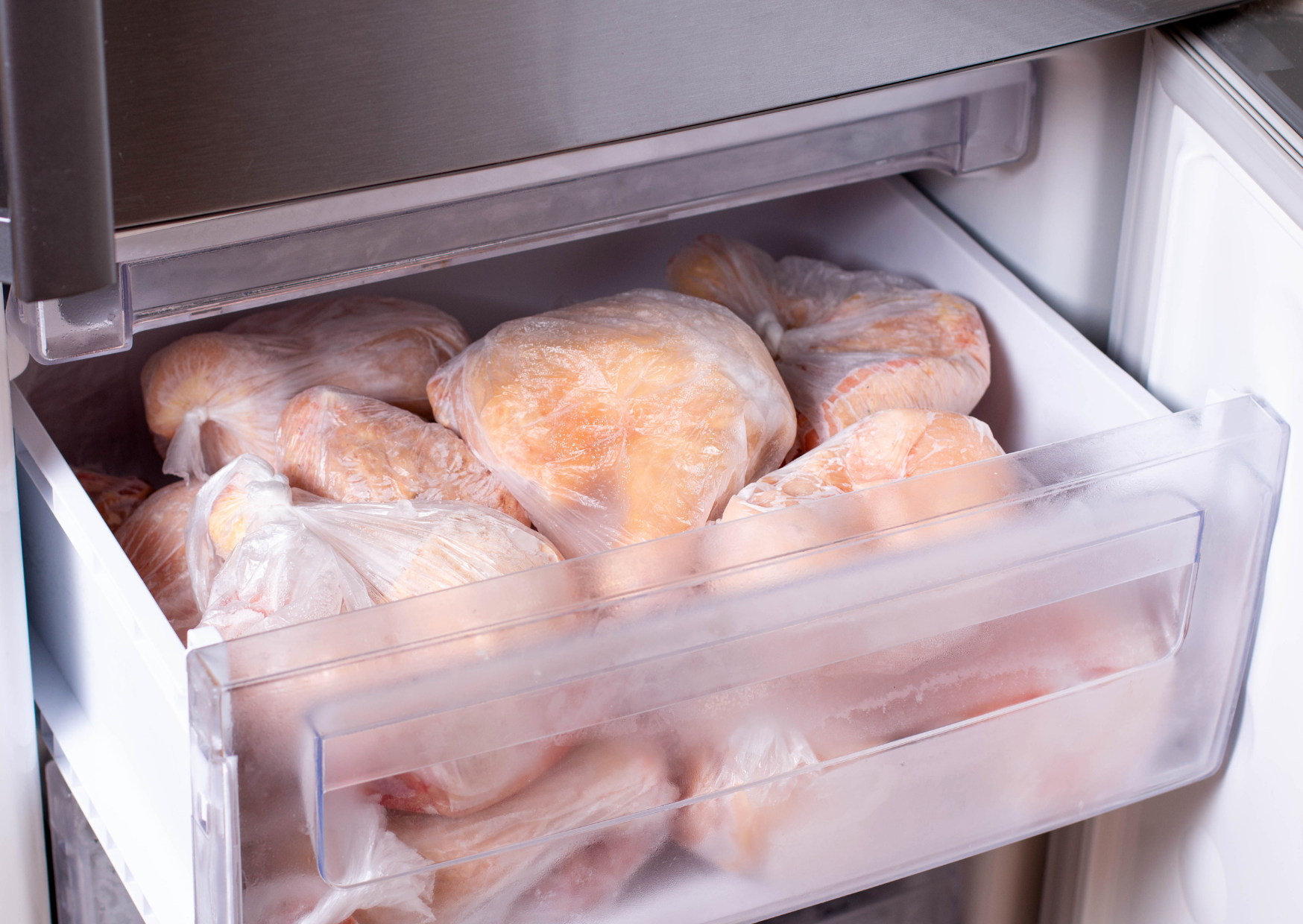
The first three are not really about tradition. They are about whether you can be trusted near raw poultry.
1. Rinsing raw chicken under the tap. This is the kind of thing that makes Greek cooks flinch visibly. EFSA says never wash raw chicken, because it can spread bacteria around your kitchen work surfaces, and Greece’s own food-safety authority warns that splashing water from washed raw chicken can scatter contamination up to 80 centimeters around the sink area. That is not a charming old trick. That is a messy way to season your kitchen with microbes.
2. Defrosting meat, chicken, or fish on the counter. Greek cooks who care about food safety tend to be very plain about this. Argiro’s kitchen guidance says chicken should thaw slowly in the refrigerator, and EFSA says meat, fish, and seafood should be thawed on a tray in the fridge to avoid contamination. A lot of Americans still leave things out and call it practical. Greek cooks are more likely to call it unnecessary.
3. Using the same knife, board, or sink area for raw meat and salad ingredients without a proper reset. This is one of those behaviors Americans sometimes do casually because they are cooking fast and telling themselves they will “wipe it in a second.” Greek food-safety guidance is much stricter about separation, cleaning, and not letting raw meat drift into ready-to-eat food prep. The Greek kitchen may look relaxed from the dining table. Up close, it is often much less relaxed than Americans assume about what touched what.
This is the important thing to understand early.
Greek cooks are often less industrial about food than Americans, but not less careful. The kitchen does not have to look clinical. It does have to look like somebody knows where the raw chicken has been.
Stop Chilling the Salad Into Submission
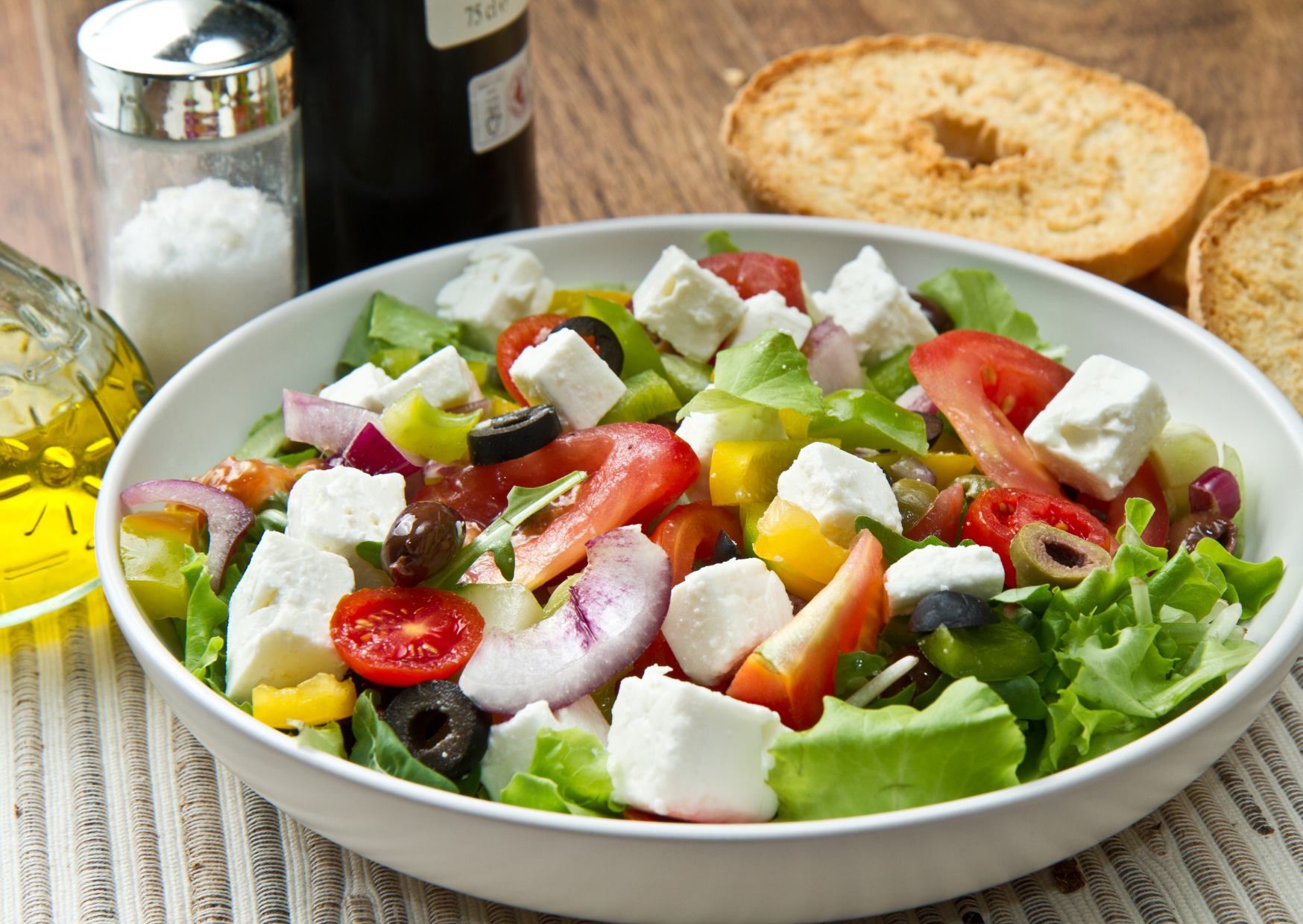
Greek cooks do not need a lecture on tomatoes. They need Americans to leave them alone.
4. Refrigerating tomatoes until they taste like wet cardboard. USDA research has found that refrigerating tomatoes can cause flavor loss, and Food & Wine notes refrigeration can make tomatoes mealy and less flavorful. If you are building a Greek salad, this is a terrible start. Greek salad depends on ripe tomatoes doing real work, not just showing up red and cold.
5. Making “Greek salad” with lettuce, bottled dressing, and a kind of panicked need to complicate it. Allrecipes’ Greek cuisine expert lays this out clearly: authentic horiatiki has no lettuce, no bottled creamy nonsense, and traditionally no vinegar or lemon juice either. The flavor is supposed to come from ripe tomatoes, salt, good olive oil, and the natural juices that pool at the bottom. Americans love turning this into a cold chopped salad with random extras. Greek cooks tend to see that as a different dish wearing a fake name tag.
The cold-temperature part matters more than people think. Greek salad is not supposed to feel like it came straight from a refrigerator drawer. Greek recipe guidance repeatedly leans toward room-temperature tomatoes, resting time, and letting the juices gather. The American habit of serving it icy and over-dressed is one of the fastest ways to flatten the whole point.
There is a deeper difference here.
American kitchen logic often chases crispness first. Greek kitchen logic chases flavor first. When those two priorities collide, the tomato usually suffers.
Feta Is Not Salty Confetti
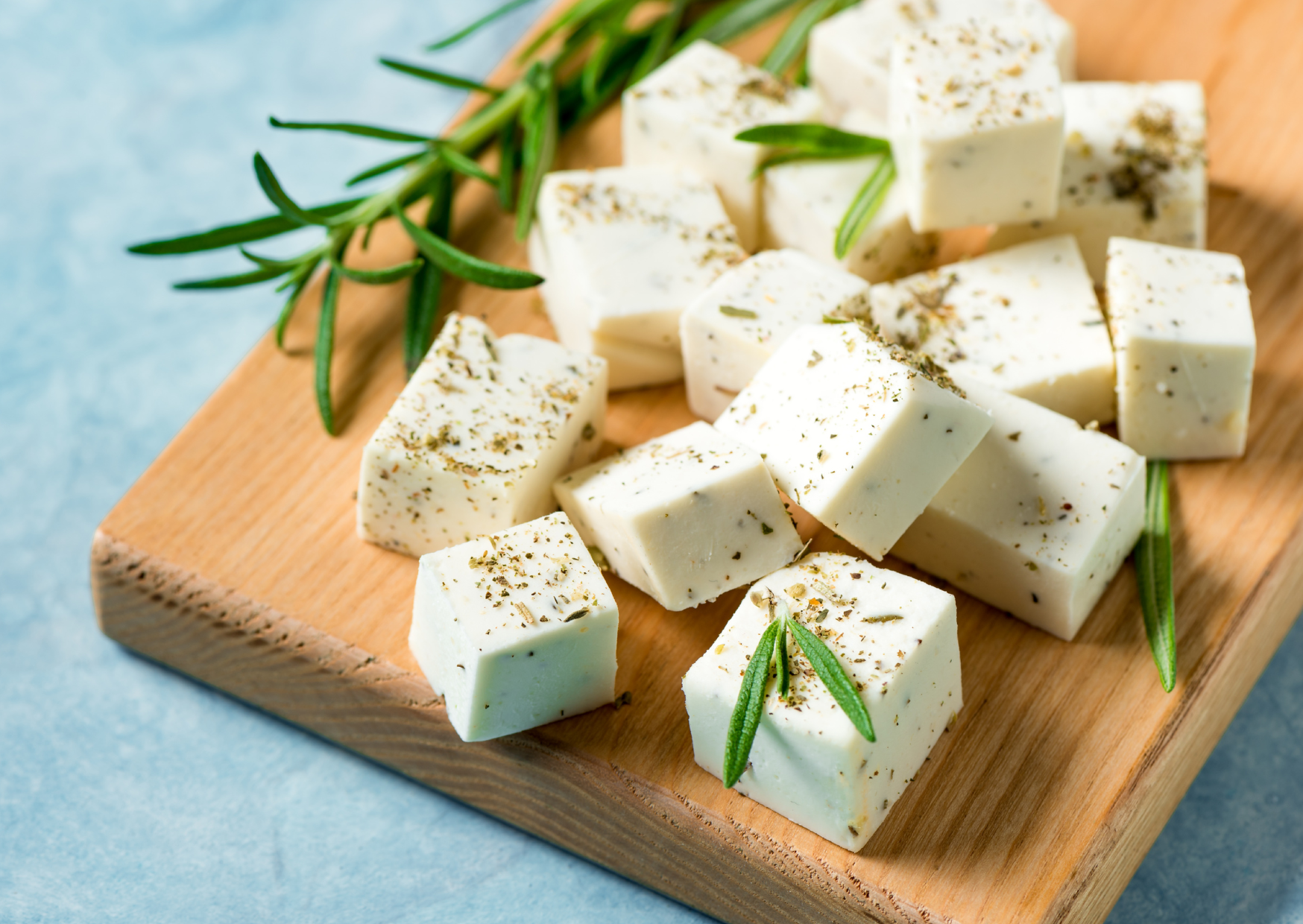
This one sounds petty until you taste the difference.
6. Buying dry pre-crumbled “feta-style” cheese and scattering it like sawdust. The European Commission’s PDO page is very clear that feta is a protected Greek product with specific production rules, traditionally made from sheep’s milk or a sheep and goat mix. Food By Maria is even blunter on the kitchen side: pre-crumbled feta-style cheese is dry, bland, and texturally wrong, while real feta in brine is creamier and more alive. Greek cooks know this immediately. Americans often act like any white salty crumble can do the job. It cannot.
And there is a presentation issue too. In an authentic Greek salad, that feta is often served as a slab on top, not mashed into the vegetables like dairy confetti. Allrecipes notes that whole-slab habit directly, and it is one of those tiny details that tells a Greek cook whether the person assembling the dish actually understands it or is just decorating.
7. Using bottled lemon juice because “it’s all the same once it’s mixed in.” No. OliveTomato’s Greek lemon rice recipe states it plainly: use real lemon, not bottled lemon juice. In Greek cooking, lemon is not background acidity. It is a live ingredient. Americans who use the bottled stuff because it is easier are often saving thirty seconds and losing the point of the dish.
This is where Greek cooking can feel strict in a very annoying way.
It asks you to care about details that Americans often classify as negligible. But once the dish only has five or six ingredients, every shortcut becomes visible.
Greek Food Is Not Supposed to Taste Generic

This is where a lot of American kitchen behavior starts to look loud.
8. Being stingy with olive oil or using oil that tastes like absolutely nothing. Greek cooking is not built around tiny decorative drizzles of neutral fat. Olive oil is foundational. OliveTomato describes olive oil as a deep-rooted component of Greek life, used in almost all foods at the Greek table, and dishes like ladera are practically defined by vegetables cooked with oil. Food By Maria makes the same point from the home-cook side: in Greek cooking, olive oil is not just for cooking, it is for finishing, flavoring, and bringing everything together. American cooks who use a timid amount of bland oil and then wonder why the dish tastes flat are basically cooking against the cuisine.
9. Throwing half the spice drawer at Greek food. This is one of those American habits that Greek cooks find baffling because it is so unnecessary. Food By Maria’s summary is useful here: the core herb profile is usually oregano, thyme, dill, and mint, not cumin in the tzatziki, chili powder in everything, and a general “Mediterranean seasoning” fog over the entire tray. Greek food is often simple enough that over-seasoning does not make it richer. It makes it blurrier.
There is a reason so many Greek dishes feel sharp and recognizable after one bite. The herb logic is narrower. The acid is clearer. The olive oil actually tastes like something. Americans often read that simplicity as permission to freestyle. Greek cooks usually read it as a request to stop meddling.
This is why some Greek kitchens feel almost severe.
Not because they are elaborate.
Because they are selective.
Fish Is Not Supposed to Die Twice

Seafood is where American overhandling really starts to show.
10. Overcooking fish, crowding the pan, and then covering it so the crust dies in steam. Food & Wine’s piece with Greek chef Argiro Barbarigou is basically a public service announcement for people who keep ruining fish. Her rules are simple and very Greek: dry the fish well, fry in olive oil, cook in small batches, flip once, and never cover pan-fried fish once it’s cooked if you want it crisp. That is a world away from the American habit of crowding the skillet, poking constantly, then trapping the whole thing under a lid like texture is an optional feature.
Greek fish cooking often looks almost too simple to be serious. Lemon. Olive oil. Salt. A herb if needed. Then restraint. That last part is where Americans often wobble. They want more marinade, more touching, more certainty, more time on the heat “just in case.” Greek cooks are much more comfortable pulling seafood earlier and letting simplicity carry the dish.
There is an emotional difference hiding underneath this.
American kitchen culture often rewards visible effort. Greek seafood cooking rewards judgment. If you need to keep proving you are cooking, the fish will usually pay for it.
Beans and Greens Are Not Last-Minute Rescue Food
This section is where a lot of Americans reveal that they do not really understand what Greek home cooking is built on.
11. Treating beans, vegetable casseroles, and next-day room-temperature dishes like signs that the cook gave up. In many Greek kitchens, these foods are not backup plans. They are the center. OliveTomato’s Greek cooking shortcuts article openly recommends frozen vegetables for dishes like peas and green beans cooked in tomato and olive oil, and notes that those kinds of dishes are eaten over two or three days. The classic pea dish arakas latheros is described as something consumed at room temperature and often better the next day. Dry chickpeas and white beans are still often soaked overnight in traditional recipes, even though canned can work for convenience. Americans who assume “proper” cooking means meat first, vegetables second, and leftovers reheated into submission are looking at the whole structure wrong.
There is also the bread issue. Allrecipes notes that with real Greek salad, crusty bread is essential for papara, the act of soaking up the tomato and olive-oil juices at the bottom. Greek cooks do not see those juices as something to pour off or ignore. They are part of the dish. Americans often miss that completely, either because they are scared of bread, obsessed with neat plating, or too used to thinking of bread as filler instead of a tool.
This is one of the biggest cultural differences in the whole piece.
A Greek kitchen is often much more comfortable with room temperature, next day, soaked beans, olive-oil vegetables, bread with a job, and food that settles. An American kitchen often wants everything faster, hotter, bigger, and cleaner-looking than the dish actually needs to be.
That is not always progress.
Sometimes it is just a good way to make lunch taste like administration.
The Kitchen Is Where Greeks Notice You Were Raised Differently
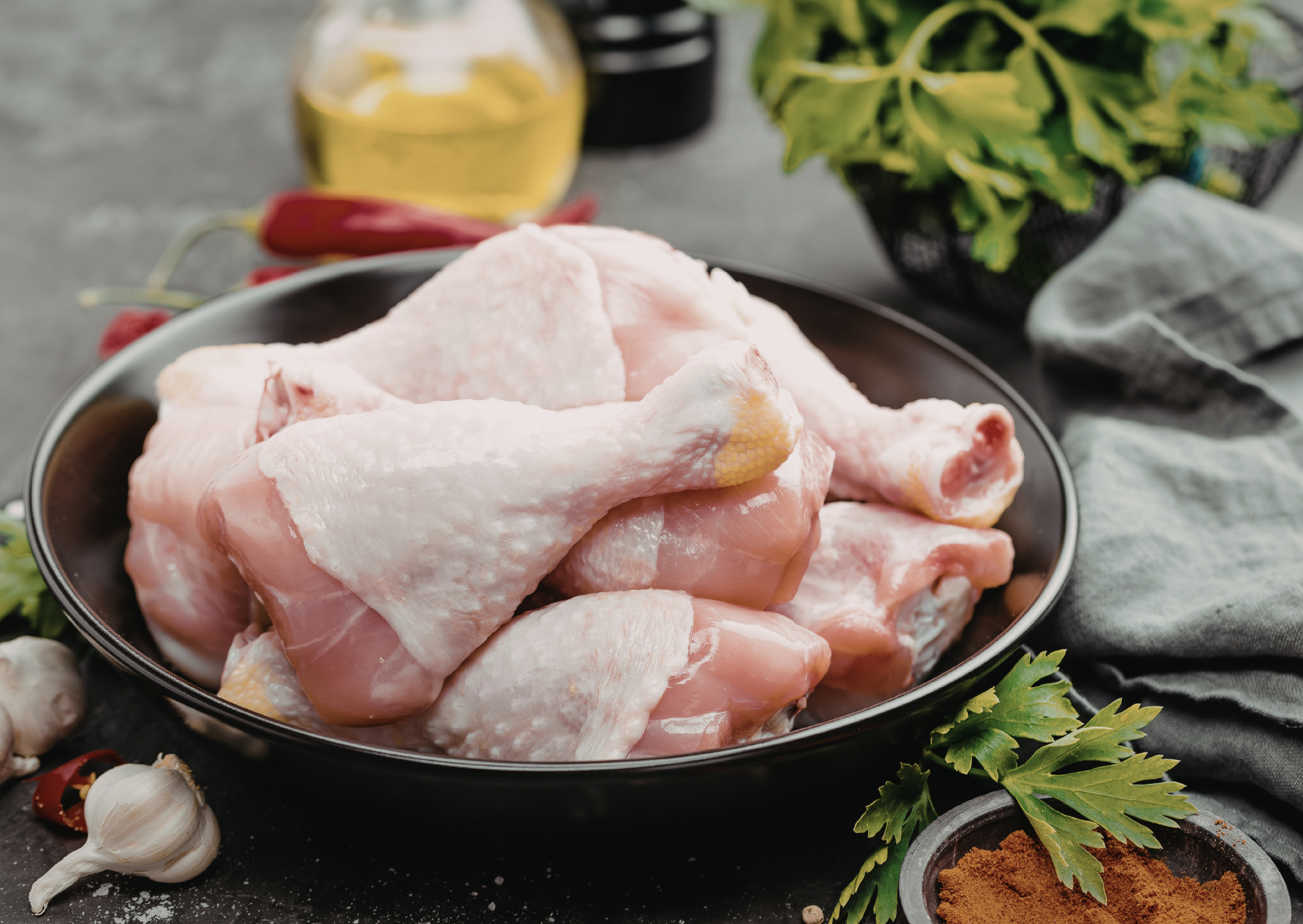
This is the blunt ending.
Greek cooks are not shocked because Americans are uniquely incompetent. They are shocked because American kitchen habits often reveal a deeper logic that clashes badly with Greek food. Too much refrigeration. Too much packaging. Too much fake efficiency. Too little trust in ingredients. Too much fear of oil. Too much unnecessary spice. Too much need to make everything immediate, bigger, colder, leaner, tidier, and somehow more productive than the dish wants to be.
That is why these 11 habits hit a nerve. They are not random errors. They are little signs of a kitchen culture built around convenience and control colliding with one built around ingredient quality, timing, texture, and respect for the obvious. Greek cooks do not want your salad colder, your fish drier, your feta dustier, or your chicken sink more adventurous. They want you to stop interfering with the parts that were already working.
And honestly, that is probably the part worth stealing.
Use the better olive oil.
Leave the tomato alone.
Buy the feta in brine.
Stop washing the chicken.
Let the beans soak.
Let the vegetable dish sit.
Use the bread.
The Greek kitchen is not asking for perfection.
It is asking you to stop doing things that make no sense once somebody who can really cook is watching.

About the Author: Ruben, co-founder of Gamintraveler.com since 2014, is a seasoned traveler from Spain who has explored over 100 countries since 2009. Known for his extensive travel adventures across South America, Europe, the US, Australia, New Zealand, Asia, and Africa, Ruben combines his passion for adventurous yet sustainable living with his love for cycling, highlighted by his remarkable 5-month bicycle journey from Spain to Norway. He currently resides in Spain, where he continues sharing his travel experiences with his partner, Rachel, and their son, Han.