
Not every Italian woman does all nine every day, and not every American skips them all. Spend enough time in Italian homes, bathrooms, pharmacies, and supermarkets, though, and a pattern appears fast.
Americans usually notice Italian hygiene culture in the wrong place first.
They notice the bidet.
That is fair. The bidet is sitting right there like a small ceramic accusation. But the real difference is bigger than one bathroom fixture. It is a whole way of thinking about cleanliness that feels more daily, more specific, and much less obsessed with giant dramatic resets.
In a lot of American households, cleanliness gets handled in chunks. Morning shower. Big laundry day. Deep-clean Sunday. Hand sanitizer in the bag. Maybe shoes off, maybe not. Maybe a facial cleanser, maybe a body wash with twelve impossible promises on the label. The logic is broad. Get clean, move on.
In Italy, especially around women who grew up with this stuff as ordinary household behavior, the logic can feel much narrower and stricter. Clean this body part, this towel, this floor, this room, this food surface, this breath, this fabric. Not later. Not in theory. Now.
That is why Americans often misread it.
They think it is vanity.
A lot of the time it is really maintenance.
And maintenance, in Italy, has a very female shape to it. Grandmothers, mothers, aunts, older sisters, pharmacists, beauticians, and the woman at the produce section who silently watches you reach for peaches with bare hands all tend to enforce the same lesson: being clean is not one big performance. It is a chain of small non-negotiables.
Here are nine of the biggest ones.
Water Counts More Than Paper
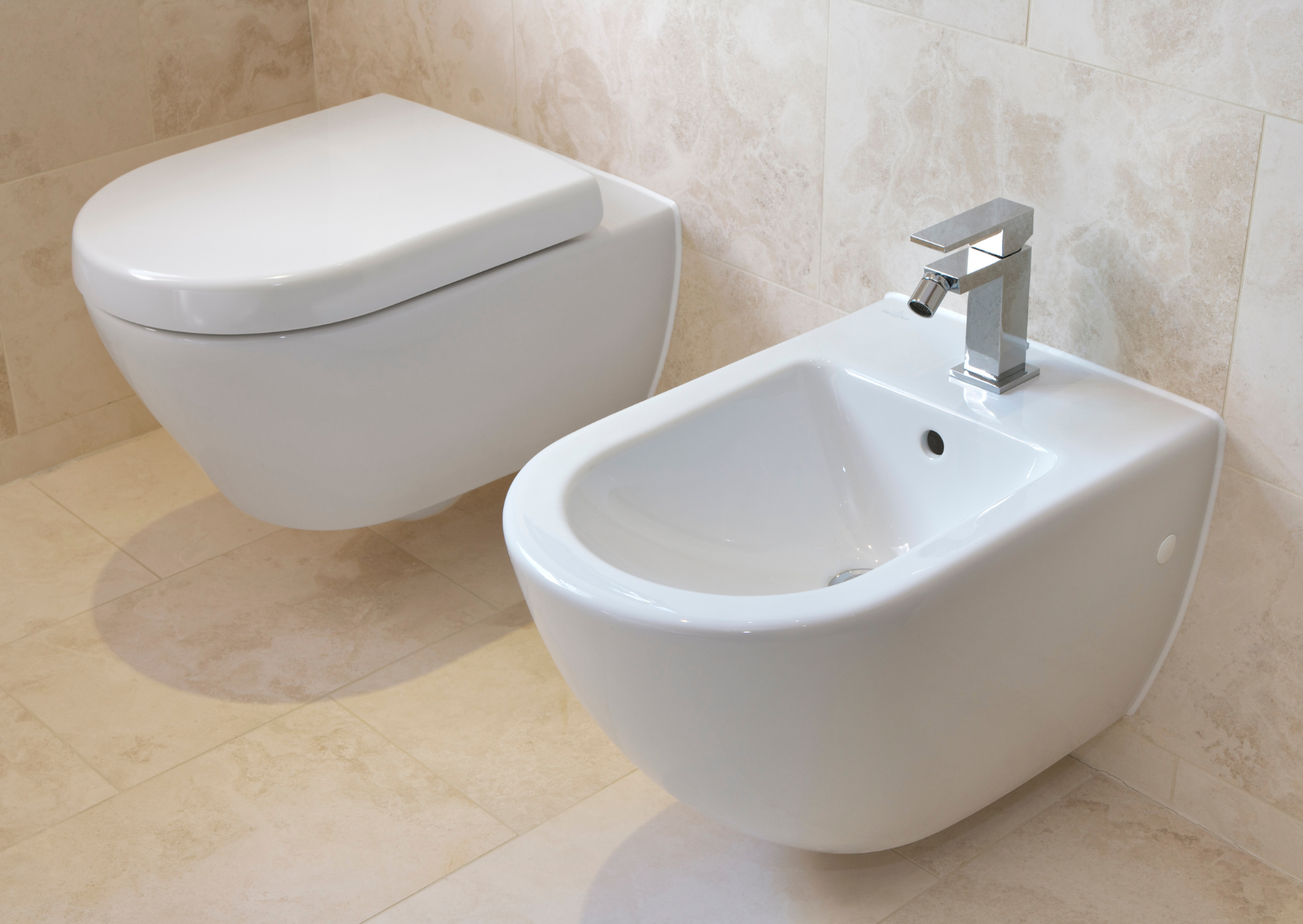
The first rule is also the one Americans still struggle with most.
1. Wash with water after using the toilet.
In Italy, the bidet is not exotic. It is infrastructure. The country’s 1975 housing decree requires at least one bathroom in each dwelling to have a toilet, bidet, bath or shower, and sink. That tells you a lot before anybody says a word. Italians did not merely normalize the fixture. They built it into what a habitable home is supposed to be.
That matters because it shapes behavior from childhood.
A lot of American adults still think toilet paper equals clean enough. Italian women often do not. Paper is the first step. Water is the actual wash. Once you understand that, a lot of Italian bathroom behavior stops looking quirky and starts looking internally consistent.
This is why the average Italian bathroom feels more like a wash station than a wipe-and-go chamber.
And yes, to many Italian women, the American habit of using dry paper alone and then walking away really does read as unfinished.
2. Do a second wash when the day calls for it.
This is the part Americans usually miss even after they understand the bidet.
The bidet is not only for after the toilet. It is also for period days, summer sweat, after sex, after the beach, after the gym, before bed, or simply when the body does not feel fresh enough for clean clothes and clean sheets. That second wash is not treated as neurotic. It is treated as ordinary housekeeping for the body.
This is one of the biggest differences between Italian and American hygiene logic.
Americans often default to one of two extremes: either a full shower or nothing. Italian women are much more comfortable with the middle category. A quick targeted wash is not an event. It is a solution.
That also helps explain why some Italian women are not as attached to the North American idea that every feeling of mild grime requires a long hot shower. The body can be reset in smaller ways.
3. The little towel is not decorative.
This is not technically a separate wash habit, but it is part of the same universe.
In a lot of Italian homes, the small towel near the bidet has a job. It is not the hand towel. It is not a communal mystery rag. It is not something guests are supposed to improvise with casually. Bathroom textiles in Italy are often assigned more specifically than Americans expect, and women tend to be especially firm about this.
American bathrooms often operate on a looser towel logic.
Italian bathrooms often do not.
That may sound fussy until you think about what is actually being kept separate. Then it starts sounding less fussy and more sane.
The Dirt From Outside Is Supposed To Stay Outside
Italian hygiene is not only about skin.
It is also about surfaces.
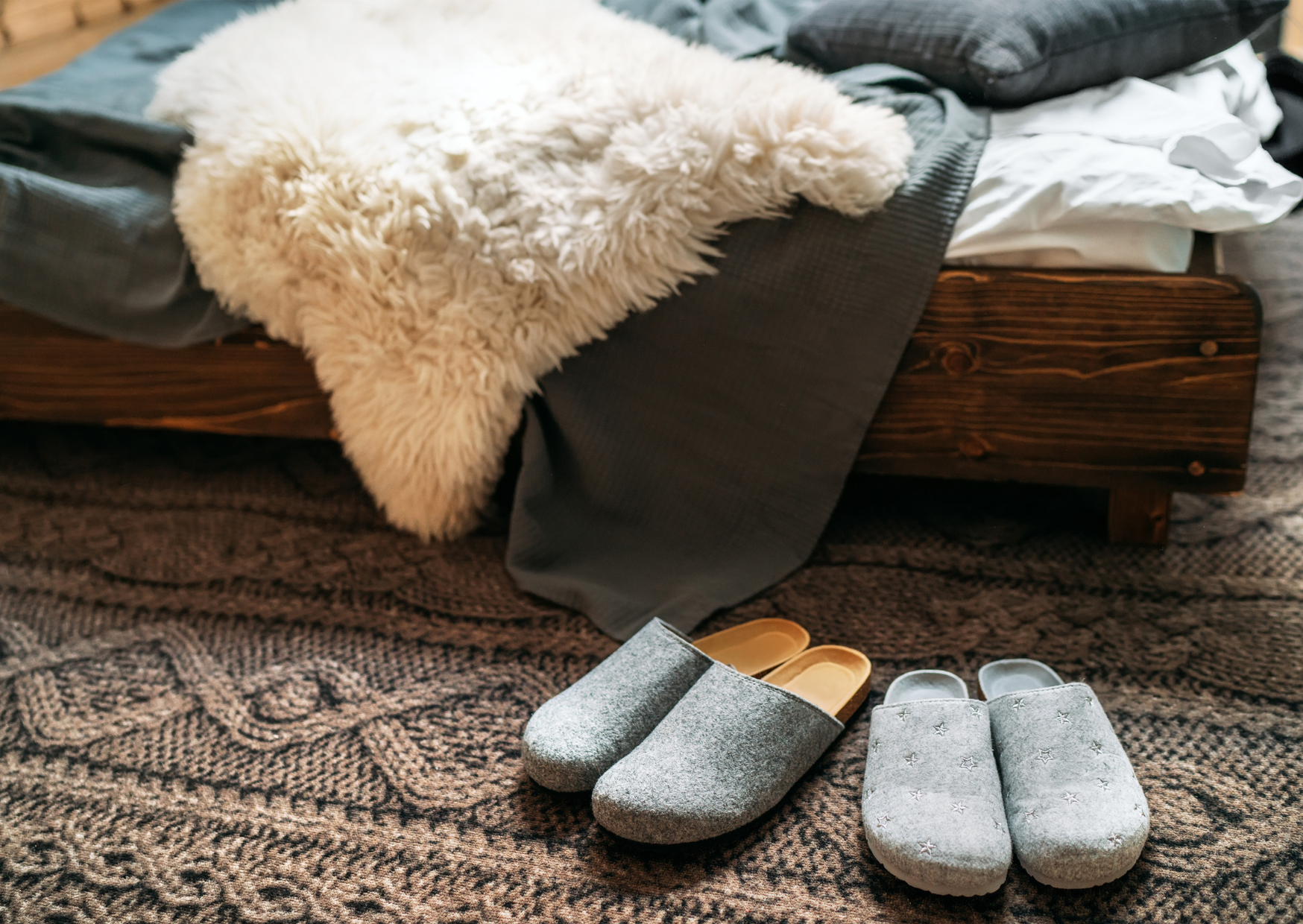
4. Put on pantofole or ciabatte at home.
This is where Americans sometimes get confused because Italy is not Japan. Guests are not always told to remove shoes at the door. In many homes, especially for visitors, keeping shoes on is still considered normal and polite.
But that does not mean Italians are casual about floors.
It means they solve the problem differently.
A lot of Italian women use house slippers, often soft, washable, slightly ridiculous in appearance, and absolutely not optional in spirit. You may not be forced into a militant shoes-off household. You are still very likely to see a strong distinction between outside footwear and inside life.
That distinction matters in homes with tile, balconies, old stone entries, city dust, and daily sweeping or mopping.
The Italian logic is simple: the floor is part of the hygiene system, and your body keeps touching the floor through socks, slippers, bath mats, children, laundry baskets, and the general mess of living. Once the floor matters, footwear matters too.
5. Street clothes do not automatically belong on the bed or sofa.
Not every Italian household enforces this in the same way. But many women do carry a strong sense that outside grime and inside fabrics should not mix too freely.
This is why some American habits read as slightly wild from an Italian point of view. Sitting on the bed in jeans worn on buses and trains. Lying down with outside clothes after a long day. Dropping a handbag on clean linens. Wearing the same outfit through errands, transit, café chairs, office chairs, and then straight into the living room.
Italian women are often less relaxed about that chain.
There is usually more changing, more separating, more “those are the clothes for out” and “these are the clothes for home.” It is not always said dramatically. Sometimes it is just done. The shoes come off. The slipper goes on. The trousers change. The clean indoor life begins.
That sequence is not glamorous.
It is one reason Italian homes often feel cleaner than they technically should, given how old and compact many of them are.
Fresh Air Is Part Of Hygiene Too

Americans often file ventilation under comfort.
Italian women often file it under cleanliness.
6. Open the windows in the morning.
There is a phrase you hear constantly in Italian homes: cambiare aria. Change the air.
Open the windows. Let the room breathe. Push out cooking smells, bathroom humidity, sleep smell, stale heating, and yesterday’s trapped life. This is especially obvious in older apartments where shutters, tile, heavy fabrics, and older bathroom layouts make a sealed room feel dirty very quickly.
It is not only cultural instinct. Indoor air quality and ventilation genuinely matter for moisture, pollutants, odors, and mold prevention. But in Italy the habit feels older than the science article. Women just do it.
Morning light comes in. Bedroom air goes out. Bathroom window opens if there is one. Balcony doors crack open. Even in cooler months, the room gets aired.
An American visitor can find this mildly excessive.
Then they sit in a sealed apartment with last night’s steam, towels that never dried properly, and a closed bedroom that smells like sleep. At that point the Italian woman starts winning.
7. Towels, bath mats, and bedding are supposed to dry properly before you trap them again.
This is connected to the window habit, but it deserves its own line because it is one of those tiny household rules that changes everything.
A lot of Italian women do not like damp textiles hanging around acting innocent. Bath mats get spread properly. Bathroom towels get hung with intent. Bedding often gets pulled back or aired before the bed is fully made. The point is not visual perfection. The point is moisture.
American households are often much more likely to make the bed immediately, close the bathroom door, and hope fabric will figure itself out.
Italian women are more likely to treat humidity as a hygiene problem, not just a comfort issue.
That does not mean every nonna is standing there with a moisture meter.
It means she knows, from experience, that a closed damp bathroom starts smelling tired very quickly and a bed sealed too fast keeps the whole room feeling stale.
This is one of those habits that sounds old-fashioned until you try it for a week and notice the house simply smells better.
Mouth Hygiene Is Not Optional Social Courtesy
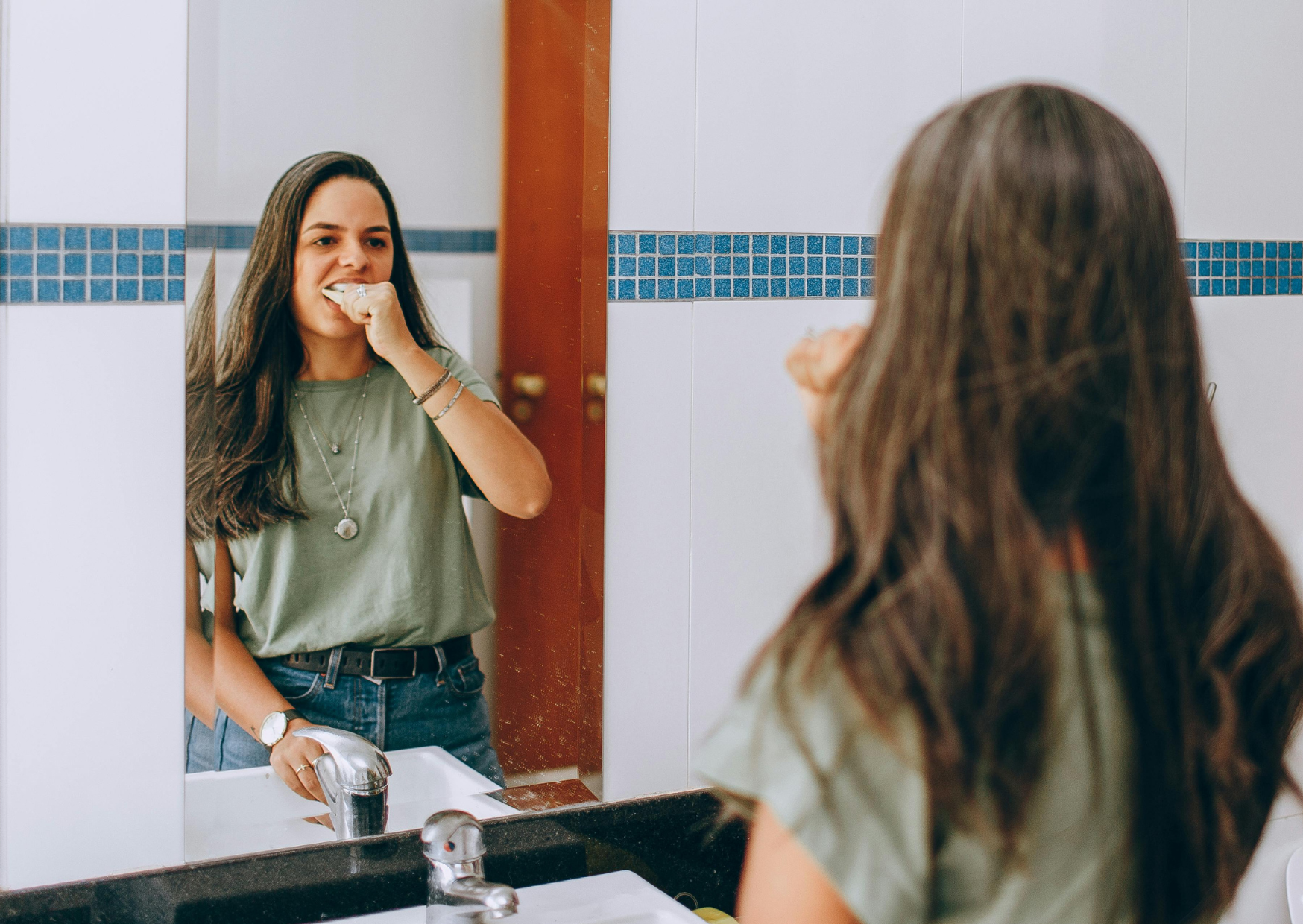
The bathroom culture does not stop below the neck.
Italian women can be very pragmatic about the mouth too.
8. Brush twice a day and do not act like the dentist is an emergency service.
Italian oral-health guidance has long recommended brushing at least twice a day with fluoride toothpaste and getting regular dental checkups. In practice, adherence is imperfect because humans are humans. But the standard itself is clear, and the social expectation around fresh breath is stronger than many Americans admit.
This is not only about looking polished.
It is about not bringing a neglected mouth into close social life.
Italy is a country of closer conversational distance, more face-to-face speaking, more coffee breaks, more lingering lunches, more cheek kisses in some contexts, more talking over food, more tobacco in some circles, and a very low tolerance for the idea that bad breath is just someone else’s problem now.
American adults often assume mouthwash can cover all sins.
Italian women tend to trust routine more than rescue.
Brush properly. Do it again later. Keep dental cleanings on the calendar. Handle the problem at the source. It is not dramatic. It is maintenance again.
And yes, if you spend time in Italy, you notice that oral hygiene is treated as part of general self-respect, not as a cosmetic extra.
That sounds severe.
It is actually kind.

Do Not Paw The Food
If you want one habit that reveals the whole Italian hygiene mindset in public, it is this one.
9. Use gloves or tongs for unpackaged food.
American grocery behavior can be astonishing in Italy.
Bare hands on peaches. Bare hands on bakery rolls. Picking up fruit, putting it down, squeezing three nectarines just to reject them all. Italians often find this disgusting in a very straightforward way.
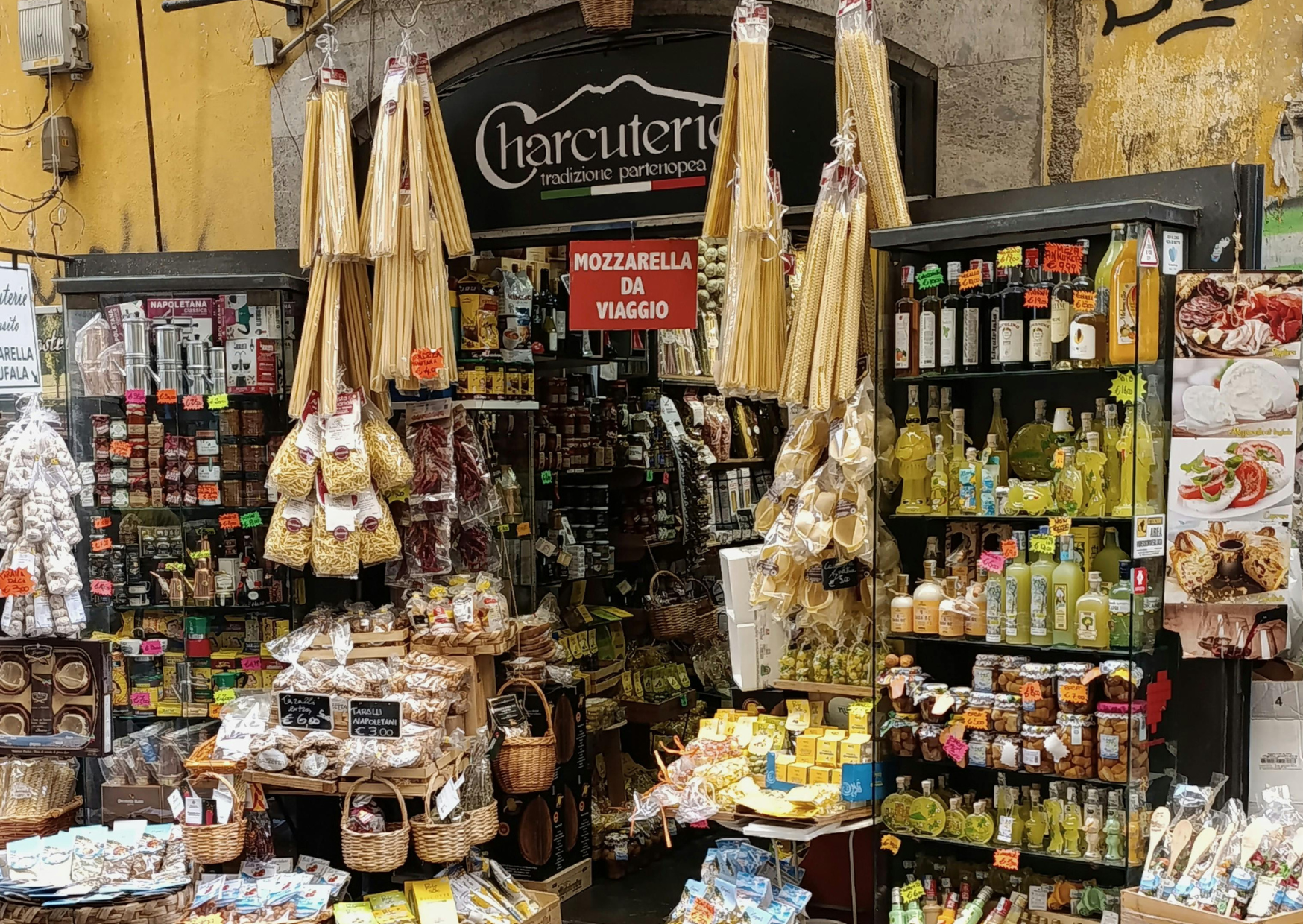
At many Italian supermarkets, you use the thin plastic glove before handling loose produce. At bakeries or supermarket bread sections, you use tongs, paper, or the designated tool. At open-air markets, the vendor often handles the produce anyway, which solves the whole problem immediately.
This is not only fussiness.
It is a public hygiene instinct.
The food does not belong to you yet. Other people will touch the same display. The woman coming after you should not have to inherit whatever was on your hands after your phone, your keys, your cash, the bus pole, and your optimistic relationship with public surfaces.
Once you see this through Italian eyes, American grocery-store touching starts to look almost feral.
And this is one of the places where Italian women are often the enforcers. Not with policy memos. With the look. The one that says you were clearly not raised properly and now everyone has to live with it.
The Point Is Not Perfection It Is Reset
This is where Americans sometimes get the wrong lesson.
They assume Italian women are cleaner because they are more rigid, more old-fashioned, or more invested in appearing feminine and polished. That is only part of the story, and not the most interesting part.
The more useful difference is this: Italian hygiene often relies on small resets.
A targeted wash instead of marinating in low-grade discomfort.
Slippers instead of dragging the street through the house.
Open windows instead of stale-room denial.
Aired towels instead of damp-textile optimism.
A proper brush instead of breath-mint diplomacy.
Gloves or tongs instead of communal produce touching.
This system asks for more attention, yes.
But it often asks for less drama.
That is why it can feel so different to Americans. The American hygiene market loves big declarations. Full-body deodorizing products. Ten-step skincare. deep-clean language. giant showers as moral proof. expensive fragrance as social insurance. The Italian version, especially in older female household culture, is much less theatrical.
It is narrower.
More repetitive.
More boring.
And, annoyingly, often more effective.
What Reads As Excessive At First Starts Looking Basic Later
The first American reaction to these habits is usually one of three things.
That is excessive.
That is old-country.
That is not necessary if you just shower.
Then a funny thing happens. People spend a little time with these habits and start stealing them one by one.
Not all nine.
Usually not all nine.
But enough.
The bidet suddenly stops looking absurd and starts looking efficient. House slippers stop feeling grandmotherly and start feeling practical. Opening the windows in the morning stops seeming quaint and starts feeling like the difference between a room that is alive and a room that has given up. Gloves on bakery items stop seeming fussy once you remember how many strangers touched the shopping cart.
This is the quiet power of Italian hygiene culture.
It is not trying to impress you.
It is trying to prevent little grossnesses from accumulating into a general atmosphere of neglect.
And women are still the ones who disproportionately carry that system.
Not always happily.
Not always consciously.
But very often.
That is worth saying because these habits are not just charming cultural details. They are labor. They are memory. They are routine. They are the thousand tiny domestic standards transmitted female-to-female until everyone else in the house starts behaving as if the rules came from nature.
In reality, someone taught them.
Usually a woman.
The Part Americans Should Probably Steal
Not the guilt.
Not the suspicion toward every cushion and countertop.
Not the tendency to turn one peach touched the wrong way into a social event.
The useful part is the structure.
Use water more often.
Separate outside dirt from inside fabrics.
Treat air as part of cleanliness.
Let damp things dry before pretending the problem is solved.
Take mouth hygiene seriously enough that breath does not become a social hostage situation.
And keep your hands off food that other people still need to buy.
That is really the whole list.
Italian women did not invent cleanliness. What they often do better is divide it into smaller, stricter, more repeatable moves. Americans tend to wait for the bigger reset. The shower. The laundry day. The cleaning spree. The expensive product. The apology candle.
Italian hygiene culture is less forgiving than that.
It assumes the fix is usually smaller and sooner.
That is why it can feel a little unforgiving.
It is also why it works.

About the Author: Ruben, co-founder of Gamintraveler.com since 2014, is a seasoned traveler from Spain who has explored over 100 countries since 2009. Known for his extensive travel adventures across South America, Europe, the US, Australia, New Zealand, Asia, and Africa, Ruben combines his passion for adventurous yet sustainable living with his love for cycling, highlighted by his remarkable 5-month bicycle journey from Spain to Norway. He currently resides in Spain, where he continues sharing his travel experiences with his partner, Rachel, and their son, Han.