
A lot of Americans now try to buy gut health in a bottle.
A capsule in the morning. A probiotic gummy. A powder stirred into water. A “microbiome” product expensive enough to feel scientific.
In much of Europe, the same instinct still shows up in a less theatrical form: plain yogurt, fermented milk, kefir, cultured cheeses, fermented cabbage, and other sour, live, ordinary foods that sit inside the week without being treated like a personal optimization project. The point is not that all Europeans are eating perfect traditional diets. It is that fermented foods are still much more likely to appear as food first rather than as a supplement category trying to impersonate food. Probiotics are present in some fermented foods such as yogurt, and they are also sold as dietary supplements, but the NIH’s Office of Dietary Supplements is explicit that not all fermented foods or supplements labeled as probiotics have proven health benefits.
That distinction matters.
Because the American habit is not just supplement use. It is outsourcing a food pattern. Instead of eating fermented foods regularly, many people now reach for a capsule and assume the job is done. Meanwhile, a lot of Europeans are still getting at least some of the fermented-food effect through normal weekly eating, especially through fermented dairy. Official food-based dietary guidance in Europe still reflects that reality. France’s national guidance includes yogurt and cheese in the standard adult dairy pattern, and Denmark’s guidance explicitly says to choose mainly fermented milk products, such as plain yogurt.
The Biggest European Fermented Food Is Not Kimchi. It Is Dairy

This is where Americans often picture the wrong thing.
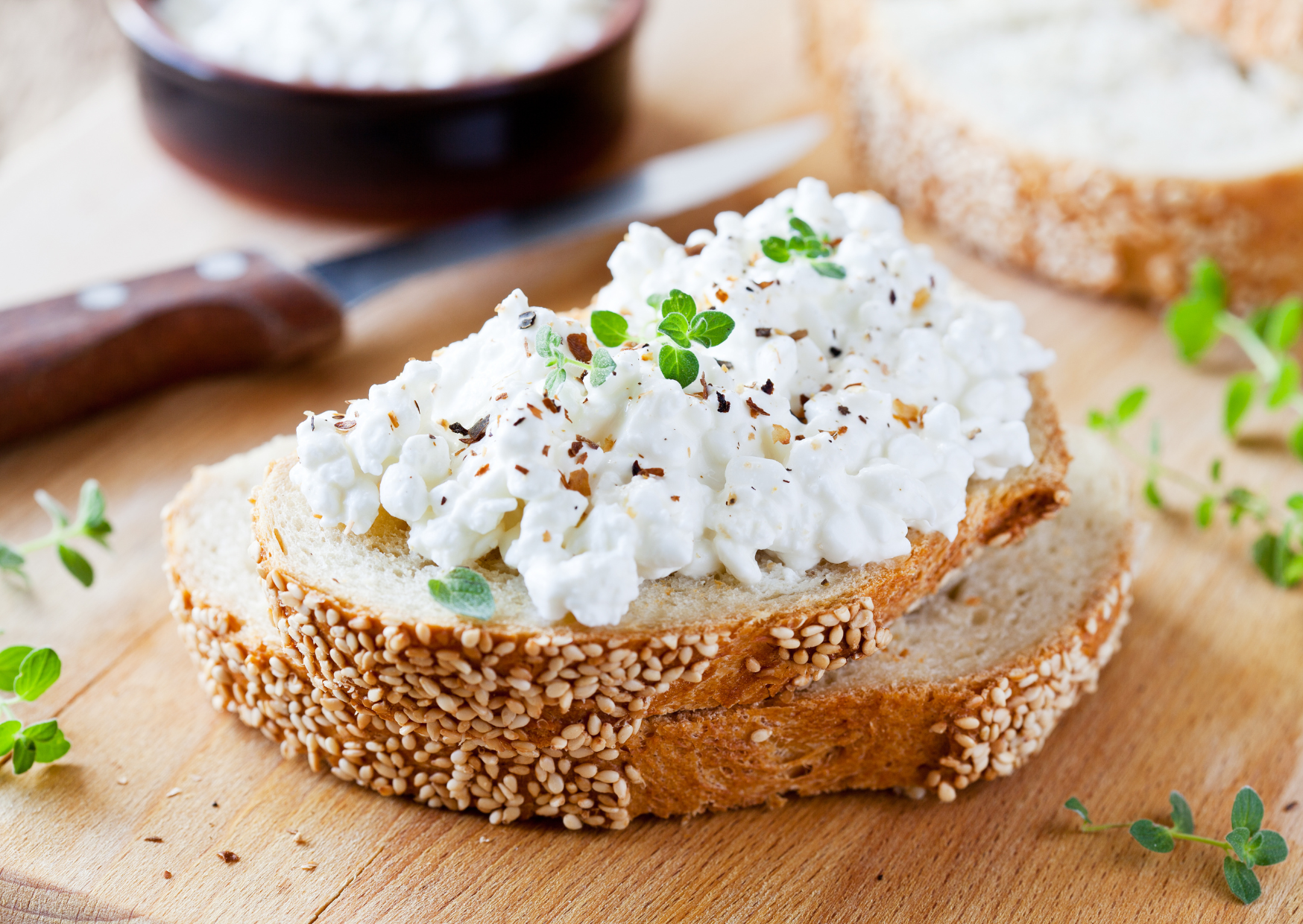
They think of fermentation as something niche, expensive, or Instagrammed in a jar. In Europe, the most normal fermented foods are often much less dramatic: yogurt, fermented milk, kefir, buttermilk, and cheese. European researchers working on fermented-food intake now describe fermented foods by broad categories such as dairy, plant-based foods, meat products, and beverages, which is a useful reminder that “fermented foods” in Europe do not live in one bohemian corner of the diet. They are scattered through ordinary eating.
The daily-guideline language makes this even clearer. France’s food-based guidelines still put milk, yogurt, cheese, and cottage cheese into the standard adult dairy recommendation of two servings a day. Denmark’s guidance goes further and explicitly recommends choosing mainly fermented milk products, such as plain yogurt, inside daily intake. That is not a wellness trend. That is what official nutrition advice still sounds like when a country treats cultured dairy as ordinary food rather than as a special intervention.
This is the first reason the supplement comparison matters.
A lot of Americans are trying to solve “gut health” with products because the base diet no longer includes many of the foods that used to do some of that work quietly.
Americans Take a Lot of Supplements Because Supplements Became the Food Fix
The U.S. supplement habit is no longer a fringe behavior.
The CDC says 57.6% of U.S. adults used at least one dietary supplement in the previous 30 days in 2017–2018, and use rose sharply with age. Among adults 60 and over, almost three-quarters used supplements, and nearly one-quarter reported taking four or more supplements. That is already enough to make the cultural point even before you narrow it to gut products.
Probiotic and prebiotic products are a smaller slice of that supplement universe, but they still matter symbolically. NCCIH says the 2012 National Health Interview Survey found that about 4 million U.S. adults, or 1.6%, had used probiotics or prebiotics in the past 30 days, and that use had quadrupled between 2007 and 2012. That figure is older, but it still captures the turn Americans made toward packaging microbial health as a consumer product.
That is the replacement the title is talking about.
Not that every American stopped eating yogurt.
More that the American health imagination increasingly treats digestive and microbiome support as something you purchase separately, while many Europeans still meet some of that same impulse through food that does not need to introduce itself as a health hack.
Fermented Food and Probiotic Supplements Are Not the Same Thing
This is where the article needs one strong correction.
Fermented foods are not automatically magic, and probiotic supplements are not automatically fake. The NIH Office of Dietary Supplements says probiotics are live microorganisms that may benefit the host, that they are found in some fermented foods, and that they are also sold as supplements. It also says clearly that not all foods and dietary supplements labeled as probiotics have proven health benefits. That is exactly the kind of nuance missing from most “gut health” marketing.
The reason the European food pattern is still worth noticing is that fermented foods are whole-food interventions, not isolated bacterial bets. A 2024 review in Neuroscience & Biobehavioral Reviews describes fermented foods as carrying not only potentially beneficial microbes, but also metabolites and other bioactive compounds. That means a bowl of yogurt or a glass of kefir is not just a microbial delivery vehicle. It is also a food with protein, calcium, texture, satiety, and a place in a meal.
That is what supplements cannot imitate very well.
A capsule can be useful.
It cannot become part of lunch.
It cannot replace the cultural habit of eating fermented foods regularly enough that they stop feeling medicinal.
The Best Human Evidence Still Looks More Like Food Than Like Capsules

This is where the Stanford trial remains useful.
Stanford’s 2021 randomized trial found that a 10-week diet high in fermented foods increased microbiome diversity and decreased inflammatory proteins. The foods in the trial were not exotic inventions. They included yogurt, kefir, fermented cottage cheese, kimchi, fermented vegetables, vegetable brine drinks, and kombucha. Larger servings produced stronger effects.
That matters because the intervention was not “take a probiotic.”
It was eat more fermented foods.
And the benefit was observed at the pattern level, not at the level of one branded strain with a wellness ad wrapped around it. The more recent 2024 review on fermented foods and the gut-brain axis makes the same structural point in broader language: fermented foods offer themselves as an affordable dietary intervention strategy precisely because they are foods, with microbes and metabolites bound together in a whole-food matrix.
That does not mean every probiotic supplement is useless.
It does mean a lot of Americans are skipping the more obvious move.
They are buying a capsule to mimic what a simpler diet could already be doing.
What the Weekly European Version Actually Looks Like
The useful European pattern is not mystical.
It looks like plain yogurt in the fridge, not probiotic candy in the bathroom drawer. It looks like kefir or fermented milk bought because it is normal, not because it came recommended on a podcast. It looks like cultured dairy sitting inside breakfast, lunch, or a late snack without announcing itself as a gut-health event. France’s and Denmark’s official dietary guidance make this look very ordinary because, in those contexts, it is ordinary.
It can also look regional.
In some parts of Europe it is fermented dairy first. In others it is fermented cabbage, preserved vegetables, sour breads, or traditional fermented drinks alongside the dairy base. The point is not one single superfood. The point is regularity. Fermentation still shows up in the week often enough that it remains part of a dietary pattern rather than a specialist product category. European researchers designing fermented-food intake tools are studying dairy, plant-based ferments, fermented meats, and beverages precisely because these foods still sit in recognisable regional patterns.
That is a very different setup from the American one, where fermented foods often get demoted into “nice if you can manage it” while supplements get promoted into “the real gut-health solution.”
The Real Difference Is Cultural, Not Microbial
This is the deeper point.
Americans are not worse because they take supplements. They are just living in a food culture that keeps breaking food into functions, then selling the functions back as separate products. Protein becomes powder. Greens become powder. Sleep becomes gummies. Gut health becomes capsules. The actual eating pattern underneath can stay erratic as long as the correction products feel intentional.
Fermented foods do not fit that model very neatly.
They are messy, culinary, ordinary, and hard to patent emotionally. They belong to kitchens more than algorithms. That is one reason they survive better in Europe. A lot of Europe still has more room for food traditions that stayed food, even when they also happen to be useful nutritionally. The United States is much more comfortable turning the same instinct into a supplement aisle. The CDC’s supplement data and NCCIH’s probiotic-use data sit right inside that pattern.
And this is also why the article is not really anti-supplement.
It is anti-replacement.
If someone needs a supplement because of IBS, antibiotics, or a specific clinician-guided reason, fine. The problem is when a whole population starts assuming capsules are the grown-up version of eating cultured foods regularly.
Why the Supplement Version Rarely Replaces the Food Version
The gap is not just microbial.
It is behavioral.
A supplement asks almost nothing from the rest of the day. You swallow it, feel responsible, and move on. A fermented food asks for a place in the meal. That sounds smaller than it is. A bowl of plain yogurt, a glass of kefir, a spoonful of sauerkraut, a piece of cultured cheese with bread, these things change not only what enters the gut but also how the meal is built.
That matters because food does jobs capsules do not do.
Fermented foods can bring protein, calcium, satiety, texture, and a reason to sit down and eat something real. A capsule cannot stand in for breakfast. It cannot turn a snack into a meal. It cannot make someone less likely to buy a pastry at 11 because they already ate yogurt with fruit at 8. This is one reason the European pattern still matters. The fermented food is often sitting inside an actual eating rhythm instead of floating above it as a correction product.
This is also why the American swap can quietly fail.
A person can take a probiotic every day and still eat in a way that stays erratic, ultra-processed, and nutritionally thin. The supplement may not be useless, but it is trying to do a food job from outside the food system. That is a much harder assignment. Fermented foods, by contrast, usually arrive attached to meals that already slow the day down a little. Yogurt with breakfast. Kefir after lunch. Cheese with bread and vegetables. Fermented cabbage next to sausage or potatoes. The microbial part matters. The meal structure matters too.
That is the piece Americans often miss when they compare European food habits with U.S. supplement habits.
The European version is not just “they eat more live bacteria.”
It is “they still let certain foods count as normal.” Once a food is normal, it can show up three or four times a week without becoming a project. Once gut health becomes a supplement category, it often gets isolated from the rest of eating and turned into one more product on the bathroom shelf.
That is a very different kind of habit.
The Better Move Is Usually Smaller Than People Think
The answer is not to become a fermentation hobbyist overnight.
It is much smaller than that.
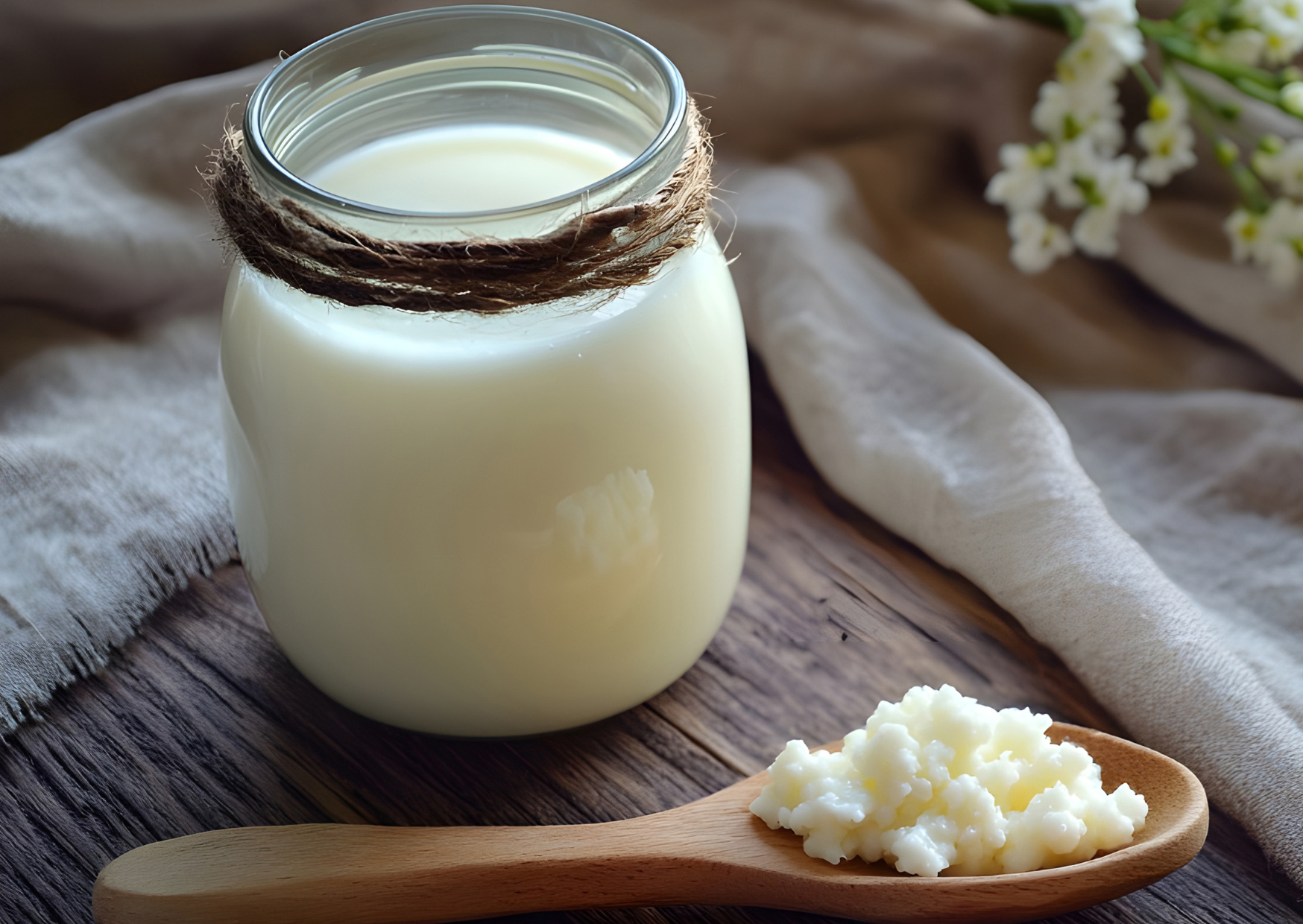
Buy plain yogurt and eat it often enough that it becomes normal. Add kefir if you tolerate it. Stop treating every fermented food like a niche purchase. If fermented vegetables such as sauerkraut work for you, use them as food, not as a symbolic spoonful from a “gut-health” jar. The Stanford trial did not require anyone to become a monk. It required servings of fermented foods added consistently over time.
That is the real European lesson.
Not “live like a peasant.”
Not “fermentation is ancient wisdom.”
Just this: a lot of Europeans still get microbial and fermented-food exposure through ordinary weekly eating, while Americans increasingly try to extract the same benefit through the supplement economy.
That is why the fermented foods matter.
And it is why the capsule so often misses the point.

About the Author: Ruben, co-founder of Gamintraveler.com since 2014, is a seasoned traveler from Spain who has explored over 100 countries since 2009. Known for his extensive travel adventures across South America, Europe, the US, Australia, New Zealand, Asia, and Africa, Ruben combines his passion for adventurous yet sustainable living with his love for cycling, highlighted by his remarkable 5-month bicycle journey from Spain to Norway. He currently resides in Spain, where he continues sharing his travel experiences with his partner, Rachel, and their son, Han.