

French women do take supplements sometimes.
What they do not do, at least not in the same routine American way, is build everyday health around a row of vitamin bottles. In France, food supplements are used, and ANSES says consumption has increased, with 22% of adults taking food supplements in the INCA 3 survey. But that is still a very different culture from the United States, where the CDC says 57.6% of adults used a dietary supplement in the previous 30 days and 80.2% of women aged 60 and over did.
That gap tells you something important.
In France, the stronger instinct is still food first. If there is a vitamin concern, the answer is more likely to start with yogurt, fish, eggs, legumes, fruit, greens, and ordinary meals than with an expensive tub promising “immunity,” “energy,” or “women’s wellness.” French public-health guidance still sounds like a country that expects nutrition to come mostly from food. ANSES’s vitamin D guidance, for example, points to fish and dairy products as major contributors to intake in adults, and broader French food guidance still centers meals, not pills.
That does not make French women morally superior.
It means the health culture is less likely to turn every nutritional anxiety into a supplement purchase.
The Real Difference Is Not Virtue. It Is Habit.

The useful contrast here is not “French women are disciplined and Americans are gullible.”
It is more structural than that. In the U.S., supplements long ago became part of ordinary health behavior. The CDC data show how normalized that is, especially for older women. In France, supplements exist and use has risen, but the overall culture still treats them more as specific products for specific situations than as default daily insurance. ANSES’s consumer guidance says France is seeing increasing supplement use, but the agency’s tone is cautious from the start, emphasizing that these products can carry health risks and are often incorrectly seen as harmless.
That caution matters.
A country that keeps warning people that supplements are not harmless is building a different public-health reflex from a country where a woman can walk into any supermarket or pharmacy and find half an aisle promising better sleep, stronger bones, younger skin, calmer nerves, brighter mood, and cleaner digestion by capsule. The American instinct is often add another product. The French instinct is more often look at the meal first.
That does not mean no one in France buys vitamins.
It means vitamins are less likely to be treated as the grown-up version of eating.
French Guidance Still Assumes Nutrients Come Through Meals
This is where the article becomes practical.
French public-health recommendations still sound very food-based. The FAO summary of French dietary guidelines says adults are guided toward fruit and vegetables, pulses, nuts, whole grains, dairy, and fish, with strong attention to meal quality and food-group balance. Santé publique France’s adult recommendations say much the same thing at greater length: more fruit and vegetables, more legumes, more whole grains, regular fish, limits on processed meat, and no suggestion that healthy adults should solve ordinary nutrition with a shelf full of tablets.
That matters because food guidance shapes behavior indirectly.
When the official voice keeps returning to foods and meals, people tend to think in foods and meals. When the culture keeps returning to nutrients as isolated problems, people start buying isolated solutions. France still talks in food language. Even where nutrient shortfalls exist, ANSES often frames the first answer as increasing the intake of foods supplying those nutrients. Its guidance for women of childbearing age, for example, supports increasing the consumption of foods supplying folate, iron, iodine, and other needed nutrients.
This is one reason the French pattern feels less supplement-heavy.
The whole system still expects the plate to do the first job.
Yogurt Does More Work in France Than a “Women’s Formula” Does in America
If there is one food that explains this whole article, it is probably yogurt.
French women have long leaned toward yogurts and soft white cheese more than French men, according to the INCA 3 survey summary. That sounds small. It is not small. Yogurt is one of the easiest ways a population keeps fermented dairy, calcium, protein, and routine eating inside the week without ever turning those things into a lifestyle performance.
This is exactly the sort of food Americans often replace with supplement logic.
Instead of eating plain yogurt regularly, they buy calcium gummies, probiotic capsules, gut powders, collagen sachets, beauty supplements, and “women’s health” blends full of ingredients they could not identify in a blind test. France is not supplement-free, but it still has more room for the older, less theatrical answer: eat the cultured dairy.
That matters especially for women after 50.
French guidance for postmenopausal women, discussed in ANSES’s review of dietary guidance, focuses on calcium, vitamin D, protein, and physical activity, not on building an identity around pills. The point is to protect bone health through diet and routine. That is a much more food-centered script than the American one, where midlife women are often sold an entire supplement stack before anyone asks what lunch looked like.
Fish, Eggs, and Dairy Quietly Replace a Lot of Supplement Anxiety
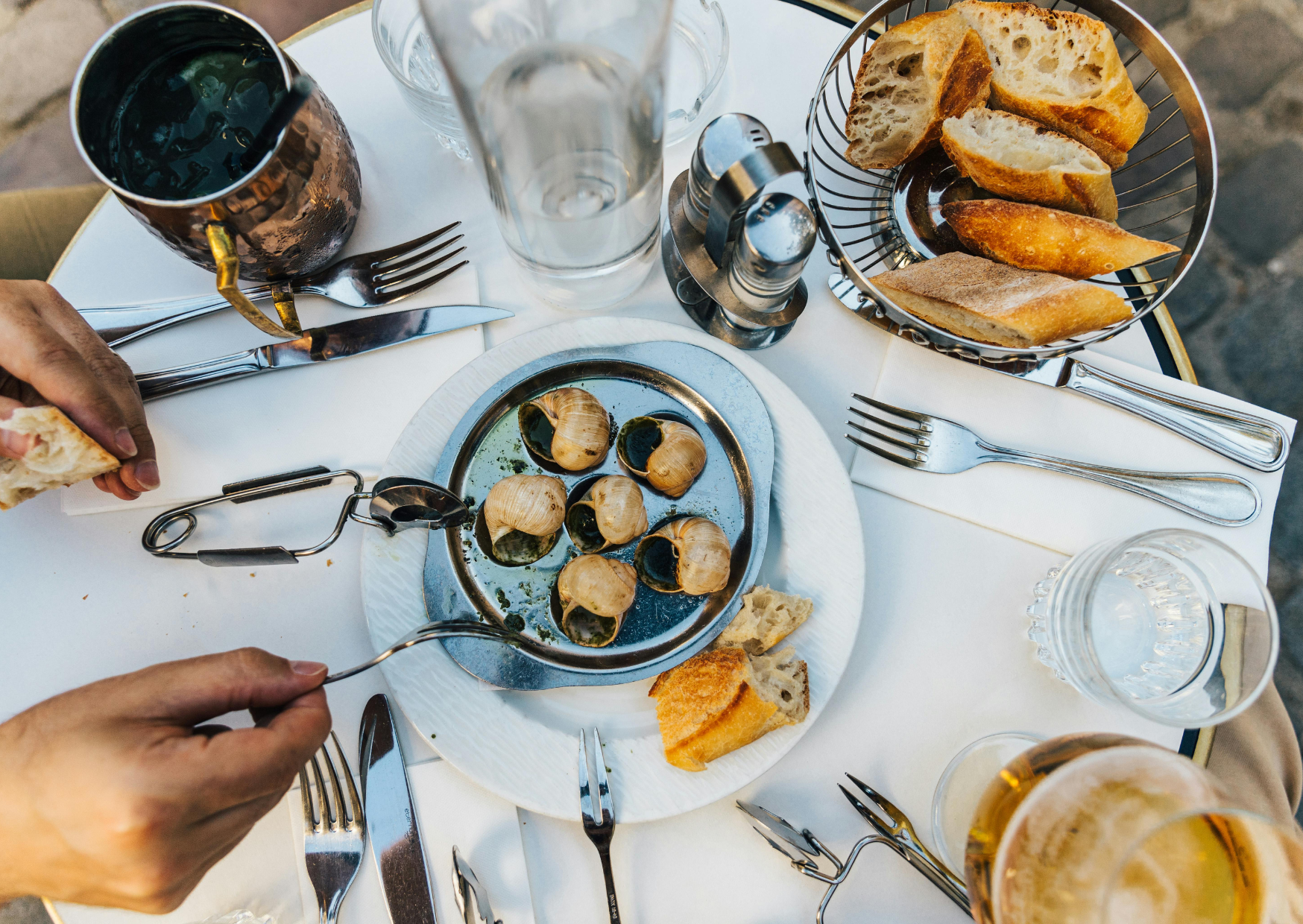
The nutrient at the center of this is often vitamin D.
ANSES says more than 70% of French adults in 2019 still did not get an adequate vitamin D intake, which means France is not some nutritional paradise. But look at the way the agency frames the response. It points people back to oily fish, dairy products, egg yolk, certain mushrooms, butter, and fortified foods, plus sensible sun exposure where appropriate. On the more practical vitamin D page, ANSES says fish and dairy products account for major shares of vitamin D intake in adults.
That is the tone difference.
A lot of American health content hears “vitamin D shortfall” and jumps straight to supplement shopping. French official language is more likely to start by naming foods. Sardines. mackerel. herring. yogurt. fromage blanc. cheese. eggs. This does not mean supplements are never appropriate. It means they are not automatically treated as the main character.
That food-first approach shows up beyond vitamin D too.
French recommendations still leave room for fish twice a week, daily fruit and vegetables, regular legumes, nuts in modest amounts, and dairy. Those foods cover a lot of the nutrient anxieties that American supplement culture keeps turning into separate categories. Protein becomes food. Calcium becomes food. Fermentation becomes food. Omega-3 becomes food. The meal keeps doing work that the American market increasingly assigns to bottles.
French Women Still Use Supplements. They Just Use Them More Narrowly.
This is the part worth saying plainly.
The title works at the cultural level, not the literal level. France does have a supplement market, ANSES says supplement use has risen, and women in France are more likely than men to use food supplements. ANSES’s older nutrivigilance materials say twice as many adult women as men took food supplements, and the more recent agency summary says 22% of adults in INCA 3 took them.
So the difference is not use versus no use.
It is how central supplements become to the health script.
In the U.S., supplements often function like nutritional insurance, emotional reassurance, or even a kind of moral backup for a food pattern people know is shaky. In France, the official posture is more reserved and sometimes openly suspicious. ANSES repeatedly warns that food supplements are not without risk and may expose consumers to adverse effects, particularly with herbal products or poorly understood combinations. That warning culture alone changes how casually people reach for the bottle.
That is why French women can seem as if they “don’t take vitamins.”
What many of them are really not doing is living inside a supplement mindset.
What They Eat Instead Is Less Exotic Than Americans Want It to Be
This is the part that disappoints people looking for one French secret.
There is no single miracle replacement.
The replacement is ordinary food eaten often enough to matter:
plain yogurt and fromage blanc
fish, especially oily fish
eggs
cheese in sane amounts
lentils and other legumes
fruit and vegetables as daily routine
nuts in small, normal portions
whole grains and bread inside actual meals
That list is much less exciting than a “women’s multivitamin.”
It is also more coherent.
A bowl of yogurt is not just calcium. Sardines are not just vitamin D. Lentils are not just iron and fiber. The meal carries protein, satiety, habit, and timing along with the nutrient. That whole-food context matters because people hold onto it better than they hold onto a health routine built entirely out of reminder alarms and capsules.
This is the quiet strength of the French pattern.
It is not dramatic enough to market well.
That is often a sign it is doing something useful.
After 50, the Better Question Is Usually About Lunch, Not Pills

This is where the article lands.
A lot of women over 50 are told to become more vigilant. More calcium. More magnesium. More vitamin D. More B vitamins. More probiotics. More collagen. More hair-and-nail insurance. More everything. Some of those concerns are real. But the better first question is often much plainer: what are you actually eating every day.
French public guidance for older adults and postmenopausal women still leans toward food structure, calcium-rich foods, protein, dairy, fish, and regular activity rather than turning midlife into a permanent supplement protocol. That does not solve every deficiency. It does put the first layer of protection back where it belongs.
That is the part Americans keep outsourcing.
Supplements can be useful. Some women need them. Some stages of life clearly justify them. But a lot of women are buying a product because the culture taught them to think of nutrition as something to top up, not something to build. French women are not immune to that pressure. They are just still living a little closer to a food culture where the meal gets asked first.
And very often, that is still the smarter question.

About the Author: Ruben, co-founder of Gamintraveler.com since 2014, is a seasoned traveler from Spain who has explored over 100 countries since 2009. Known for his extensive travel adventures across South America, Europe, the US, Australia, New Zealand, Asia, and Africa, Ruben combines his passion for adventurous yet sustainable living with his love for cycling, highlighted by his remarkable 5-month bicycle journey from Spain to Norway. He currently resides in Spain, where he continues sharing his travel experiences with his partner, Rachel, and their son, Han.