

The oil in question is not olive oil, sunflower oil, or ordinary canola from a bottle. It is partially hydrogenated vegetable oil, the old industrial workhorse that made shortenings shelf-stable, frostings obedient, packaged pastries durable, and a lot of American baking and frying feel normal for most of the twentieth century. France moved away from that category much earlier than the United States did, first in practice, then on labels, then in hard regulatory limits.
A lot of Americans hear “vegetable oil” and picture something pale and pourable in a plastic bottle.
That is not really this story.
This is about the semi-solid industrial fat that sat behind shortening, processed baked goods, fried snacks, cream fillings, and cheap shelf life. The European Commission says the main dietary source of industrial trans fats is partially hydrogenated oils. ANSES says the same technological process was used to turn liquid plant oils into more solid, more stable fats that were easier to use and store. That is why the category lasted so long. It solved manufacturing problems very well.
France did not need one dramatic cinematic ban to make that fat culturally weaker.
By the early 2010s, the country was already on the low-trans-fat side of western Europe. ANSES reported that estimated French trans-fat intake in 2008 was lower than in 2005 and that adult intake mostly came from natural ruminant sources, not industrial ones. Later retail investigation in France found that dairy-fat-free foods on sale contained neither trans-palmitoleic nor trans-vaccenic acids from PHOs, supporting the conclusion that PHOs were no longer being used in the retail foods examined.
That is the real divide.
France got out of the habit sooner.
The United States took longer, argued more, and kept the category alive long enough that people still think of it as ordinary pantry logic rather than what it was: industrial food engineering disguised as kitchen tradition. The FDA did not finish the administrative cleanup on PHOs until 2023, after setting January 1, 2021 as the final compliance date for removing them from the U.S. food supply.
The Oil Had a Job and It Did It Well
Partially hydrogenated vegetable oil became powerful because it solved three problems at once.
It made liquid oils act more like solid fat. It extended shelf life. And it gave manufacturers a cheap, predictable fat that could survive mixing, transport, storage, and all the quiet abuses of modern food production. ANSES describes technological trans fats as the result of industrial hydrogenation used to move plant oils from a liquid state toward a solid one, making them easier to use and less sensitive to oxidation. The European Commission’s trans-fat material describes PHOs the same way, as the main industrial trans-fat source in food.
That is why the American food system loved them.
If you wanted a frosting that sat still, a pie crust shortcut that behaved, a packaged dough that stayed usable, or a frying fat that could be pushed hard, PHOs were excellent employees. They were also built into the emotional vocabulary of American home baking through shortening, especially in products that promised flake, tenderness, and dependability without fuss. The category stayed alive not because people were evil, but because it worked.
The health tradeoff, of course, was ugly.
ANSES says excessive trans-fat consumption is associated with increased cardiovascular risk, including the familiar LDL-up, HDL-down pattern. That is why French health authorities kept urging reductions in technological trans fats even after population intake had already dropped. This was never only a labeling question. It was a food-supply problem.
France Moved Earlier Because the Kitchen Needed It Less

This part matters more than most policy summaries admit.
France had industrial food, margarine, packaged pastry, and supermarket convenience like every other rich country. But the French kitchen never leaned as emotionally on vegetable shortening the way the American kitchen did. French public guidance still points households toward rapeseed, walnut, and olive oils as preferred everyday fats. That does not mean French cooking is austere. It means the default fat culture stayed closer to bottled oils and butter than to an industrial shortening can.
That matters because food systems change more easily when home kitchens are not deeply attached to the product category being phased out.
A country whose everyday cooking identity is already built around olive oil, butter, vinaigrettes, pan-cooking, and ordinary bottled oils has less reason to defend a hydrogenated semi-solid fat as cultural heritage. A country that built pie crust advice, bakery shortcuts, frosting habits, and mass-market baking around shortening is going to take longer to let go.
France also benefited from earlier market movement before the hard EU-wide cap arrived.
ANSES says French intake estimates were already lower in 2008 than in 2005. By 2012, market-basket work found industrial trans-fat levels low in western Europe by 2009. And by 2020, French retail investigators were working from the assumption that PHOs were no longer being used in the foods they sampled, then found results consistent with that assumption. That is a very different story from waiting for one late legal hammer.
The Label Change Quietly Helped
One of the most useful EU shifts was not dramatic at all.
Regulation (EU) No 1169/2011 required ingredient lists to say whether an oil or fat was fully hydrogenated or partly hydrogenated. That did not ban the ingredient by itself. What it did was remove some of the haze. Once a label has to say “partly hydrogenated,” the ingredient stops sounding like a harmless neutral fat and starts looking like what it is: a manipulated industrial input.
That kind of visibility matters in France because the market was already moving.
A weaker ingredient becomes even weaker once consumers can spot it more easily and retailers know it has started to look dated. The label rule was not the whole answer, but it helped harden the social distinction between ordinary kitchen fats and fats that now looked like technical leftovers from a worse era of food manufacturing.
Then the harder cap arrived.
The European Commission says that in 2019 it adopted a regulation limiting trans fat, other than naturally occurring animal trans fat, to 2 grams per 100 grams of fat in foods intended for final consumers and retail supply, with non-compliant foods barred from the market after April 1, 2021. By that point, France was not being dragged reluctantly into the future. It was formalizing a shift the market had already made.
America Took Longer Because It Loved the Function
The American kitchen story is much less elegant.
PHOs became normal in the United States not just in factories, but in households. Shortening made people feel competent. It was cheap. It behaved predictably. It was sold as cleaner, lighter, and more modern than older animal fats. So when the health story turned against it, the country did not only have to reformulate products. It had to unwind habit, branding, and nostalgia.
The FDA’s regulatory path tells you how long that took.
In 2015, FDA determined PHOs were no longer generally recognized as safe. For most uses, manufacturers could not add PHOs to foods after June 18, 2018. Some limited uses were allowed a little longer through transition, and the final compliance date for removing PHOs from the food supply became January 1, 2021. In 2023, FDA completed the final administrative steps to remove outdated PHO references from regulations. That is a long runway for a fat category whose health downside had been clear for years.
And yet the category did not really disappear.
It changed its chemistry.
That is a very American move.
What Replaced It in France

France did not replace PHOs with one single virtuous fat.
Manufacturers reformulate according to product needs. The European Commission’s impact-assessment material says PHOs were often replaced by other fats depending on structure, cost, and shelf-life requirements, including palm oil, coconut oil, fully hydrogenated oils, butter, or animal fats. In products that need solidity rather than a free-pouring oil, the replacement question is always technical before it is moral.
But in home kitchens, the shift is easier to describe.
French guidance still directs people toward rapeseed, walnut, and olive oils, while reserving butter for narrower use. That means the everyday household fat culture leans more naturally toward visible, recognisable fats with obvious culinary roles. A French kitchen may still contain butter, sunflower oil, olive oil, maybe duck fat in the right household, maybe a bottle of walnut oil. What it is less likely to be emotionally organized around is a can of industrial shortening presented as the reasonable default for ordinary cooking.
That matters because habits live in objects.
A bottle of olive oil teaches one kitchen rhythm.
A tub or can of shelf-stable shortening teaches another.
France did not become pure. It became less dependent on that category.
What Replaced It in America
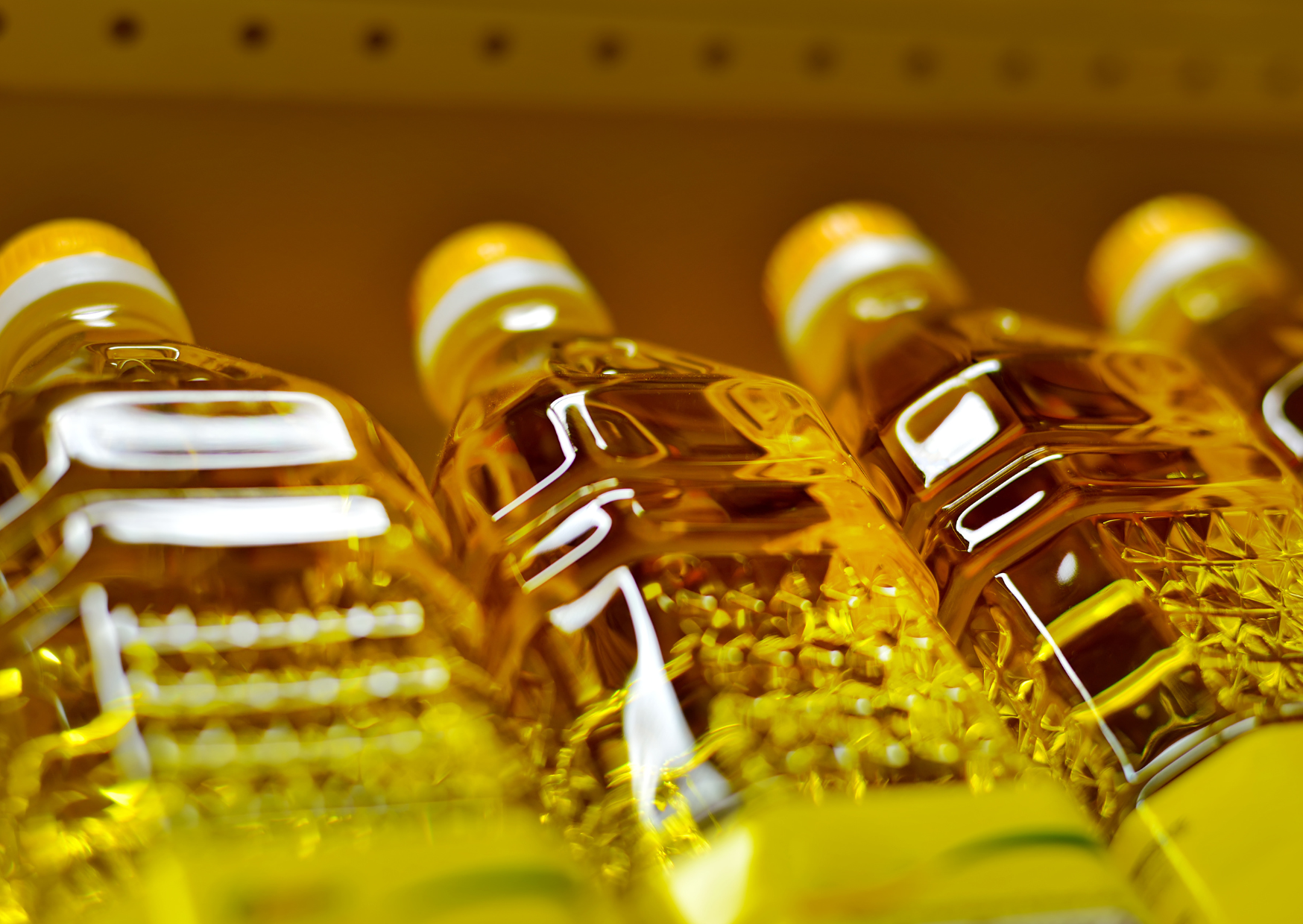
The current American answer is not “nothing.”
It is reformulated shortening and a broad family of industrial fats that can still do the same jobs without using PHOs. Crisco’s current All-Vegetable Shortening ingredient list includes soybean oil, fully hydrogenated palm oil, palm oil, mono and diglycerides, TBHQ, and citric acid. In other words, the old partially hydrogenated architecture is gone, but the functional logic of shortening remains.
That is why so many Americans feel vaguely confused by this topic.
They have heard trans fats were dealt with. They assume the bad fat vanished. But what often happened instead was a technical replacement: fully hydrogenated fats, palm-based blends, emulsifiers, antioxidants, and reformulated shortenings that preserve performance without preserving the exact old ingredient. That is progress in one sense, but it is also continuity. The kitchen kept the category. It just swapped the internal parts.
So when Americans say, “We don’t cook with that anymore,” the honest answer is mixed.
They may not be cooking with classic PHOs anymore.
But they are often still cooking inside the fat system PHOs built.
That distinction explains a lot of the transatlantic difference.
Why This Still Matters in 2026
Because food habits outlive ingredients.
Partially hydrogenated vegetable oil is not just a chemistry story. It is a story about what kinds of fats a culture decides are ordinary. France moved its ordinary kitchen back toward oils and butter that people can recognize, name, and use with more direct culinary logic. The United States cleaned up the most notorious version of the old industrial fat later, but it still carries a stronger inheritance of shortening culture, shelf-stable bakery logic, and engineered convenience fats.
That does not mean every French kitchen is superior.
It means the default settings are different.
One food culture was quicker to treat partially hydrogenated vegetable oil as something old and unnecessary. The other let it live long enough that removing it felt like altering the background architecture of baking and processed food. That is why the title works. The oil is not “vegetable oil” in the innocent bottled sense. It is the industrial category Americans normalized for decades and France shed earlier, first in practice, then in labeling, then in law.

About the Author: Ruben, co-founder of Gamintraveler.com since 2014, is a seasoned traveler from Spain who has explored over 100 countries since 2009. Known for his extensive travel adventures across South America, Europe, the US, Australia, New Zealand, Asia, and Africa, Ruben combines his passion for adventurous yet sustainable living with his love for cycling, highlighted by his remarkable 5-month bicycle journey from Spain to Norway. He currently resides in Spain, where he continues sharing his travel experiences with his partner, Rachel, and their son, Han.