
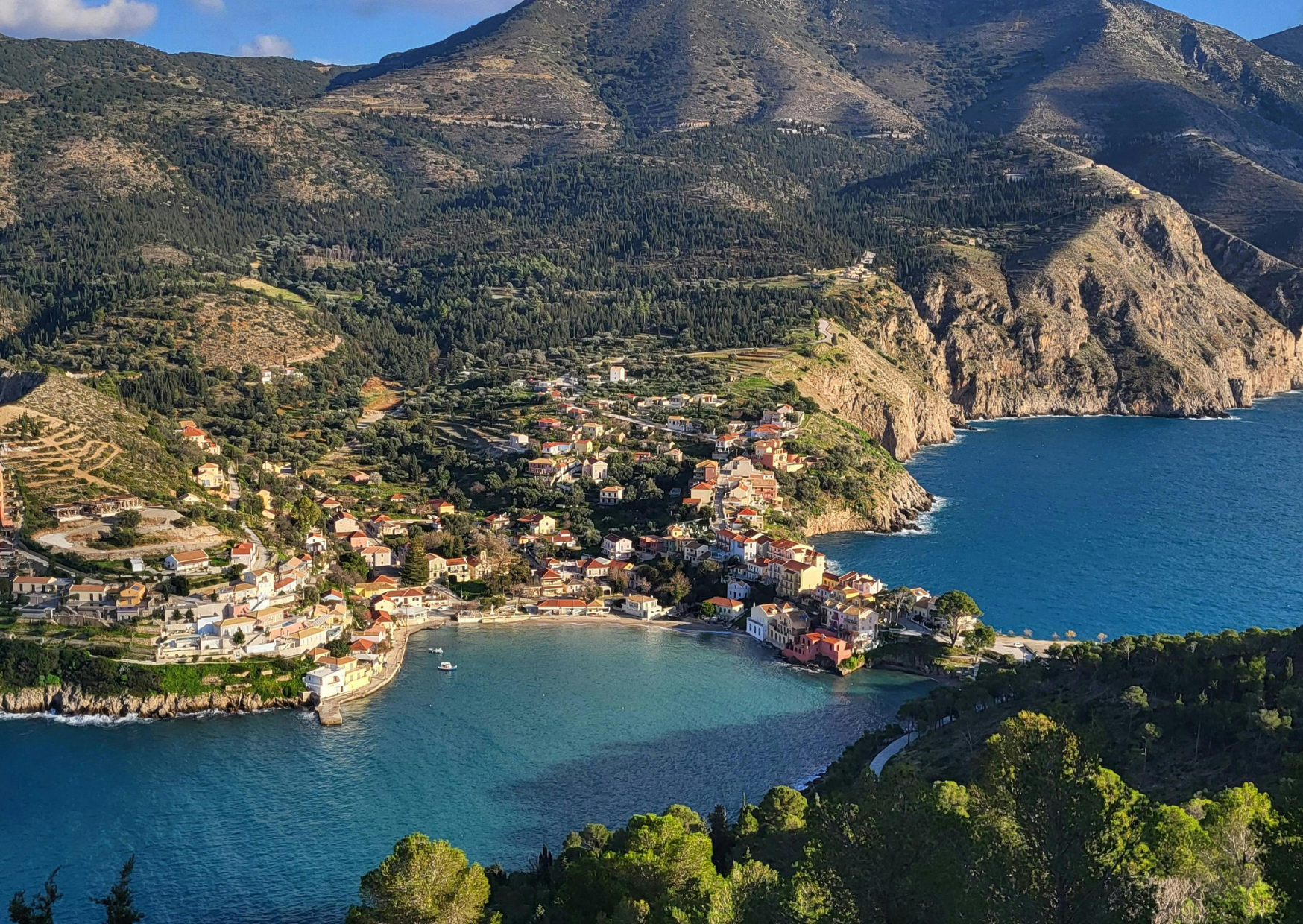
A lot of travel advice about Europe sounds tidy because tidy advice sells.
Go in shoulder season. Fewer crowds. Better prices. Lovely weather. More authentic. Everyone suddenly behaves as if they discovered a hidden door that tourists somehow missed.
That is not how it works.
European shoulder season is real, and it is often excellent, but it is not one neat block of time and it is not automatically a bargain. It is a set of windows, and those windows behave differently depending on whether you care about cities, swimming, hiking, wine, ferries, museums, school holidays, or simply not melting in a stone plaza at 3 p.m.
That last one matters more now than it used to.
Summer still dominates European travel. Recent data shows EU tourism remains heavily concentrated in July and August, with one third of all nights away falling in those two months, while 2025 also brought record tourism nights across the EU and strong summer short-term-rental growth. Add the heat problem on top, especially in southern and western Europe after another very hot summer in 2025, and the old reflex of “just go in August” starts looking less like tradition and more like self-sabotage.
That is why shoulder season keeps winning.
Not because it is secret.
Because it often gives you the best version of the trip without forcing you to pay peak-season prices for peak-season discomfort.
Shoulder Season Is Not One Season

This is the first correction.
People talk about shoulder season as if Europe agreed on a single calendar. It did not.
The shoulder for a city trip to Seville is not the shoulder for a Greek island swim trip. The shoulder for the Italian lakes is not the shoulder for alpine hiking. Portugal can still feel soft and usable deep into autumn, while some smaller resort places start thinning out earlier than American travelers expect.
So stop asking, “When is shoulder season in Europe?”
Ask, “Shoulder season for what?”
That one question saves people a lot of money and a lot of mild disappointment.
In practical terms, Europe has two big shoulder windows that matter most:
- late April to early June
- mid-September to late October
But those windows are not equal.
The spring shoulder is better for cities, gardens, countryside drives, milder walking weather, and trips where you care more about being outside comfortably than you do about hot sea water.
The autumn shoulder is better for Mediterranean beach destinations, warm-water swimming, wine regions, harvest travel, and southern trips where you still want warmth but not the full July-Athens-or-Seville punishment.
Actually, even that rule needs a correction.
It breaks the moment you go too early, too high, or too island-specific. Early spring can still feel half-awake in resort zones. Late autumn can feel dreamy in Lisbon and a little half-shut on a tiny island depending on ferries, weather, and local seasonal rhythm.
So the real definition of shoulder season is not “off-peak.”
It is the period where the destination still works well, but the peak-season pressure has eased.
That is the test.
If the place still functions at a high level and you are not paying summer’s full crowd tax, you are in the right window.
The Two Best Windows Are Not Equal
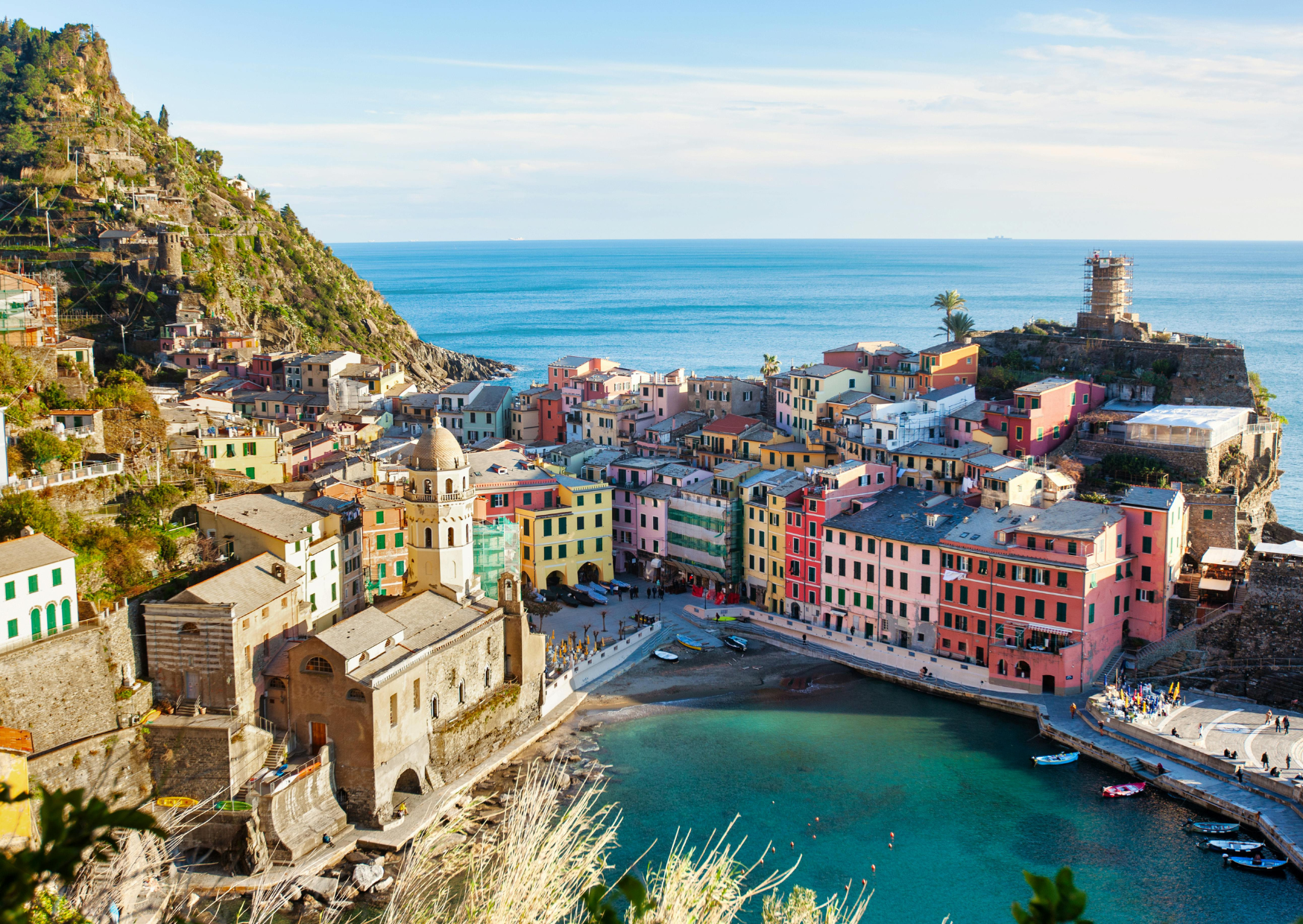
If you want the cleanest version of the rule, use this:
Late April to early June is the better shoulder for first-time city and culture trips.
Mid-September to mid-October is the better shoulder for Mediterranean coasts and islands.
That is the short answer.
The longer answer is why.
Spring wins when the trip depends on walking through cities, climbing church towers, sitting in plazas, taking trains, seeing gardens or countryside, and moving around without heat becoming your main travel companion. Spain’s own tourism guidance leans into autumn, winter, and early spring as quieter and cheaper, which tells you something important about how punishing the high season can be in the most visited parts of the country. Italy sells spring as one of its best seasons for favorable climate and landscapes in bloom. Portugal leans on warm spring days and outdoor variety. Greece explicitly recommends spring and early summer for travelers who want islands without the packed high season or the worst summer heat.
Autumn wins for a different reason.
The sea has memory.
By September and early October, the Mediterranean is still warm from summer, which means a Greek island trip, southern Italy trip, Sicily trip, or southern Portugal trip can still feel like summer in the useful ways and not in the exhausting ones. Greece’s official travel guidance is very blunt here: for avoiding the tourist-packed high season and summer heat, autumn, especially September to mid-October, is one of the recommended windows.
That distinction matters because people keep choosing the wrong shoulder for the wrong dream.
They go to islands in early May expecting full beach-season energy.
Or they go to northern lake and countryside routes in high summer because that is when they are used to traveling.
Then they wonder why the trip feels slightly off.
The window needs to match the goal.
Not the school calendar you grew up with.
Not the month your office thinks is normal vacation time.
Go In Late Spring For Cities And Moving Around
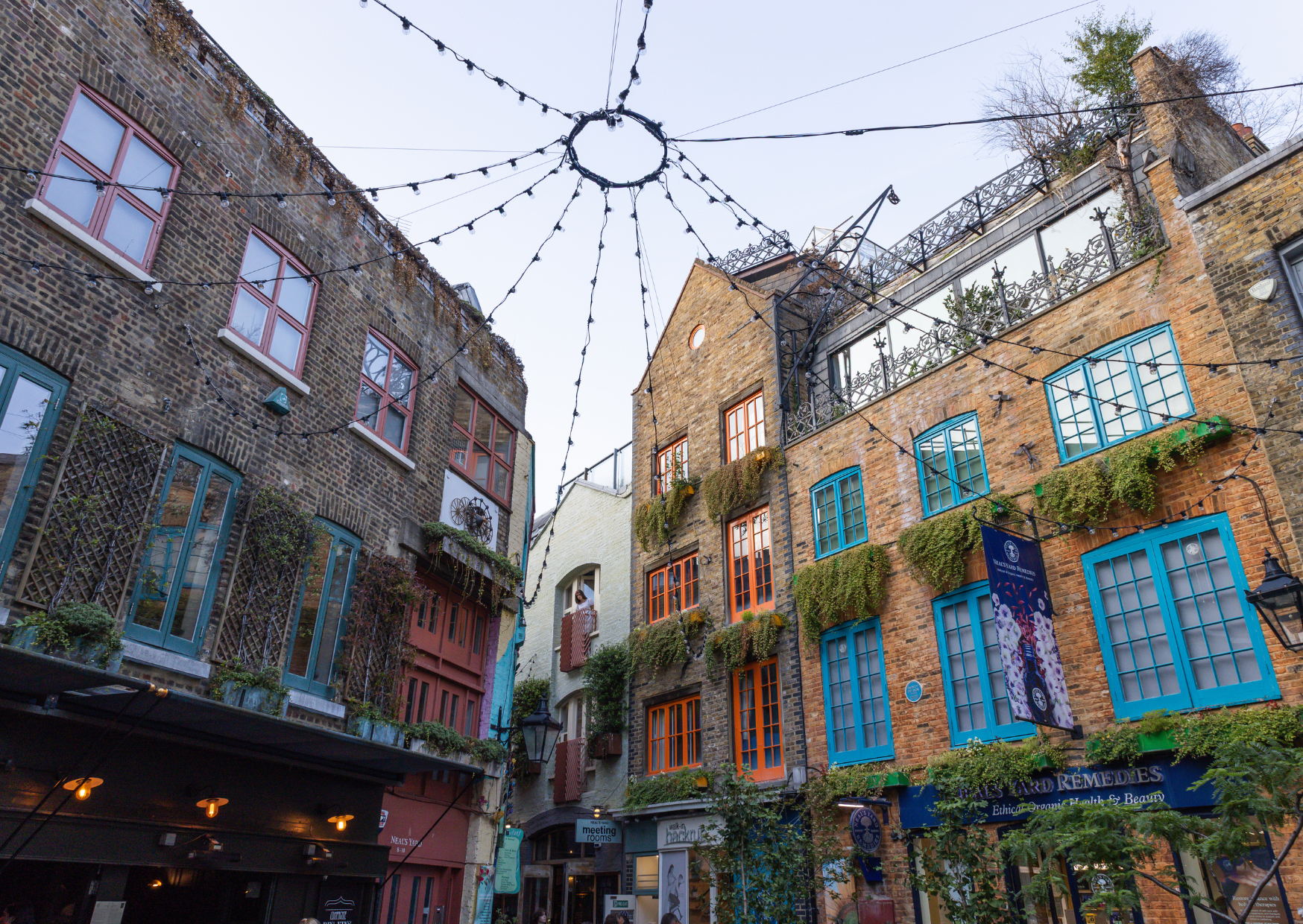
Late spring is where European shoulder season earns its reputation.
This is the stretch where Rome, Seville, Lisbon, Porto, Florence, Madrid, Granada, Bologna, Vienna, and Paris often become more enjoyable than they are in peak summer simply because the human body stops being your main enemy.
That sounds obvious. It is still undervalued.
A city trip lives or dies on walking comfort, queue tolerance, daylight, and how much energy you have left after lunch. In late April, May, and early June, a lot of European cities still feel alive and open, but they have not yet crossed fully into the thickest version of summer strain. You get longer days, outdoor meals, workable temperatures, and a better chance of using parks, viewpoints, and day trips without spending the entire afternoon negotiating with the heat.
This is especially true in southern cities.
Seville, Córdoba, Granada, Valencia, Lisbon, and much of southern Italy are not places where July and August always improve the experience. Sometimes they just make it hotter and more expensive. After another very hot European summer in 2025, especially across the west and south, that point is becoming harder to ignore.
Late spring is also the better shoulder for train-based travel.
Intercity routes are still lively, cities are functioning, and you are less likely to arrive at a destination where everyone seems slightly cooked by 4 p.m. If you want the kind of trip where you fly into one city, move by rail, and keep stacking walkable places without renting a car, this is the sweet spot.
A good late-spring lineup looks like this:
- Andalusia for cities, not beaches first
- Lisbon and Porto, plus a Douro or Sintra extension
- Northern Italy’s lakes, which Italy itself pushes strongly as a spring destination
- Tuscany and Umbria for countryside, towns, and driving without summer’s glare
- Greek mainland and larger islands if you care more about atmosphere than hot water
The money win here is not only the room rate.
It is that the whole trip usually asks less of you.
Less queue misery. Less heat panic. Less need to hide in air conditioning between 2 and 5. Less sense that you paid to endure a city rather than enjoy it.
That is a better bargain than people think.
Go In Early Autumn For Sea And Southern Europe

If the trip in your head involves swimming, islands, coastal dinners, ferry hops, or that very specific fantasy of Europe still feeling summery without being at war with itself, then early autumn is your shoulder.
This is where Greece, Sicily, Puglia, the Algarve, and much of the warmer Mediterranean coast start to outperform summer for a lot of people.
The reason is simple.
The sea stays warm longer than the crowds do.
Greece says it plainly. If you want islands without the peak crowd crush or the worst heat, go in autumn, September to mid-October, or in mid-April to end May. For many travelers, especially older ones, September into early October is the better call because you get both milder conditions and warmer water.
Sicily is another strong example. Official Italian tourism guidance describes the island as usable all year, but it specifically says that spring and autumn are ideal for inland areas and festivals, while the sea works from May to October. That is exactly the kind of shoulder logic travelers need. Sicily in late September or early October can still give you beaches, sea, villages, and long lunches without the full summer weight of the island pressing back.
Portugal stretches in a slightly different way.
The Atlantic is not the Mediterranean, so “beach weather” and “swim comfort” do not behave exactly the same. But Portugal’s official climate guidance is still clear that autumn often brings warm, sunny days, and the country even has a name for the good-weather stretch around early November. For Lisbon, Porto, much of the south, and Madeira especially, early autumn can be superb.
This is also when wine country and harvest travel start making sense in a more concrete way. Slovenia, Portugal, northern Italy, and parts of France all become richer in autumn not because summer has failed, but because the season adds food, wine, and light rather than merely subtracting crowds.
That is the shoulder-season mistake Americans make most often. They think autumn means compromise.
In a lot of southern Europe, early autumn means summer with better manners.
Some Places Are Great In Shoulder Season And Some Are Just Half Open

This is the part cheerful travel articles usually hide.
Not every place improves in shoulder season.
Some just get thinner.
There is a difference between a place becoming calmer and a place becoming less functional.
A city with year-round life often gets better in shoulder season.
A tiny beach town built around high-season turnover may simply get patchier. Fewer ferries. Fewer daily departures. Reduced restaurant hours. Less nightlife. Beach clubs gone or half-operational. A charming quiet if that is what you wanted, and a slightly dead feeling if it was not.
That is why destination size matters.
Big living cities like Lisbon, Seville, Athens, Naples, Valencia, Palermo, Porto, and Milan have enough local life to carry a shoulder-season trip very well.
Tiny islands and strongly seasonal resort towns need more care. Some are beautiful in the margins. Some feel like the set crew already went home.
The same problem shows up in mountain regions.
Shoulder season sounds smart until you realize you picked the exact weeks when the ski season is over, the summer lifts are not fully running, the hiking trails are muddy or snow-patched, and half the hotel infrastructure is taking a breath. That is not “Europe in shoulder season.” That is the gap between two functional seasons.
There is also a crowd trap people forget every year.
Not all shoulder weeks are quiet.
Easter week, major public holidays, city marathons, bank-holiday weekends, and school-break clusters can push hotel rates and crowd density right back up. A shoulder month is not the same thing as a shoulder week. Seville at Easter is not a calm April city break. Rome around major religious dates is not a bargain because it is technically spring.
This is why good shoulder-season planning is less about finding a month and more about dodging a spike.
Month first, week second.
That is how you avoid the fake bargain.
What Cheaper And Quieter Actually Mean
Shoulder season is often sold too hard.
The truth is less dramatic and more useful.
You are usually not getting empty Europe.
You are getting less saturated Europe.
That distinction matters because Europe is still heavily visited, and 2025 was another record year for tourism nights across the EU. Summer remains the center of gravity, but shoulder travel is no longer some fringe behavior. Plenty of smart travelers have figured this out. Some September destinations are busy because everybody else had the same good idea.
So what changes?
Usually four things.
First, the crowd density eases. You still wait sometimes, but the city feels less like it is resisting your presence at every turn.
Second, prices soften unevenly. Flights, hotels, and rentals may come down, but not always dramatically, and not everywhere equally. Big-ticket hotspots can still be expensive because “less expensive than August” is not the same thing as cheap.
Third, the pace gets better. Streets feel more human. Service often feels less strained. Trains, ferries, and museums may still be busy, but not always in the same crush pattern.
Fourth, the climate starts helping instead of competing. This is maybe the biggest win of all. The trip stops being a battle against weather and starts being a trip again.
That said, shoulder season comes with its own trade-offs:
- swim water may still be cool in late spring
- rain risk can rise, especially in Atlantic and northern zones
- hours may narrow in resort areas
- nightlife can thin out
- construction or seasonal reset work sometimes shows up in shoulder weeks
Good. Better to say that plainly.
Shoulder season is not the perfect version of summer.
It is often the more rational version of Europe.
For most adults, especially adults over 45 who are less interested in queue heroism and heat suffering, that is the better deal.
The Best Shoulder Season Trips Are Built Backwards
This is the planning trick most people miss.
They start with a country, then a city, then dates, then flights.
Shoulder season works better when you start with the trip you actually want, then reverse-engineer the dates.
Ask these questions first:
Do you want city walking or sea?
Do you need guaranteed swimming or just pleasant weather?
Do you want wine and food seasonality, or are you really chasing architecture and museums?
Do you need fully awake resort infrastructure, or would quieter streets make you happier?
Are you trying to move around by train, or plant yourself in one place?
Once that is clear, the dates almost choose themselves.
If you want cities and rail, look hard at May and early June.
If you want islands, sea, and late dinners without high-summer punishment, look hard at September and early October.
If you want autumn color, wine country, and slower food travel, then October becomes far more interesting than many Americans realize.
And if you want the cheapest possible Europe with fully functioning summer energy, you may simply be asking for three things that do not coexist very often.
That is where people get annoyed.
They want shoulder season to provide July’s swim temperatures, April’s room rates, October’s crowds, and year-round city energy all at once.
No destination owes you that.
The right move is choosing which compromise you can live with.
That is what makes a good shoulder-season traveler different from a frustrated one.
The First Week You Plan This Properly
This is one of those trips that improves the second you stop being vague.
Day one, decide the trip type.
Not “Europe in spring.” Not “somewhere warm.” Decide whether this is a city trip, coastal trip, island trip, hiking trip, or food-and-wine trip.
Day two, pick the better shoulder window for that trip type.
- late April to early June for cities, inland routes, countryside, and rail-heavy itineraries
- mid-September to mid-October for Mediterranean sea trips, islands, and southern coasts
Day three, check the obvious trap dates. Easter, school breaks, public holidays, big city events, and local festivals that can overwhelm the exact place you thought was “off-peak.”
Day four, build around one strong base instead of too many stops. Shoulder season works best when you actually get the lower-friction version of the destination, not when you spend the whole trip re-packing and re-checking connections.
Day five, price the center, not the fringe. The whole point of shoulder season is often that you can afford a better-located stay without July-level pain. Use that. A smaller central room is usually better than a bigger room that turns the trip into a transport problem.
Day six, check the living details, not just the weather. Ferry frequency, museum closure days, local transport, opening hours, and whether the place is a real city or a summer shell.
Day seven, lock the trip before you start second-guessing it into August.
A few blunt rules help:
- May for cities
- September for sea
- October for wine, food, and southern light
- avoid Easter week unless Easter is the point
- do not treat “Mediterranean” as one climate
- do not confuse quieter with dead
That last one is where a lot of good trips are either made or ruined.
The Trip Gets Better When You Stop Chasing July
The best thing shoulder season offers is not lower prices.
It is relief from the idea that the “real” Europe only happens in peak summer.
That idea is old, over-taught, and increasingly expensive in every sense.
Summer still has its place. School calendars are real. Families need what they need. Some beach trips do belong in high season. Some festivals only happen then. Fine.
But a huge number of adult travelers are no longer being served by the old default. They are paying top money for top crowd density during top heat and then acting surprised that the trip feels less graceful than the fantasy.
Shoulder season fixes that not by making Europe empty, but by making it more usable.
Cities breathe better.
Meals get easier.
Walking feels humane.
Transport feels less punitive.
The sea can still be warm in autumn.
The countryside can still be vivid in spring.
And the trip stops feeling like a contest with everybody else’s calendar.
That is the point.
European shoulder season is not one season, not one bargain, and not one secret.
It is simply the moment when the destination still works, but the madness has eased.
For a lot of people, that is not second-best Europe.
It is the better version.

About the Author: Ruben, co-founder of Gamintraveler.com since 2014, is a seasoned traveler from Spain who has explored over 100 countries since 2009. Known for his extensive travel adventures across South America, Europe, the US, Australia, New Zealand, Asia, and Africa, Ruben combines his passion for adventurous yet sustainable living with his love for cycling, highlighted by his remarkable 5-month bicycle journey from Spain to Norway. He currently resides in Spain, where he continues sharing his travel experiences with his partner, Rachel, and their son, Han.